






Maintaining a metal roof: inspection records, cleaning and timely repairs
Renovation and maintenance
Metal roof maintenance begins with observation, not repainting the entire surface. Check drainage, joints, fixings and coating condition, choosing intervals around the manufacturer’s instructions and the surroundings. Leaves, metal swarf and damage caused by other work may need attention sooner than gradual colour ageing. This guide organises inspection, cleaning, scratch assessment and repair decisions. It stresses safe access: owners should not attempt every task themselves. A simple photographic record lets you compare the roof with earlier inspections instead of starting again each time. The purpose is to address causes and keep details functional, rather than carry out cosmetic treatments on an arbitrary timetable.
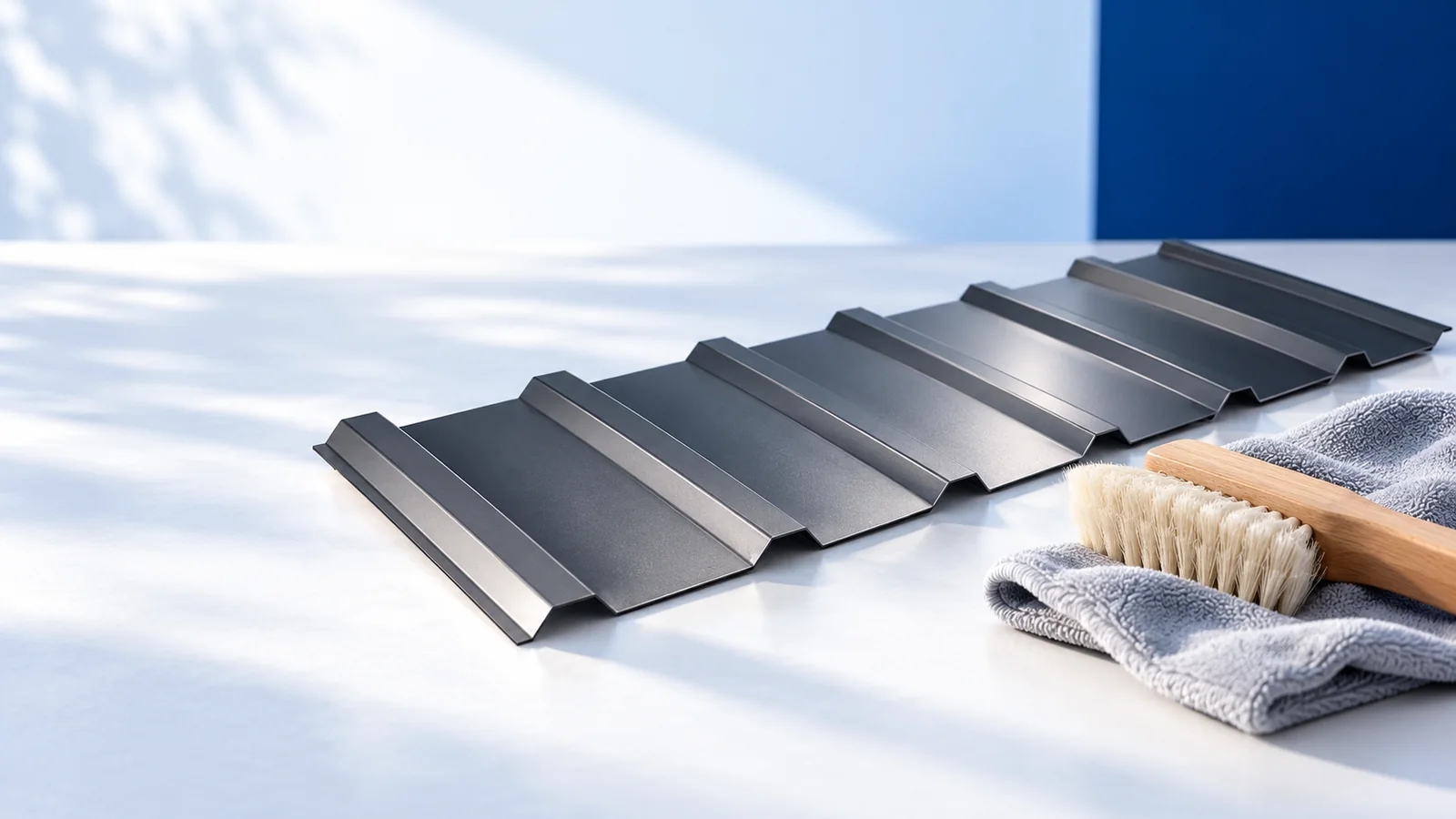
Why does a well-coated roof still need attention?
A coating protects the sheet surface, but the roof also includes joints, seals and outlets. Branches, weather and work on aerials or chimneys can affect them. A long warranty does not prove that nothing needs checking after an incident.
Record small defects with the date and photo location. Comparing inspections shows whether a change is progressing or stable. This helps discussions with an installer and avoids confusing an old mark with new damage.
How should inspection intervals be chosen?
Start with the covering’s maintenance instructions and warranty conditions. Roofs below trees or in dusty surroundings may need more frequent checks. Inspections after winter and leaf fall can be practical, but are not a universal interval for every product.
Arrange additional checks after strong winds, hail or roof work. Some symptoms are visible from the ground or a window. Inspections requiring roof access should be handled by someone with suitable equipment and safe working arrangements.
Which areas deserve attention first?
Trace the water path through valleys, chimneys, penetrations and eaves. Look for debris accumulation and slow-drying areas, including beneath equipment. Inspecting only the middle of sheets does not replace checking details.
Assess fixings and washers without automatically tightening every screw. Excess pressure can impair sealing. Inspect the space below the roof as well: stains or moisture may reveal a problem before an obvious exterior defect appears.
How should the roof and drainage be cleaned?
Remove loose debris using a method approved for the finish. Soft tools do not make every detergent or solvent acceptable. Do not direct water underneath laps or use abrasion that removes the protective coating.
Check valleys, gutters, outlets and downpipes as one drainage route. An overflowing gutter can cause water marks even when the covering is sound. Collect debris safely; throwing it from height creates another hazard.
What should be done about scratches and local corrosion?
A rust-coloured spot can come from swarf left on the surface rather than the sheet itself. After appropriate removal, assess the underlying finish. Size, depth and progression matter when deciding on repair.
Carry out small touch-ups according to manufacturer guidance. Extensive coating separation or perforation needs a different assessment from a single scratch. Photograph the condition and check reporting requirements before intervention; painting over everything can obscure the cause.
Does a metal roof need repainting at fixed intervals?
There is no single number of years after which every metal roof needs repainting. Condition, coating type and product guidance determine the decision. A change in colour preference is a separate renovation motive, not proof that protection has failed.
Renovation needs a compatible system, substrate preparation and suitable drying conditions. Covering loose coating with another layer does not repair it. Cost also includes access, safe working arrangements and assessment of areas needing replacement.
What should a simple roof record contain?
Keep invoices, covering and coating designations, instructions and detail photographs. Add the date, findings and completed work at each inspection. Recording new installations and their fixings helps establish when a problem began.
If a mark returns after cleaning or sealing, investigate its source instead of repeating the treatment. A useful maintenance plan combines observation, safe access and correction of the cause. Documentation gives the next contractor a roof history, not just a current photograph.

Free quote
What to include in your enquiry
Tell us how you plan to use the material, the dimensions and the quantity you need. Include the thickness, grade or variant name, along with the delivery town or your preferred collection branch. For a specific product, add its name or a link to the product page. We will reply to the email address you provide to discuss availability and the terms of your order.
More from the building guide
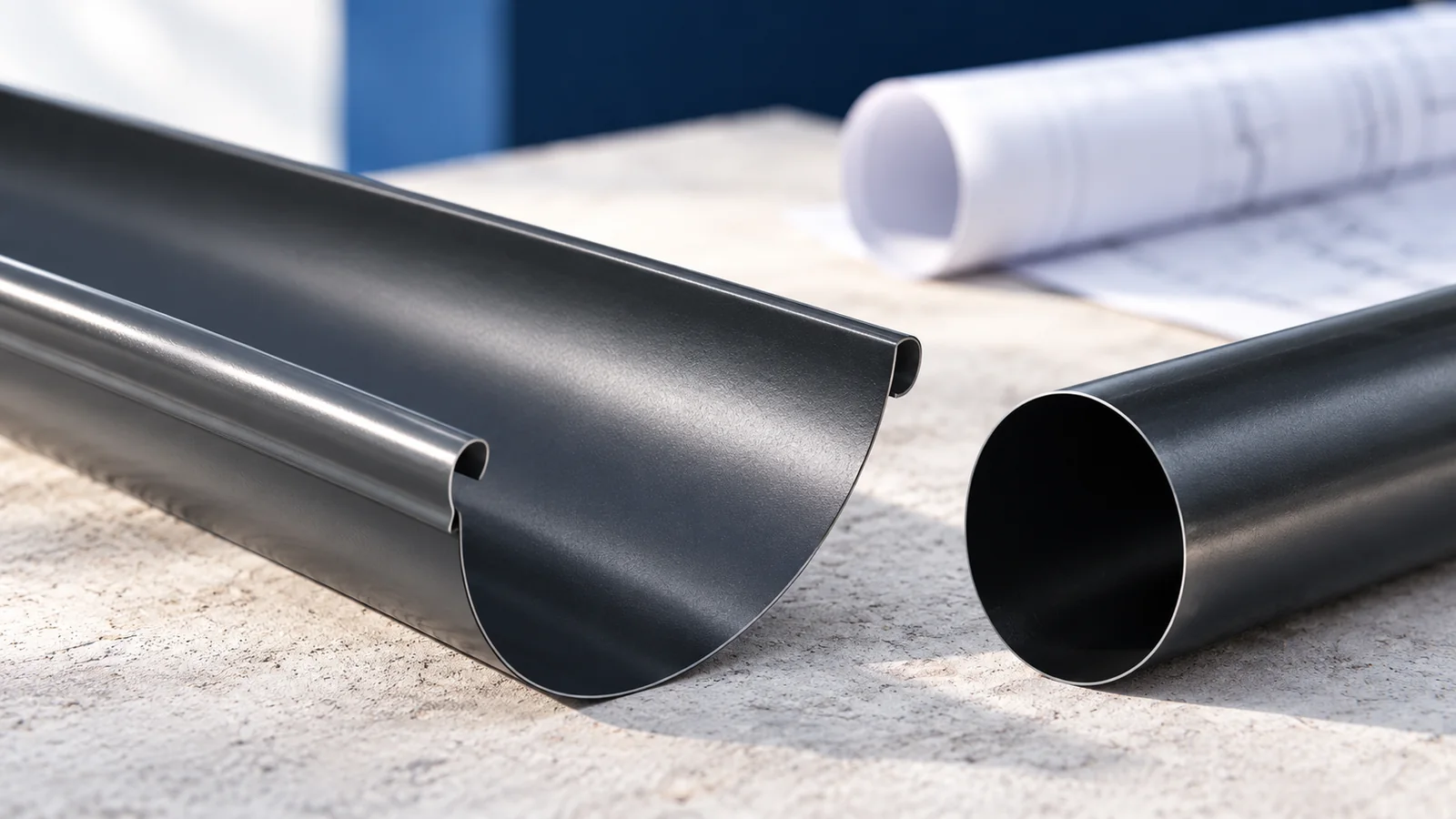
Flashings are needed wherever the normal covering arrangement stops directing water safely. That includes eaves, verges, valleys, ridges and junctions with walls…
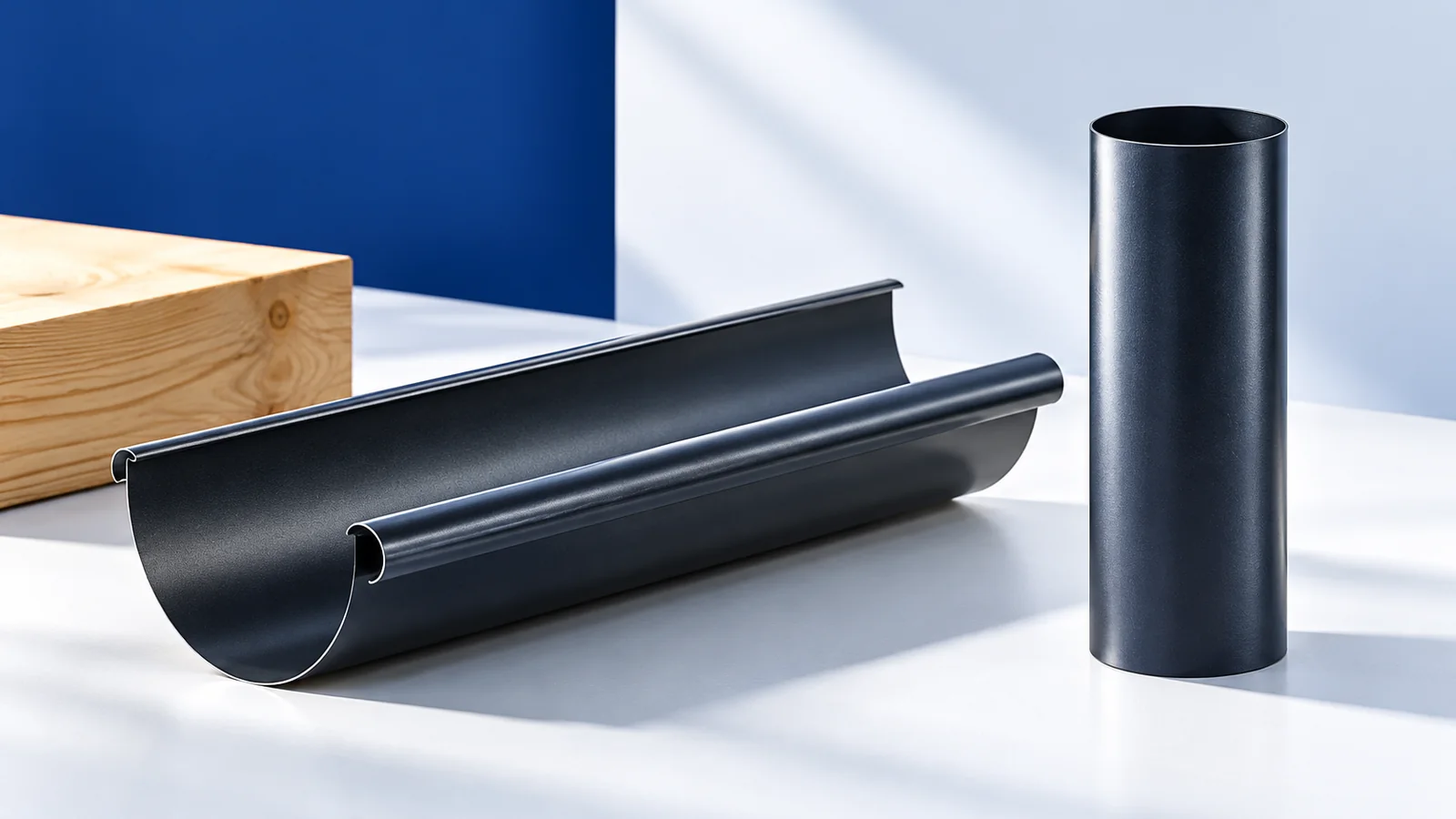
Start gutter selection for a metal roof with the amount and direction of runoff, then consider shape and colour. Relevant details include…
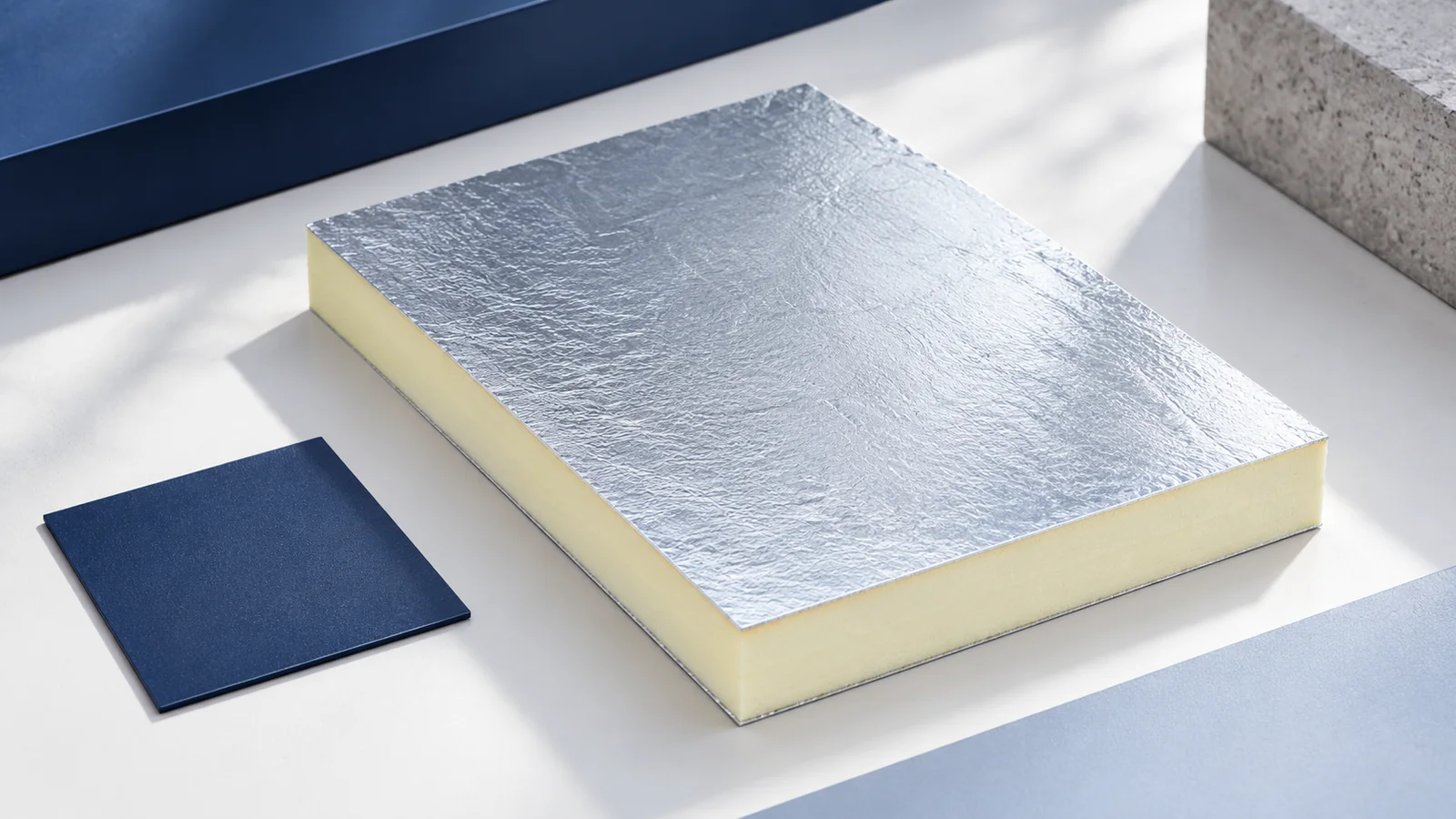
A flat roof covering should be selected around the roof's use, drainage and complete build-up. Structural trapezoidal decking, PIR insulation and waterproofing…
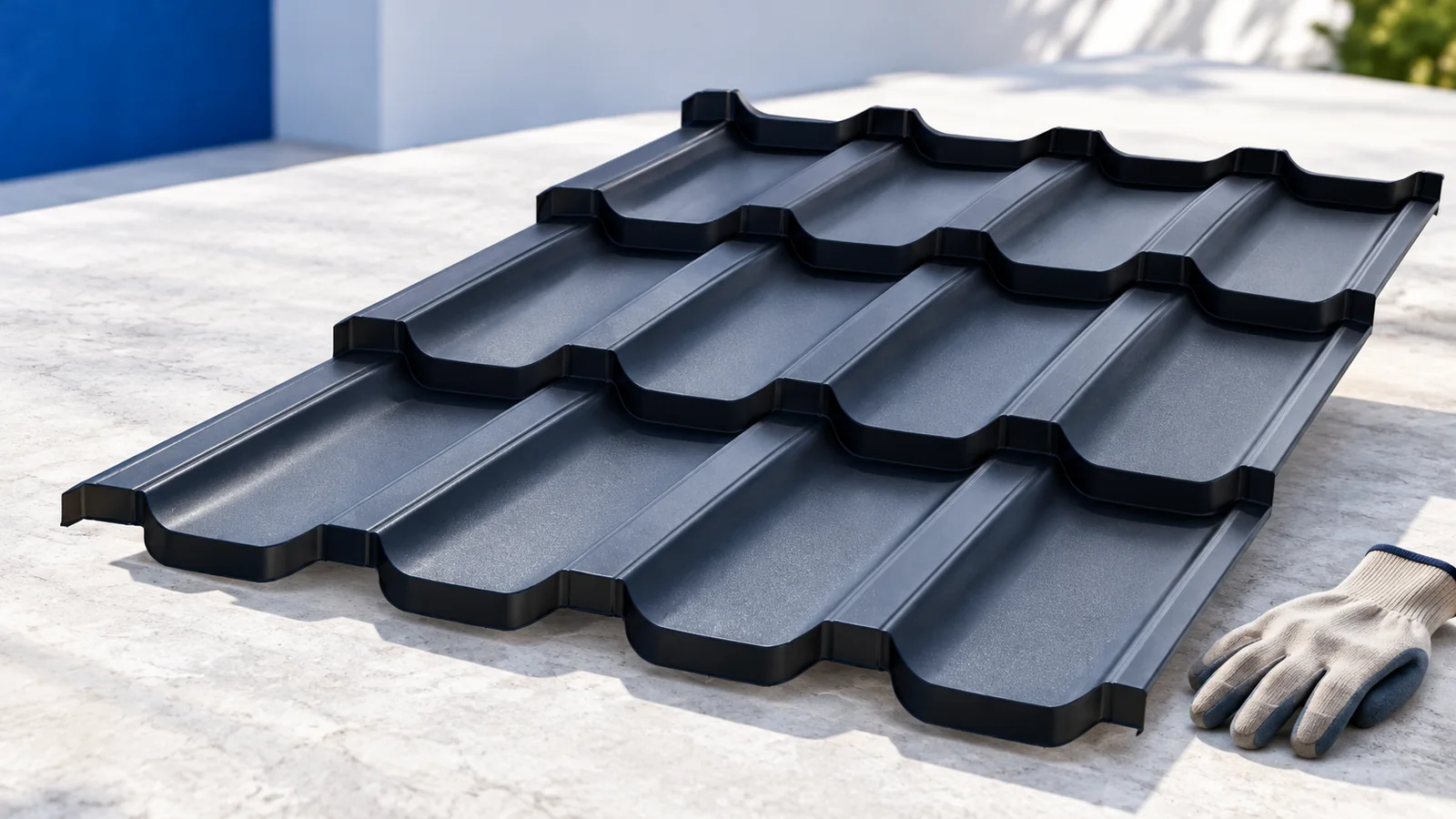
Choose a holiday cabin roof around its structure, pitch and intended use. A building visited in summer needs a different roof build-up…
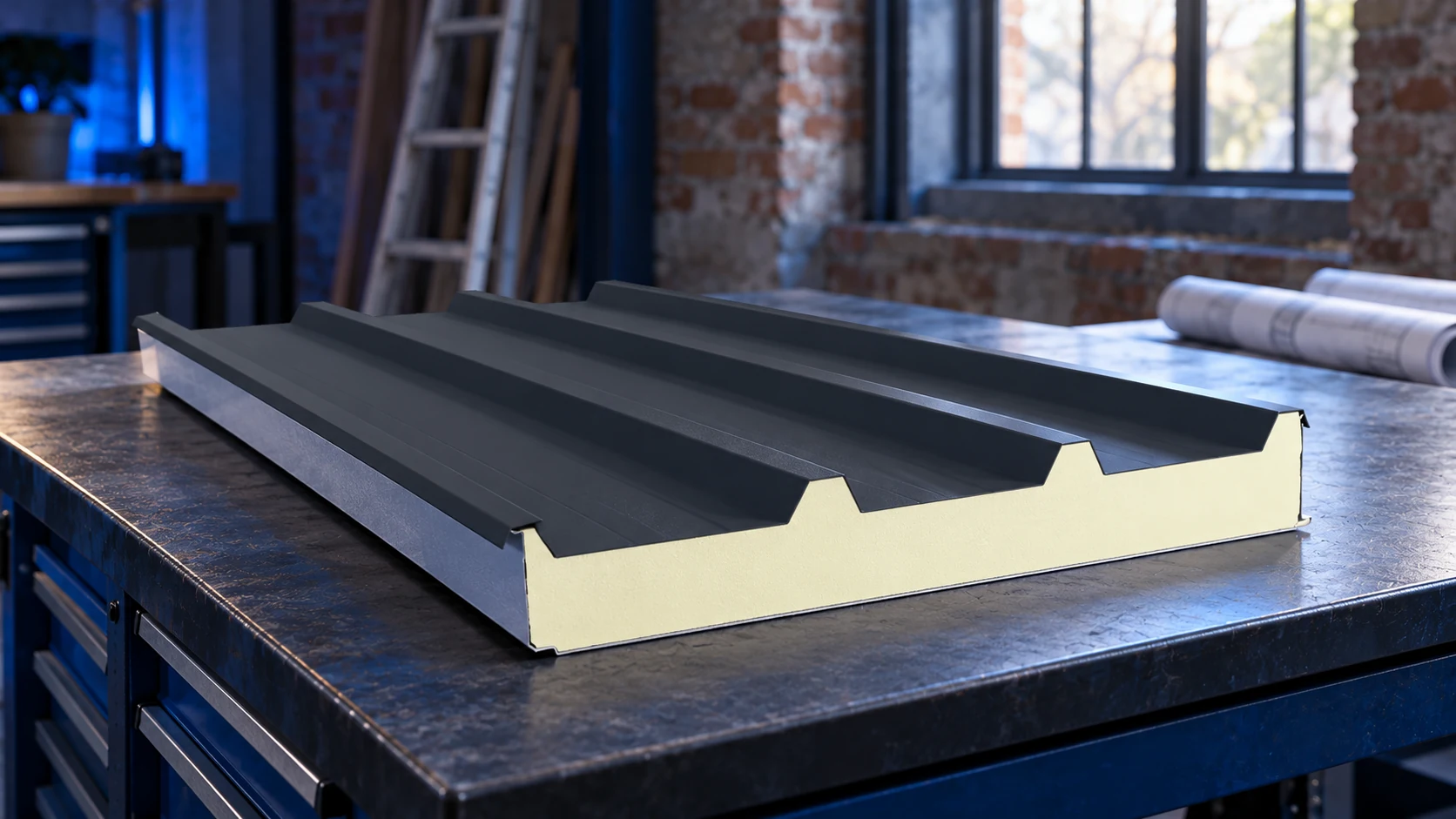
Roof sandwich panels can be used in an extension where the existing structure and new design permit them. Their relatively low weight…
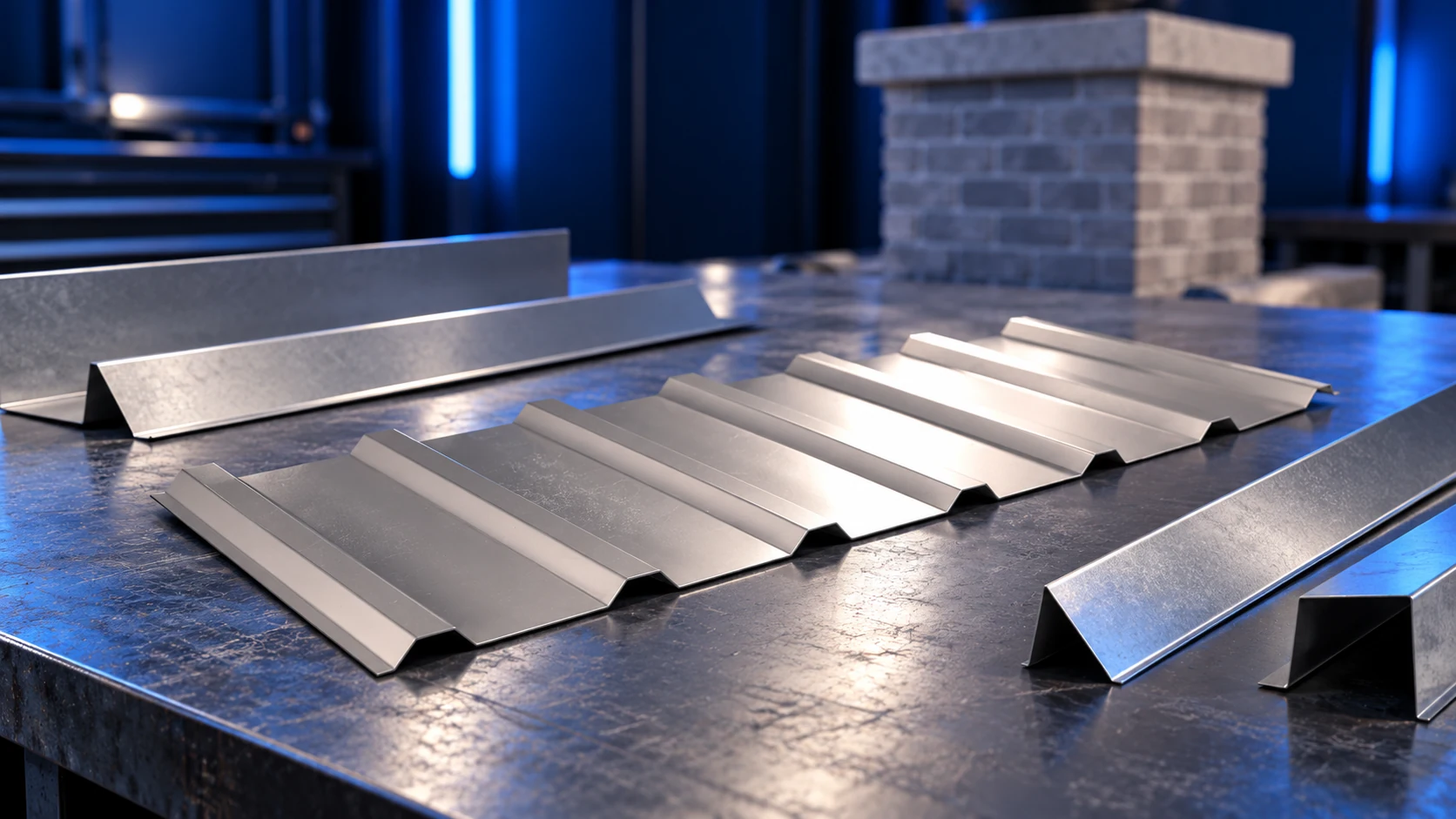
Chimney flashing must return water to the roof covering while accommodating movement between the roof and chimney. A strip of sheet metal…

At an assumed PLN 36.34 excluding VAT per square metre of T18 cover, material for 200 m² totals PLN 7,268 excluding VAT.…
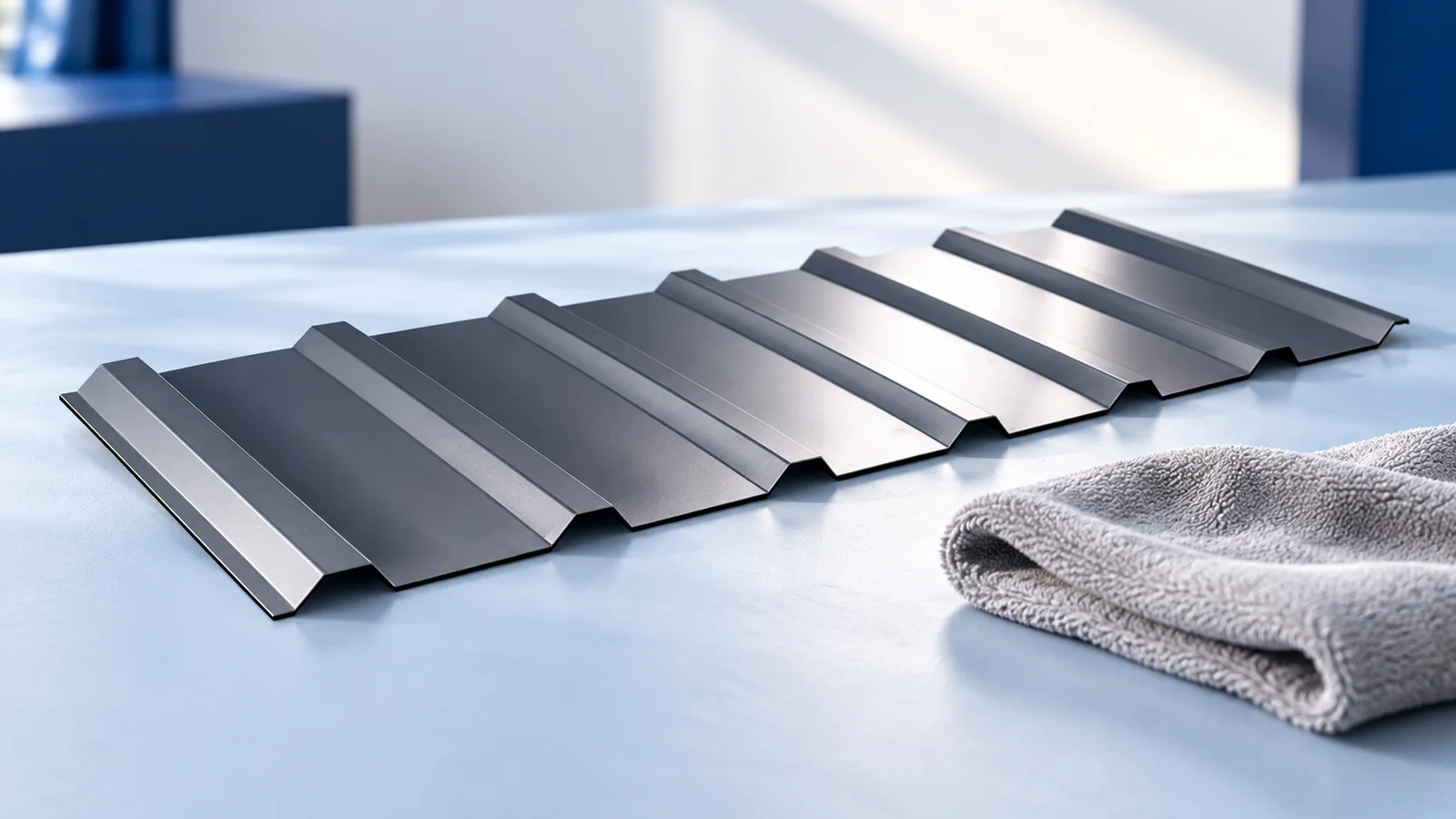
When a roof problem appears, record the symptom, location and circumstances first. Surface rust does not always originate in the sheet, and…