






Metal roof tiles or trapezoidal steel sheet: which fits your roof?
Roof coverings
Start with a roof section and a sheet layout. The section shows the pitch, supports and laps permitted for a particular metal profile. The layout shows how much material valleys and hips consume. A long trapezoidal sheet can cover a simple slope without an end lap. Smaller tile-effect modules are easier to handle and arrange on a roof with several changes of direction. Judge appearance from a profiled sample. Compare costs only after adding delivery, flashings, fasteners and labour. The distinction between a square metre of sheet and a square metre of effective cover matters to the final bill.
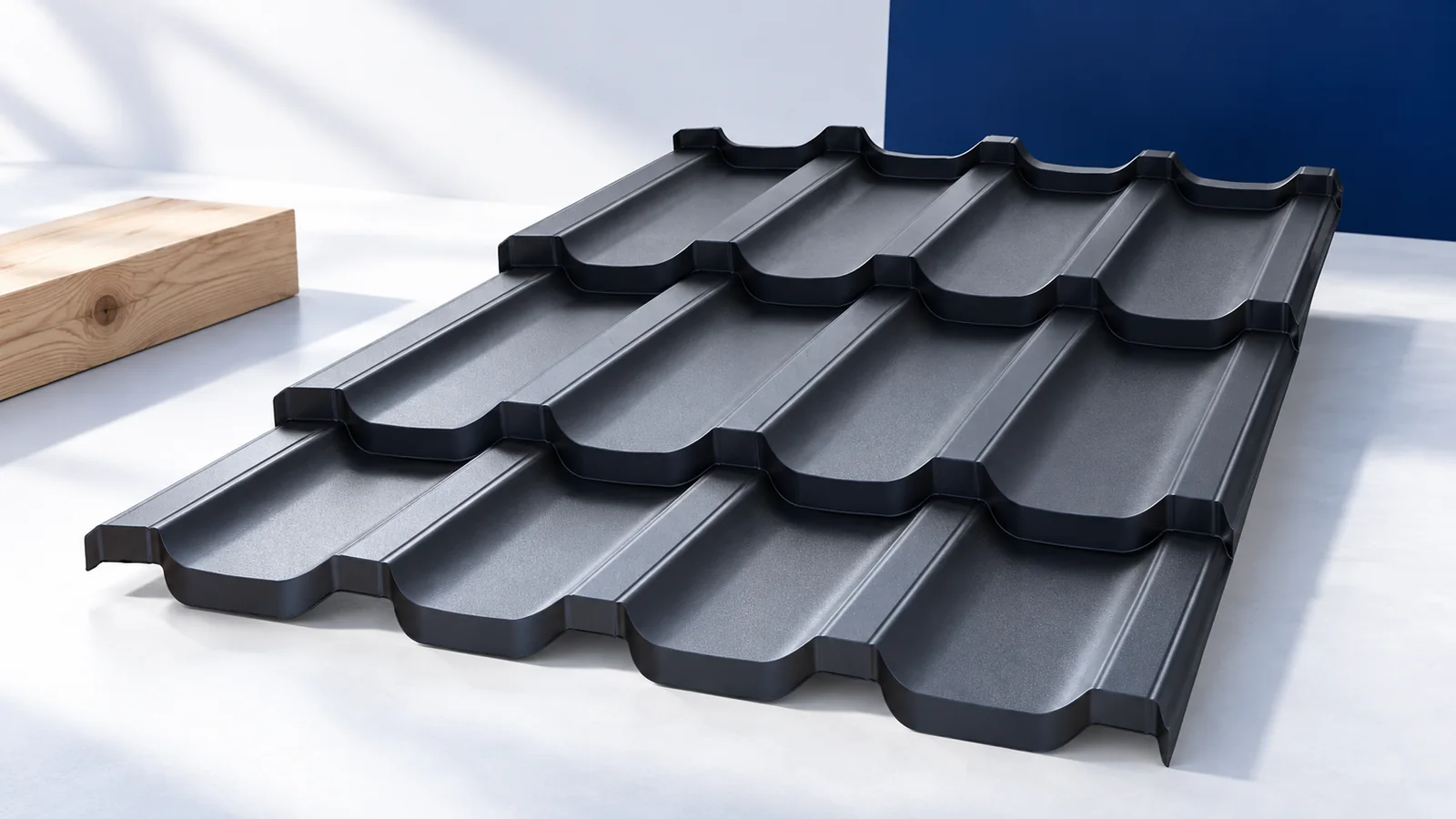
How do the two shapes differ?
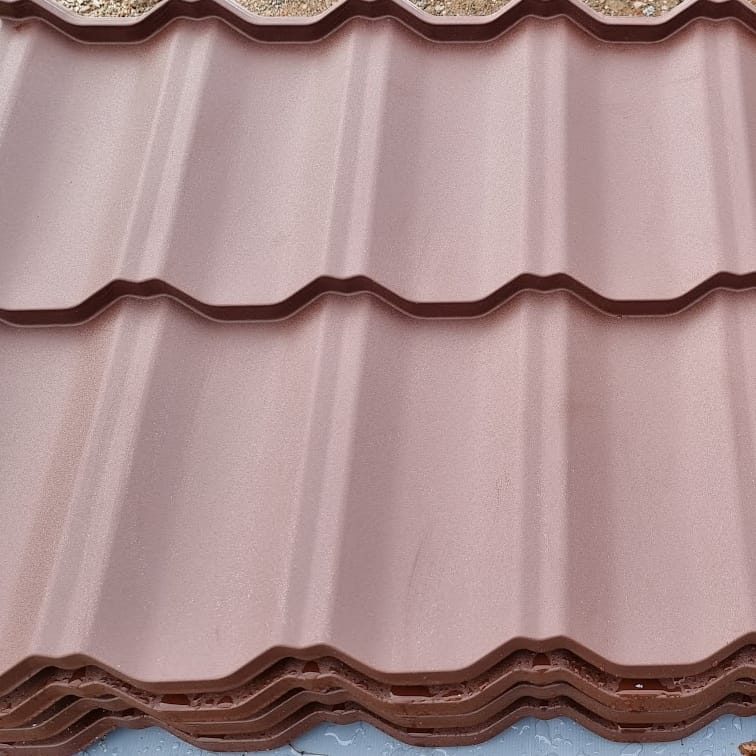
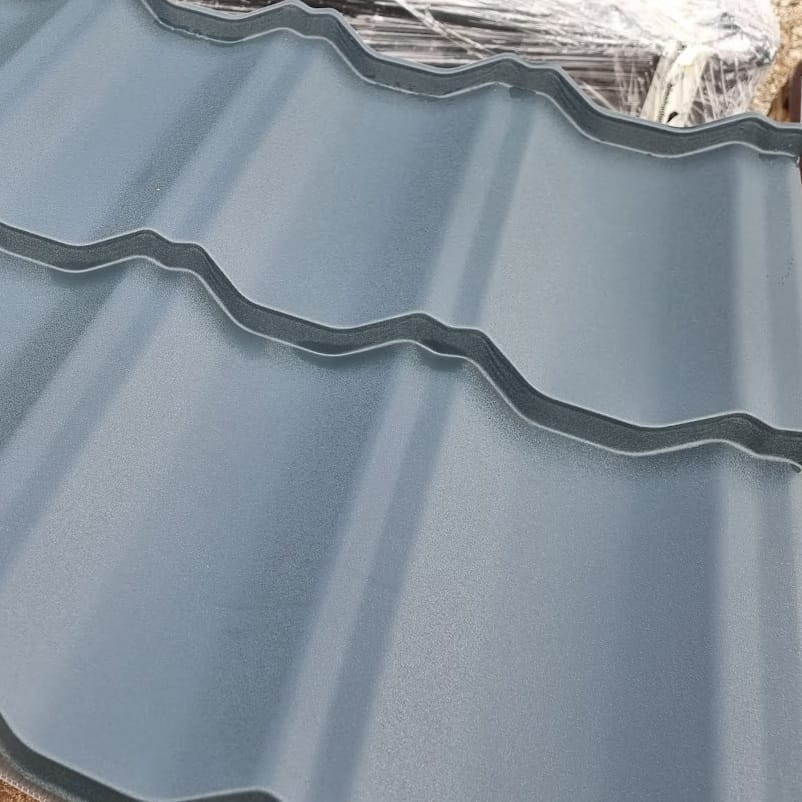
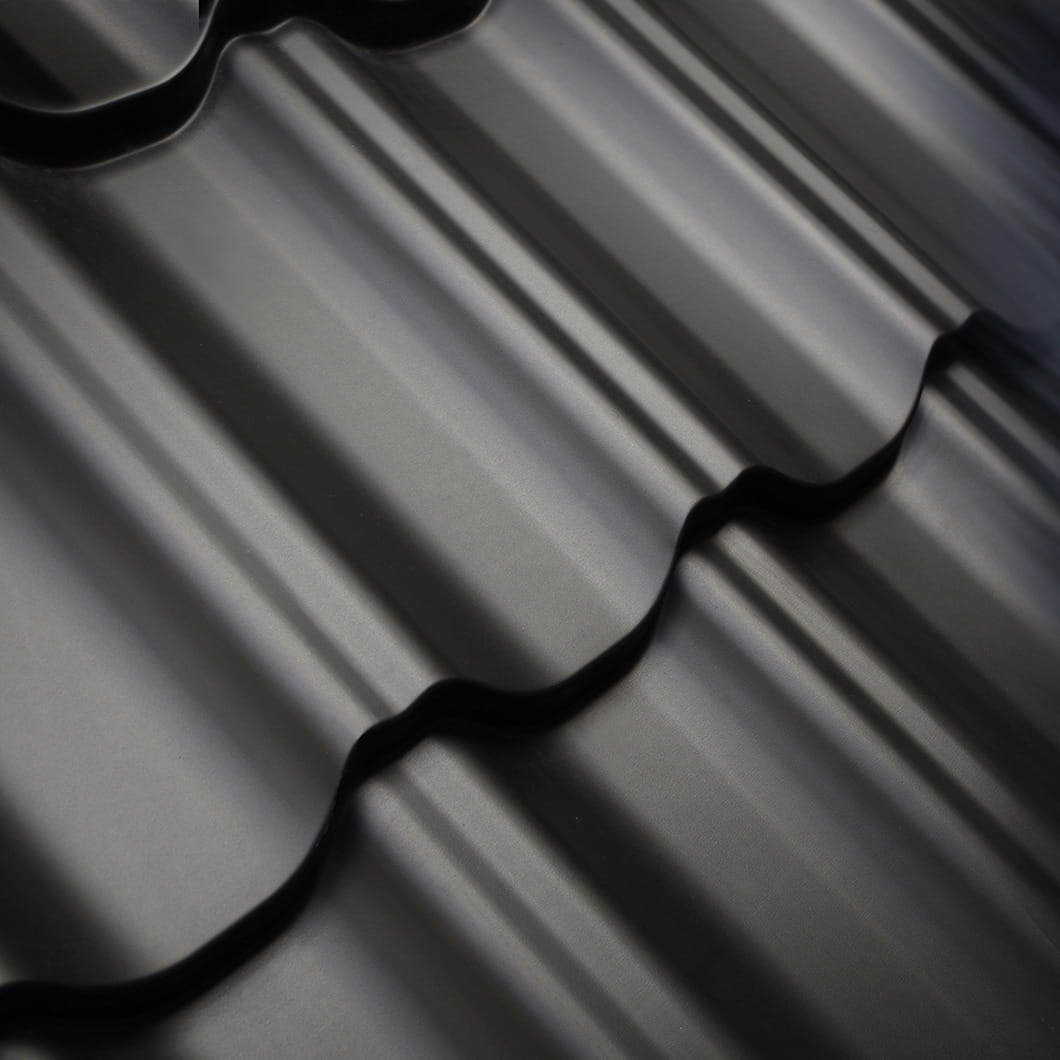
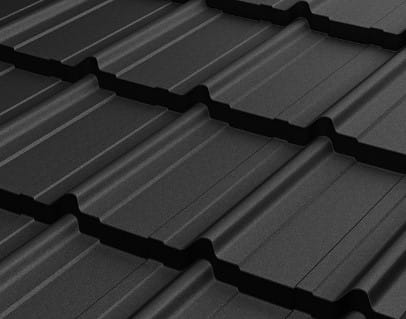
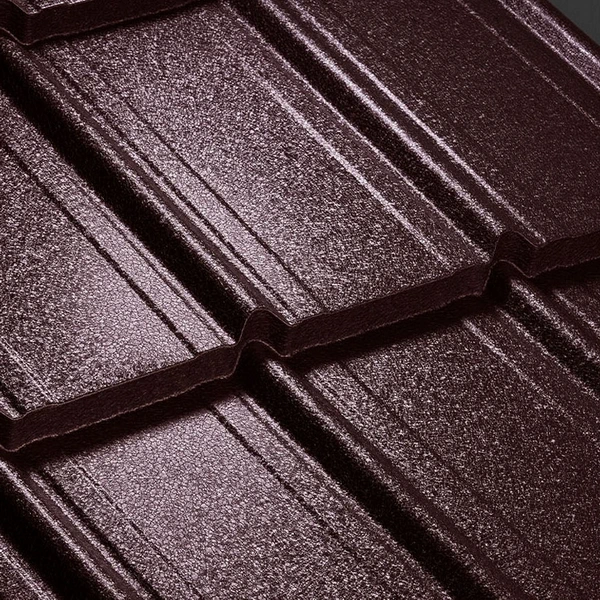
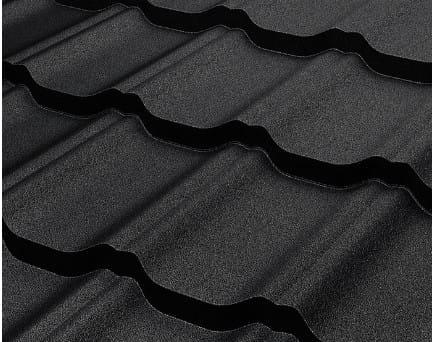
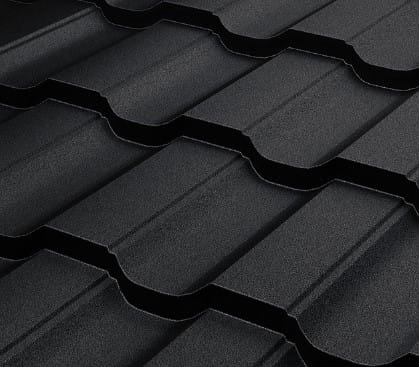
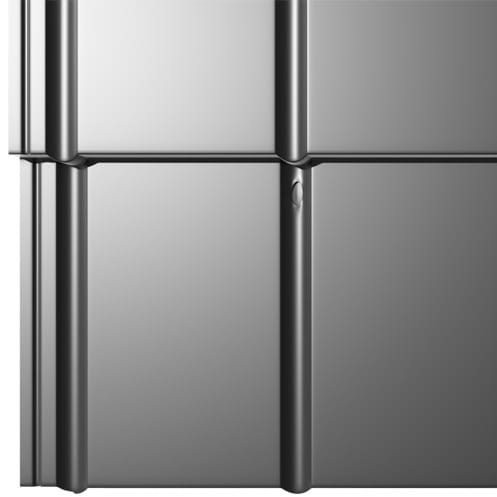
Tile-effect sheets have a step across the sheet. Its repeating length sets the module to allow for when spacing battens. Trapezoidal ribs run lengthwise; neither T18 nor T35 alone tells you the effective cover width.
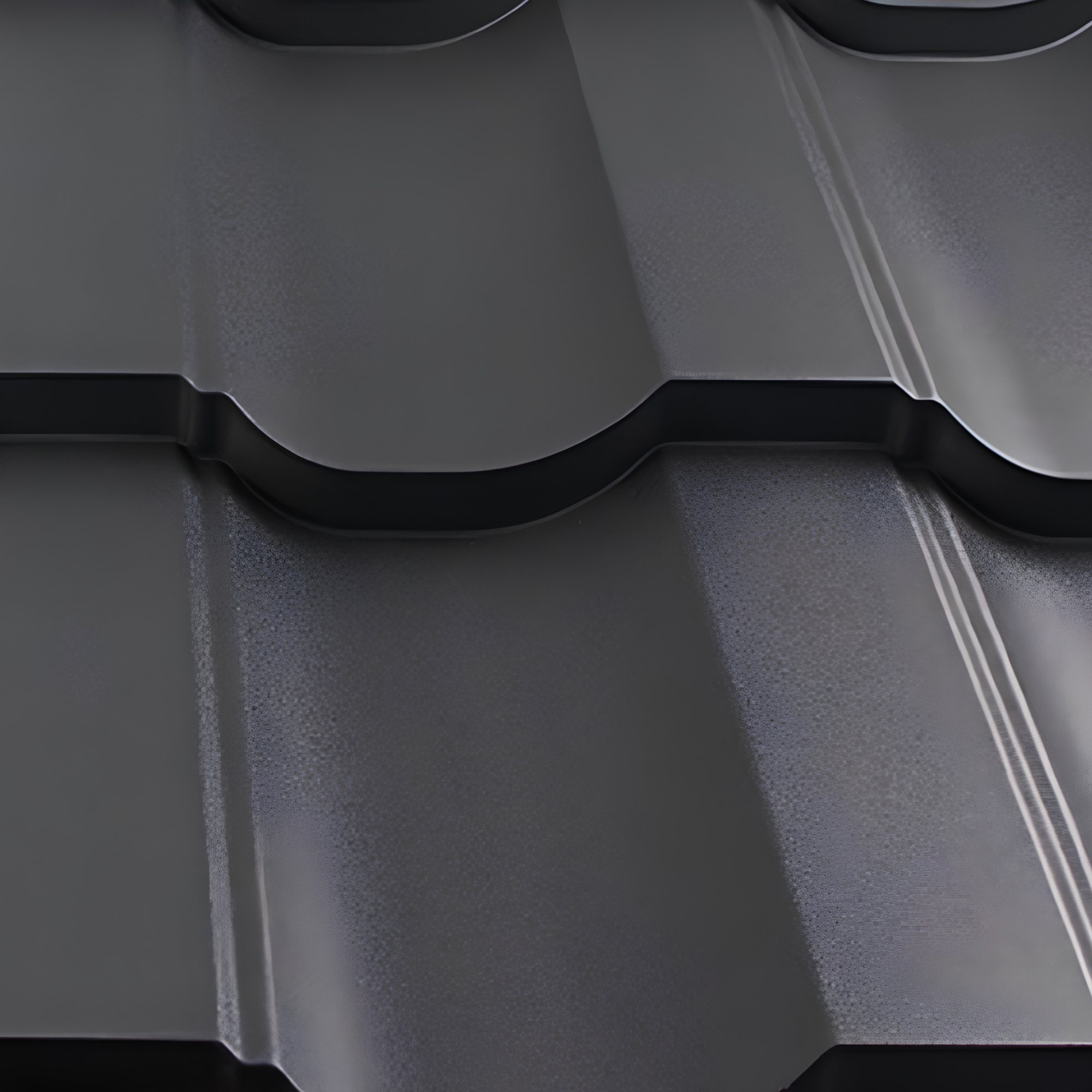
Look at the ribs in proportion to a small garage: a deeper profile casts a stronger shadow. For a house, compare flatter and more rounded tile patterns on a slope of similar size. A close-up of one pressing cannot show how it repeats across the roof.
Which pitches suit the covering?
Check the design pitch against the instructions for the exact model and joints. Include required laps, seals and substrate. At low pitches, trace how water drains where one sheet overlaps another.
A roof next door may look identical yet have a shorter slope without end laps. For a nearly flat roof, have the designer consider other systems too, such as a suitable sandwich roof panel or structural decking with separate waterproofing.
When do modules make more sense than long sheets?
Draw the modules at each cut edge. Smaller pieces simplify handling on complex slopes, whereas cut-to-length tile-effect sheets can speed up covering a rectangular roof. Deduct the area concealed by laps in both cases.
A full-slope trapezoidal sheet eliminates an end lap. Before ordering, establish where the truck can stand, the route to the roof and how the crew can lift the sheet safely in the wind. A shorter format may work better on a tight site.
Which specifications are worth comparing?
Compare steel thickness, metallic and organic coatings and effective cover width. Match the trapezoidal profile’s load table to its supports. For tile-effect sheets, check bearing and fixing positions at each module. Differences between two variants do not apply to every profile.
For a heated loft, assess insulation, airtightness, moisture control and acoustics across the entire roof. Anti-condensation fleece beneath trapezoidal sheeting has a different purpose from PIR or mineral wool and cannot replace thermal insulation.
Which option costs less for the finished roof?
Divide the sheet price by its effective cover area, then price the order from the cutting plan. Waste at multiple valleys can change which quote is cheaper. Include flashings and labour rather than assuming either profile wins.
Balex Metal’s catalogue dated 28 October 2026 listed BTD18.157 (0.50 mm steel, PE25), cut-to-length SPEKTRUM and modular PANORAMA in PE25 at approximately €8.24, €8.92 and €9.95 respectively per square metre of effective cover, excluding VAT. Conversion uses that day’s NBP rate of PLN 4.4090 per euro. These historical material prices exclude accessories and labour.
How do you choose for a particular building?
Compare suitable T18 and T35 variants for a simple shelter. For a traditionally styled house, look at cut-to-length and modular tile profiles. For a heated industrial building, consider roof sandwich panels too. Choose the colour once the system meets the design requirements.
Send both suppliers the same plan with slope lengths, pitch and support details. Ask for separate entries for sheets, flashings, fasteners and transport. The quotes will then show what is covered and which work still needs to be agreed with the roofer.

Free quote
What to include in your enquiry
Tell us how you plan to use the material, the dimensions and the quantity you need. Include the thickness, grade or variant name, along with the delivery town or your preferred collection branch. For a specific product, add its name or a link to the product page. We will reply to the email address you provide to discuss availability and the terms of your order.
More from the building guide
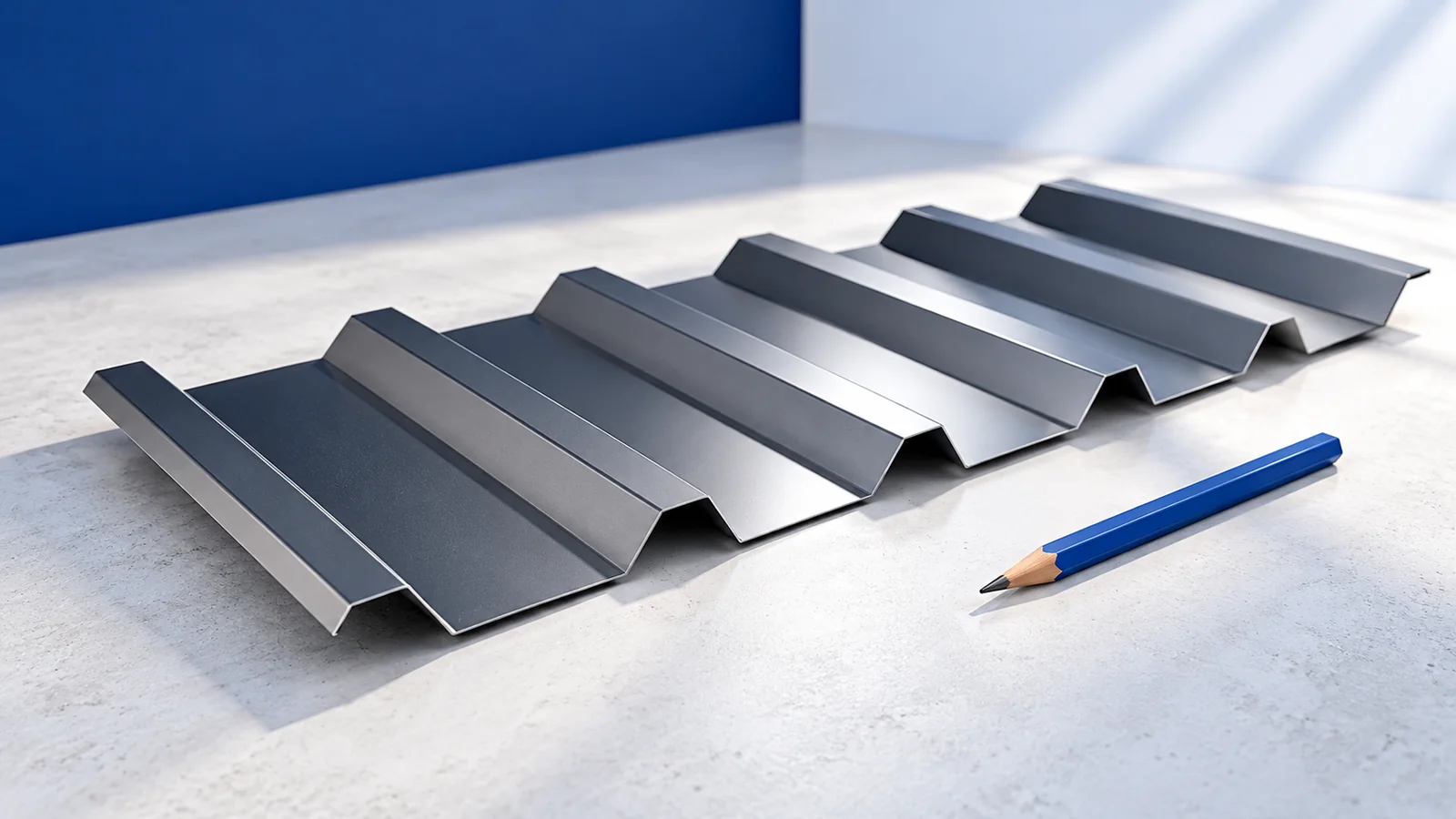
Start a T18–T35 price comparison by checking that thickness, coating and pricing unit match. A price per square metre of overall sheet…
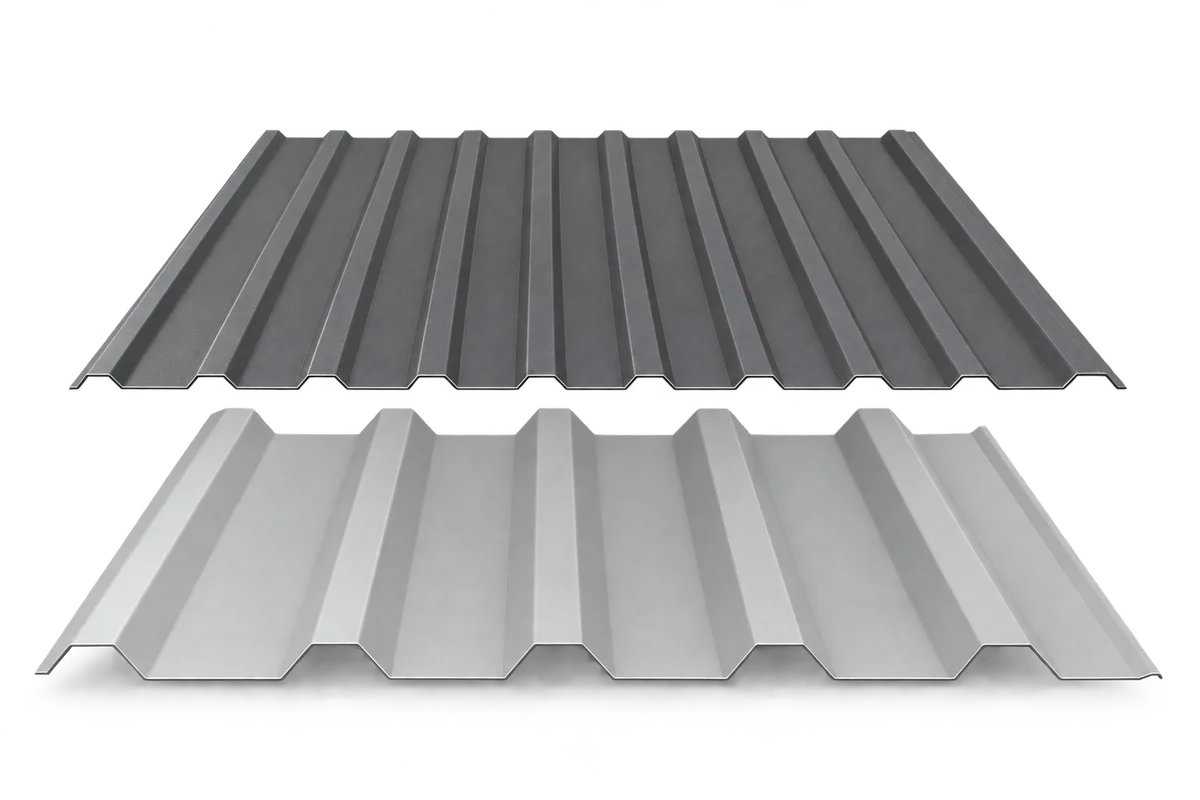
Start your garage cladding order with two sketches. Draw the roof slopes on one and the walls, door and openings on the…
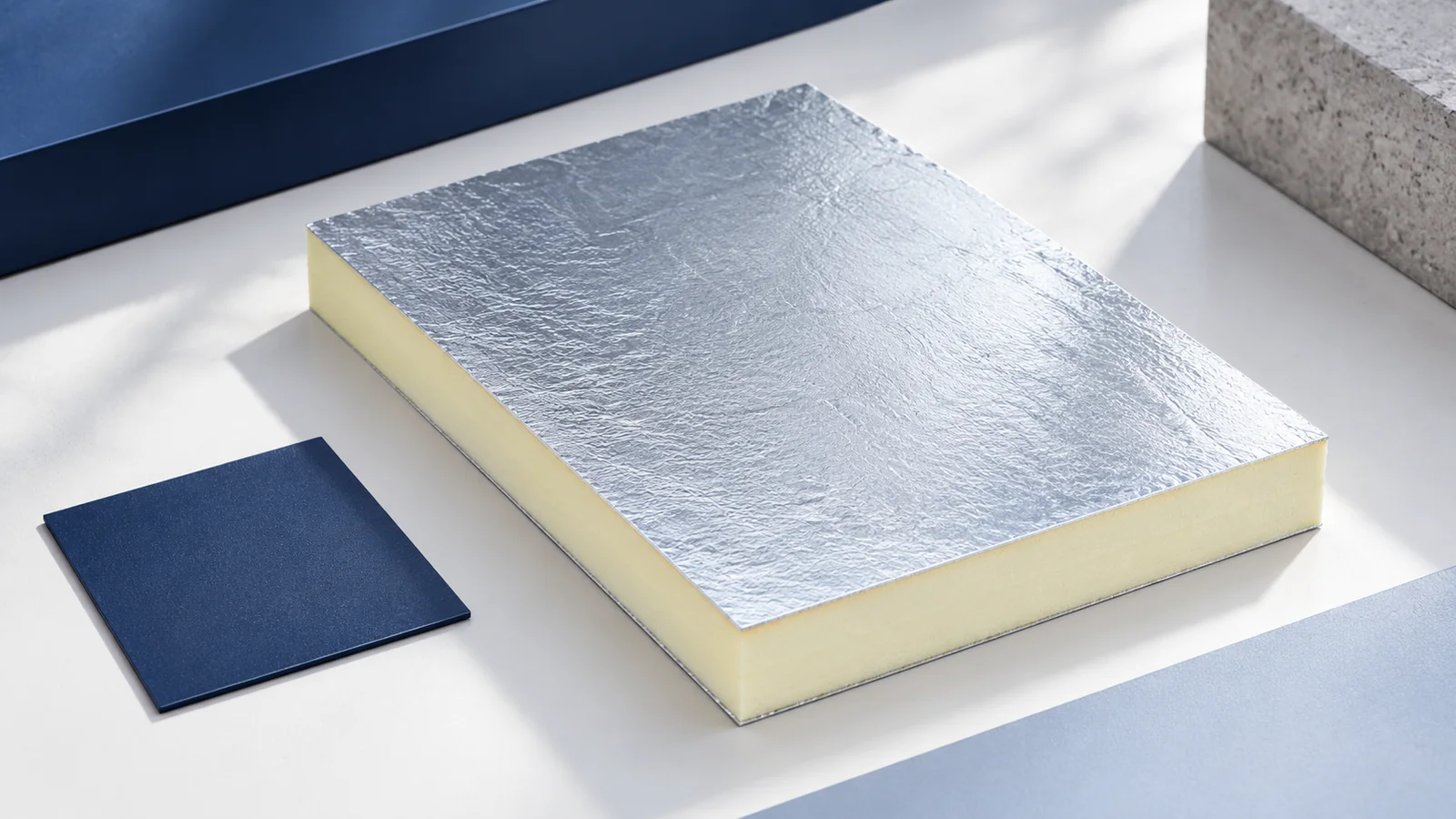
A flat roof covering should be selected around the roof's use, drainage and complete build-up. Structural trapezoidal decking, PIR insulation and waterproofing…
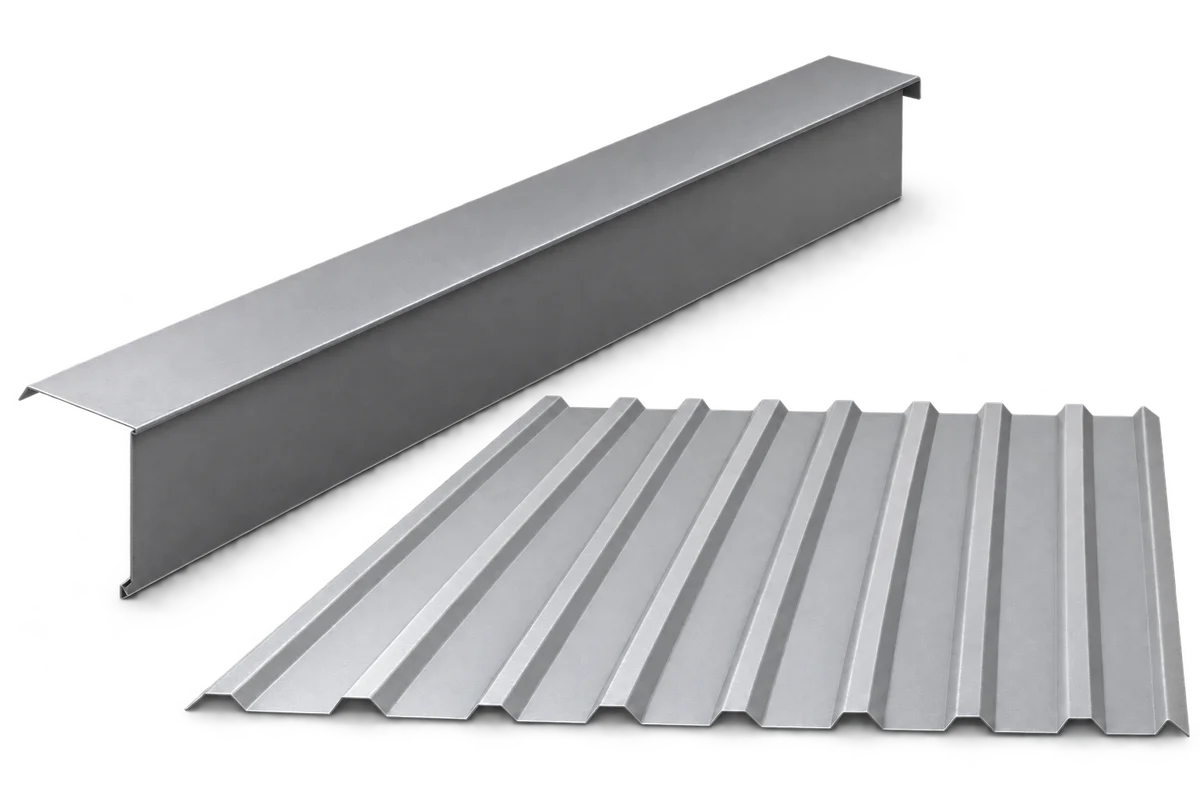
Order custom verge flashing for a house refurbishment from a drawing of the finished section and a detail agreed with the roofer.…
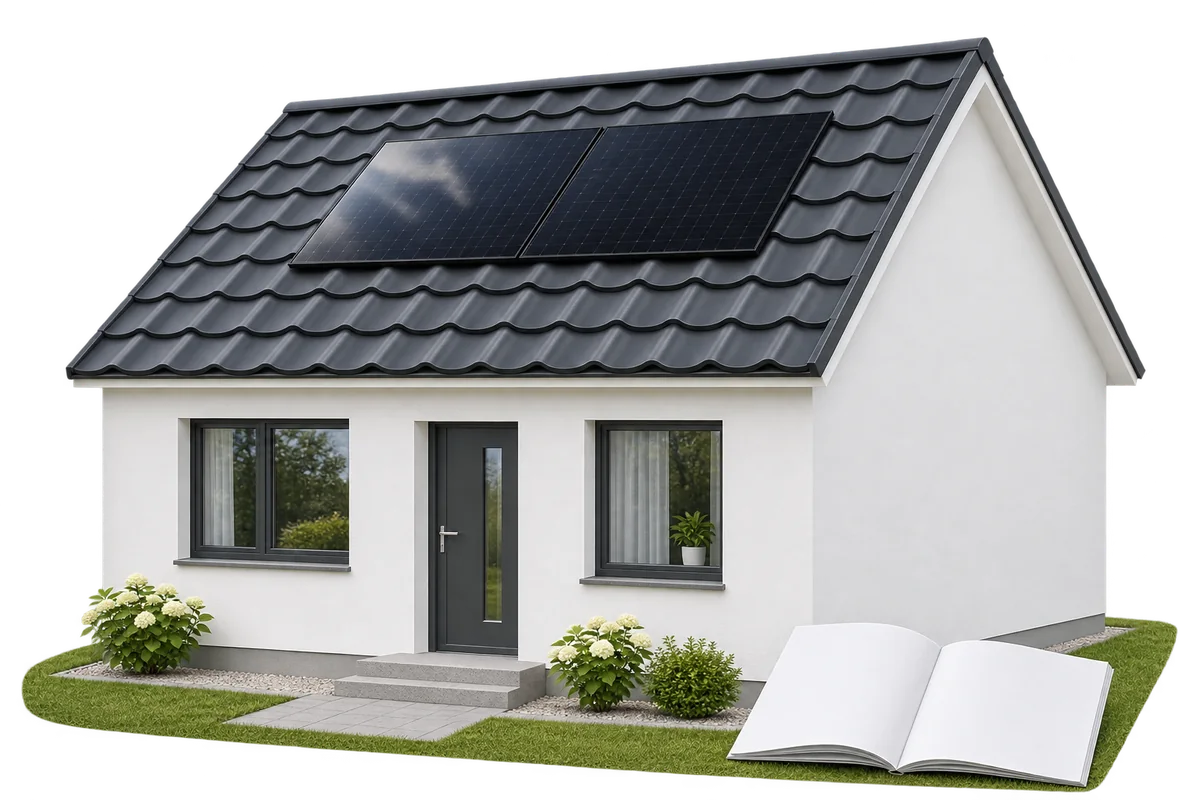
Before installing solar panels on an existing roof, ask for a mounting detail drawn for the covering already in place. A single…
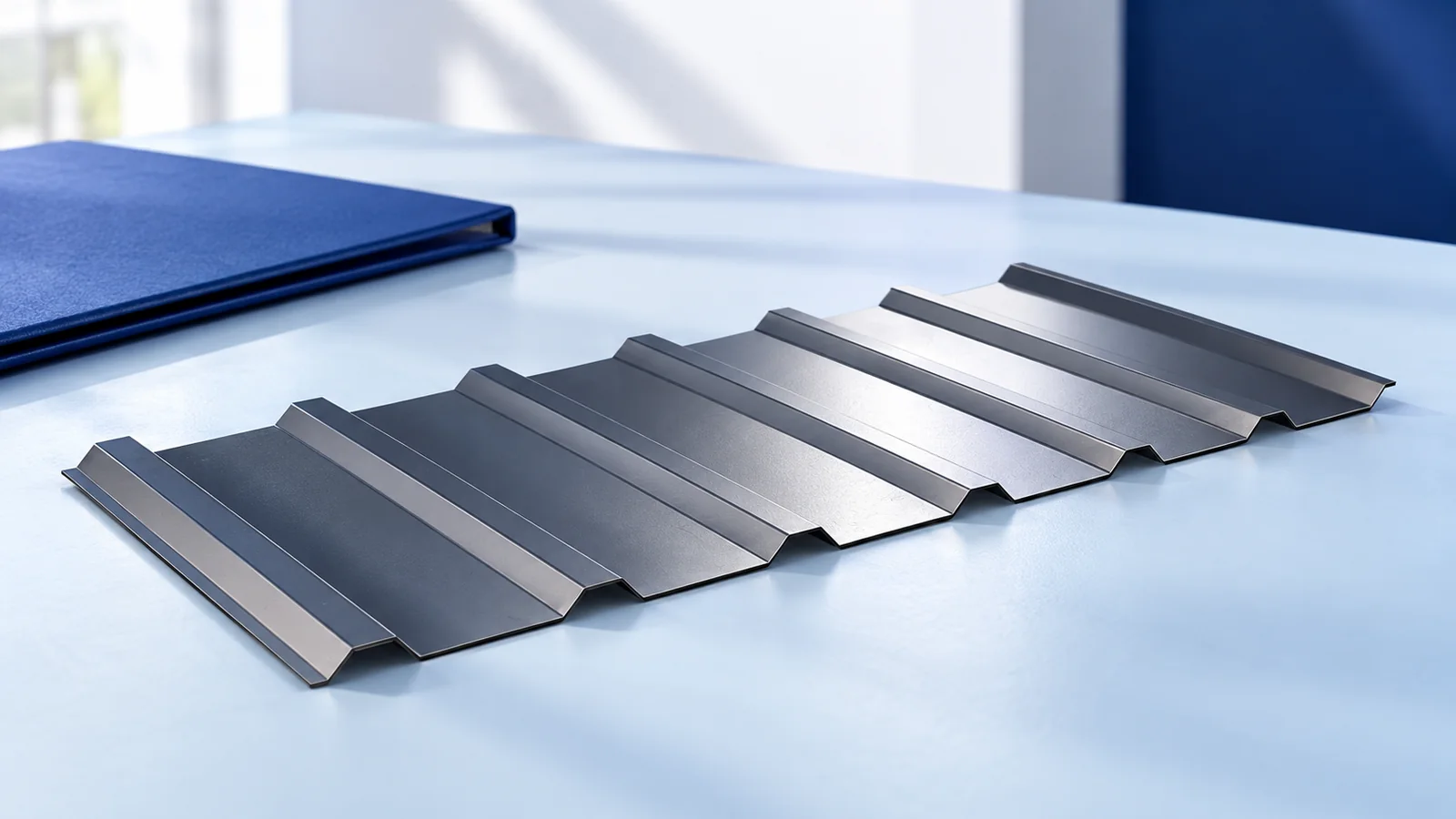
A trapezoidal sheet's T18 or T35 designation does not tell you its service life. Steel protection, the building's surroundings, joint quality and…
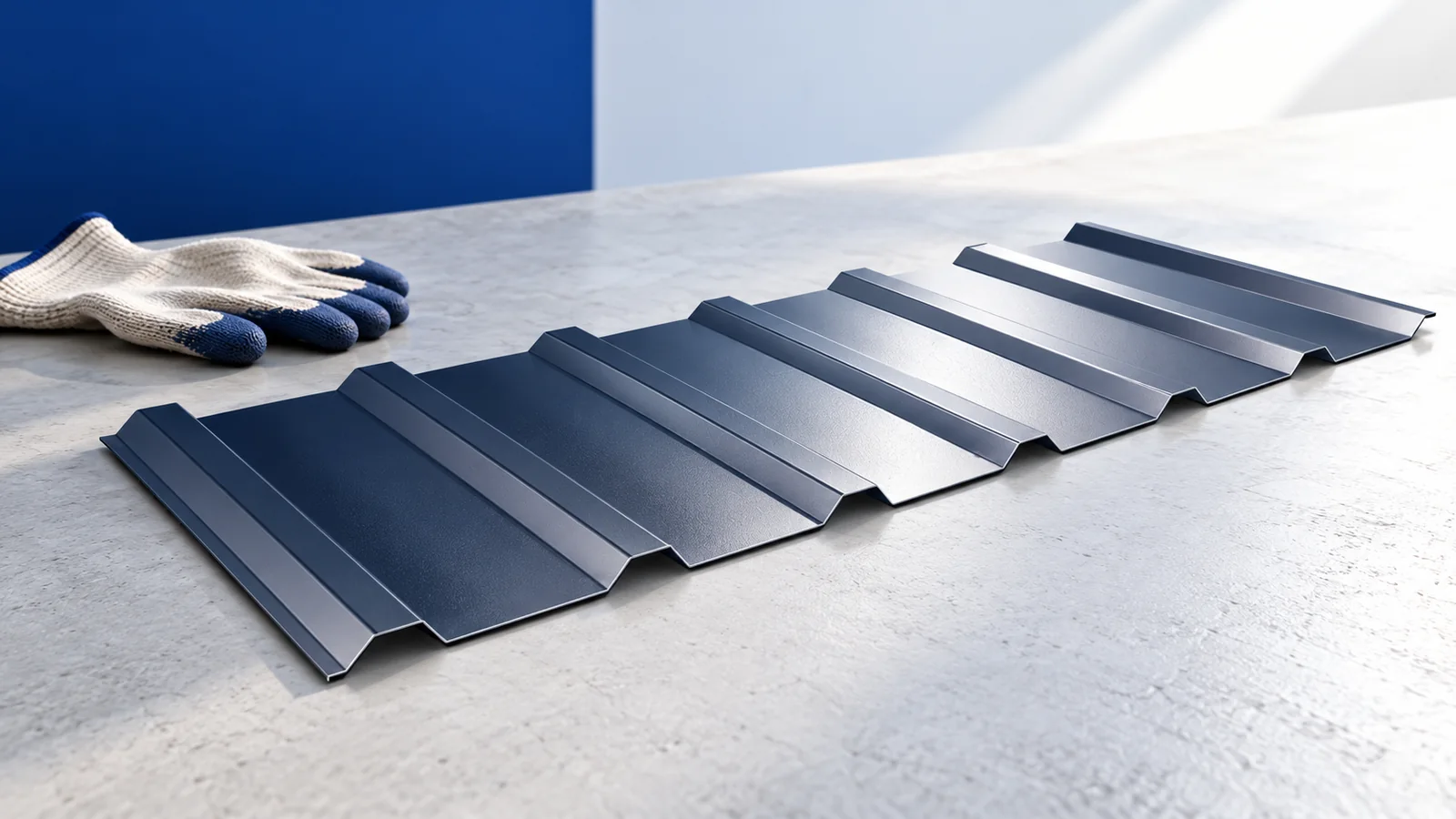
Start the choice between PVC and T18 steel soffits with a section through the eaves. Mark the air inlet, fixing positions and…
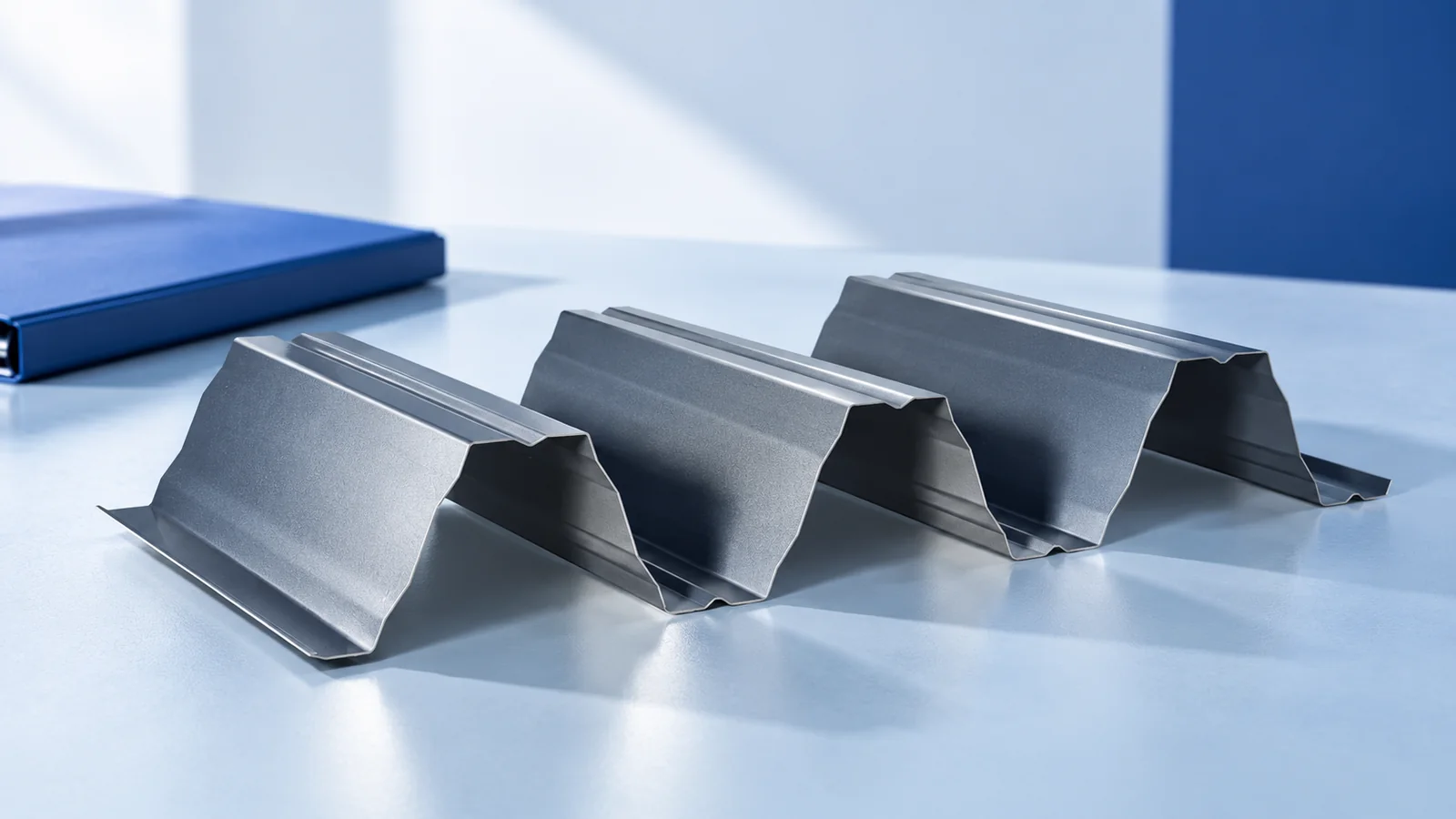
The design determines what trapezoidal steel sheet can do. On a façade it closes the wall and transfers wind pressure or suction…