






Preparing a roof for snow, frost and winter thaws
Renovation and maintenance
Before winter, trace the water path from the ridge to the downpipe discharge. From a safe position, note any damp marks after rain and arrange for a roofer to carry out work at height. Inside the loft, wet timber near a chimney or a break in insulation above a wall may be easier to spot. The building manager should know where drifts can form, who will assess the roof load and how to cordon off the area during snow clearance. Record this while rooflights, equipment and roof edges are still visible.
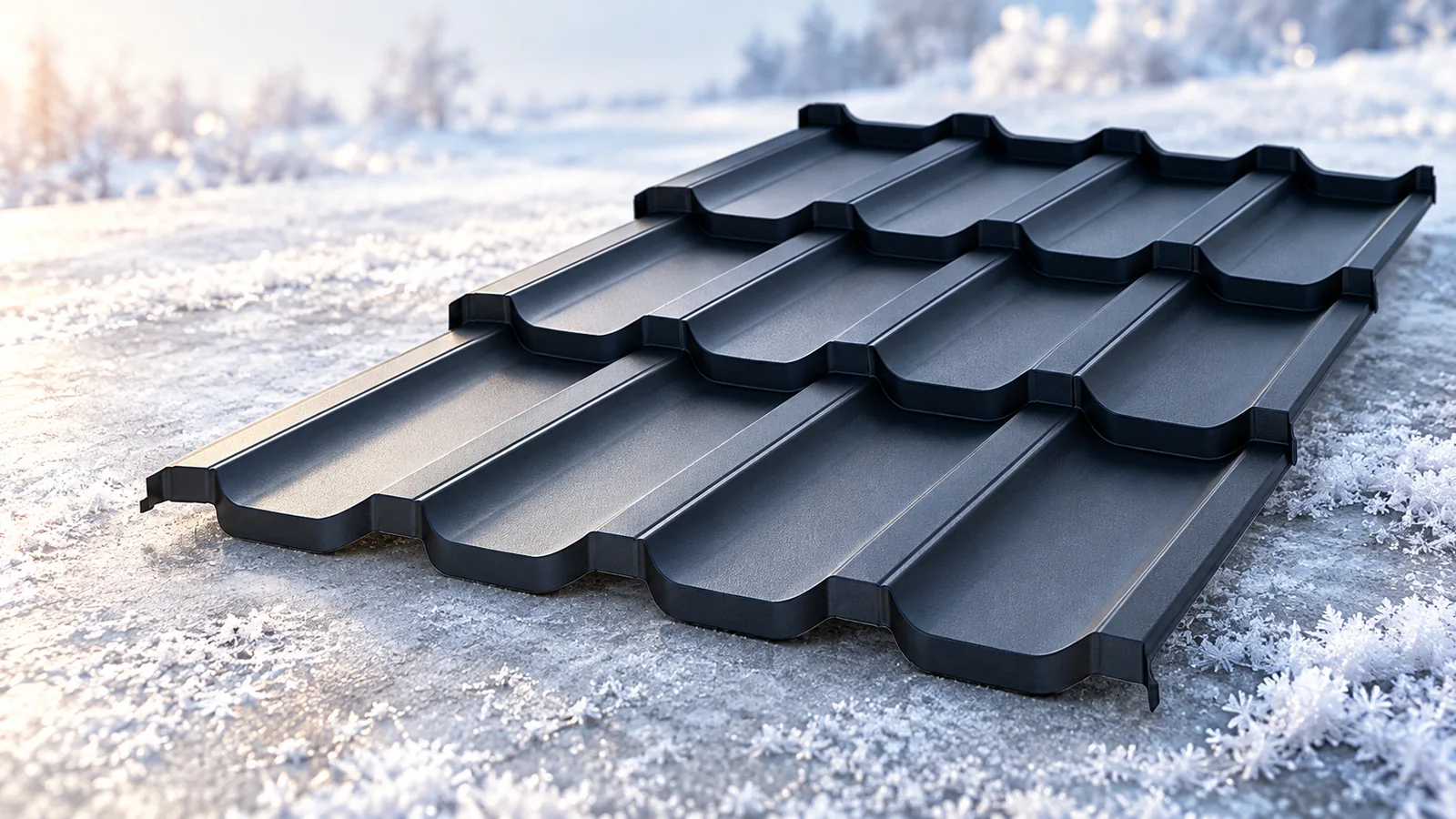
Which repairs should take priority before frost?
List loose chimney flashings, moving verge trims and gutters that overflow in rain. Ask the roofer to identify each cause and schedule repairs within the temperature range specified for the seals and coatings used.
After roof equipment or an aerial has been fitted, review cable entries, sheet condition and drilling debris with the installer. A dated photograph with a marked location allows a direct comparison after winter.
Where can meltwater back up?
Pay particular attention to outlets on the shaded side. Snow can melt on a sunny slope while ice remains in a downpipe or at its discharge. In autumn, check the gutter, outlet, bends and final discharge point in sequence.
If one section freezes repeatedly, ask a roofer to check the fall and drainage capacity. Chipping ice can puncture the gutter or damage a joint. Any trace heating needs to suit the gutter material and electrical installation conditions.
How is the snow load assessed?
Fresh powder and wet snow after a thaw have different densities. Load assessment also needs the distribution of snow and structural information. Areas beside a parapet or below a taller wall may carry much more load than the exposed centre of the roof.
For a large roof the facilities manager should agree with a structural engineer how to monitor drifts and when to call a crew. Set out the clearance sequence in the plan. Piling removed snow in one area could overload the adjoining span.
What should be inspected inside the loft?
On a cold day, inspect the hatch, chimney and roof windows from inside. Record whether damp appears after rain or also in dry weather. This helps a specialist distinguish leakage from condensation and assess room ventilation before the layers are covered.
When repairing PIR or mineral wool insulation, consult the eaves section. The insulation should reach the designed wall junction. Keep ventilation paths clear. On a sandwich panel roof, check the seals at joints and penetrations separately.
How should professional snow clearance be organised?
Give the crew a plan showing access, edges, rooflights and designated fall protection points. Mark entrances and paths below the work area as well. Worker protection and closure of the snow drop zone must be in place before clearance begins.
Agree suitable tools with the contractor, taking account of the covering and fragile components. A sharp edge can scratch sheet metal or damage a rooflight. On roof panels, permitted concentrated loads and the crew’s access route also need checking.
When should an area be taken out of use?
If new deflection or another sign of instability appears, leave the affected area, restrict access and inform the building manager. Call emergency services if there is immediate danger. Have a specialist assess the structure and the conditions for continued use.
When the snow has gone, compare the gutters, sheet joints and fixings with the autumn record. Mark recurring ice patches and document repairs. This identifies the details worth revisiting at the next inspection.

Free quote
What to include in your enquiry
Tell us how you plan to use the material, the dimensions and the quantity you need. Include the thickness, grade or variant name, along with the delivery town or your preferred collection branch. For a specific product, add its name or a link to the product page. We will reply to the email address you provide to discuss availability and the terms of your order.


More from the building guide
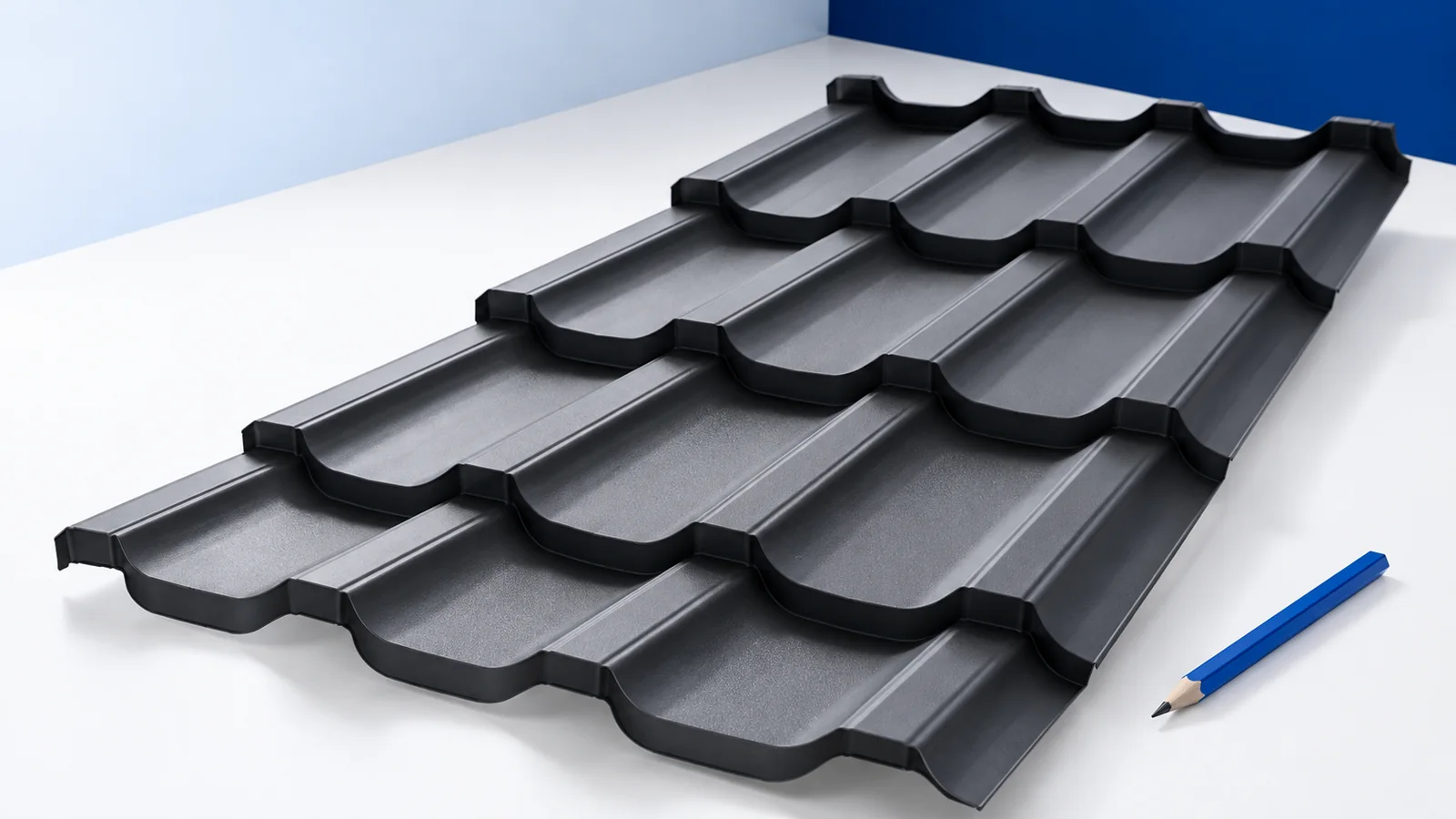
A roof without projecting eaves needs careful coordination of the covering, façade and drainage. A clean outline does not remove the need…
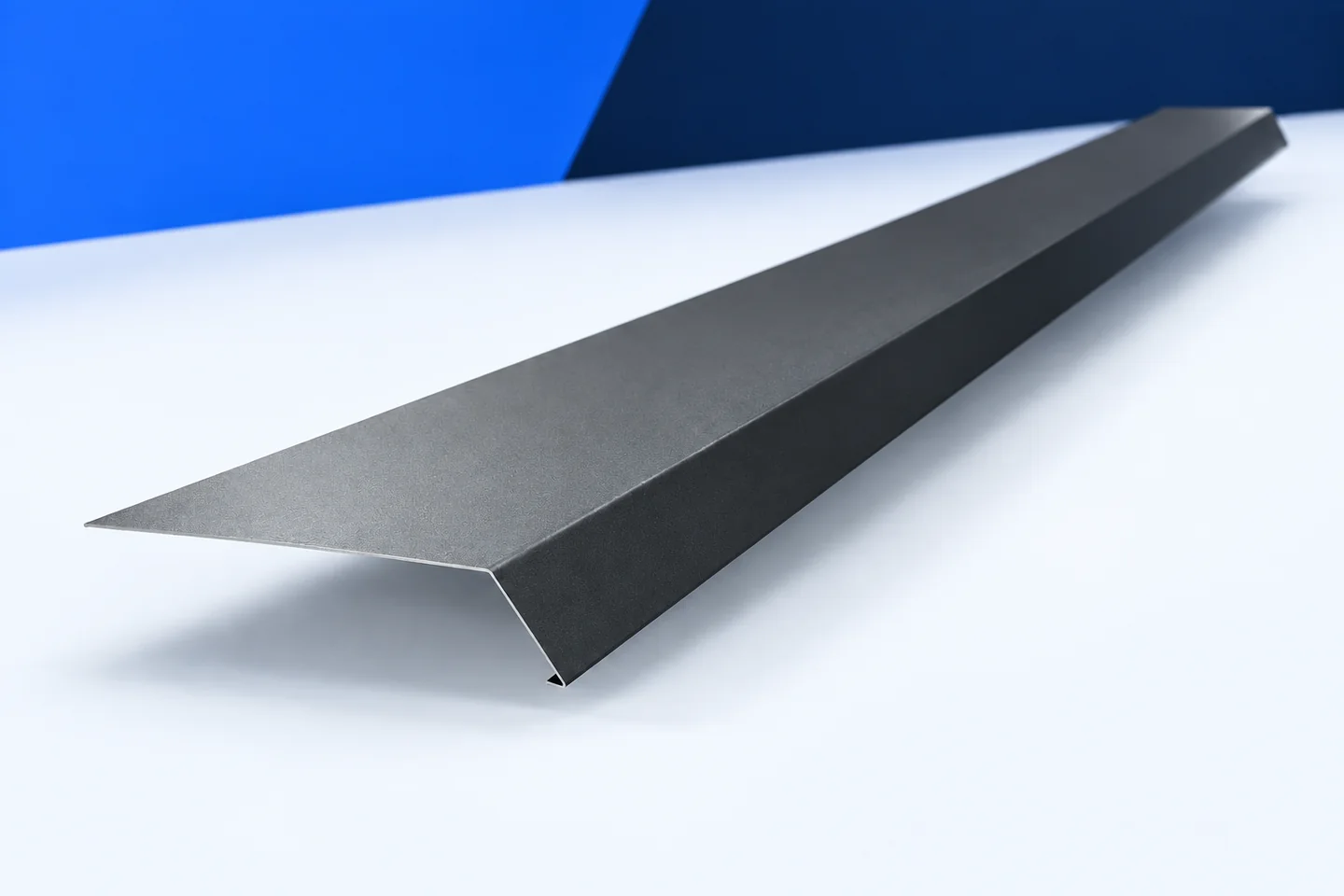
Dark marks below a gutter do not necessarily mean that the gutter leaks. Water can reach the fascia if the roof covering…
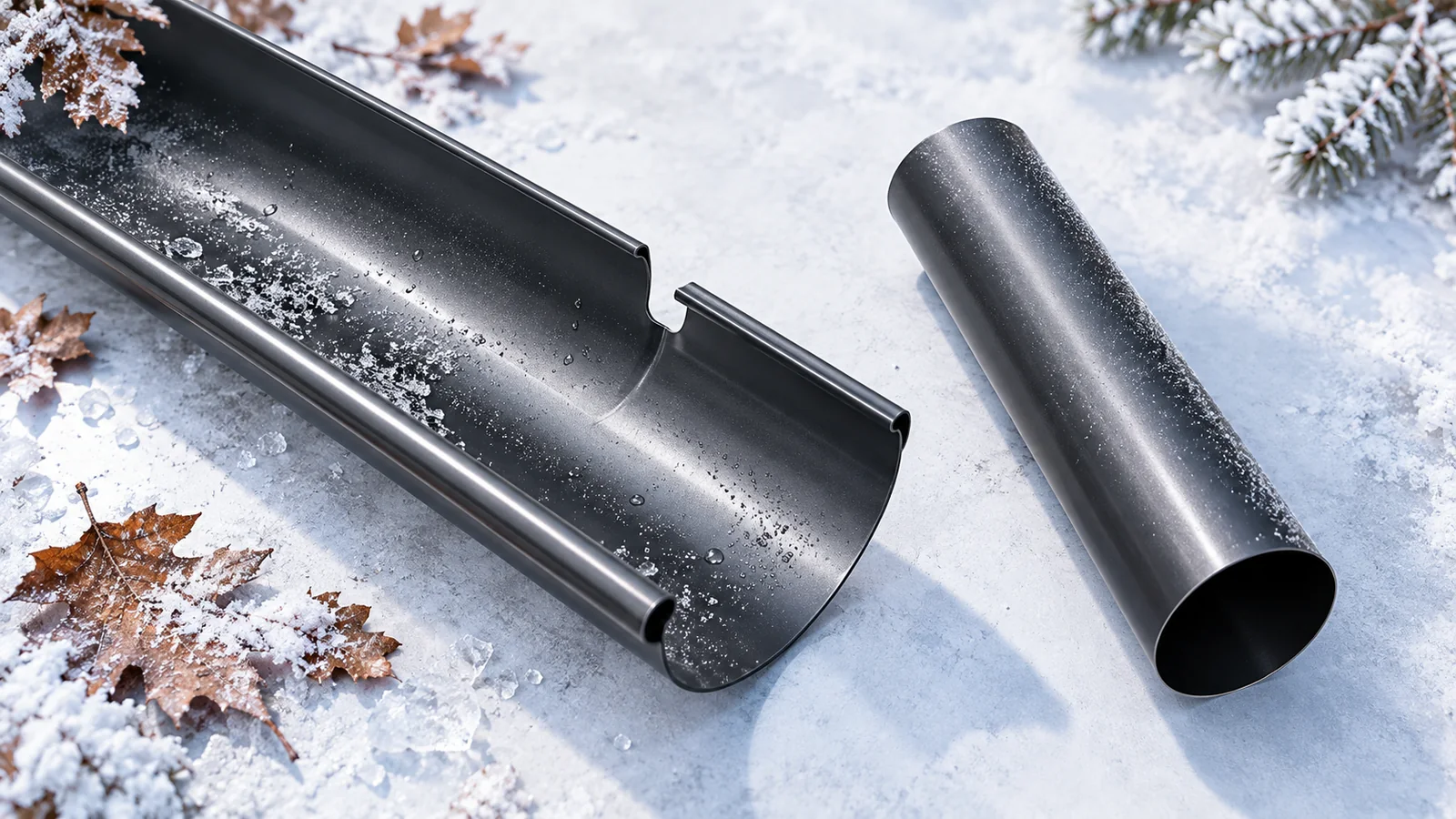
Assess the gutter and its discharge route together. A gutter vacuum can collect dry leaves from the channel, but you still need…
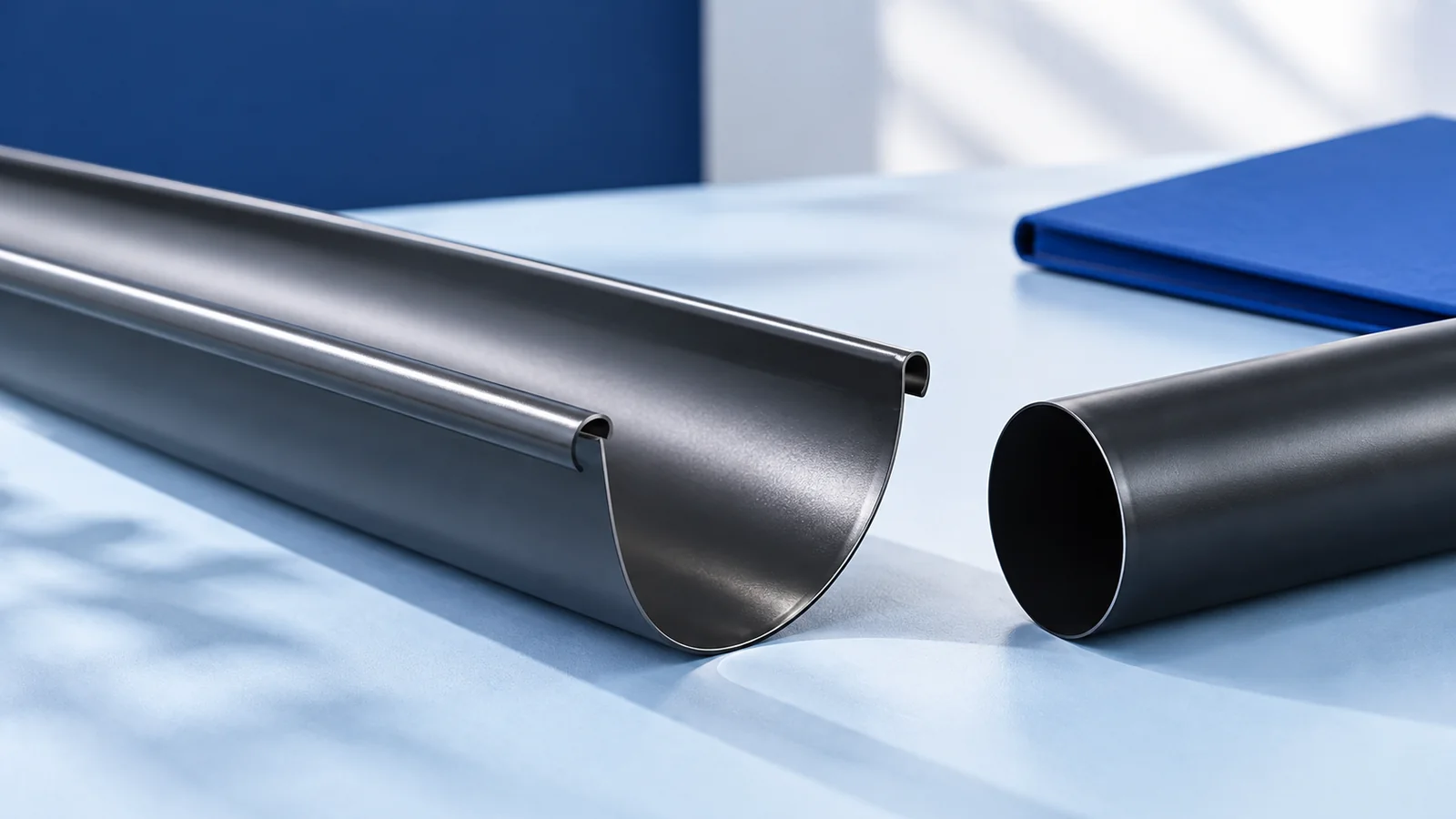
A concealed gutter changes the eaves appearance but must still collect roof runoff and discharge it safely away from the building. Its…
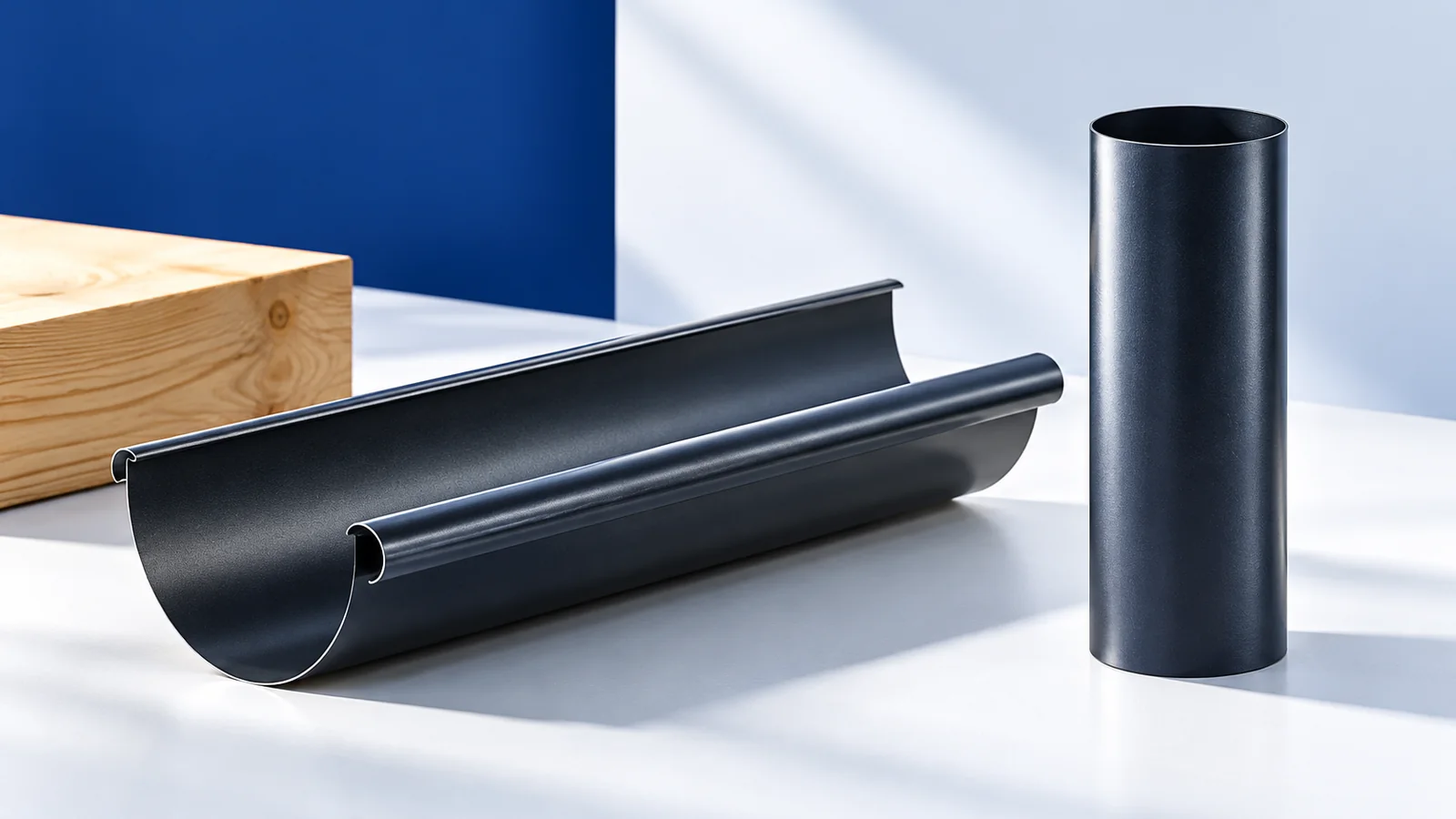
Start gutter selection for a metal roof with the amount and direction of runoff, then consider shape and colour. Relevant details include…
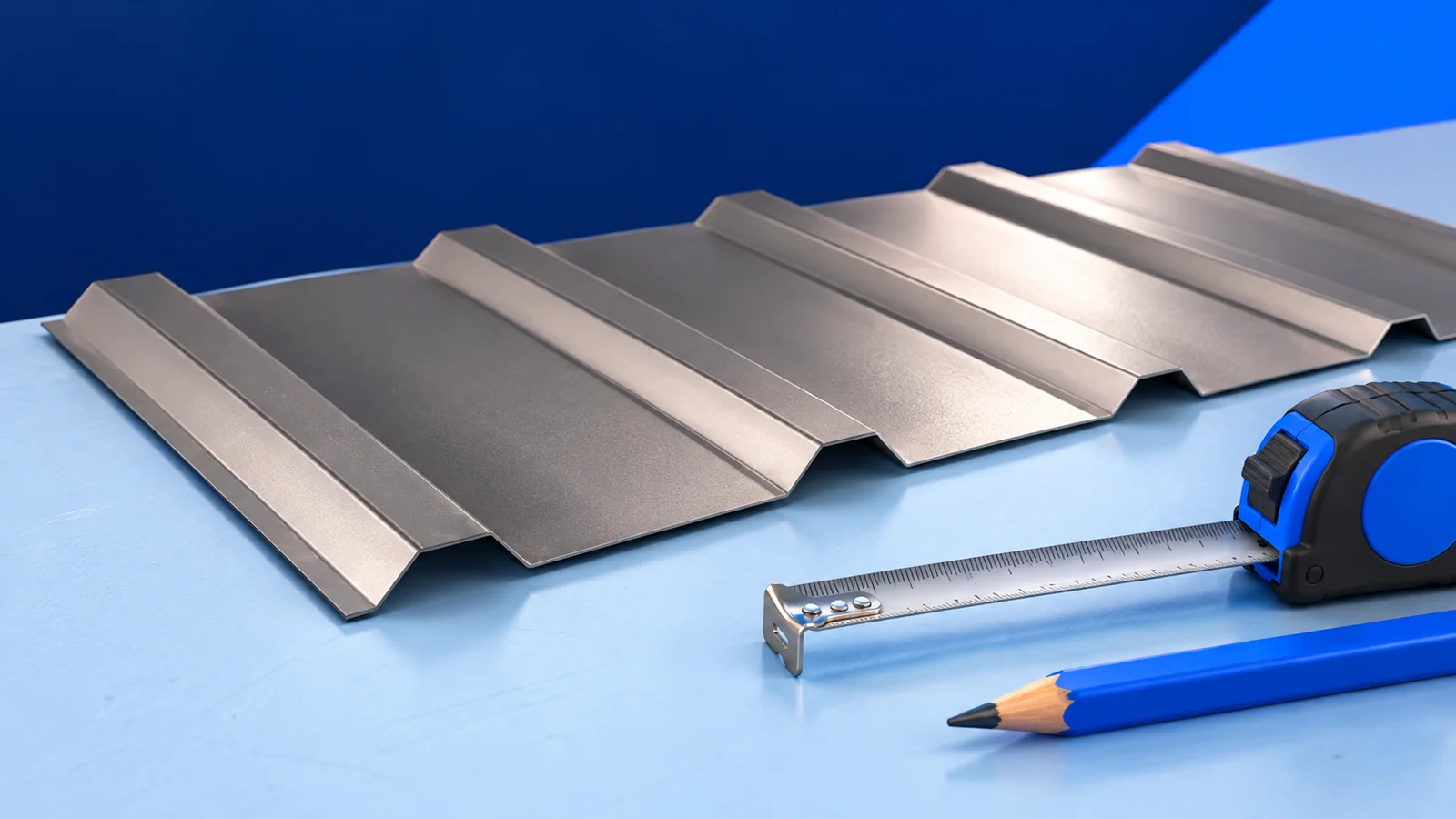
Eaves flashing helps deliver runoff into the gutter and limits water tracking beneath the roof edge. Its effectiveness depends on the complete…
Compare roof shapes for a detached house using a roof plan and a section through the same building. The plan shows eaves…
Gutters work effectively when their size, outlets and eaves position match both the roof and the downstream drainage. Before installation, establish the…