






Cold-formed C and U channels: how to tell them apart
Steel sections and structures
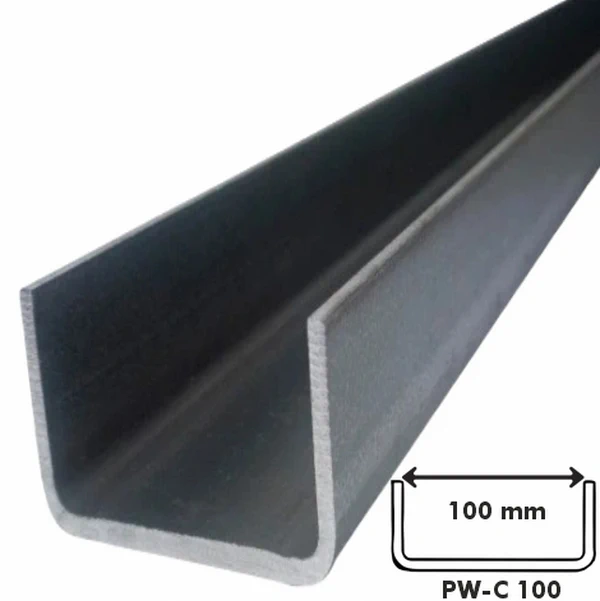
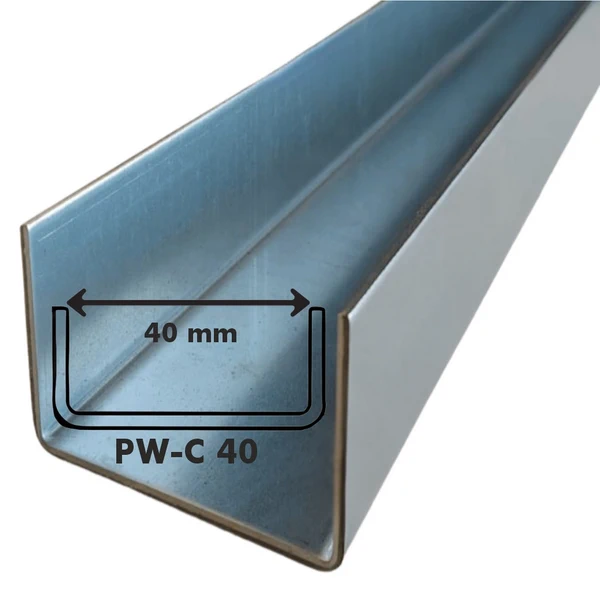
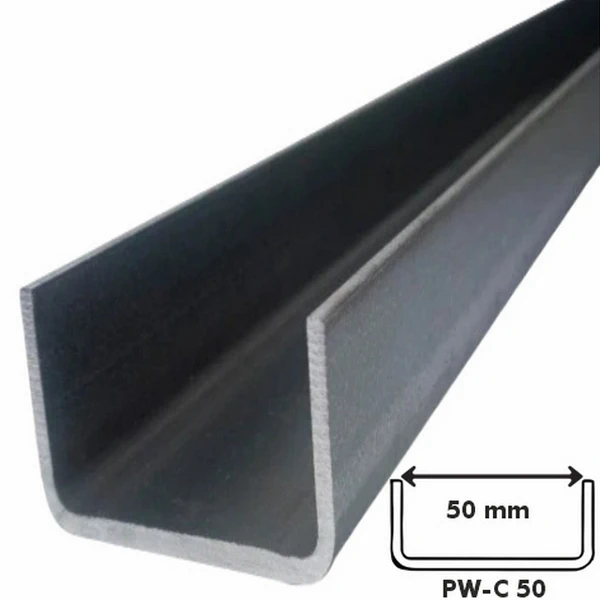
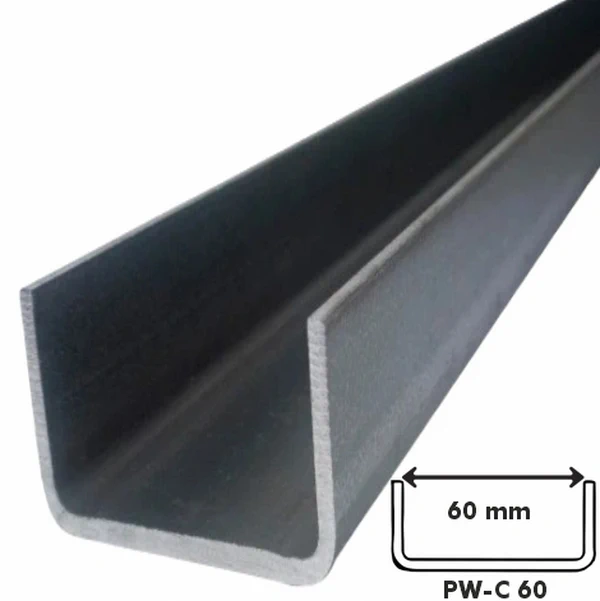
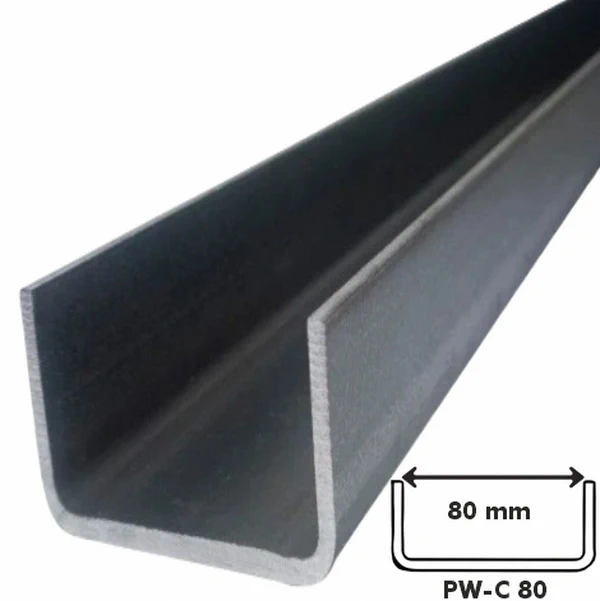
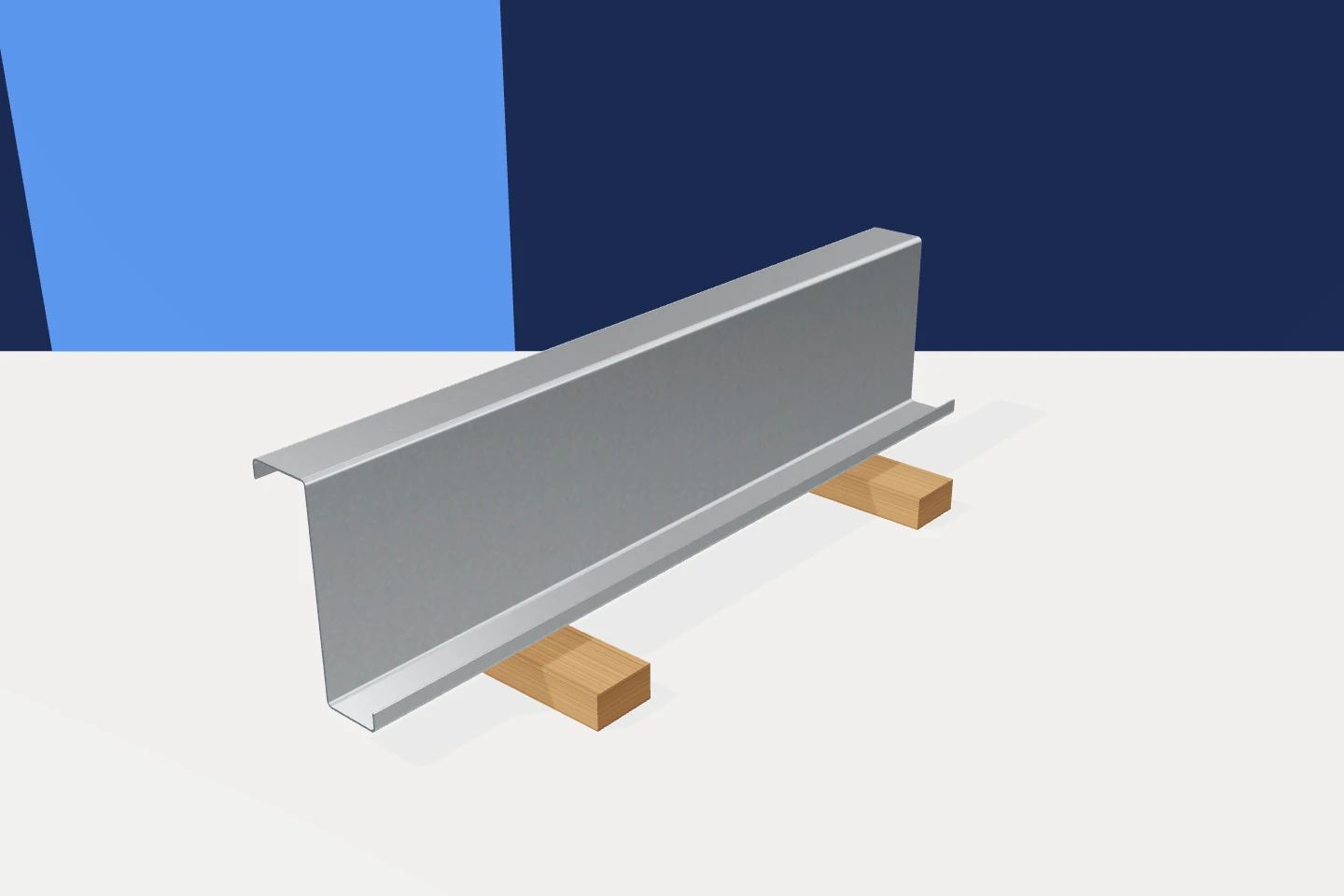
Channel, C-section and U-section are sometimes used interchangeably in conversation. Check the drawing before ordering. Both shapes can have a web with two flanges pointing to the same side. A structural C-section often has small return lips turned inwards at the flange edges. A plain U-section normally has open, unlipped edges. The lips act as edge stiffeners and affect the behaviour of the thin walls. Thickness, steel grade and manufacturing process can differ too. For a loadbearing member, specify the actual section and its intended use so the delivery can be checked against the design.
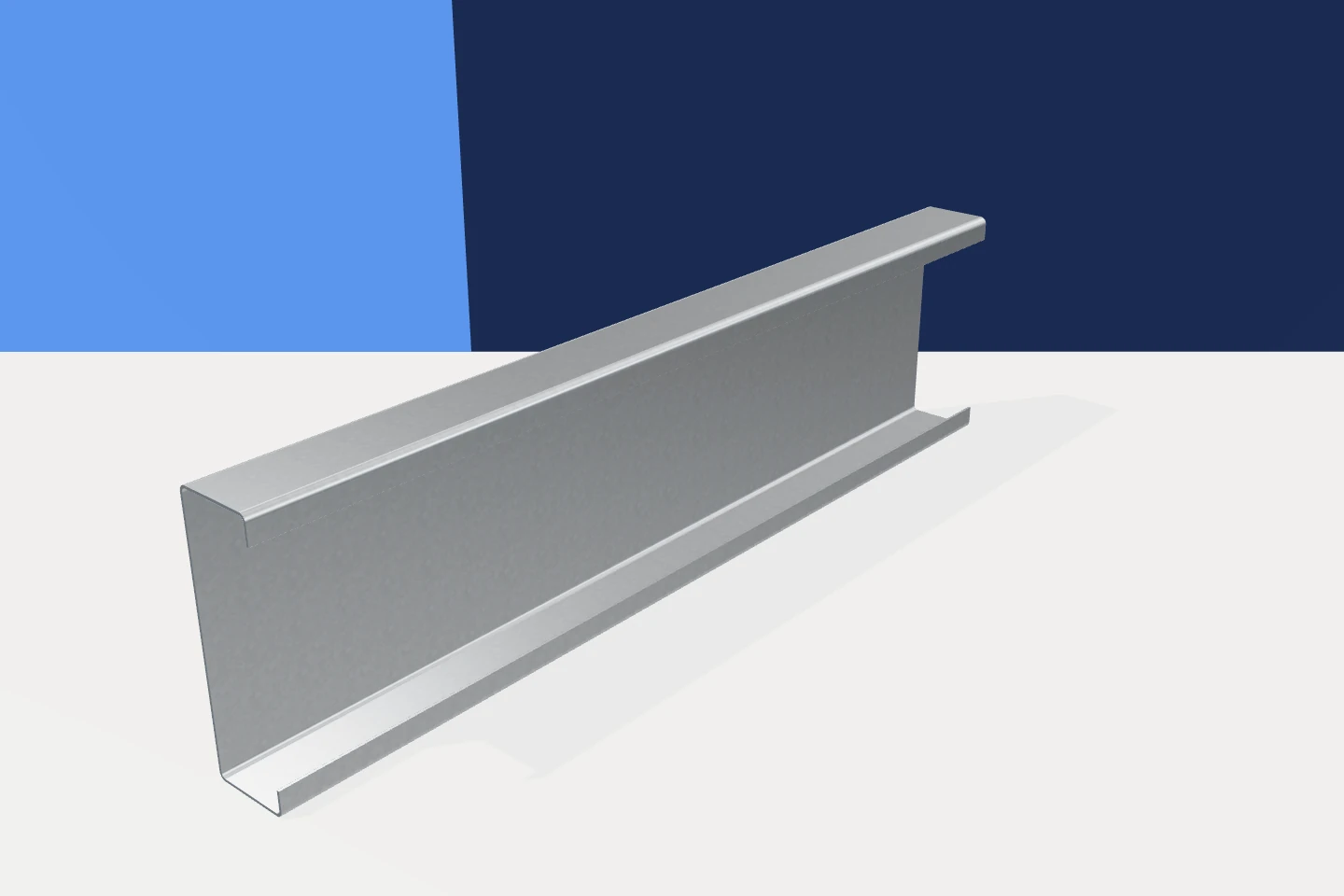
Read the section drawing
Specify depth, flange widths, lip length, sheet thickness and bend radii. Two cold-formed channels that look nearly identical can leave different clearances for bolts, screws or components inserted between the flanges. A dimensioned drawing removes the ambiguity of the trade name.
What the return lips do
Individual plates in a thin-walled section can buckle locally. A return lip changes how its adjoining flange behaves under load. The contribution depends on lip length, position and interaction with the flange, all of which belong to the specified section.
If a lip blocks a tool or prevents another part from fitting, check the connection drawing and the delivered part before cutting. Removing the lip changes the section used in the design. Agree any alteration with the person responsible for the structure.
Which channels are suitable for structural use?
Thin-walled sections are made for structural frames, secondary supports and interior fit-outs. Colour and outline can be similar across these uses. Suitability as a wall rail in a steel building depends on the product documentation, steel grade, geometry and project design.
Hot-rolled channels also differ from cold-formed channels in their section geometry and manufacturing process. Comparing depth alone can be misleading. The designer must check each proposed alternative. Retain the full section designation from the project schedule when ordering.

Where are galvanised channels used?
C-sections can form wall rails, beams, secondary framing and the edges of door or window openings. Their open side often gives access to fixings. A wall rail carries loads from the cladding to the primary supports. A channel beside a door forms part of a separately designed frame.
Depending on the system, U-sections can act as perimeter tracks, connectors or secondary framing. A plain U can have a structural role and a C-section can have a non-structural one. Check the particular product and its calculations to establish the intended function.
At openings, leave room for folded trims and door or window fixings. A beam selected for capacity alone can leave too little installation space. The drawing should show how the frame meets the other wall components.
How supports and connections affect performance
An open section responds to both bending and torsion. Load position, connection detail, lateral support and restraint against rotation influence its behaviour. Keep the fixing positions shown on the drawing, even when the same section is used elsewhere with different fixings.
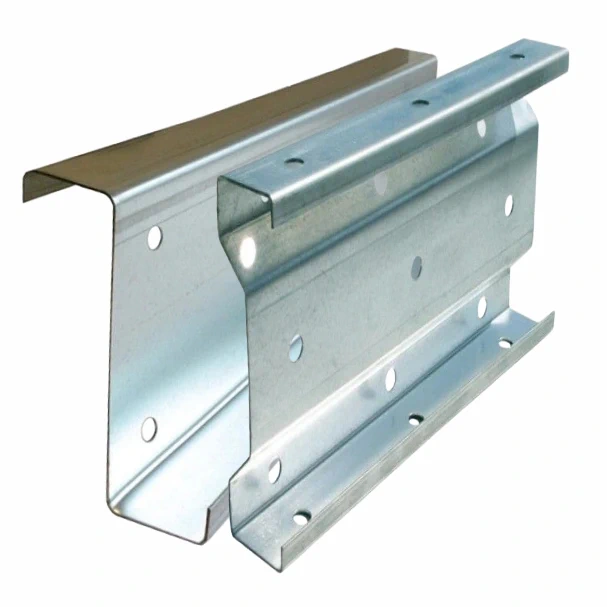
Factory holes save time when based on the correct drawing. Agree extra openings, especially where concentrated forces enter the member. A small cut can remove a significant part of a thin wall. Apply the same care to Z, sigma and top hat sections in their respective systems.
How to avoid ordering the wrong channel
Attach the cross-section and length schedule to the enquiry. Give thickness, steel grade, coating and hole positions. For a proposed substitute, compare its data with the project specification before manufacture. This is simpler than adapting finished pieces on site.
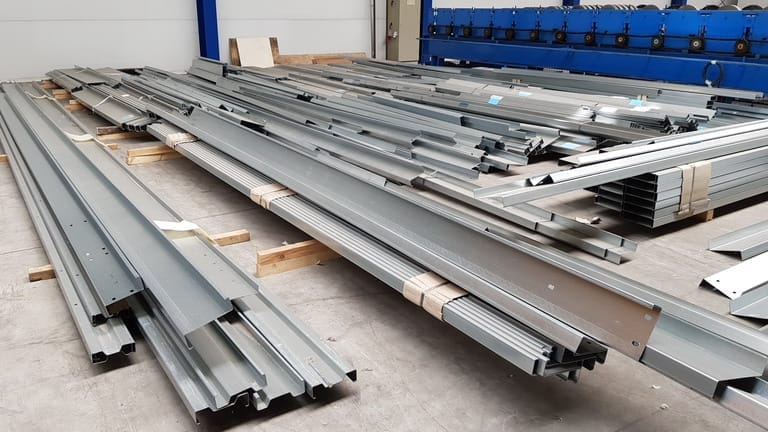
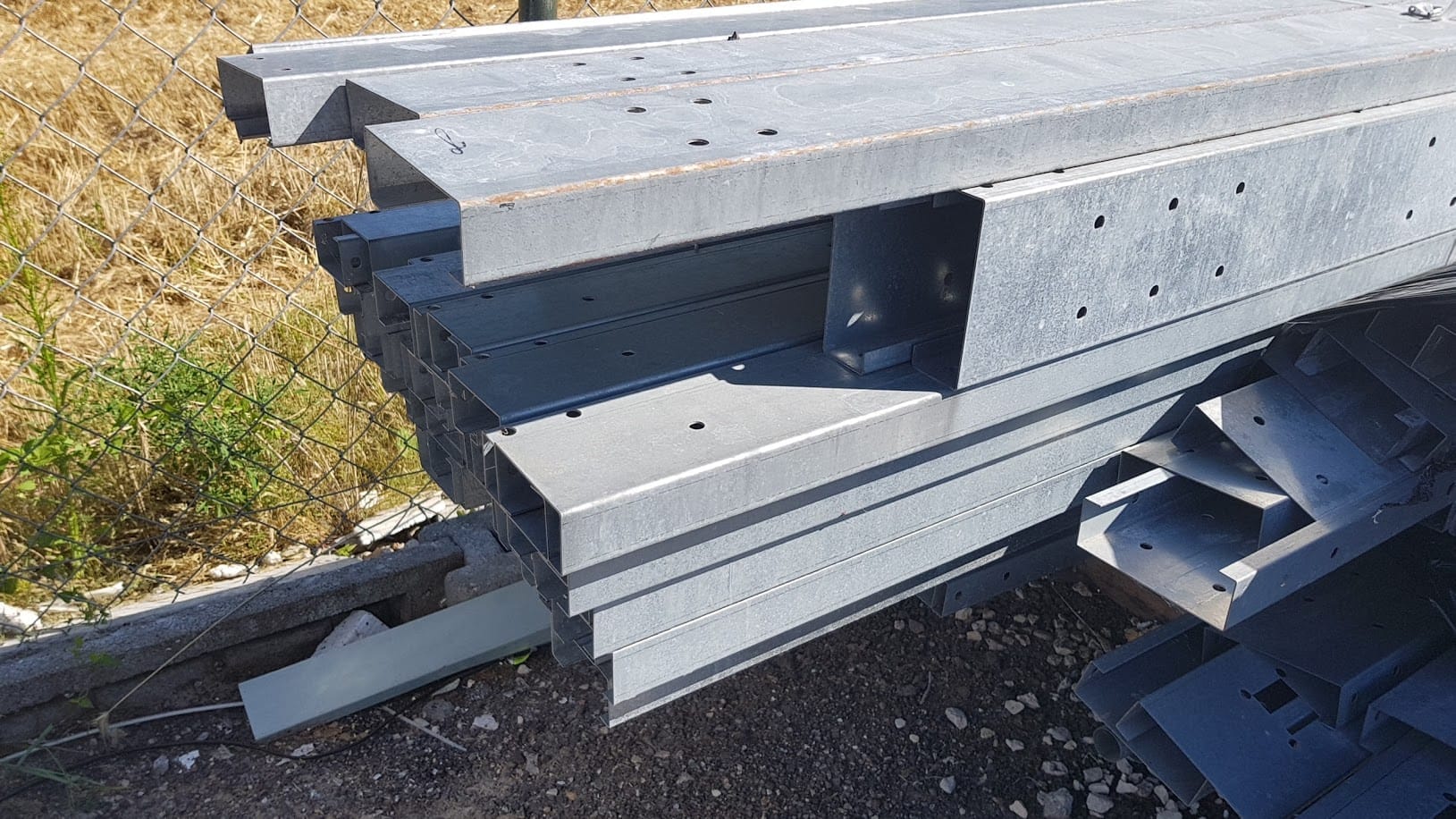
Protect stored bundles from prolonged damp, even where the steel is galvanised. Inspect lips, flanges and ends on delivery. Distortion may prevent the member from fitting as intended. Complete dimensions and an unambiguous reference let the installer check what has actually arrived.

Free quote
What to include in your enquiry
Tell us how you plan to use the material, the dimensions and the quantity you need. Include the thickness, grade or variant name, along with the delivery town or your preferred collection branch. For a specific product, add its name or a link to the product page. We will reply to the email address you provide to discuss availability and the terms of your order.
More from the building guide
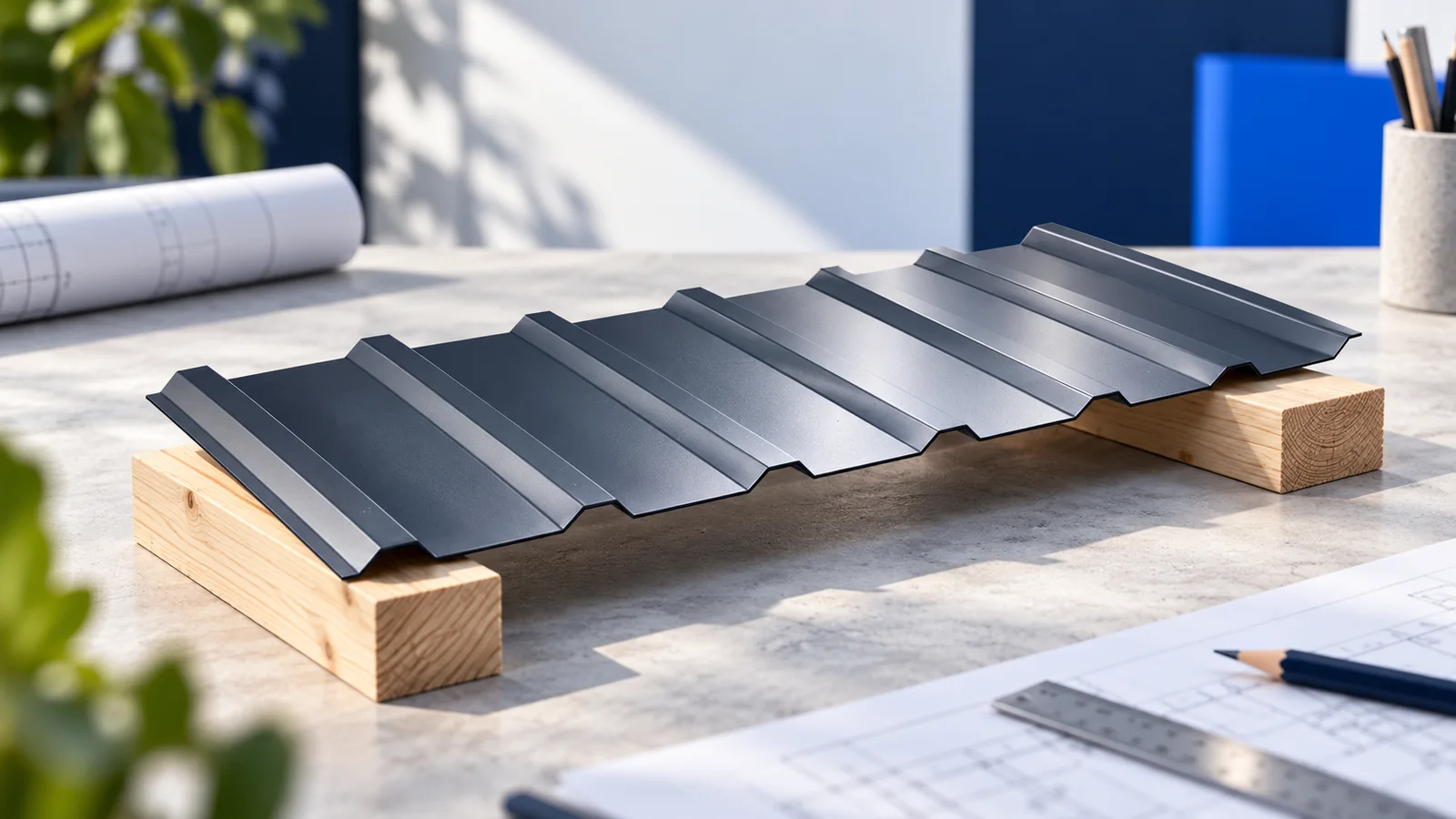
Choosing a rafter section should start with information for the structural designer, not with a search for a single sizing table. The…
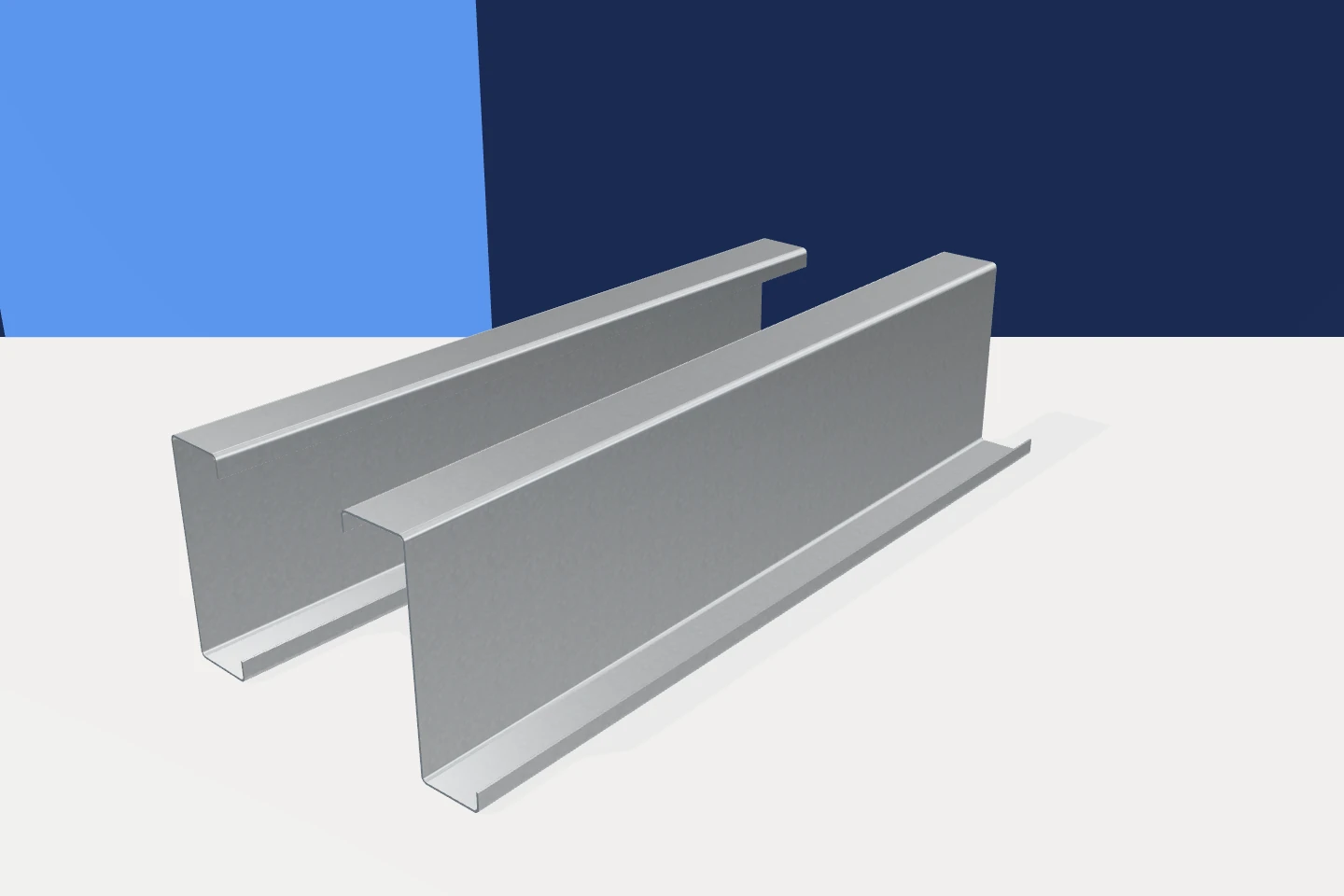
Look at the cut end to identify a cold-formed section. A Z has flanges facing in opposite directions; a C has both…
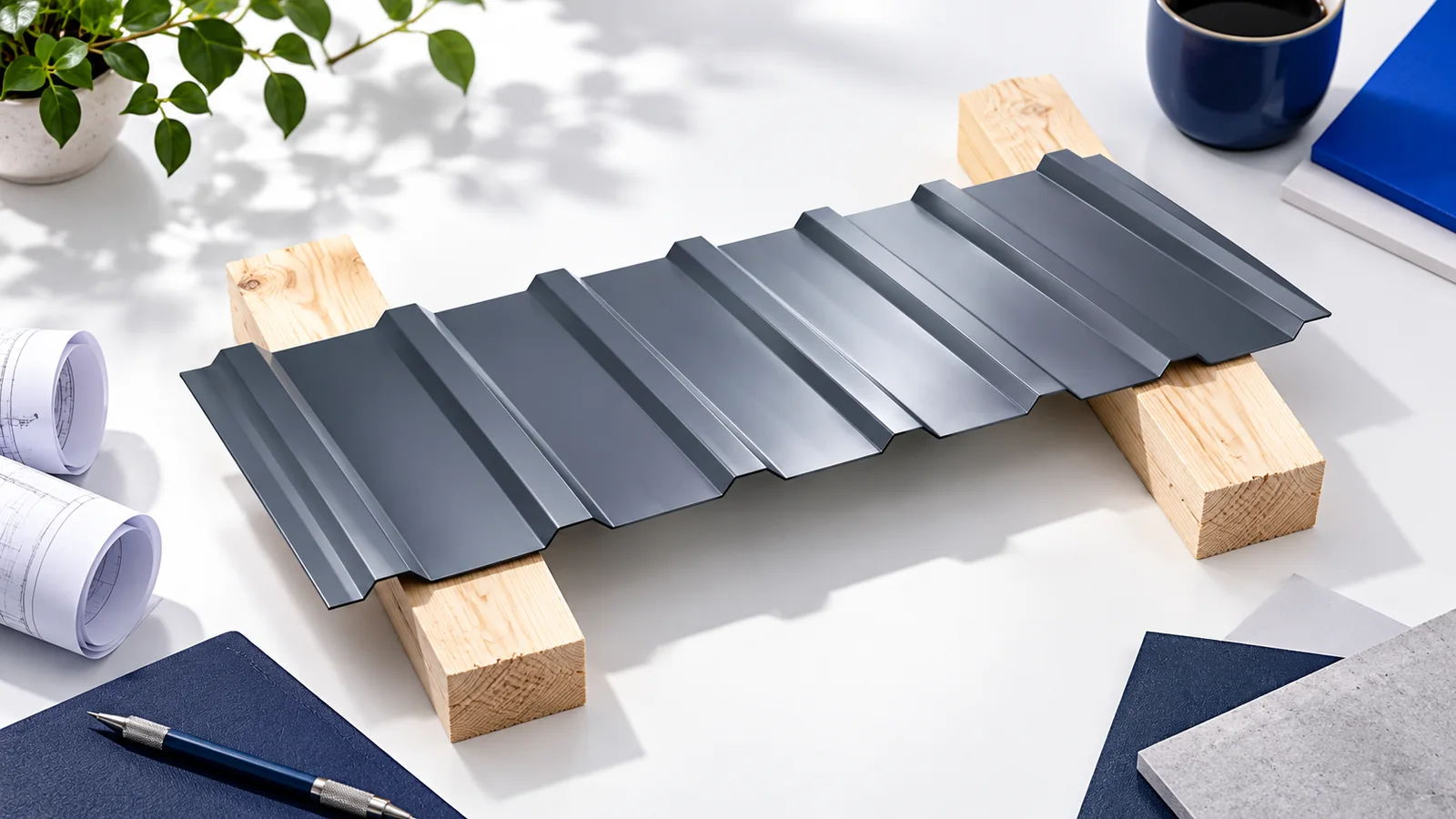
A roof can be understood as two cooperating systems: a load path and a drainage path. Rafters, wall plates, purlins and connections…
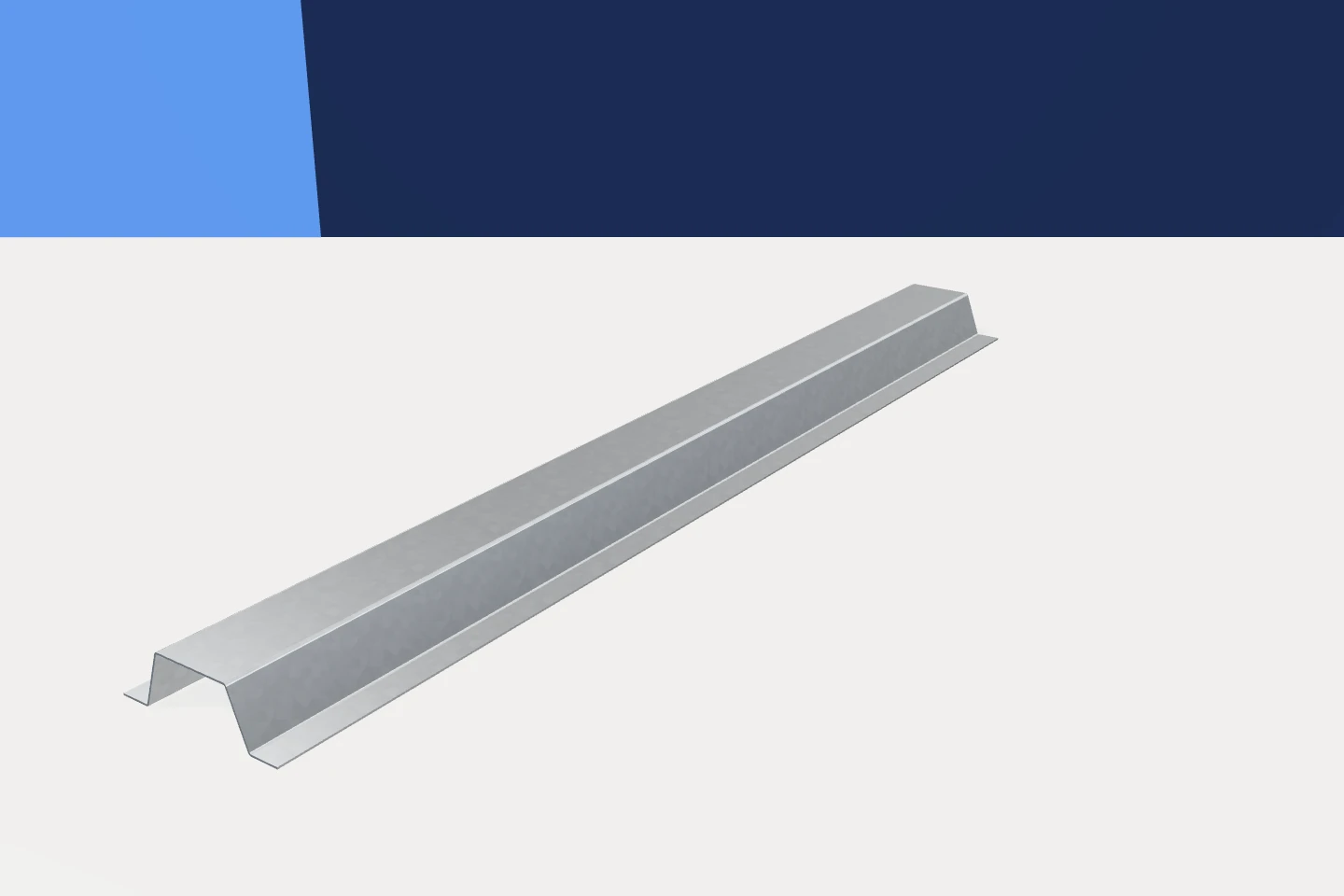
Steel top hat sections serve as roof battens and as rails behind wall cladding. Their suitability depends on the cross-section, sheet thickness,…
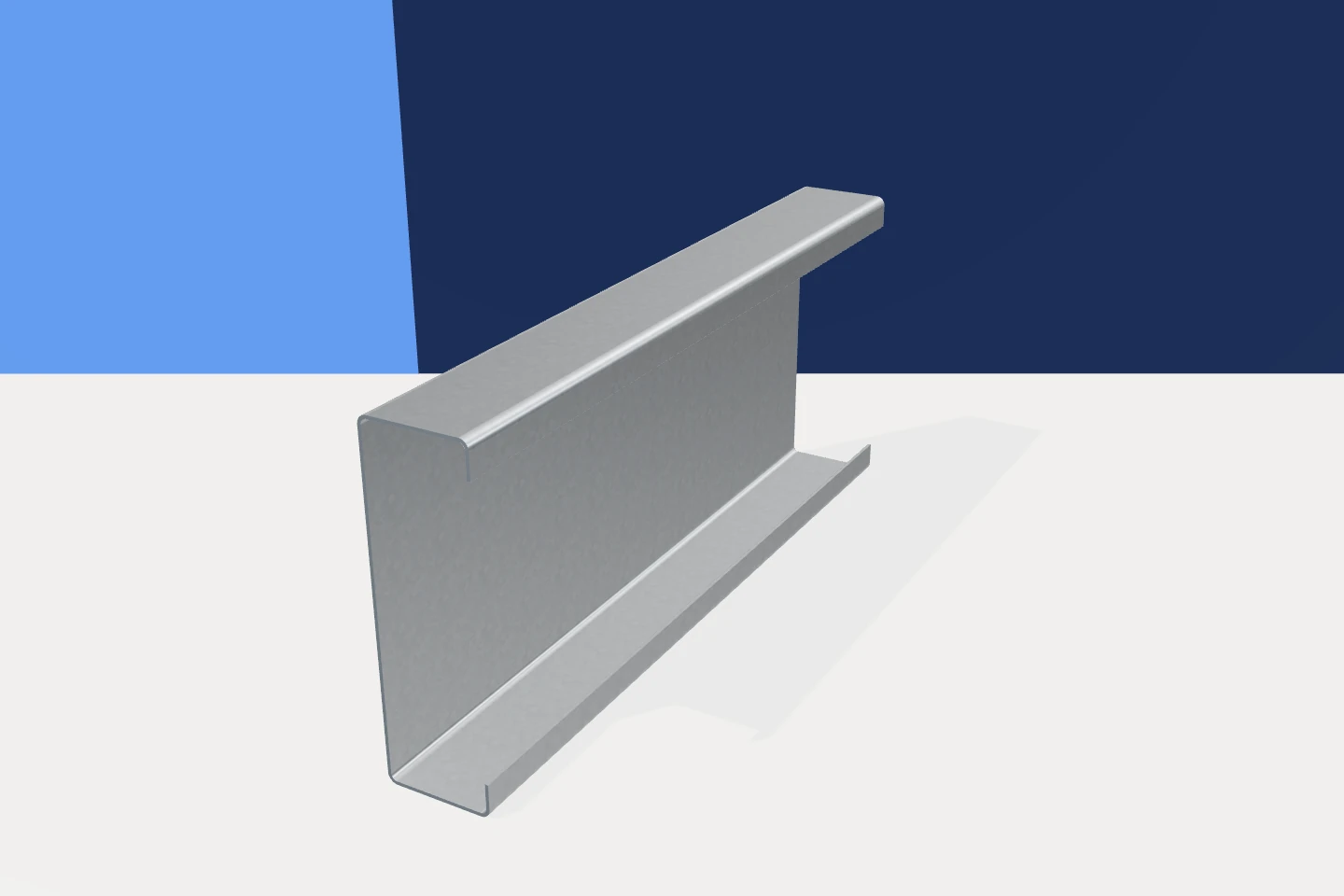
Galvanised sections are common in lightweight construction because zinc helps protect the steel against corrosion. Their service life depends on exposure, storage,…
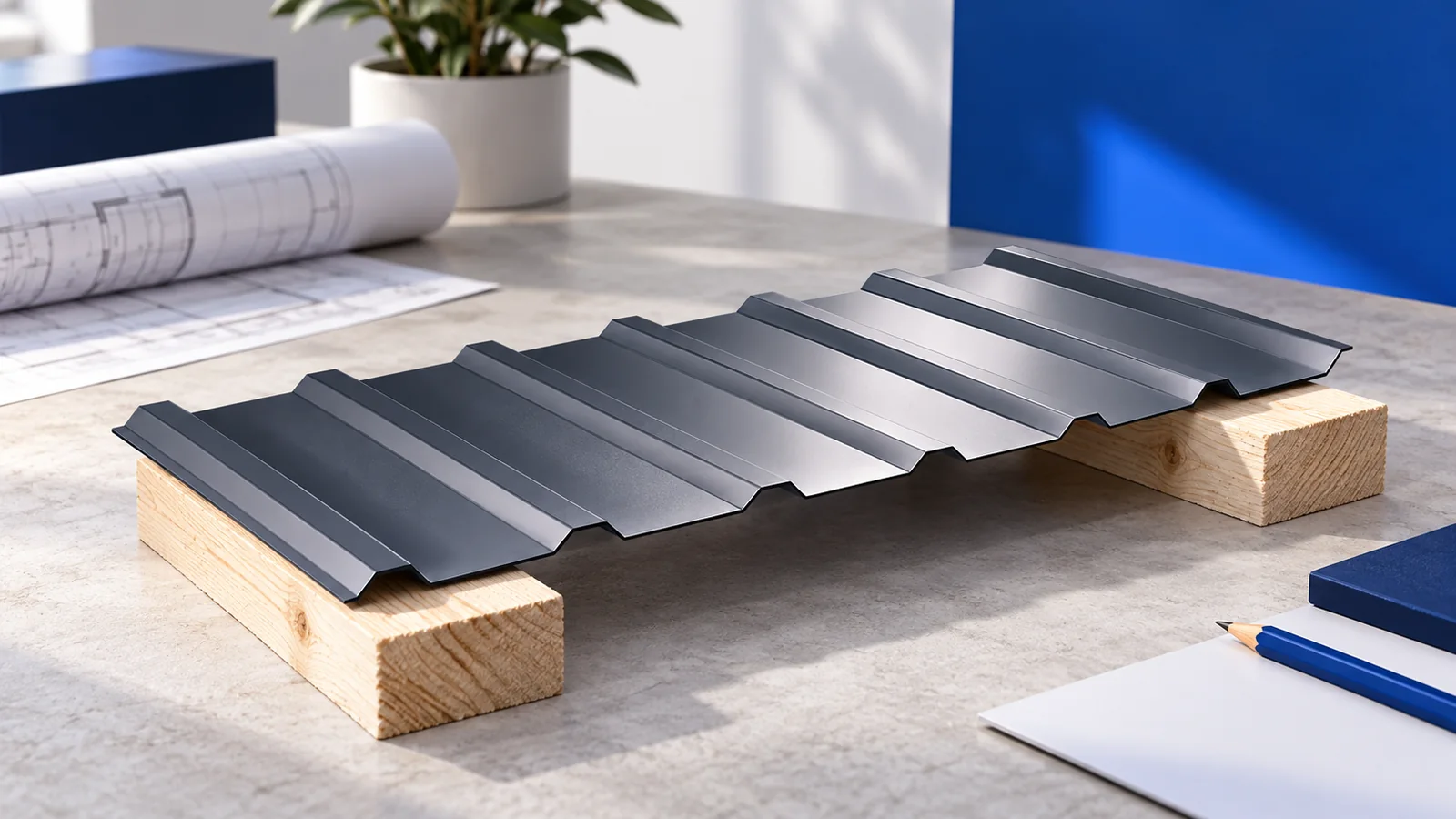
Roof purlins transfer loads from the supported roof elements to the main structure. In timber framing they may support rafters, while in…
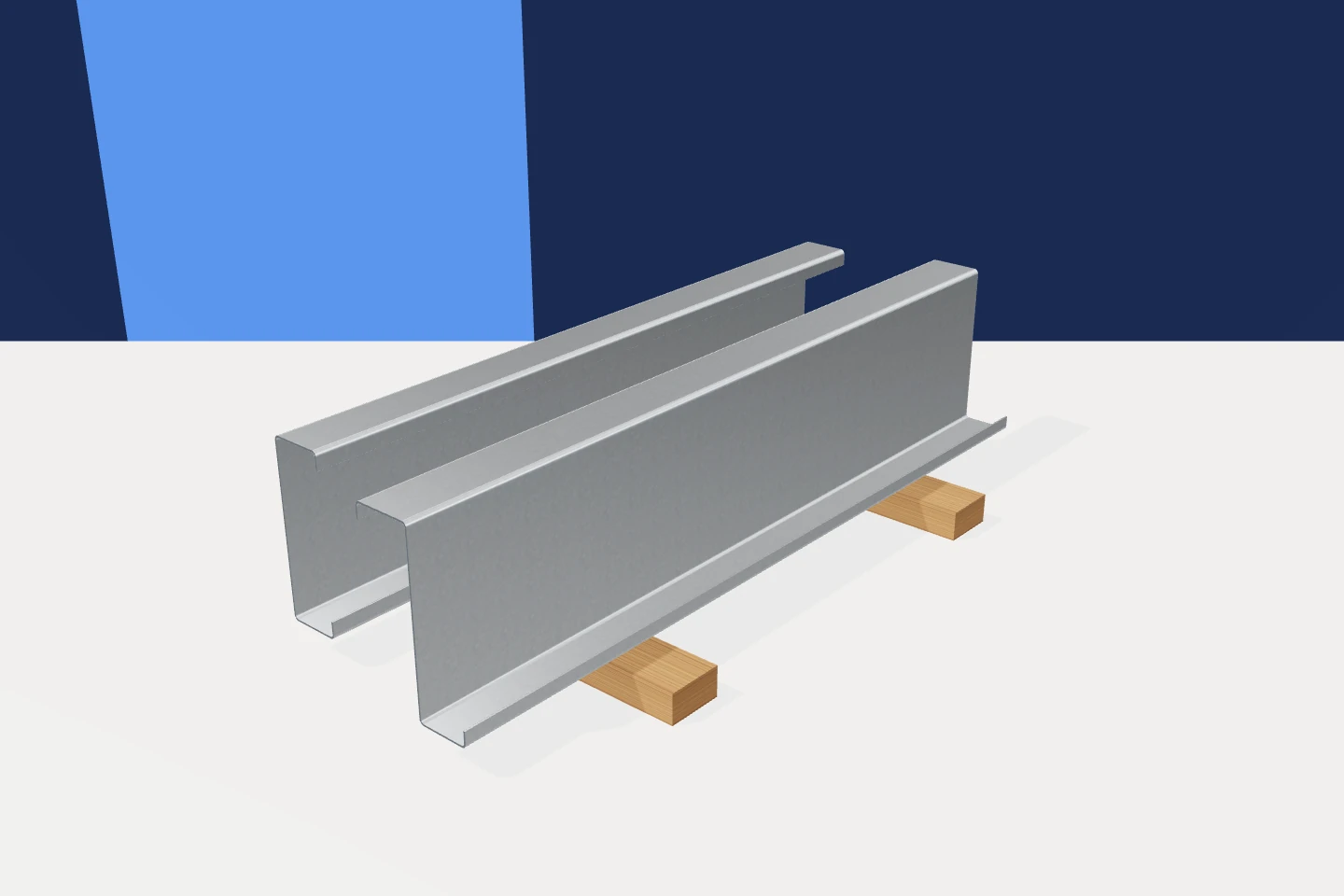
Before comparing quotations, separate the dimensions of the cross-section from the length of each piece and the coating specification. A small difference…
Before lifting a cold-formed section into place, check its mark, orientation, holes and surface against the current drawings. Even an accurately made…