Reading a quotation for galvanised steel sections: dimensions, weight and price
Steel sections and structures
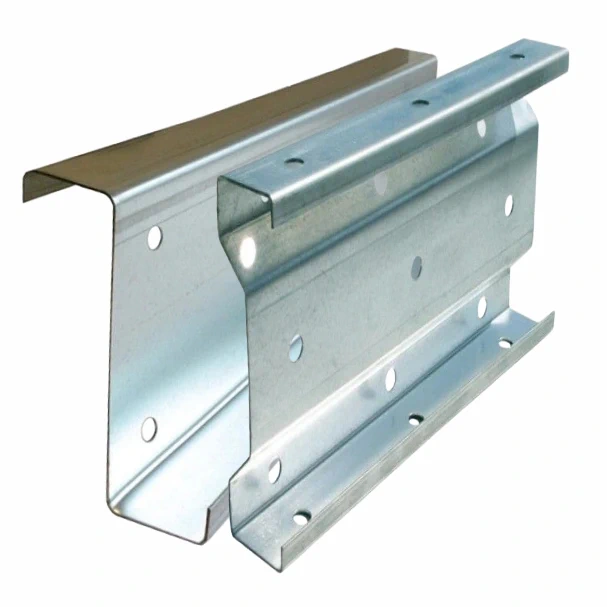
Before comparing quotations, separate the dimensions of the cross-section from the length of each piece and the coating specification. A small difference in notation may describe a different product from the one on the drawing. The letters identify shapes: Z sections have flanges on opposite sides, channels have both on the same side, sigma sections have a formed web, and top-hat sections have a raised crown and two feet. Each family comes in many sizes. You need more than the section name to compare what the suppliers will actually deliver.
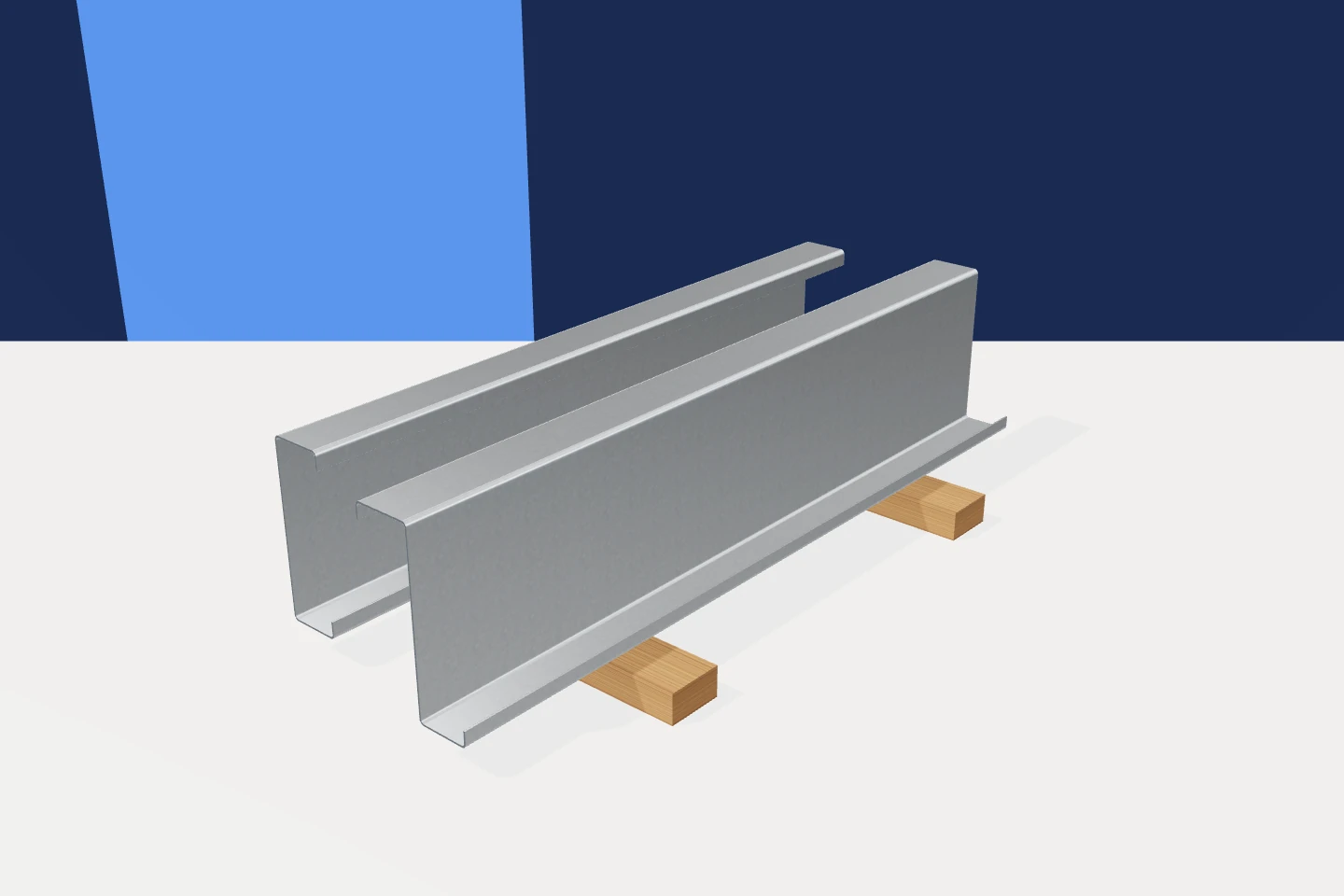
A letter identifies the family; a number is not a complete specification
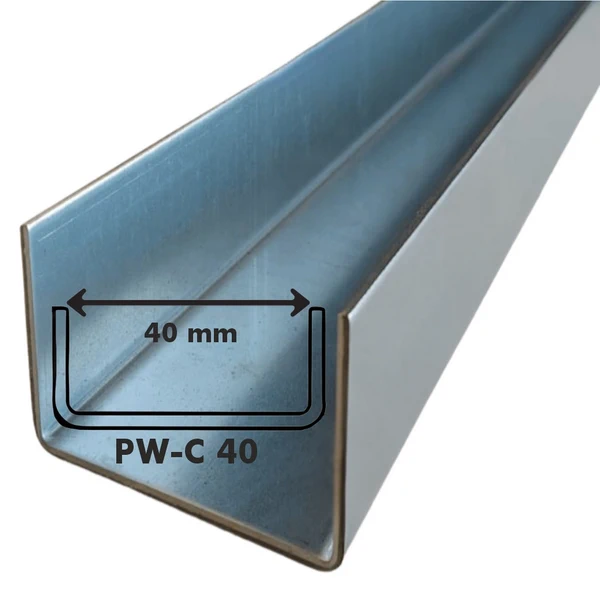
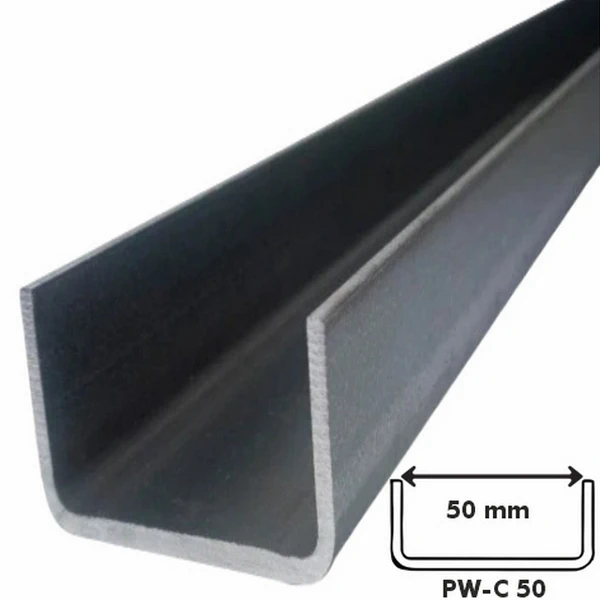
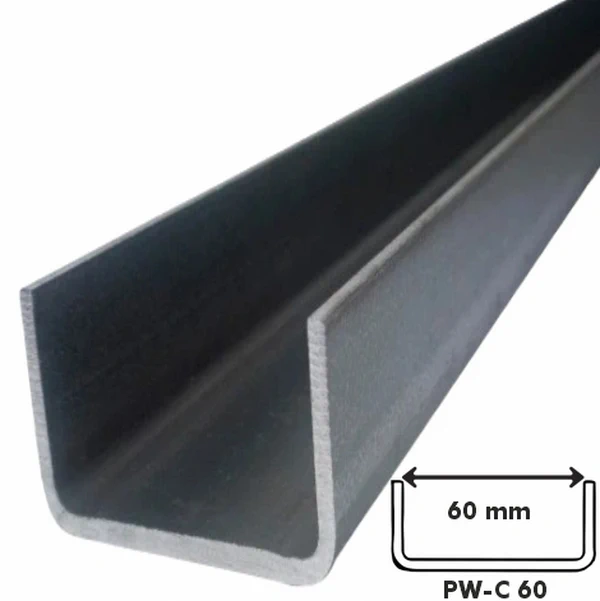
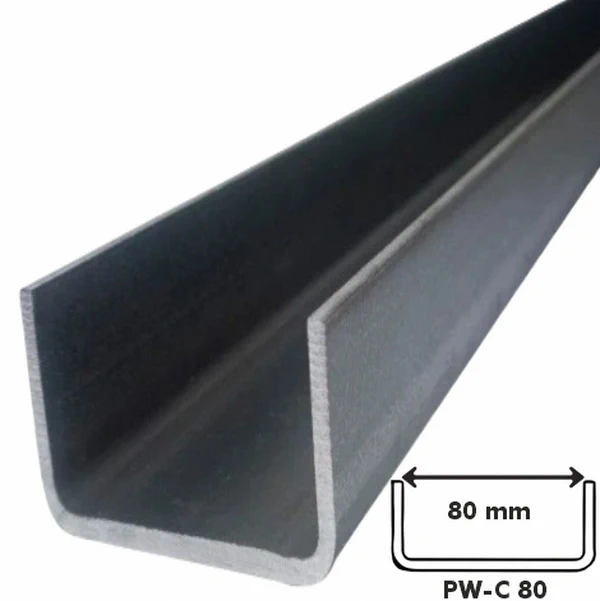
The number often indicates nominal depth. Check the supplier’s convention: it does not automatically describe flange width or thickness. Some trade names even differ from the actual dimension. Refer to the dimensioned drawing before ordering.
Look for the steel core thickness
A 200 mm deep section can be made from sheet of different thicknesses, with different mass and performance. The quotation should state the thickness and steel grade. Calling a member steel or galvanised is insufficient for structural use.
Check whether the thickness refers to the steel core and which tolerances apply. A thinner alternative is not equivalent just because it is available sooner. Have the designer assess it with the supports and connections before fabrication.
Flange width and lip length matter
Channels of the same depth can contain different amounts of steel because flange widths and edge returns vary. On Z sections the two flange widths may differ; on sigma sections the shape of the web fold matters. These dimensions affect both performance and fixing options.
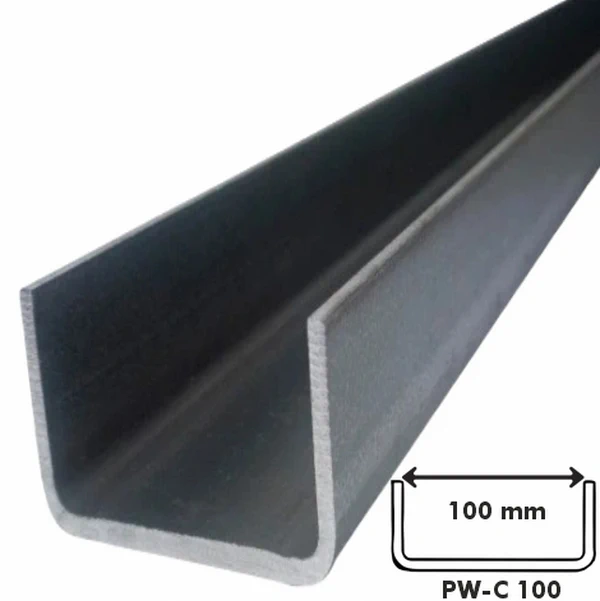
One catalogue example is a channel 200 mm deep and 2 mm thick, with 62 mm flanges and 20 mm lips. Not every C200 matches it. Give the entire cross-section or attach the correct drawing when requesting prices to avoid comparing different products.
Use mass per metre to estimate delivery weight
The stated unit mass usually applies to one metre of section. Multiply by the specified lengths to estimate the steel weight, but allow for fasteners and packaging in the delivery. For unloading, obtain the actual pack weights and support requirements.
More steel does not automatically make a better frame; a lighter beam is not necessarily cheaper overall either. It may require closer supports or extra components. Compare arrangements that meet the same requirements rather than ranking individual members by weight.

Specify the coating, hole pattern and lengths
Galvanised products can have different protective coatings and specifications. Look for the exact designation; a silver finish does not identify it. Set exposure requirements early, and make sure any cheaper coating is technically suitable.
Define hole positions from a stated datum and show member orientation. Match lengths to the fabrication schedules, including laps and end details. Check whether cutting and punching are included: extra work on site costs money and must respect structural and coating requirements.
A beam can have different hole patterns at its two ends. Mark left and right and specify the viewing direction on the drawing so that accurately dimensioned holes are not produced as a mirror image.
What else belongs in the final comparison?
Check whether prices include tax and how long the quotation is valid. Read transport charges, unloading terms and accessories separately. Bolts, nuts, washers, cleats and bridging are not always included. Distinguish the manufacturing lead time from the date the steel will reach the site.
A common schedule gives all bidders the same dimensions and functions for Z, C, sigma and top-hat sections. Identify and check any substitution explicitly. A usable quotation tells you what will arrive, what you will pay and which operations remain on site.
Keep the confirmed order with its drawings. At delivery, compare bundle marks with the agreed schedule. This can uncover a mix-up before erection starts and before any part of the frame has to be dismantled.

Free quote
What to include in your enquiry
Tell us how you plan to use the material, the dimensions and the quantity you need. Include the thickness, grade or variant name, along with the delivery town or your preferred collection branch. For a specific product, add its name or a link to the product page. We will reply to the email address you provide to discuss availability and the terms of your order.
More from the building guide
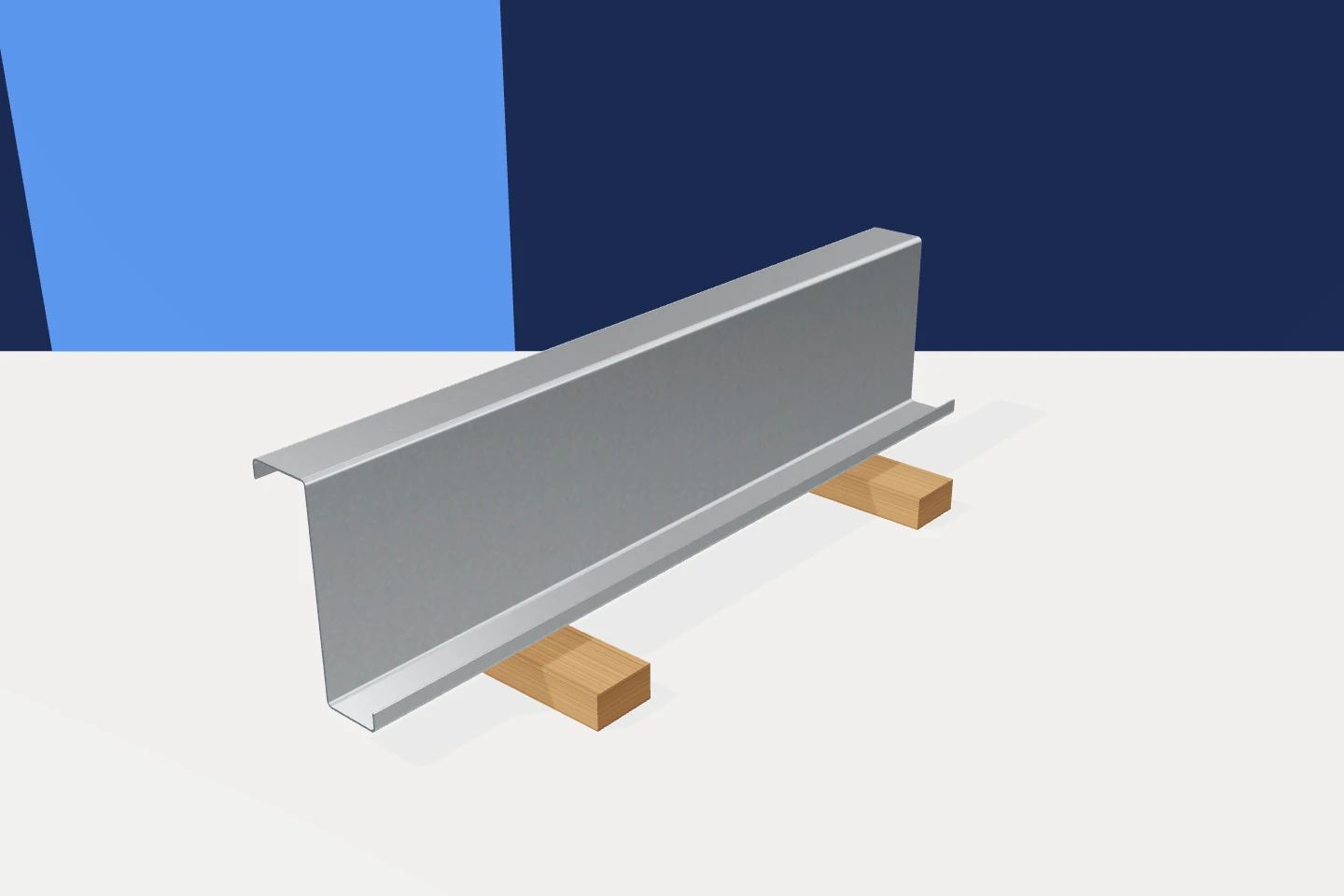
Before lifting a cold-formed section into place, check its mark, orientation, holes and surface against the current drawings. Even an accurately made…
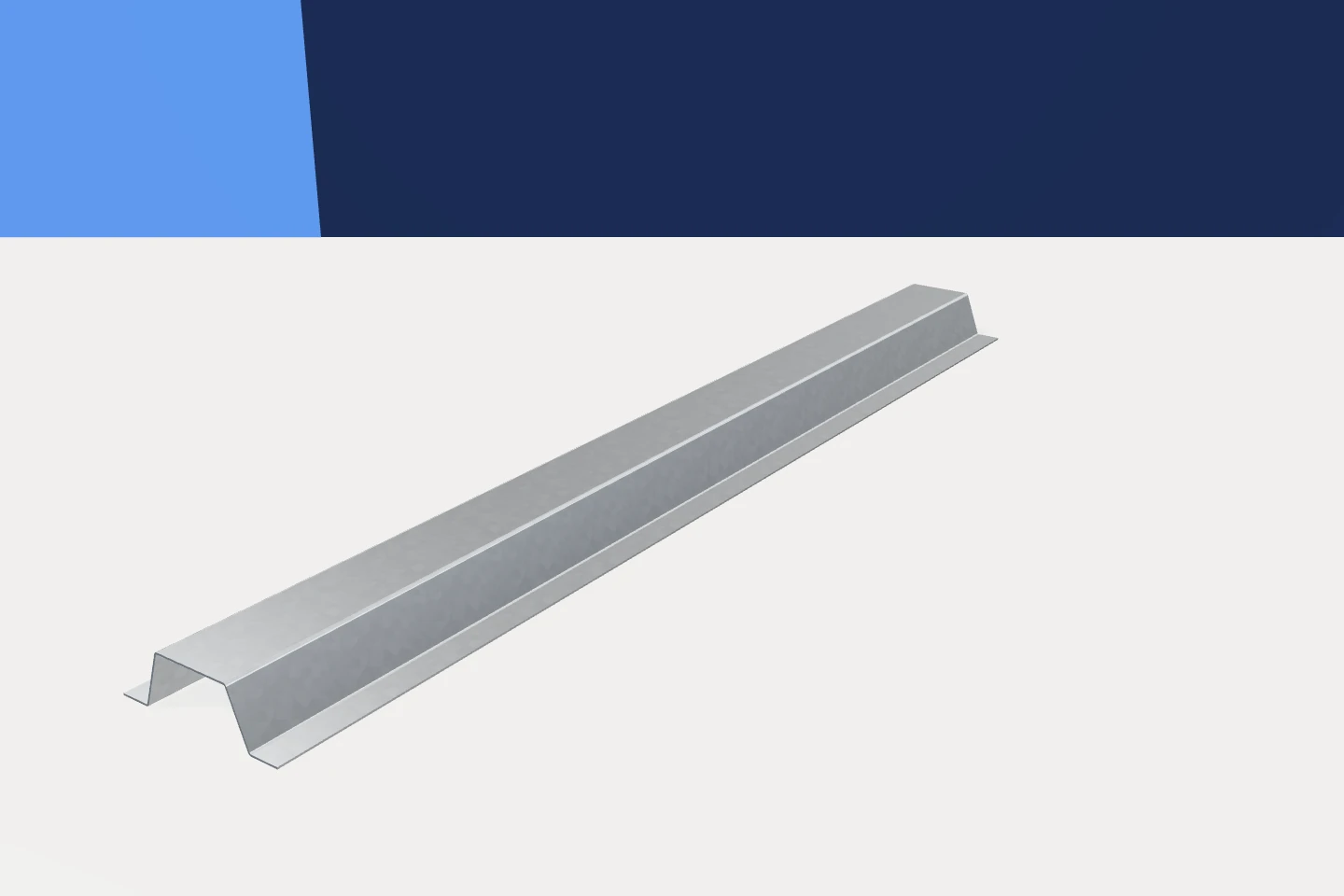
Steel top hat sections serve as roof battens and as rails behind wall cladding. Their suitability depends on the cross-section, sheet thickness,…
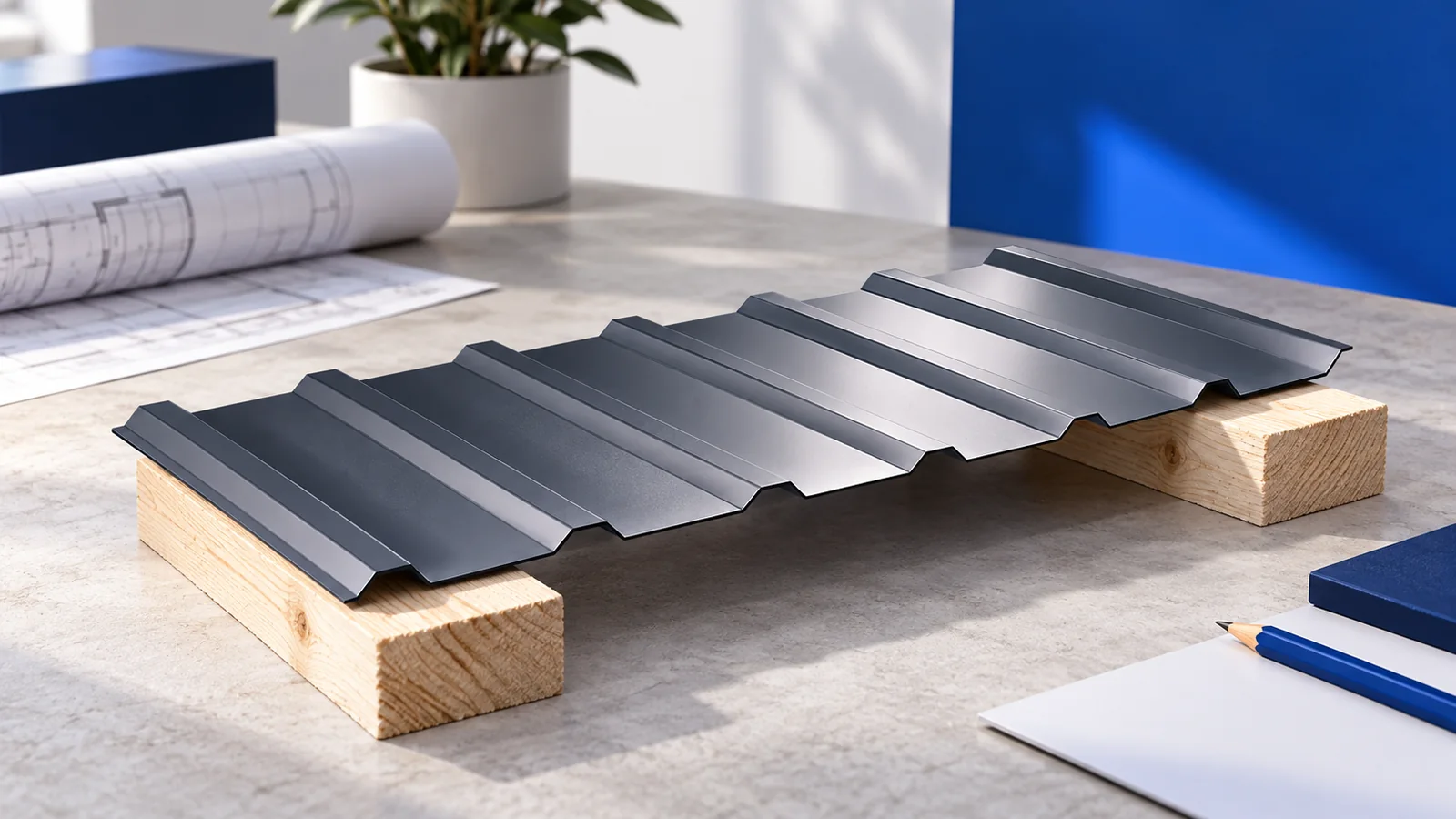
Roof purlins transfer loads from the supported roof elements to the main structure. In timber framing they may support rafters, while in…
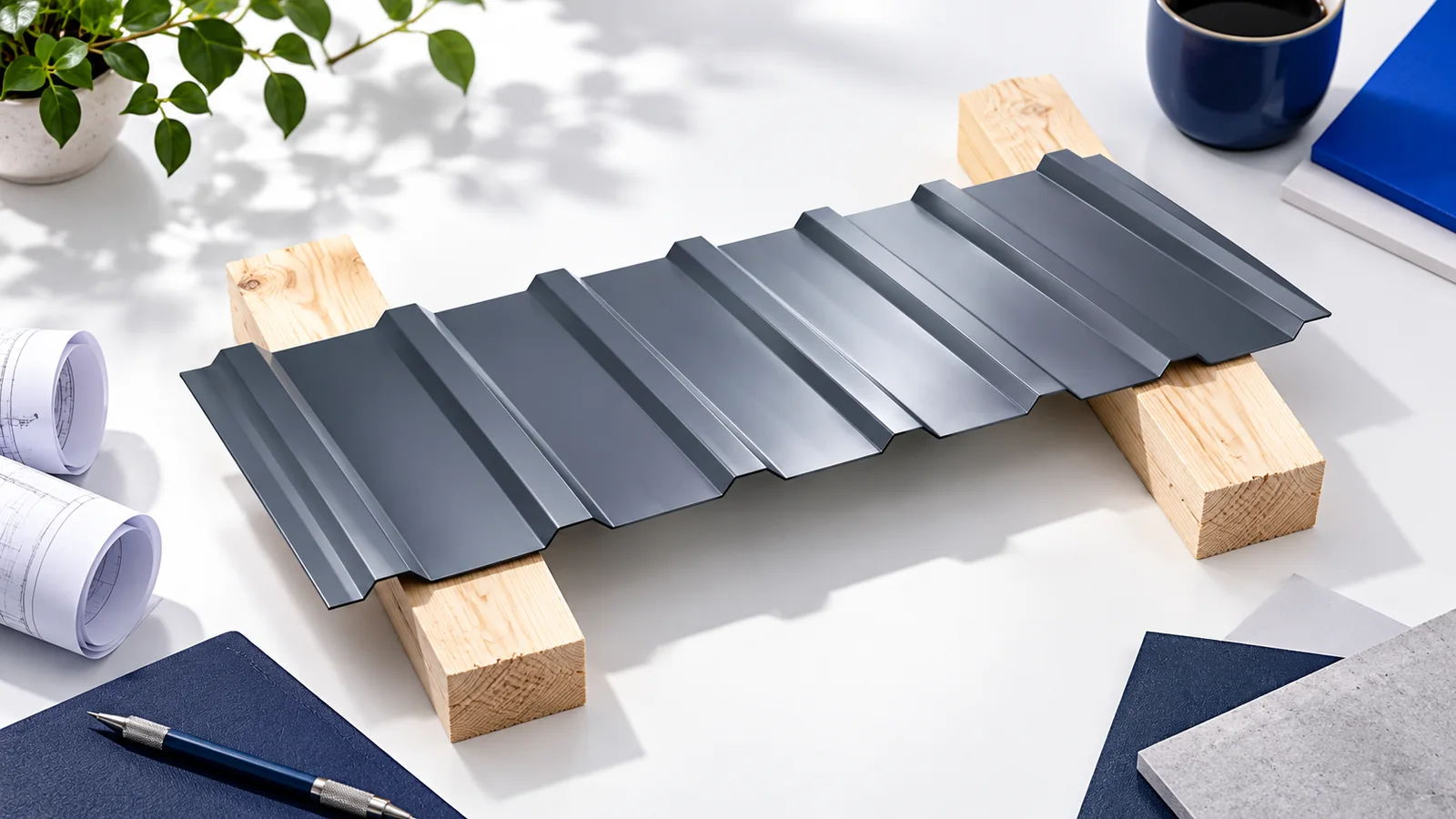
A roof can be understood as two cooperating systems: a load path and a drainage path. Rafters, wall plates, purlins and connections…
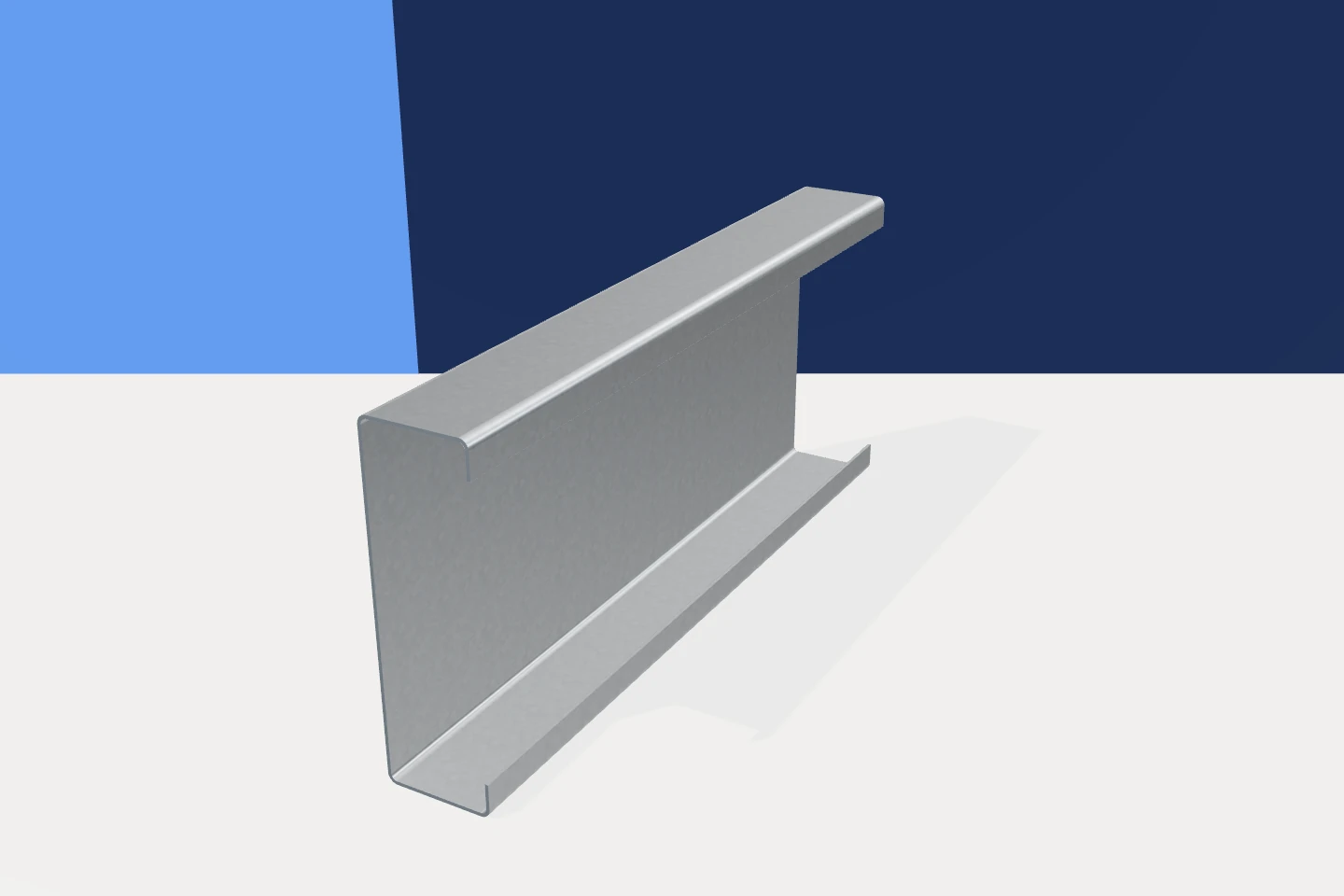
Galvanised sections are common in lightweight construction because zinc helps protect the steel against corrosion. Their service life depends on exposure, storage,…
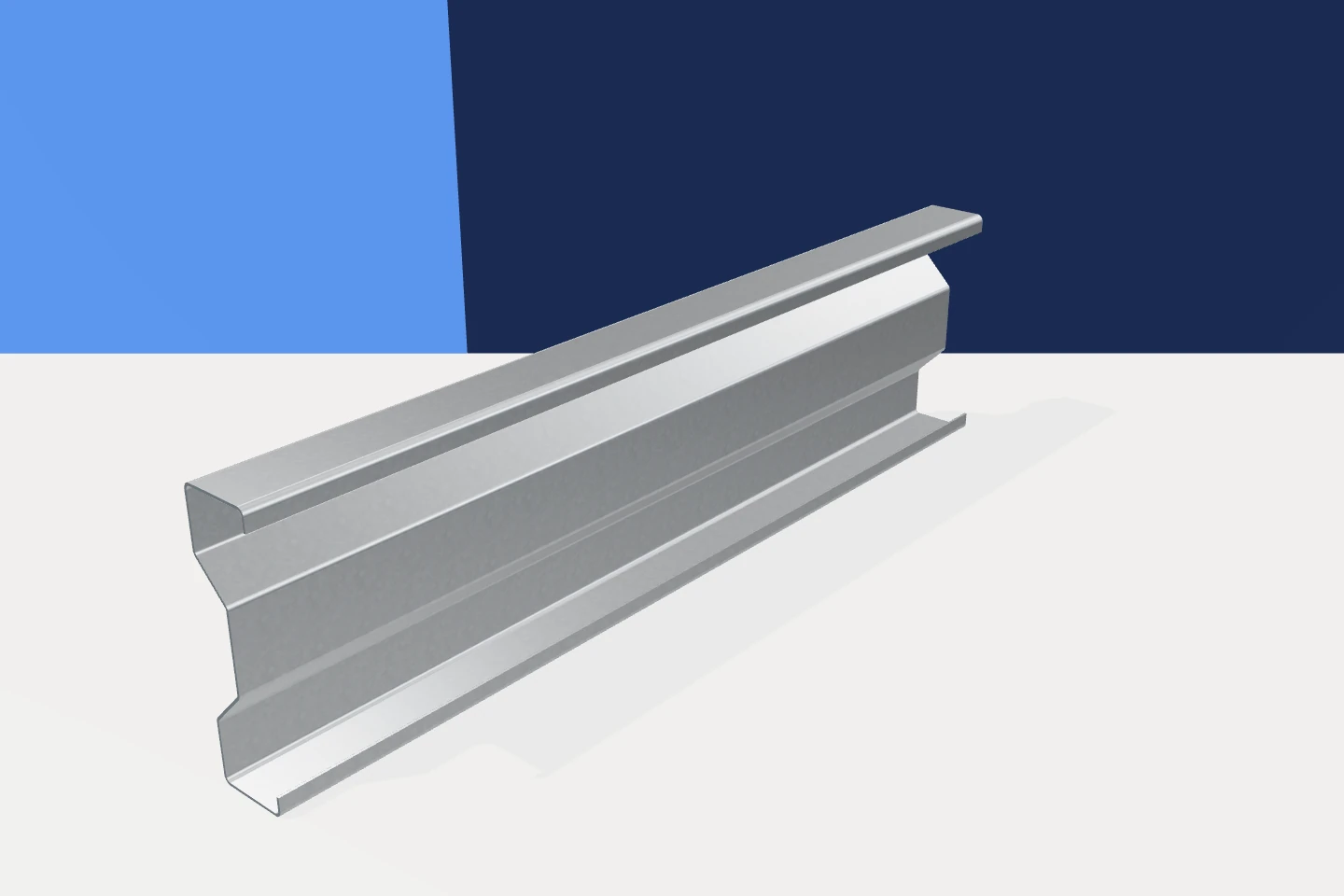
Extra folds in the web give a sigma section its distinctive shape. They affect how the thin plates behave, but do not…
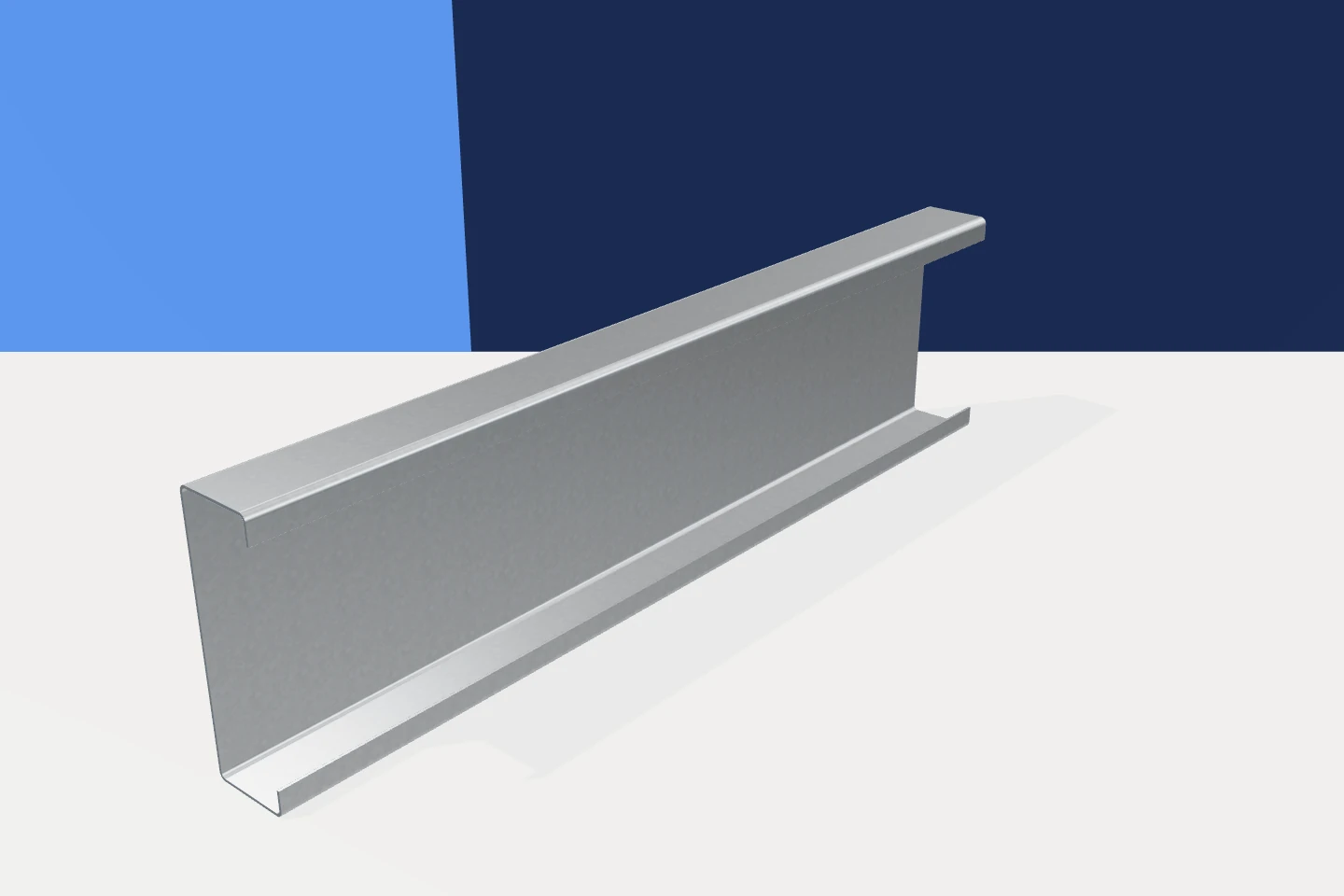
Channel, C-section and U-section are sometimes used interchangeably in conversation. Check the drawing before ordering. Both shapes can have a web with…
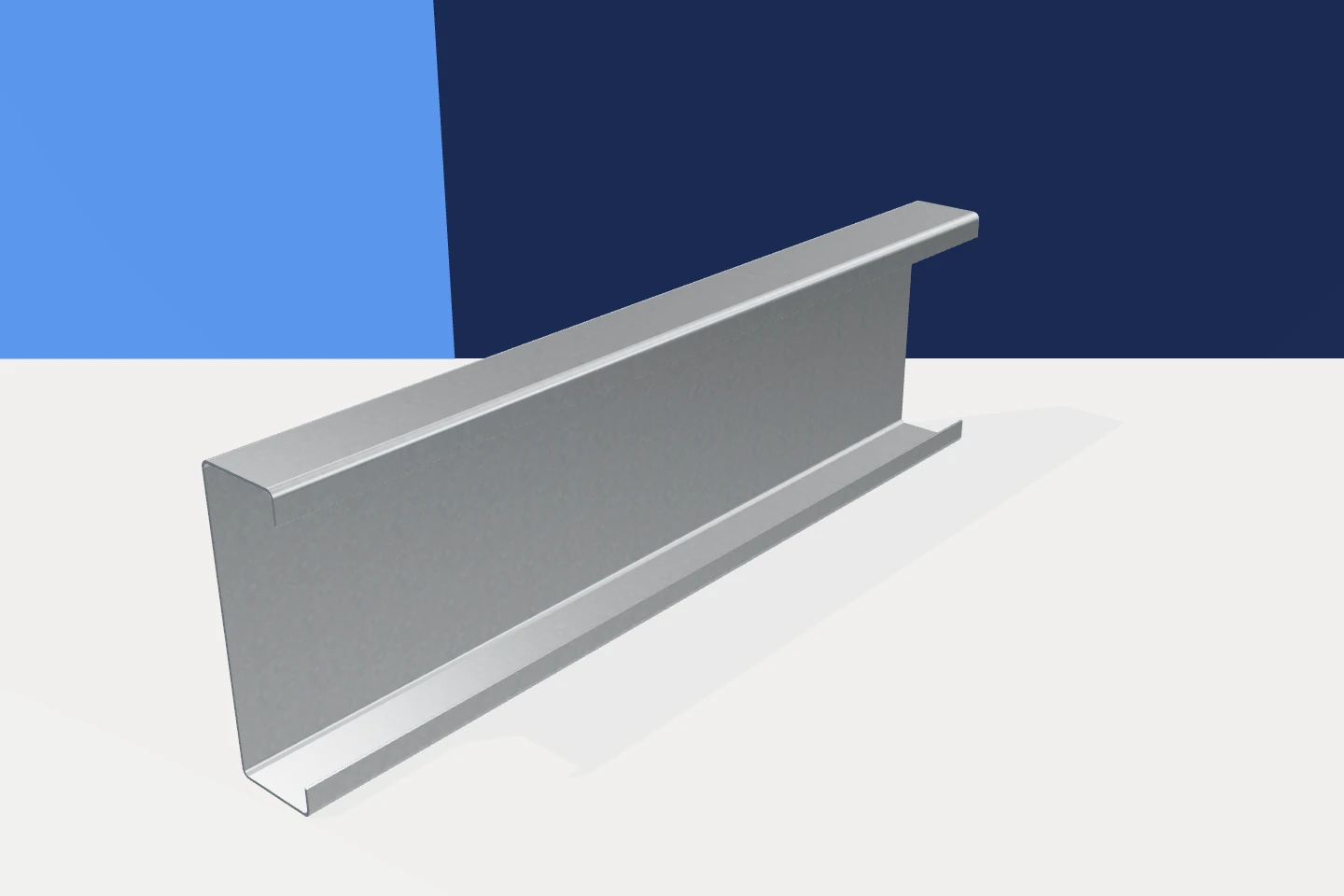
To select a cold-formed beam, the designer needs more than the distance between its supports. Start with the member's job. A roof…