






Corrugated fibre cement sheets have arrived: what to check on delivery
Fibre cement roofing
Check the delivery before the sheets reach the roof. Compare labels, quantities and documents against the order; colour alone will not distinguish every fibre cement variant. Look for visible damage and record any discrepancies in a way the supplier can trace later. Plan unloading before the lorry arrives: the vehicle needs access and room to manoeuvre, and the packs need a level, prepared base with support as specified in the instructions. Loose stones or a route used by machinery are unsuitable. Storage conditions immediately after delivery matter just as much as the condition of the sheets when they arrive.
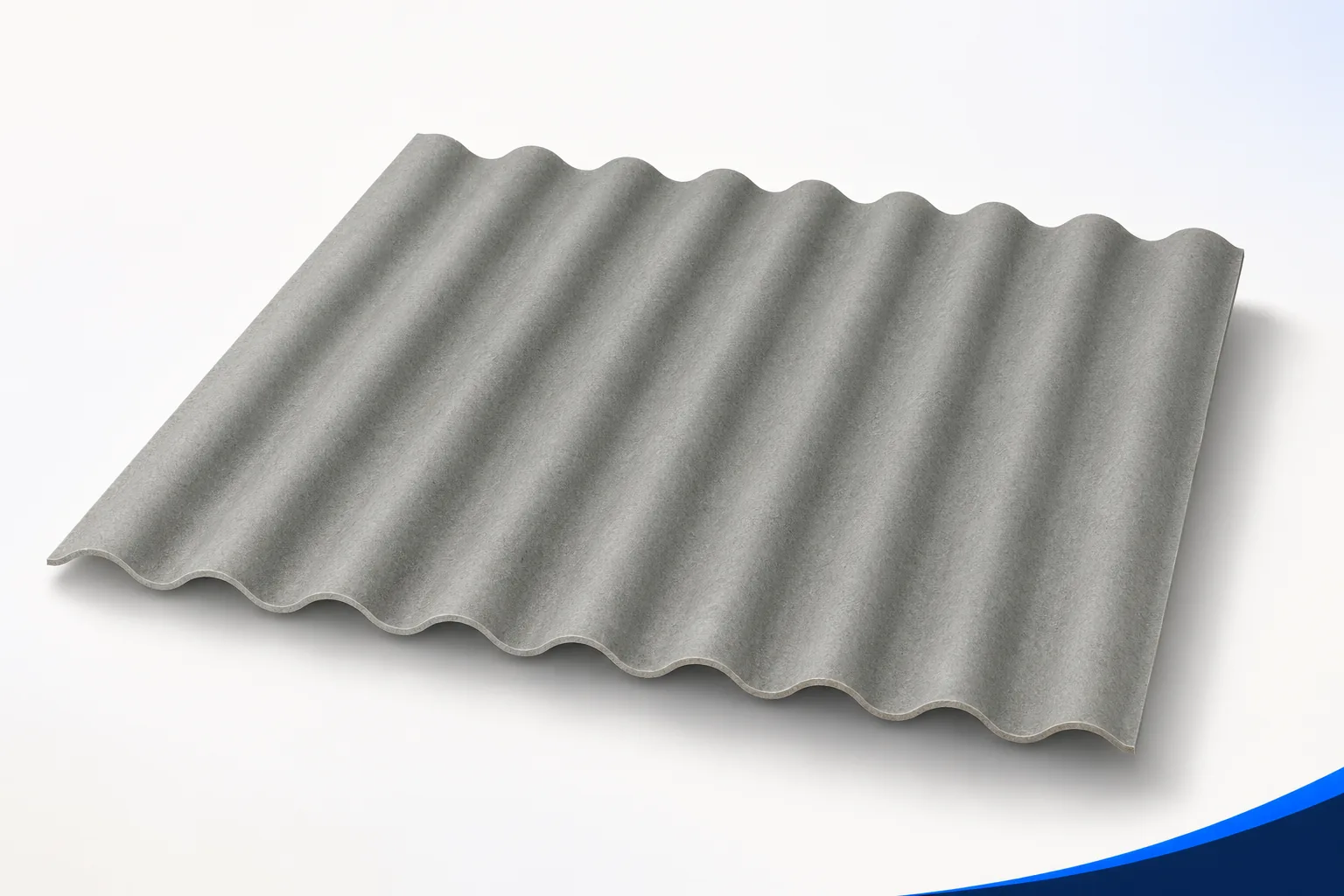
Prepare the site before the lorry arrives
Choose a position that avoids repeatedly moving the packs. If space is tight, agree staged deliveries rather than accepting material with nowhere to put it. Have the order and accessory list ready: checking from memory makes it easy to miss a length difference or a missing fitting.
Read the labels against the order
Check profile, lengths, finish and preparation. Factory-drilled sheets or those with cut corners may have a specified orientation and position; similar colour does not establish the correct format. The paperwork should identify the exact product. Photograph labels and batch markings before discarding the packaging. Use the same method for subsequent loads so differences can be traced and variants are not mixed within a row.
Inspect the pack without unsafe unpacking
Look for crushed packaging corners, movement and impact marks. Exposed sheet edges may reveal damage hidden from above. Do not slide heavy sheets apart in a way that risks injury or breakage. If the whole pack cannot be inspected safely while the driver is there, agree how to continue checking and how to report concealed damage. Take an overview as well as a close-up: a photograph of a crack alone does not locate it in the delivery.
Distinguish dampness from impact damage
Record wet packaging, water marks and discolouration without assuming they all have the same cause. The surface may change as it dries, but prolonged dampness in a stack is undesirable. Even sheets designed for outdoor use require correct storage and ventilation before laying. Do not cover a wet delivery in a way that traps water. Follow the instructions and, if unsure, record its condition and speak to the supplier before installation.
Count the small parts as well
A missing fastener, seal or ridge end can stop the job as surely as missing sheets. Check accessory types and quantities against the list. Accept no unexplained substitute simply because it looks similar. For fixings, verify the substrate and completeness of the kit; for rooflights, the profile designation. Store small parts together in a labelled place away from unrelated site materials.
Do not install a suspect sheet to keep to schedule
Clarify cracks, damaged holes and wrong profiles before laying. Installation can obscure the cause and increase the extent of replacement. Set suspect sheets aside without damaging them further. Do not patch a new sheet with an arbitrary compound. Note its identifier or position in the pack and contact the supplier. Hiding a problem in the finished roof seldom shortens the job.
Protect the material after acceptance
Correctly delivered sheets can be damaged the next day by machinery or poor handling. Check pack covers regularly and follow storage instructions; transport film is not necessarily protection for the entire build. Agree who looks after the material and documents until installation. Moving a pack later still needs proper equipment. Acceptance is more than a signature: it should leave the crew with an identifiable, complete and undamaged set.
At delivery, check markings, quantities, visible condition and accessory kits. Keep the photographs and paperwork and resolve discrepancies before laying the sheets.

Free quote
What to include in your enquiry
Tell us how you plan to use the material, the dimensions and the quantity you need. Include the thickness, grade or variant name, along with the delivery town or your preferred collection branch. For a specific product, add its name or a link to the product page. We will reply to the email address you provide to discuss availability and the terms of your order.
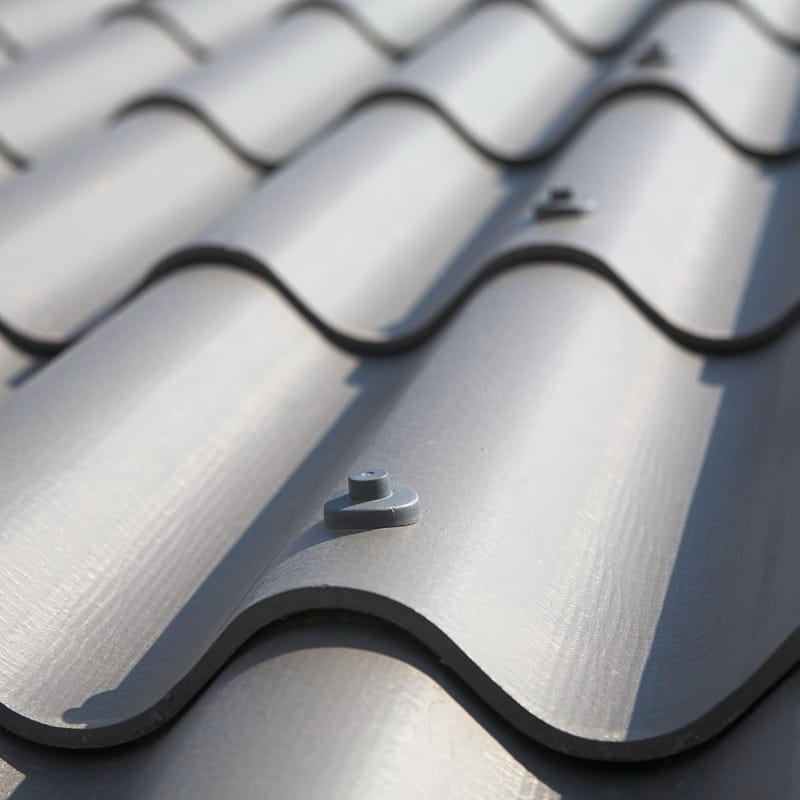
More from the building guide
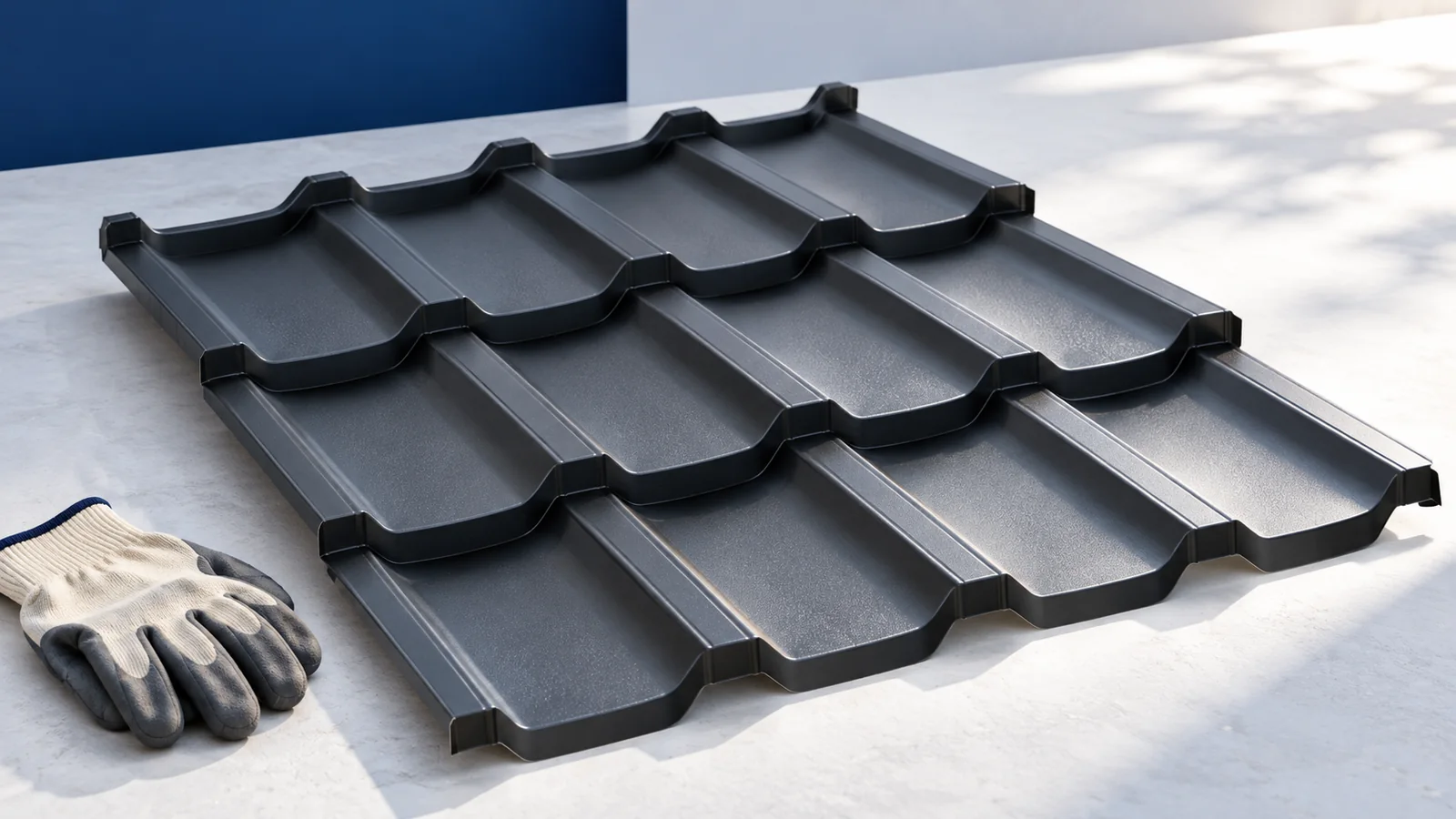
Before commissioning a metal roof repaint, ask the contractor which sheets can be kept and how they will check that the new…

At an assumed EUR 8.41 excluding VAT per square metre of T18 cover, material for 200 m² totals EUR 1,682.00 excluding VAT.…
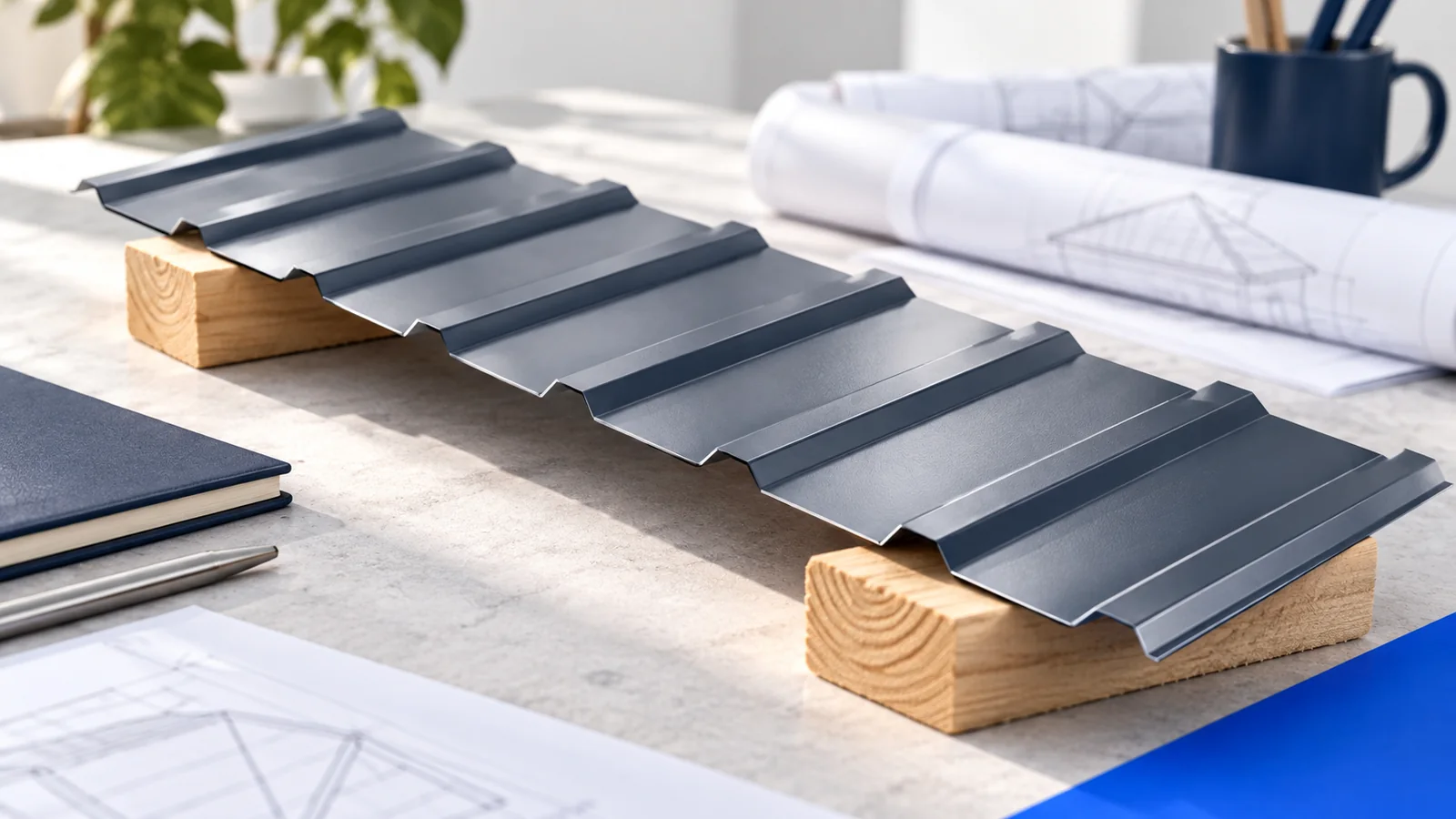
A hipped roof over a rectangular house usually has two trapezoidal and two triangular slopes joined by a ridge and hips. The…
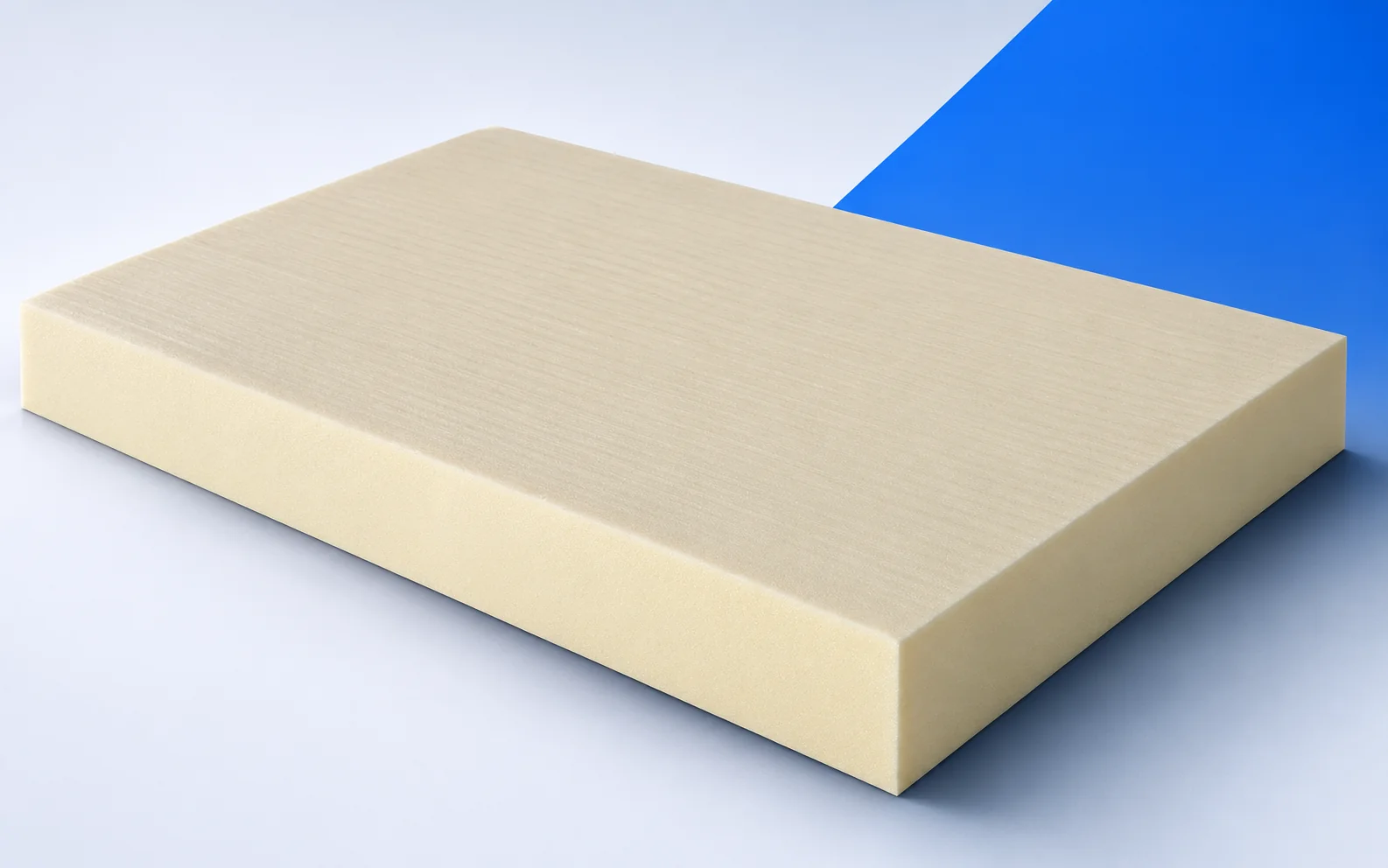
When refurbishing a roof with standing water, survey the deck before ordering BauderPIR T tapered boards. Record levels at the outlets, on…

An integrated PV roof design needs the roof geometry, layers, supports, flashings and cable routes alongside the module count. Combine these with…
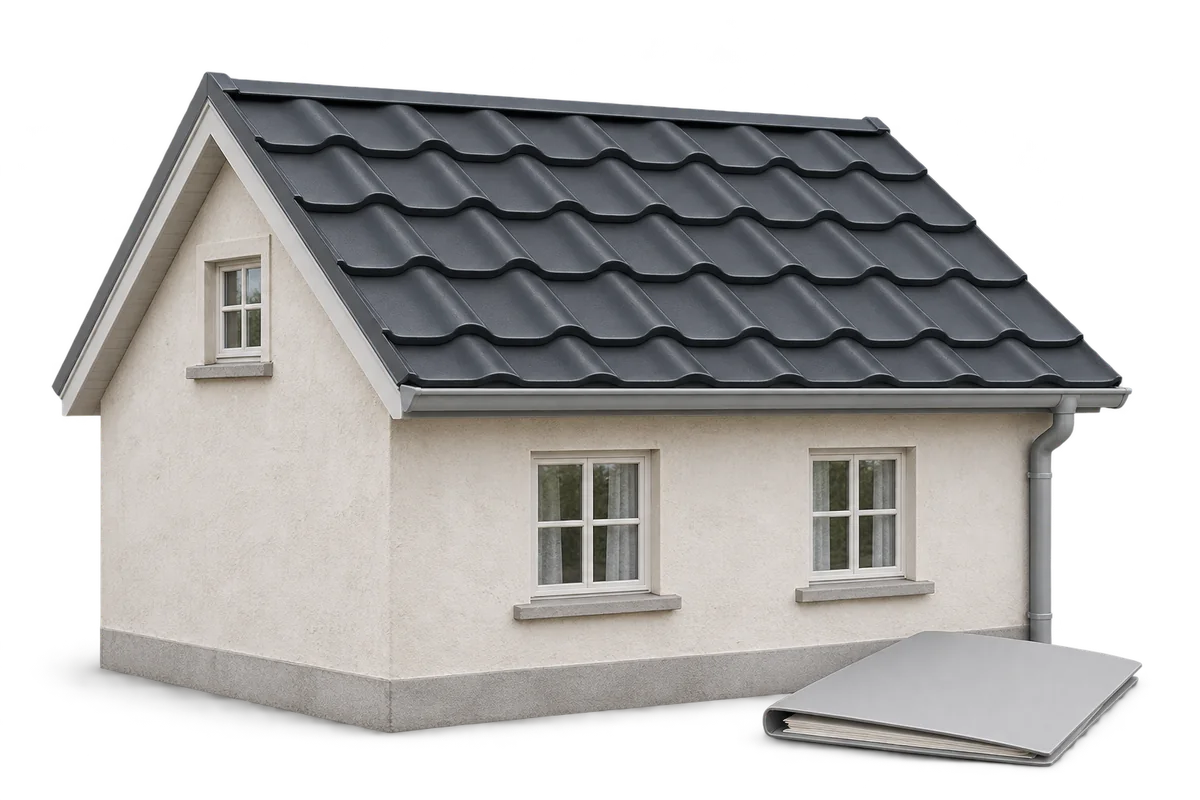
Before replacing a roof, describe what will remain, what will be restored and what will change. In Poland, the work type, building…
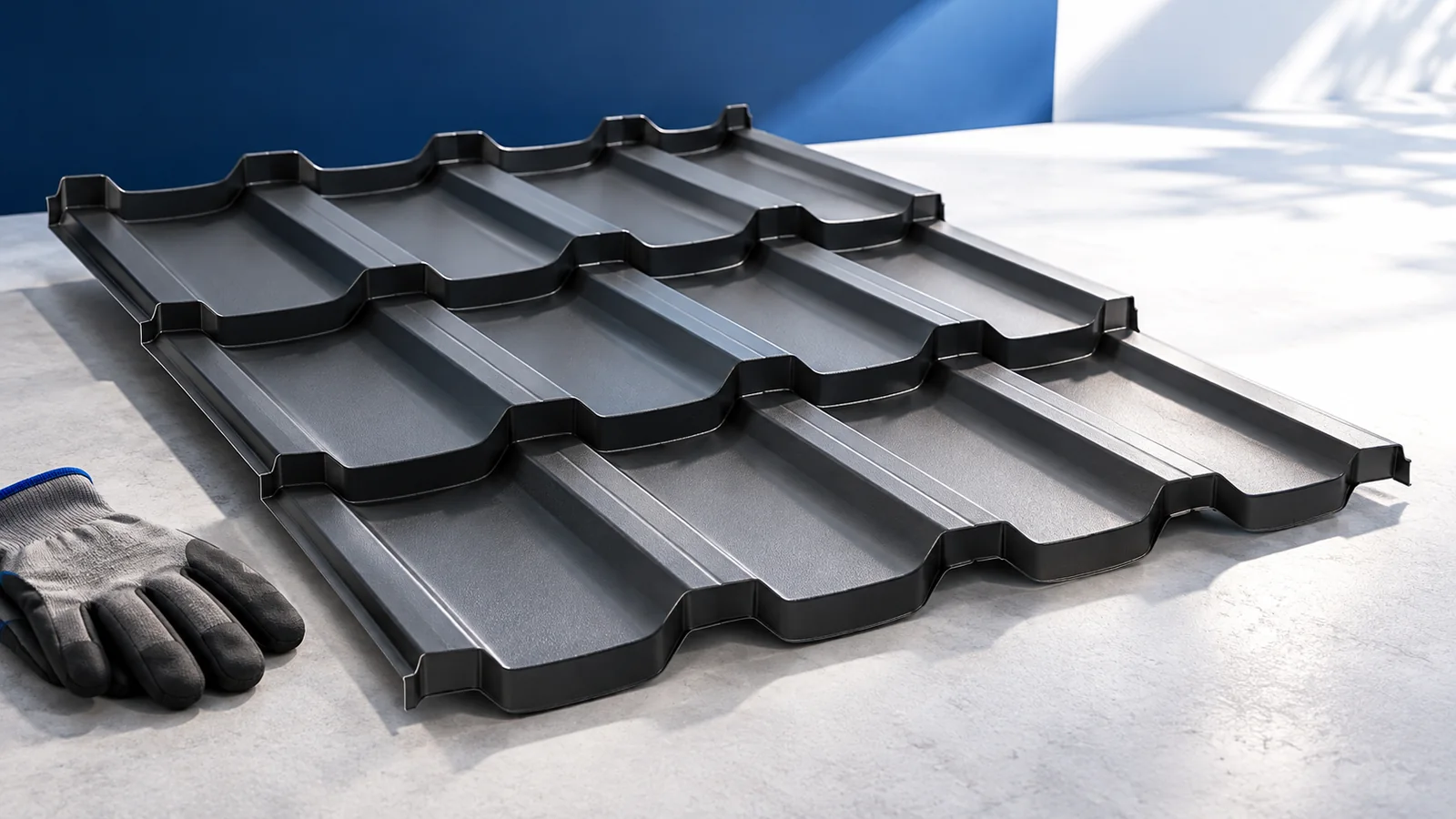
Judge a building technology by the job it performs in the particular project. Prefabrication changes preparation, sandwich panels combine enclosure functions, and…
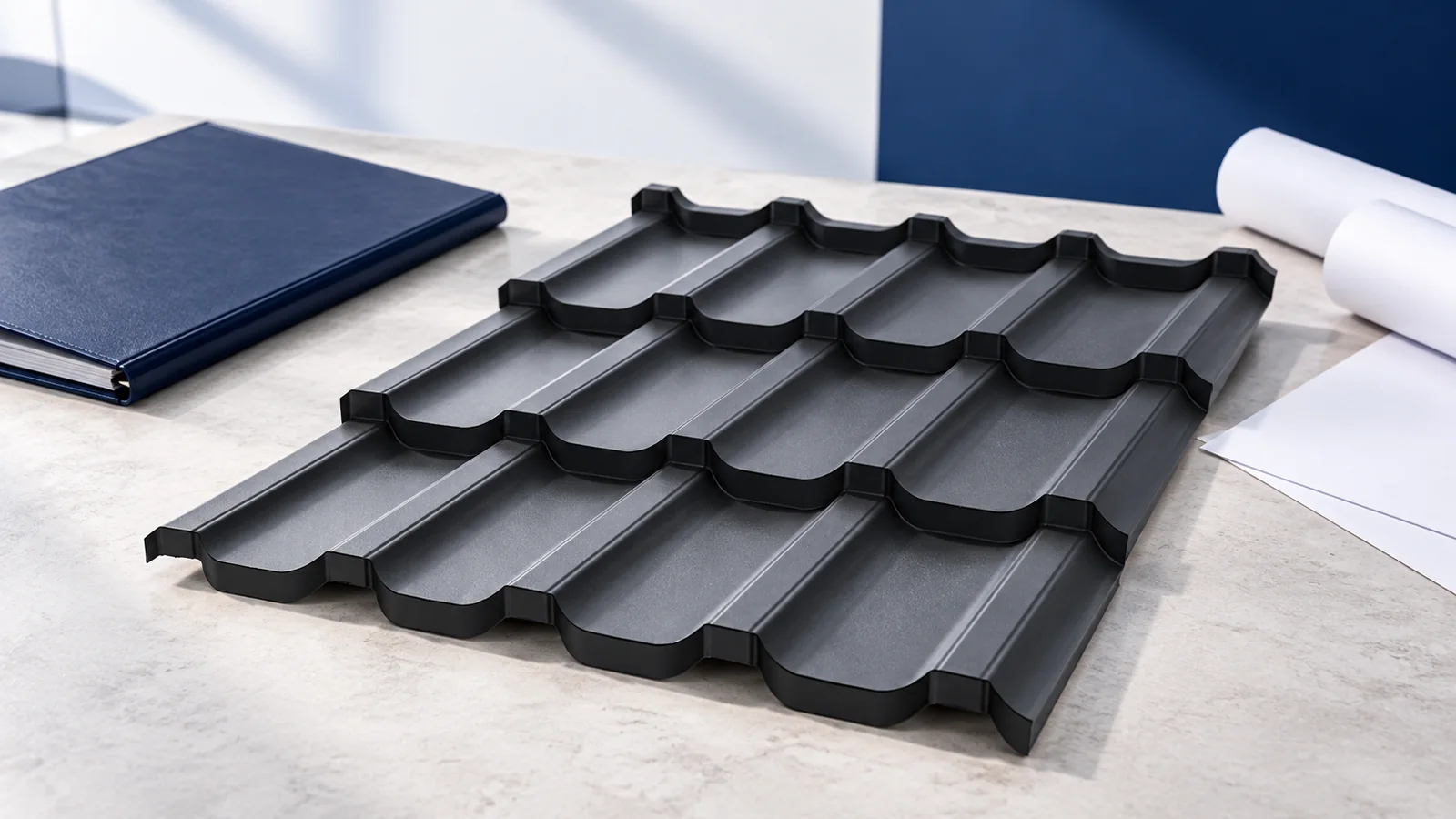
If you suspect unauthorised building work in Poland, compare the existing building with its records before ordering renovation materials. Establish what was…