






Buying PIR insulation for your home: how to tell boards apart
PIR insulation
Start with the place you intend to insulate. Two boards with the same core colour may need different adhesives, suit different substrates or have different thermal and fire properties. PIR refers to the chemistry of the rigid core. Shops may list these products under polyurethane insulation, but you need the exact board designation to choose the thickness, facing and joint. If a quote says only “polyurethane foam”, establish what is being supplied. A factory-made board, sprayed insulation and foam for filling gaps are different products with different installation requirements.
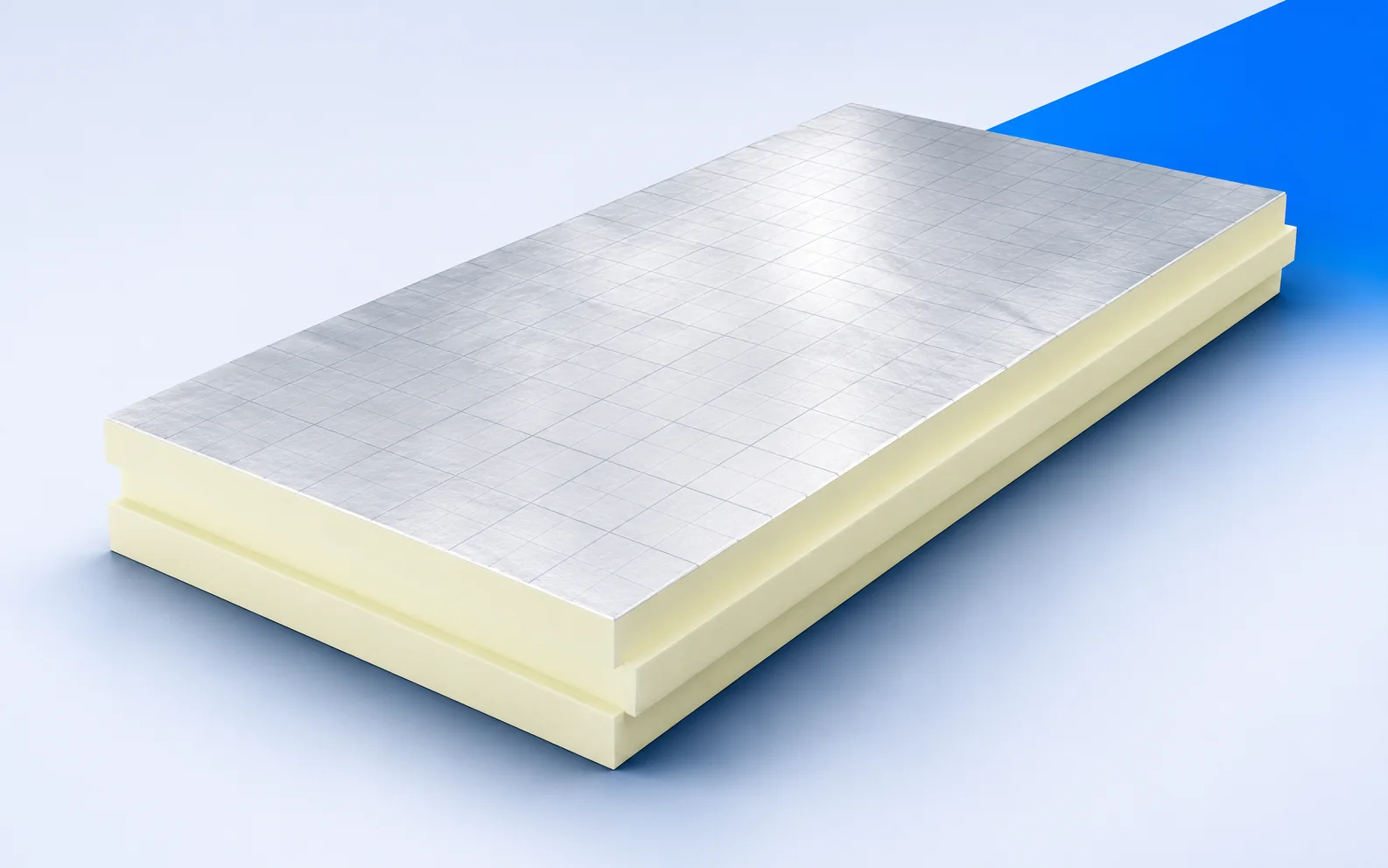
What the PIR core designation tells you
Ask for the data sheet for the exact board rather than general notes on boards, sprayed foam or gap fillers. Match it to the pack label. That way the installation advice you receive relates to the material being delivered.
Why the facing matters
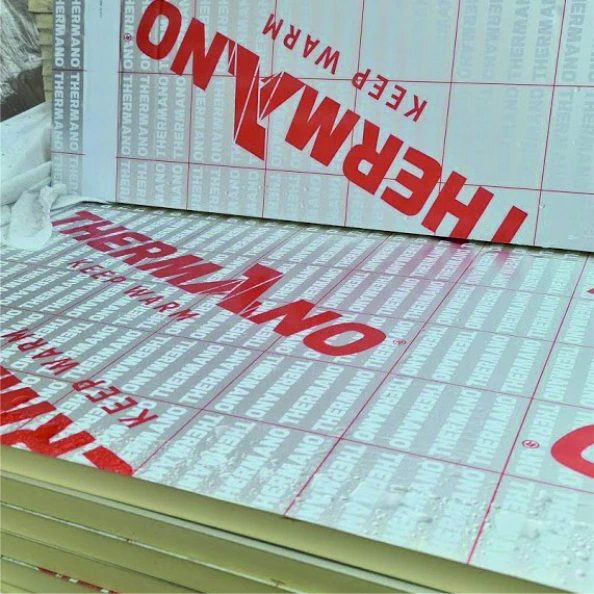
Not every adhesive works on every facing, and some facings are unsuitable for direct contact with a particular waterproofing layer. Check the approved combination in the system documents. A low thermal conductivity cannot compensate for poor adhesion to smooth aluminium.
Inspect a sample before ordering the full quantity. Ask the installer which material will be bonded or fixed to it and how. If you later change the finish, check the interface again: even a cosmetic change can affect the layers below.
When a thinner layer may work
Mark the available insulation depth on the threshold or window-reveal detail. Ask the supplier for the declared conductivity (λD) and thermal resistance of a board that actually fits. Check its facing and thickness range: the lowest conductivity in the catalogue may refer to another variant. Compare that specific board with the design requirement.
At patio doors, measure up to the finished floor level, then subtract every other planned layer, including the screed and the complete floor finish. What remains is the insulation allowance. A lower conductivity can help meet the thermal target but creates no extra room for the screed. Draw a dimensioned section before buying.
Match the product to the installation
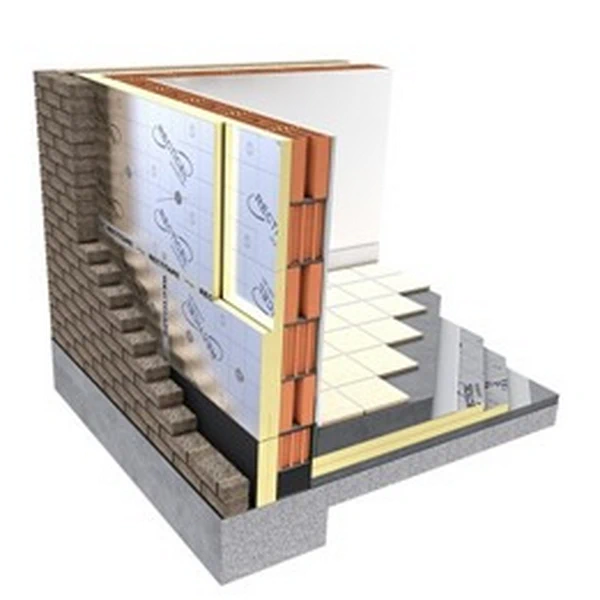
Use a straightedge and mark projections, steps and service penetrations on a sketch. Rigid boards can run continuously across structural members, but they will not mould themselves into voids. Agree where the installer will level the substrate and where shaped cuts are needed. Flexible batts and blown insulation accommodate irregularities differently.
A photograph of a similar house tells you little about the layers beneath its roof or floor. Describe the position and existing build-up to the supplier. If an old assembly is poorly documented, investigate its condition before deciding whether the proposed board addresses the problem.
Edge profiles still need careful detailing
Cutting removes the factory edge. Plan where cuts will fall and how they will meet adjacent boards. Roof or floor area alone does not show the waste, joint count or difficulty of maintaining continuous insulation at the perimeter.
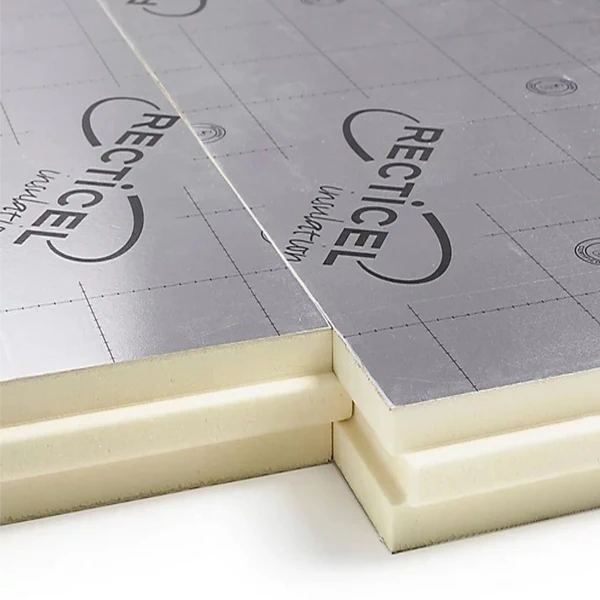
Put two samples together to see the difference between a shiplap and a tongue-and-groove joint. That is not an airtightness test for the roof. Ask how sawn edges at walls and corners will be treated before the installer reaches the last narrow strip.
What to check besides thermal conductivity
State the application on the order rather than writing just “PIR”. For a floor, confirm suitability for the loads; for a roof, identify the fixing method and layers compatible with the facing. Check the product’s fire classification separately from the documentation for the proposed assembly. The core designation does not establish that the board is non-combustible.
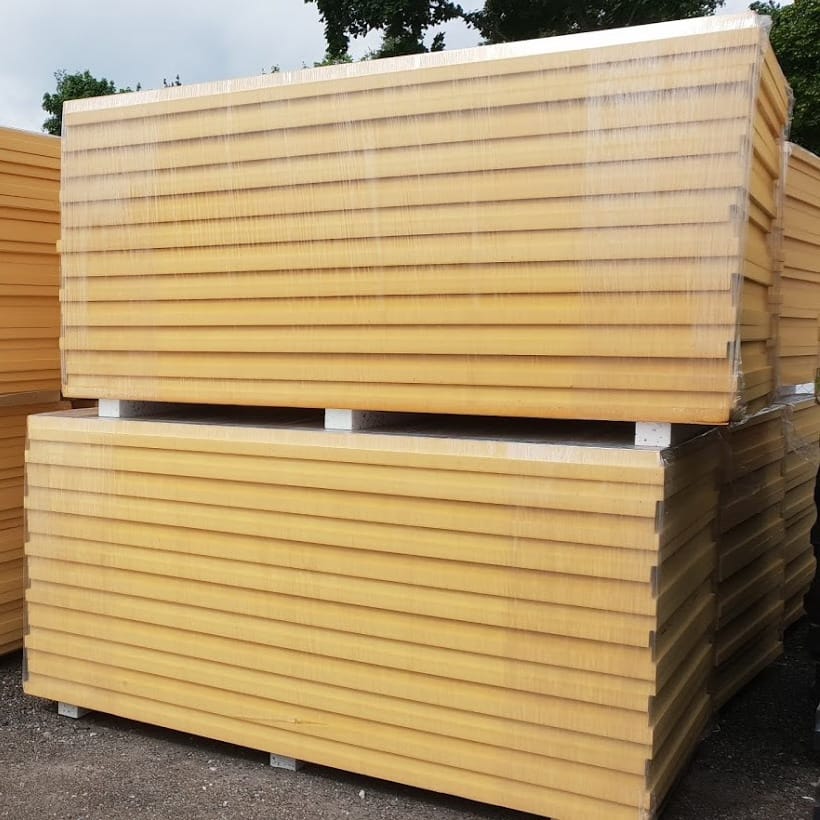
Keep a photograph of the label, the delivery number and the data sheet for your variant. Online figures may apply only to certain thicknesses. If offered a substitute, compare it with the order documents and ask about all differences relevant to your roof, wall or floor, not just the dimensions.
Questions before ordering for a house
Two quotes both specify 100 mm PIR. One board has an aluminium facing, the other a fleece facing. Establish the intended use, declared thermal resistance and connection to adjoining layers before treating the quotes as equivalent.
An order should answer three questions: where will the boards go, what touches them and how will the joints be formed? You do not need to know every symbol. Clear, consistent information from the designer and installer makes quotes comparable and defines what the insulation work includes.

Free quote
What to include in your enquiry
Tell us how you plan to use the material, the dimensions and the quantity you need. Include the thickness, grade or variant name, along with the delivery town or your preferred collection branch. For a specific product, add its name or a link to the product page. We will reply to the email address you provide to discuss availability and the terms of your order.

More from the building guide
Schedule IKO enertherm ALU TAP from the outlet towards the high edge of each drainage area. Two tapers can have the same…
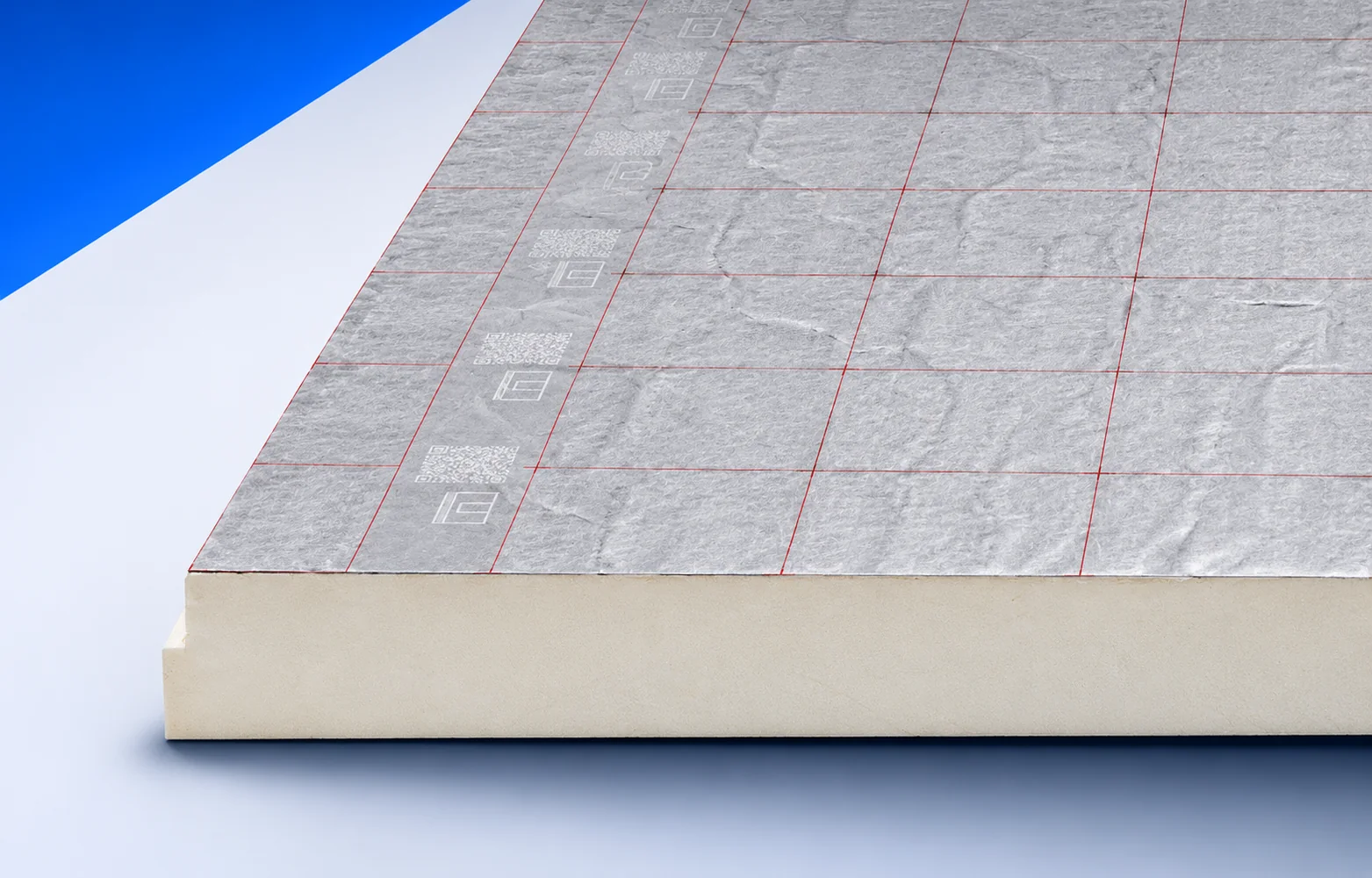
Before ordering Thermano Deck, establish how the roof will drain, which deck supports it and how the waterproofing will be fixed. The…
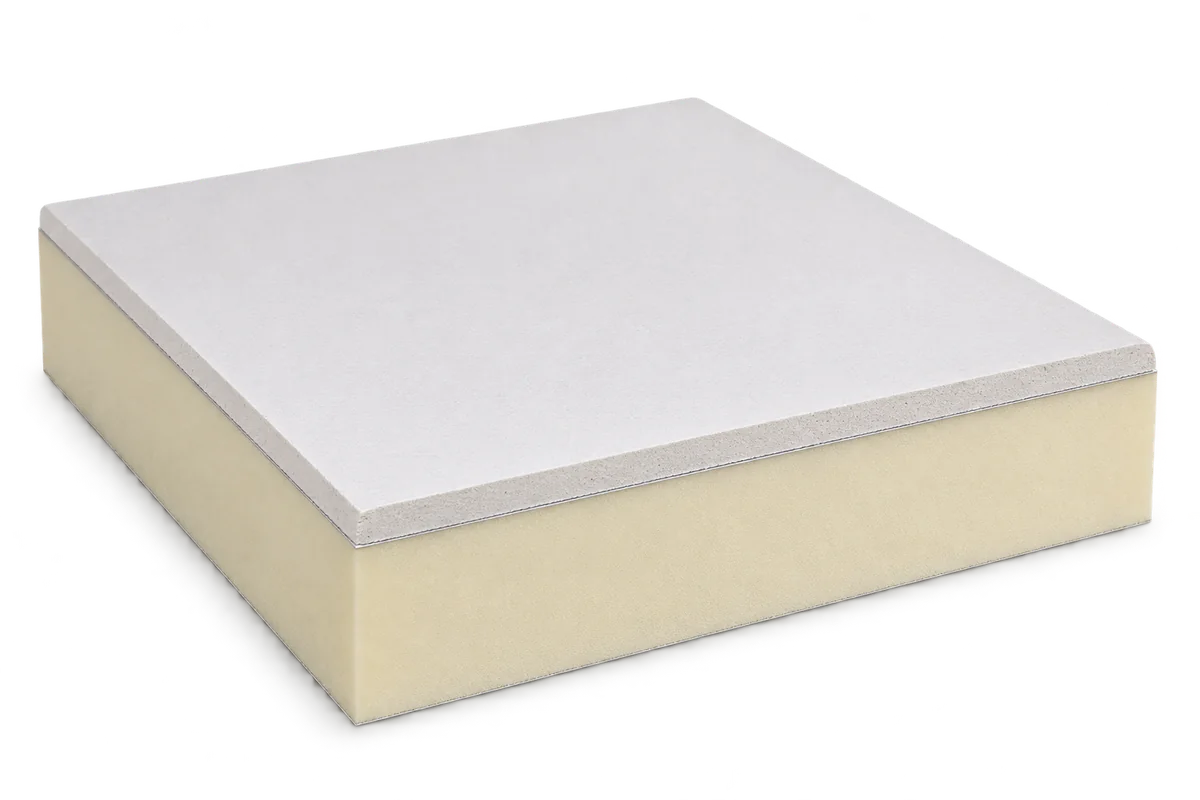
PIR insulated plasterboard combines thermal insulation with an internal wall lining in one product. Its suitability nevertheless depends on wall condition, thermal…
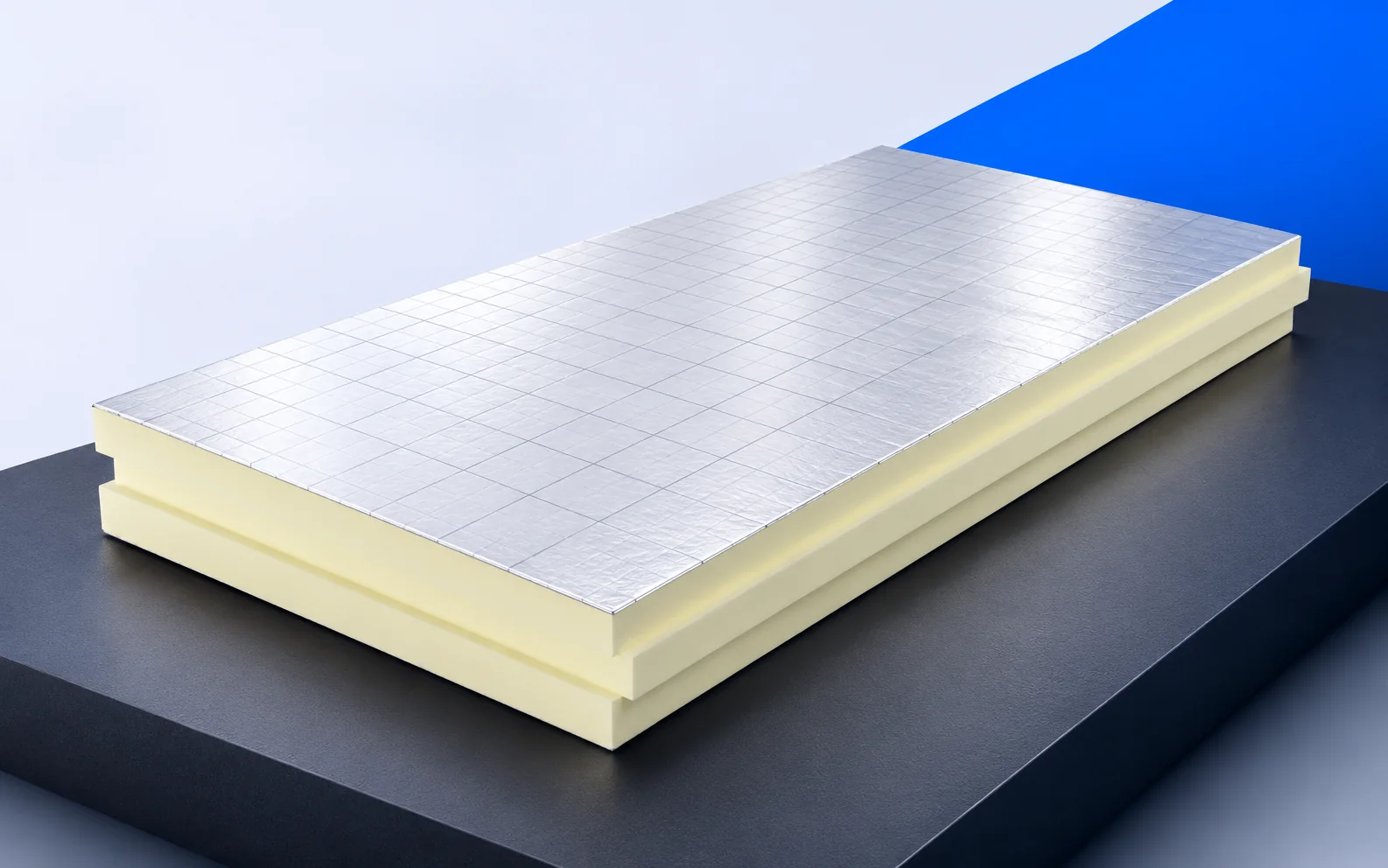
A flat roof needs a continuous thermal layer, a watertight covering and a route to the outlets. Specify the waterproofing before buying…
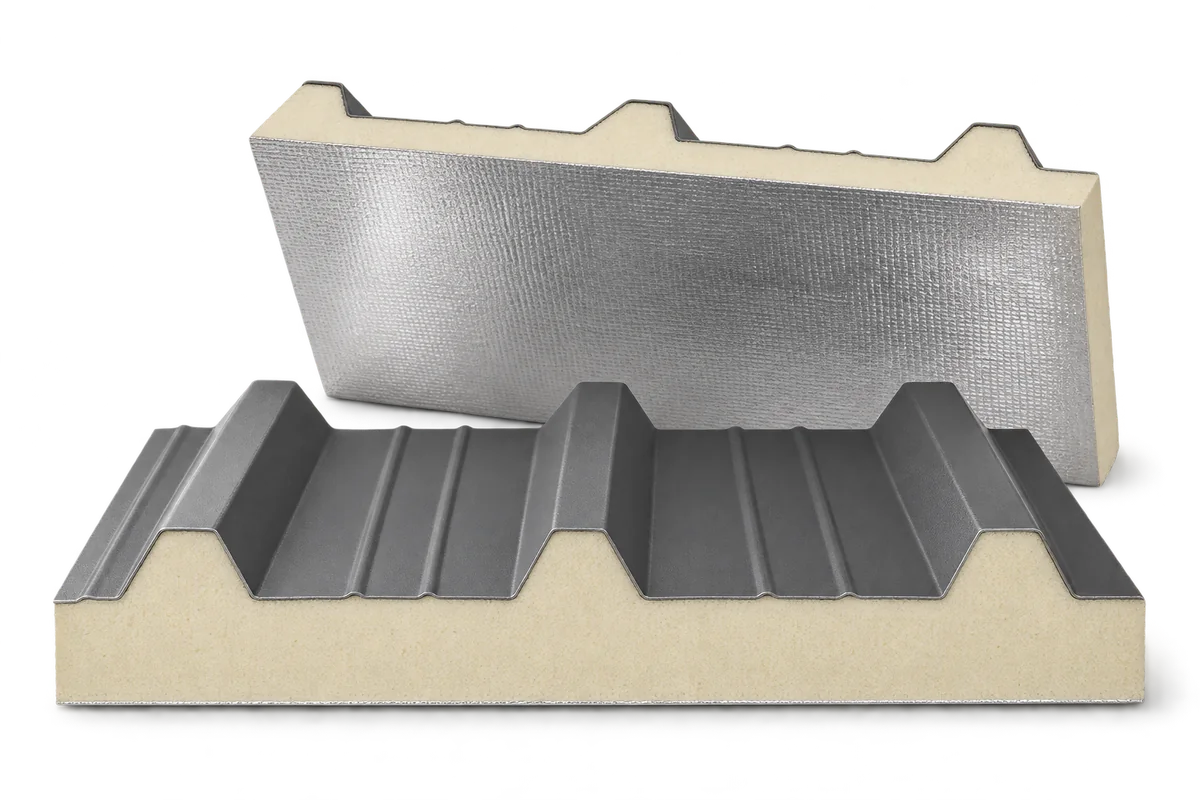
Replacing hall walls or roofing with PIR-core panels requires both an envelope design and a plan for keeping the building protected during…
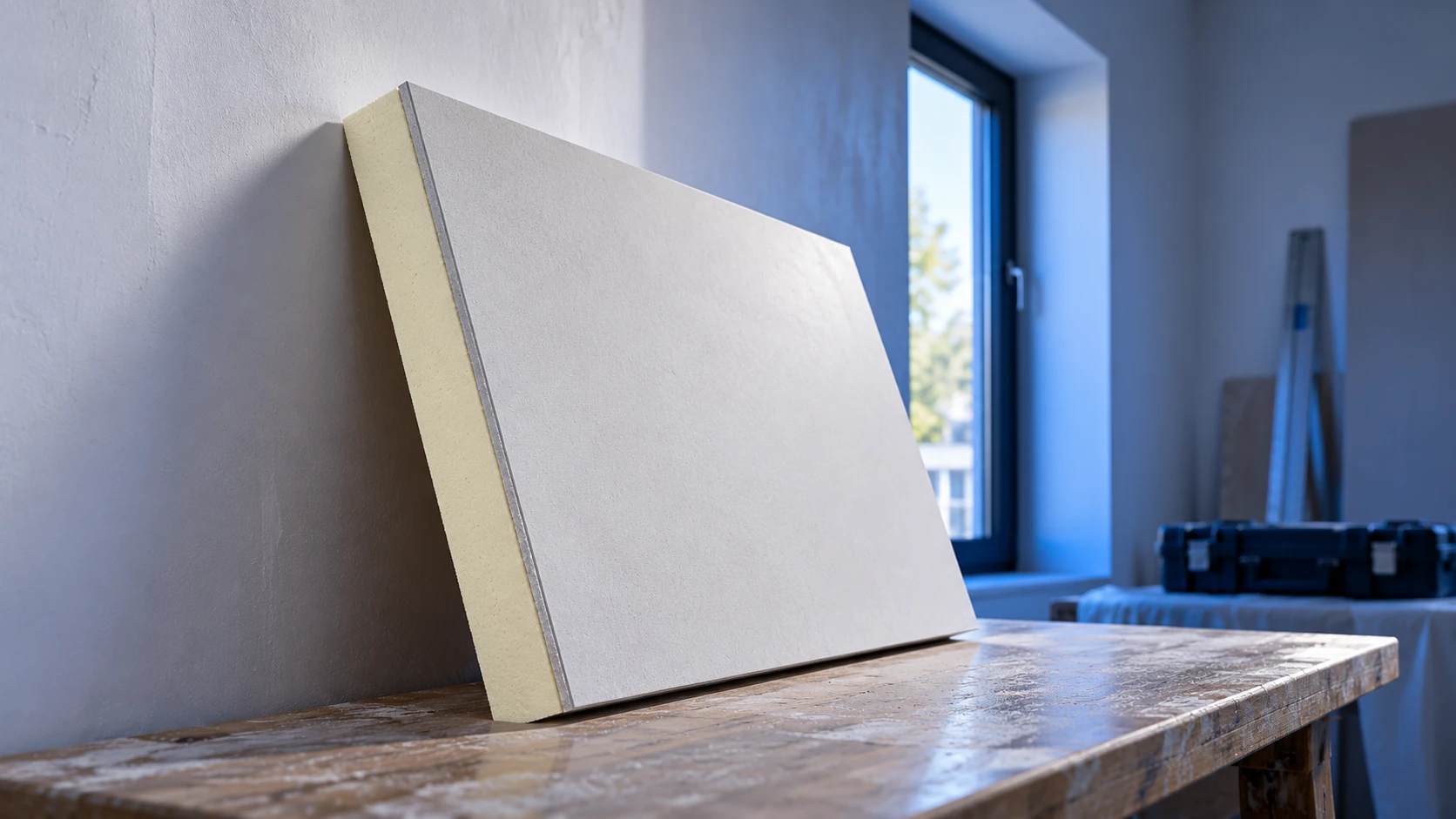
When there is no room for external insulation, an internal lining may be considered. It requires assessment of moisture, junctions and the…
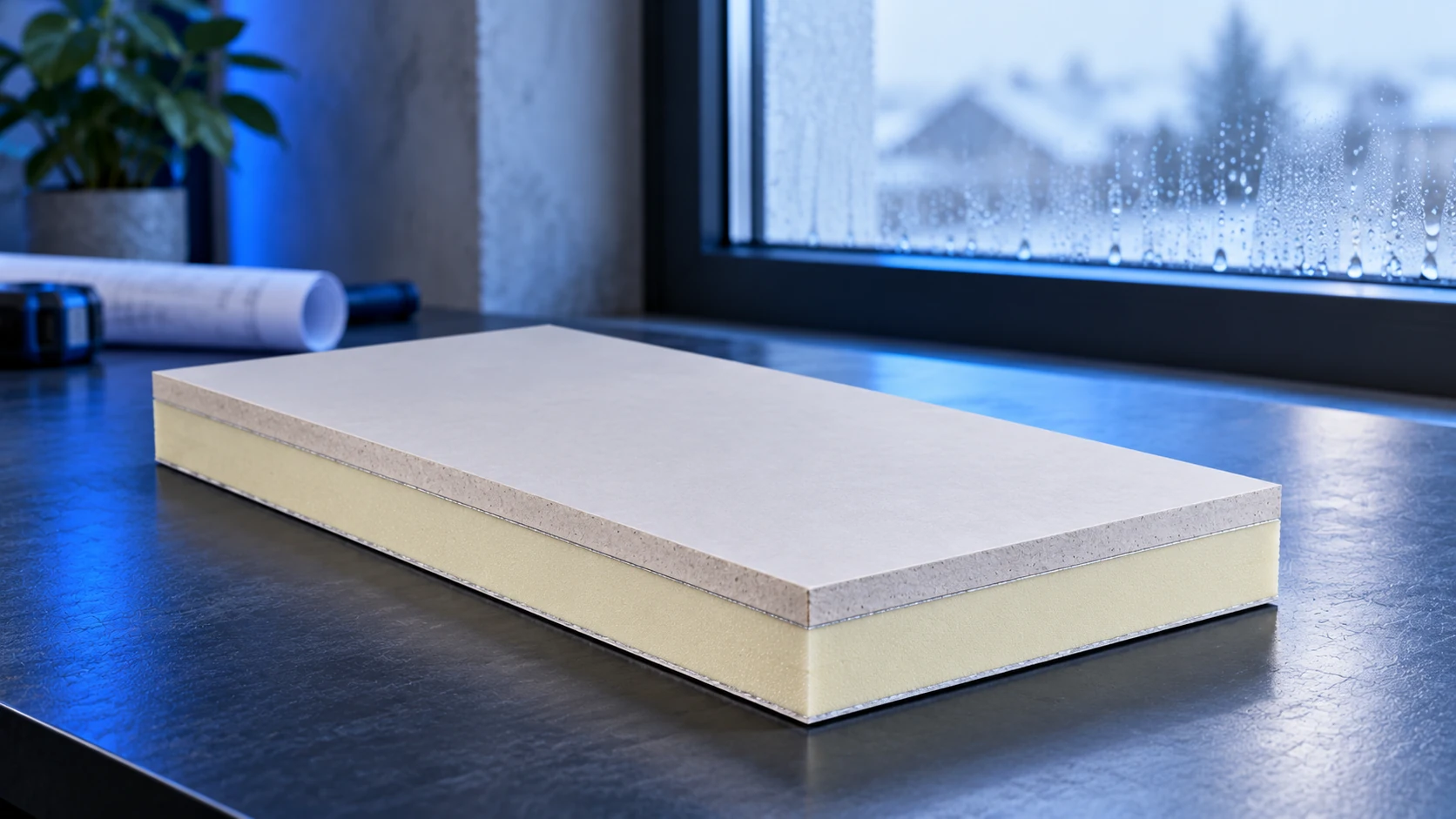
A north-facing wall is not inherently damp. Problems arise when a cold surface combines with excess indoor moisture or water entering the…
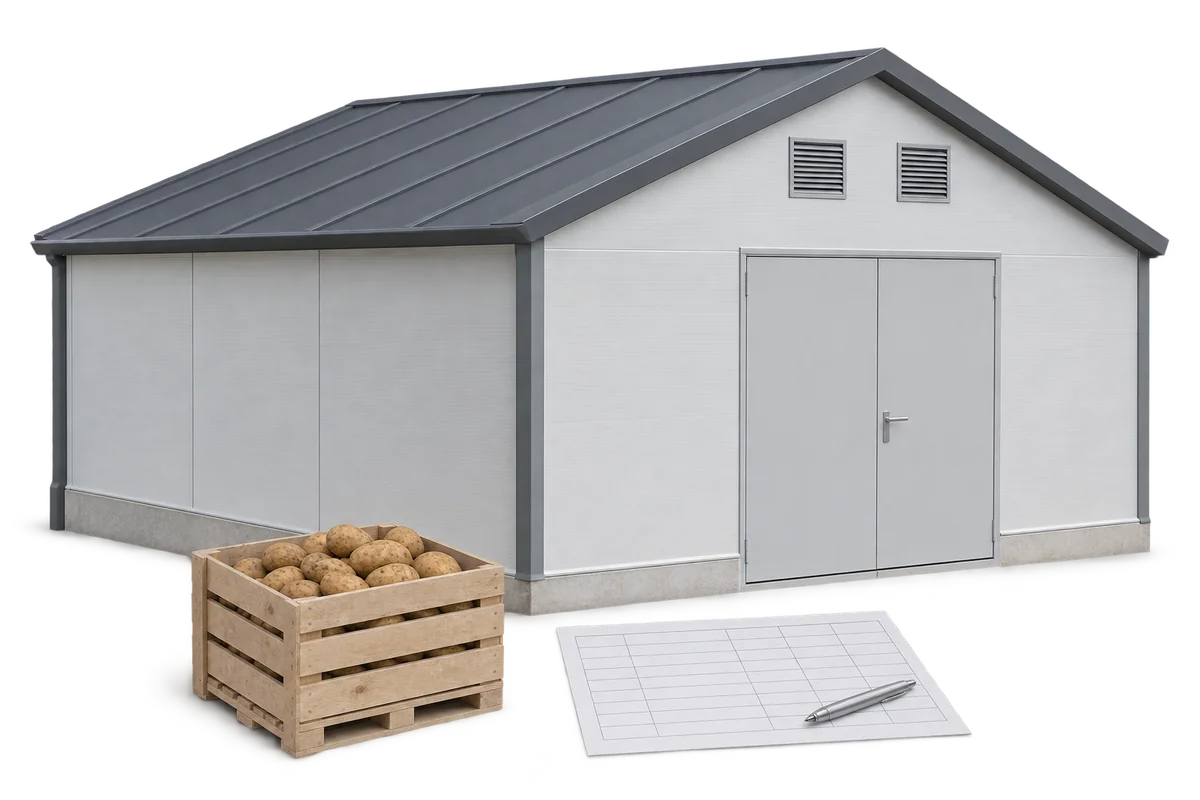
Renovation of a potato store before harvest must be planned from the conditions for receiving the first batch, not from the delivery…