






Fifteen questions to ask before buying asbestos-free fibre cement roofing
Fibre cement roofing
A photograph and a price per square metre tell you little about whether fibre cement sheets will fit your roof. Before placing an order, record the building use, roof pitch, supports and proposed sheet layout on a roof sketch. Use the same sketch when speaking to the supplier and the roofer. Note whether the building is heated, open-sided or exposed to high humidity, and whether you plan to change its use. The sheets form the outer covering; the building use determines what goes beneath. Insulation and ventilation each need their own provision.
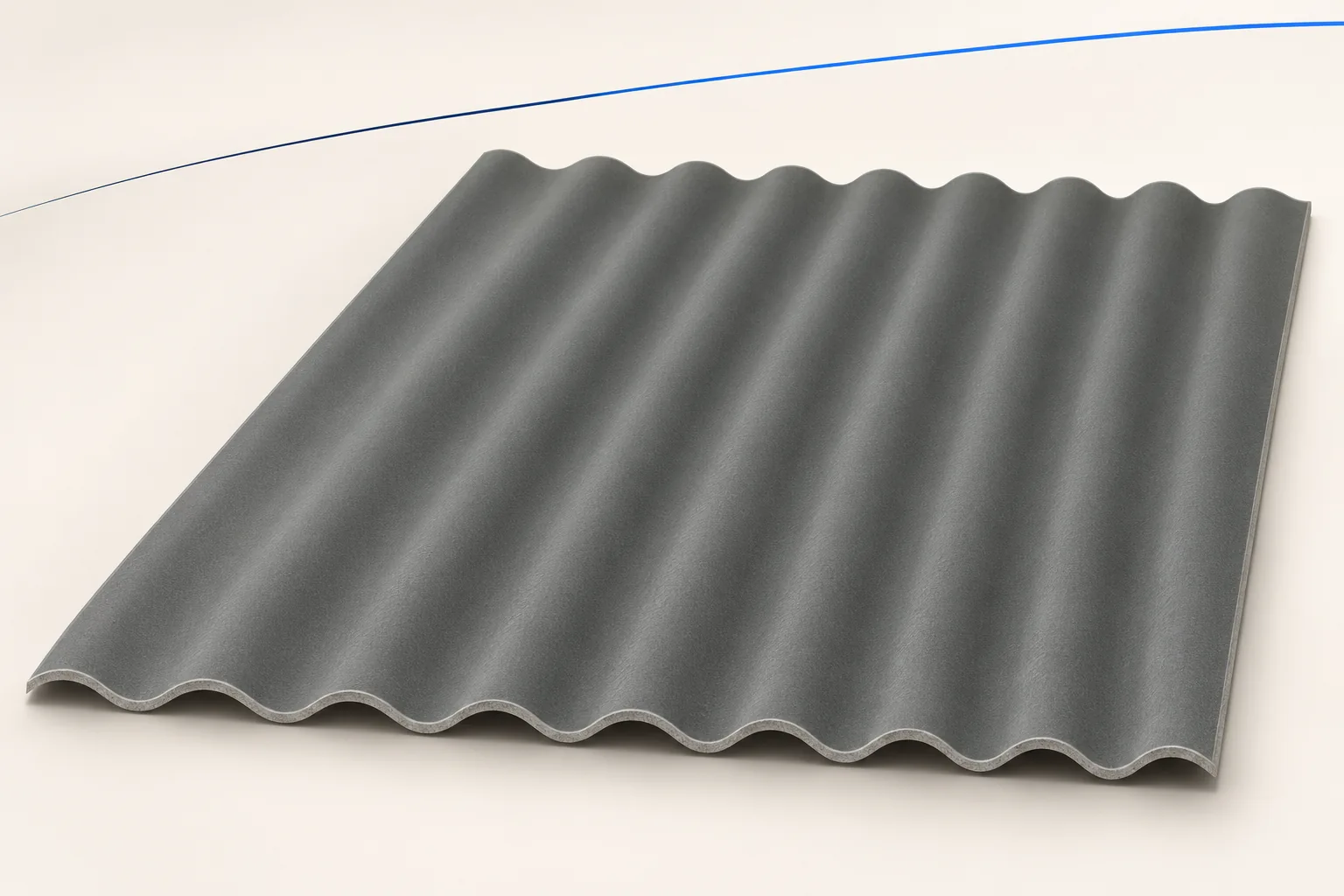
1. What kind of building am I roofing?
2. Have I measured the roof pitch?
Check the minimum pitch and the conditions for laps and seals in the instructions for the exact system. A figure for a similar profile is not enough. A shallow garage roof may need different detailing from a steep roof of the same size serving the same purpose.
3. Has the supporting structure been checked?
Have the condition, spacing and load capacity of the supports assessed, taking account of wind, snow and the weight of the sheets including overlaps. New asbestos-free sheets do not automatically suit an old roof frame. If supports will move, calculate quantities and sheet lengths for their final positions.
4. Which profile am I actually ordering?
Record the full profile designation and dimensions, including the side edges and cover width. Two sheets with the same number of corrugations may not fit together. These details matter more than colour when ordering fittings or finding a replacement later.
5. Is there a sheet layout?
Draw the rows, cuts, laps and edge sheets. Dividing roof area by sheet area gives only a rough quantity. A drawing reveals narrow strips at the verge and conflicts with service penetrations. Ask the roofer to check it before you order.
6. Which area does the price cover?
Ask whether the rate is per square metre of sheet or of finished roof coverage. Overlaps consume material without increasing the area covered. Compare quotes for the same roof and the same scope of supply to see whether the apparent saving is real.
7. Do the accessories match the sheets?
Check the ridge, verges, penetrations and rooflights against the specified profile. Matching colour is no guarantee of a matching joint. Resolve any missing fitting before laying the main roof area.
8. How were the fixings selected?
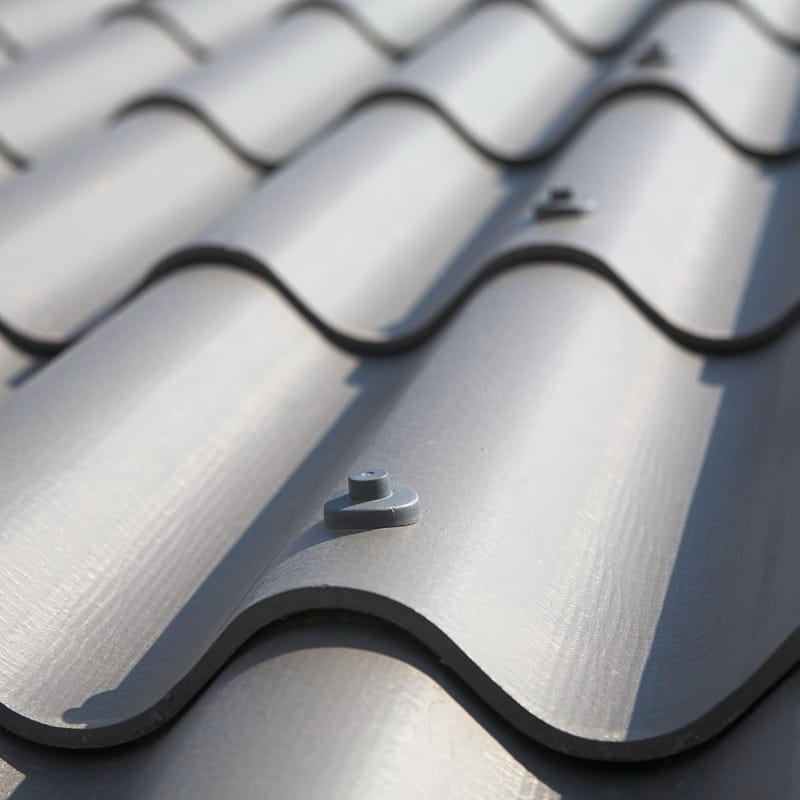
The fixing must suit the substrate, sheet profile and exposure. Check the washer and the movement allowed at the hole as well as screw length. Ask whether the quantity accounts for support spacing and wind-exposed zones. The schedule should identify the actual fixing.
9. What does the warranty cover?
Read the separate conditions for sheet and coating: scope and duration may differ. Installation and maintenance must follow the documentation. A long warranty does not promise an unchanged colour or dispense with inspections. Keep the terms applicable to the variant and date of purchase.
10. How will the delivery be unloaded?
Confirm vehicle access, lifting equipment and a suitable landing area for the pack. Long sheets need clearance, even support and protection at the corners. Include unloading in the budget if it is excluded from delivery. A well-chosen storage spot avoids handling the sheets twice.
11. Where will the sheets be stored?
Follow the product instructions for support and moisture protection. Weather resistance on a completed roof does not make it acceptable to leave a wet pack in storage. Agree who will check the cover and keep the pack clear of equipment routes.
12. How will the crew access the roof safely?
Never walk directly on the sheets. Asbestos-free fibre cement is still fragile under concentrated loads. The crew needs suitable platforms, equipment and fall protection for the ridge and final rows as well as the eaves. Plan safe access for later maintenance too.
13. Has the old covering been identified?
Before refurbishment, establish what the old sheets contain. Colour and corrugation cannot establish whether asbestos is present. If you suspect it, arrange appropriate assessment and removal by a suitably qualified contractor. Buying asbestos-free replacements does not change how the old roof must be handled.
14. What will I receive at handover?
Ask for the material records, photographs of details and maintenance instructions. Knowing the profile and fixing type makes future repairs easier. Record defects found at handover and how they were remedied; verbal agreements are hard to reconstruct after a change of contractor.
15. How will the finished roof be maintained?
Agree how gutters, joints and penetrations will be inspected without damaging the covering. Drains must remain clear and new damp stains need investigation. Regular checks can catch a small leak before water damages equipment or layers beneath the roof.
Collect the answers before signing. If the structure, profile or installation method is still uncertain, settle it before fixing the final quantities of sheets and accessories.

Free quote
What to include in your enquiry
Tell us how you plan to use the material, the dimensions and the quantity you need. Include the thickness, grade or variant name, along with the delivery town or your preferred collection branch. For a specific product, add its name or a link to the product page. We will reply to the email address you provide to discuss availability and the terms of your order.
More from the building guide
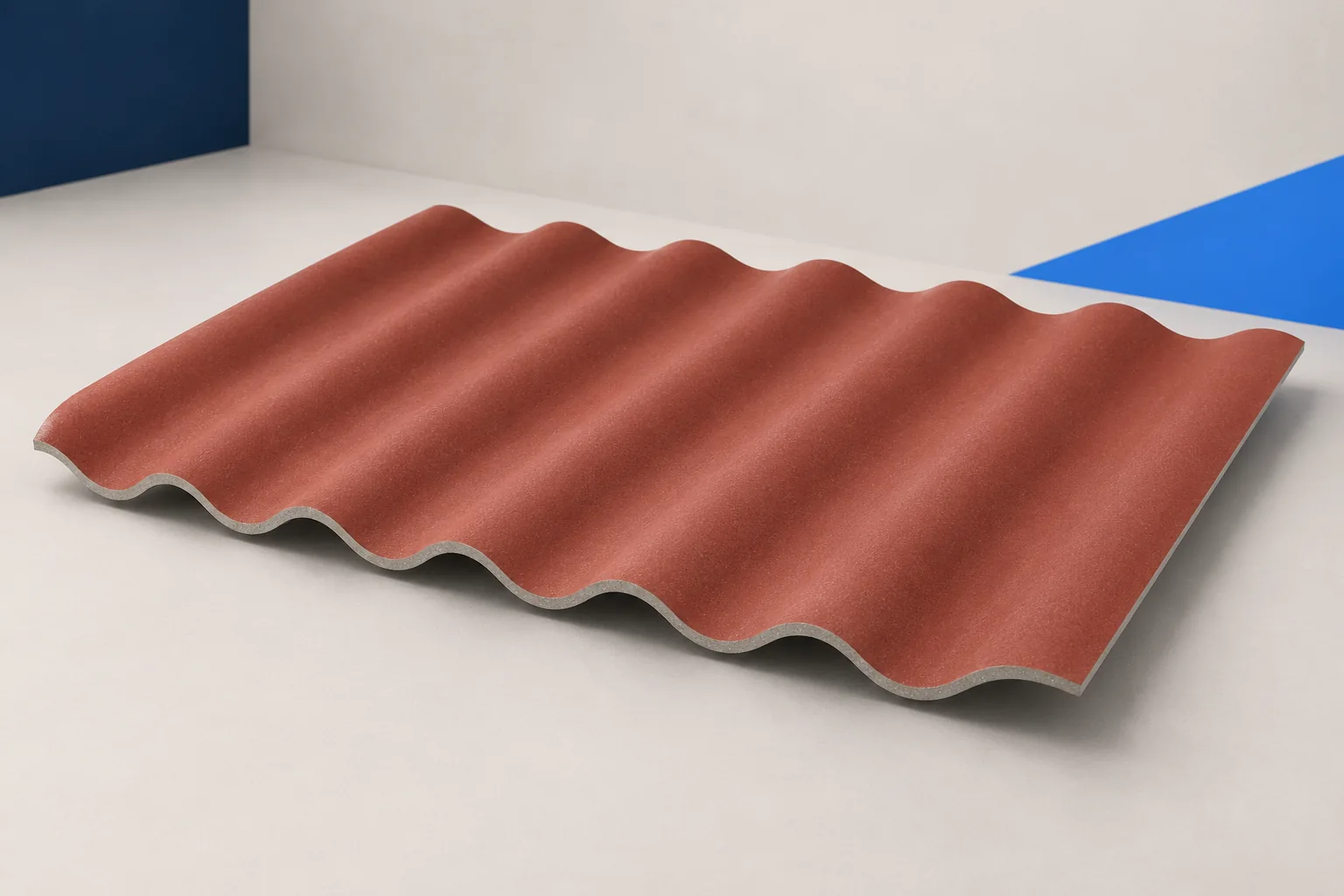
Buyers in Poland searching for “eternit bezazbestowy” usually mean modern asbestos-free corrugated fibre cement sheets. These sheets consist of a cement matrix…
A building's length and width are not enough to order corrugated fibre cement sheets. Measure each sloping roof face, including its eaves,…
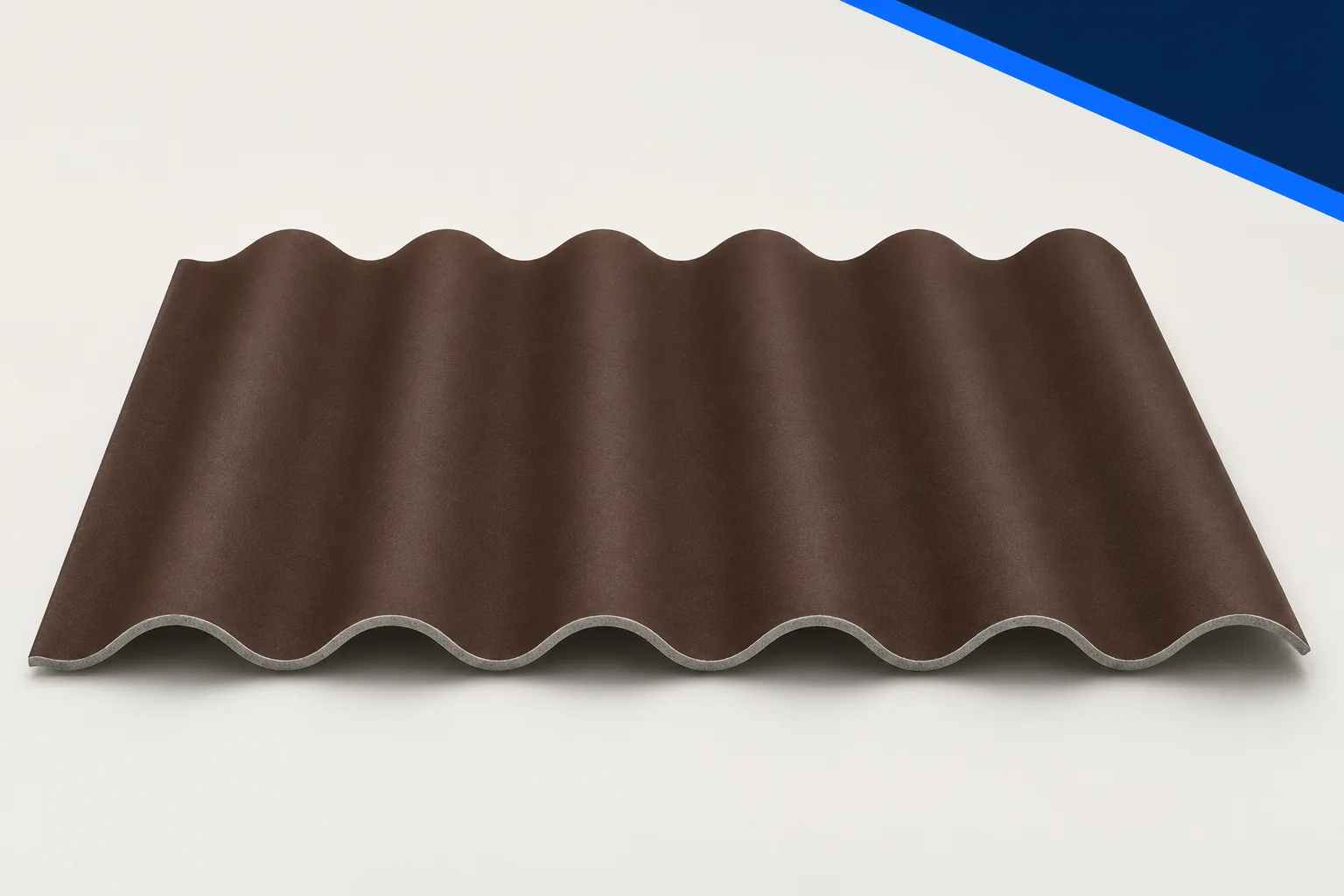
A lap is the part of one sheet covered by the next. It joins the covering and affects how many sheets a…
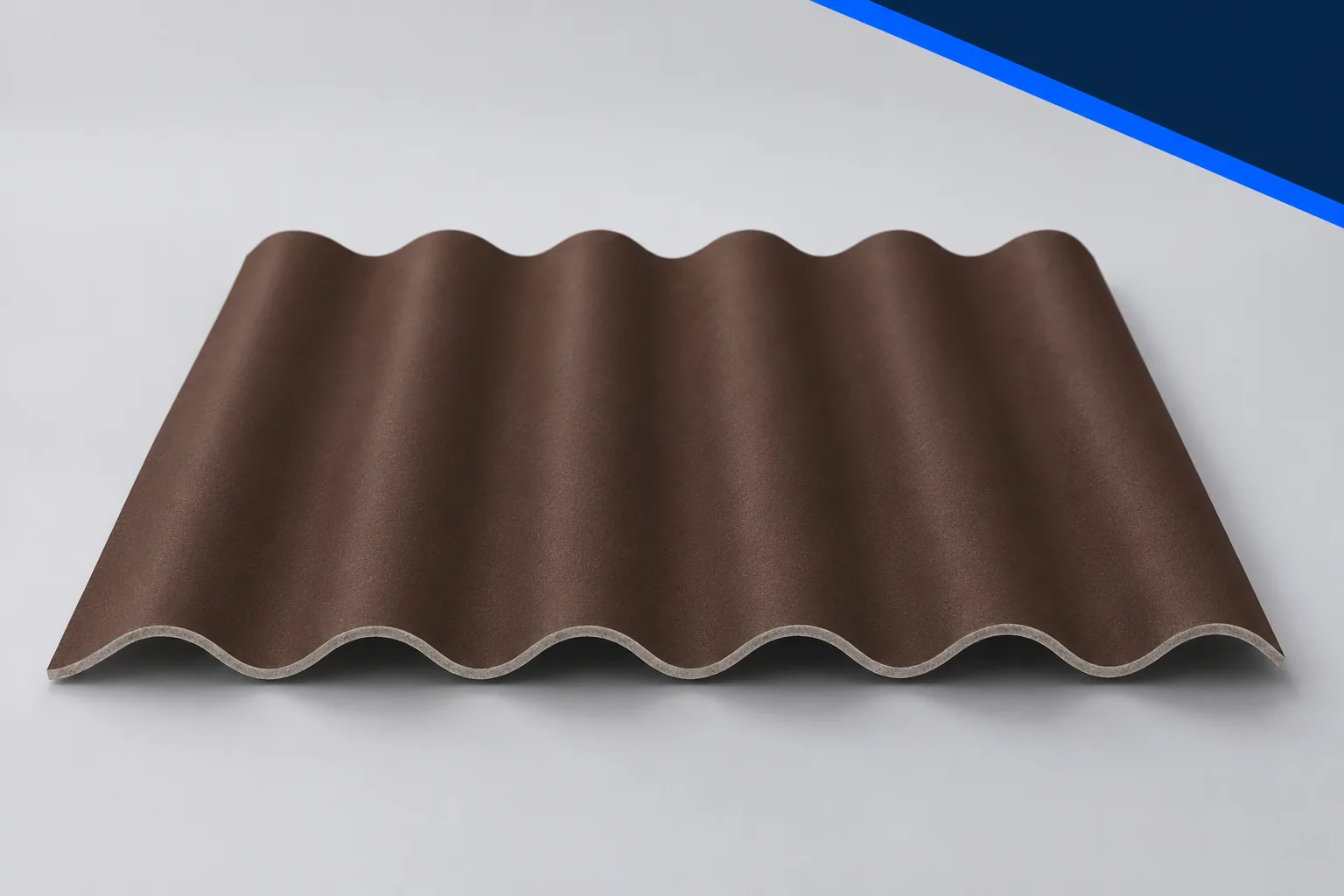
Start with what happens beneath the roof and what the structure can carry. Sheet size and colour come later. Corrugated fibre cement…
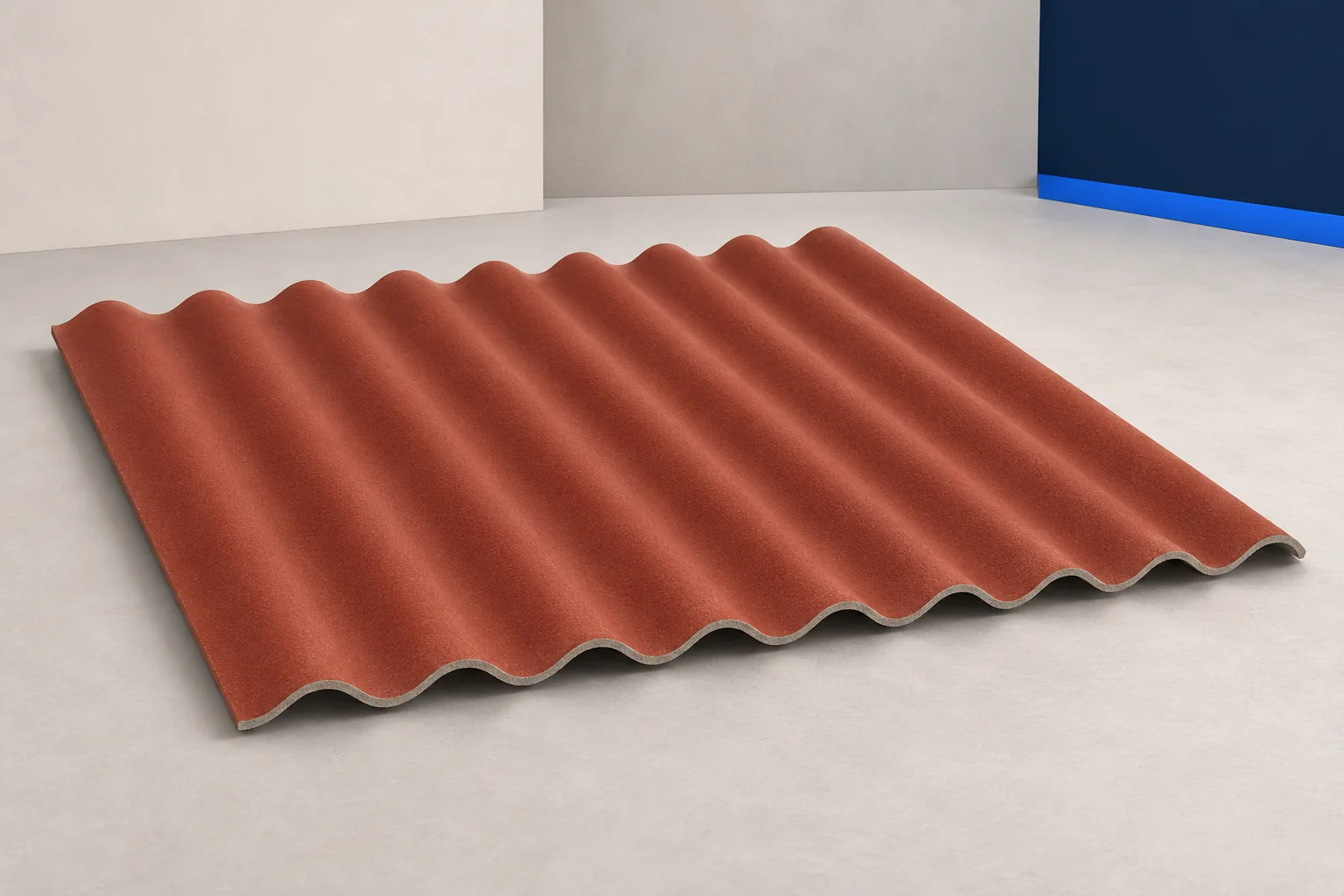
Fibre cement describes a material, not a single interchangeable product. It can be made into corrugated roof sheets, flat cladding, sheathing and…
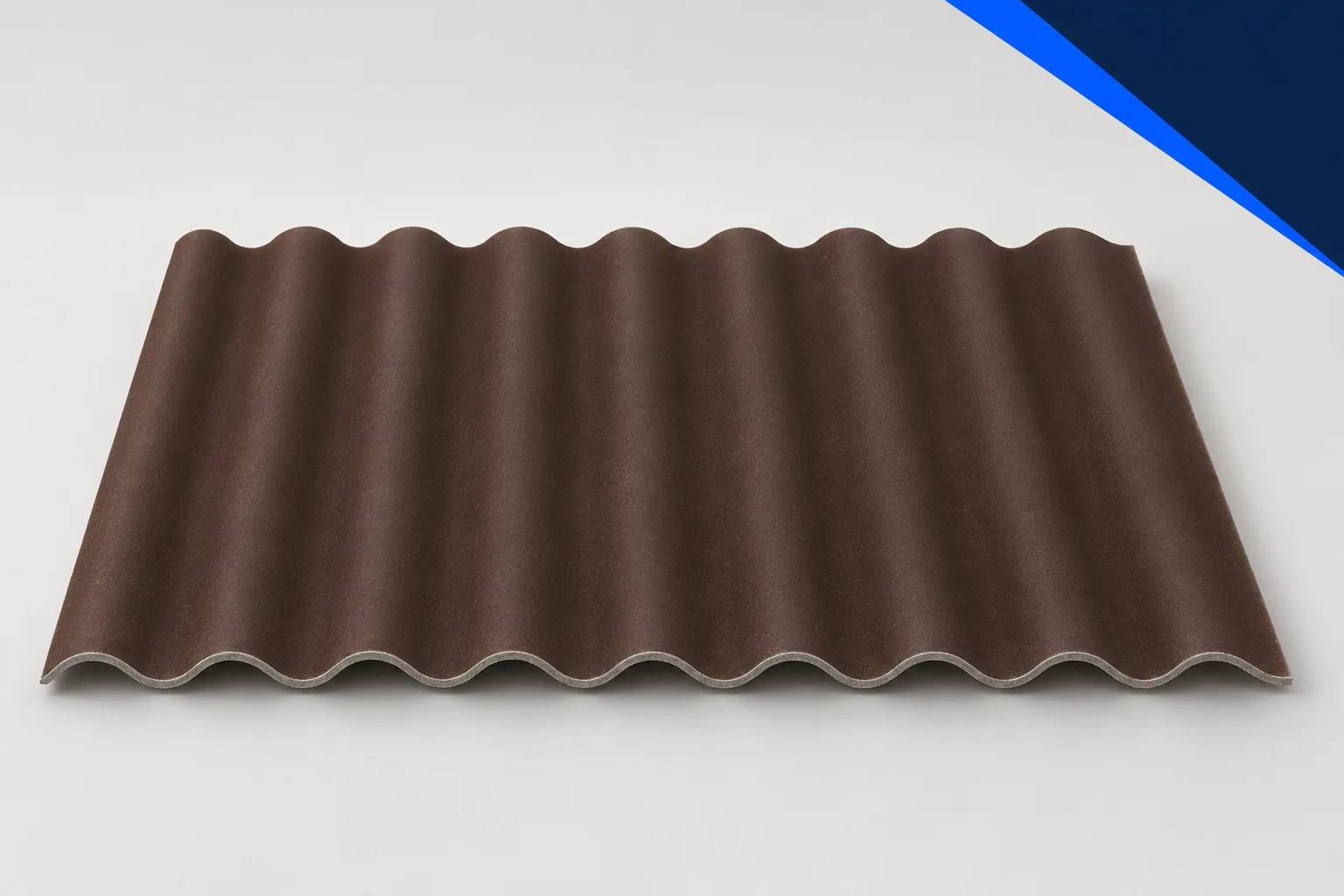
The markings on a fibre cement roofing sheet answer different questions. Some identify the material or profile; others describe performance under a…
Sheet length affects the number of joints, cutting waste, support positions and how the crew can get material onto the roof. The…
Start with the building and the result you want. You do not need specialist vocabulary to ask how the roofer will choose…