






How much XPS to order: board coverage, packs and offcuts
XPS insulation
To calculate an XPS order, separate the area to insulate, the number of layers and the coverage of one pack. Two layers on a 60 m² floor, for instance, need 120 m² of boards before cutting losses. If the layers have different thicknesses, order them as separate items. Below we show why rebated boards are measured by their cover size rather than their outer dimensions, and when to round up to whole packs. For foundation walls, measure plinths and changes of level separately.
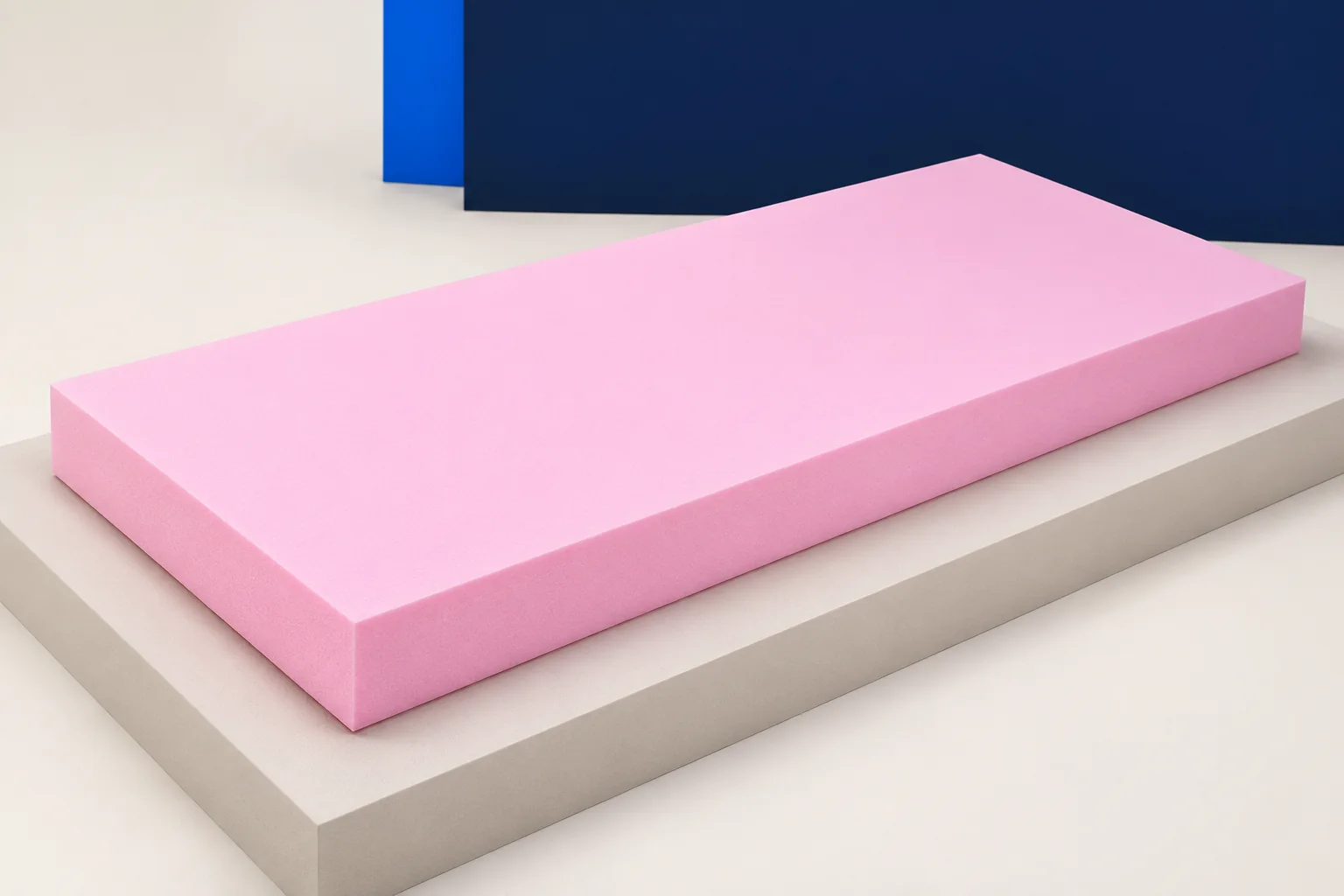
Break the insulated area into simple shapes
Divide floors into rectangles and note recesses; for walls multiply each run by its actual height. Small openings seldom save a whole board: the piece cut out may not fit elsewhere. Keep the net dimensions separate from the cutting layout rather than deducting every hole as a material saving.
Use the area covered by a board
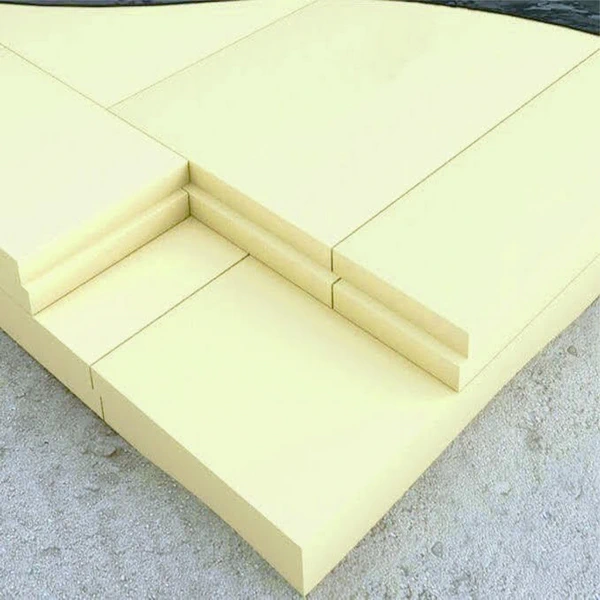
For square edges, length times width usually gives the cover area. A rebate overlaps the adjacent board, so the outer dimensions may overstate the area added by each board. Use the working dimensions in the manufacturer’s table.
A cover size of 1.25 × 0.60 m gives 0.75 m² per board. Four such boards cover 3.00 m² per pack. This is a worked example, not a standard pack: another thickness may have a different board count.
Convert between area and volume at a stated thickness
Multiply area by thickness in metres for volume: 60 m² × 0.10 m = 6 m³. At 0.05 m the same 6 m³ would cover 120 m². Always read the XPS price with its unit and thickness.
Quotations may be per pack, square metre or cubic metre. Convert them to the same installed layer before comparing. Listing area alongside thickness immediately reveals an offer based on only half the required thickness.
Count each layer separately
List the thickness and extent of both layers where two are specified. Two layers covering the same 60 m² use 120 m² of boards divided between the required thicknesses. The multi-layer arrangement must suit the intended use.
Thresholds and perimeter strips can differ from the main area; enter them separately. Do not multiply the number of layers simply because thinner boards are available. Price the design first and assess any substitution for equivalent performance.
Derive cutting waste from the layout
There is no universal waste percentage. A large rectangle cuts differently from recesses, angles and service penetrations. Reuse sound offcuts in later rows only if their size and the joint stagger meet the layout.
Lay out a few typical bays on paper. Does the offcut fit the next row with the rebate the correct way round? Excess stock costs money and storage space, but too little can halt installation. Agree the allowance with the installer before confirming delivery.
Round to full packs at the end
Divide the required area by the pack coverage, rounding up. With 62 m² required and 3 m² per pack, 21 packs give 63 m². Do not add waste again if the 62 m² already includes it. Round each XPS variant separately.
Check packing data for the exact product, whether from Austrotherm, swisspor, URSA or another manufacturer. “Styrodur” alone specifies neither thickness nor pack coverage. State the designation, packs and resulting area so supplier and installer can cross-check the same order.
Keep the take-off with the site records
Record location, thickness, edge profile, net area, cutting allowance, pack count and agreed performance. Use the same schedule for quotations and delivery checks. It shows whether an apparently cheaper offer has left out a layer.
Compare actual use with the take-off and label any full boards left over. Consistently separating area, thickness and pack size makes the order accurate and avoids repeated short deliveries during installation.

Free quote
What to include in your enquiry
Tell us how you plan to use the material, the dimensions and the quantity you need. Include the thickness, grade or variant name, along with the delivery town or your preferred collection branch. For a specific product, add its name or a link to the product page. We will reply to the email address you provide to discuss availability and the terms of your order.
More from the building guide
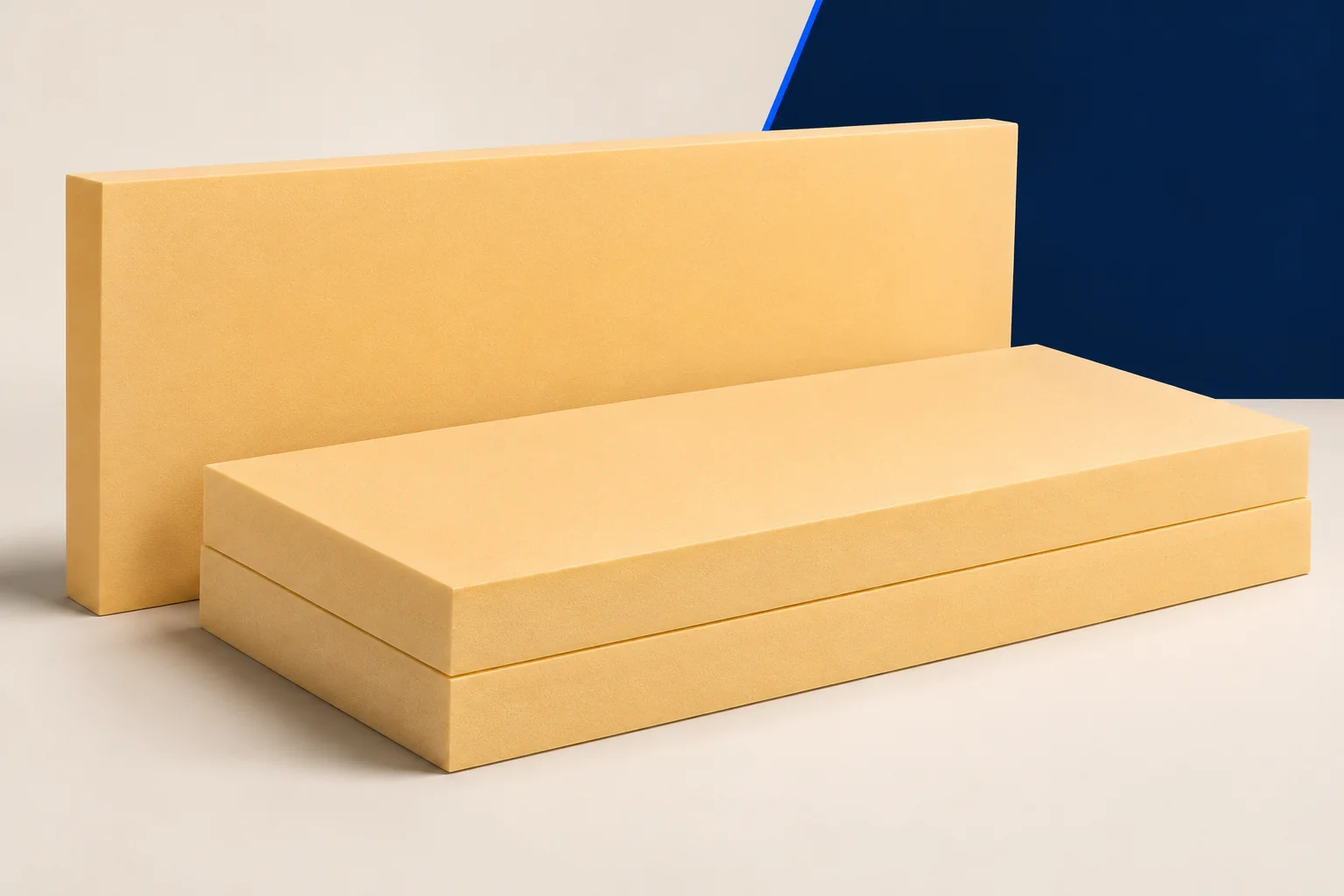
XPS is light, but packs take up space and shaped edges can be damaged in handling. Before delivery, choose a level, sheltered…
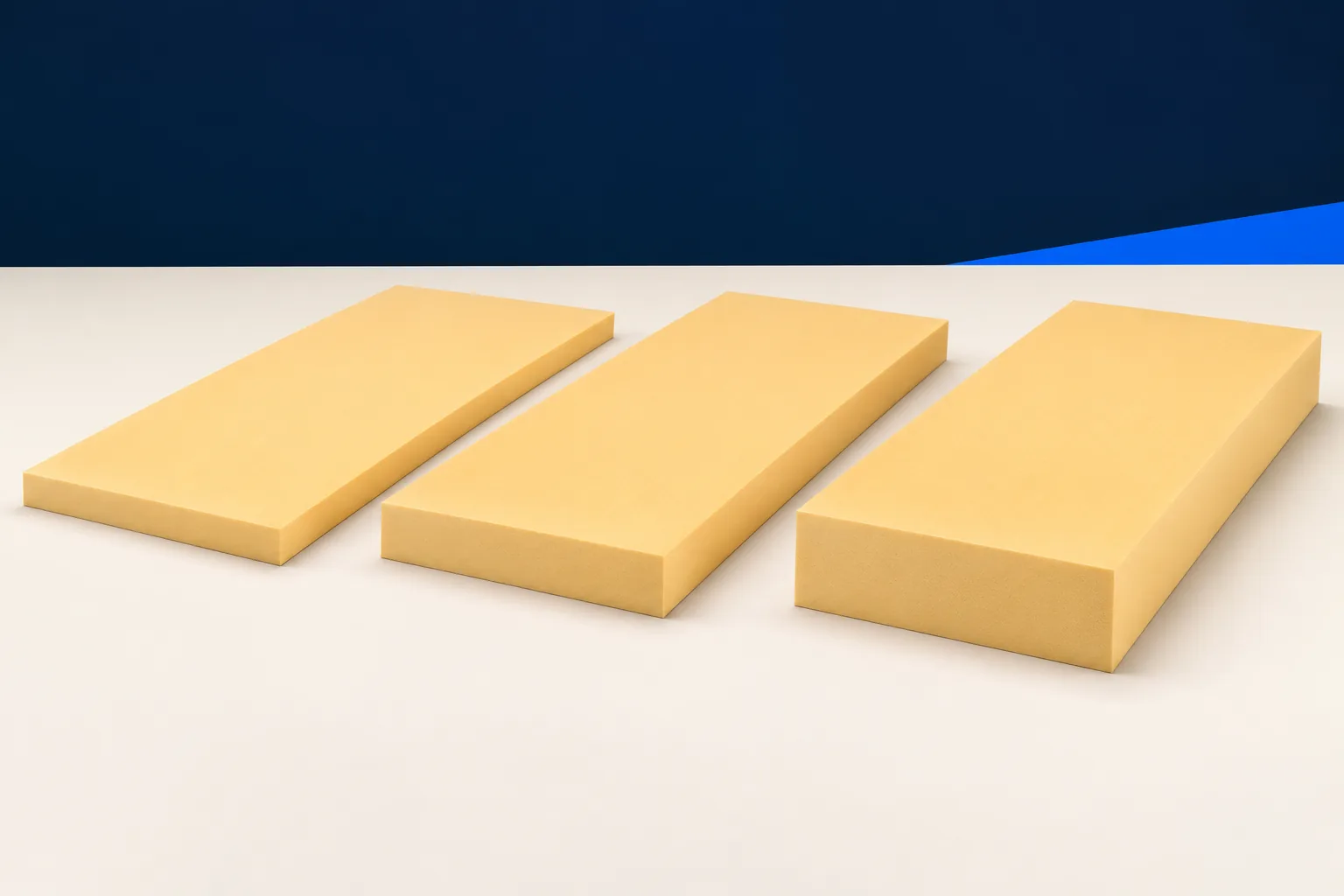
Choose an XPS edge to suit the layout and the ends of the insulation layer. Square edges butt together; rebated edges overlap…
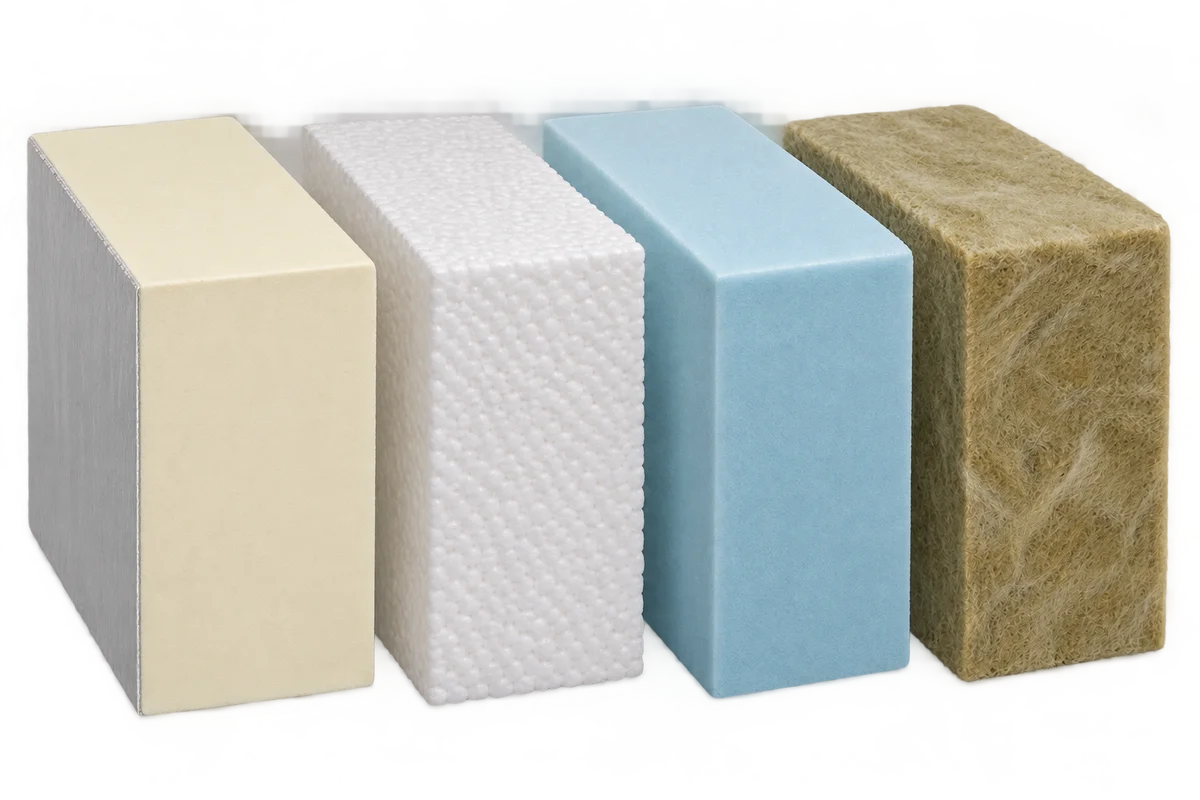
The combination of PIR with mineral wool, EPS or XPS should be assessed on the basis of the entire cross-section of the…
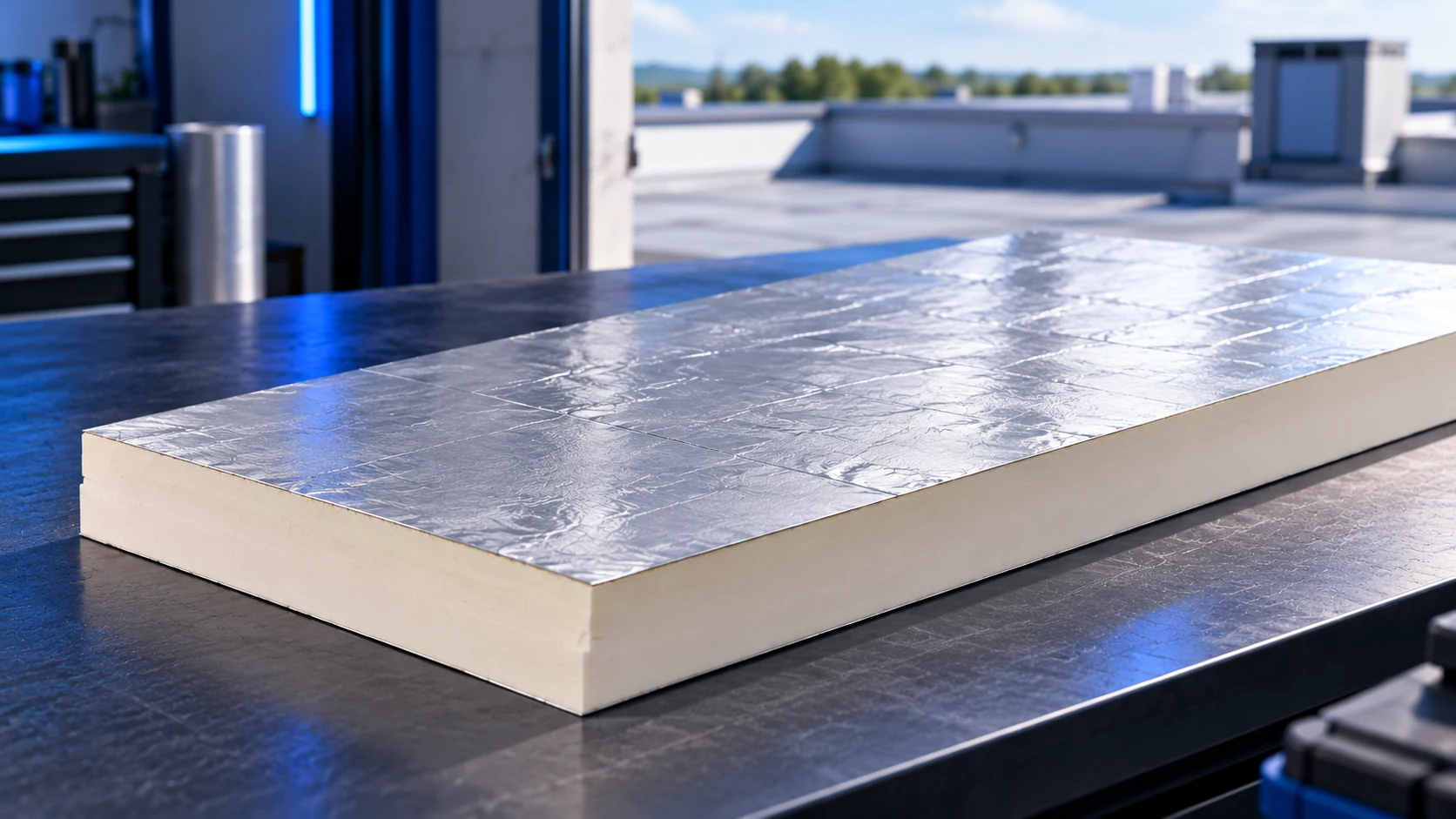
PIR and XPS can both be used in suitable flat-roof constructions, but they do not necessarily occupy the same position. Establish where…
Choose XPS below a garage floor by starting with the intended use. A parking bay, a jacking position and heavy shelving along…
Choose an XPS adhesive for the specific joint. The same board may need a different product or application pattern on concrete than…
Two insulation quotations may cover the same part of a house while including different quantities and delivery arrangements. When comparing PIR, EPS,…
Most waste can be avoided before the first saw cut. Draw the row using cover dimensions, mark the side to keep and…