Cleaning and maintaining roof flashings without damaging the coating
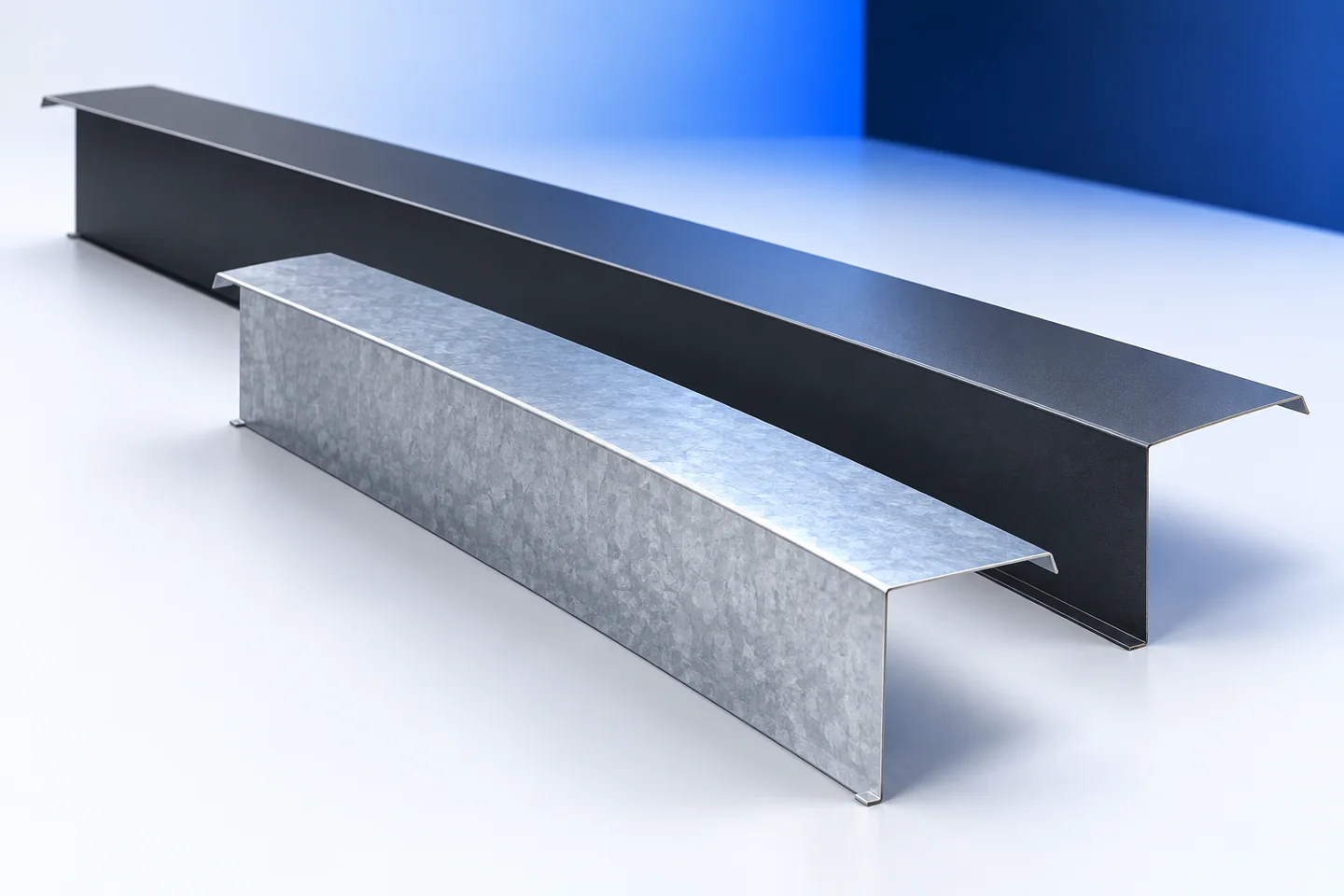
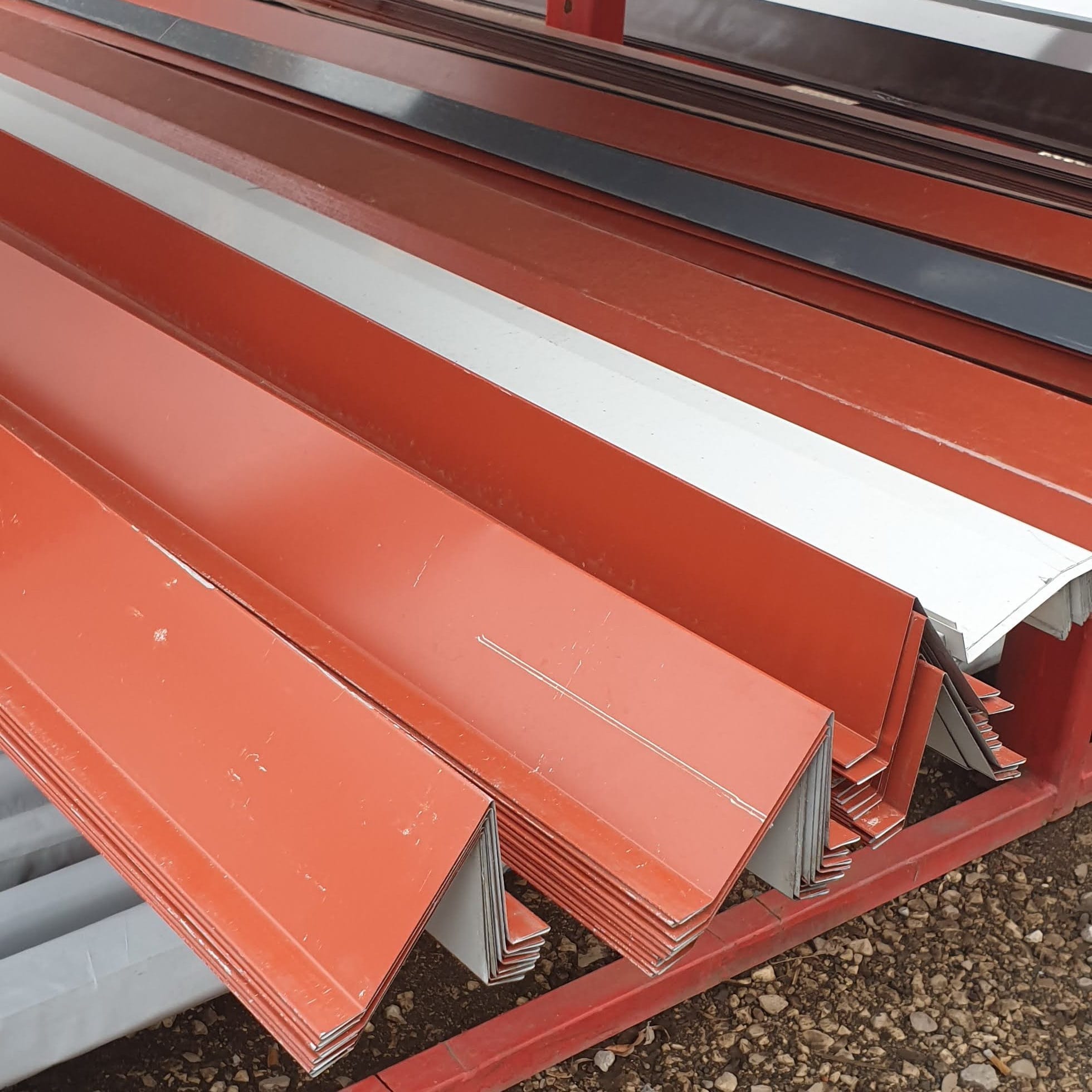
Sheet metal flashings
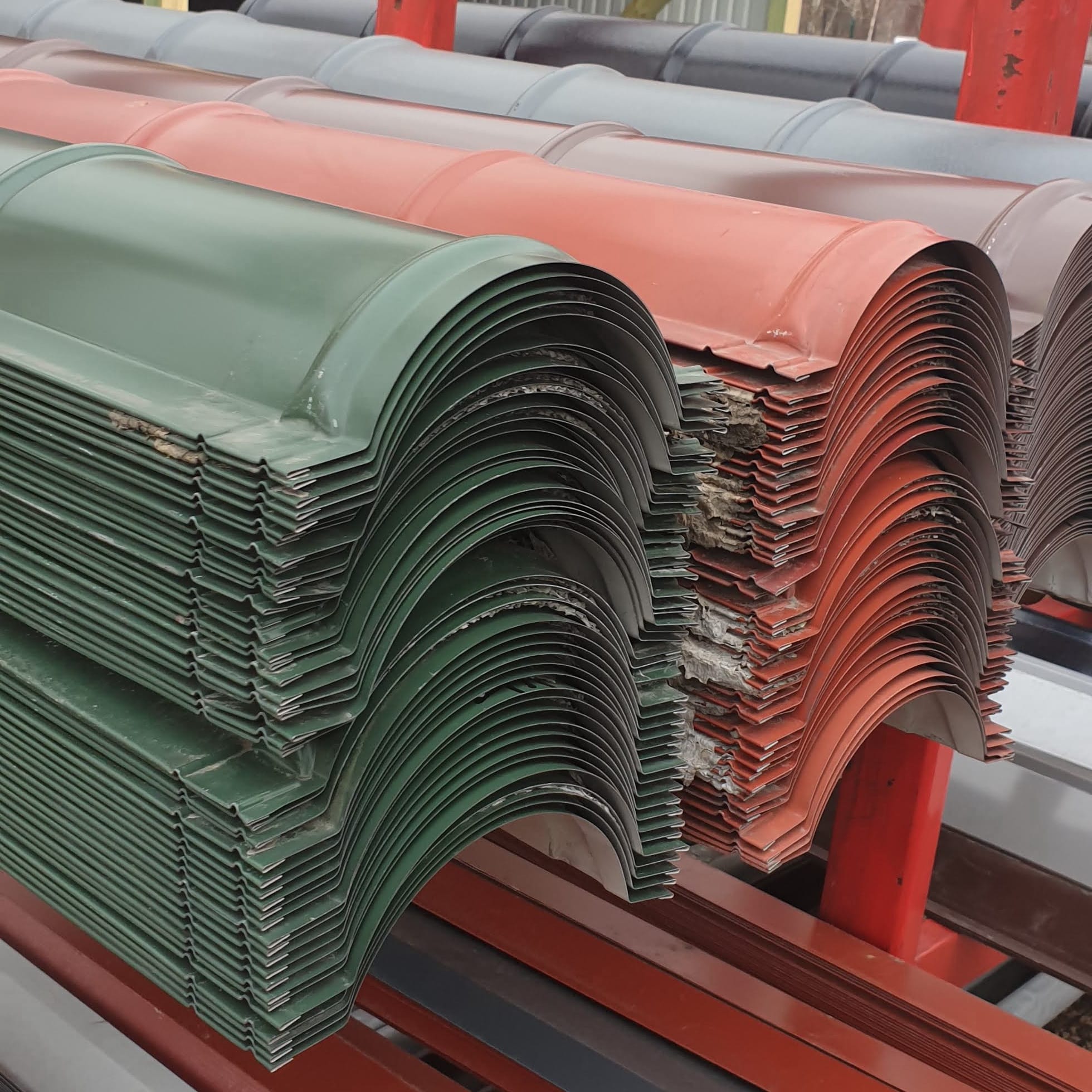
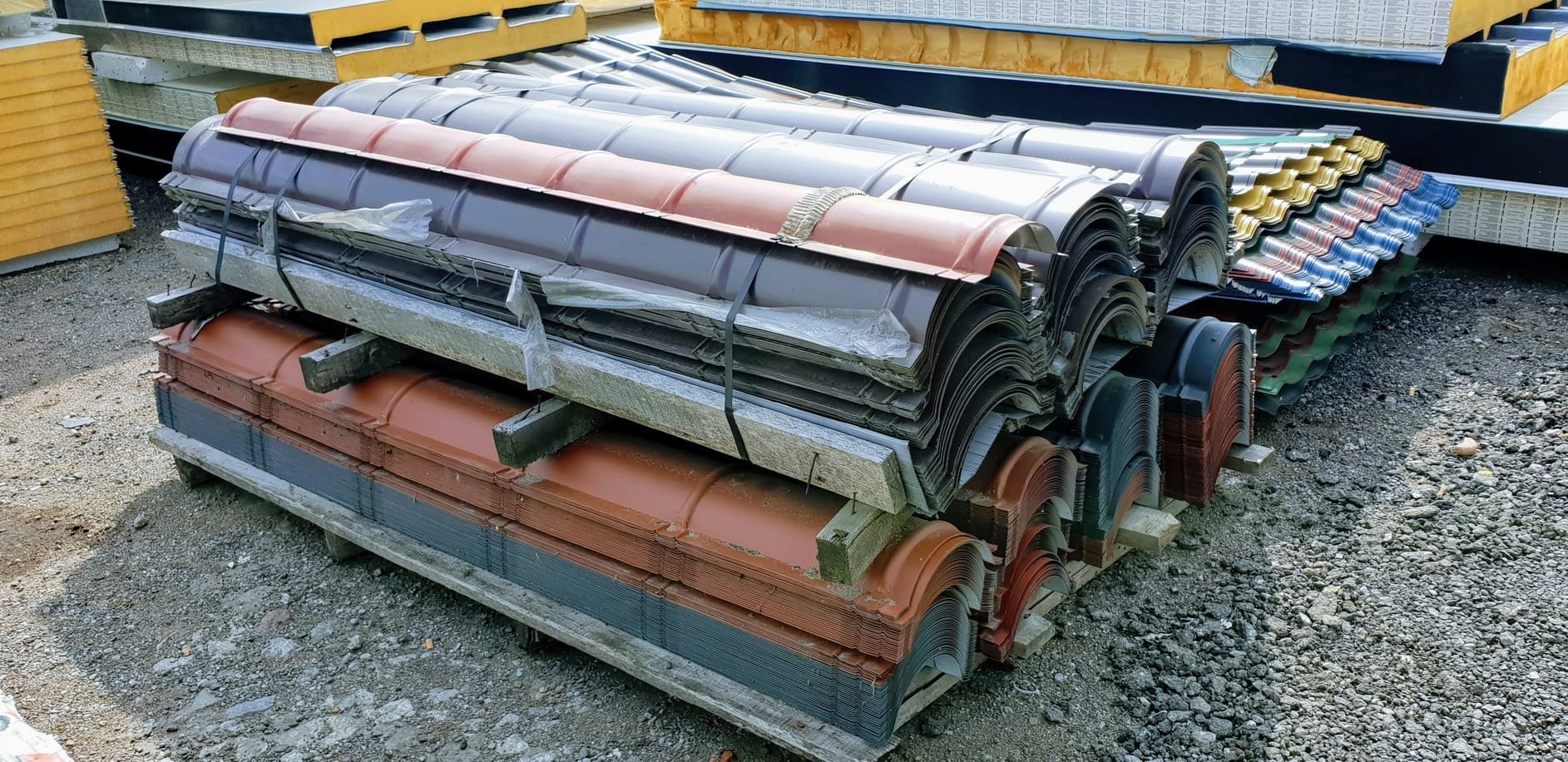
Start a roof flashing inspection by identifying the finish, the deposits on it and the condition of the joints. Abrasive cleaning can damage ridge caps, verge flashings and gutter aprons just as metal shavings left on the roof can. Examine the coating, fixings, laps and ends, including places where water can collect. Check that valleys and the area behind the chimney drain freely. Follow the verge to its exposed ends. Loose fixings or a change in shape can reveal a developing fault before rust appears. Choose the cleaning or repair method after identifying what the inspection has found.
Plan access and inspection intervals
Follow the material supplier’s maintenance guidance and allow for local exposure. Trees, dust and nearby sources of dirt may call for more frequent inspection. Arrange safe access for a competent person to reach high flashings. A small deposit can wait until the wet slope can be accessed safely.
Identify the deposit before choosing a cleaner
Loose dust and leaves need different treatment from a firmly bonded deposit. A rust-coloured spot may be a shaving left after installation. Identify its origin and inspect the surface underneath. Sharp tools can scratch through the protective layer when scraping off dirt.
Galvanised, aluminium-zinc coated and colour-coated sheet can require different care. Use a product approved for the particular surface and follow its instructions. Where a trial is appropriate, test a small inconspicuous area within the sheet manufacturer’s guidance.
Protect coatings, joints and edges
Stiff brushes, abrasives and aggressive chemicals can damage the finish. A strong water jet aimed under an overlap can drive water past the joint. Select a washing method that protects seals and cut edges as well as the visible finish.
Apply the same care at a concealed gutter apron as at a prominent ridge cap. After cleaning, remove dislodged material from the gutter and outlet. Check places where cleaning solution can pool and leave the drainage route clear.
Distinguish a coating scratch from a loss of metal
Use a repair product specified for the finish on a small surface scratch. Excess or unsuitable paint can adhere poorly and spoil the appearance. Perforated sheet or a heavily distorted flashing needs an assessment of whether the part should be replaced.
At the chimney, inspect deposits and the upper wall junction. Sealant needs a compatible surface and a correctly formed detail. Before a substantial repair, photograph the condition of the metal and joints for comparison at later inspections.

Keep ventilation paths open
Perforated starter strips and openings beneath ridge caps may ventilate the roof. Dirt or tape across the openings changes the airflow. Check the inlet and outlet against the original detail before enlarging holes or removing protective screens.
Inspect the outlet side of the gutter apron and the ends of verge flashings where debris can lodge. Bespoke channels and sheltered joints also need access for inspection. Mark their positions in the building records so they are included on future visits.
Keep a record of maintenance and repairs
Record the sheet material, colour and coating, the care products used and the date of work. Photographs taken from the same position show whether a mark has grown or remained unchanged and help identify the right replacement later.
Arrange an additional inspection after severe weather or when a leak appears. Base the repair scope on the condition of each junction. Routine care should remove the cause of the fault while preserving sound coatings elsewhere.
Questions and answers
Does a rust spot mean the flashing itself is corroding?
It may come from a loose piece of metal. Identify the particle and inspect the coating beneath it before sanding or repainting the part.
Is pressure washing suitable for every roof?
Use a cleaning method compatible with the coating and joints. A jet directed into a lap can drive water underneath the covering.
Should protective film stay on the flashing?
No. It protects the finish for a limited time under specified conditions. Remove it as directed for the product, including remnants in less visible places.

Free quote
What to include in your enquiry
Tell us how you plan to use the material, the dimensions and the quantity you need. Include the thickness, grade or variant name, along with the delivery town or your preferred collection branch. For a specific product, add its name or a link to the product page. We will reply to the email address you provide to discuss availability and the terms of your order.
More from the building guide
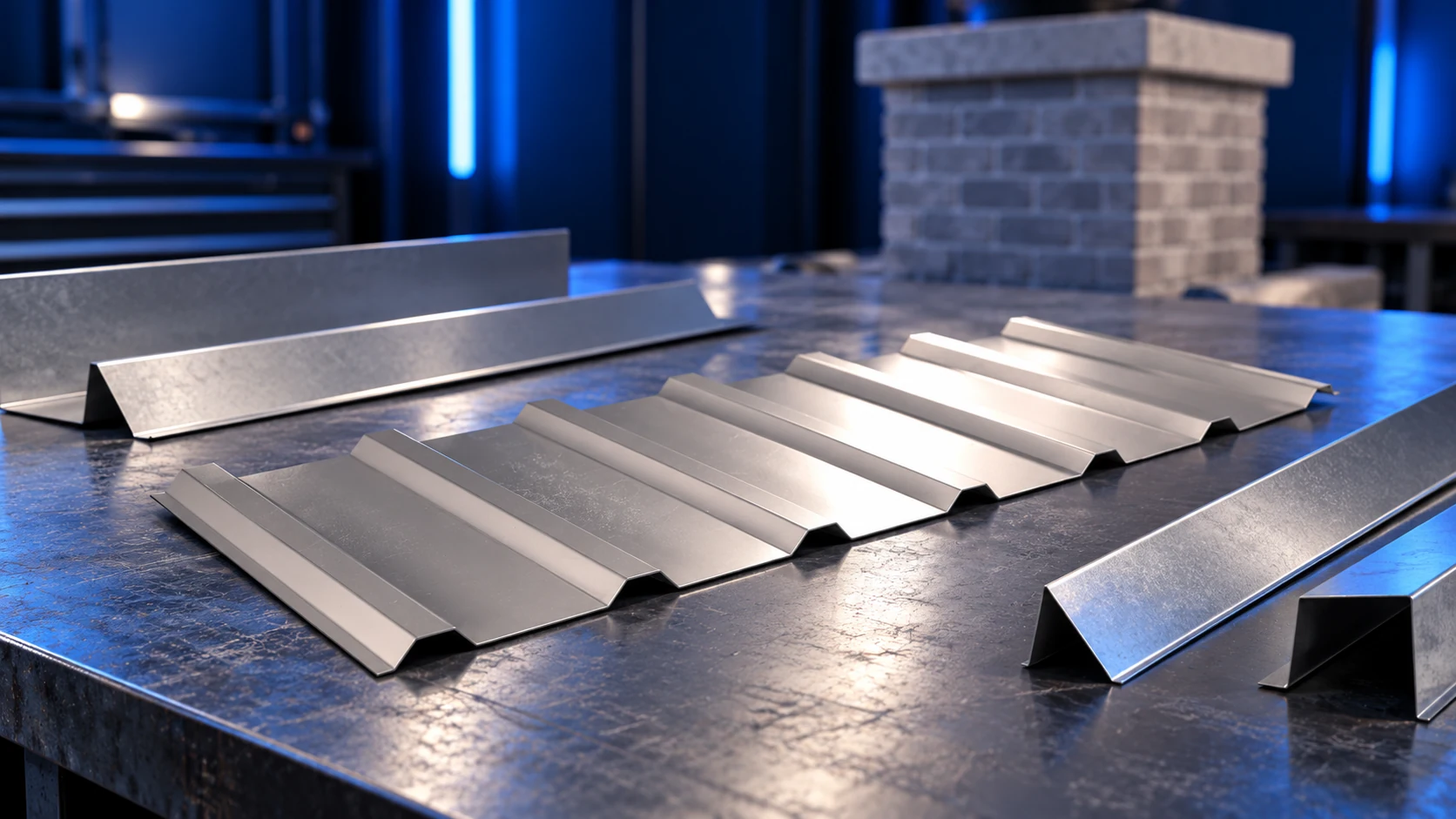
Chimney flashing must return water to the roof covering while accommodating movement between the roof and chimney. A strip of sheet metal…
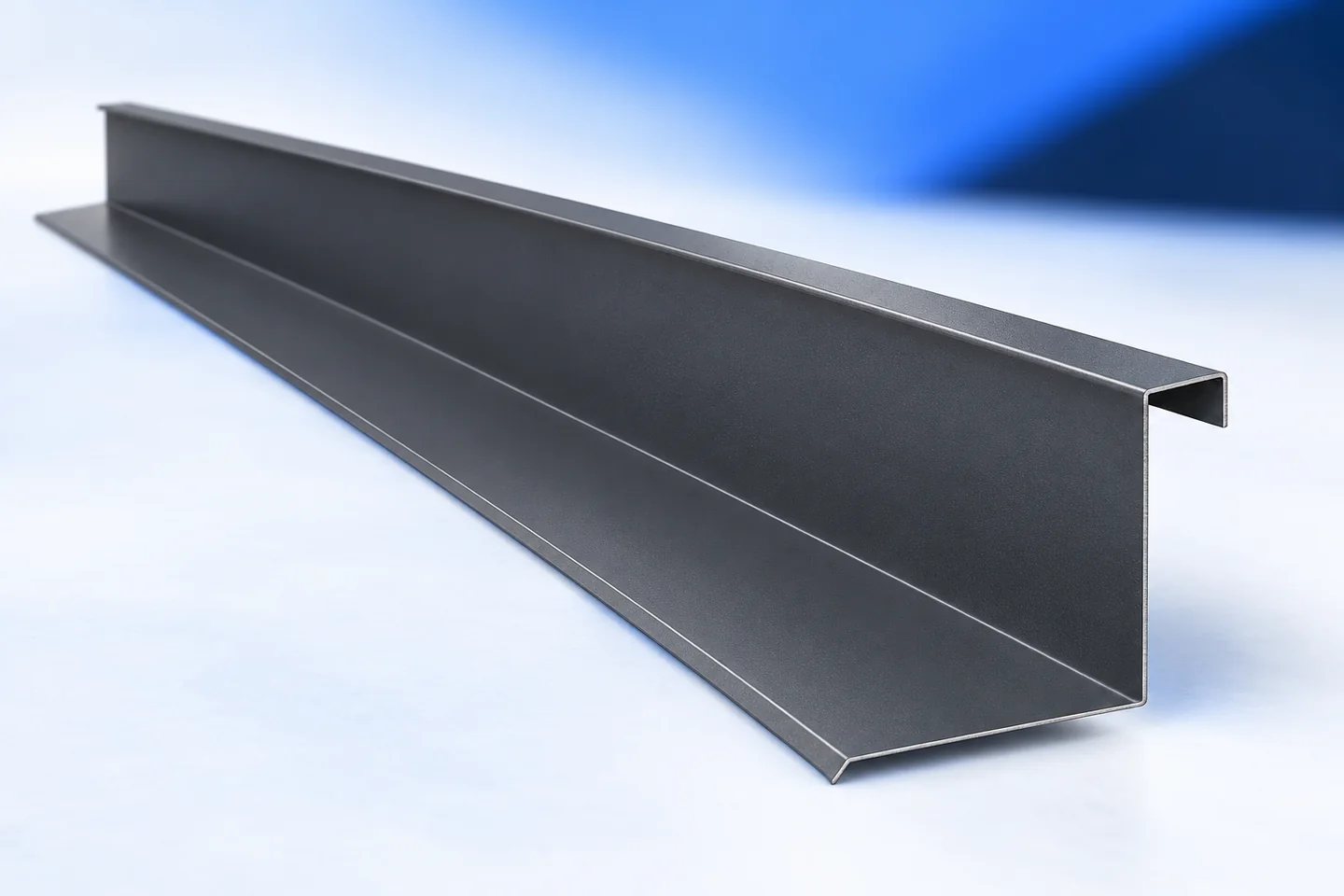
A damp patch near a chimney often gets another bead of sealant. Whether that helps depends on where the water enters. Chimney…
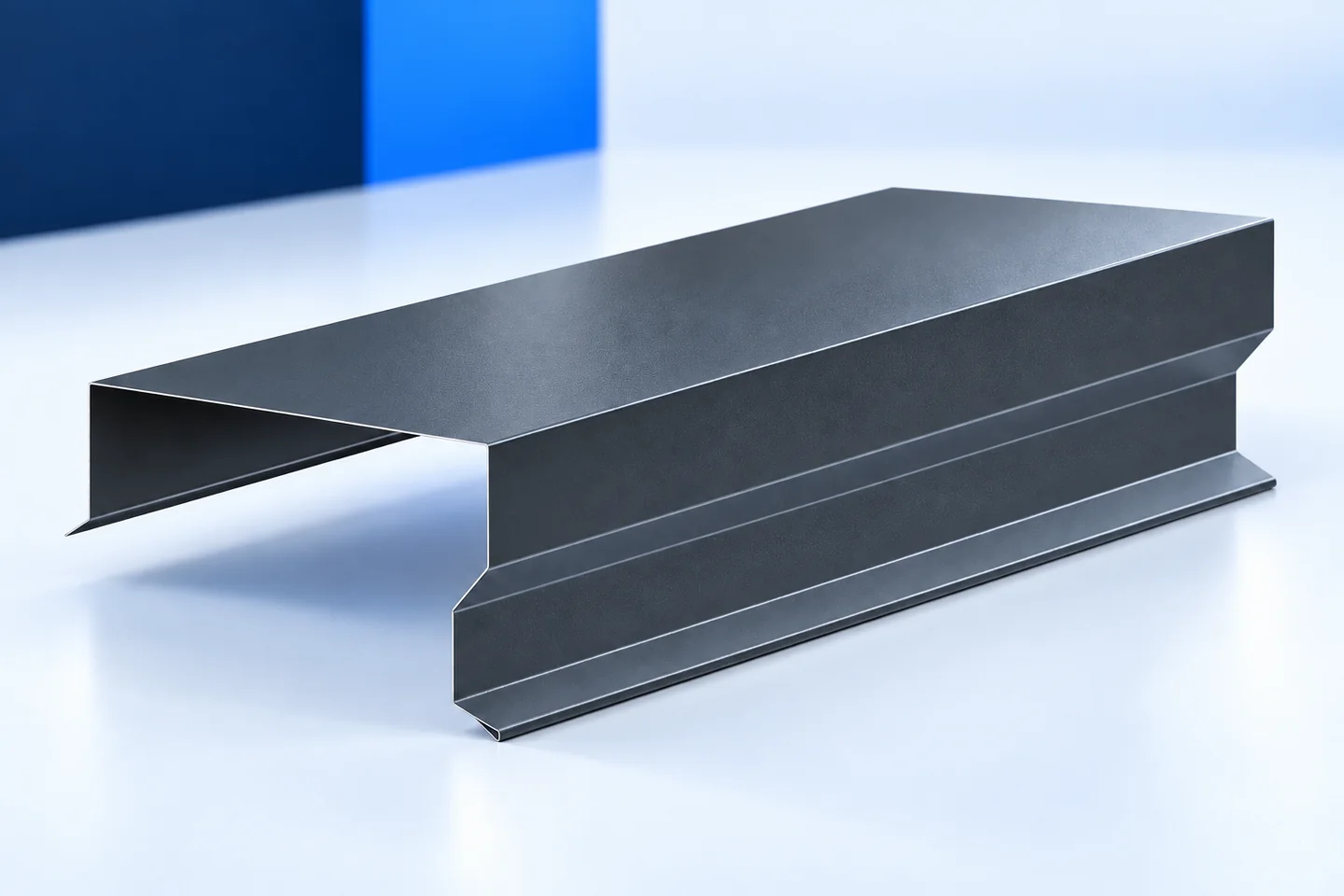
A stain down the façade, a lifting corner and a rippled coping can point to different faults. Before specifying replacement metal, inspect…
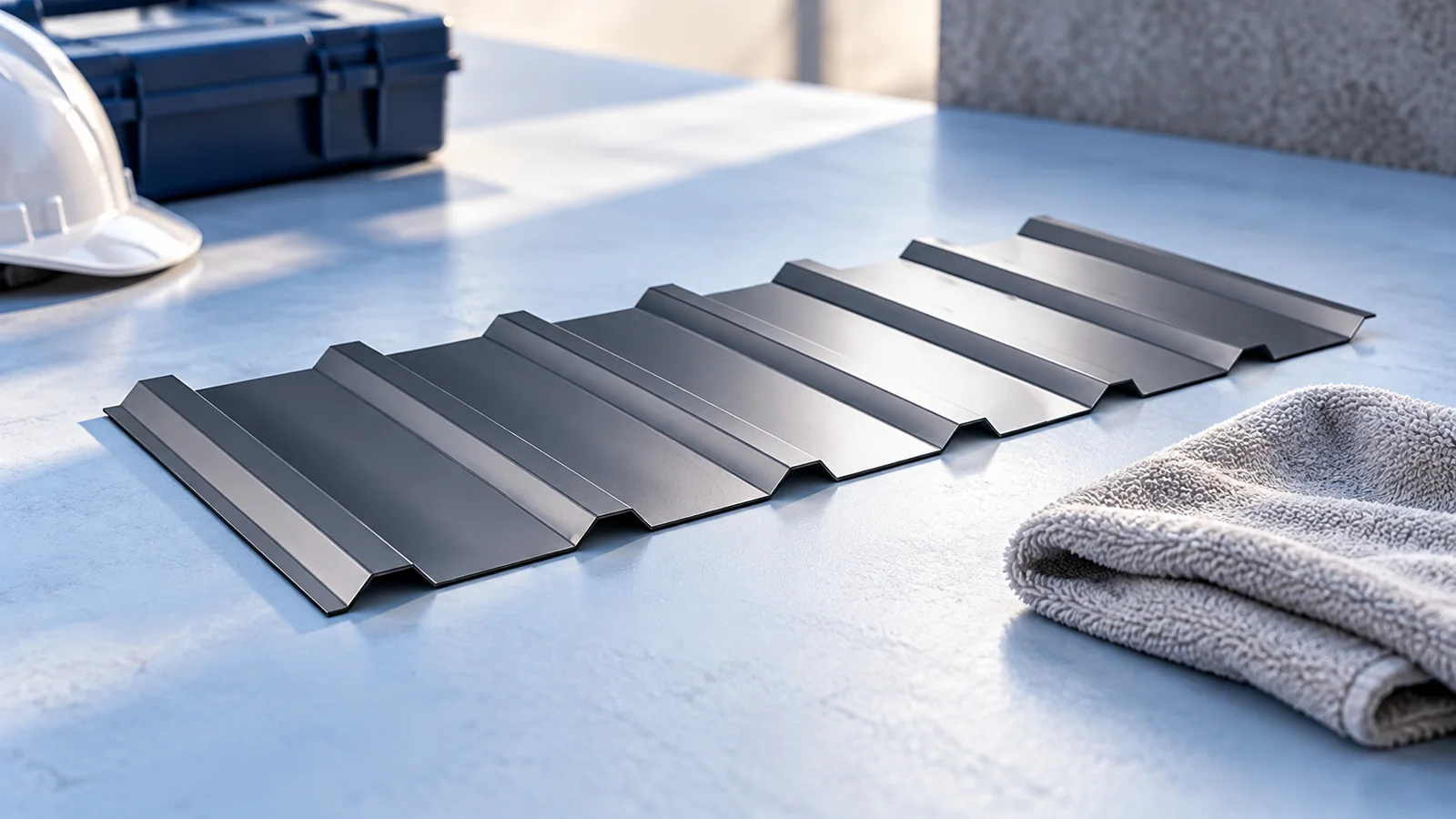
A single damp patch beneath a roof warrants an inspection. The scope of work depends on the route taken by the water…
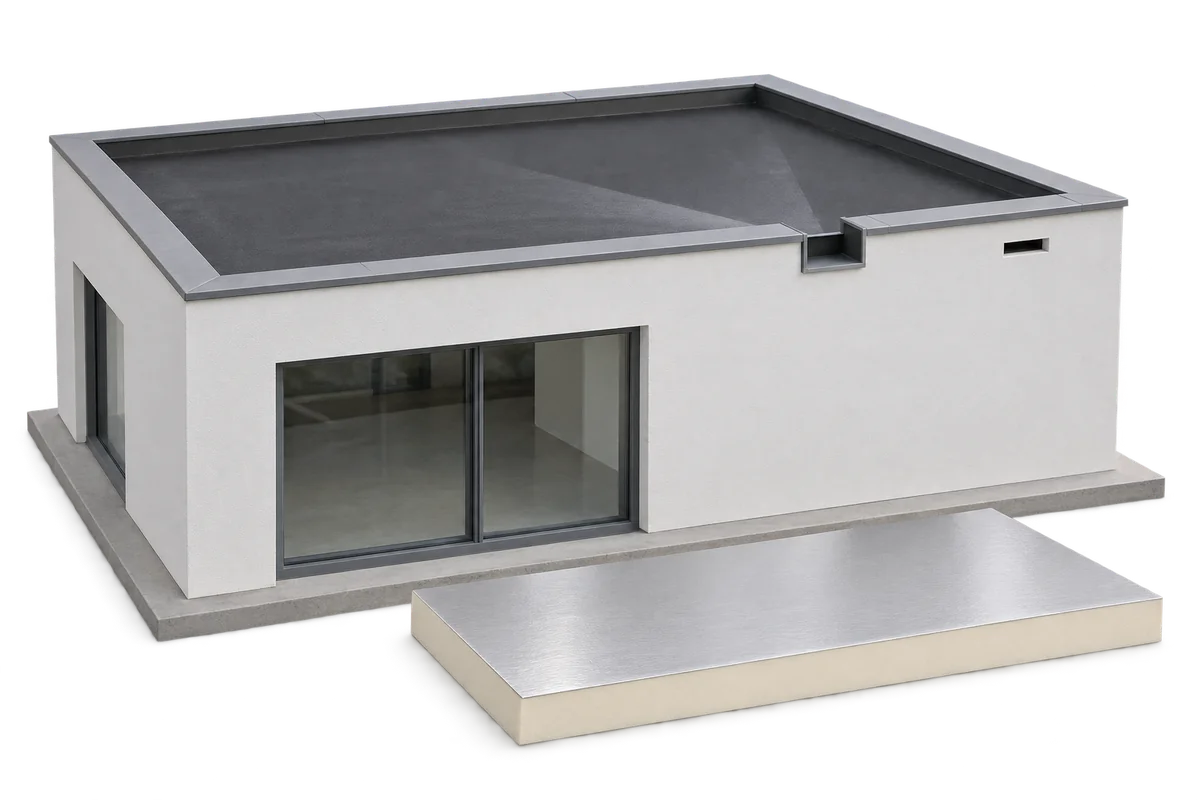
Checking flat roof drainage should cover water travelling across the roof, entering the pipework and using the emergency route. The presence of…
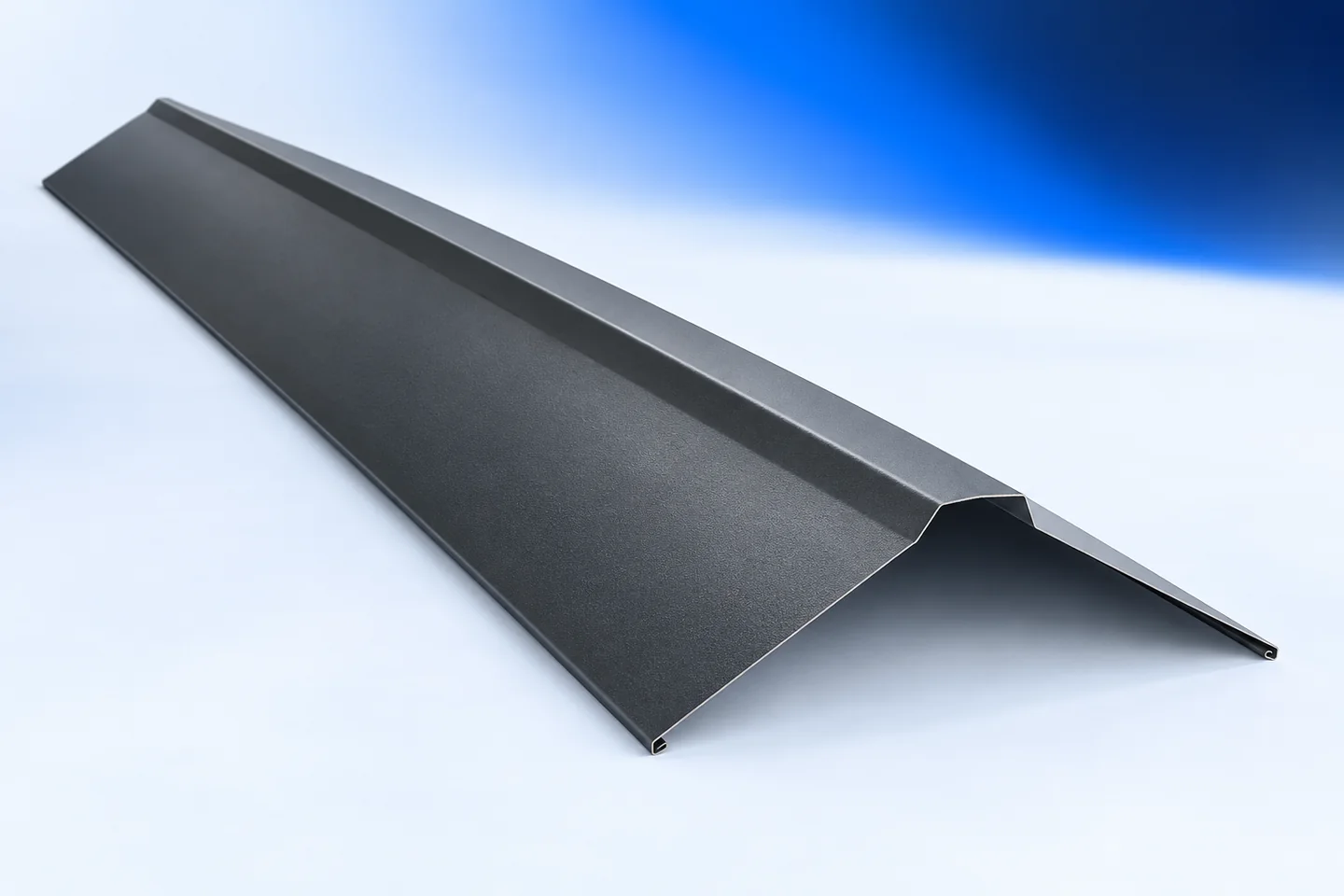
A loose or corroded ridge cap does not necessarily mean the roof needs a new covering. A local repair may be enough…
A mansard roof changes pitch: its lower section is usually steep and its upper section shallower. This cross-section can create more usable…
A roof valley collects runoff from two adjoining slopes and carries it towards the eaves. Its watertightness depends on the flashing section,…