Repairing chimney flashings when fresh sealant no longer stops the leak
Sheet metal flashings
A damp patch near a chimney often gets another bead of sealant. Whether that helps depends on where the water enters. Chimney flashings must shed water while allowing the roof and chimney to move relative to one another. A poor fold, a loose fixing or crumbling masonry may call for rebuilding the junction. Water can also enter through the stack or its top, run down the masonry and show up below the roof. Before ordering new flashings, inspect the mortar joints, render and chimney top as well as the sheet metal. The repair needed for each is different.
Inspect the chimney itself
Record the position of the mark and the weather in which it appears. Photographs taken from the loft can help trace the leak. A stain marks only part of the water’s path. Outside, inspect both sides and the area uphill of the chimney, where leaves, sediment and snow can obstruct drainage.
Check how the flashing pieces overlap
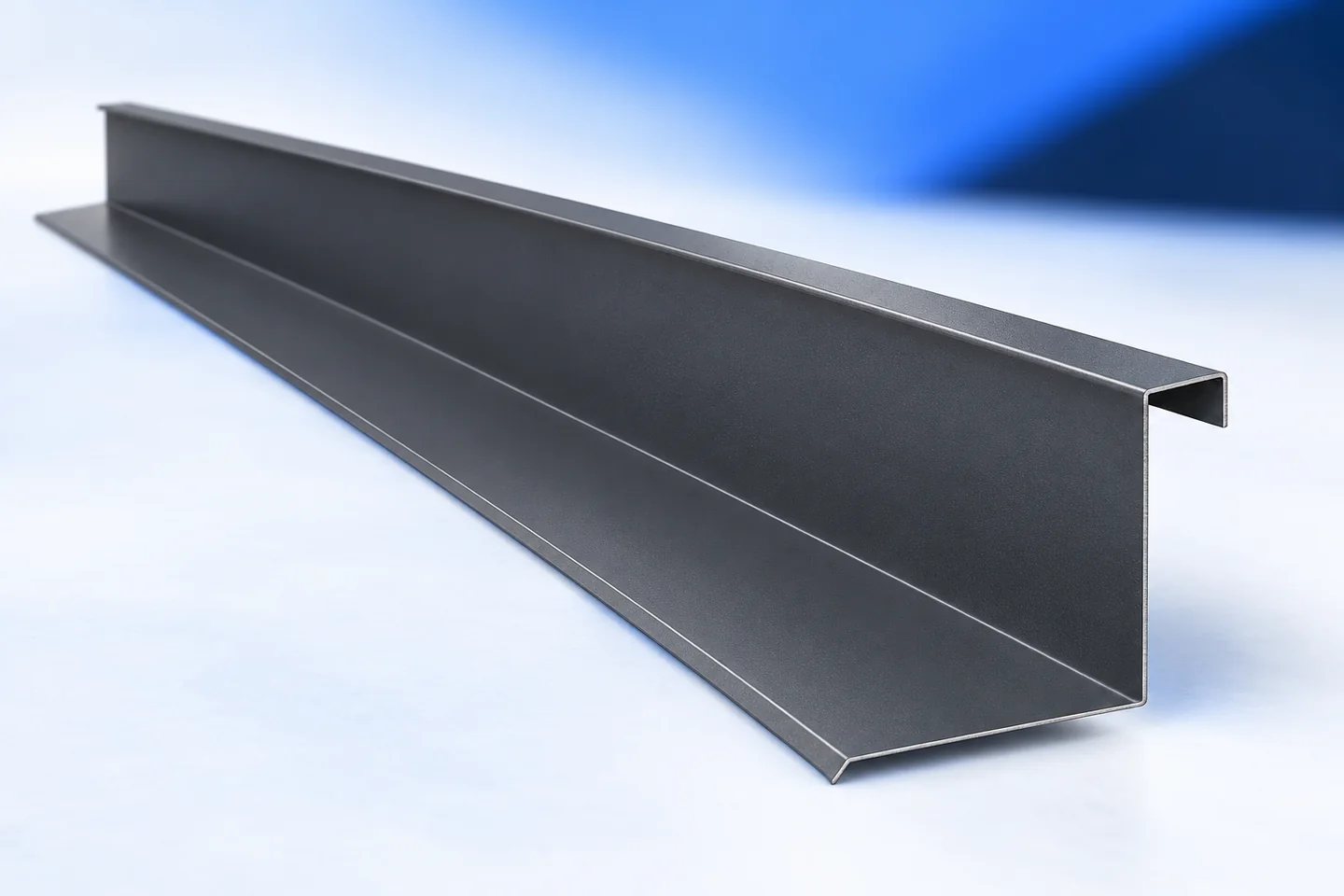
The apron on the downslope face, the side flashings and the back gutter on the ridge side work together. Each must drain onto the next in the direction of the fall. If a lap faces uphill or an edge has no suitable termination, the junction needs a continuous drainage path restored.
Examine the junction with the covering. Tile-effect sheets have pressed steps that the flashing must accommodate. A standing seam roof requires a different joint. If the old flashing was assembled from unsuitable profiles, copying its outline can reproduce the original fault.
Protect the upper edge at the chimney wall
Water running down the stack must be kept out of the top of the flashing. Depending on the construction, the detail may use a cover strip, a properly recessed edge or another specified termination. Establish what the chimney allows before cutting a chase. Prefabricated chimney casings in particular have prescribed connection details.
If the seal peels away, inspect the wall surface and identify what is moving. A fresh bead cannot gain a sound hold on crumbling render. Many details separate the roof flashing from the wall-mounted cover flashing so that each part can follow the movement of its support.
Decide which pieces can be repaired
A small scratch in the coating may lend itself to the repair specified for that finish. A perforated apron, several distorted folds or a faulty cross-section may justify replacing the affected piece. Include the metal concealed beneath overlaps in the assessment.
Measure the stack and the roof pitch for the new flashings. A purpose-made piece is appropriate where standard profiles do not fit. First repair any unsound masonry and adjacent roof covering. Even a carefully formed apron needs a firm, sound base.

Choose compatible sheet and finish
Flashings may be galvanised, aluminium-zinc coated or colour-coated sheet. Match the finish to service conditions at the chimney and to adjacent roofing materials. The installer needs to know the coating when cutting and folding the sheet and selecting compatible paints and sealants.
An exact colour match can be difficult on a weathered roof. If ridge caps, verge flashings or gutter aprons are also being replaced, compare them with a sample of the chimney flashing. Check starter strips separately for fit with the covering before finalising the finish.
Inspect the parts that will be covered
Photograph the exposed base after removing the old pieces and the sequence of layers before the junction is closed. After installation inspect the upper termination, the corners and the outlet behind the chimney. Remove swarf and offcuts that could obstruct drainage.
Record the sheet and sealant used so compatible products can be selected for maintenance. Reinspect the flashings periodically and after a new stain or visible damage. A successful repair restores water shedding and allows the junction to move as designed.
Questions and answers
Will tape over old flashings stop a leak?
Tape can serve a specified purpose in a suitable detail. Check the shape of the junction, the sheet and the supporting surface before choosing a repair.
Can the flashing edge always be recessed into the chimney?
No. The termination must suit the chimney design. Check its installation requirements before cutting into a casing or system component.
Should the flashing be checked again after the repair?
Yes. Inspection after rain and at intervals shows how the joints and drainage perform. Previously soaked layers may take time to dry.

Free quote
What to include in your enquiry
Tell us how you plan to use the material, the dimensions and the quantity you need. Include the thickness, grade or variant name, along with the delivery town or your preferred collection branch. For a specific product, add its name or a link to the product page. We will reply to the email address you provide to discuss availability and the terms of your order.
More from the building guide
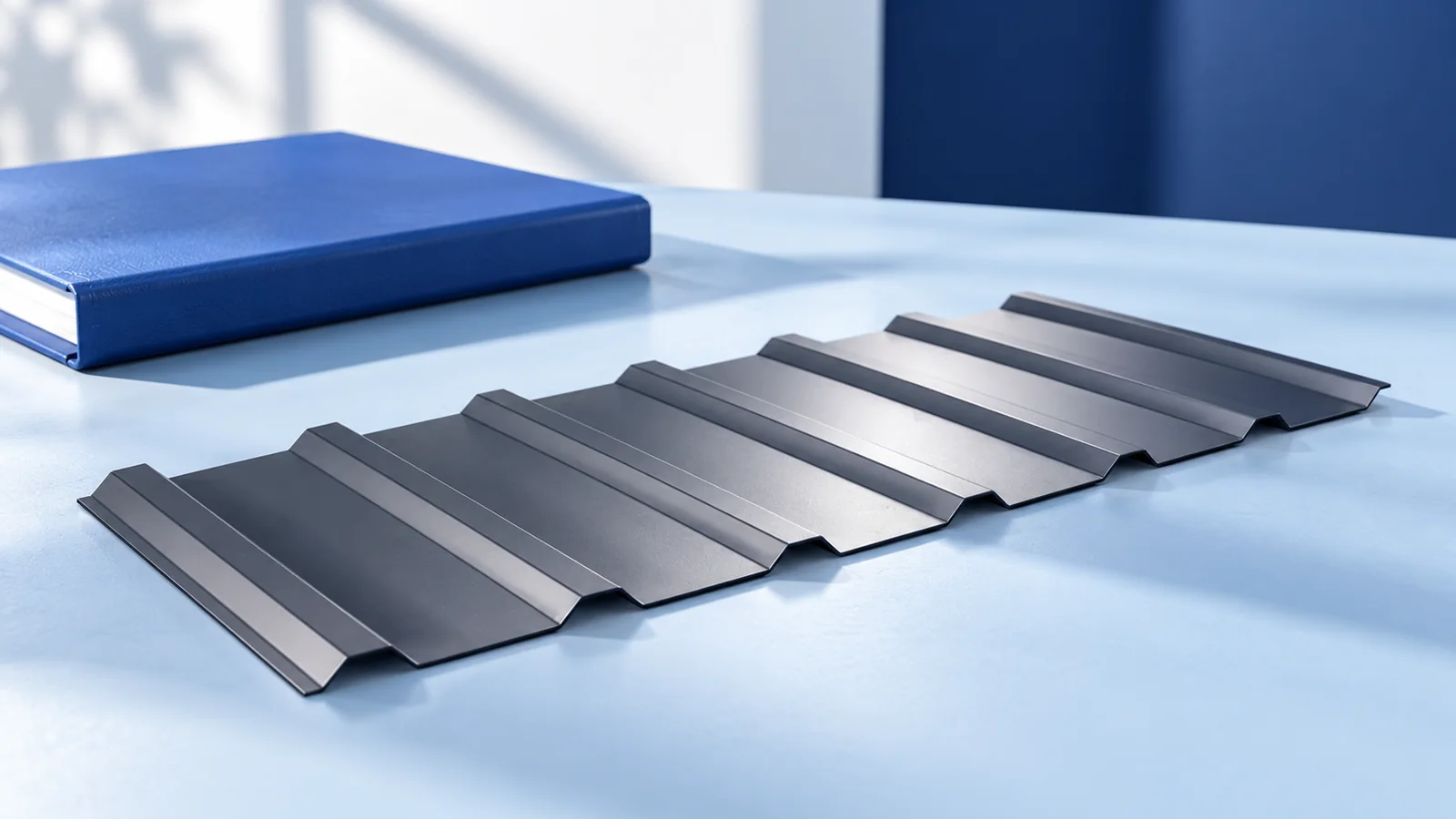
Compare roof budgets for the same completed scope, not by the lowest advertised covering price. Establish whether a square metre means total…
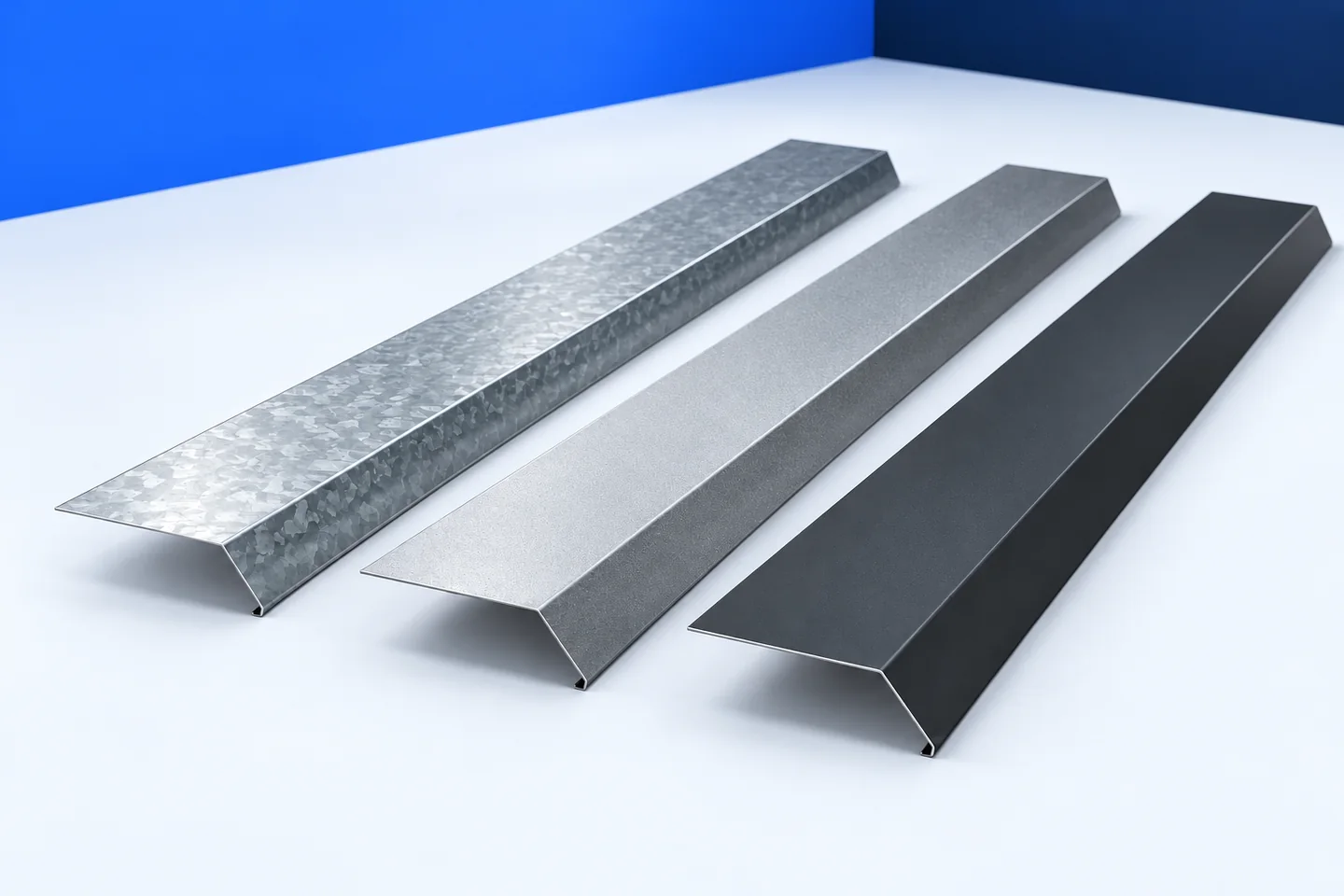
A replacement verge flashing can stand out against an older roof even when both carry the same colour code. Weathering, dirt, gloss…
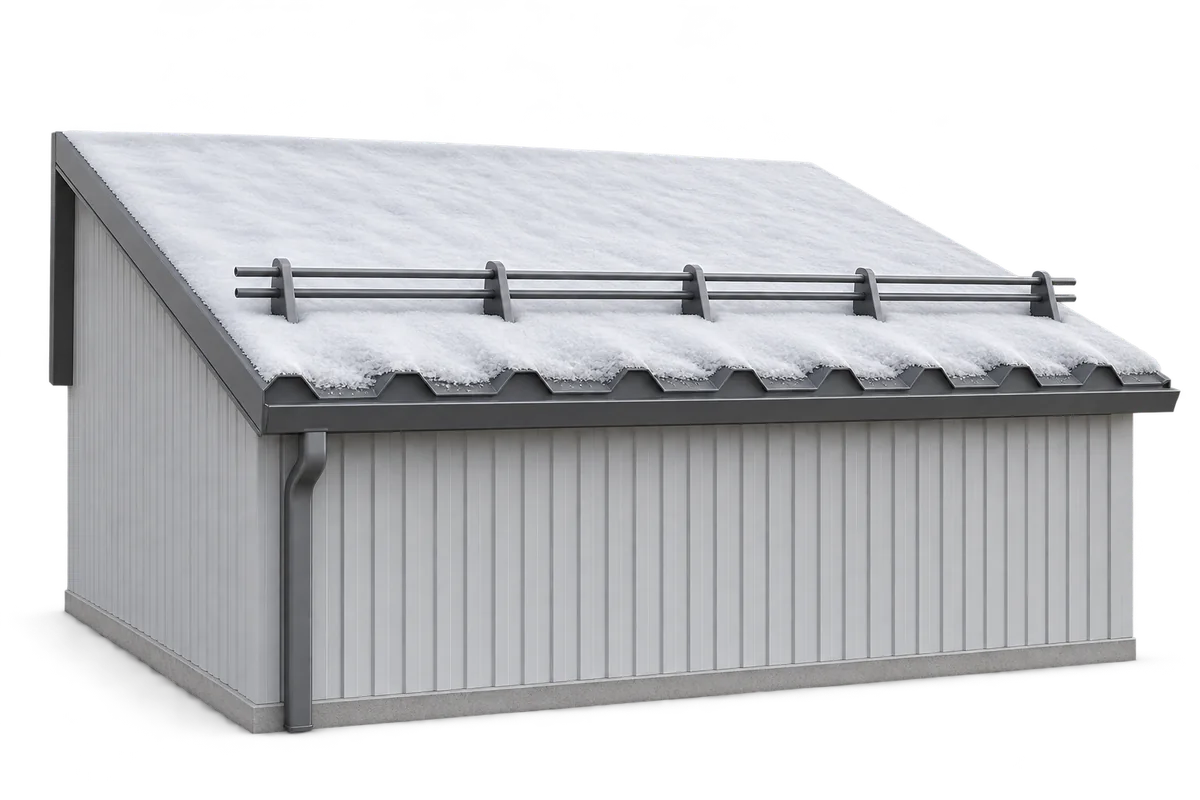
Safe winter roof management begins with understanding the structure, condition and operating instructions. Snow depth alone does not establish loading: density, ice…
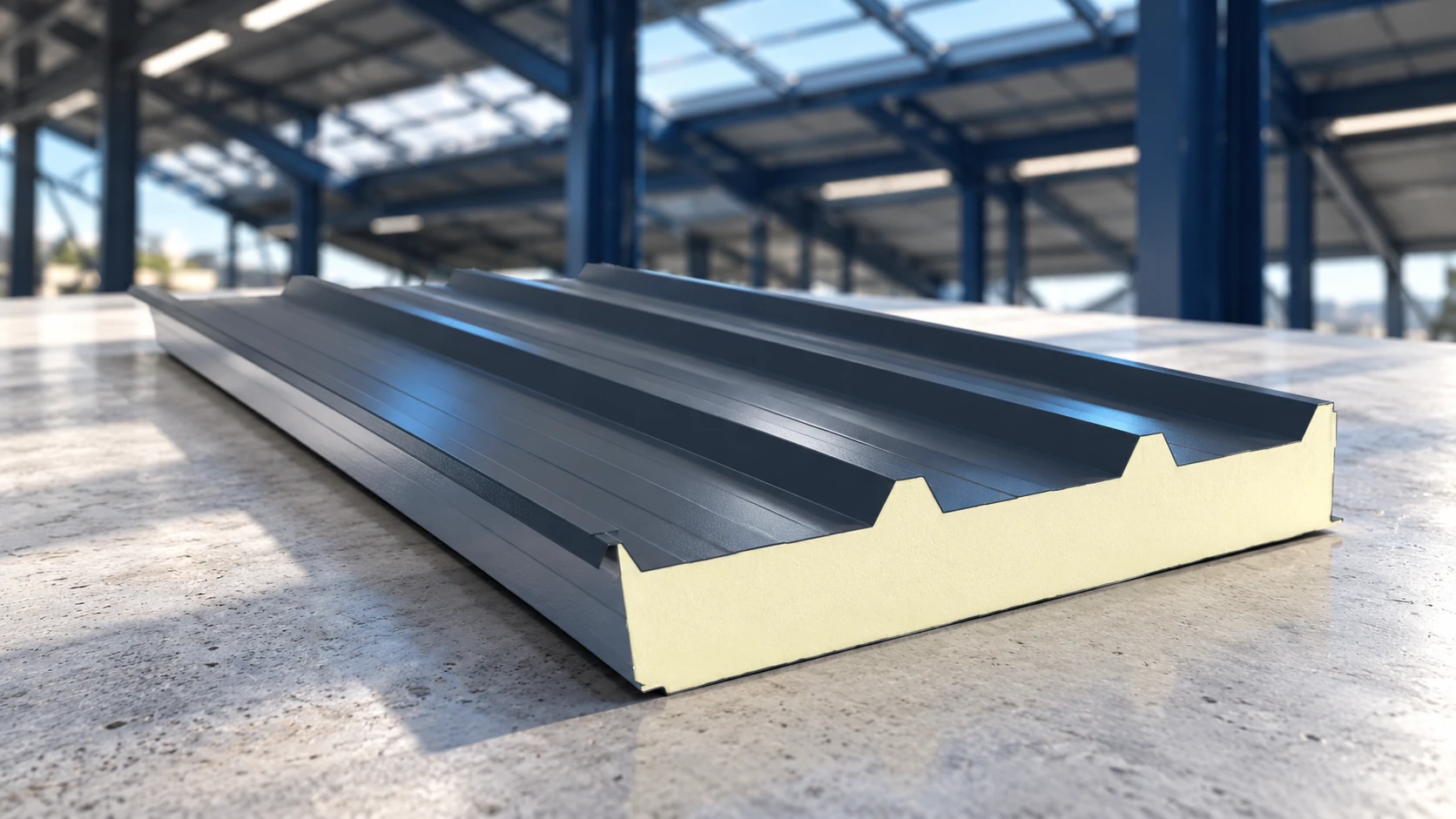
A sandwich-panel roof costs more than the panels alone. Flashings, fasteners, seals, transport and installation must be included, while the supporting structure…
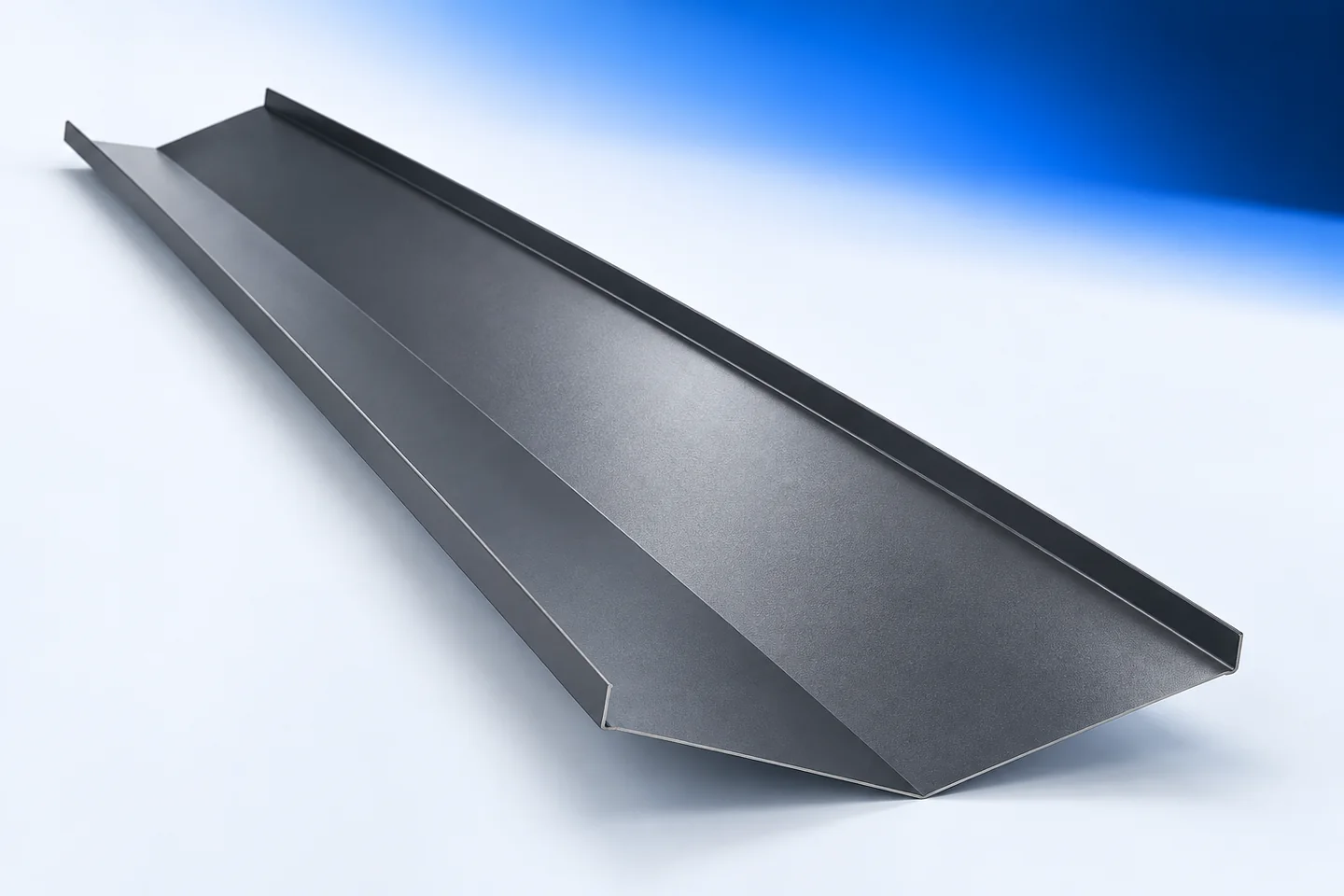
A roof valley that drained reliably for years can start leaking after heavy rain. A blockage, an open lap or corrosion beneath…
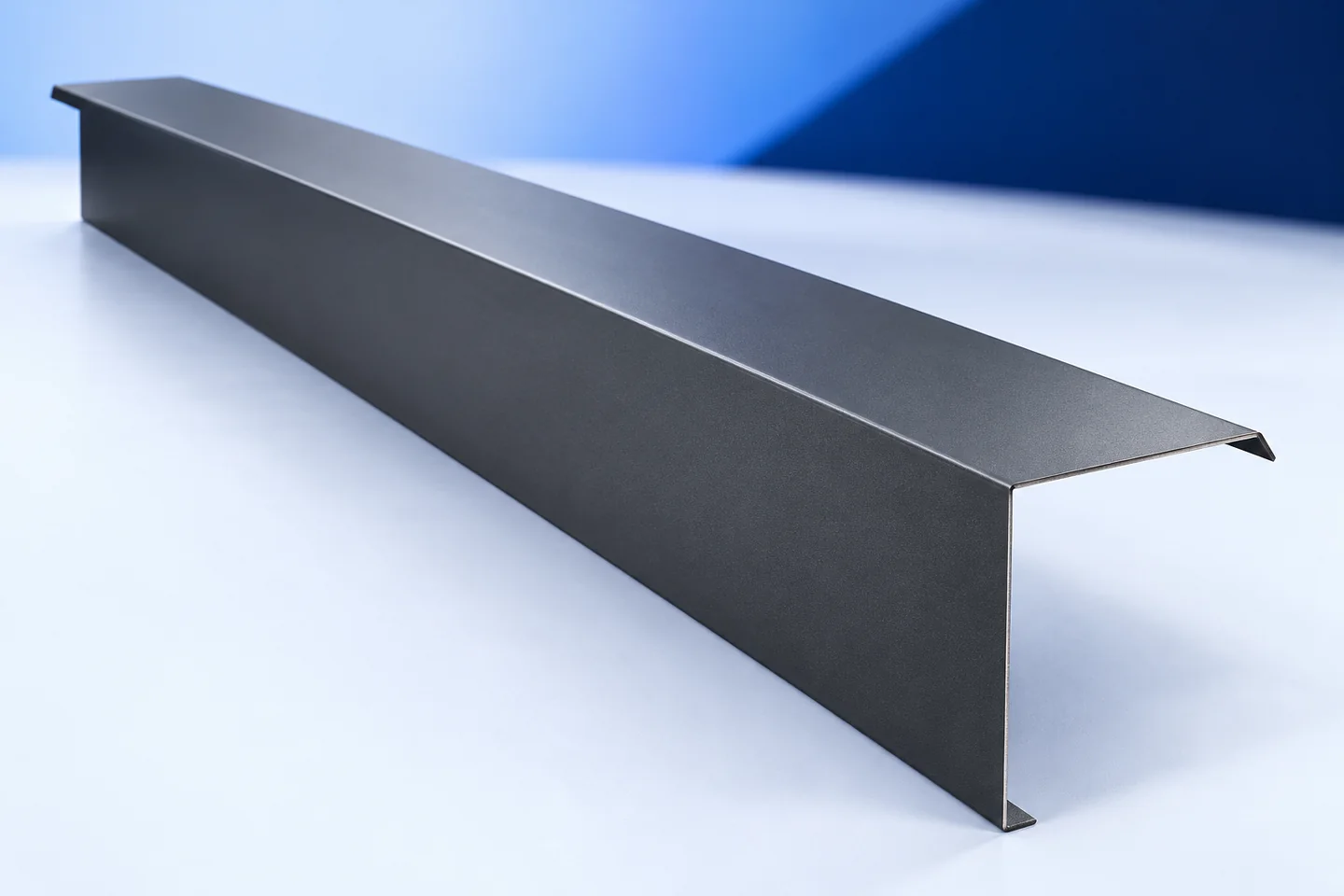
A damp corner in the loft or a stain on the bargeboard is a reason to inspect the verge, where the roof…
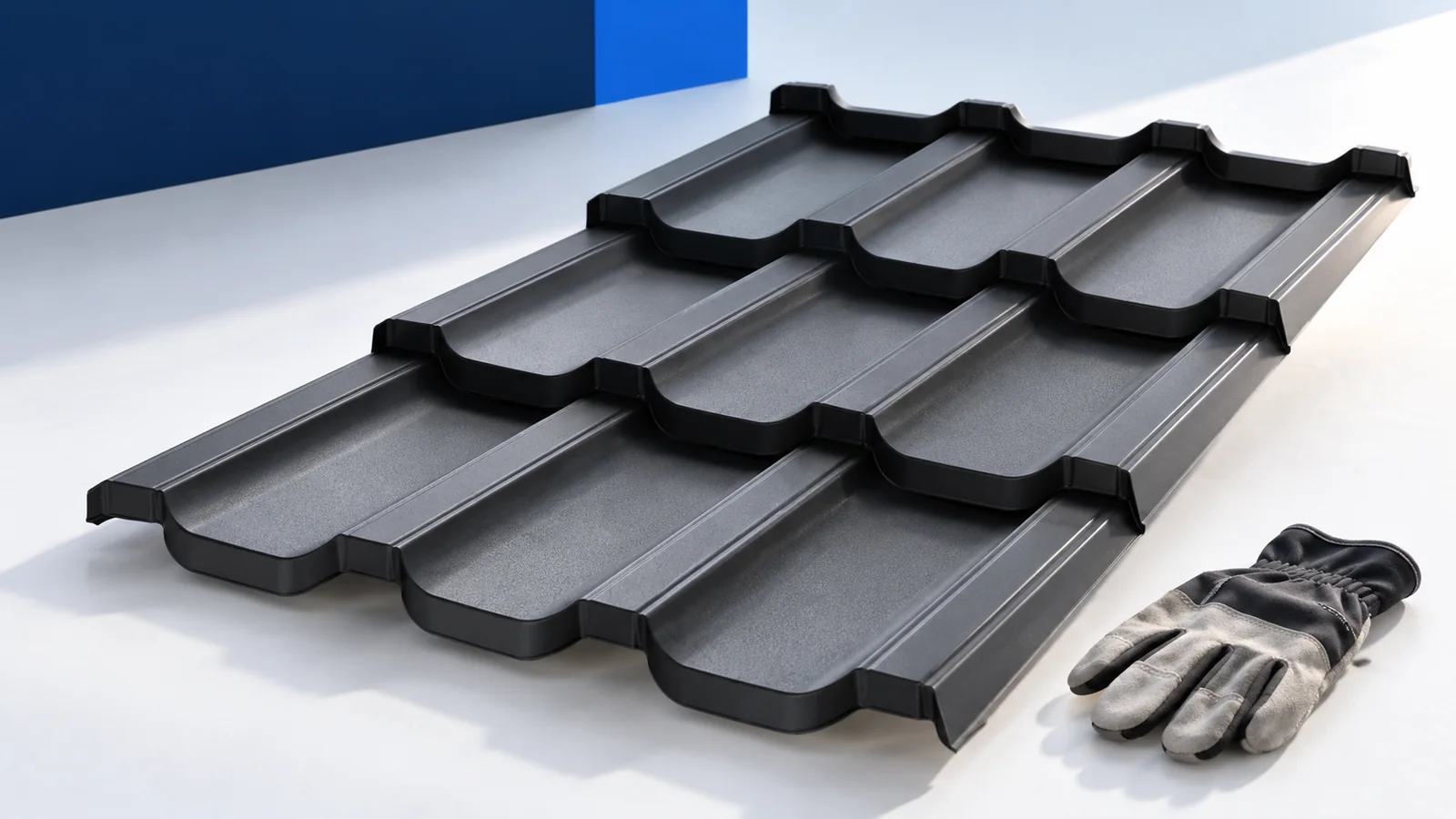
A single-pitch roof has one slope, but its simple outline still needs coordinated supports, drainage and building junctions. Start with the direction…
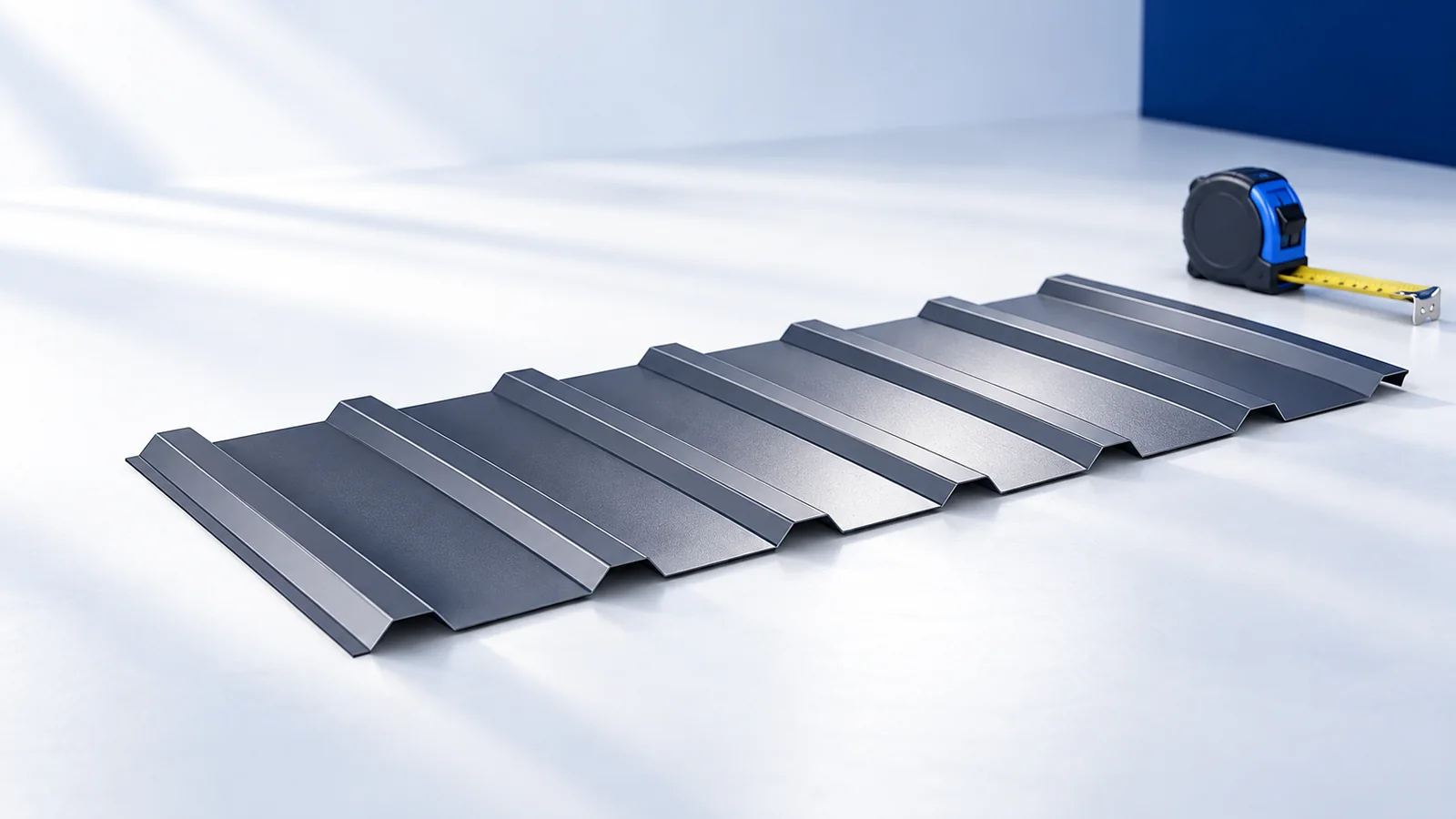
Compare roof shapes for a detached house using a roof plan and a section through the same building. The plan shows eaves…