






Metal picket fencing on a slope: step the bays or follow the ground?
Metal fence pickets and fencing
A fence on sloping ground needs more than a single height dimension. Draw its upper and lower edges before ordering: stepped bays and a continuous sloping line call for different picket lengths, ground clearances and fixing positions. Made-to-measure steel pickets give some flexibility, within the limits of the supporting system. Record levels at each post and wherever the gradient changes. Add a reading between posts at dips or humps. A site-wide average gradient can hide local hollows that leave a large gap under one bay.
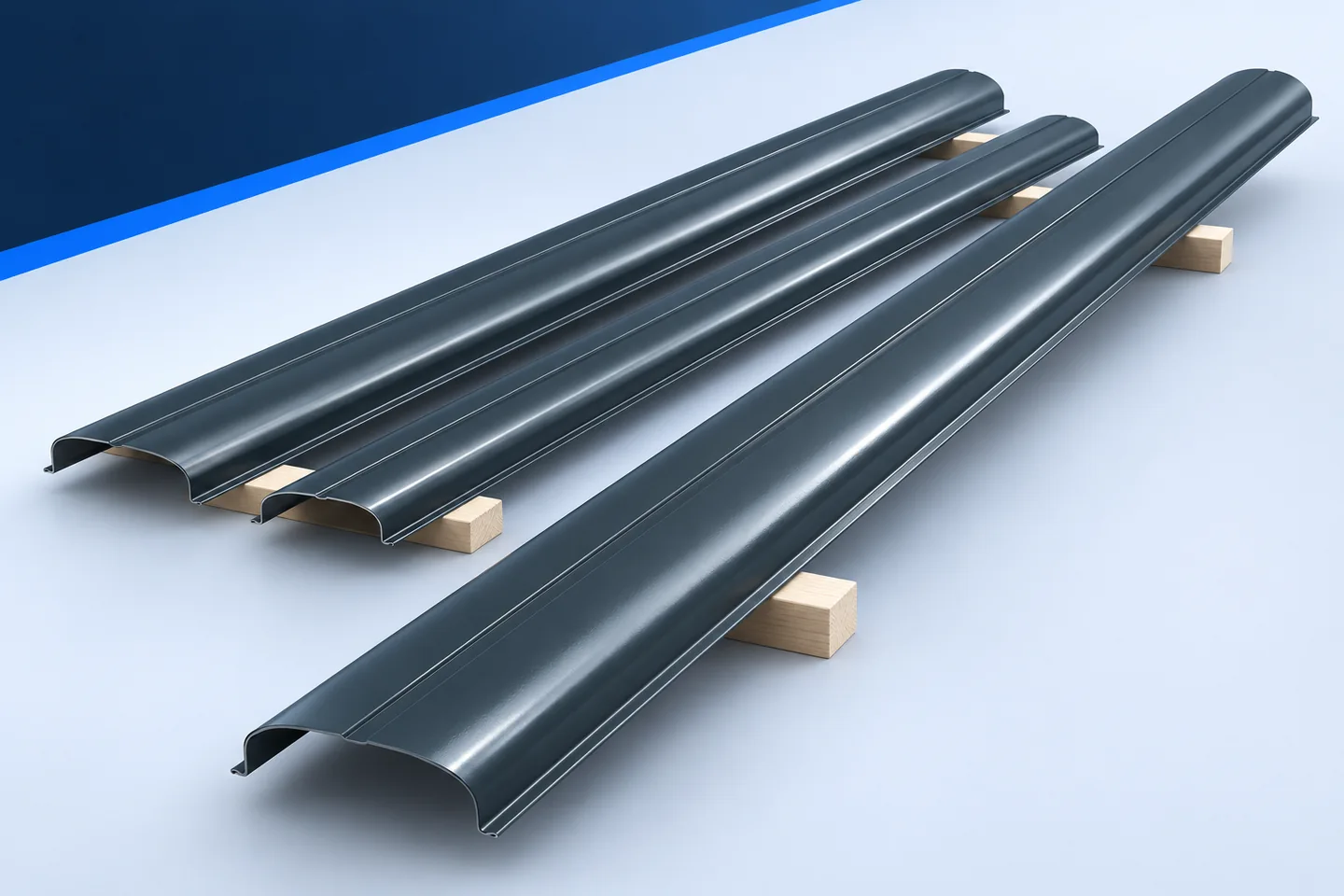
Survey the actual ground profile
Allow for finished paving and planned earthworks. A fence laid out before a driveway is built may look quite different afterwards. Base picket lengths on finished levels or clearly recorded assumptions, and recheck the schedule if those assumptions change.
Stepped bays keep individual sections level
In a stepped layout, successive bays sit at different heights while each top edge can remain level. The changes occur at the posts. Check the bottom clearance along each bay because it can vary despite the level top.
Choose the number and size of steps to suit the ground and appearance rather than leaving the whole height change at one arbitrary post. Shorter bays may fit better, but affect the frame and number of supports; this is a design decision as well as a visual one.
A sloping top line needs different setting out
To follow the gradient, pickets may need different lengths or mounting heights, depending on the frame. Retain the permitted fixing positions and supports. Not every proprietary bay can be altered freely.
A sloping top edge does not mean that the pickets themselves lean. Vertical pickets of appropriate lengths can create a descending line. Show their orientation on the drawing so the installer and owner read it the same way.
Check clearance above the ground
Keep the lower ends clear of soil as required by the product and allow for cleaning. Check the largest and smallest gaps on a slope. A single measurement at bay centre can misrepresent both extremes.
A stepped concrete plinth is part of the setting-out geometry. Do not size pickets to unfinished concrete without agreed final levels. Trimming numerous pieces later creates extra work and new cut edges that need attention.

Match the rails to the chosen line
Check the fixing-point spacing for every picket. As lengths vary, so may the unsupported length projecting above or below the rails. Check these projections against the permitted detail. Availability of a shorter picket does not establish that the bay will work.
Do not shift screws to unsuitable places merely to follow the ground. If a different frame is needed, plan it in advance. Select the fence outline and the support positions together.
List lengths in installation order
Number each bay and list the successive lengths from a defined post, marking the direction. A total for each length does not tell the crew where the pieces belong.
At delivery, match the list to the pack labels. Lay out a trial sequence before drilling to spot length errors. Made-to-measure ordering pays off when the position marks on the drawing reach the installation station.
Assess the view from both ends of the property
Steps can look different from uphill and downhill. Look along the fence too, especially at gates, corners and changes in plinth height. An elevation of the full run shows proportions better than a single reference photograph.
Different sections can follow different lines if the transitions are deliberate. Give particular attention to pedestrian and vehicle gates. Their moving leaves have clearance and structural requirements of their own; they are not ordinary sloping bays.
Choose a layout that can be built and maintained
A good layout need not trace every bump. Aim for a coherent line, suitable support and access for cleaning. Ordering custom lengths can eliminate improvised site cuts when the fence line is decided in advance from actual levels and the system’s capabilities.
Mark the exact post where a new gradient begins. A single slope figure for the boundary does not tell installers where lengths or levels change. Showing the transition also helps allocate the delivered material.

Free quote
What to include in your enquiry
Tell us how you plan to use the material, the dimensions and the quantity you need. Include the thickness, grade or variant name, along with the delivery town or your preferred collection branch. For a specific product, add its name or a link to the product page. We will reply to the email address you provide to discuss availability and the terms of your order.
More from the building guide
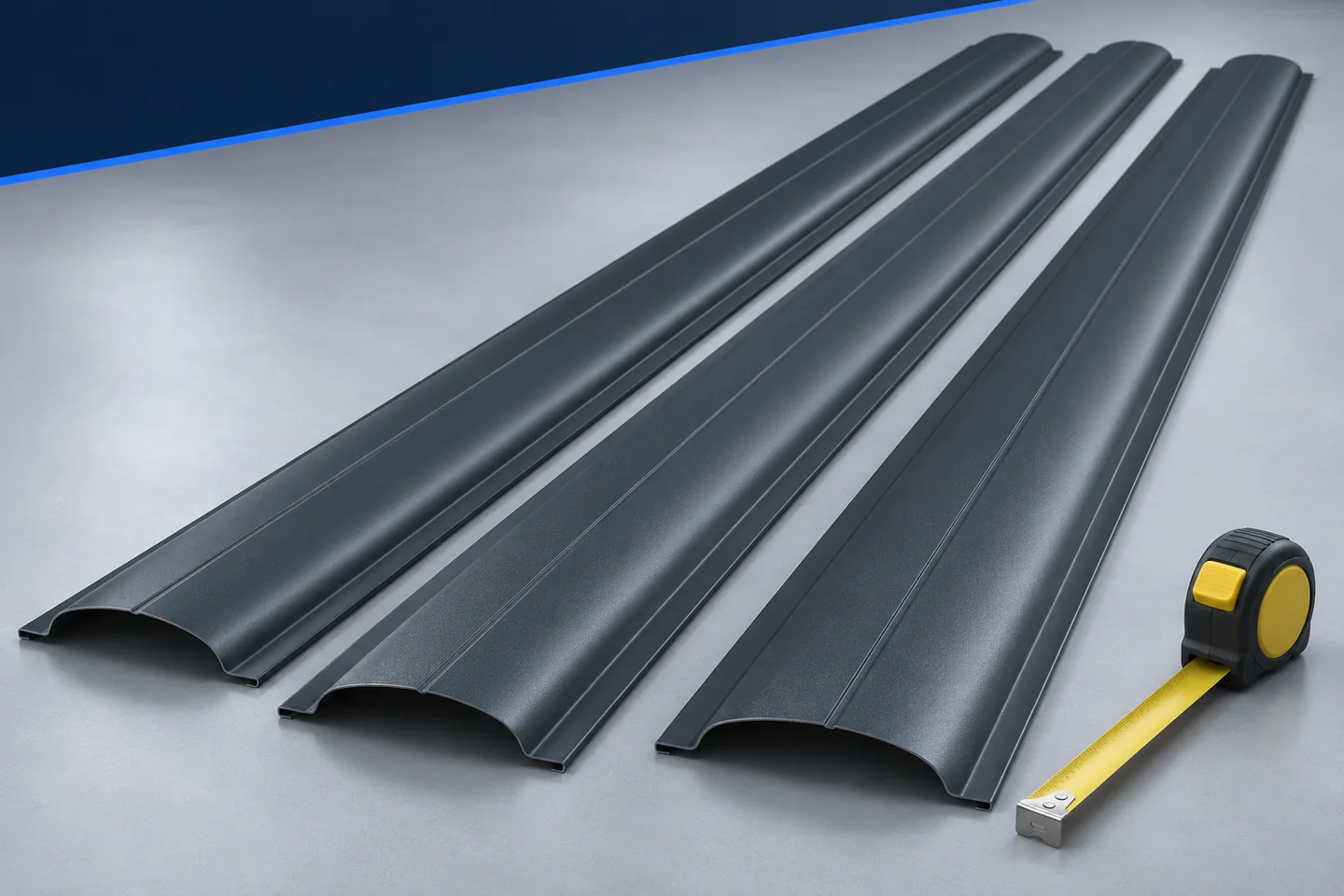
Measure each bay, pedestrian gate and vehicle gate separately before ordering made-to-length metal pickets. The length of the site boundary tells you…
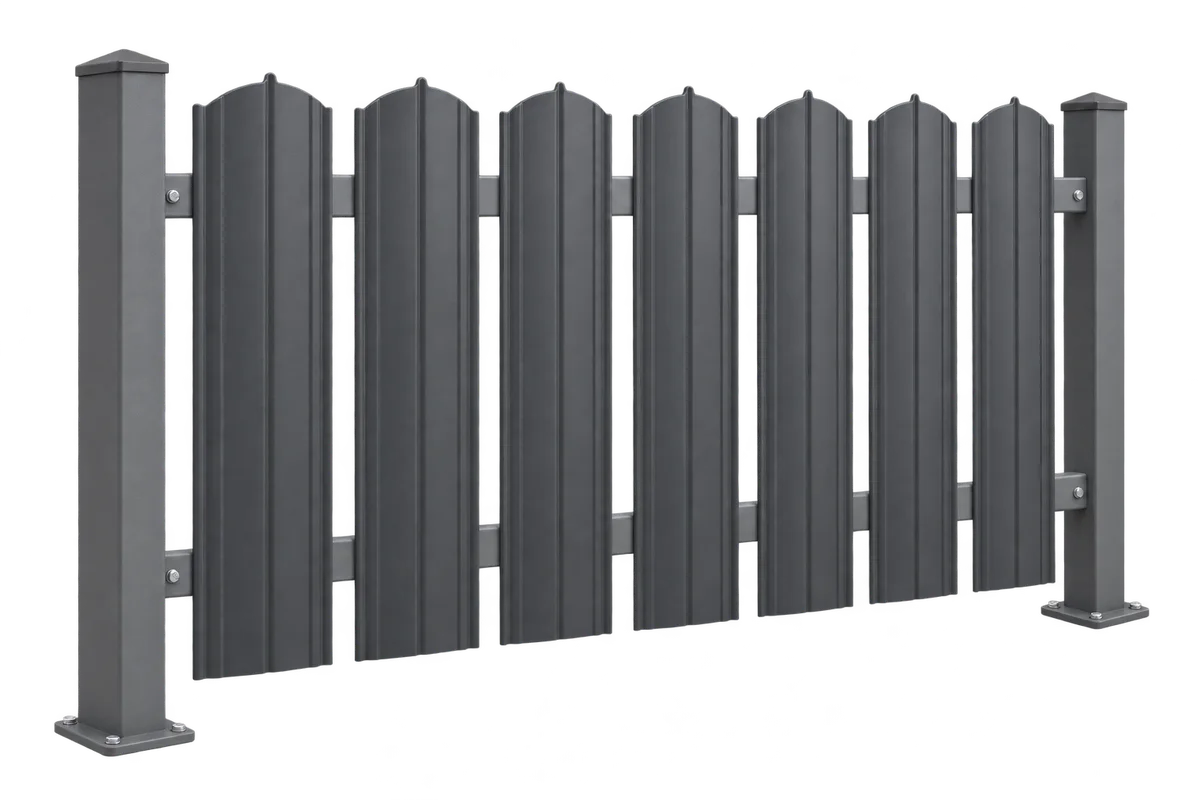
Start with one complete fence bay. Measure between the posts, choose the picket orientation and draw the gaps at both ends. A…

Plan a metal-picket fence around everyday use of the property: visibility at the gate, garden privacy and pedestrian access. Picket width, gaps…
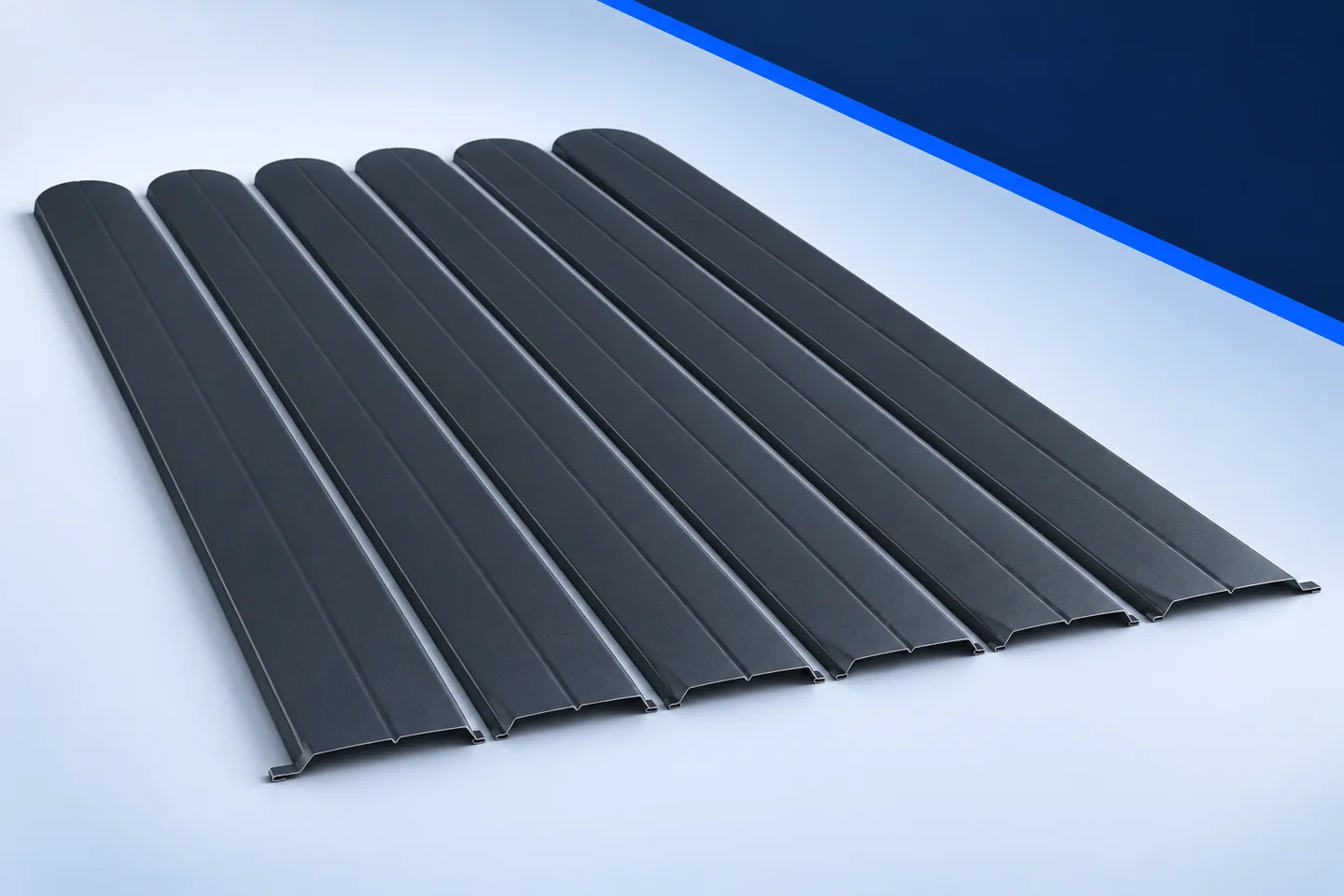
On a sound, correctly sized frame, start by checking the posts and rails: are they stable, straight, properly aligned and ready to…
Replacing the infill can change the appearance of a fence without rebuilding it from scratch, provided the existing supports are suitable. Metal…
Choose a metal picket fence panel as a combination of infill, rails, posts and fixings. Colour alone does not determine privacy or…
Uneven gaps, rust-coloured spots and a loose picket can have quite different causes. Before tightening, grinding or straightening anything, examine the layout,…

The pickets give a fence its appearance, but the frame carries the loads. Force travels from each metal picket through its fasteners…