Metal fence picket installation faults – symptoms, causes and repairs
Pickets and metal fences
Uneven gaps, rust-coloured spots and a loose picket can have quite different causes. Before tightening, grinding or straightening anything, examine the layout, connection and finish separately. Thin sheet metal is easily damaged by an unsuitable repair. Start by measuring the bay again. Check the number of pickets, end margins and actual clear gaps. Was the width of the unformed sheet used in place of the finished profile width? Even when the dimensions are right on paper, small setting-out errors can accumulate across a long row. Identifying the cause helps you correct the fault without damaging adjacent pickets.
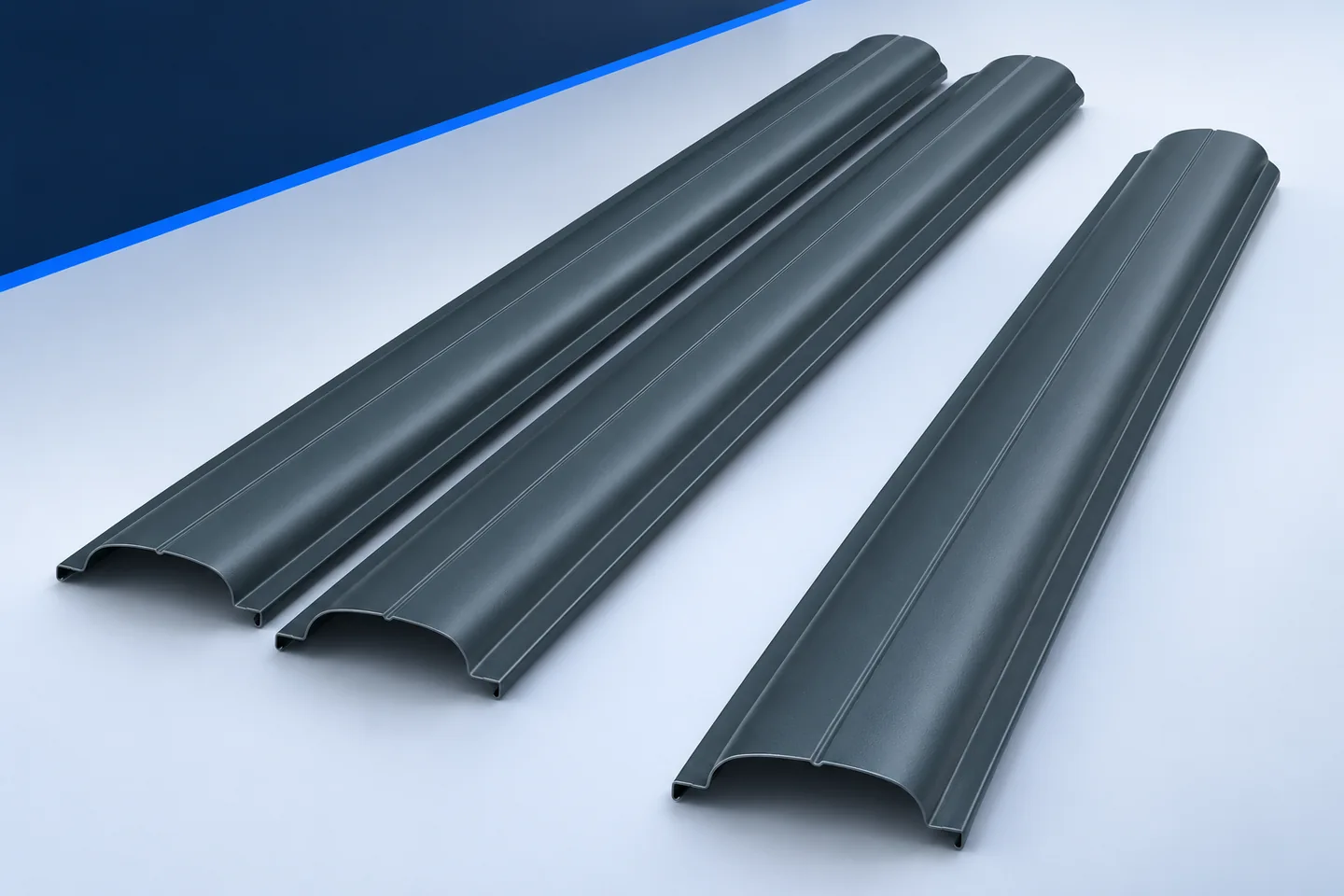
The last picket does not fit
Avoid ripping the last picket lengthwise to make it fit. Removing a folded edge changes the cross-section and finish. If feasible, redistribute the gaps across the bay. Inspect the existing holes before refitting.
The sheet is dented at the screw
Excessive pressure, the wrong fixing point or an uneven rail can cause a dent. Check where the screw head bears on the profile and whether the rail twists it out of shape. Tightening further may deepen the dent.
Straightening a fold can damage its coating. Assess the extent of deformation. Replacement may be necessary, but correct the cause first so the new picket does not suffer the same damage.
The screw turns without clamping
Inspect the thread, hole and suitability of the fixing for the rail. A longer screw does not necessarily grip better. Check the fastening requirements for the material and thickness of this particular rail.
Before drilling beside a damaged hole, check the available fixing area on both picket and rail. The repair needs to restore the intended load transfer. Agree the detail with the system supplier or installer if it is unclear.
Rust-coloured specks on the coating
Swarf left after drilling can rust on the surface. A spot alone does not establish how far the damage extends. Gently clean the area as specified for the coating, then inspect the surface underneath.
Avoid sanding a whole section on the evidence of one stain. Abrasion can destroy sound paint. Distinguish a deposit from surface damage or deeper material loss before choosing cleaning, touch-up or replacement.

A long picket flexes or rattles
Check support spacing, missing fixings and loose connections. For horizontal runs in particular, verify the permitted span. The longest length the factory can supply does not establish the allowable unsupported span.
Filling gaps with foam or glue to stop a rattle can obstruct maintenance and trap material against the finish. Inspect the supports and fixings. A structural fault needs to be addressed at the support or connection.
Colour varies between bays
Compare coating type, texture and batch. Dirt and lighting also affect appearance. Clean the samples and compare under similar light rather than comparing a shaded bay with one in direct sun.
Later deliveries can differ slightly in shade. A touch-up paint chosen at random may leave a larger visible patch. Recolouring a broad surface requires a method compatible with the original finish.
The lower ends stay wet and dirty
Check whether the ground level has changed. A raised bed or accumulated leaves may have filled the intended clearance. Clear the material that keeps moisture against the lower ends of the sheet metal.
If the problem returns, check irrigation spray and runoff. More frequent washing may do little. Before shortening every picket, identify what has changed on site and check how cutting would affect the layout and fixings.
Correct the method before replacing the material
Record the symptom, location and conditions when it occurs. Compare the installation with the product instructions. If the fault comes from a repeated installation step, replacing one picket without correcting that step may give only temporary relief.
Coated steel pickets can be maintained and repaired when the defect is correctly identified. Consider both material and installation. A sound diagnosis helps restore the appearance without dismantling an entire fence unnecessarily.
After the repair, inspect neighbouring pickets and remove swarf from the work area. Record what was repaired so the next inspection can distinguish a fresh change from a mark already assessed.

Free quote
What to include in your enquiry
Tell us how you plan to use the material, the dimensions and the quantity you need. Include the thickness, grade or variant name, along with the delivery town or your preferred collection branch. For a specific product, add its name or a link to the product page. We will reply to the email address you provide to discuss availability and the terms of your order.
More from the building guide
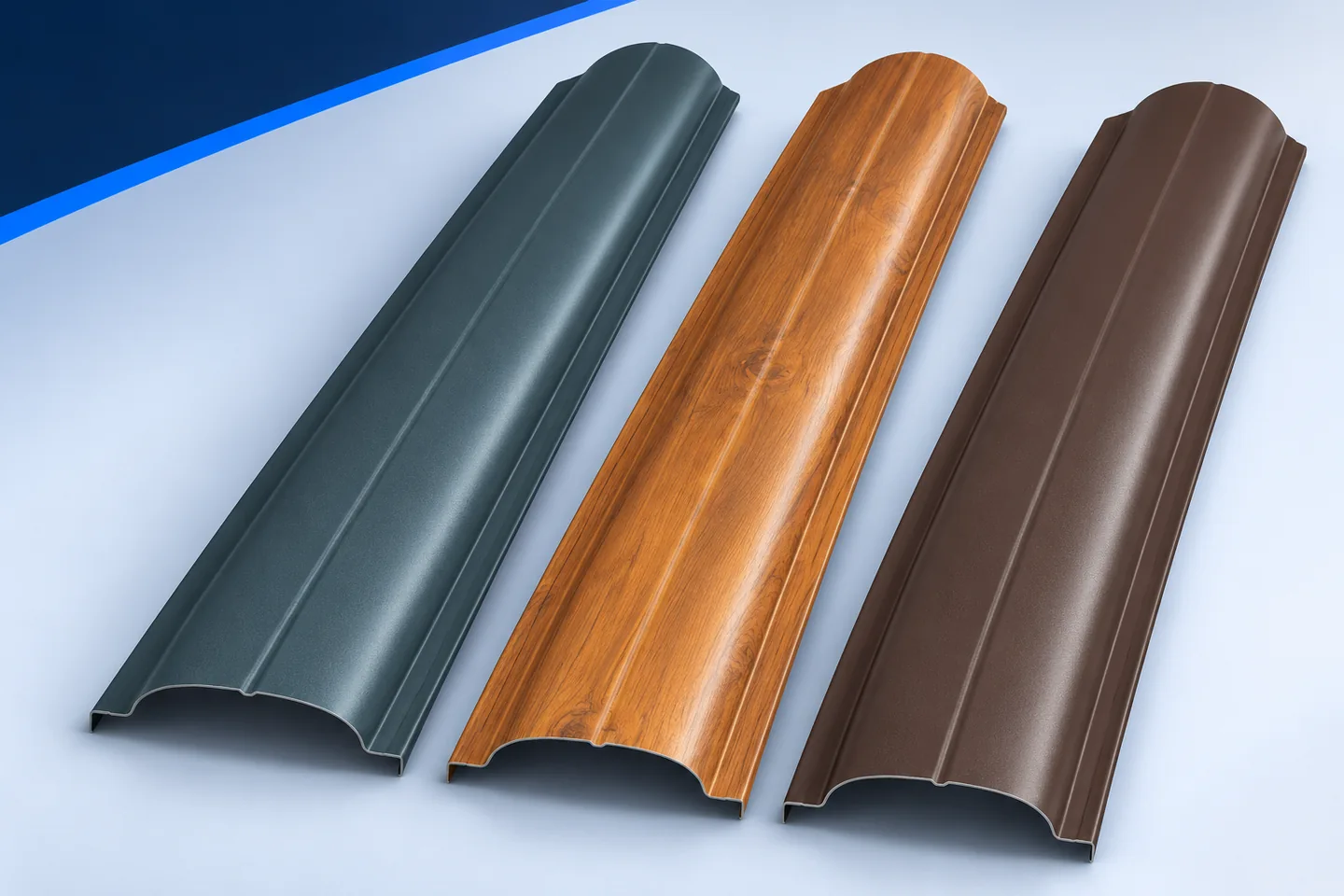
Before laying metal fence slats horizontally, check that the manufacturer permits that orientation. Turning a vertical picket on its side changes its…
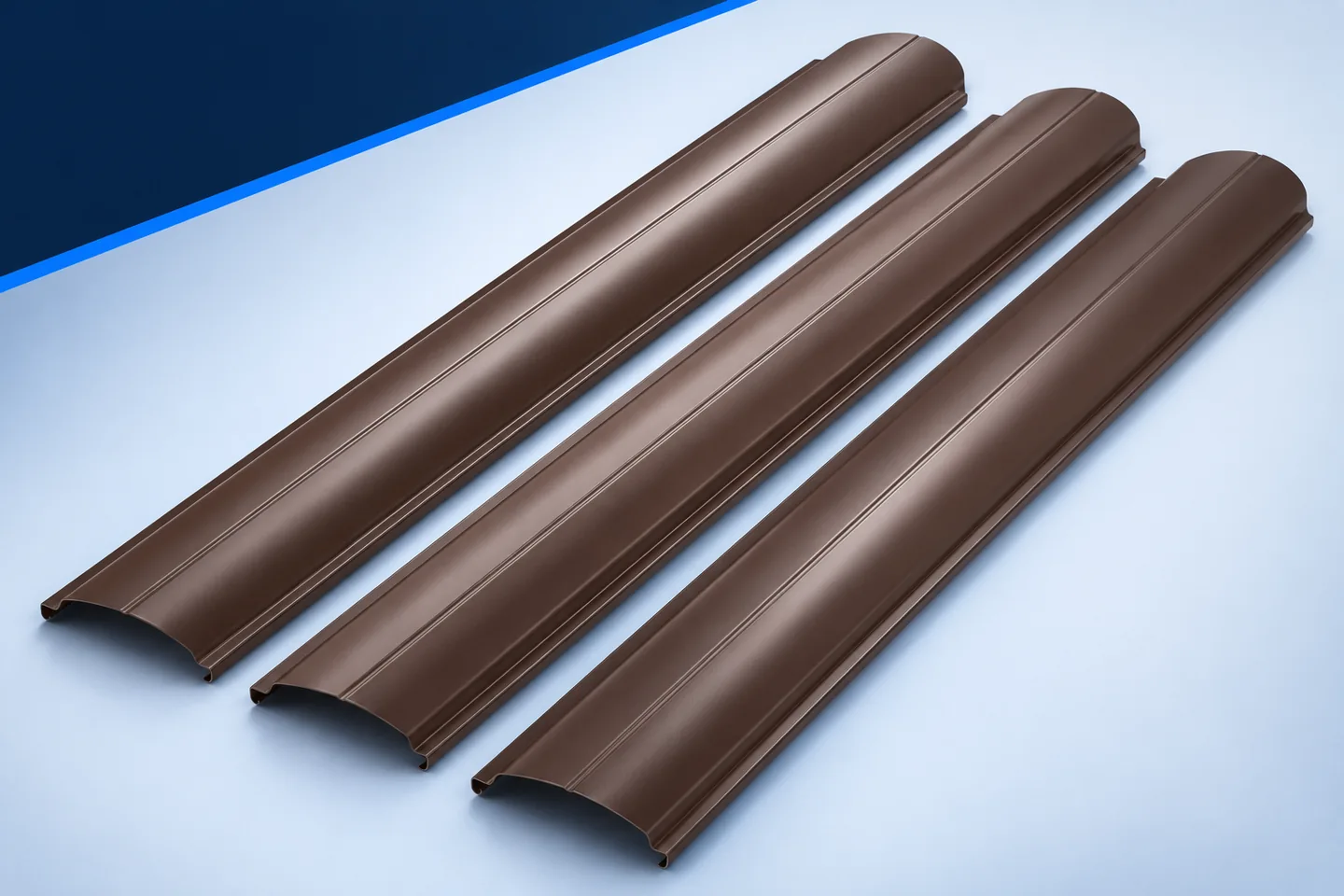
Vehicle and pedestrian gates can match the fence, but they do not behave like fixed bays. Each leaf opens and closes on…
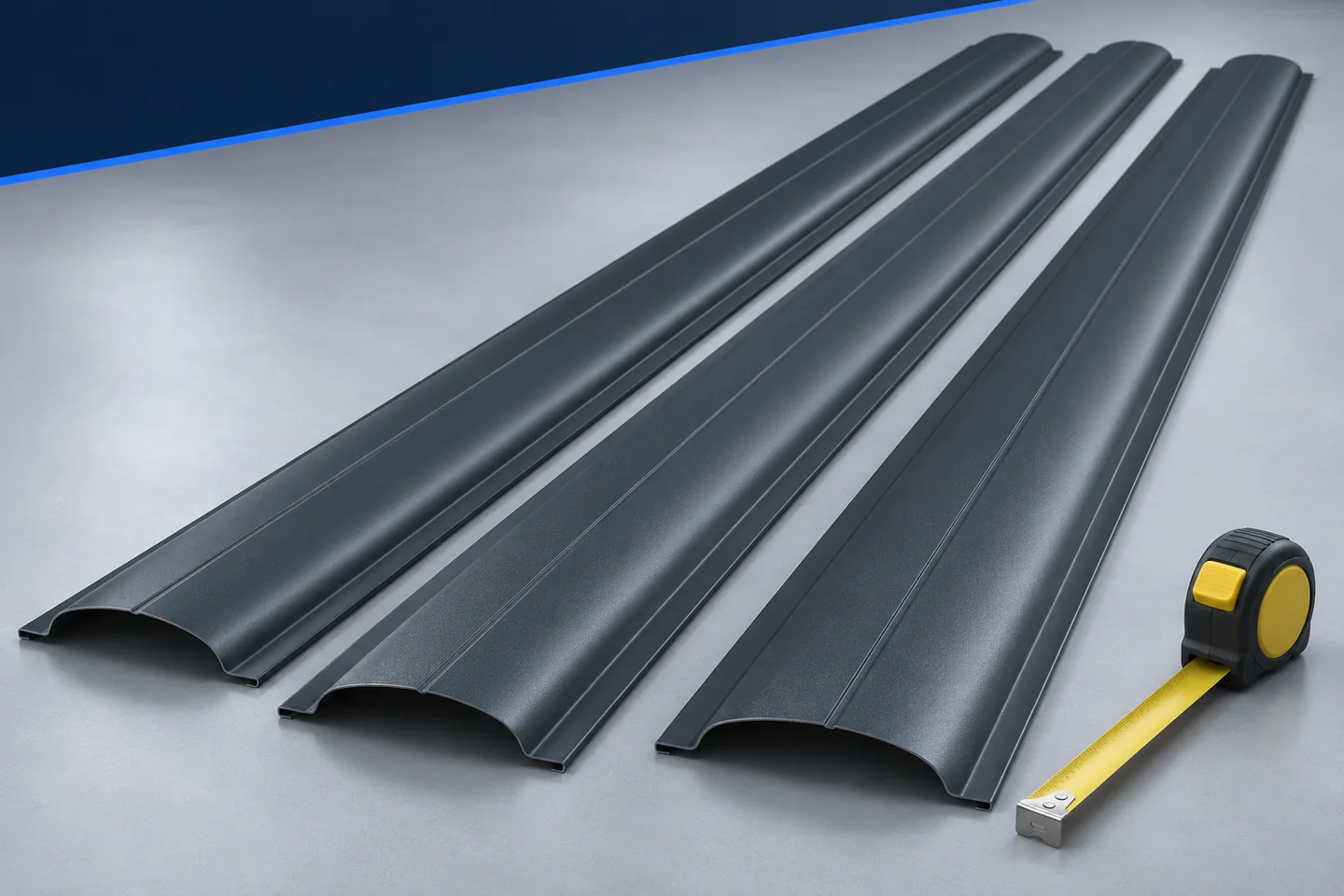
Measure each bay, pedestrian gate and vehicle gate separately before ordering made-to-length metal pickets. The length of the site boundary tells you…

Square-cut and rounded tops create different fence lines, but the end detail involves more than choosing a shape. Inspect the side folds,…
Set out the entire bay before fastening the first metal picket. Measure the clear infill width, choose the margins at both posts…

The pickets give a fence its appearance, but the frame carries the loads. Force travels from each metal picket through its fasteners…

Ordering pickets to their finished length avoids most site cuts. If a piece appears too long, compare it with the bay drawing…

A matching screw head makes a neat finish, but colour tells you nothing about whether the fixing will hold. Start with the…