






New metal pickets on old posts: planning a fence refurbishment
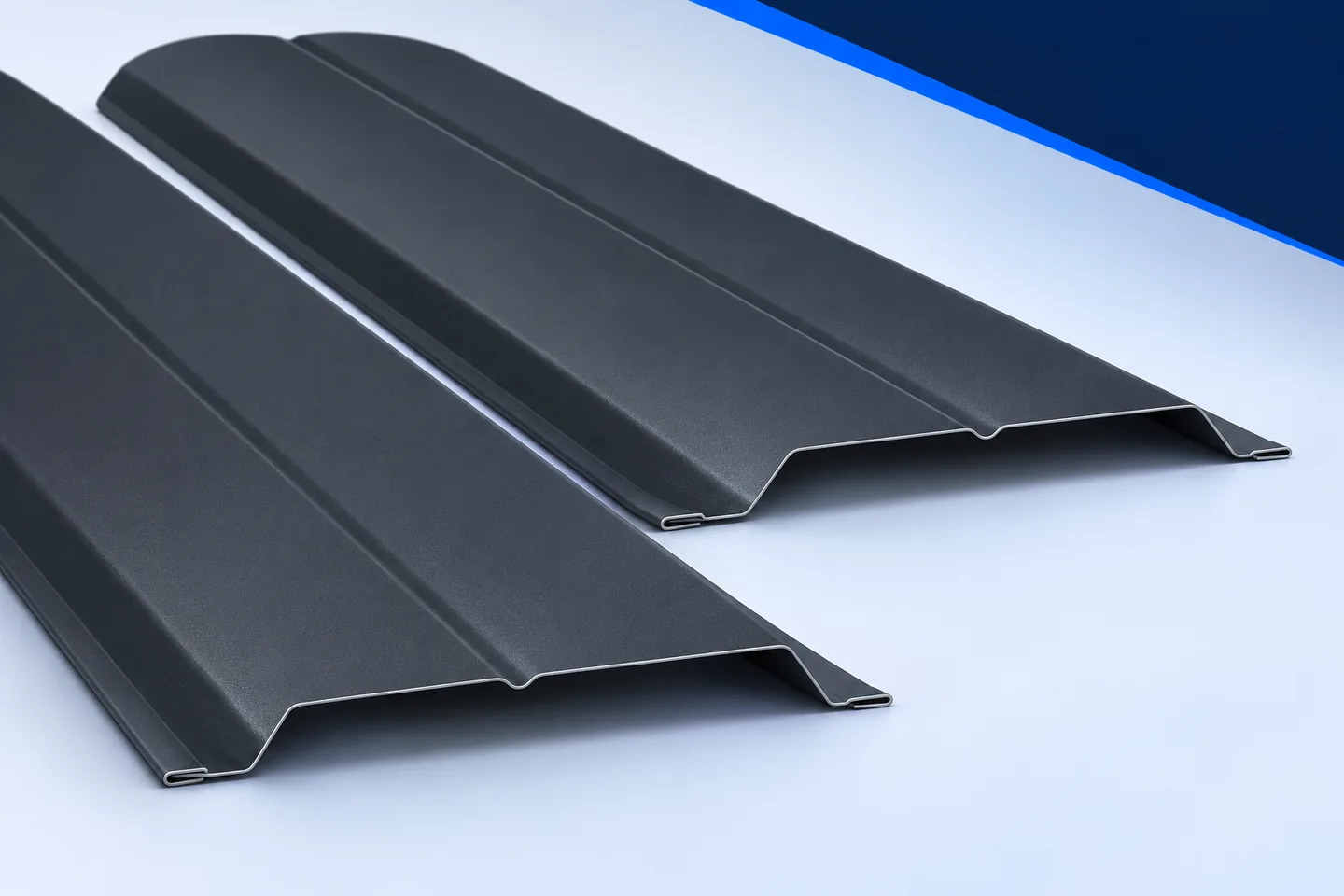
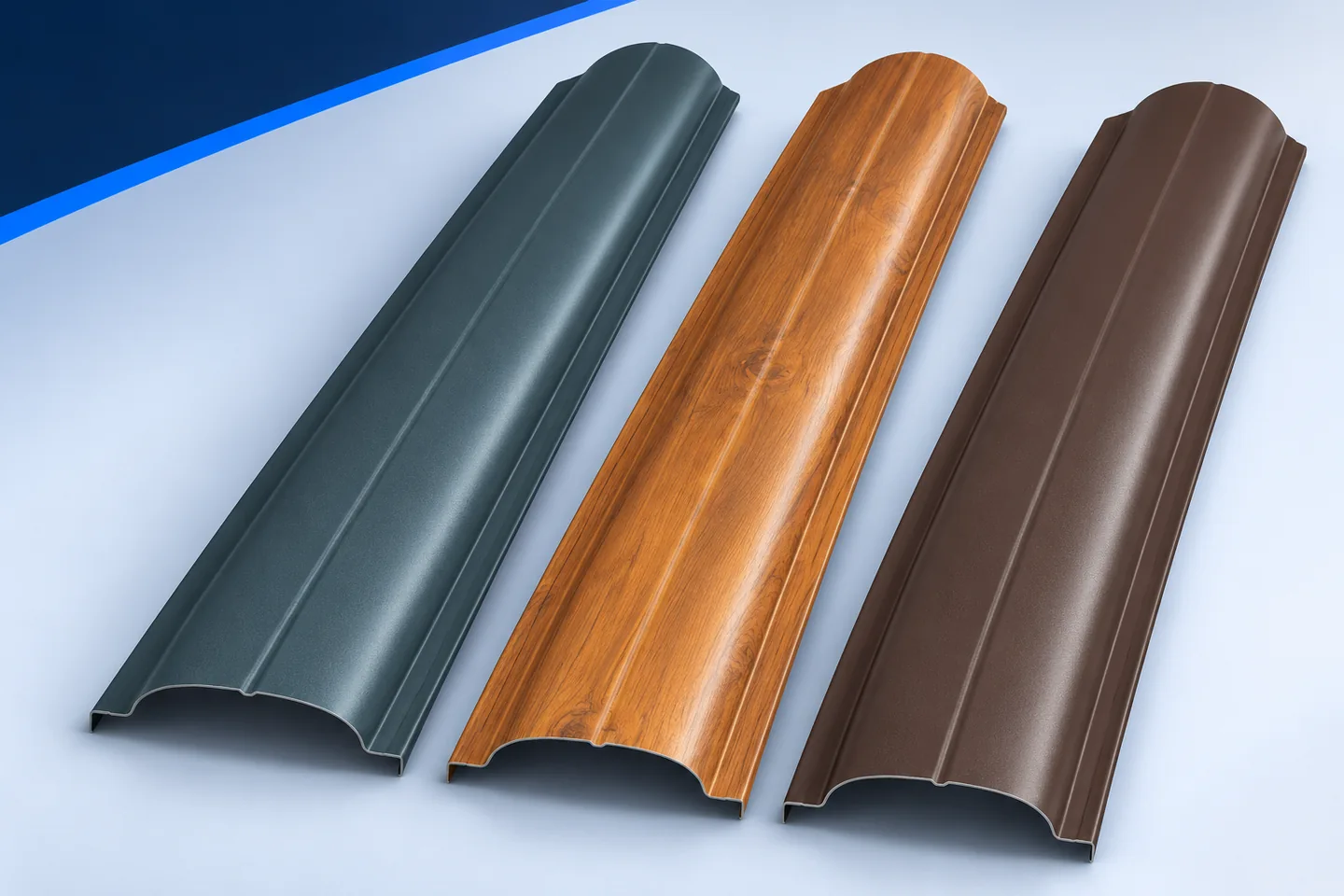
Metal fence pickets and fencing
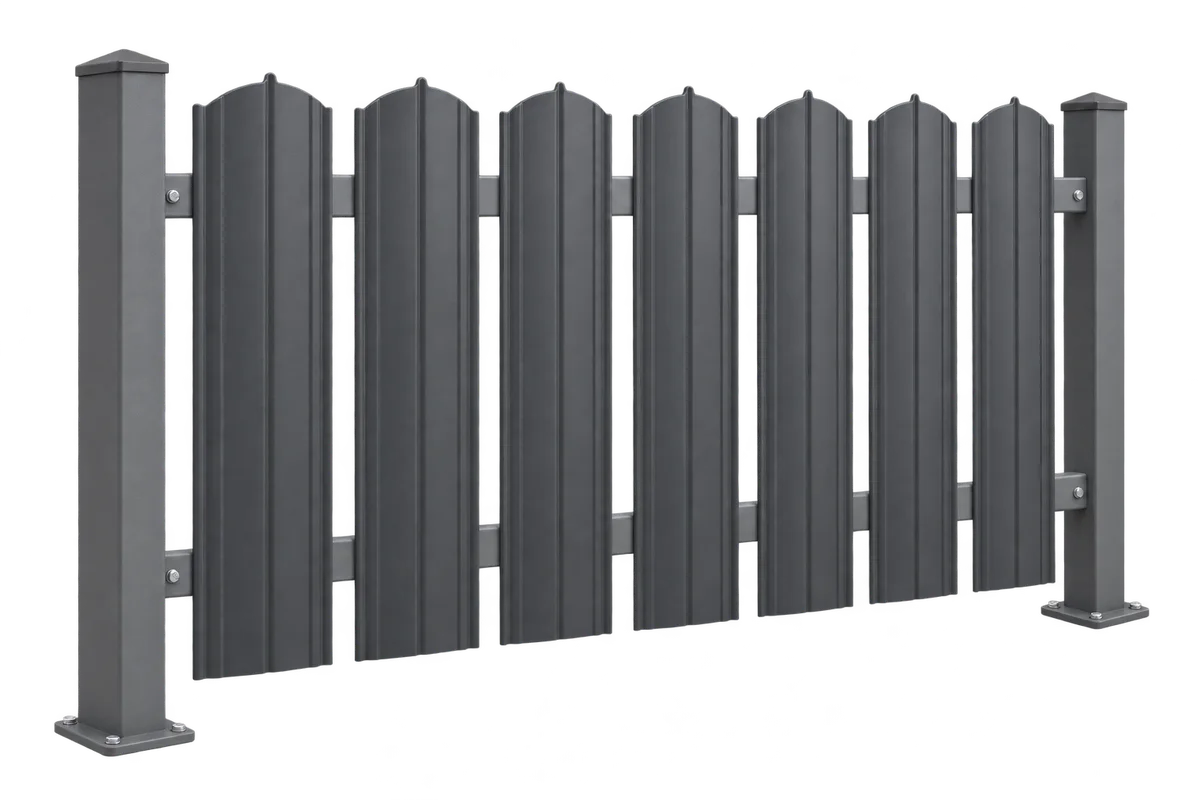
Replacing the infill can change the appearance of a fence without rebuilding it from scratch, provided the existing supports are suitable. Metal pickets will not strengthen worn posts or repair damaged foundations. Inspect the entire fence before ordering: look for loss of material, corrosion and leaning posts, especially near the ground and at rail connections. Fresh paint can disguise a defect without fixing it. Reuse a post only after checking its condition and whether it can take the loads from the proposed infill and its fixings.
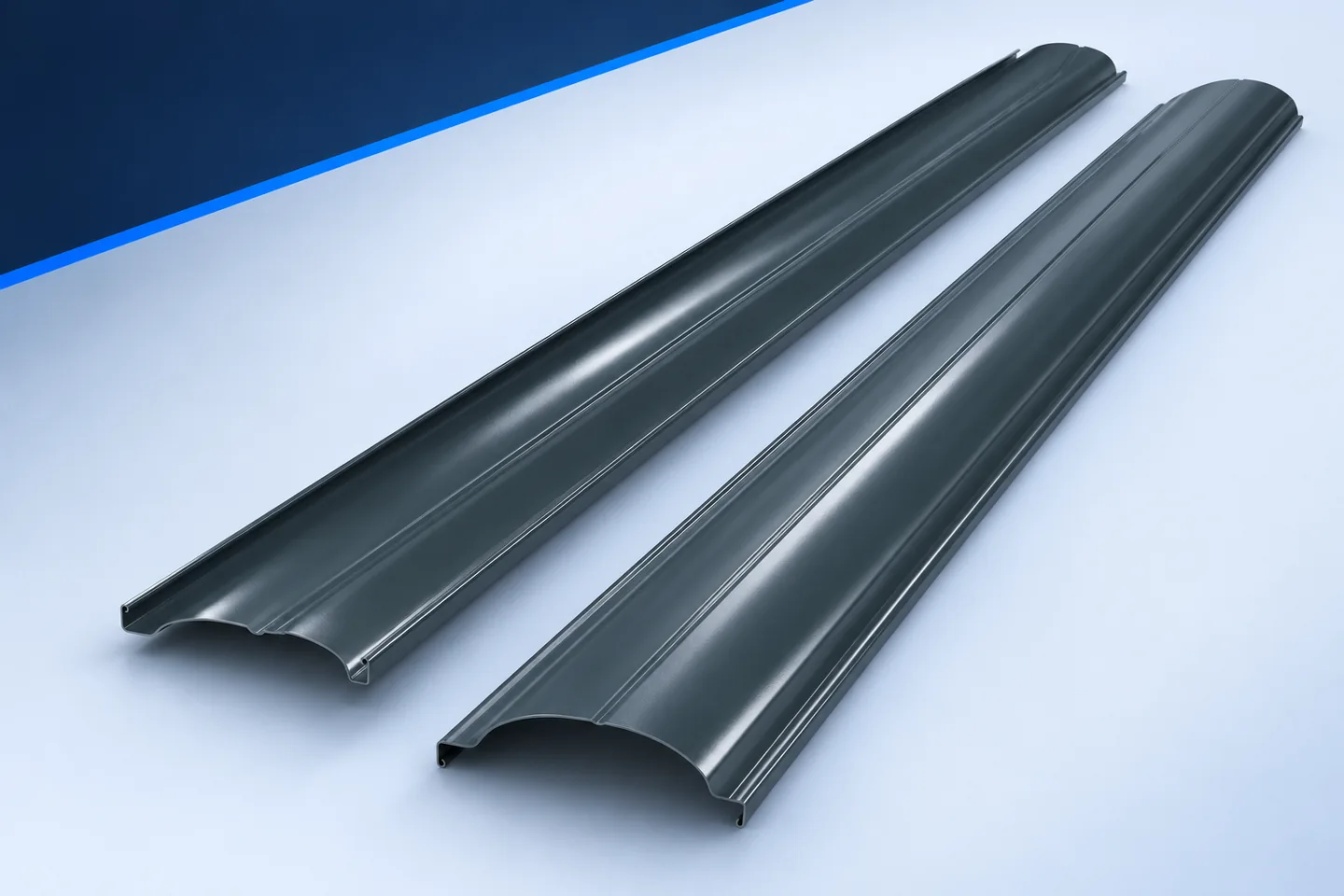
Inspect each post from base to top
If a post moves in the ground, establish whether the post itself, its anchorage or the surrounding soil is responsible. Do not use the new infill as makeshift bracing. Resolve structural doubts before fixing the new pickets.
Compare the old and new infill
A frame that carried widely spaced boards may not suit a denser arrangement. Narrower gaps change the area exposed to wind. A second row of pickets also requires reassessment, even if the new infill weighs about the same.
Sheet-metal pickets can be light, but height, bay span and exposure affect the forces on the complete fence. For substantial changes, have a competent designer assess the frame and distinguish a cosmetic alteration from a change in loading.
Survey the existing frame afresh
Post spacings and rail heights may vary. Measure each different bay individually. Old infill can conceal irregularities that become much more apparent with the repeating lines of new profiles.
Set the intended top line and ground clearance. Landscaping or new paving may have changed the finished level, so do not order pickets from measurements taken before that work. A fresh survey is the basis for reusing the frame.
Prepare the rails for new fixings
Check the section, condition and straightness of the rails. Plot old holes against the new fixing positions. Closely spaced or randomly placed holes can compromise a connection; an unoccupied patch is not necessarily suitable for a screw.
Choose fasteners for the material and thickness of the supporting rail. A fixing intended for a different substrate may not work. Complete any repairs or surface treatment before mounting the pickets, while the contact faces are accessible.

Check compatibility at contact surfaces
Coated steel pickets can be attached to an older steel frame where the design and surface condition permit it. Do not clamp a factory finish against dirt, loose rust or uneven layers of old paint. Prepare the surfaces and joints for the selected system.
Where different metals meet or damp exposure is significant, check the interface. Improvised spacers and sealants can change how a fixing works or trap water. The detail should suit the actual combination of materials.
Install a trial bay
Use the first bay to assess new pickets against the old posts from both street and garden. Check the margins, line of the ends and visibility of the rails. Differences in colour and gloss may stand out more once the infill is in place.
A trial also helps estimate labour. Removal, cleaning and preparation can take longer than fastening the new pickets. Use this to schedule the work, but select the correct fixing technically before the trial; a sample bay is not a test of arbitrary fasteners.
Retain only serviceable components
Some posts and rails may be fit for reuse while others need replacement. Decide by section, taking account of both condition and anticipated loads. Refurbishment need not mean preserving or removing the whole fence.
New metal pickets improve the appearance when installed on a properly prepared frame. Replacing the strips is the final operation, following inspection, measurement, selection of fasteners and repair of the components that will remain in service.
Document the initial condition
Photograph posts, foundations and rail connections, and identify sections needing repair. The installer’s quotation and materials order can then refer to the same scope, including whether preparing the old frame is covered as well as fitting the pickets.
Where only selected posts are renewed, check their alignment with those retained. An unintended step in the plane of the infill will show. Order pickets once dimensions of the prepared frame are confirmed, or work to explicitly agreed construction tolerances.

Free quote
What to include in your enquiry
Tell us how you plan to use the material, the dimensions and the quantity you need. Include the thickness, grade or variant name, along with the delivery town or your preferred collection branch. For a specific product, add its name or a link to the product page. We will reply to the email address you provide to discuss availability and the terms of your order.
More from the building guide
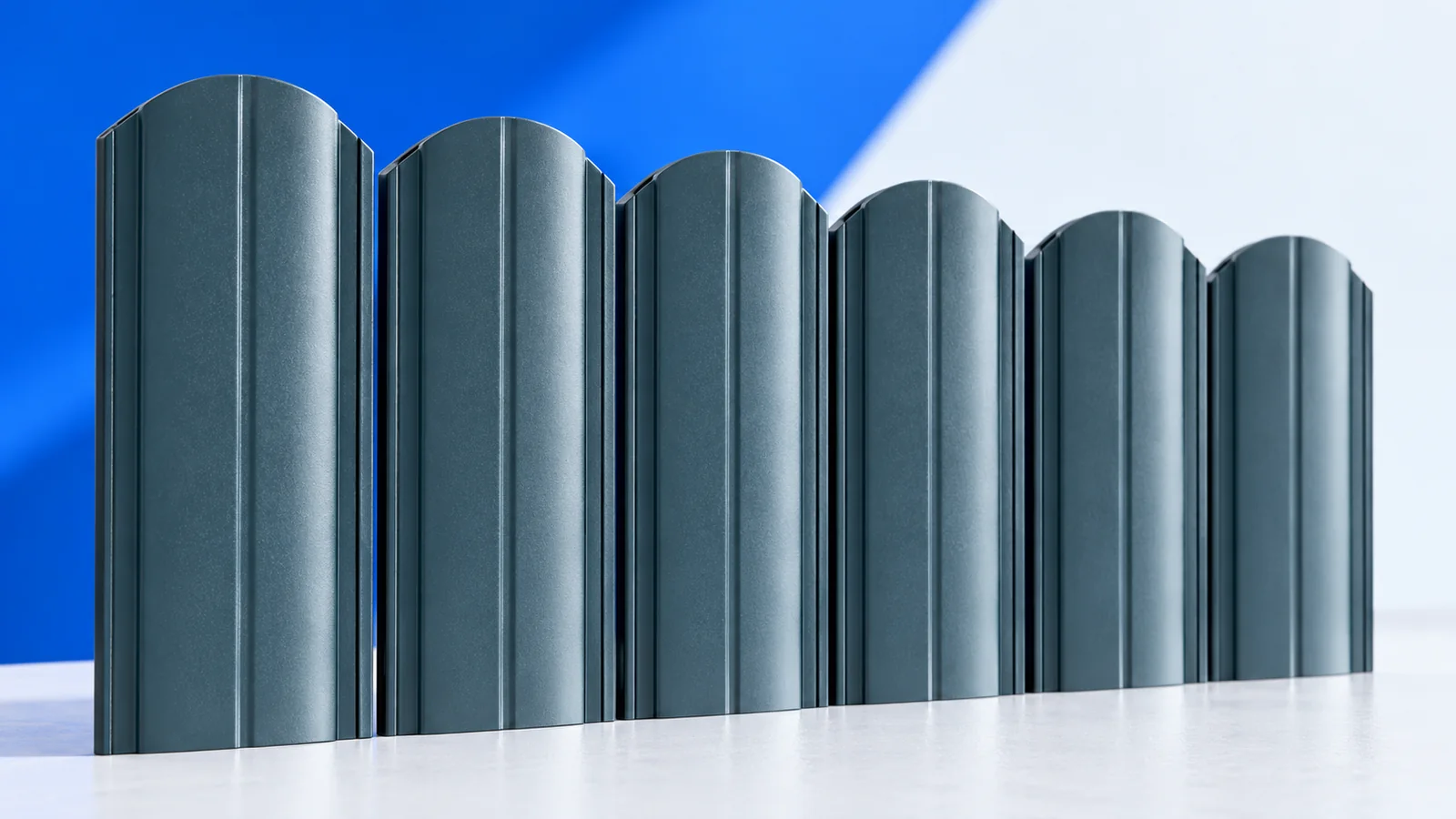
Plan a metal-picket fence around everyday use of the property: visibility at the gate, garden privacy and pedestrian access. Picket width, gaps…
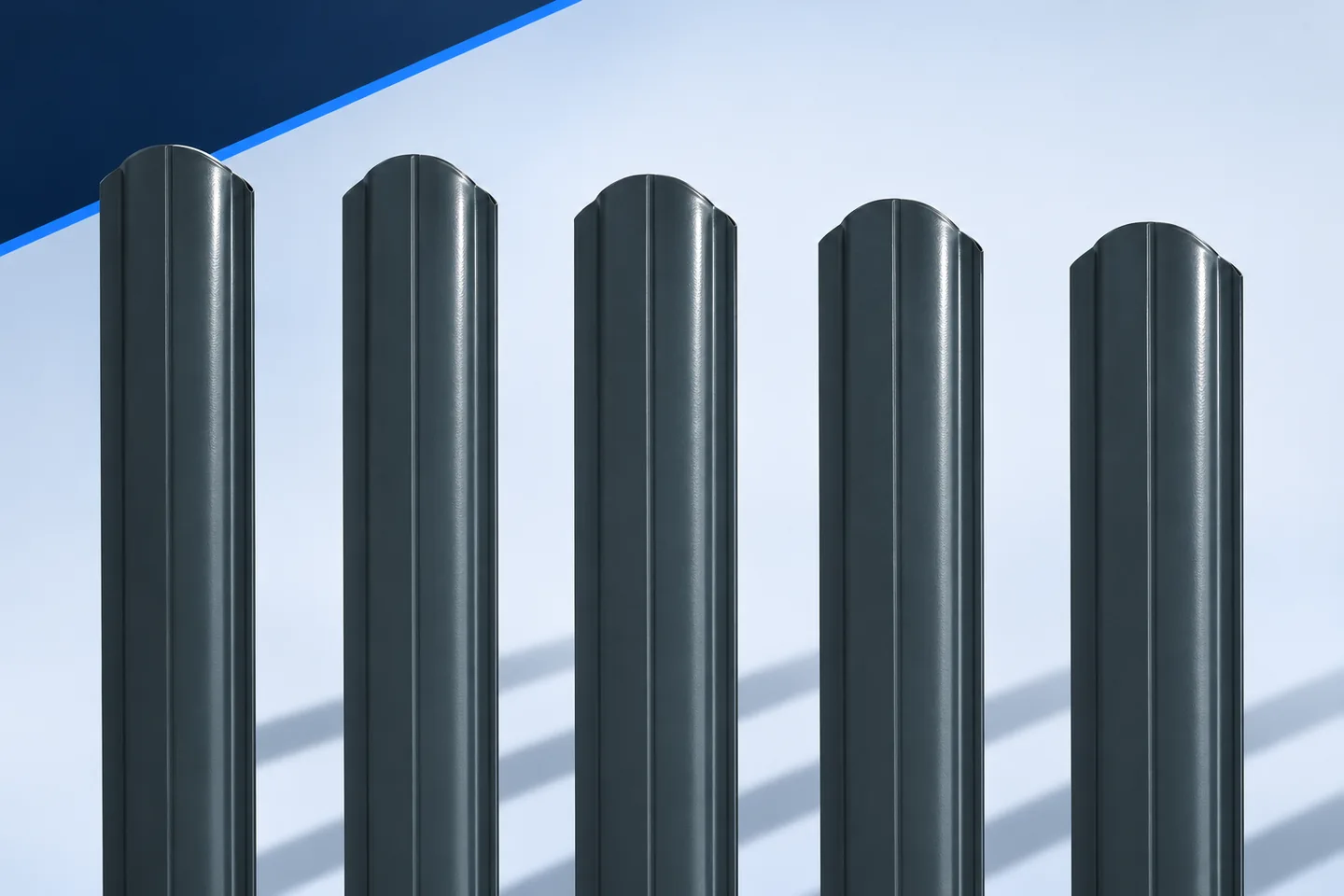
Ordering pickets to their finished length avoids most site cuts. If a piece appears too long, compare it with the bay drawing…

Assess metal pickets on a trial fence panel showing the gaps, both coated faces and access to fixings. Their benefits include manageable…
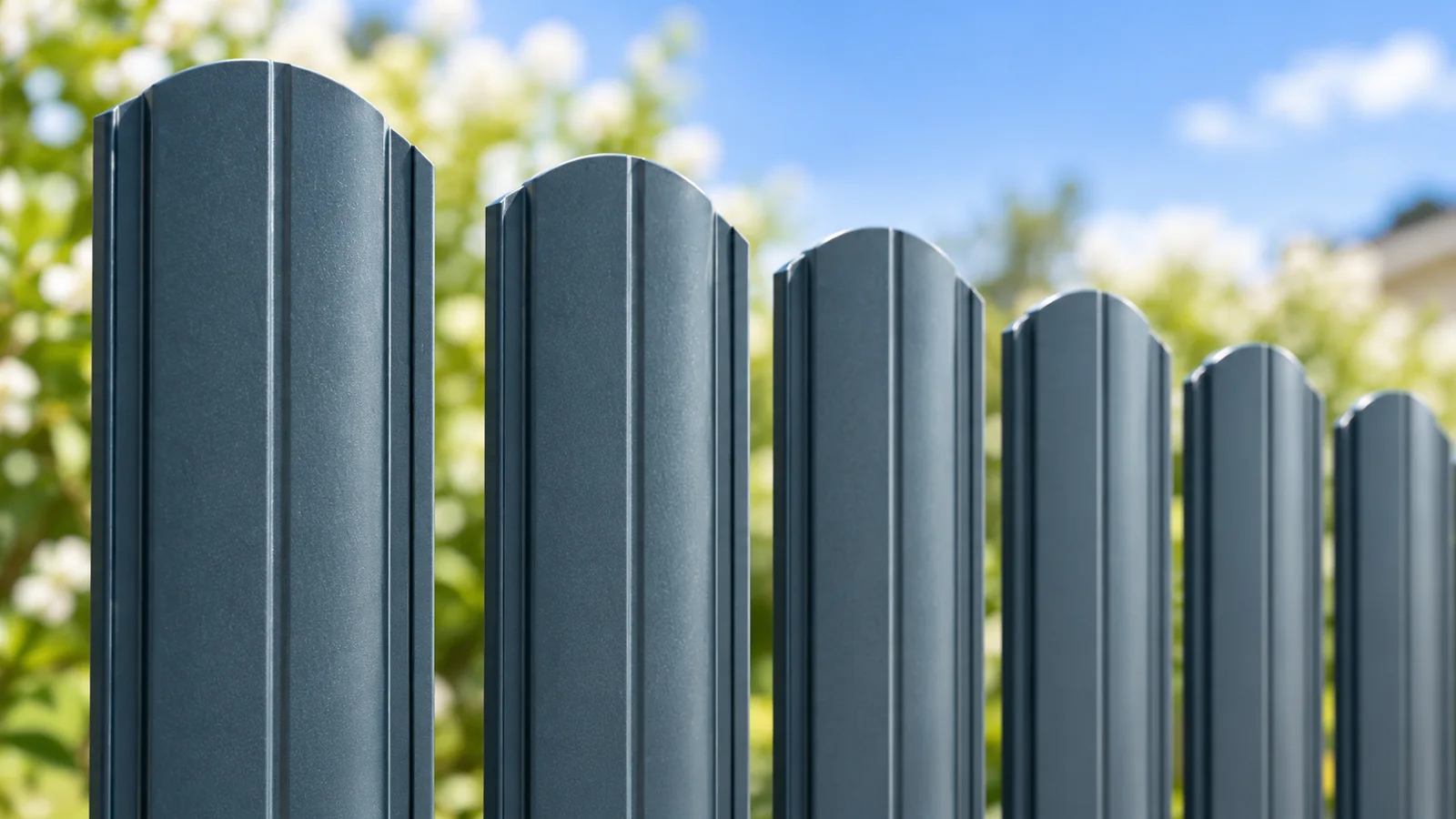
Assess a metal picket fence as a complete arrangement of posts, rails and infill. The pickets determine colour, rhythm and screening, but…
A staggered fence has pickets on both faces of the frame, with the second row offset to cover gaps in the first.…
Before laying metal fence slats horizontally, check that the manufacturer permits that orientation. Turning a vertical picket on its side changes its…

A matching screw head makes a neat finish, but colour tells you nothing about whether the fixing will hold. Start with the…
Start with one complete fence bay. Measure between the posts, choose the picket orientation and draw the gaps at both ends. A…