Replacing mineral wool with PIR in a loft: what about fire and noise?
PIR insulation
PIR can save headroom in a loft, but a thickness comparison only answers the thermal question. For example, at conductivities of 0.022 and 0.037 W/(mK), 10 cm of the first material gives approximately the same layer resistance as 16.8 cm of the second. These are illustrative values for layers, not ratings for finished roofs. Compare the thicknesses that meet the same thermal target, then check the complete roof separately for fire performance, noise and moisture. Whether replacing wool makes sense depends on the available space and what the existing wool does in that particular roof.
Compare specific thicknesses and conductivities
Compare the chosen PIR board with a named mineral wool product. Identify the space you actually gain, such as clear height in the loft or room at a window reveal. This shows what practical benefit the price difference buys.
Check reaction to fire separately
Penetrations, joints and protective linings influence the performance of the complete assembly. Replacing wool with PIR may take it outside its classification. Check the scope rather than making the decision on thickness and price alone.
Ask the designer which fire requirements apply and what evidence covers the proposed roof. A PIR board and a finished roof are distinct subjects of assessment, and the particular wool product and use matter too. A substitution must retain any required function.
Thermal insulation is not a sound rating
In a bedroom under the roof, identify the source: rain striking the covering, speech through a wall and footsteps on the floor are different problems. Ask for evidence for the relevant assembly, including its linings, junctions and vibration-isolating layers. Neither conductivity nor board stiffness predicts noise in the room.
Mention noise before choosing the insulation. Good thermal performance does not guarantee quiet. A PIR roof may need a different acoustic detail from a wool-filled one. Compare assemblies including their linings and installation methods against both requirements.
Rigid boards and flexible infill fit differently
Trace the insulation from eaves to ridge. Where rafters interrupt it, the timber creates repeating heat-flow paths. A continuous over-rafter layer changes resistance along those paths too, but edges and openings still need detailing. Wool can also be laid in more than one layer, so compare the insulation paths in both designs.
Inspect the geometry with the installer. Uneven framing requires different cuts in rigid boards from the fitting of flexible batts. Neither should be forced into place or left with gaps merely hidden by another layer. Ask for details at the perimeter and openings.
Vapour and moisture depend on the whole section
Do not enclose damp existing wool beneath new boards before checking its condition. The source of a leak may need repair or damaged material may need replacing. Saving thickness is no reason to conceal an unresolved defect.
Ventilation must remove indoor moisture; the roof or wall cannot perform that job. The assembly also needs correctly detailed air and vapour control. During renovation inspect the old layers rather than covering wet material behind the new finish.
When combining materials makes sense
Set the same acceptance criteria for both loft quotes: thermal performance, noise control and finish. If one includes a ceiling with an extra acoustic layer, add the cost of achieving the same function to the other. Include labour, fixings and flashings before comparing the cost of the finished room.
Different parts of the house may call for different materials. PIR may solve a space constraint while wool serves another purpose. Design the junctions and check how any added layer affects heat and moisture in the existing assembly before combining them.
What to settle for your loft
In a loft suffering from both overheating and noise, assess each problem separately. Replacing wool with PIR may change acoustic behaviour. A favourable thermal result alone cannot justify a promise of unchanged quiet.
List the space available, comfort requirements and extent of the renovation. Request two solutions satisfying the same brief; include finishing work, accessories and labour. PIR can be particularly useful in tight details and wool has advantages elsewhere. The choice should explain what works for your house.

Free quote
What to include in your enquiry
Tell us how you plan to use the material, the dimensions and the quantity you need. Include the thickness, grade or variant name, along with the delivery town or your preferred collection branch. For a specific product, add its name or a link to the product page. We will reply to the email address you provide to discuss availability and the terms of your order.
More from the building guide
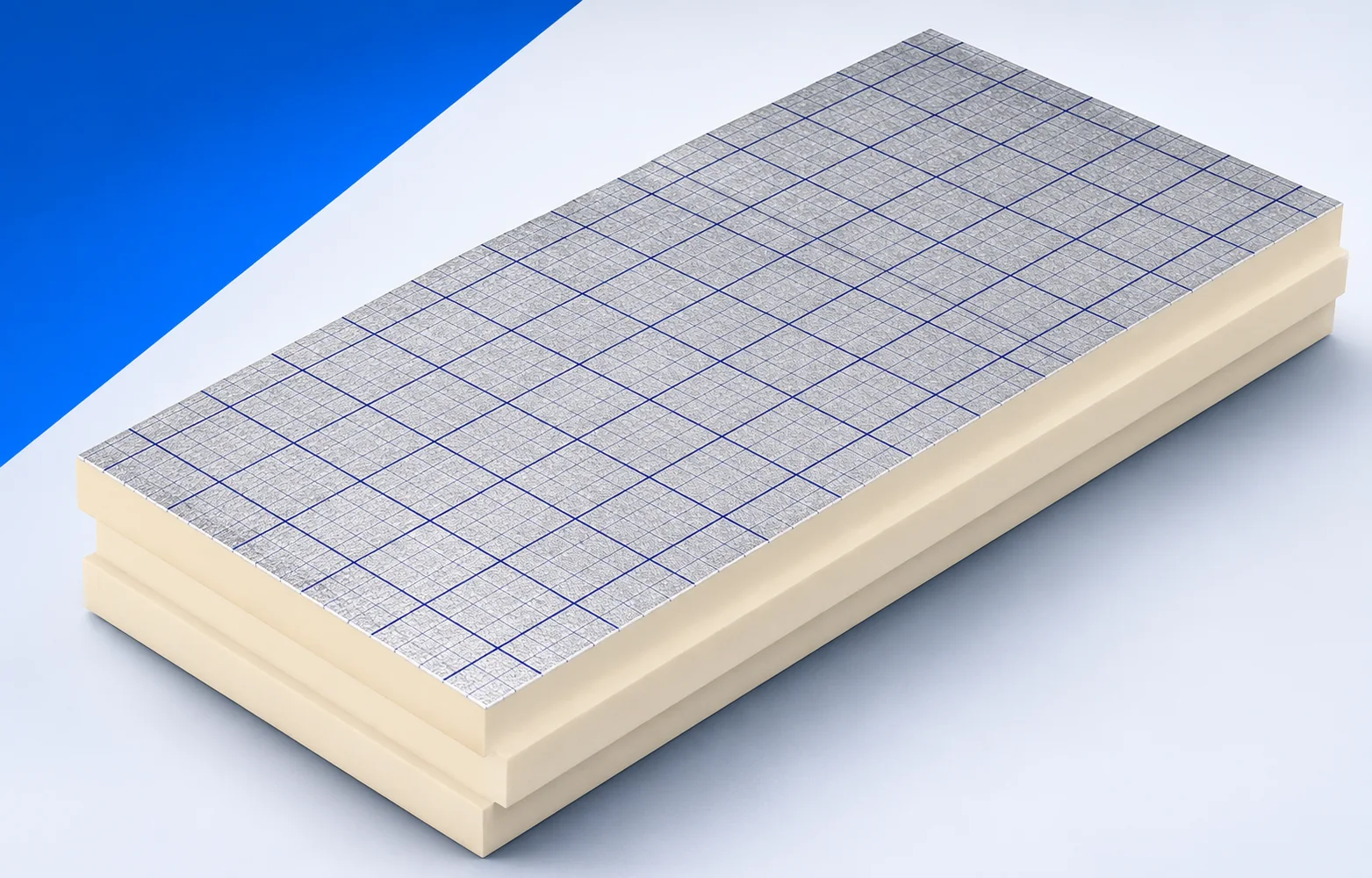
swissporPIR Alu is a PIR insulation board with a laminated facing. Its silver surface does not make it a self-supporting roof panel…
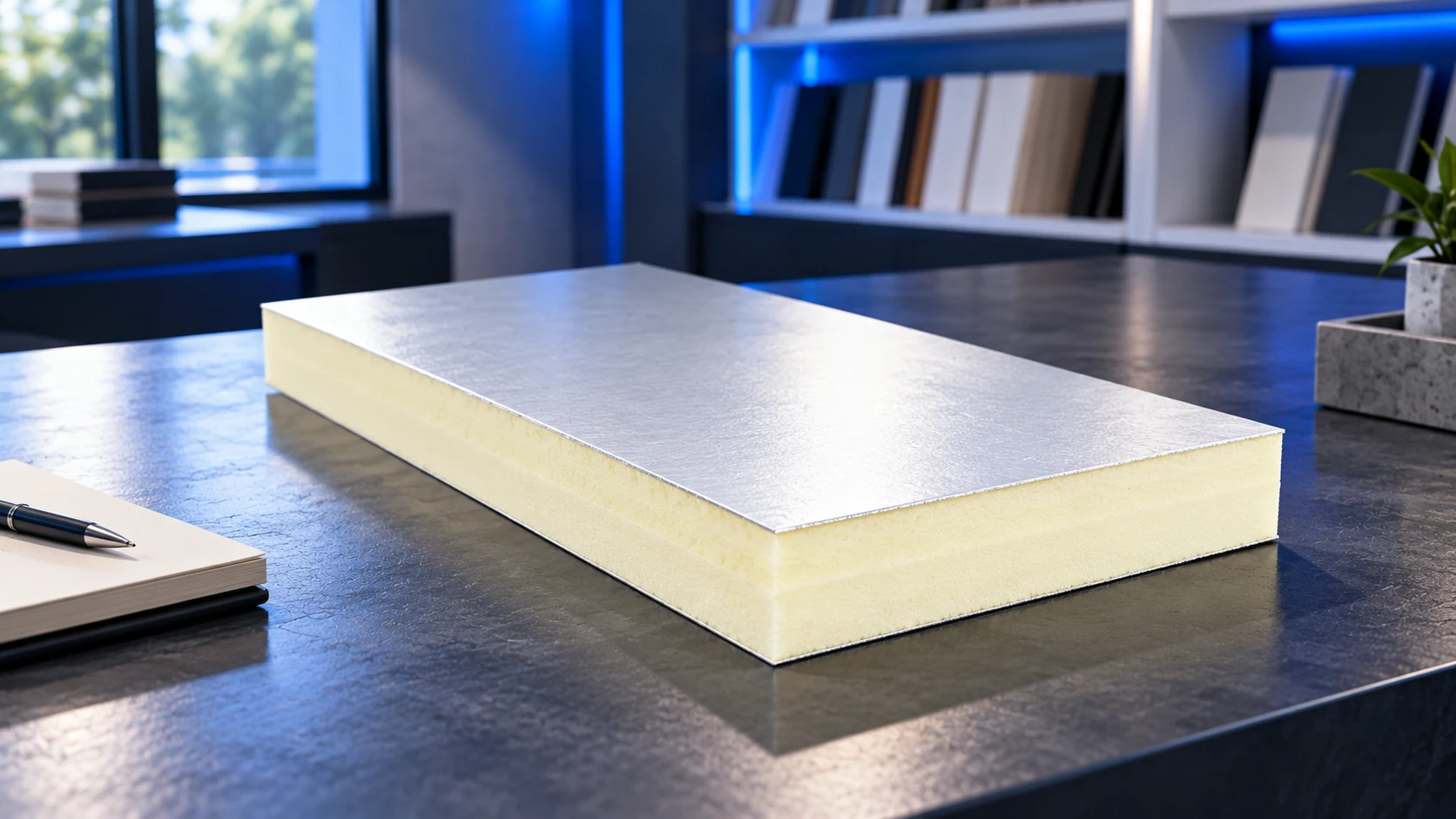
Insulation selection starts with its position in the building. A rendered wall, a roof and a continuously loaded floor impose different requirements.…
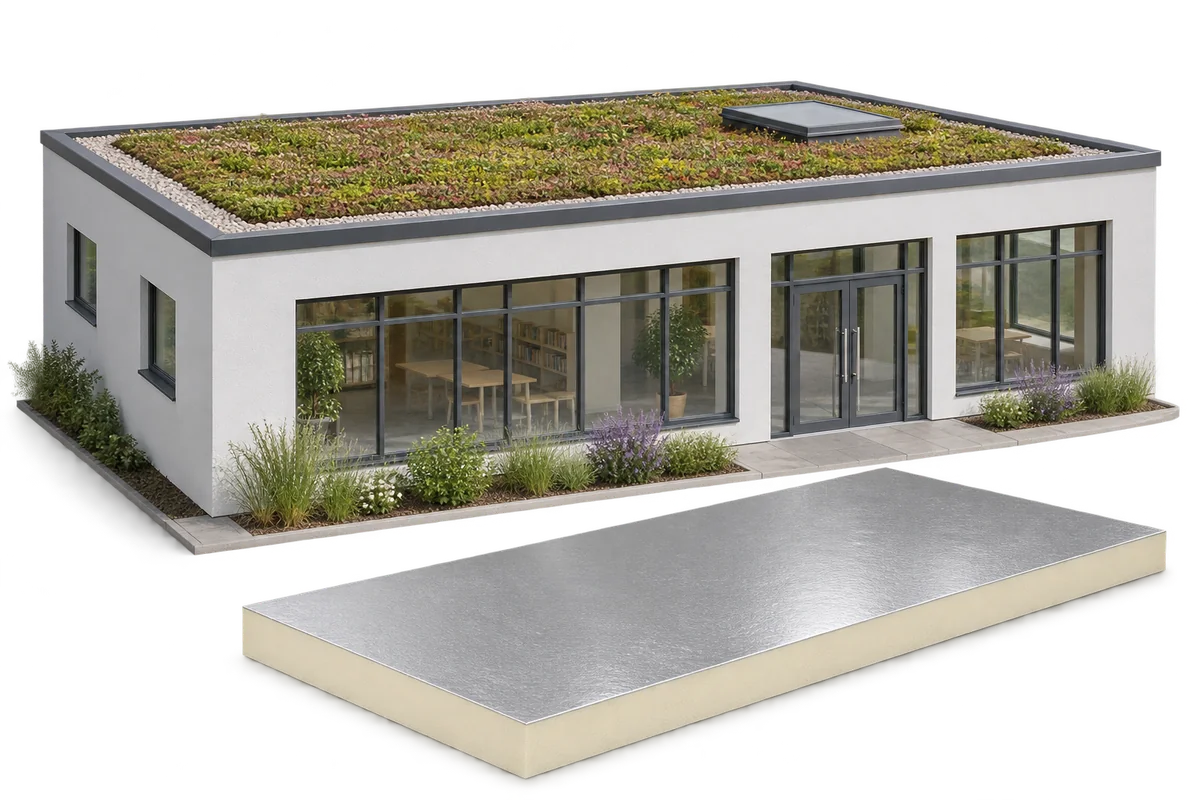
The scope of renovation of a nursery's green roof should cover the structure, thermal insulation, protection against water and roots, and later…
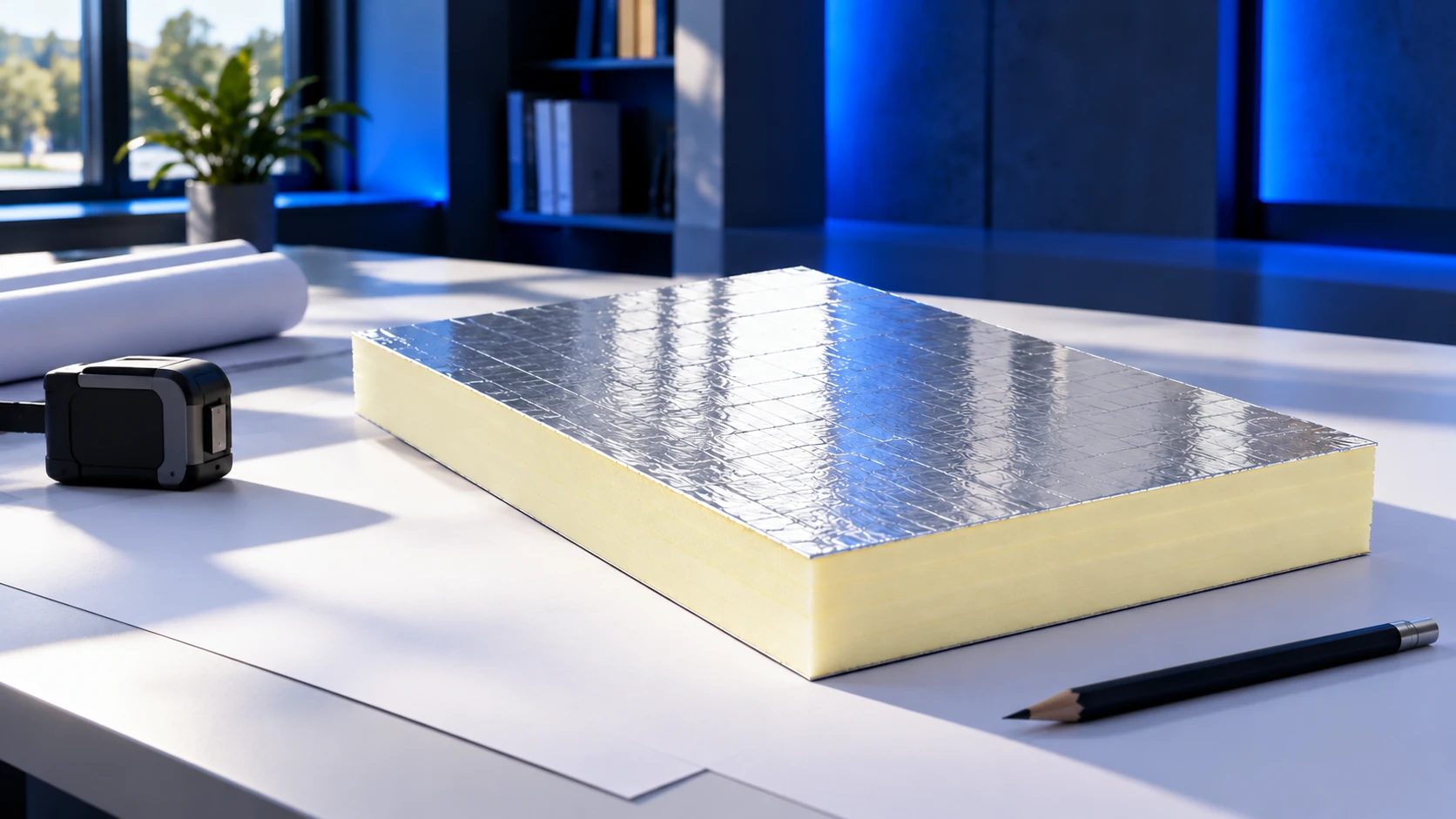
A calculator can quickly produce a wall's U-value, but it cannot inspect the masonry, check airtight junctions or identify every moisture risk…
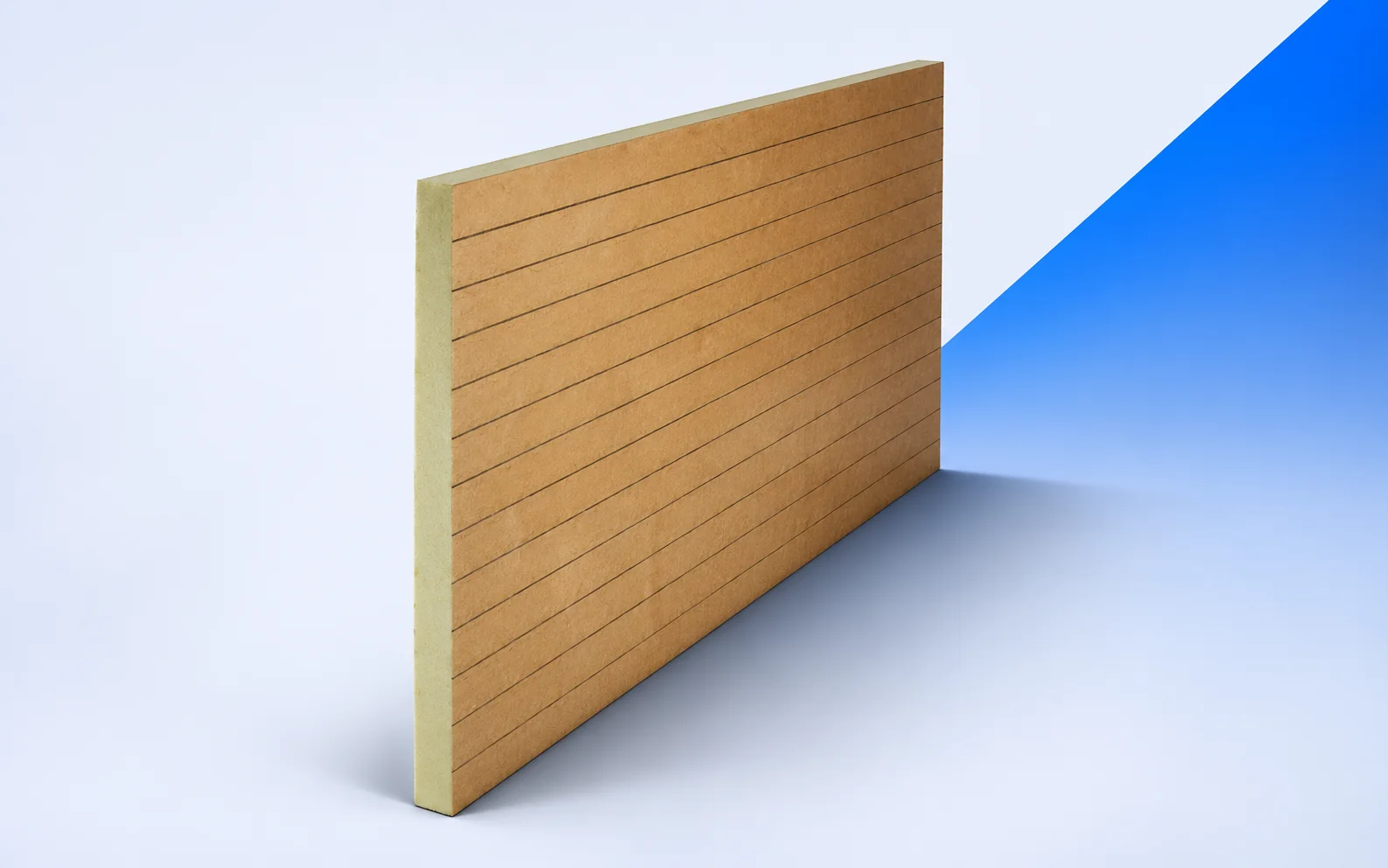
IKO enertherm KR ALU forms an insulating layer below the heated screed. The printed grid helps the installer follow the pipe layout…
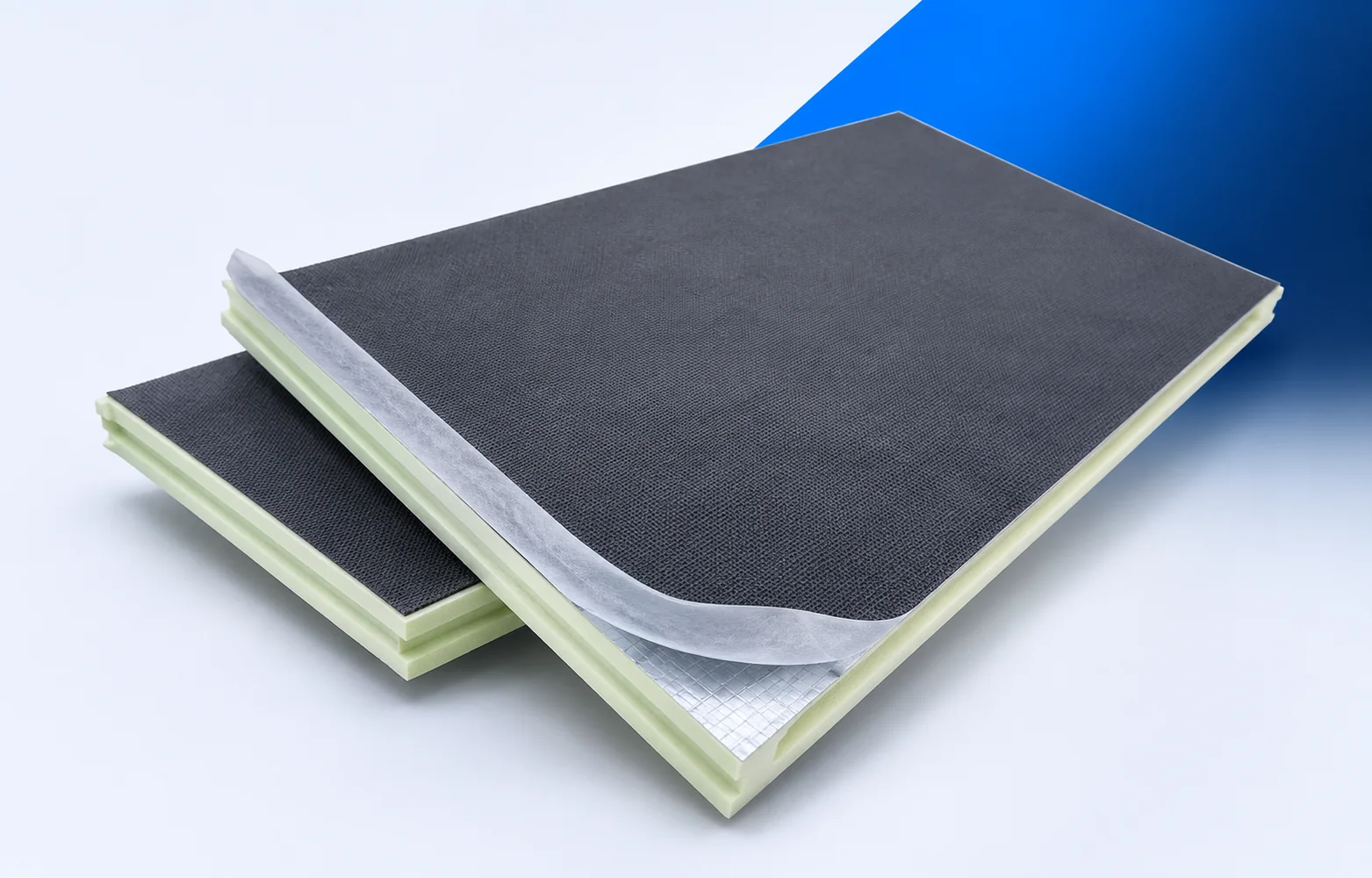
When reroofing and insulating an attic from outside, compare how the underlay will be formed. Utherm Sarking LE Plus has an underlay…
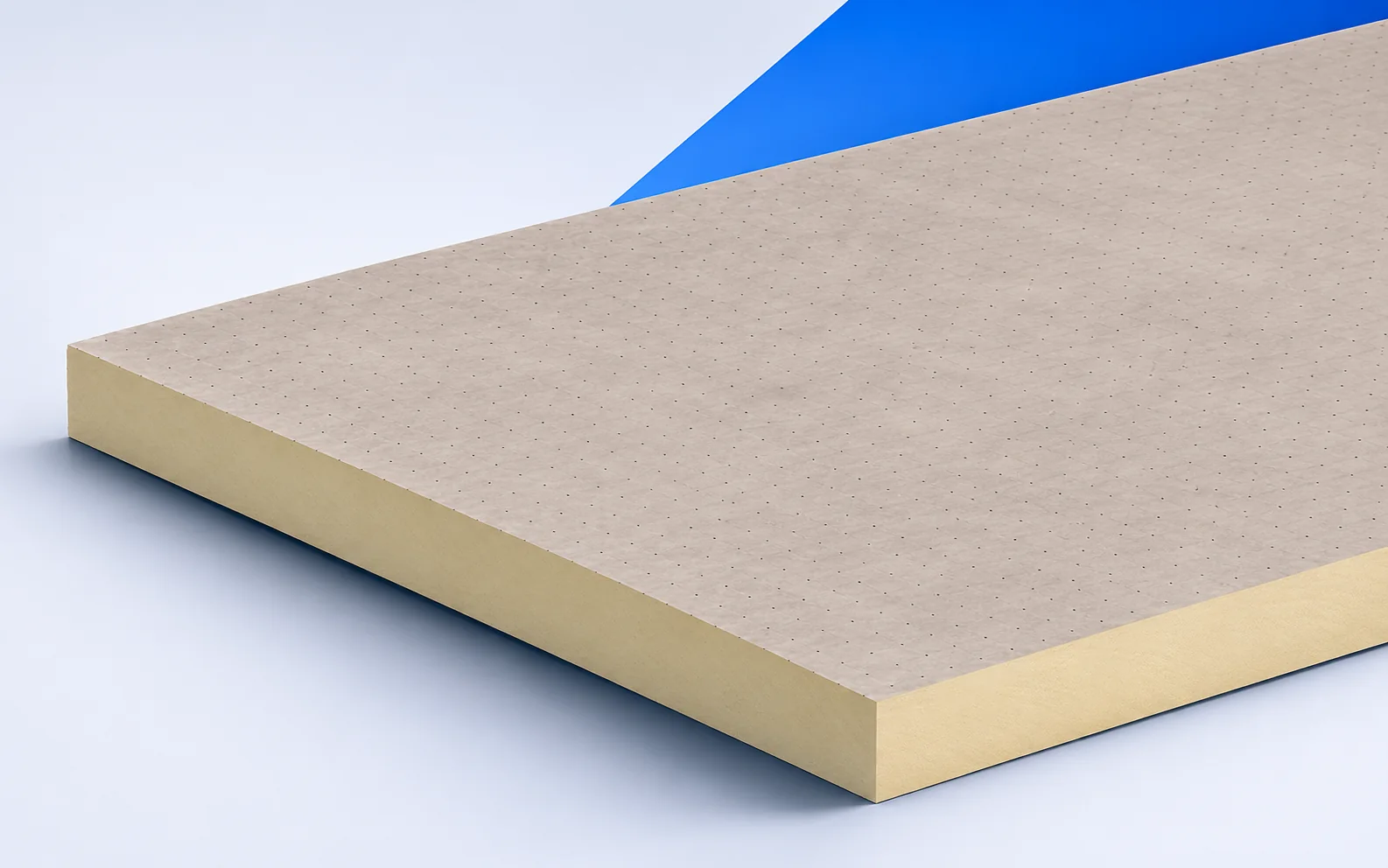
For a Therma TR27 roof, have the roofer name the membrane and adhesive in the quotation. The glass fleece facing is the…
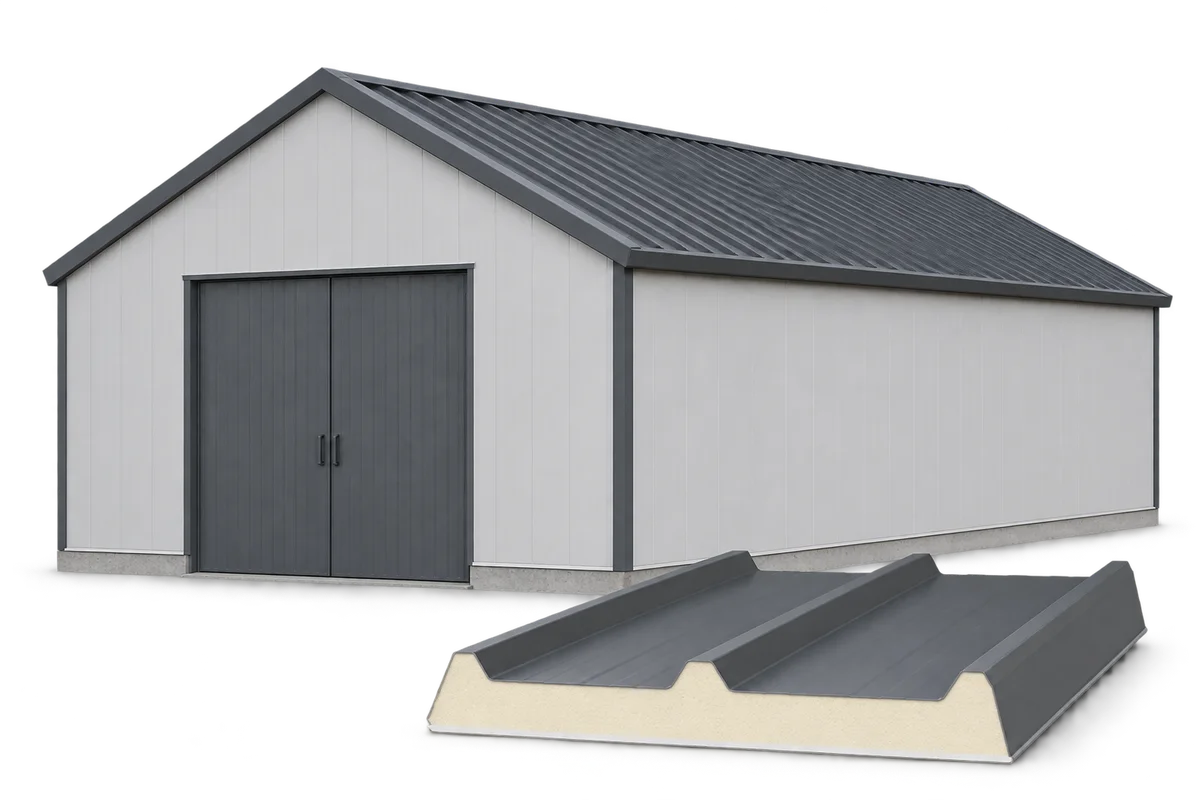
Start a farm insulation survey by marking the spaces that need different conditions on a floor plan. In a vegetable store, air…