






Choosing swissporPIR Alu for a house: thickness, joints and loads
PIR insulation
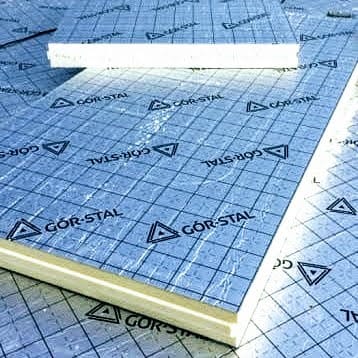
swissporPIR Alu is a PIR insulation board with a laminated facing. Its silver surface does not make it a self-supporting roof panel or a finished roof covering. When buying it for a house, check the thermal resistance of the chosen thickness, a board size that fits the layout, and the loading it will see in service. Pay particular attention where a pipe crosses the junction between a wall and roof: a value from the product declaration cannot tell you whether the insulation will be continuous at that corner.
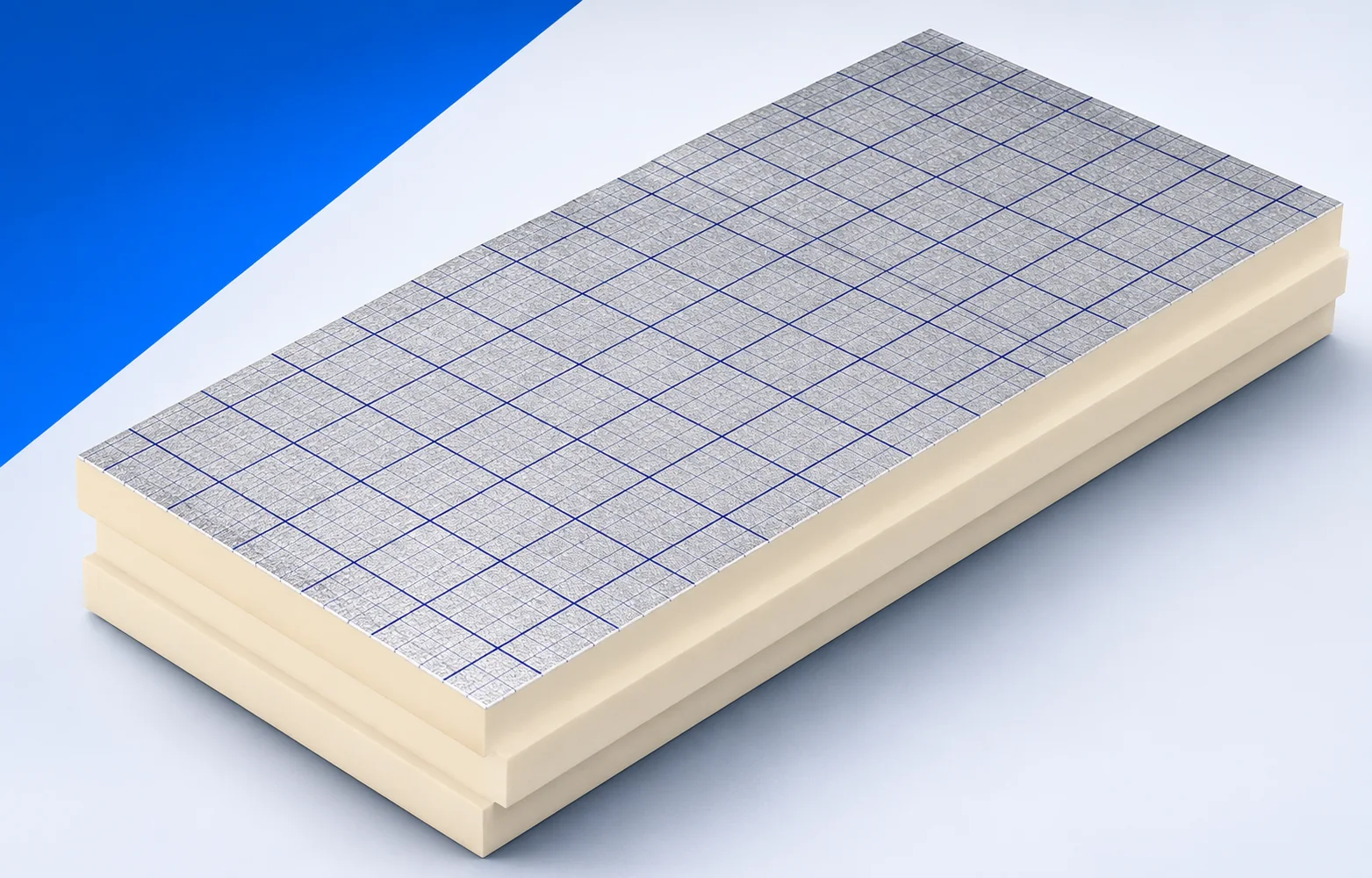
Identify the function of the silver facing
Start with a section showing the loadbearing substrate, swissporPIR Alu and the water protection layer separately. You can then see which layer each connection at an opening has to join.
Choose thickness by declared resistance
At λD 0.022 W/(m·K), the declared RD is 4.50 m²K/W for 100 mm, 5.45 for 120 mm and 7.25 for 160 mm. State the specified thickness and its corresponding resistance together on the order.
If only 100 mm fits beside a pipe instead of the specified 160 mm, do not assign the 7.25 RD to that spot. Mark the local reduction on the drawing for the designer to assess.
Fit the board size to the layout
The swissporPIR Alu range includes 1200 × 600 and 2400 × 1200 mm boards and thicknesses from 20 to 300 mm. Confirm the actual combination and edge profile available before ordering.
Large boards reduce the number of joints on a clear run. In a tight recess, set out both sizes: an offcut from one wall may not fit the next.
Follow the insulation around a corner
Review the wall-to-roof corner in plan and in two sections. An insulation line that appears continuous in a section through the middle of the wall may stop short behind a pipe.
Before closing the corner, check that a fitted piece fills the space behind the pipe and leaves room for the specified penetration seal. Insulating the gap and sealing the penetration are separate operations.
Distinguish compression from creep
Compressive stress is at least 150 kPa at 10% deformation. The separate CC(2/1.5/50)25 designation concerns creep under sustained load. These two figures are not interchangeable.
At a support, the contact area and duration of the load matter. The board has reaction-to-fire class E; any required fire resistance for a wall or roof must be demonstrated for the assembly.
Price the cuts and connections
Separate the net insulation area from the number of boards to purchase. A cutting plan with the actual recesses and service penetrations explains the difference.
Ask for separate prices for fitting the corner and sealing the pipe. Otherwise it is difficult to tell whether a cheaper quotation delivers a complete detail or covers only the clear runs.
An inspection before the lining goes on
At inspection, look behind the pipe from both sides of the corner before the lining goes on. If a void is visible, record its position and agree a repair. A neat silver face at the front says nothing about the space behind it.

Free quote
What to include in your enquiry
Tell us how you plan to use the material, the dimensions and the quantity you need. Include the thickness, grade or variant name, along with the delivery town or your preferred collection branch. For a specific product, add its name or a link to the product page. We will reply to the email address you provide to discuss availability and the terms of your order.
More from the building guide
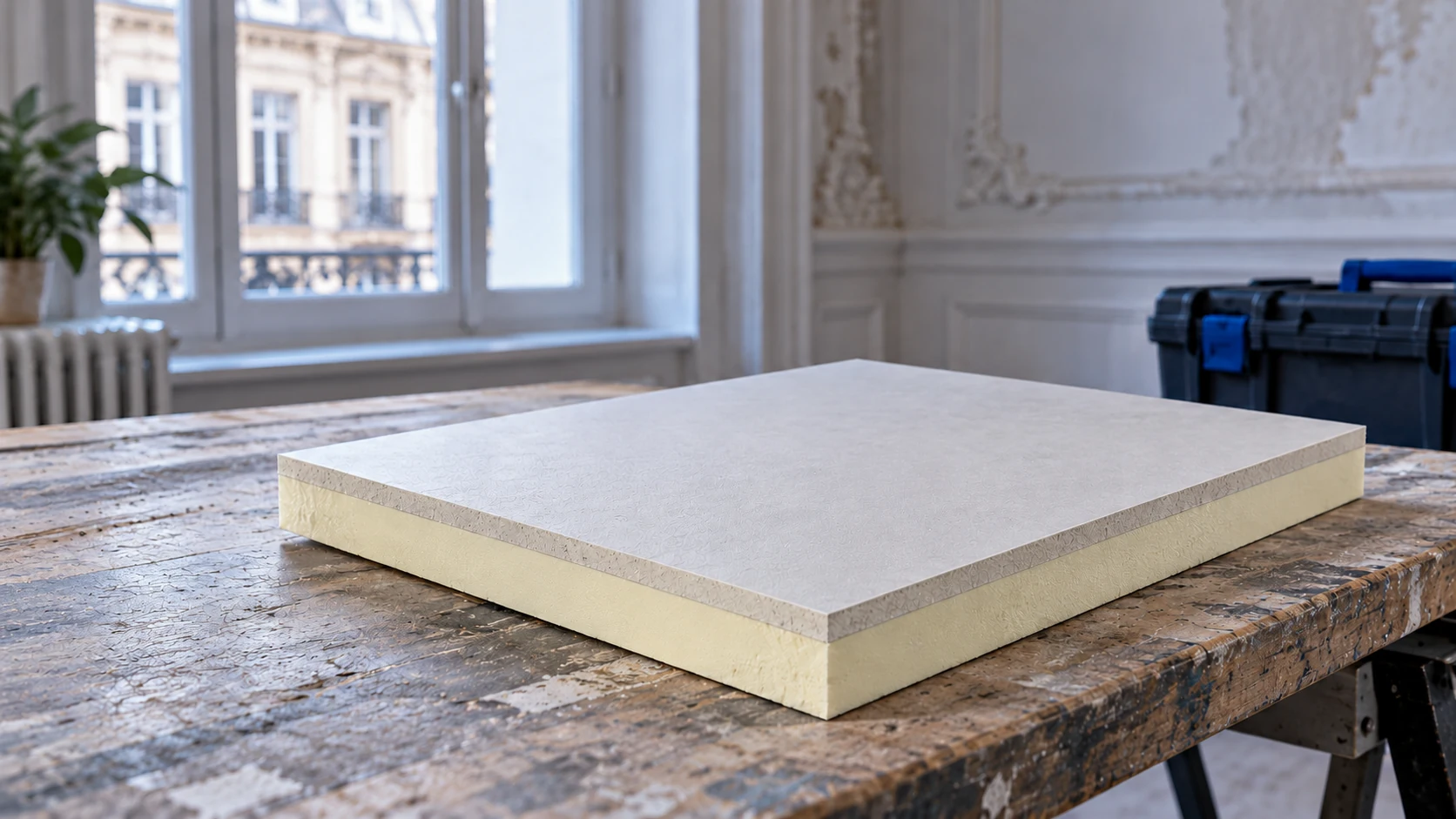
Internal insulation can be considered when an older masonry building's facade must remain unchanged. Its suitability depends on the existing construction: thick…
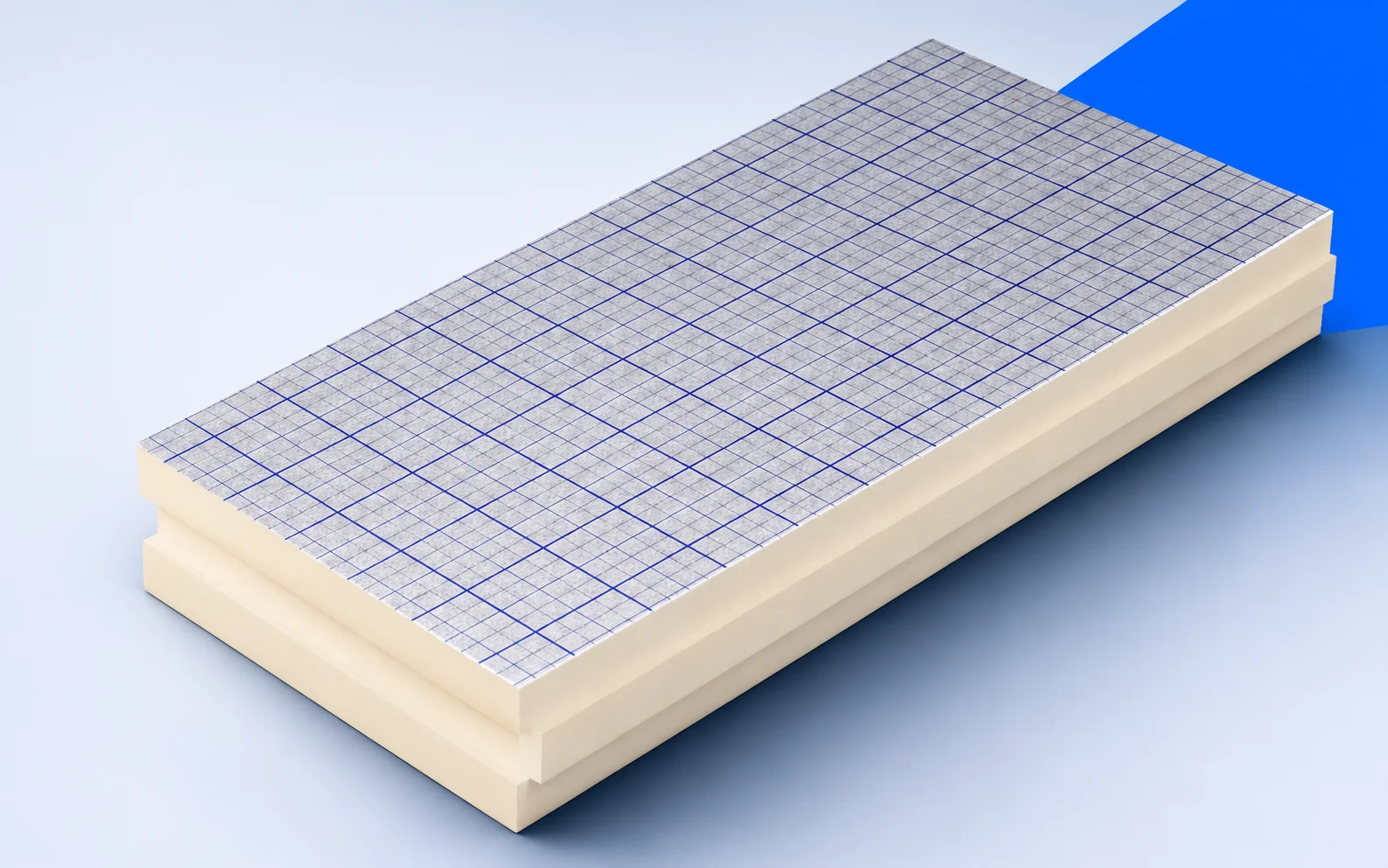
Replacing the covering on a house with a finished loft gives access to the rafters from outside. An over-rafter layer of swissporPIR…
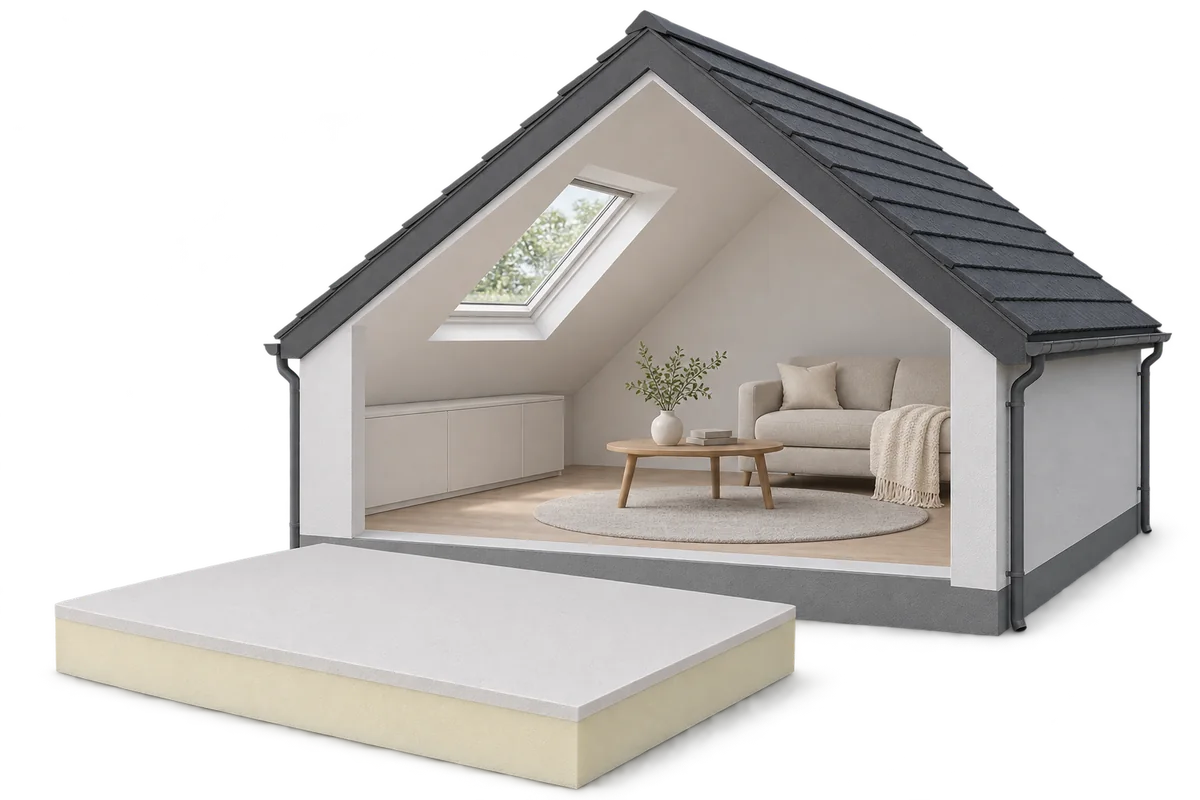
PIR insulated plasterboard can combine additional loft insulation with a surface ready for finishing. Use beneath slopes nevertheless requires assessment of the…
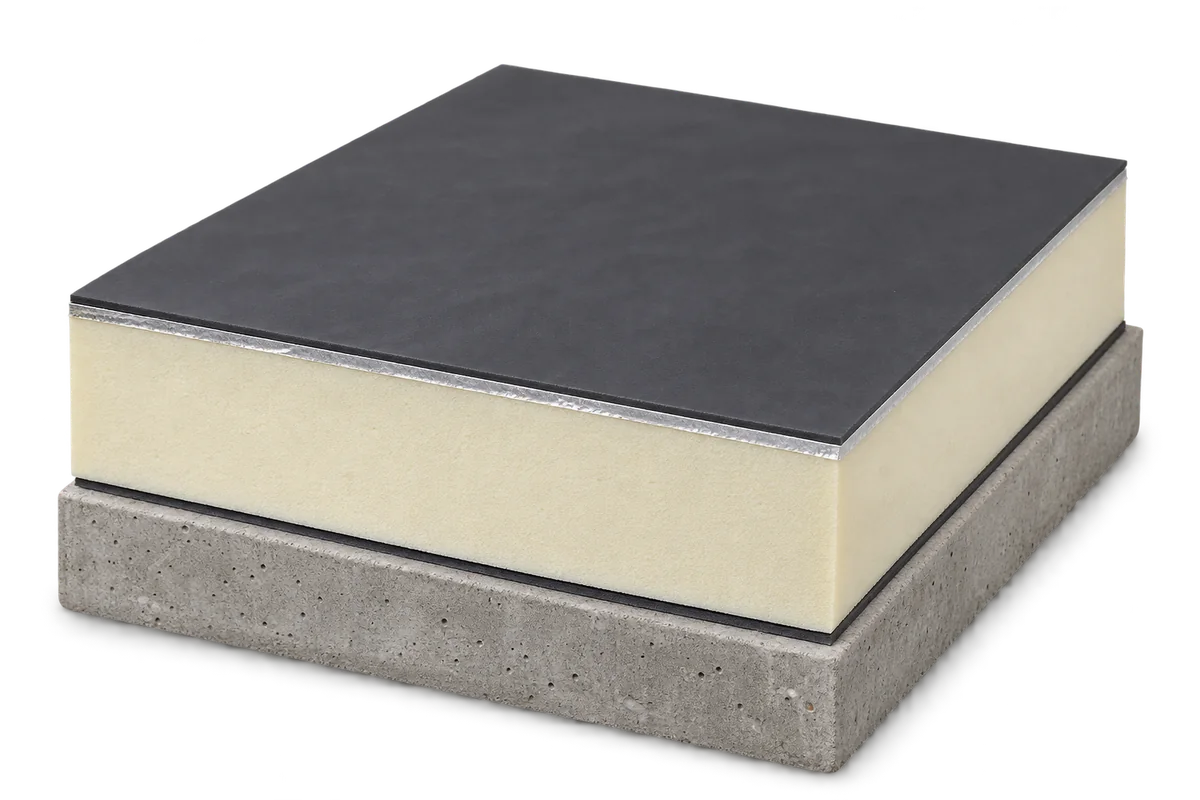
A flat roof drawing should show more than insulation thickness: the deck, vapour control, waterproofing, falls and perimeter connections also belong on…
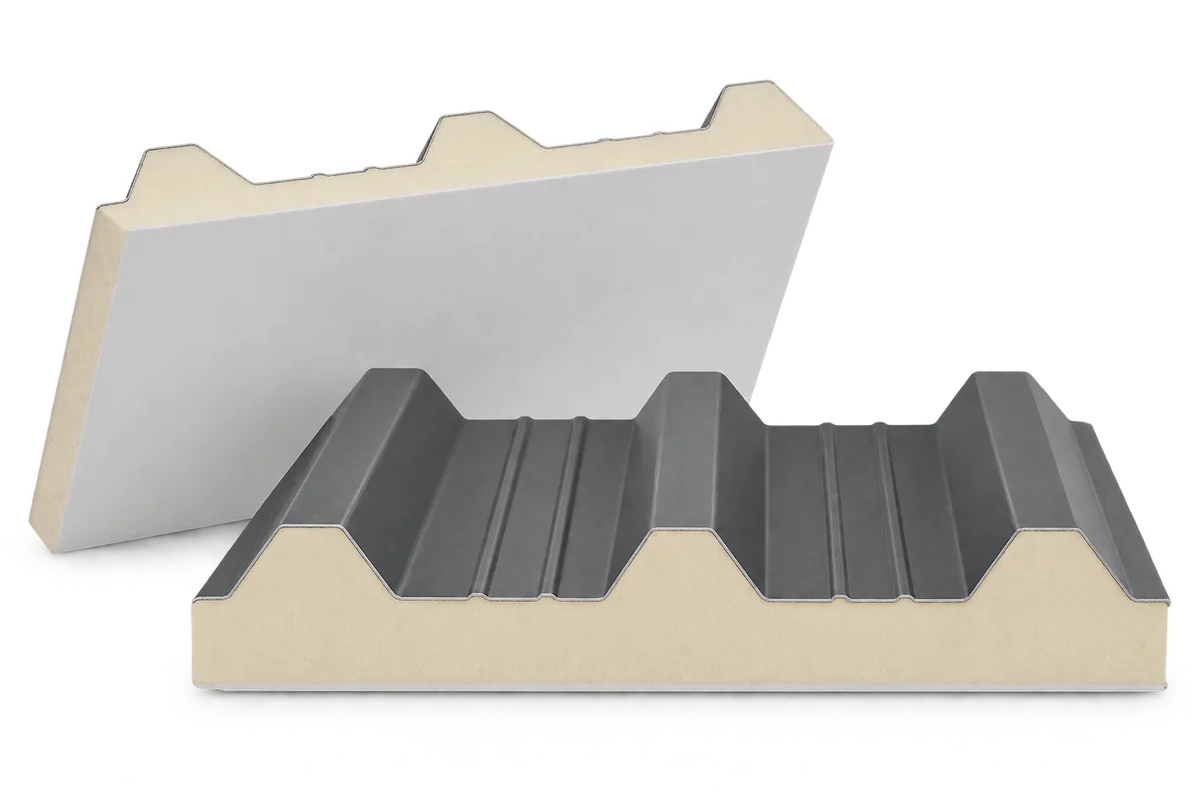
Select PIR roof panels for livestock buildings, stores or wash-down rooms according to conditions on both sides of the roof. Core thickness…
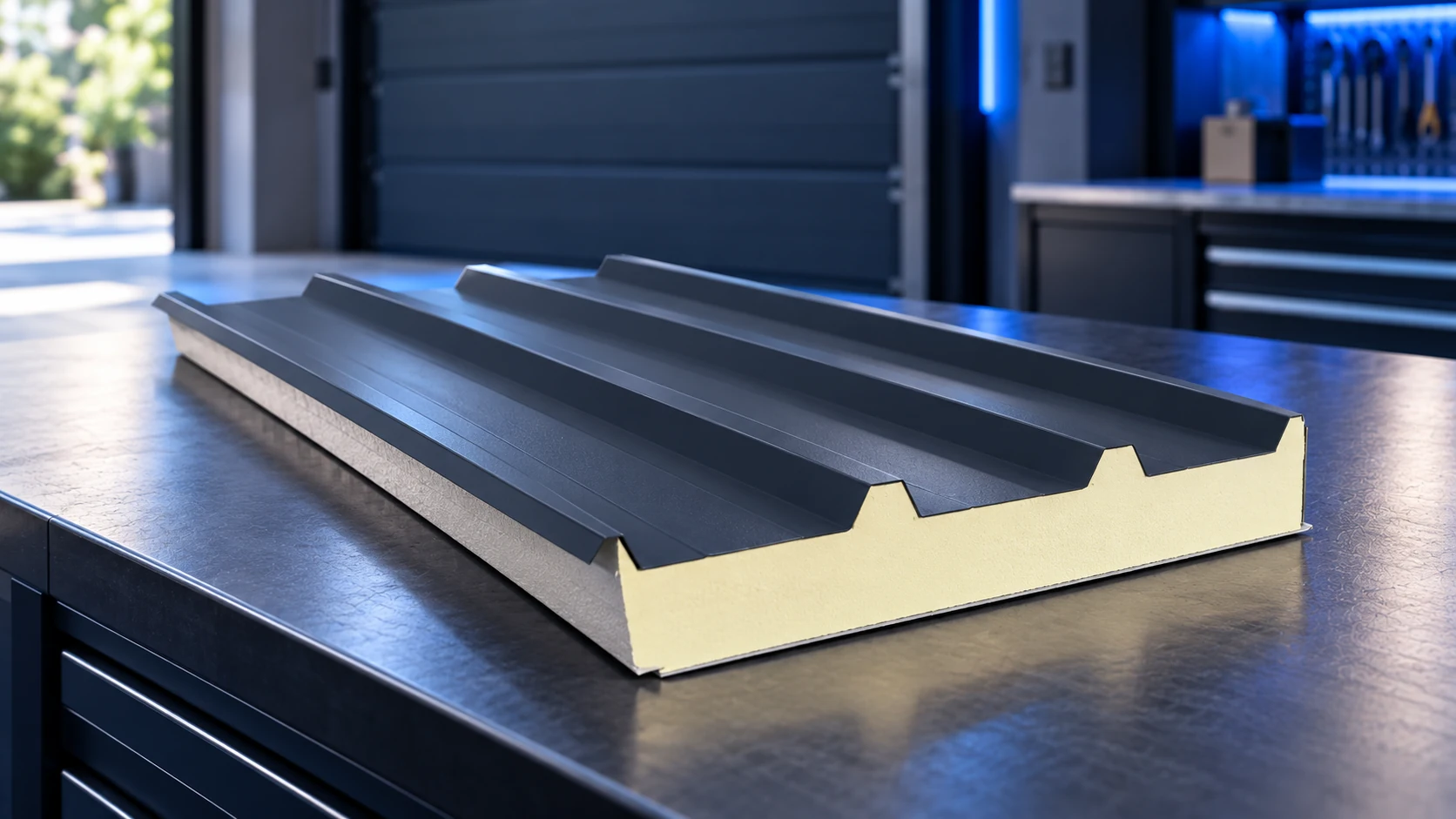
The right PIR sandwich-panel thickness for a garage roof depends first on whether the garage will be heated. Thermal requirements, support spacing…
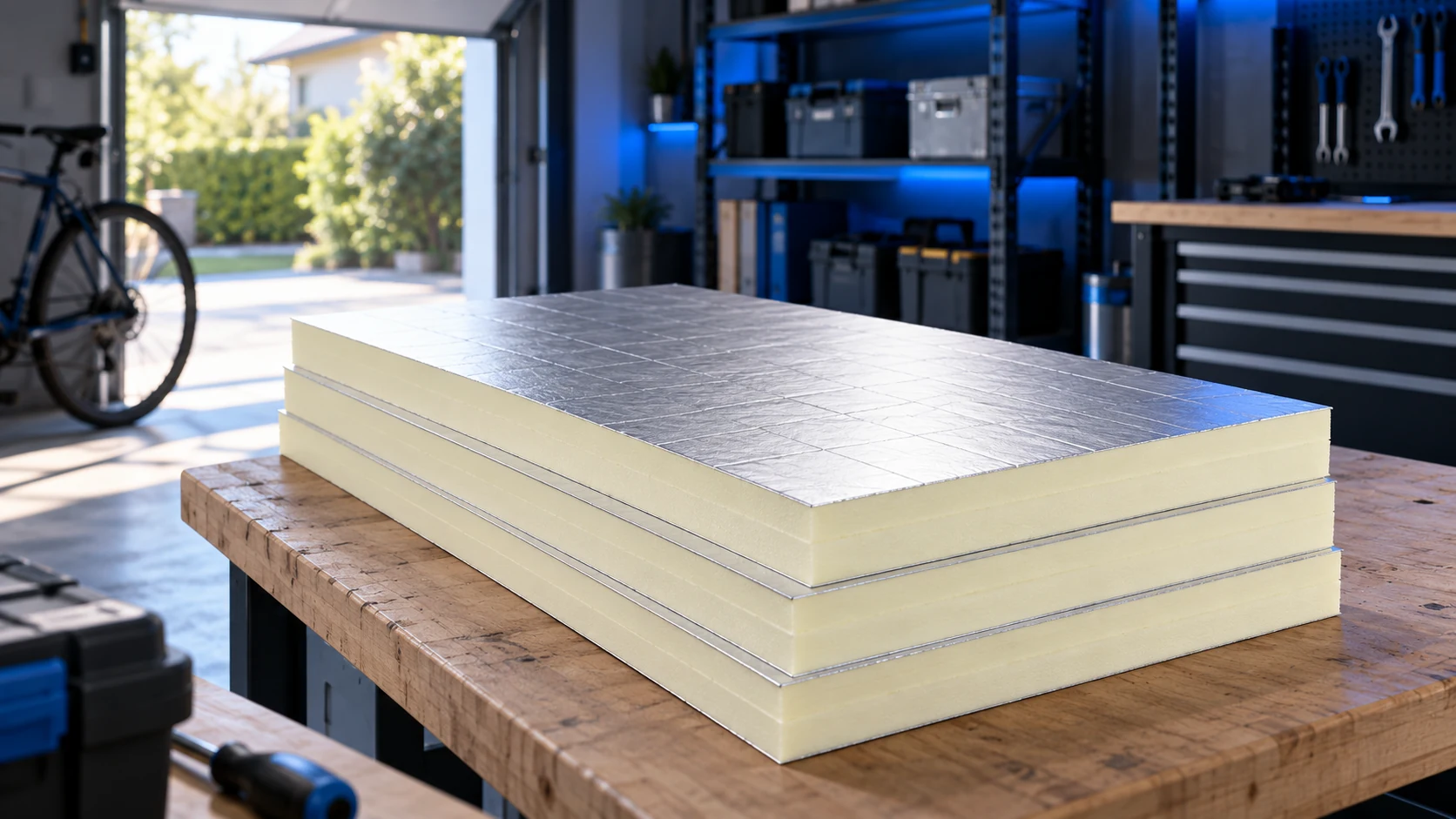
Cost-effective insulation suits the way a building is used. An unheated garage has different needs from a workshop or a holiday cabin…
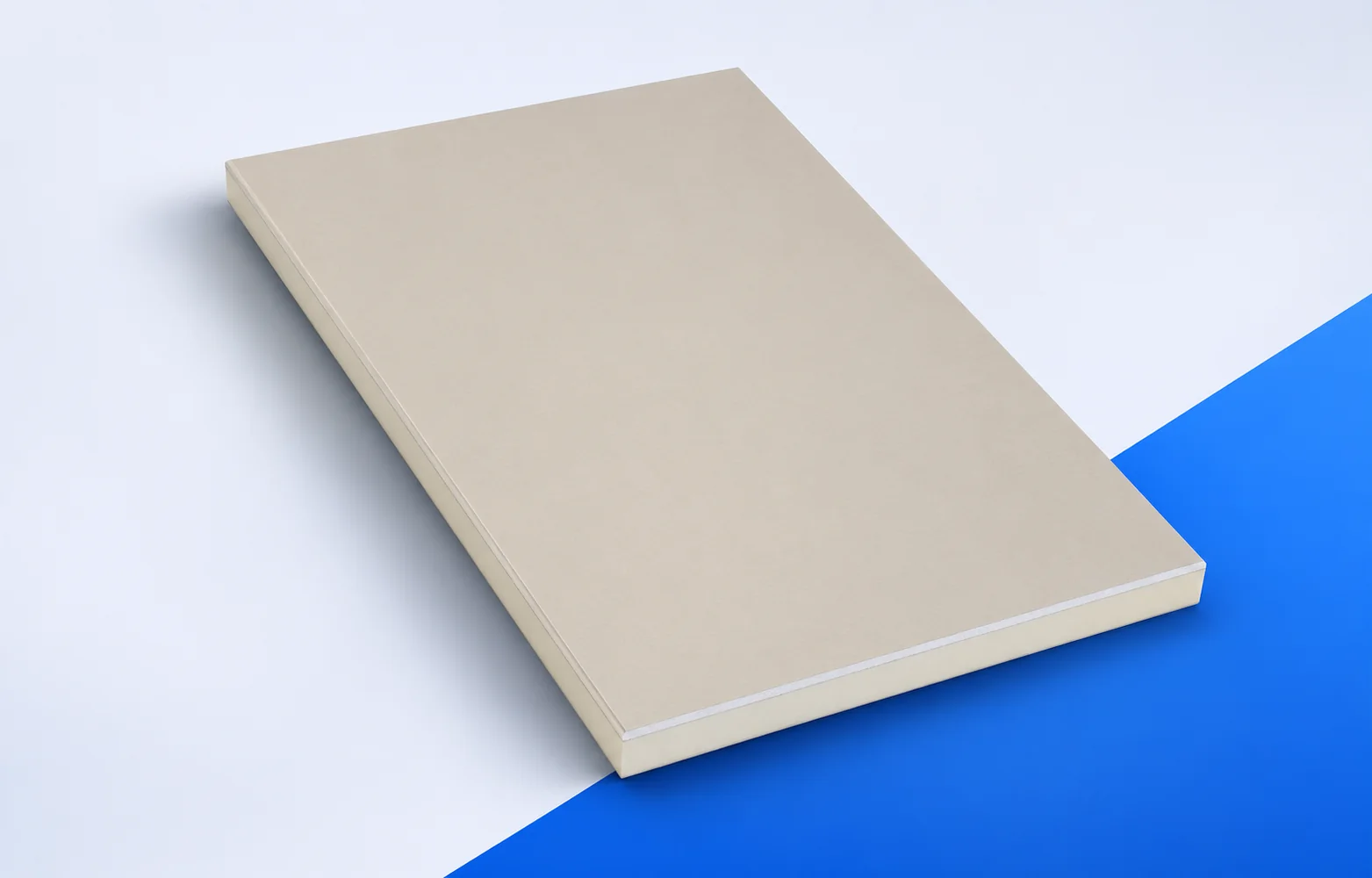
Recticel Eurothane G combines PIR with gas-tight facings on both sides and a 12.5 mm plasterboard lining. In a flat renovation it…