






Storing metal roof tiles between delivery and installation
Renovation and maintenance
Metal roof tiles are easiest to protect when delivery coincides with the crew being ready to install them. Before the truck arrives, prepare a dry, ventilated place, supports and lifting equipment suitable for the bundle weight and length. On delivery check edges, batch labels and signs of moisture. If water has entered between sheets, follow the manufacturer’s drying instructions promptly. Lift sheets so that their coatings do not rub and the profiles retain their shape. Record the protective film removal deadline and permitted storage period from the product documentation. If installation is postponed, reassess the storage conditions.
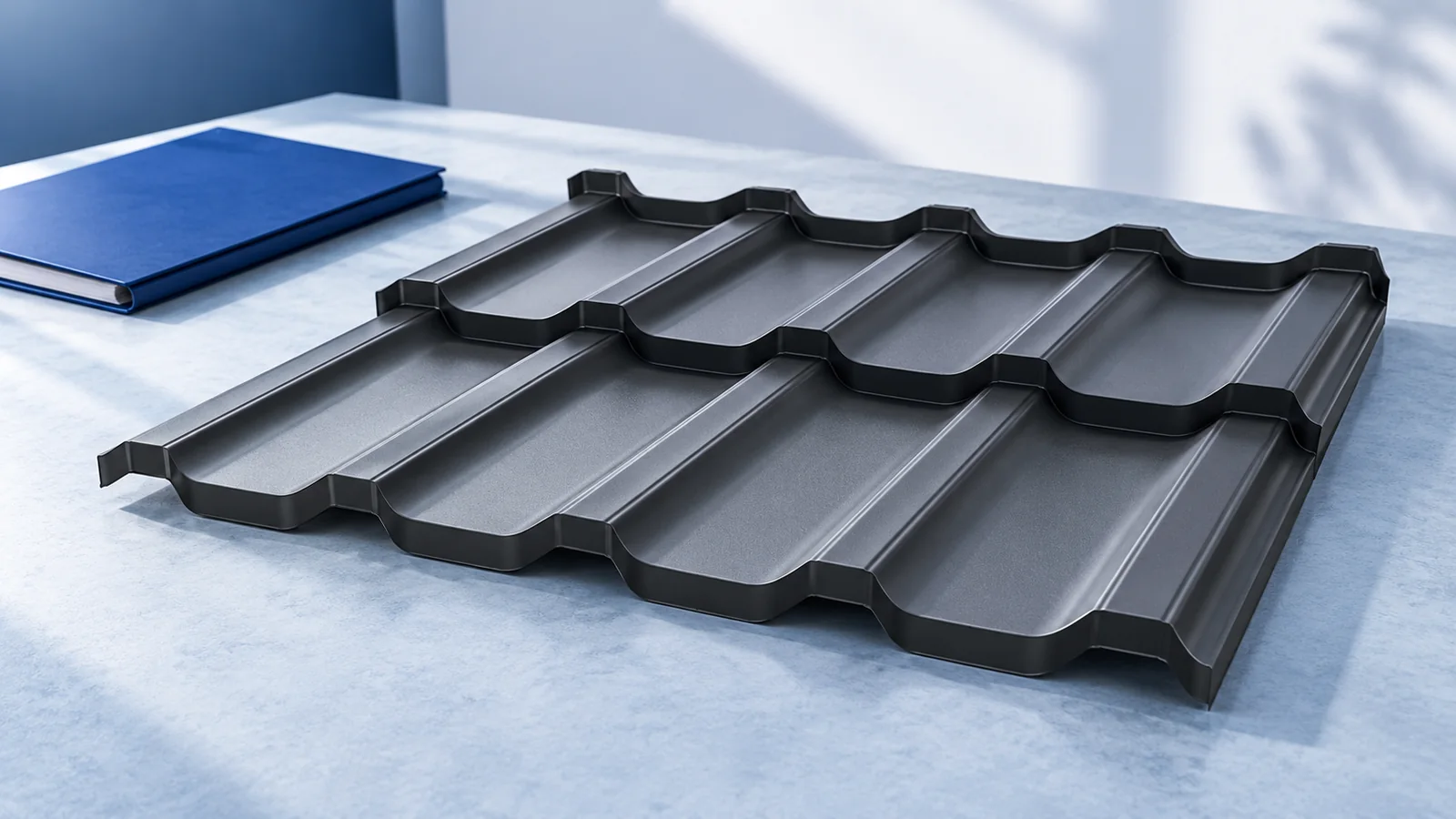
Where should the delivery be placed?
Choose firm, level ground with drainage. Position supports as instructed, away from grinding, dust and moving machinery. Reserve the area for the bundle so tools and other materials are stored elsewhere.
Check truck dimensions and lifting reach. A long bundle needs appropriate support distribution during unloading. Agree equipment for its specific weight and length before delivery to prevent the ends from bending.
What should be checked on arrival?
Check sheet or module quantities against the specification, then compare lengths, profiles and labels. Inspect the packaging and exposed surfaces. Record damage on delivery, report it under the delivery terms and retain the batch label for any additional order.
If the wrapping is wet, check whether water reached between sheets. Rain drains off an installed roof, while moisture may persist inside a tight pack. Provide drying and airflow as the supplier directs.
Why does air circulation matter?
Rainwater or condensation can remain between touching faces. Prolonged wet contact encourages coating marks and storage corrosion. Check the bundle condition even when the sheets have factory-applied protection.
Choose dry, ventilated space under cover. If a temporary outdoor cover is permitted, arrange it to shed rain and allow drying. Check that folds are not collecting water.
When should the film come off?
Record the manufacturer’s film removal deadline and give it to the crew. Sunlight and hot sheet surfaces can make film adhere more strongly. On a long project its removal may be due well before final handover.
Peel film back from the lap as directed before assembling the joint. A strip trapped in the seam can affect fit and be difficult to remove later. If the pack is wet, also address sheet drying and subsequent storage.
How should individual sheets be moved?
Lift each sheet clear of the stack. Use enough handlers or suitable equipment to support a long element evenly. A bent edge or distorted tile step can spoil the lap even if the coating is intact.
Clear sand and swarf from the landing area. Lift the sheet past the pallet edge so it cannot scrape along it. Take the same care with small modules, as grit can scratch their finish too.
How long may sheets be stored?
Ask for storage conditions covering the exact coating, film and packaging. Establish the permitted period for your chosen location. When the programme changes, revisit those conditions and inspect the packs on site.
Align delivery with roof readiness and leave time to check quantities and condition. If the material must wait months, include suitable warehouse costs. This gives a realistic picture of any saving from ordering early.
What should be done before laying starts?
Inspect the sheets for moisture, dirt and distortion. Plan removal from the pack in roof-layout order. Set aside a cutting and swarf-clearing area to keep the remaining elements clean.
Photograph any deposits or discolouration and agree a course of action with the supplier before laying the sheet. An unsuitable cleaner or paint can worsen coating damage and make the cause harder to assess.

Free quote
What to include in your enquiry
Tell us how you plan to use the material, the dimensions and the quantity you need. Include the thickness, grade or variant name, along with the delivery town or your preferred collection branch. For a specific product, add its name or a link to the product page. We will reply to the email address you provide to discuss availability and the terms of your order.
More from the building guide
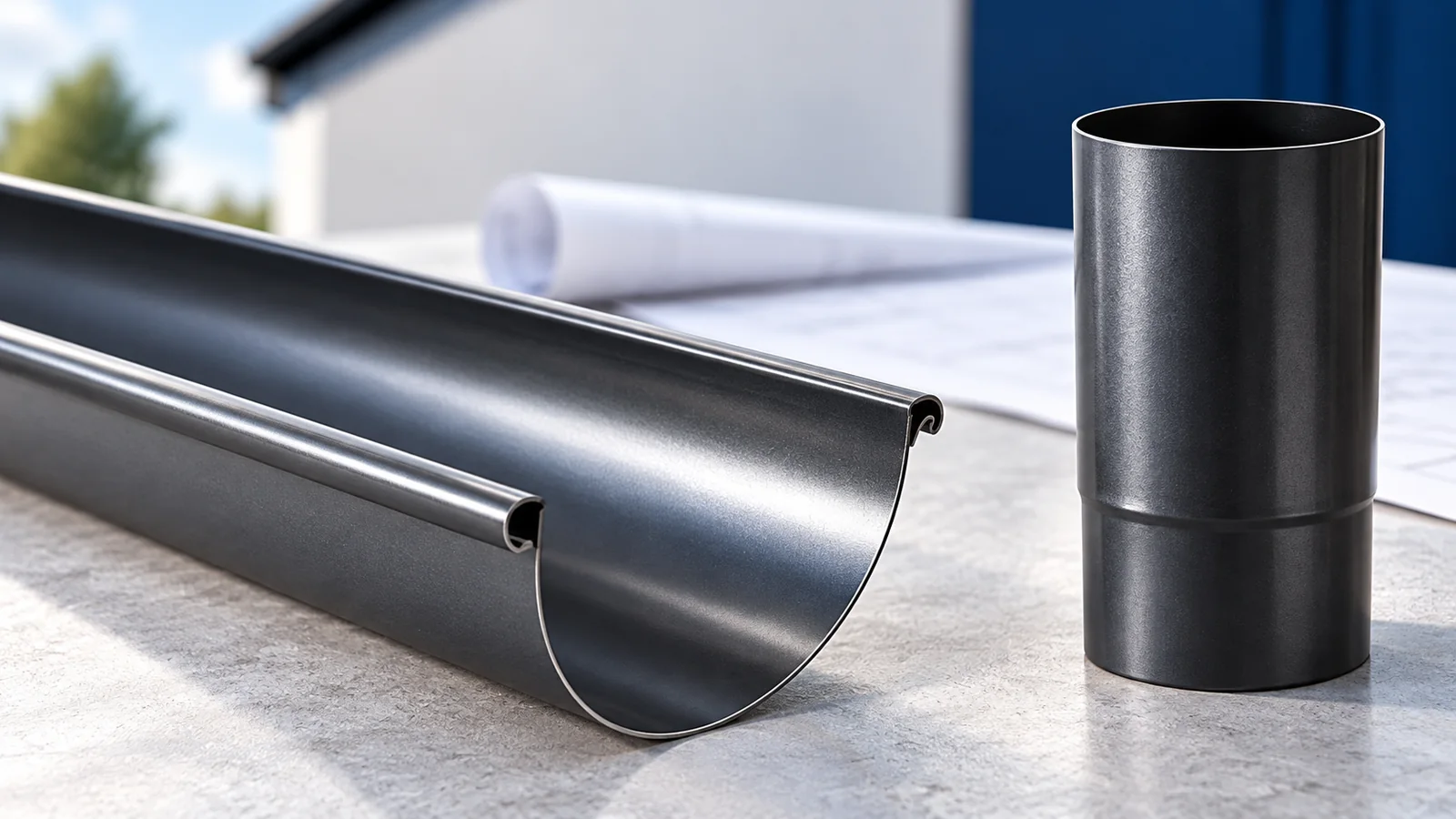
Gutters work effectively when their size, outlets and eaves position match both the roof and the downstream drainage. Before installation, establish the…

A lightweight integrated PV roof still needs a structural assessment. A panel with cells weighs more than its metal sheet alone. Snow…
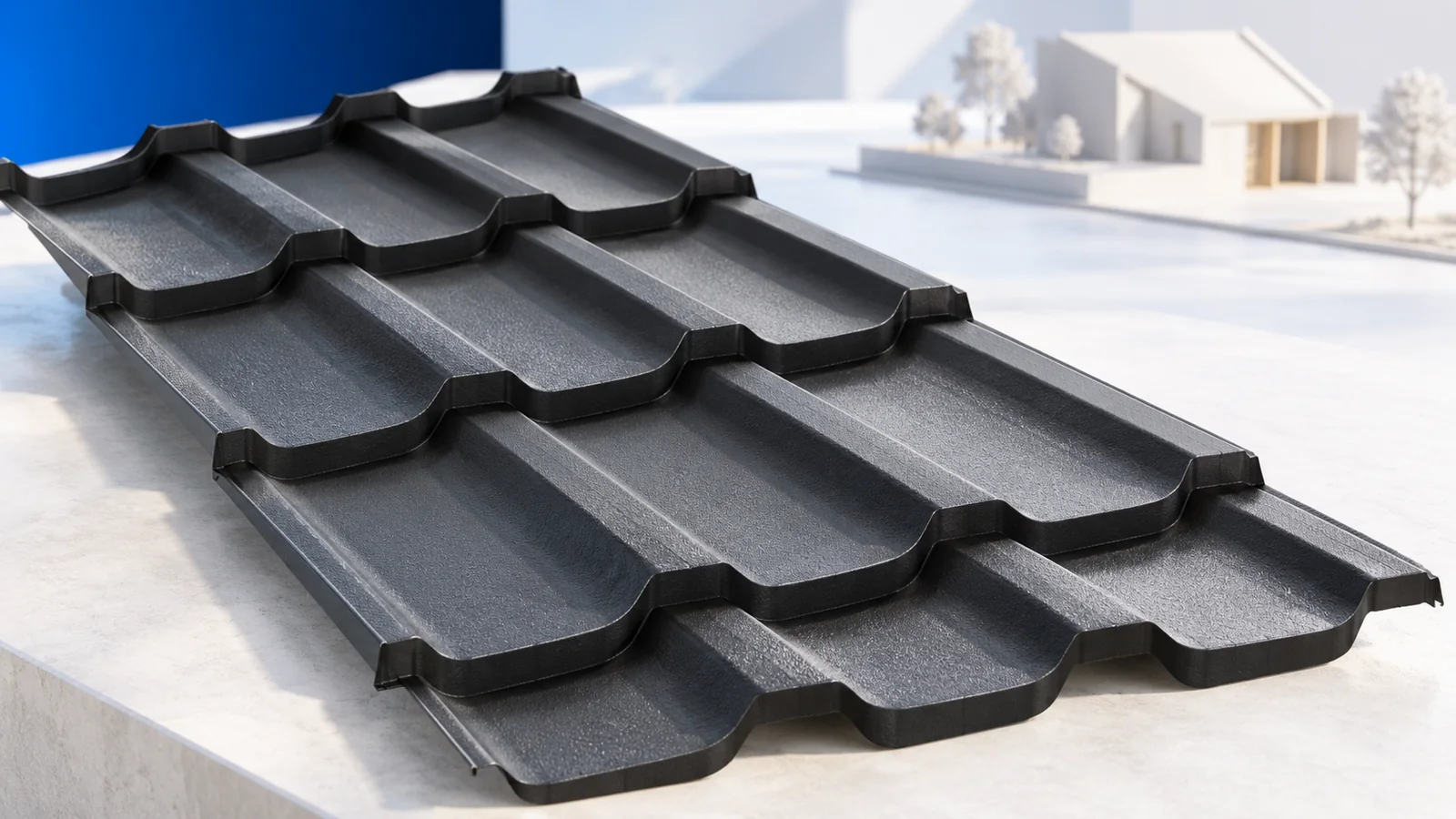
Made-to-length metal roof tiles require sheet lengths planned for the actual roof and accurate alignment during installation. Large sheets can reduce joints…
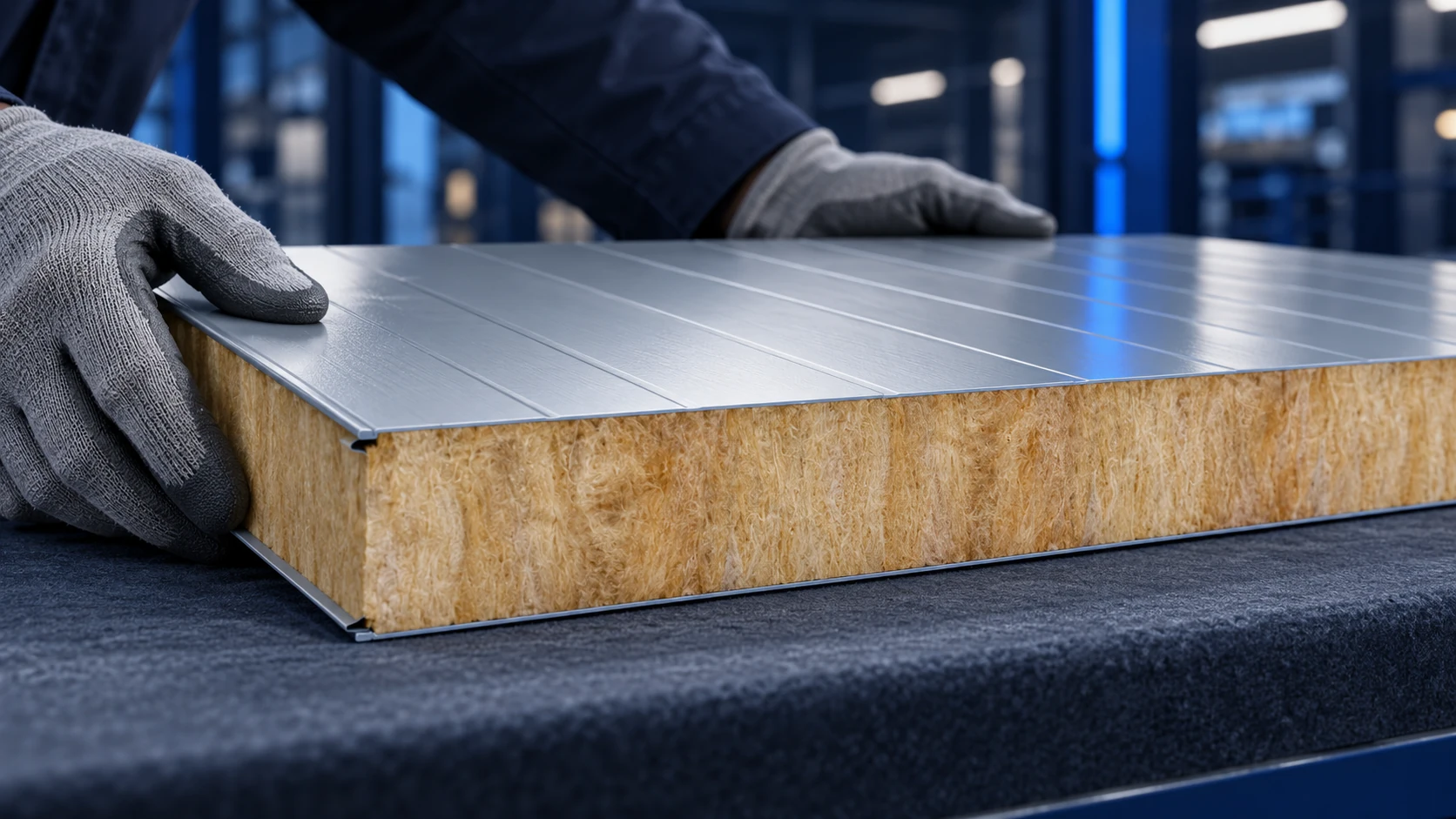
Avoiding sandwich-panel installation defects requires checks from delivery through to handover. Small deviations repeated across a wall or roof can cause serious…
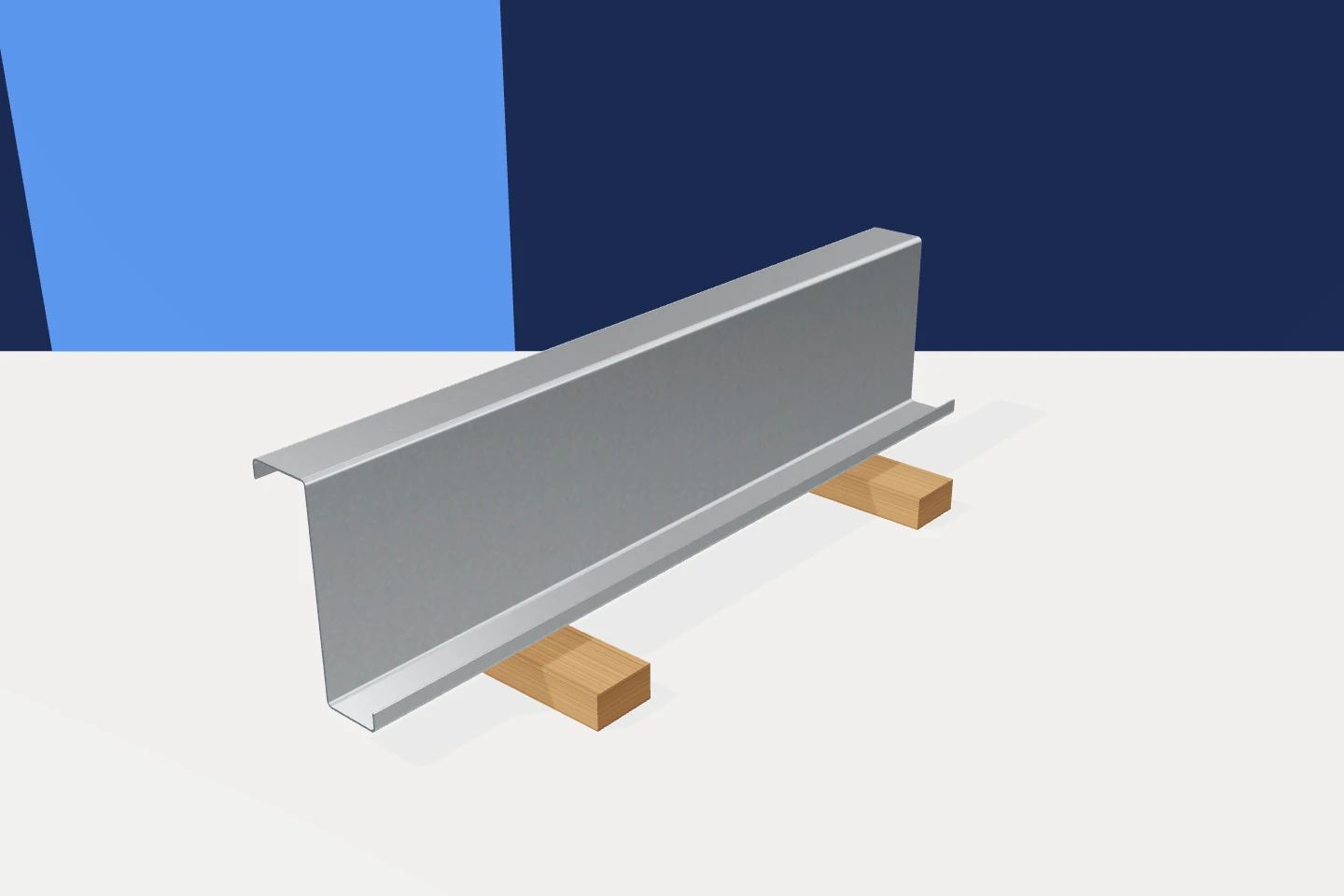
Before lifting a cold-formed section into place, check its mark, orientation, holes and surface against the current drawings. Even an accurately made…
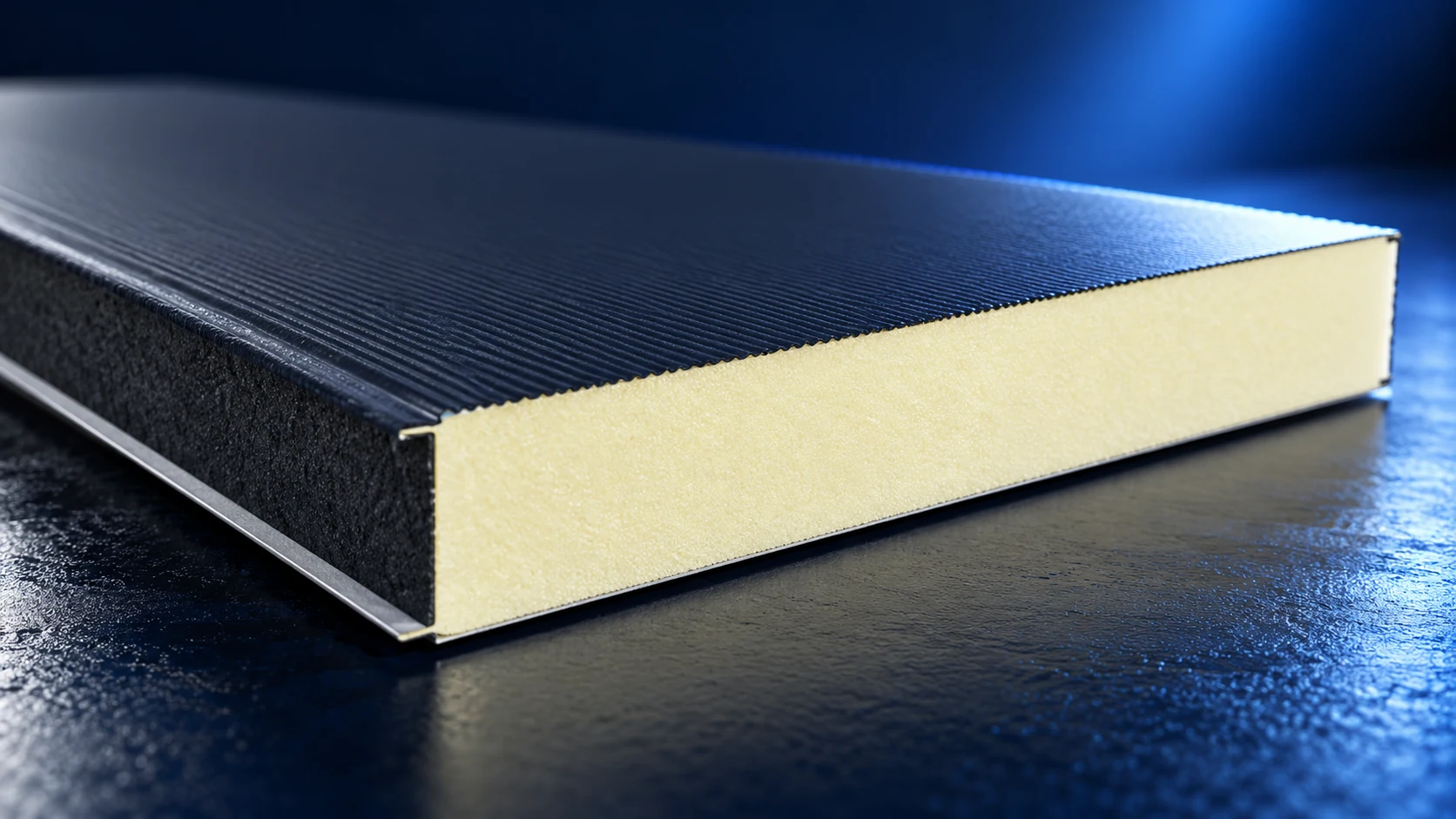
A sandwich panel combines external facings with a bonded core. Their joint action can form a lightweight building enclosure and limit heat…
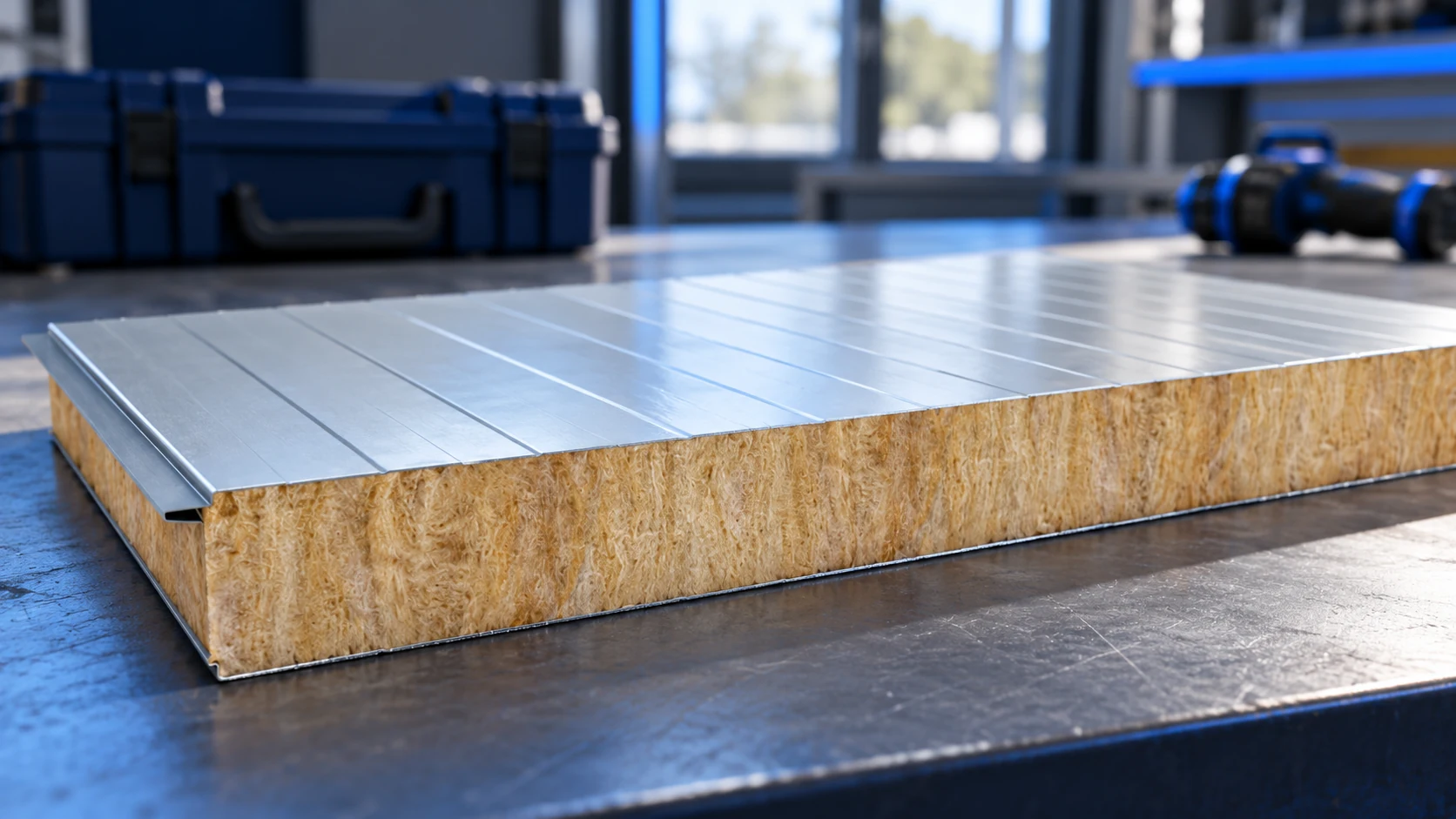
No single screw suits every mineral-wool sandwich panel. The fastener must match panel thickness, support material and the loads on the connection;…
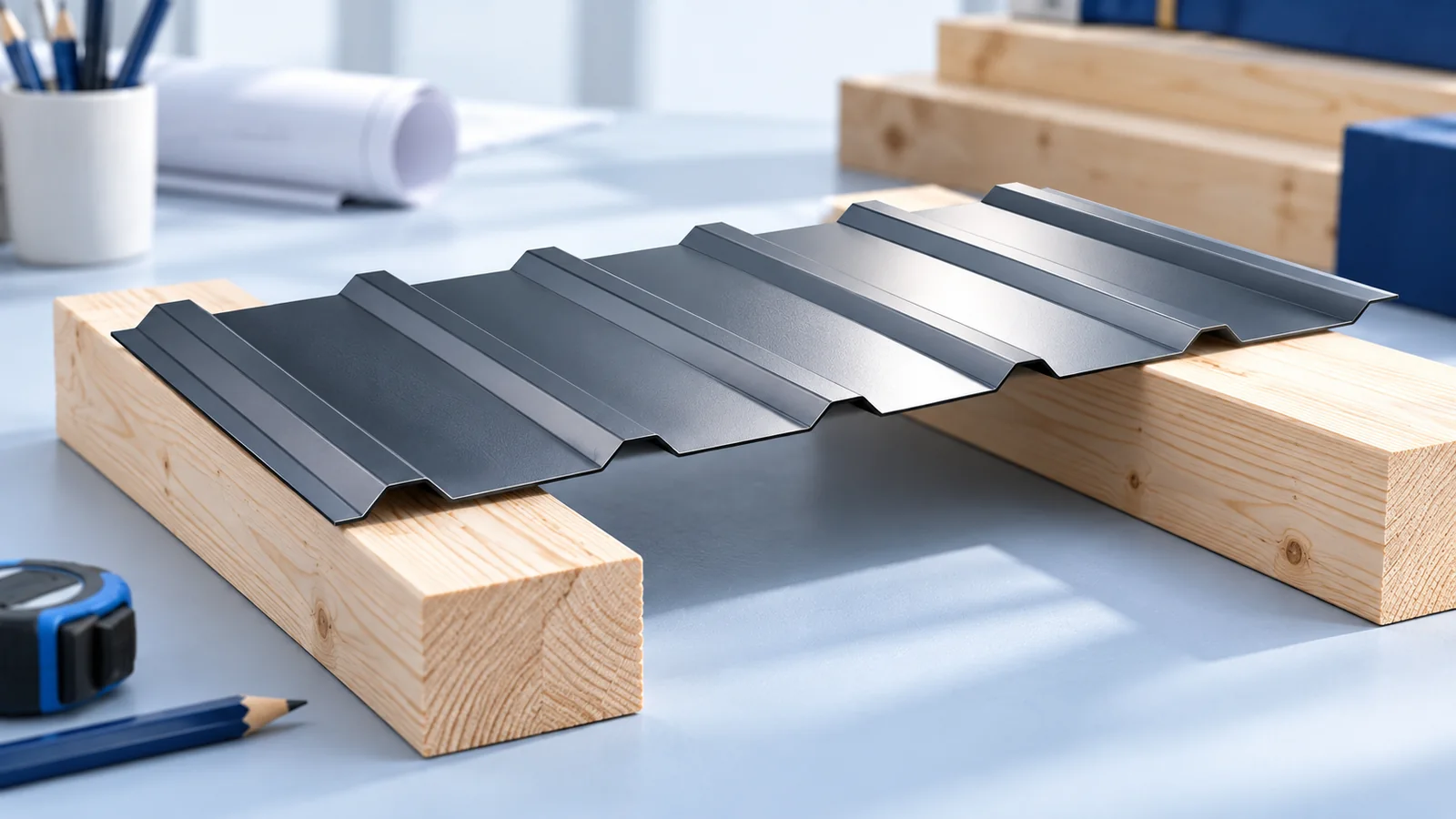
A timber beam connection must suit the forces and position in which it works, not merely hold two pieces together. Conditions beside…