






Which screws should secure mineral-wool sandwich wall panels?
Sandwich panels
No single screw suits every mineral-wool sandwich panel. The fastener must match panel thickness, support material and the loads on the connection; its protective coating and sealing washer also matter. Choosing a screw simply by adding an arbitrary 20 mm to panel thickness is not a reliable method. Start with the documented connection detail and confirm the actual support on site. This guide covers drilling capacity, thread engagement, exposed and concealed fixings, fastener quantities and installation checks. The correct product still needs controlled installation: an overdriven screw can damage the facing or seal rather than make the connection stronger.
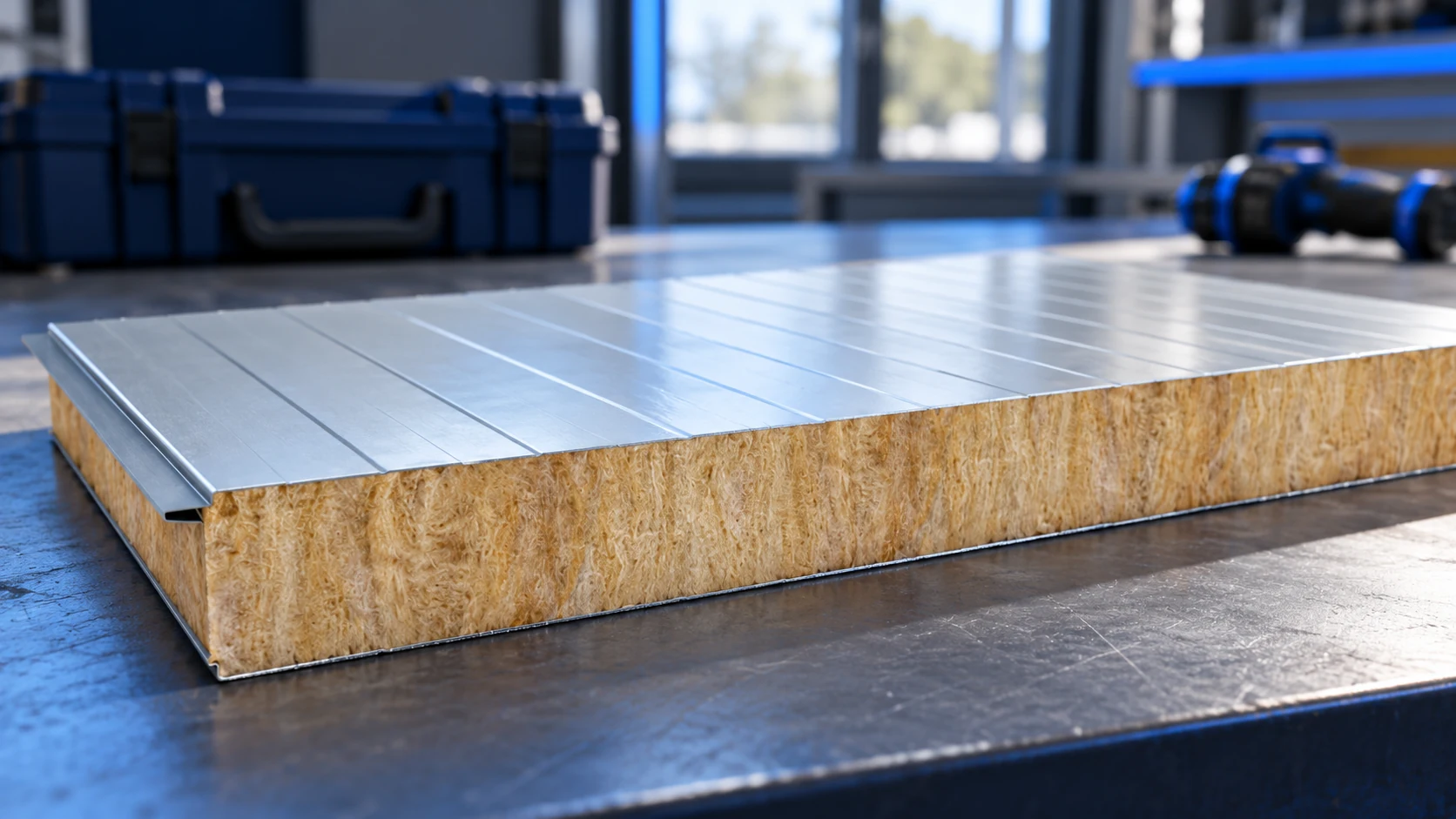
Support material and length determine the choice
Thin-walled steel profiles require a different fixing selection from thicker steel. Timber and concrete need their own solutions. The screw needs the appropriate drilling and fixing range; merely passing through the panel does not prove that it can carry the required forces.
The fastener must be suitable for the specified panel-and-support assembly. Check drilling capacity, thread type and required embedment, particularly on refurbishment projects. Confirm the actual support material, thickness and condition before ordering; discrepancies from the design require the selection to be checked again.
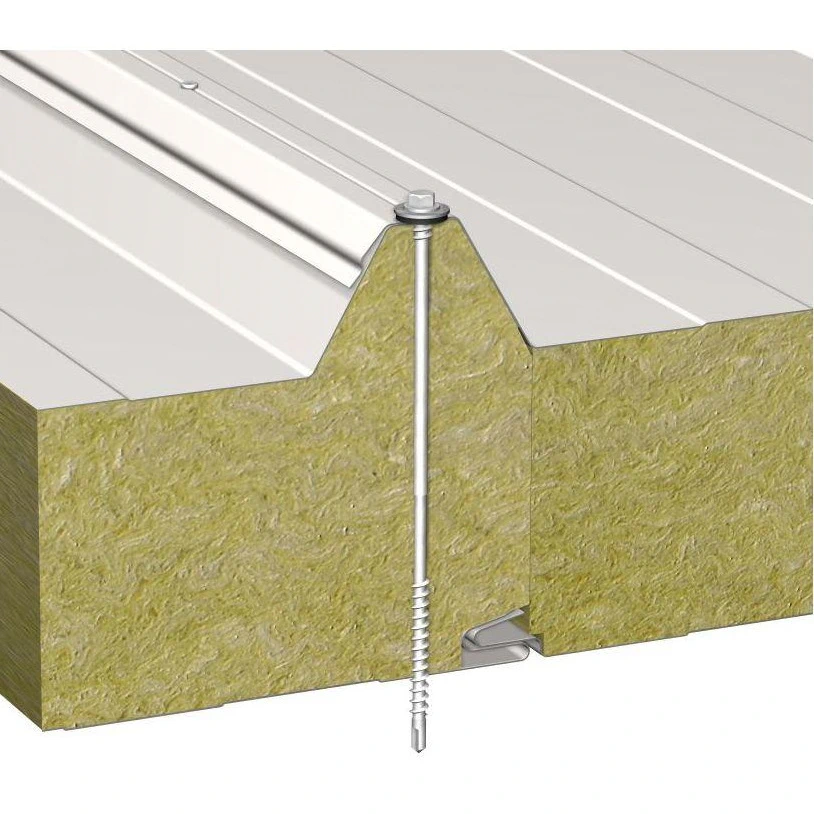
The fastener passes through the panel and anchors in the support. Allow for its geometry, required engagement and any additional components. Steel requires adequate drilling capacity for its thickness; other substrates have different requirements.
Avoid a universal formula such as “panel thickness plus rail plus allowance”. It omits thread geometry and the product’s approved application range. Request the exact fastener designation for the assembly, and record length, diameter and support material in the order so unsuitable substitutes are identifiable.
Exposed and concealed fixings are different systems
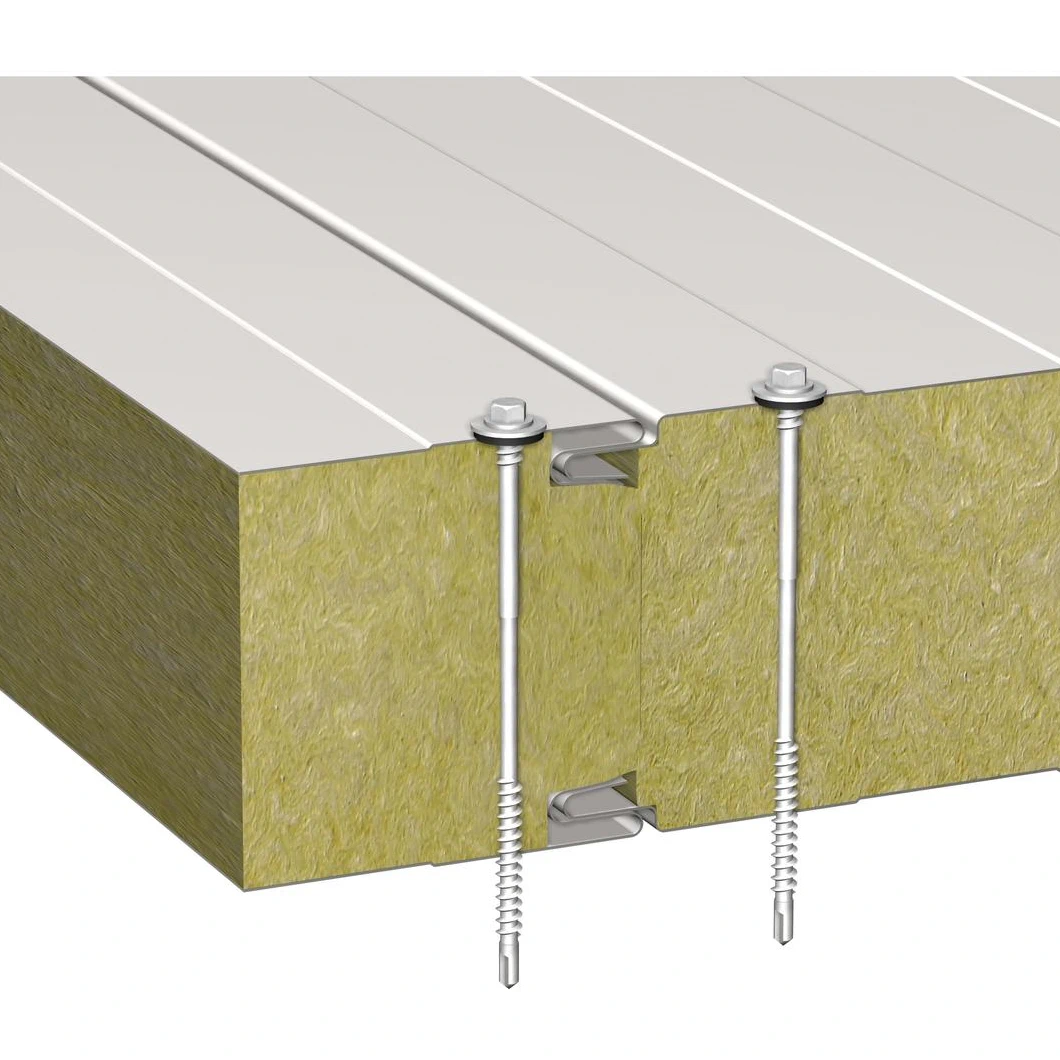
With exposed fixings, the head remains visible on the facing. Concealed fixings are covered by a shaped joint. Do not copy details between these systems: force application and joint behaviour can differ, and each variant has its own conditions of use.
Check profiling and the panel’s external face before installation. Not every point on a facing is suitable for a screw. Where the detail specifies an additional load-spreading component, do not omit it to save money. Its necessity is determined by the documentation, not the finished façade’s appearance.
Do not confuse panel fasteners with screws for thin flashings. Their heads may share a colour but their functions differ. Label packaging by intended location to avoid mix-ups between teams. Check the product before concealing the joint: the head alone may not reveal length, thread or drilling range later.
Fastener quantities follow from loads
Wind is one load on a wall, and connection loads can vary across building zones. Panel weight and thermal movement also matter. A fixed number of screws per square metre is therefore not a safe design rule.
Load tables distinguish support arrangements, thicknesses and colour groups, and may state fastener quantities for defined conditions. Read the full row and its assumptions. Results cannot be transferred to a different core, facing or support. Order accessories from a fixing plan based on the design.
Tightening affects weathertightness
Drive the screw perpendicular to the surface and compress the washer correctly. Insufficient tightening can leave a leak; excessive tightening can deform the facing or seal. A good washer cannot compensate for poor installation.
Use tools that guide long fasteners properly and control installation depth. Check the required accessories for the system and inspect the first fixings. Settings must suit the actual support. Do not drive every screw to its mechanical limit. A head sinking into the sheet needs investigation; it does not prove a strong connection.
Inspection includes the small components
Check fastener identification against the order, then inspect washers, coatings and installation points. Remove metal swarf. An accidental hole requires a repair agreed for the system; covering it with an arbitrary compound does not demonstrate restored performance.
Keep the fixing plan and product identifications for inspections and future extensions. Envelope checks should cover fasteners and flashings: small defects can let moisture enter the panel. Timely repairs are often simpler than repairing the whole wall later. Do not postpone assessment of a loose connection.
Frequently asked questions
Is buying a longer screw sufficient?
No. Drilling capacity, thread, washer and resistance to service conditions must also match.
Is the number of screws identical across the façade?
Not necessarily. It should follow the fixing design and loads in each building zone.

Free quote
What to include in your enquiry
Tell us how you plan to use the material, the dimensions and the quantity you need. Include the thickness, grade or variant name, along with the delivery town or your preferred collection branch. For a specific product, add its name or a link to the product page. We will reply to the email address you provide to discuss availability and the terms of your order.
More from the building guide
In Polish sales listings, “płyta obornicka” usually means a sandwich panel, but the name does not identify its core, thickness or intended…
Organise roofing materials by their role in the assembly. Profiled sheets and tiles cover the slope, sandwich panels combine facings with insulation,…
The price of sandwich panels is not the price of a house. A complete budget depends on foundations, supporting structure, building services,…

A sandwich-panel price per square metre is a billing unit, not a complete product specification. Before comparing amounts, establish the panel model,…

Sandwich panels can form an enclosure over a masonry wall, provided the substrate, connections and complete build-up are assessed for the project.…
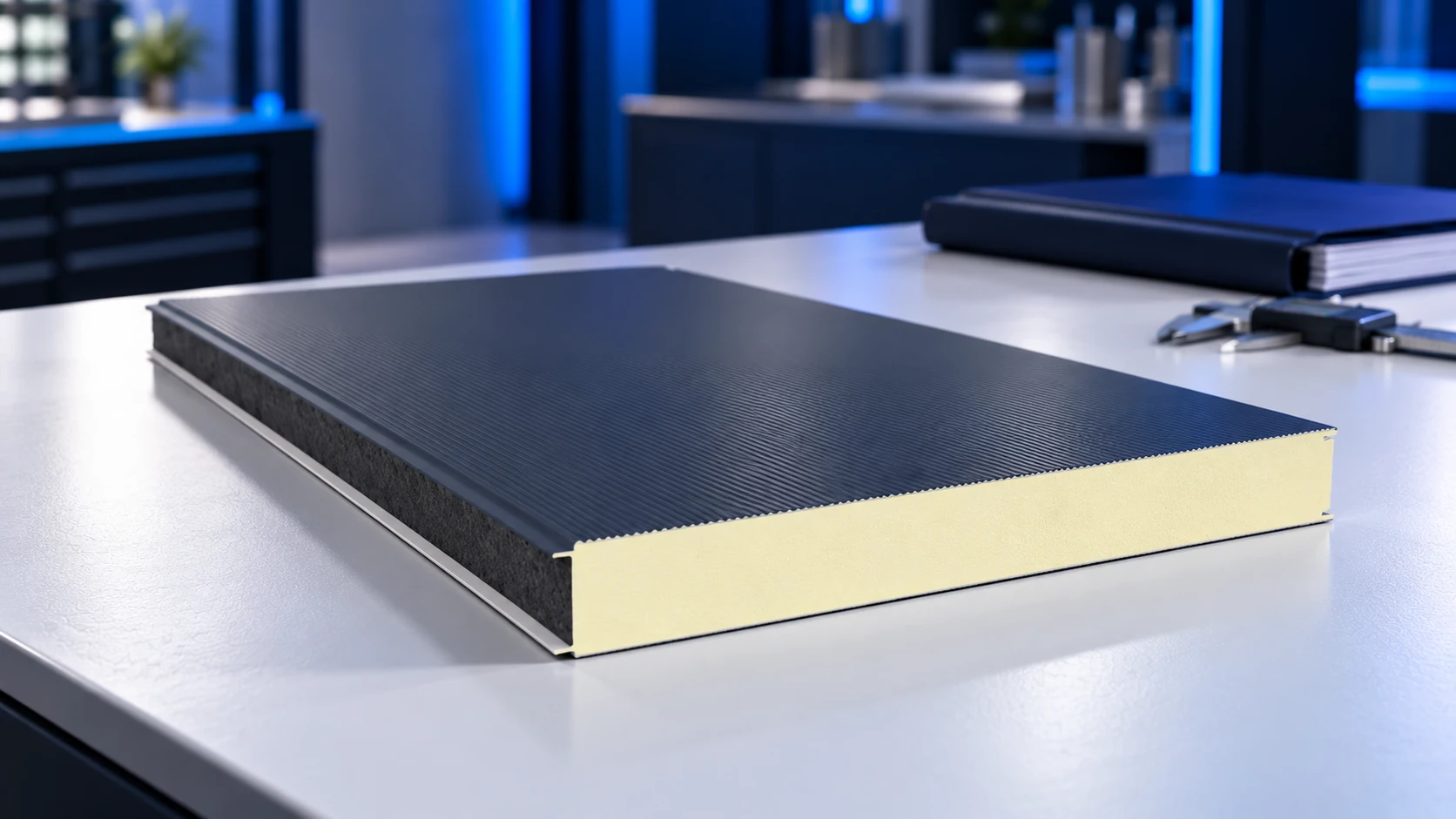
Sandwich-panel thickness is selected against thermal targets, loads and operating conditions. No single table converts a standard's name into a required number…
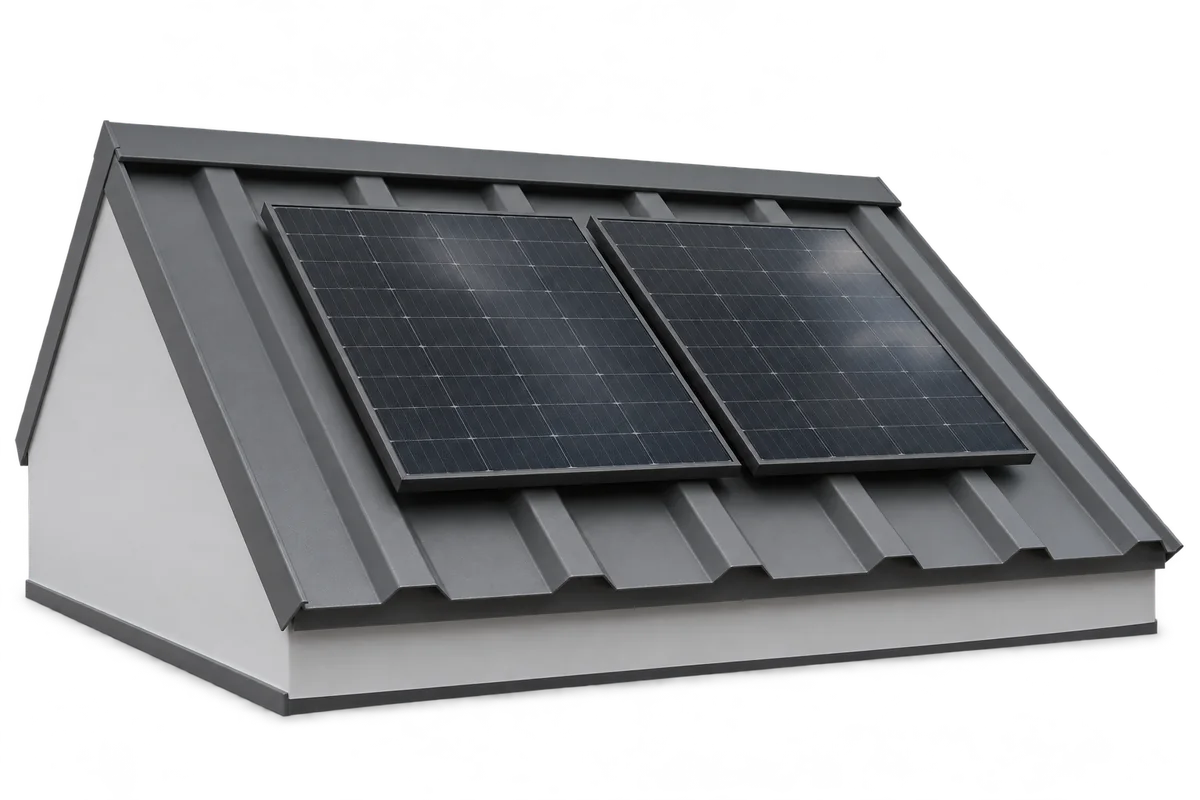
The fixings for a photovoltaic array must suit the specific roof and the loads it will carry. Metal tile roofing, trapezoidal sheets…

The instructions for your roof covering tell you where PV mounts may be fitted, how to seal penetrations and how to protect…