What does a roofer do, and which parts of the roof are included?
Structure and installation
Agree the scope of roofing work before materials arrive on the roof. It includes the covering, connections, drainage and checks on installation conditions. This Budowlanka.org guide separates responsibility for the substrate, accessory supply, detail execution and acceptance. That is particularly important where several trades are involved or refurbishment reveals damage only after stripping. A good installer checks geometry, knows the exact product instructions and protects materials during interruptions. Fastener tightening, swarf removal and photographs of concealed details also reveal workmanship quality. A written list of responsibilities makes it easier to compare the completed service with the work originally ordered.
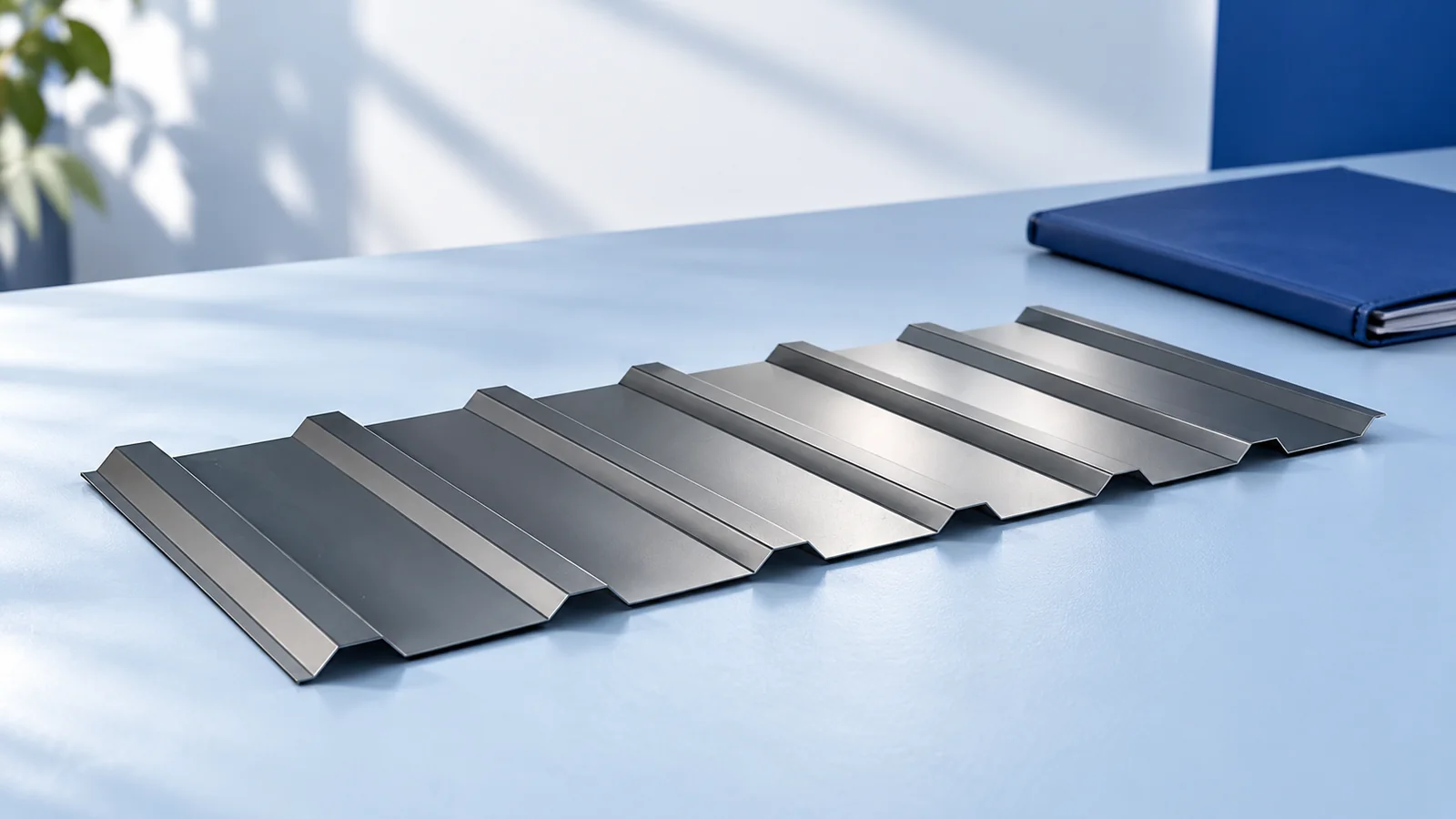
Where does the roofer’s work begin?
Before laying the first sheet, the contractor should check roof dimensions and geometry, including eaves alignment, diagonals and supports. The roofer does not replace the structural designer but should identify obvious discrepancies or unsuitable installation conditions and report them before they are concealed.
The selected product is part of this discussion. Long cut-to-length sheets, small modules and sandwich panels need different preparation. Instructions must match the exact material version. Similar sheet shapes do not prove identical fixing positions or lap requirements.
Which tasks should the agreement include?
The scope may include underlay, counter-battens, battens, sheets and flashings, often with gutters, service penetrations and roof access steps or walkways. Agree which items the client supplies and which the contractor provides. A missing small accessory can stop work or lead to an unsuitable substitution.
For refurbishment, separately agree stripping the old covering and protecting the exposed building. Waste transport and pricing of repairs discovered after opening the roof also matter. A general item such as roofing installation is insufficient: the parties may interpret it differently, particularly for difficult flashings.
What distinguishes careful installation from fast sheet laying?
Straight sheets are not the only criterion. The roofer must preserve drainage and ventilation, checking laps, gasket compression and flashing arrangement. An undertightened screw may not seal its hole; overtightening can distort the washer or sheet. Screw count alone does not ensure a correct result.
Clean working practices matter. Remove drilling swarf before it rusts on the coating. Do not drag sheets across one another. Use cutting tools approved for coated sheets. Sparks and overheated edges can damage protection even if the defect is not obvious on acceptance day.
Which tools and skills are needed?
Besides cutting and driving tools, the installer needs measuring equipment and tools for forming flashings. Safe lifting onto the roof is equally important. Long sheets need proper support. Carrying them at a few arbitrary points can permanently distort the profile and make joining difficult.
The installer should distinguish fixing the covering to its support from stitching a lap. Sandwich panels also require consideration of support material and assembly thickness. One randomly selected screw cannot suit every job. Ask how fasteners are chosen and whether the installer knows the selected product’s instructions.
How can you assess a contractor before signing?
Ask for examples of similar roofs, preferably after several seasons of use. Consider the type of experience: a simple gable roof and a complex roof with dormers require different work. A distant photograph reveals little about valleys, chimney details or underlay joints.
A useful discussion covers difficult details as well as price. The contractor should explain work sequencing and suitable working conditions. Agree how changes will be reported and stages documented. A competent installer will not promise the same completion date regardless of weather or one universal method for every sheet.
Ask how materials will be protected during interruptions. A sheet pack beneath an impermeable tarpaulin can trap moisture. A careful contractor plans storage, separates damp sheets and observes protective-film removal deadlines. Roof quality therefore starts before the first screw is installed.
What should you inspect at completion?
Check that flashings, drainage and accessories are complete. Inspect the coating for scratches and swarf, and confirm that protective film was removed on time. Installation photographs help assess concealed components. Records should identify the material and how important joints were made.
Finish acceptance by agreeing inspections and rules for accessing the roof. Keep specifications, instructions and records of changes. For every contract item, also identify who supplies it, who installs it and who confirms acceptance. This simple division closes gaps between trades and helps identify the cause of a defect rather than arguing over the name of a service.

Free quote
What to include in your enquiry
Tell us how you plan to use the material, the dimensions and the quantity you need. Include the thickness, grade or variant name, along with the delivery town or your preferred collection branch. For a specific product, add its name or a link to the product page. We will reply to the email address you provide to discuss availability and the terms of your order.


More from the building guide
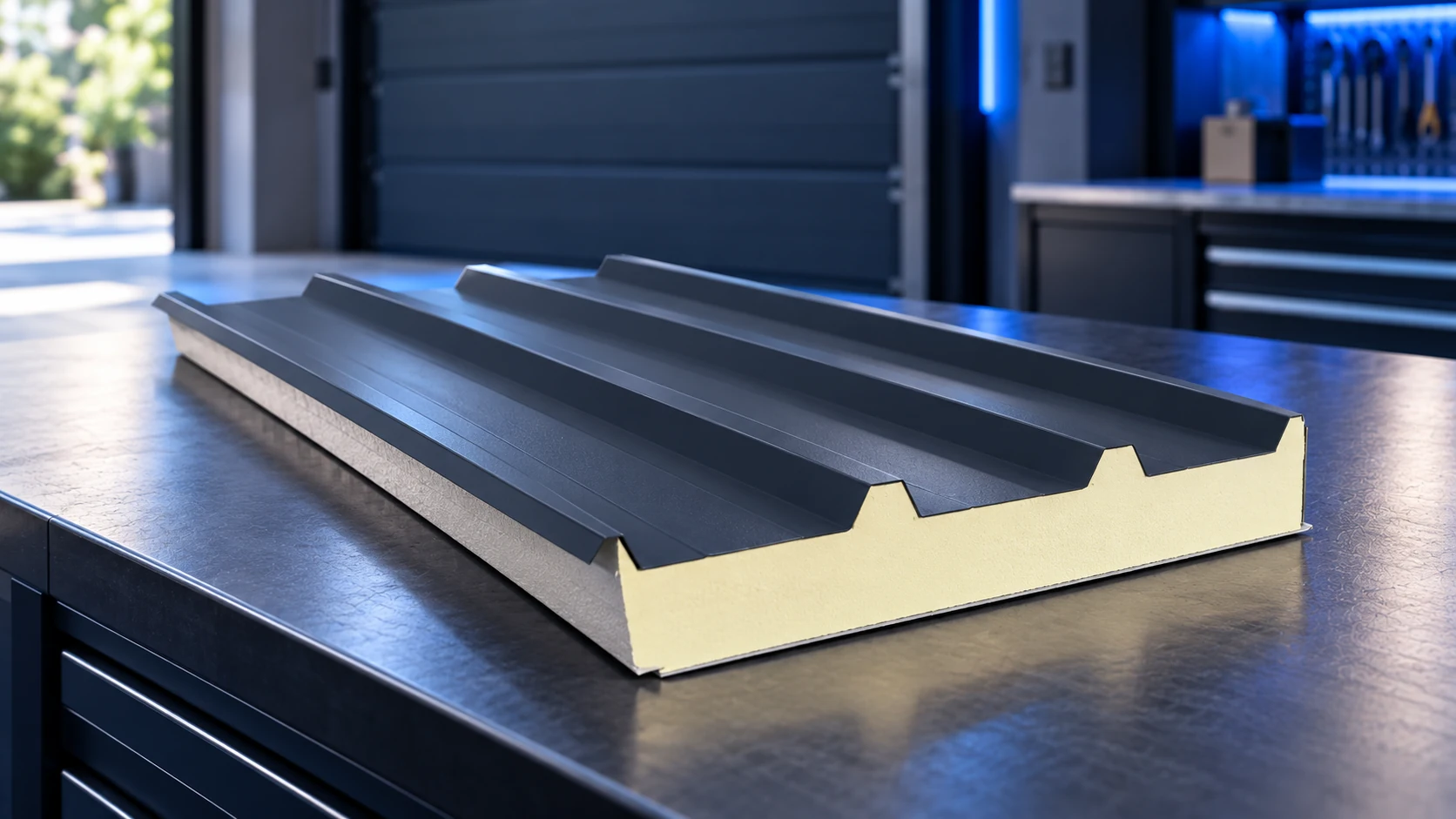
The right PIR sandwich-panel thickness for a garage roof depends first on whether the garage will be heated. Thermal requirements, support spacing…

Compare PIR and EPS cores using the declared performance of complete roof sandwich panels, not figures for loose insulation boards. U-values, weight,…

Start gutter selection for a metal roof with the amount and direction of runoff, then consider shape and colour. Relevant details include…

Check the completeness of a roof quotation before comparing the price of individual sheets. Include effective coverage, material specification, accessories, delivery and…

A roof can be understood as two cooperating systems: a load path and a drainage path. Rafters, wall plates, purlins and connections…
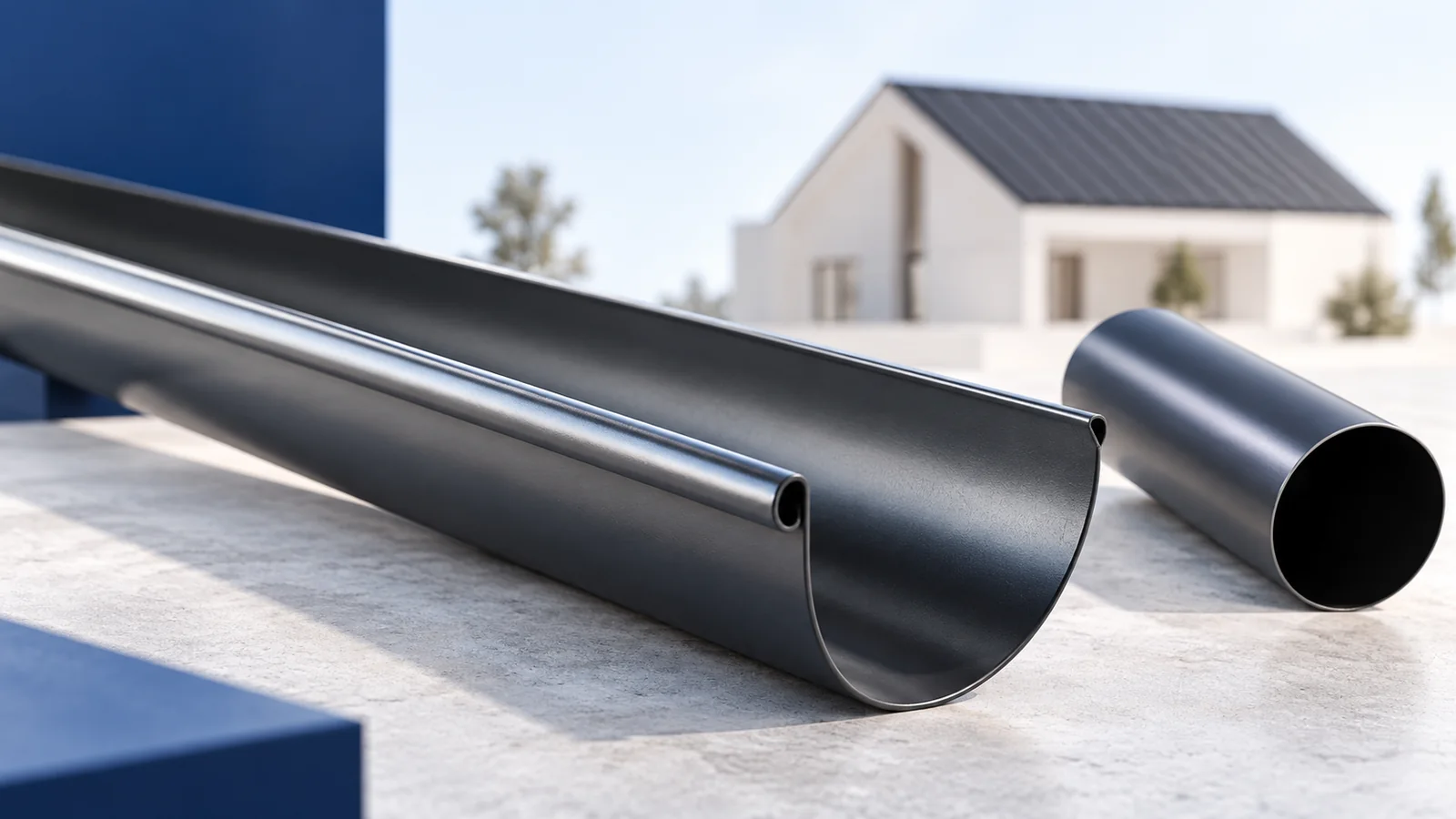
When buying a complete roof, establish where the supplier’s scope ends and the installer’s begins. Structure, substrate, protective layers and covering are…
Replacing old fibre-cement roofing involves two separate decisions: how to remove the existing material safely and what roof to install afterwards. Not…

A house-building schedule should show what must be ready before each trade arrives. Roofing depends on foundations, walls and supports, while closing…