






Steel tile-effect roofing or clay tiles: what to compare before buying
Metal roofing
Steel tile-effect roofing is generally much lighter than clay tiles, but weight alone does not determine the cost or durability of a completed roof. Compare the complete coverings, accessories, supporting structure and installation work. For renovation, start with an assessment of the existing roof structure; for a new house, begin with the design and roof geometry. Effective cover area, cutting waste, acoustic performance of the complete roof and the scope of warranties all affect the decision. The comparison below helps put two quotations on the same basis rather than choosing solely by the price of a square metre of covering.
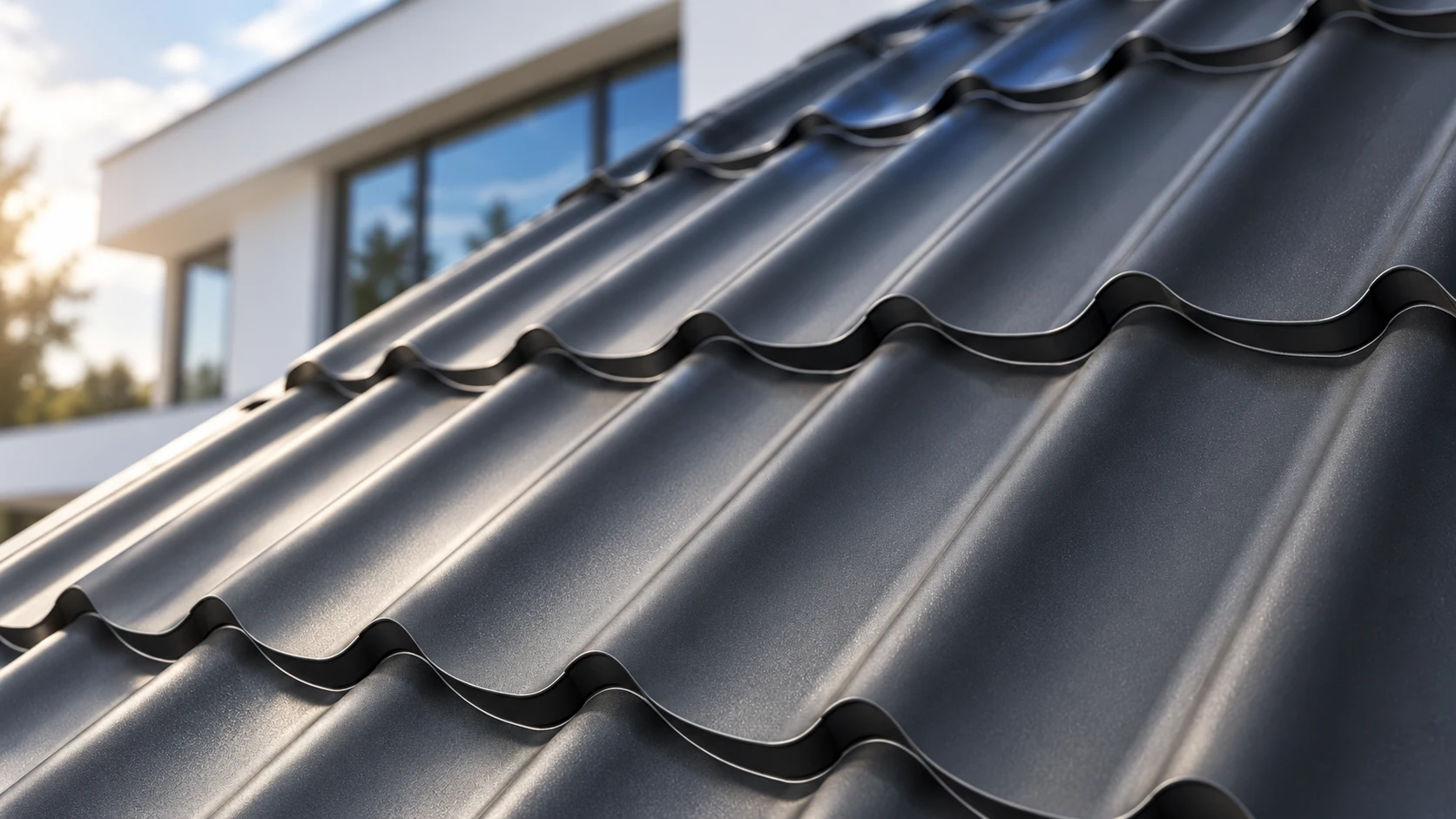
Covering weight matters to the structure
A steel tile-effect covering may weigh, for example, 4.7 kg/m². That is the weight of a particular covering, not the entire roof. Battens, other layers, accessories and installations add load. Clay tiles are much heavier than thin sheet steel alone, but their exact weight must be established for the selected model and number of tiles per square metre.
On an older building, the difference can determine how much strengthening is needed. A lightweight covering does not remove the need to inspect rafters. Timber may be damaged independently of the previous load. Switching to metal will not repair excessive deflection, poor joints or moisture damage in the structure.
Compare the cost of the complete package
The covering price is only one item. Include ridge and verge components, flashings, ventilation, roof access equipment and snow guards in both quotations. Price underlay, timber, transport and labour separately. For clay tiles, include the necessary special tiles and fixings too.
For an illustrative calculation in PLN, assume PLN 39.35 net per m² of effective cover for 0.50 mm steel with a 25 µm polyester coating. This is an assumed material-only price, not a current offer or an installed-roof quotation. A clay-tile quotation for the same roof is still required; without it, no reliable percentage saving can be stated.
Identify components that do not need replacement. If gutters remain, both quotations should allow for the same work on them. Apply the same rule to roof windows and flashings. Comparing a complete new system with a partial renovation gives a misleading price comparison.
Roof shape changes cutting waste
Large sheets can use material efficiently on a simple roof. Numerous hips, valleys and dormers require a cutting analysis. Small components adapt more readily to changing geometry, but their quantity and cut shapes also matter. No single waste percentage applies to every tile-effect roofing product.
Ask the contractor for a schedule covering the same roof, showing roof area, ordered quantity and cutting remnants. Do not count the difference between overall area and effective cover a second time as waste. Otherwise one option can be overstated and the other appear artificially cheaper.
Indoor noise depends on the entire roof build-up
Clay tiles and thin metal respond differently to rainfall. What is heard in a bedroom also depends on insulation, airtightness, the supporting structure and ceiling. Comparing two loose samples does not reproduce a finished house. Assess the complete roof assembly, including details and workmanship.
For a habitable attic, have the designer assess the complete assembly. Do not replace this with a claim that an under-sheet mat will eliminate all noise. A solution suitable for an open shelter may not suit a bedroom under a slope. Acoustic insulation and roof ventilation must work together.
A warranty is not a roof replacement date
Metal roofing warranties cover different risks. Technical and appearance warranties may have different durations. Read the environmental, installation and maintenance conditions too. A “50 years” label alone does not explain which events the document covers.
Both coverings depend on the right system and sound detailing. With metal, inspect coatings and cut edges. With clay tiles, check tiles, fixings and underlay, among other components. Neither system should be selected on an unsupported promise of a century without maintenance.
Prepare two estimates from one checklist
List the building requirements in one column, the complete metal roofing package in another and a specific clay-tile model in a third. Agree the same scope and area calculation. Check whether both offers include chimney flashing, valleys, unloading and removal of the old covering.
Only then narrow the choice. In renovation, the existing structure may be the limiting factor. For a new house, appearance, budget and the crew’s experience may carry more weight. Give the contractor the manufacturer’s instructions before ordering, so details needing an additional solution can be identified early.
Also ask about individual replacement components for future repairs. Establish which product markings and documents to keep. Identifying the model will help match materials later in either system.
Frequently asked questions
Does metal always make a cheaper roof?
No. Compare complete materials and installation for the same roof. Premium coatings and numerous details can change the result.
Can lightweight steel roofing go on any old roof structure?
No. Assess the structure independently of the new covering’s weight.

Free quote
What to include in your enquiry
Tell us how you plan to use the material, the dimensions and the quantity you need. Include the thickness, grade or variant name, along with the delivery town or your preferred collection branch. For a specific product, add its name or a link to the product page. We will reply to the email address you provide to discuss availability and the terms of your order.
More from the building guide
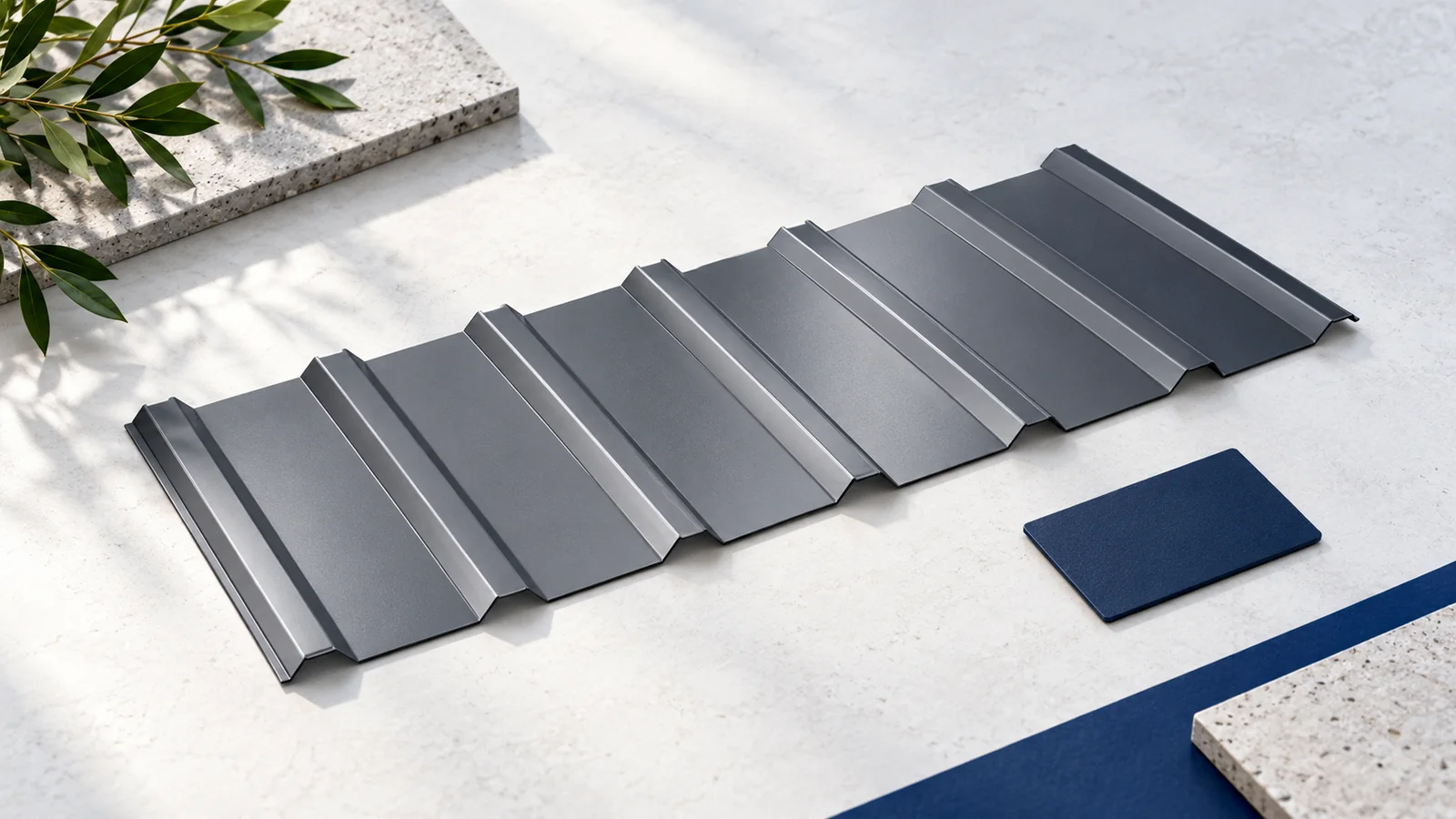
A multi-pitched roof can bring different parts of a house together, but each slope and junction needs assessment. Covering selection depends on…
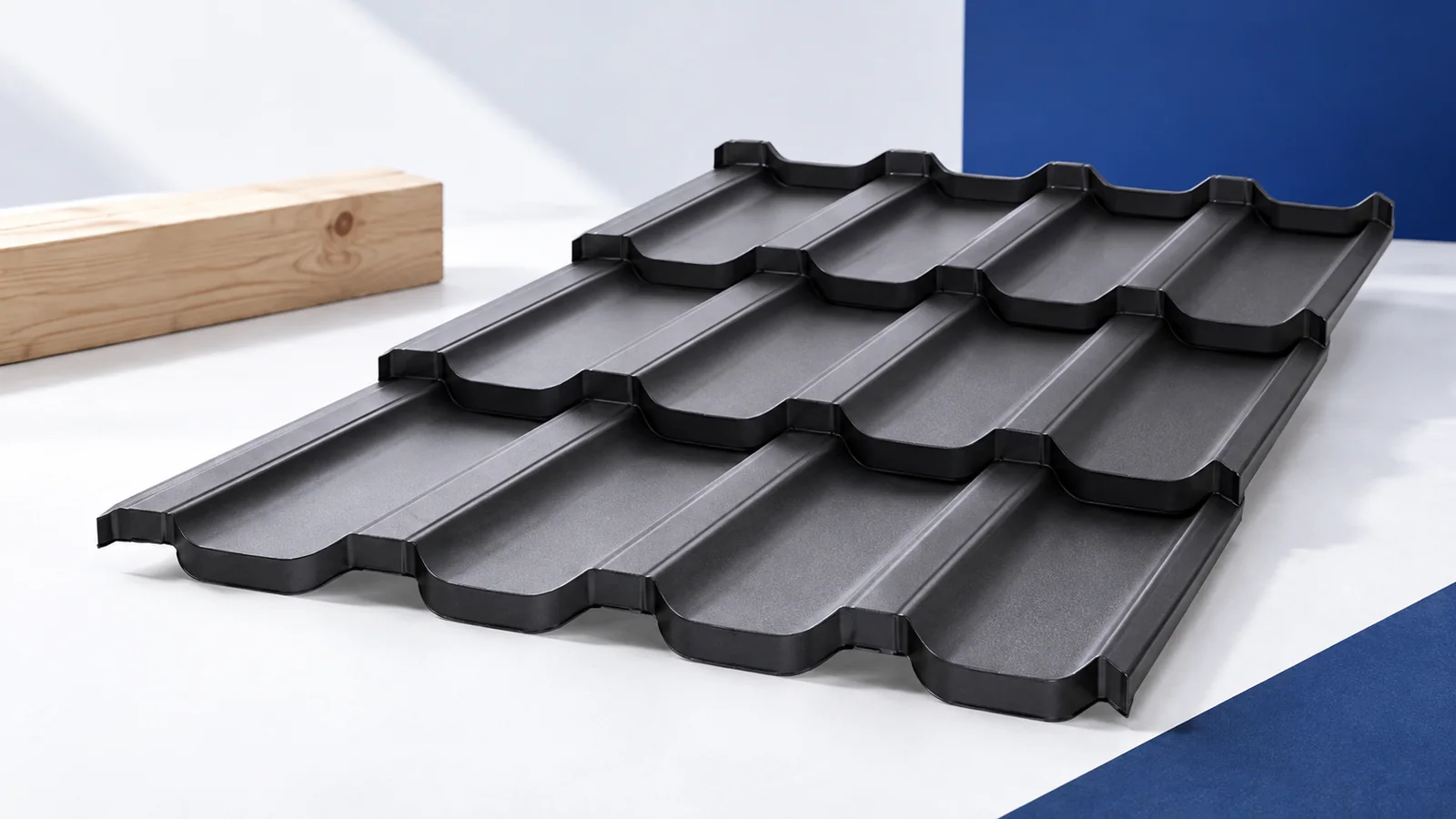
Plan a roof-covering replacement as a sequence: assess the existing structure, define the work, protect the interior, remove old materials and then…
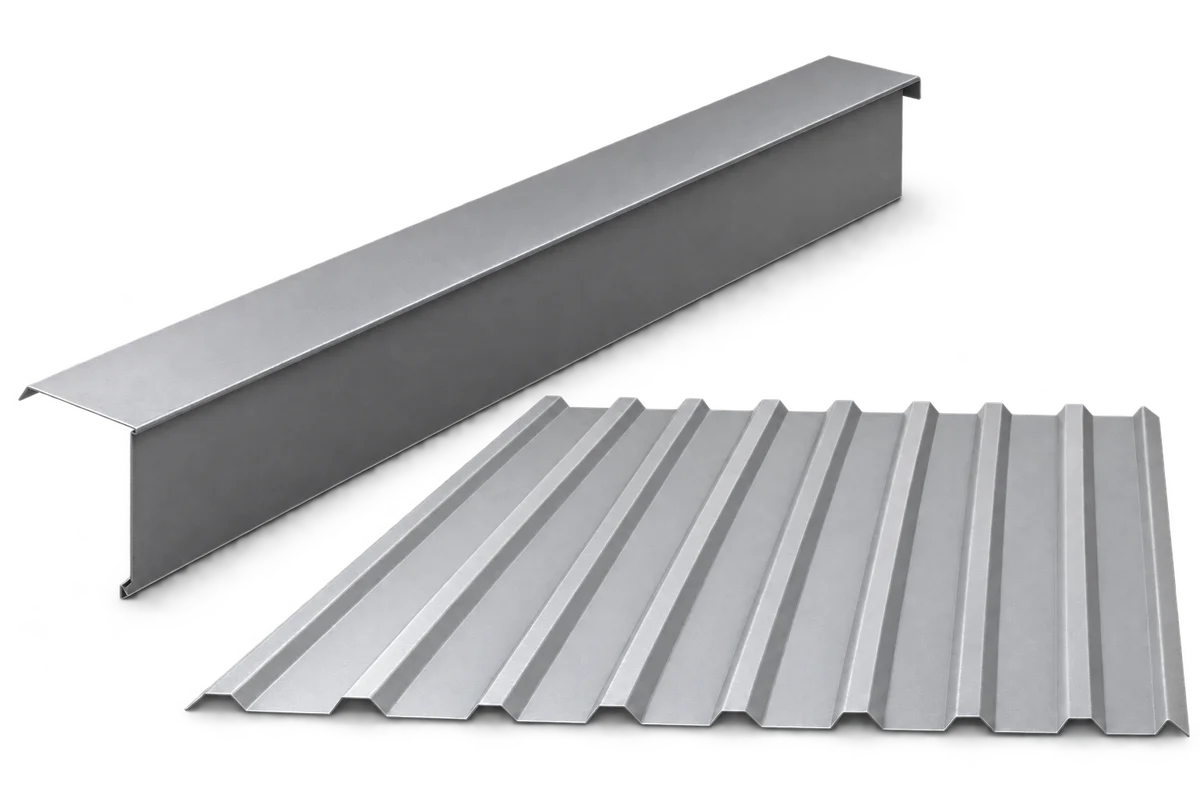
Order custom verge flashing for a house refurbishment from a drawing of the finished section and a detail agreed with the roofer.…
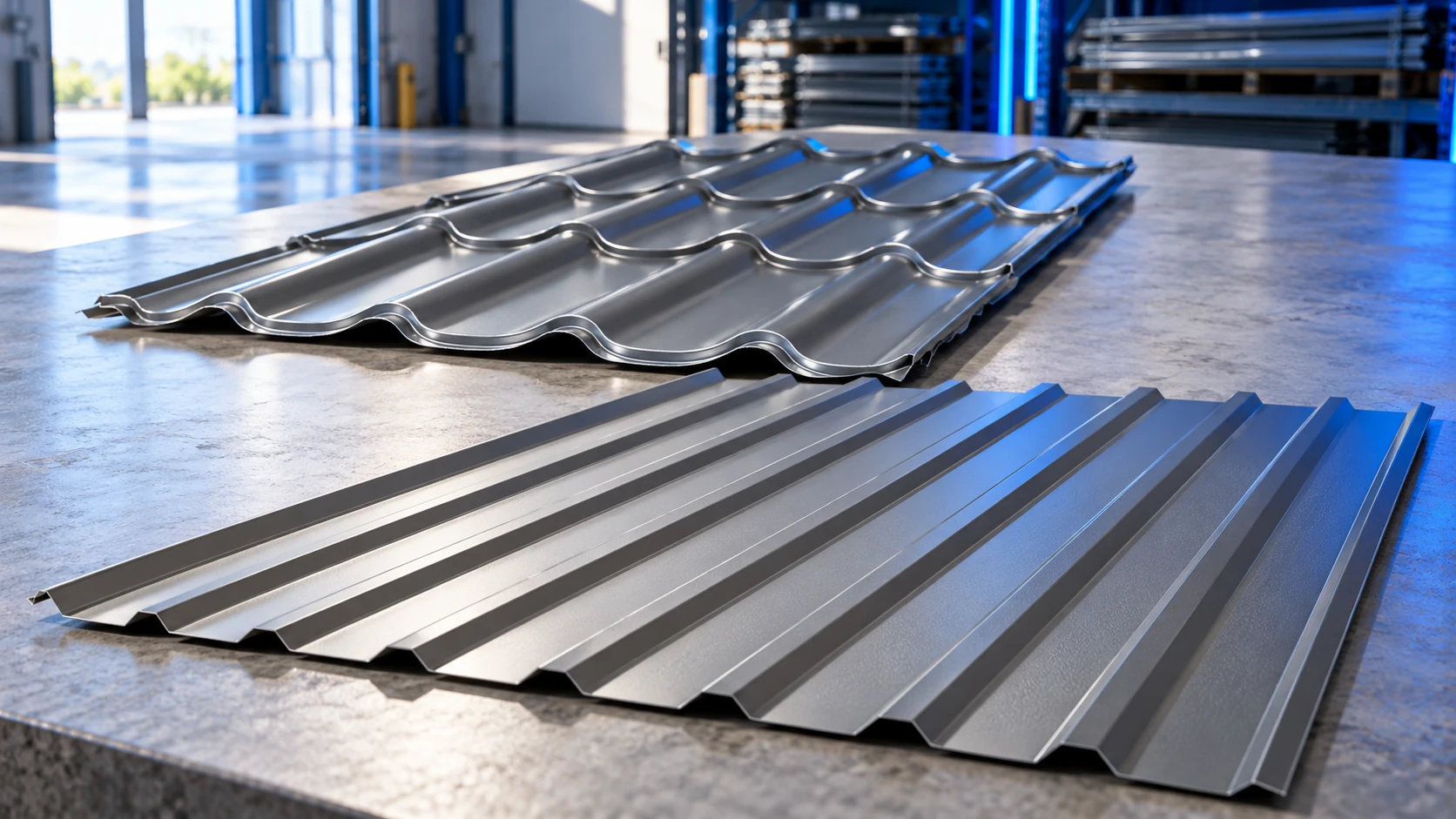
The cheapest sheet does not necessarily produce the cheapest finished roof. Substructure, flashings, cutting waste and installation all belong in the comparison,…
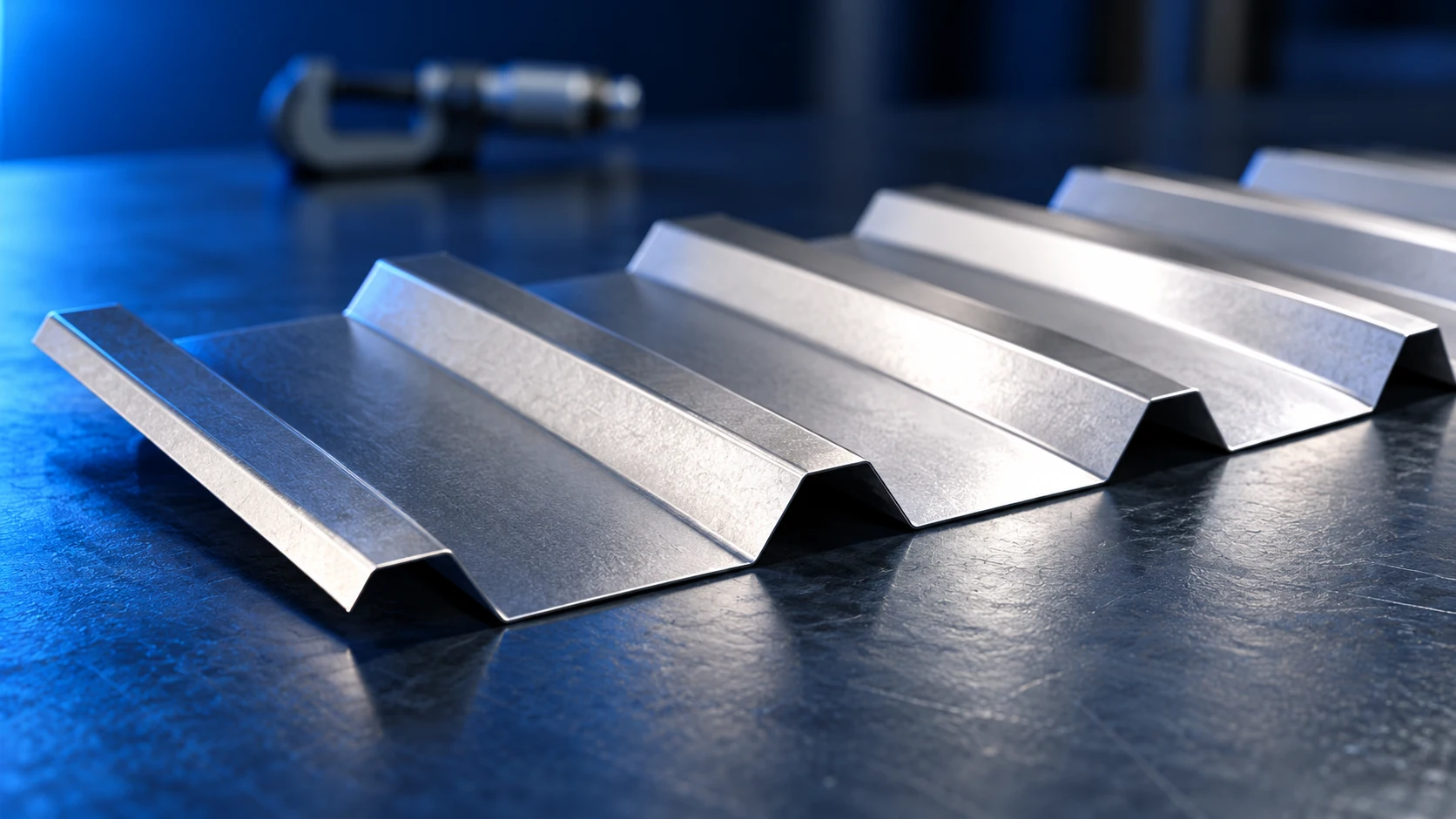
There is no single sheet thickness suitable for every roof. Trapezoidal roofing must be selected together with its profile, support spacing, loads…
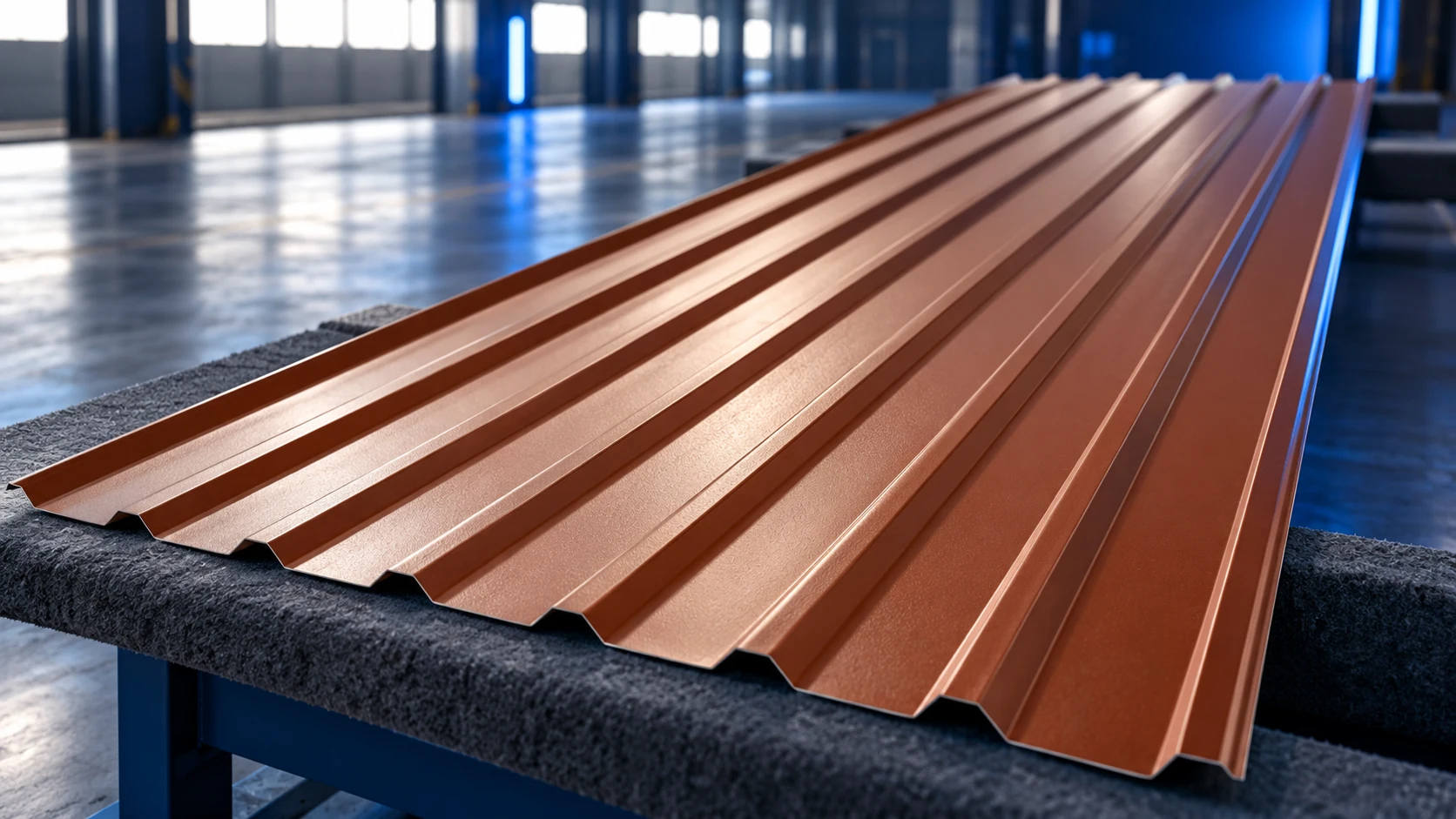
The cost of 100 m² of roofing sheet cannot be compared with a quotation for 100 linear metres until the sheet's cover…
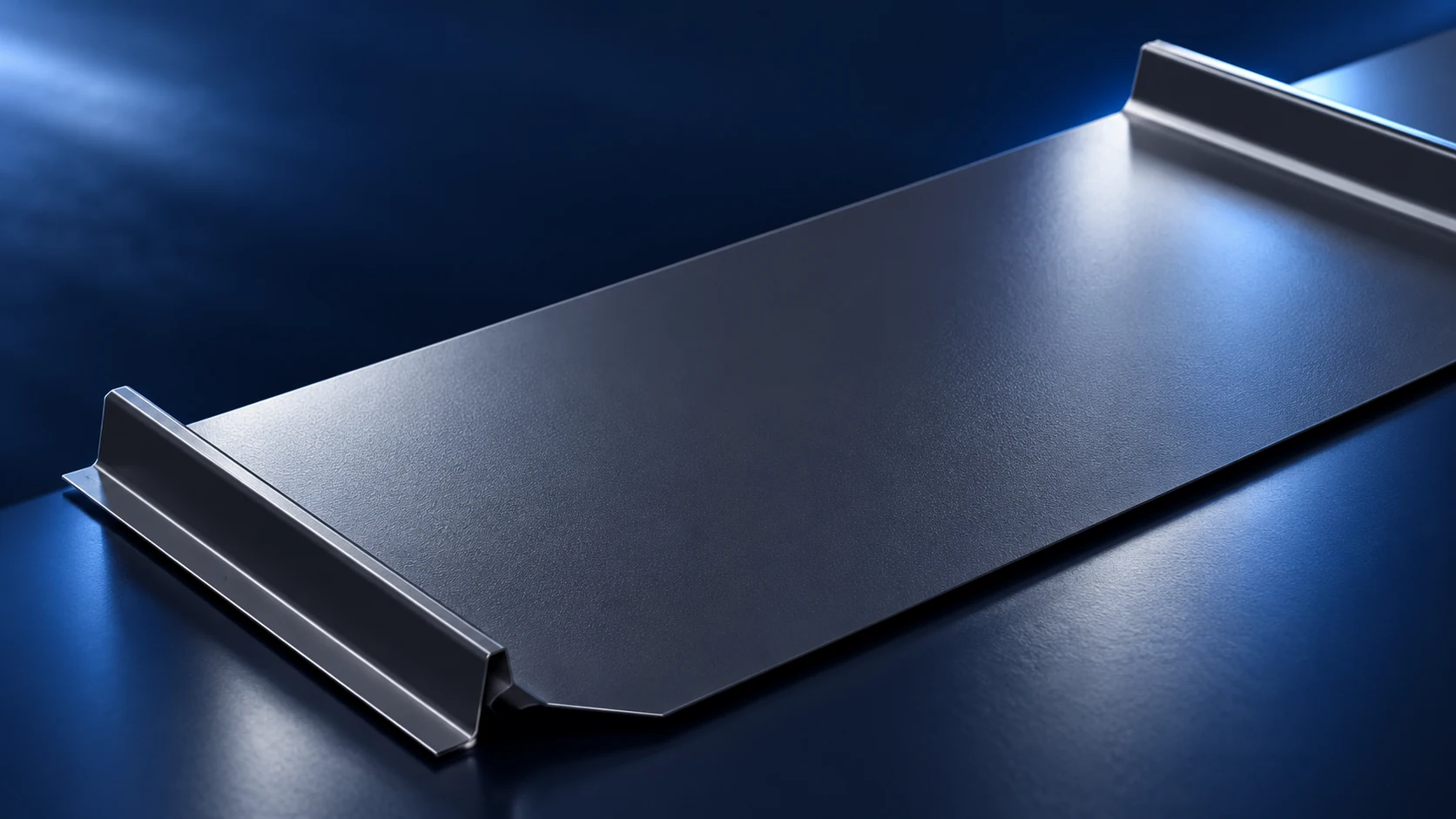
Standing-seam roofing joins neighbouring metal strips along raised longitudinal edges above the flat part of the covering. The seams may be folded…
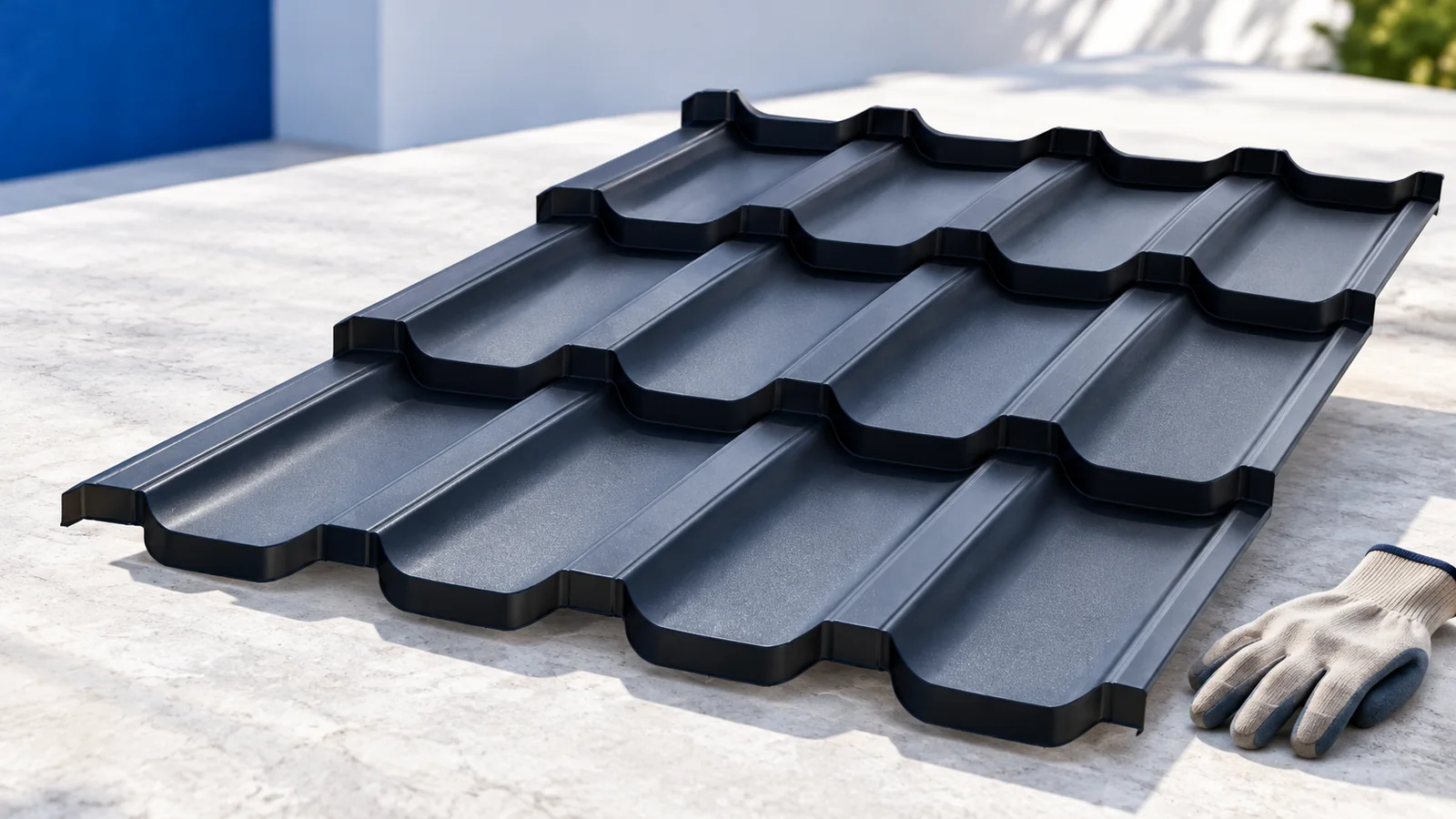
Choose a holiday cabin roof around its structure, pitch and intended use. A building visited in summer needs a different roof build-up…