






PIR or XPS on a flat roof? Start with the layer arrangement
PIR boards and insulation
PIR and XPS can both be used in suitable flat-roof constructions, but they do not necessarily occupy the same position. Establish where the waterproofing lies and how the roof will be used before comparing conductivity, thickness or price. This guide distinguishes conventional and inverted roofs, considers build-up height and explains why compression-test figures are not long-term allowable loads. It also covers membrane compatibility, fixings, temporary weather protection and whole-roof costs. Substituting one insulation material without reviewing the design can undermine a sound assembly. The correct choice is a documented product in an appropriate position within a coordinated roof system.
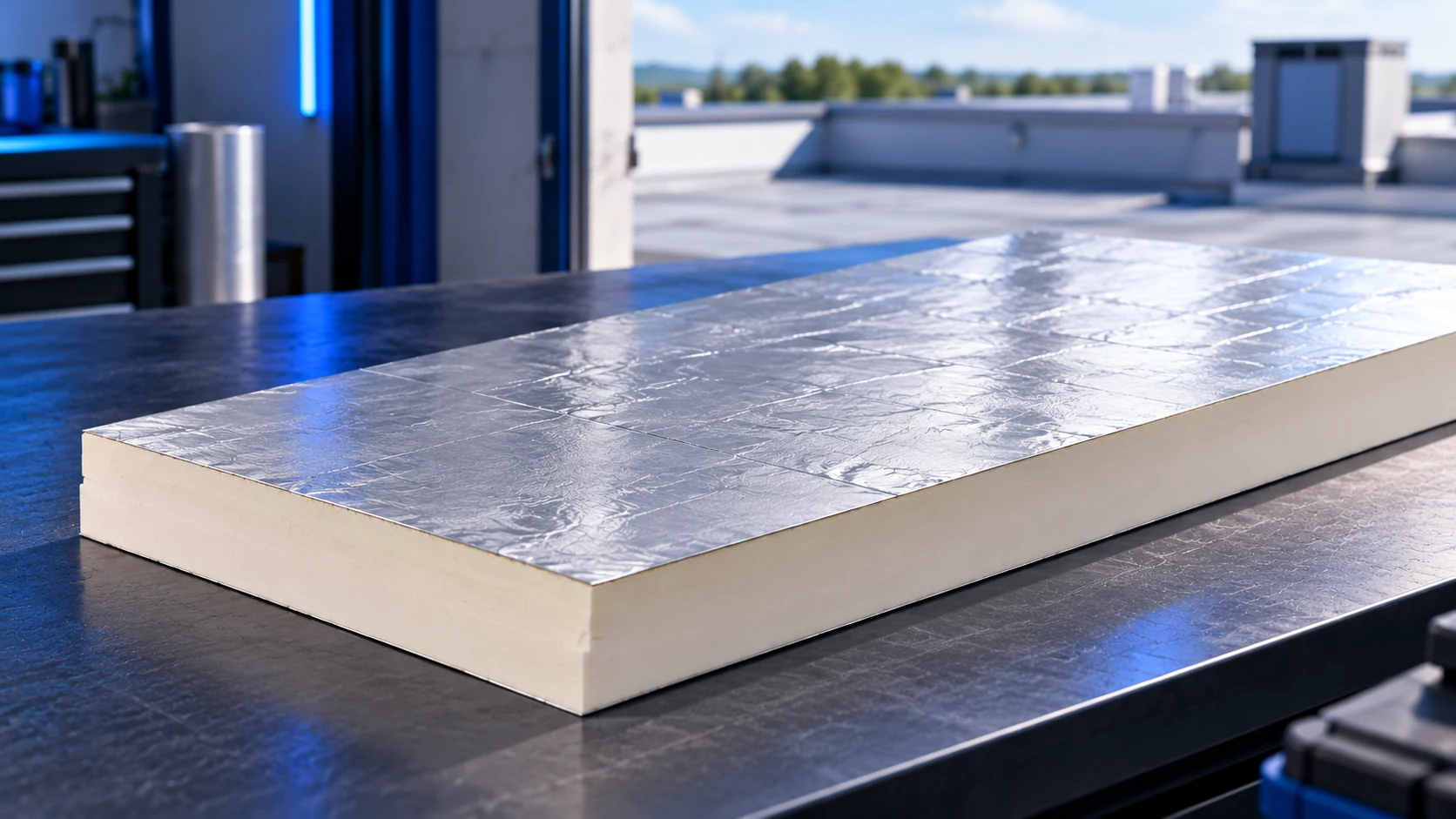
Choose between a conventional and an inverted roof first
In a conventional assembly, waterproofing protects the insulation. On an inverted roof, thermal insulation sits above the waterproofing and encounters different water and temperature conditions. That distinction is fundamental to material selection.
Inverted roofs use appropriately specified XPS above the waterproofing, secured by the designed ballast. Not every XPS suits every inverted roof. Confirm product properties, separation layers and the complete assembly, including water movement and intended roof use.
Where does PIR fit?
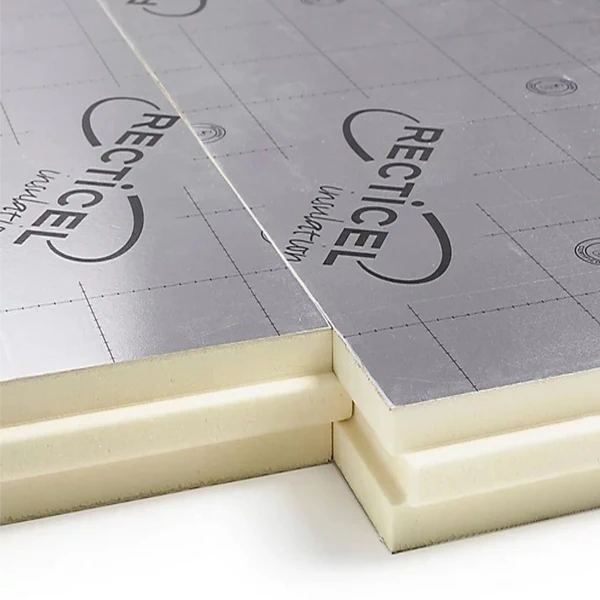
PIR boards can be used over a load-bearing deck beneath waterproofing in a suitably designed assembly. Resolve vapour control, fixings and material compatibility. Keep insulation dry during installation. Do not simply seal wet boards beneath the roof covering; assess their condition first.
Do not treat aluminium-faced PIR as an automatic replacement for XPS above waterproofing. Low water absorption alone is insufficient. Facings and documented use matter, together with position in the section, fixing method and covering compatibility.
When does reduced thickness help?
PIR can be useful with low parapets, restricted thresholds or terrace refurbishment. One illustrative comparison might use lambda 0.022 W/(m·K), while a thinner version could have 0.023. These are examples. Do not apply the lowest conductivity to an entire thickness range without checking the actual product.
Compare XPS using data for the selected model and thickness as well. Include falls, supports and paving in the total height. The insulation core is only part of the section; saving a few centimetres matters when it improves an actual junction, not merely a comparison table.
Test compression is not the permissible service load
Roofs may carry ballast, planters, equipment and maintenance traffic. Air-conditioning bases and terrace supports create concentrated loads that need separate assessment. A large kPa figure in a leaflet does not permit arbitrary loading.
A board might list 150 kPa at 10% deformation, with another version at 120 kPa. These illustrative test values do not define permissible pressure over years of use. Permanent loads require assessment of long-term behaviour and load distribution. The same principle applies to XPS and rooftop equipment supports.
Check covering, adhesive and fixings together
PIR comes with different facings, which are not all suitable for the same bonding or welding method. The roof instructions and waterproofing documentation must form a compatible set, including any separation layers.
Mechanical fixings must suit the deck and wind uplift; bonded systems have their own requirements. Do not copy a fixing count from another roof. When refurbishing, assess layers that will remain. Sealing a wet existing build-up beneath new insulation can create further problems.
Plan weather protection during the work too. Material delivered in the morning may meet rain before the covering is installed. Limit each day’s exposed area to what can be closed safely. That organisational cost is absent from a comparison of board specifications alone.
Compare the cost of the whole solution
As a purely illustrative calculation, take insulation prices of PLN 80 and PLN 100 net per m². Across 100 m², the difference is PLN 2,000 net before waste and other layers. These are worked-example amounts, not current offers. A real estimate needs two quotations with the same supply and installation scope.
Include vapour control, waterproofing, fixings, flashings, falls and delivery. For inverted roofs, include ballast and structural requirements. Without a current offer for the selected XPS, there is no basis for naming a price winner. Compare the same outcome and scope.
Make the choice for your own roof
Prepare a section and load schedule. Define drainage and intended use, identifying equipment and maintenance routes. Then choose a product documented for the position designed for it.
Compare PIR where suitable waterproofing protects the insulation. XPS may be advantageous in inverted assemblies designed for it. Compatibility of every layer ultimately decides. Excellent conductivity cannot correct a wrong material position, and high strength cannot replace effective drainage.
Frequently asked questions
Can PIR replace XPS above the waterproofing?
Only where the specific product documentation and roof design expressly provide for that arrangement.
Is PIR always the cheaper option?
No. Compare the complete roof, its loads and current quotations.

Free quote
What to include in your enquiry
Tell us how you plan to use the material, the dimensions and the quantity you need. Include the thickness, grade or variant name, along with the delivery town or your preferred collection branch. For a specific product, add its name or a link to the product page. We will reply to the email address you provide to discuss availability and the terms of your order.

More from the building guide
Effective roof insulation forms a continuous boundary around heated rooms, rather than merely a thick layer across the middle of a slope.…
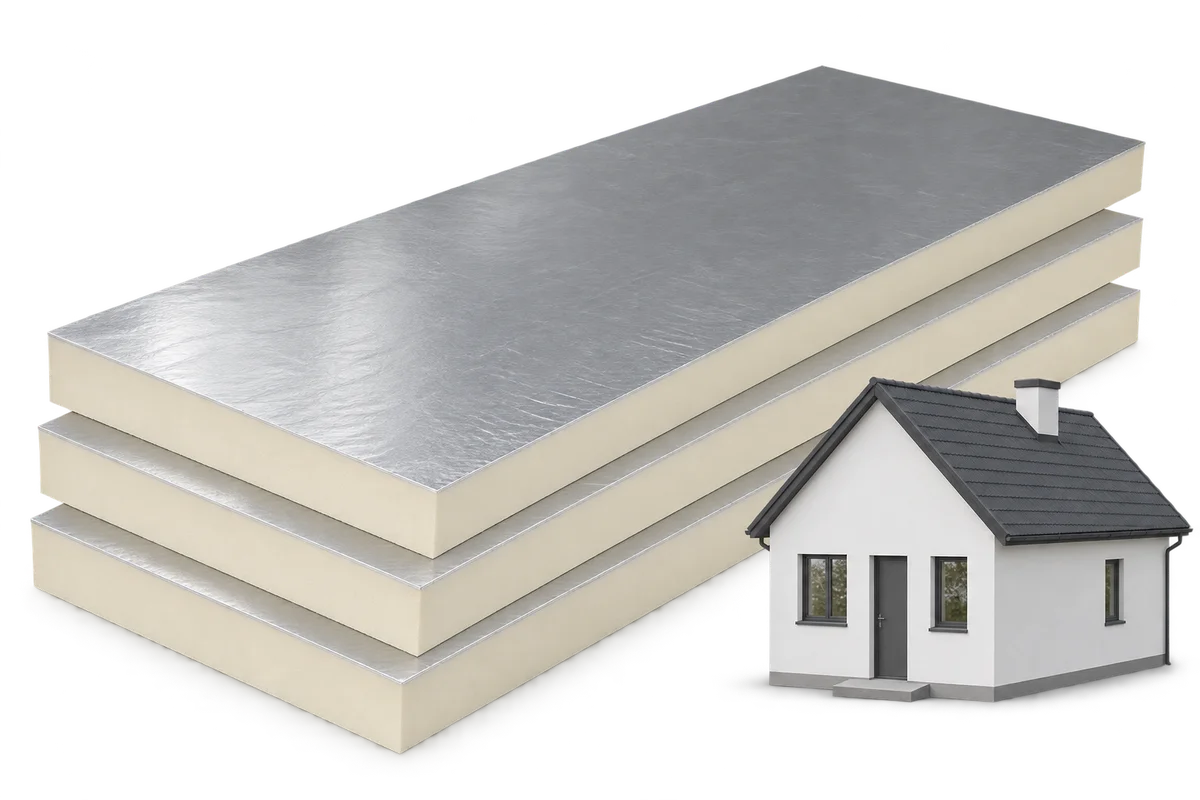
Planning PIR insulation should begin by identifying which rooms will belong to the heated part of the house. The roof, a ceiling…
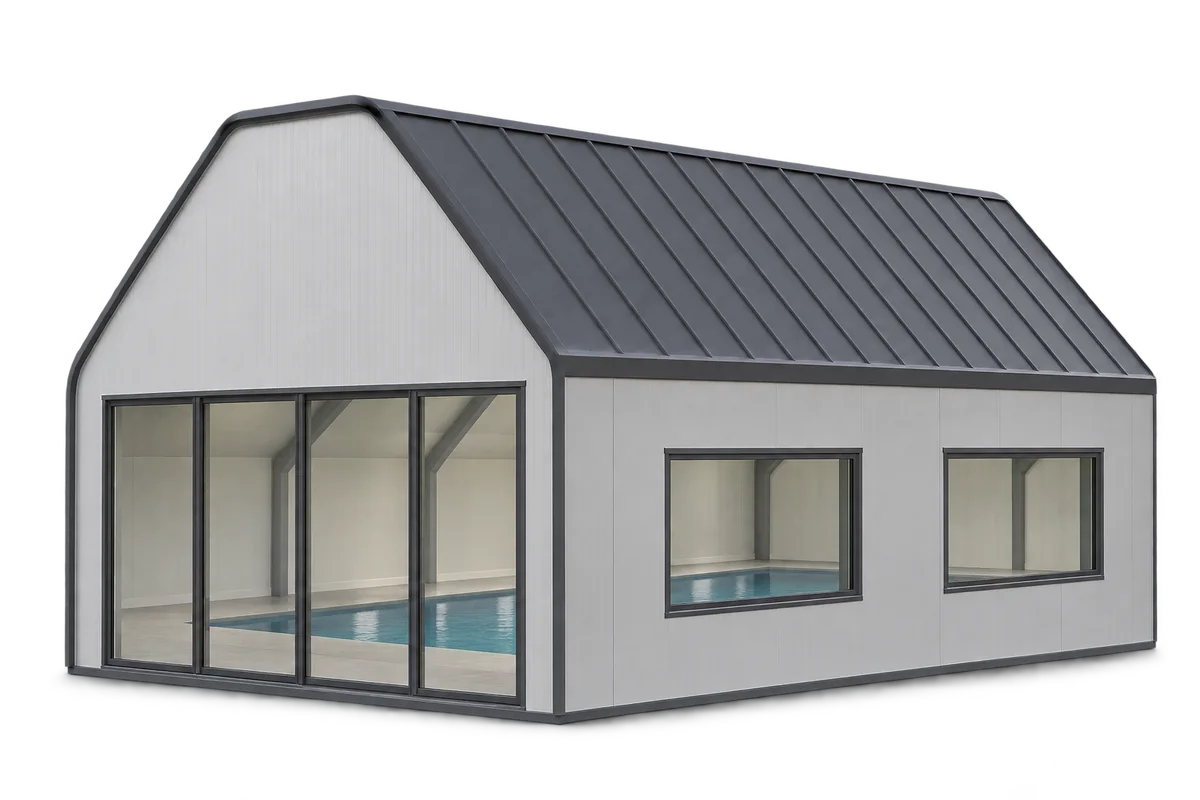
A roof over a heated pool has to withstand warm, humid air and the chemicals used to treat the water. Specify the…
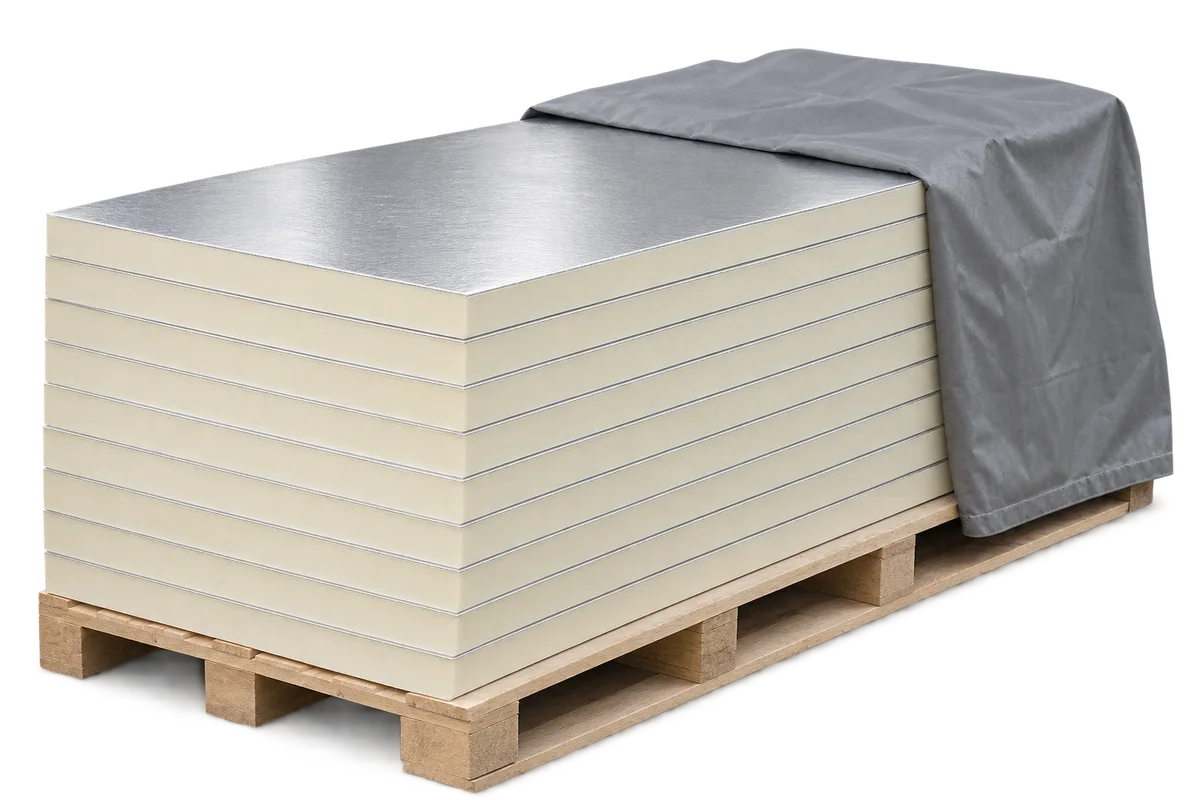
Several packs on the lorry may look alike without containing the same board. When insulation arrives, check the product designation and intended…
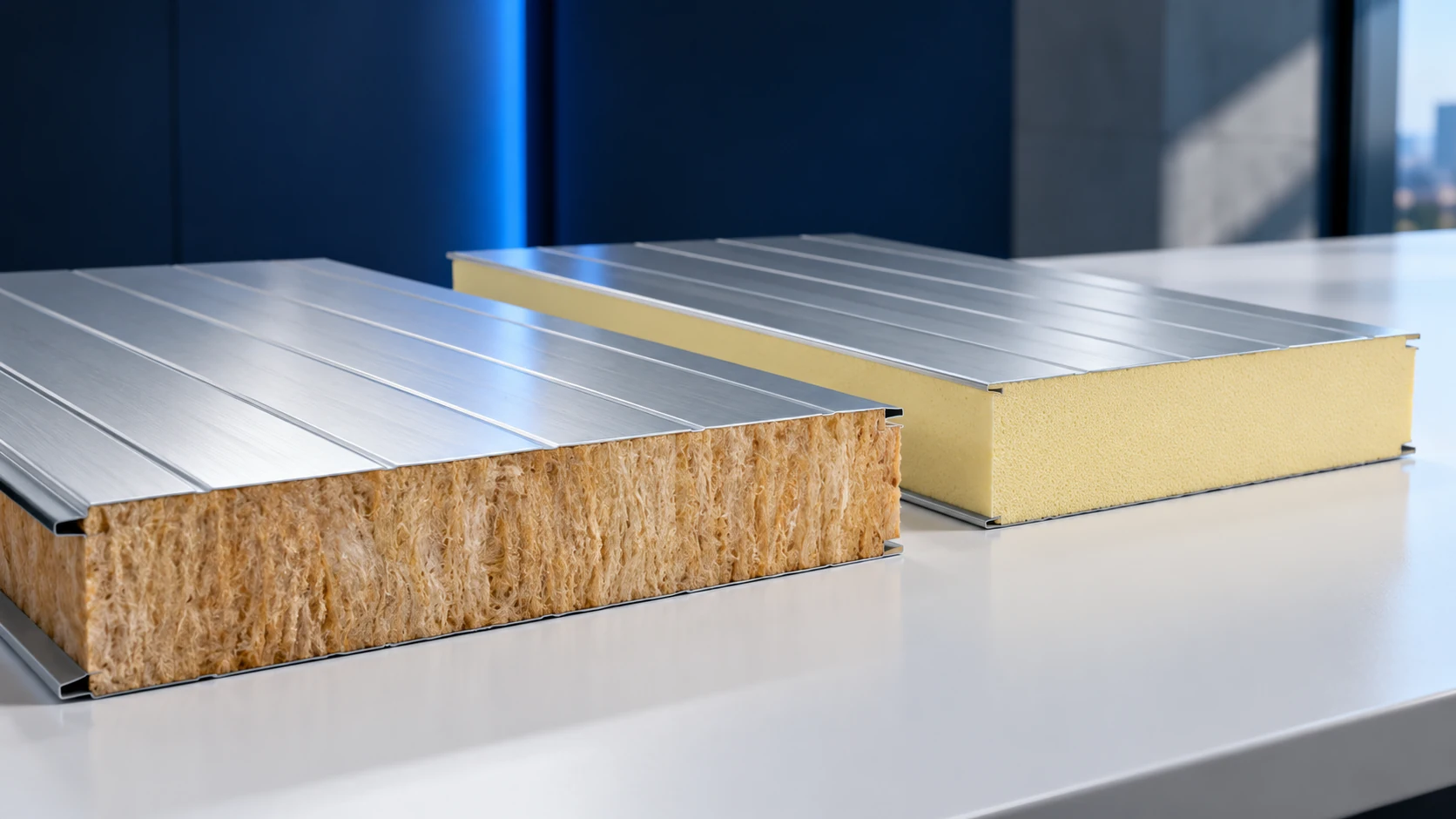
PIR generally achieves a low U-value with less thickness, while mineral-wool sandwich panels may suit particular fire requirements better. Neither is the…
A clay block's family name is not enough to select insulation thickness. You need the precise block, masonry thickness and mortar-joint arrangement,…
A PIR calculator helps compare insulation options, but its result is only as reliable as the data entered. Use the actual masonry,…
A calculator can quickly produce a wall's U-value, but it cannot inspect the masonry, check airtight junctions or identify every moisture risk…