






What changed in Polish building law in 2026, and how should you prepare a project?
Costs and formalities
Preparing a construction project in Poland in 2026 means checking the proposed work, the date the procedure began and the transitional provisions. Simpler administration does not replace design or a safety assessment. Changes affect certain permit exemptions, procedures for departures from approved designs and construction records. Before ordering roofing or insulation, establish what work can actually proceed. This guide organises the decisions that precede purchasing: identifying the legal basis, agreeing roof alterations and approving the materials schedule. It describes Polish rules as assessed on 1 November 2026; the requirements for a particular project depend on its documents and the applicable provisions.
Why does the commencement date matter?
Record publication and commencement dates separately for each new rule. The Act of 4 December 2025 (Polish Journal of Laws, item 1847) illustrates why: most changes took effect on 7 January 2026, but exceptions were specified. Naming the year of an amendment does not establish which version applies.
For an existing case, also examine the transitional provisions. Keep the application or notification date and any decisions in the project file. A draft act or ministerial announcement is not an effective rule; decisions should rely on the published legislation and provisions governing the particular case.
What does simpler administration actually mean?
Separate two questions: whether a permit is needed and whether notification is still required. Exemptions have conditions; planning, technical or heritage requirements may remain. Floor or footprint area is only one possible criterion, so checking a square-metre limit alone is insufficient.
For a terrace, canopy or extension, describe the actual use and structure rather than the sales name. Attachment to the ground and the scope of the project may affect its classification. Rapid assembly from prefabricated parts does not establish an exemption.
Does the ten-year rule cover every unauthorised building?
The ten-year provisions concern specified completed work and material departures under Article 50(6) of Poland’s Building Law. They are distinct from the general simplified procedure for an unauthorised building, where at least twenty years since completion matters. The infringement must first be correctly classified.
Establish the age of the work from evidence, not an owner’s approximate recollection. Previous enforcement action and decisions may also matter. Neither period amounts to automatic amnesty or proof that a building is safe to use.
How can departures from a design be corrected?
Article 51a allows the authority to issue a warning in specified cases of material departures during construction. The aim is to restore conformity, followed by an authority check. It does not authorise unilateral design changes on the assumption that paperwork can wait until completion.
On a roof, distinguish a coating-colour change from alterations to height, geometry or load-bearing members. Give the designer a description of the differences before ordering. Record the agreed solution so the installer and supplier both work from the same current design.
Can construction records still be kept on paper?
Article 47v permits paper construction logs to be issued until 31 December 2031, with an exception for specified restricted sites. A construction log and a building’s operating record serve different purposes; a deadline for one does not apply to the other. Changing the format does not remove record-keeping duties.
Agree with the construction manager where current drawings, reports and delivery documents will be kept. Record the exact product and, where marked, its batch against each material item. The file should identify the installed sheet or panel’s properties rather than merely point to a whole product-family catalogue.
What changed in the technical rules in autumn?
The Act of 31 July 2026 (Polish Journal of Laws, item 1161), Articles 102a–102c, provides arrangements for eighteen months from 20 September 2026. In specified proceedings, a design may use the rules applicable up to 19 September 2026 following the investor’s declaration. Work requiring neither permit nor notification and residential building use are addressed separately. Agree the basis for your project with its designer; this overview reflects the position assessed on 1 November 2026.
How should the changes affect material orders?
Arrange purchases by dependency: confirmed procedure, approved structure and roof build-up, final measurement, then made-to-measure ordering. Faster administration does not make supports ready immediately or shorten manufacturing. Agree those dates separately with the designer, installer and supplier.
Before approving an order, compare panel core and thickness, facings, effective cover and flashings with the design. A scope change may require a revised quantity schedule. T18 and T35 profiles and roof panels must suit structural and service conditions regardless of administrative simplifications.

Free quote
What to include in your enquiry
Tell us how you plan to use the material, the dimensions and the quantity you need. Include the thickness, grade or variant name, along with the delivery town or your preferred collection branch. For a specific product, add its name or a link to the product page. We will reply to the email address you provide to discuss availability and the terms of your order.
More from the building guide
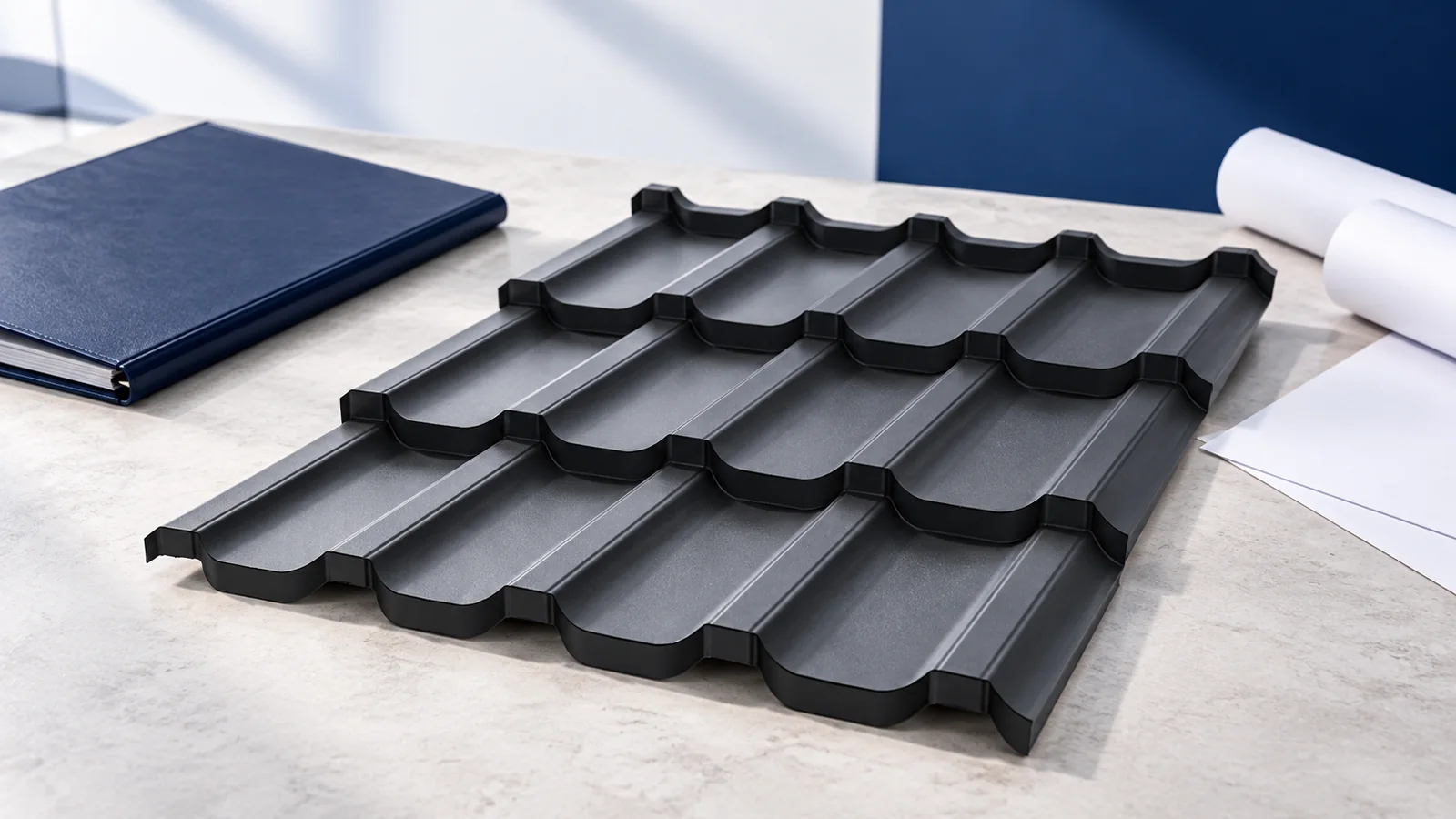
If you suspect unauthorised building work in Poland, compare the existing building with its records before ordering renovation materials. Establish what was…
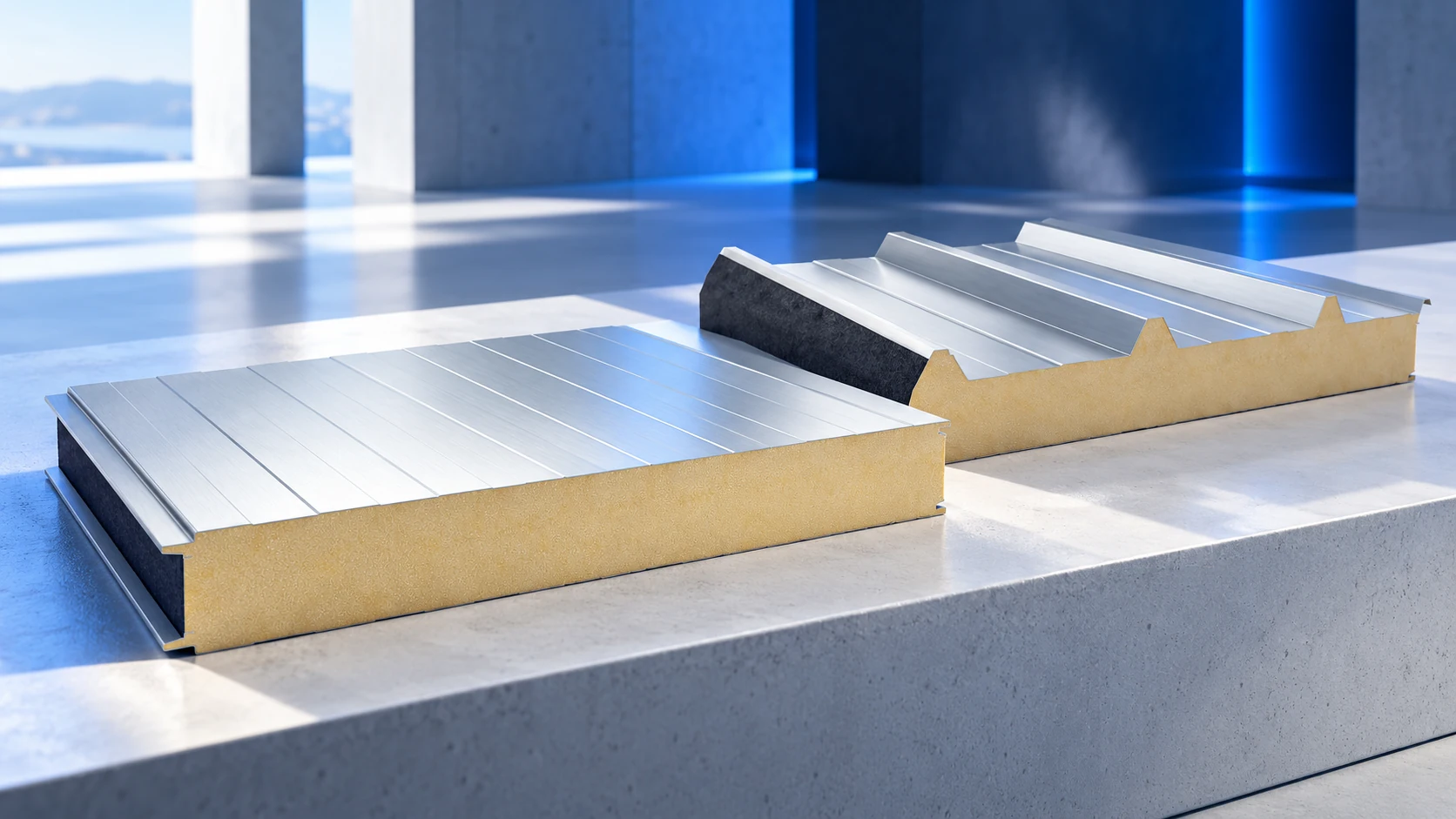
Choosing a sandwich panel starts with the building's intended use. A cold store, heated workshop and simple warehouse enclosure need different combinations…
In Poland, the term “building inspector” can refer to two distinct roles. The inspector appointed by the client (inspektor nadzoru inwestorskiego) represents…
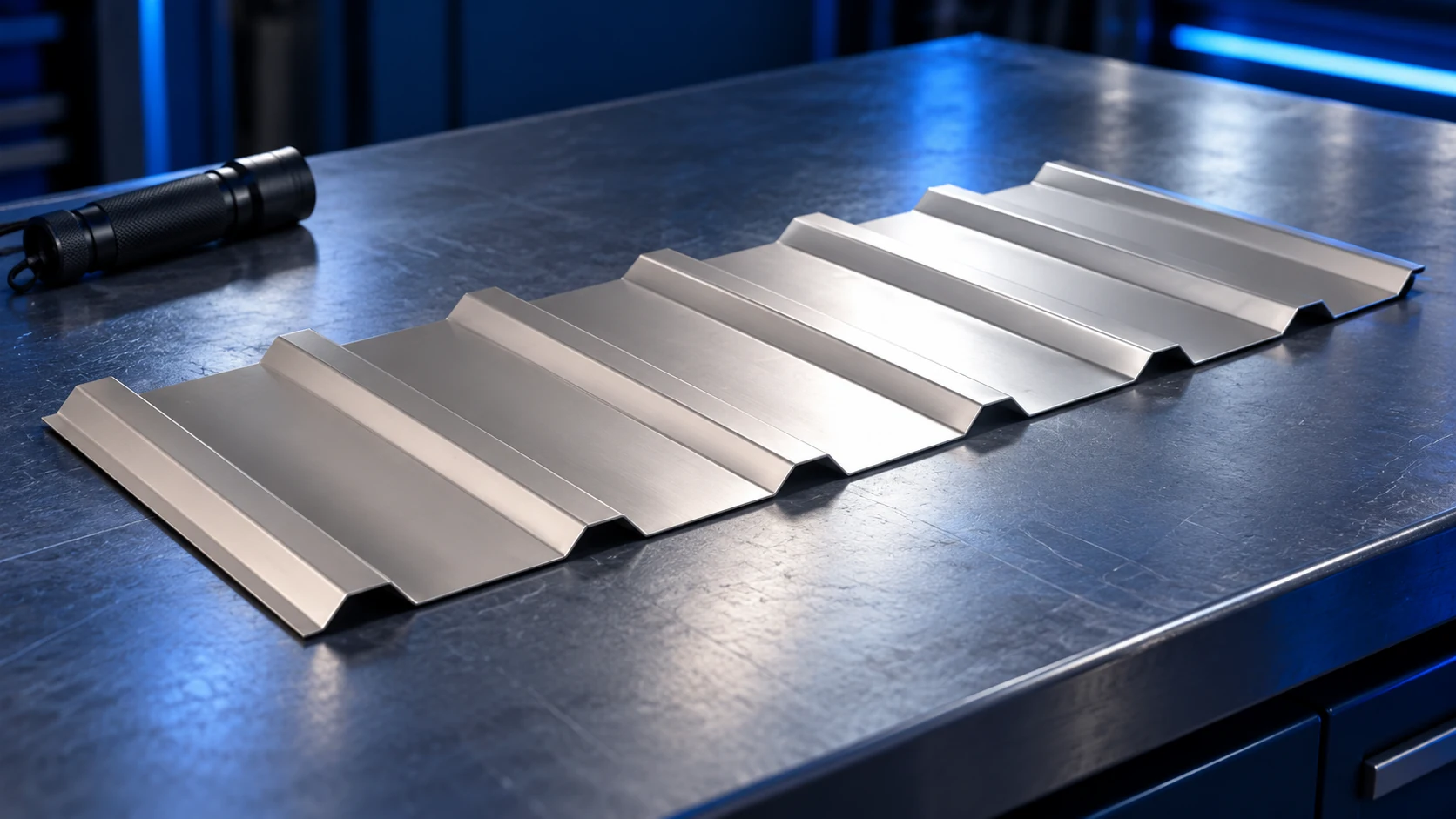
A useful trapezoidal steel sheet quotation lets you verify the product, quantity and complete price. The name T18 and a colour alone…
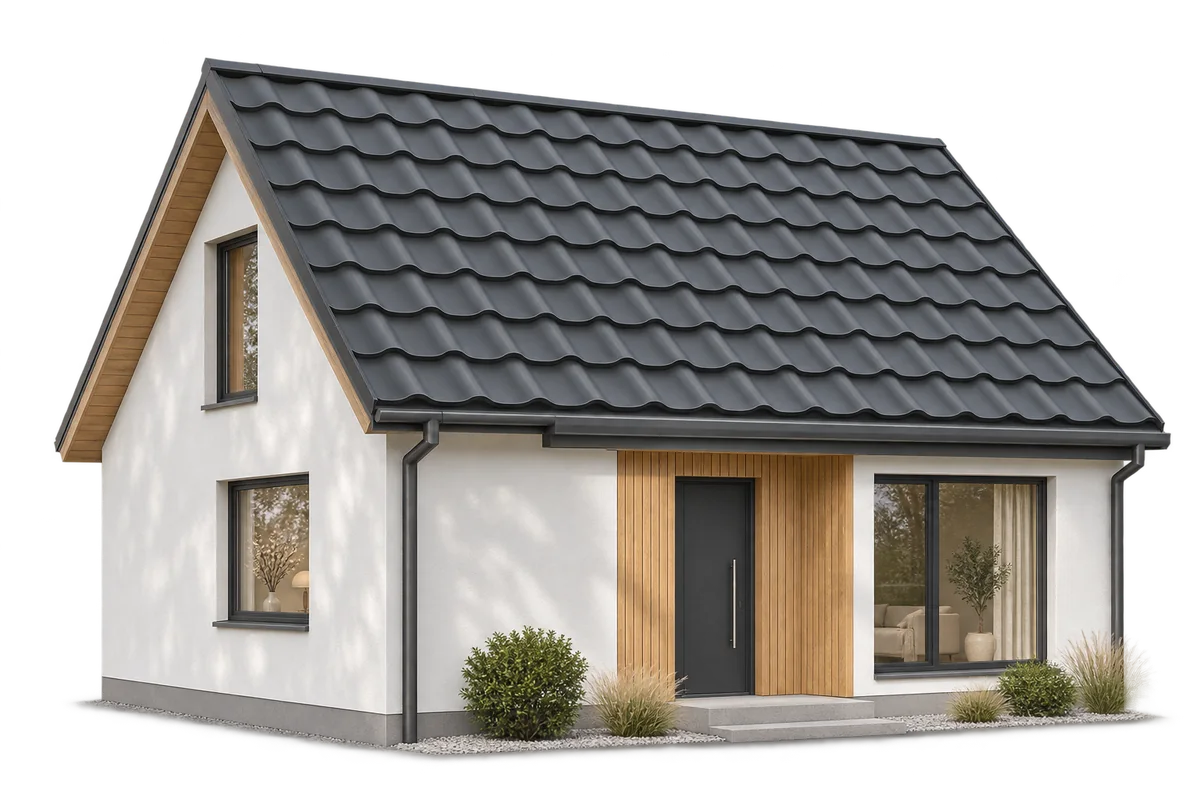
Metal roofing can suit both a traditional house and a simple contemporary building. The pattern of the profile, the proportions of each…
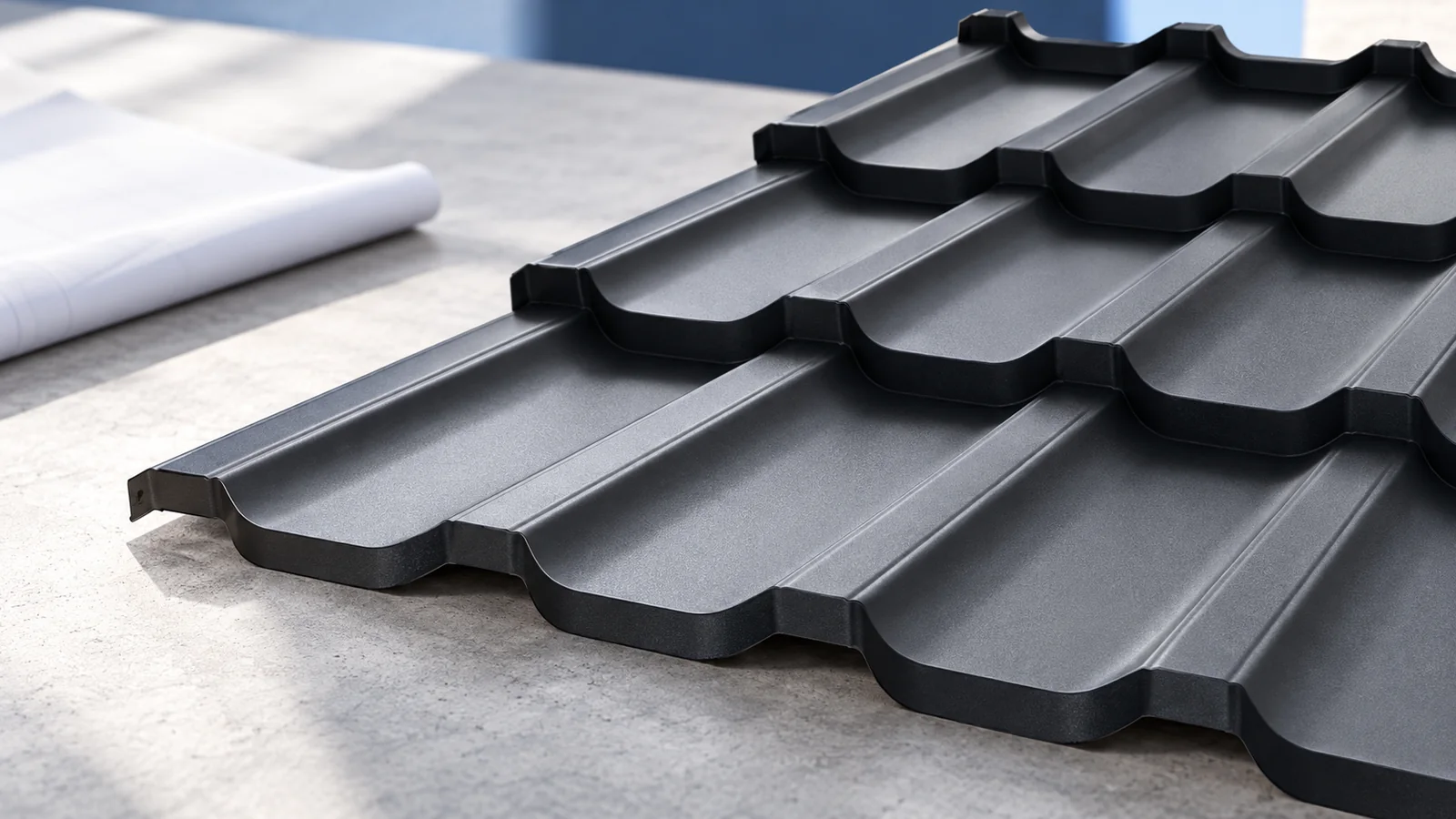
Modular metal roof tiles use repeating sheet formats assembled into successive courses. Smaller pieces can simplify handling and fitting on a complex…
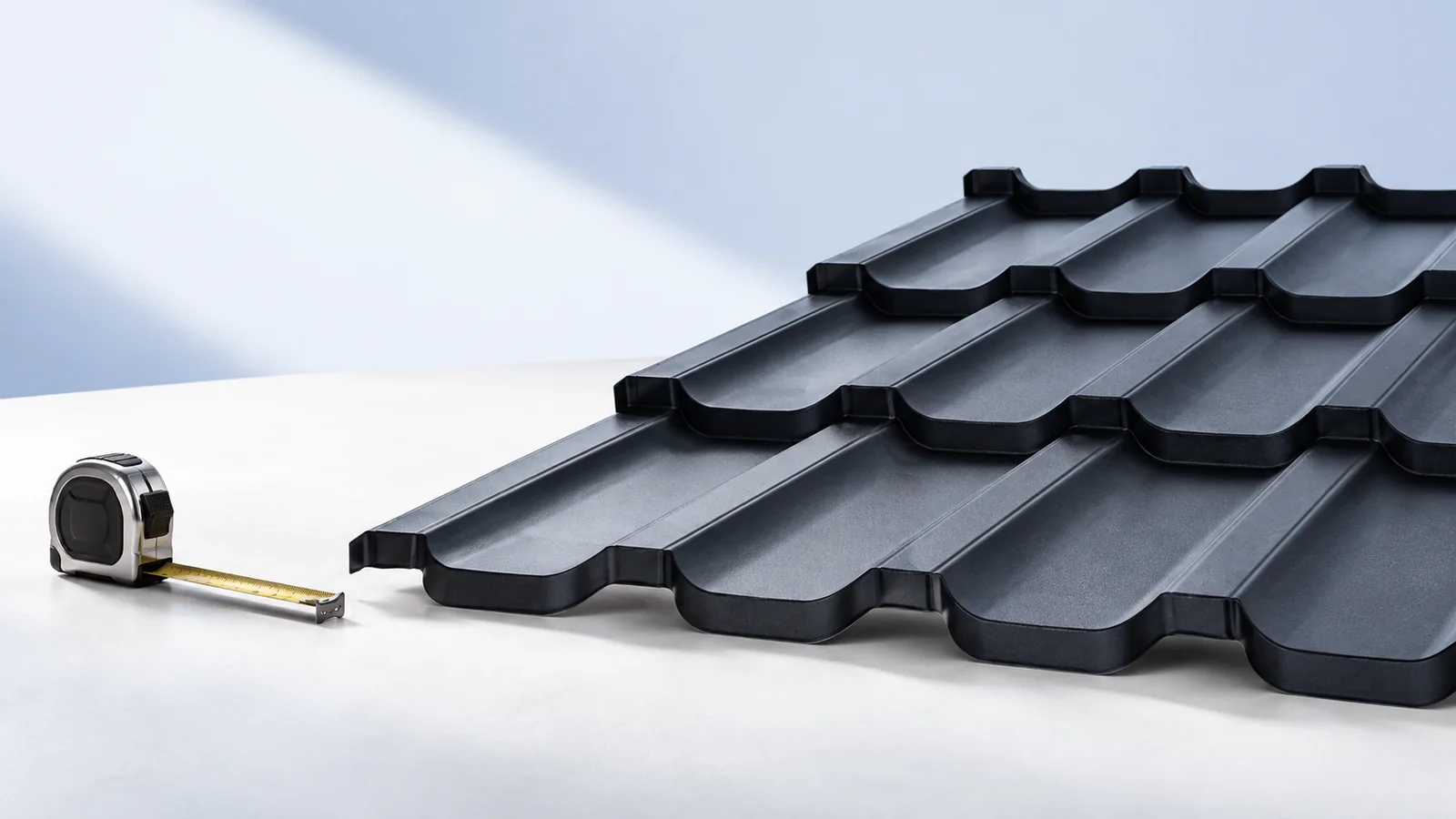
Choose steel roof tiles by their fit with the building, rather than searching for the year's universally best covering. Low weight, different…
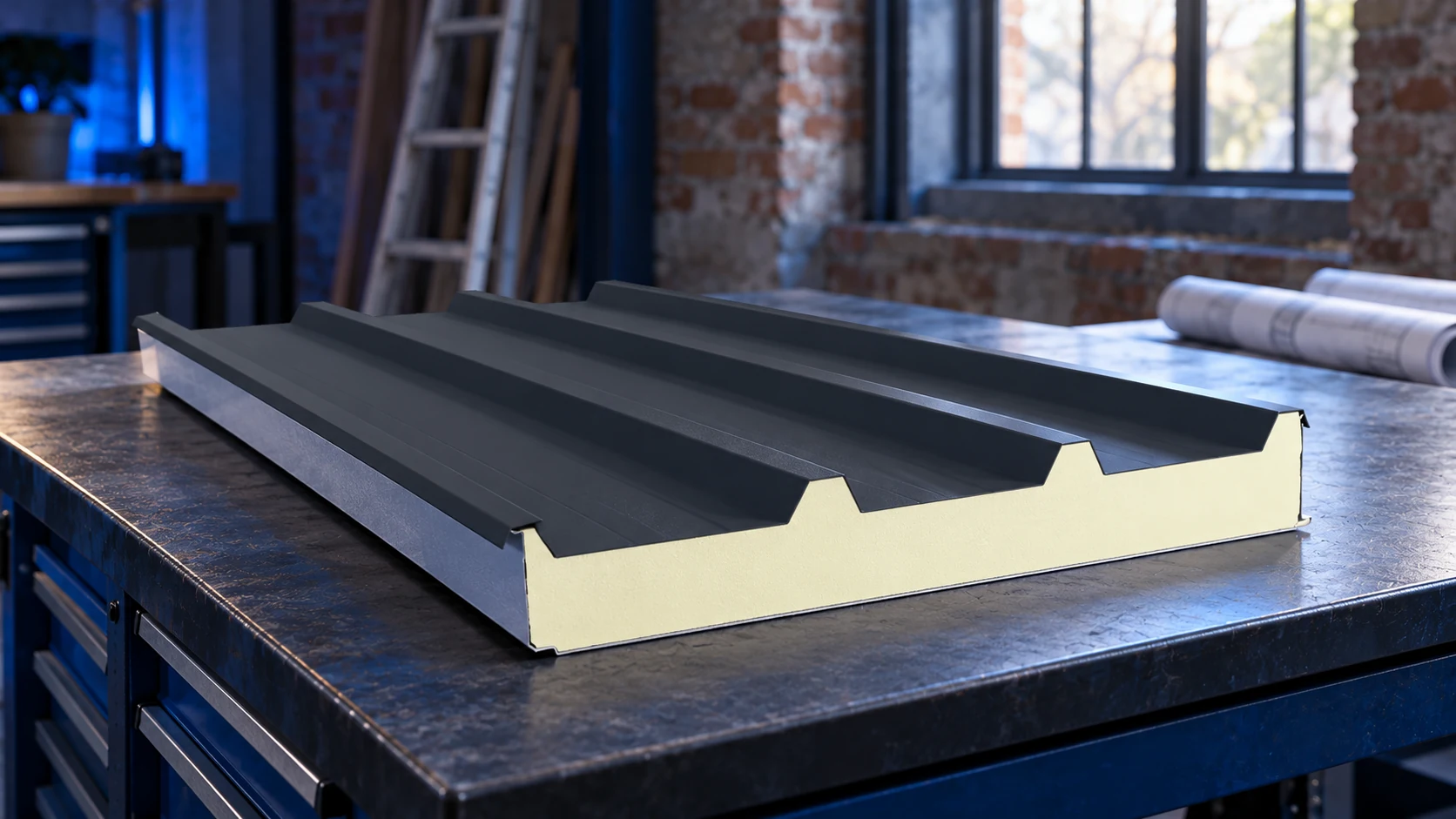
Roof sandwich panels can be used in an extension where the existing structure and new design permit them. Their relatively low weight…