






Steel roof tiles or bitumen shingles: which covering suits your roof?
Roof coverings
Compare steel roof tiles and bitumen shingles by starting with the roof build-up. They may need different supports, underlays and junction details, so a material price per square metre does not describe the whole investment. During renovation, establish which existing layers can remain and which must change. This guide compares the effects of roof geometry, total assembly weight, cutting waste and attic conditions on the choice. It also explains how to obtain comparable quotations for both systems. There is no universal winner: the decision should follow the product requirements, structural condition and cost of the complete roof, including flashings and labour.
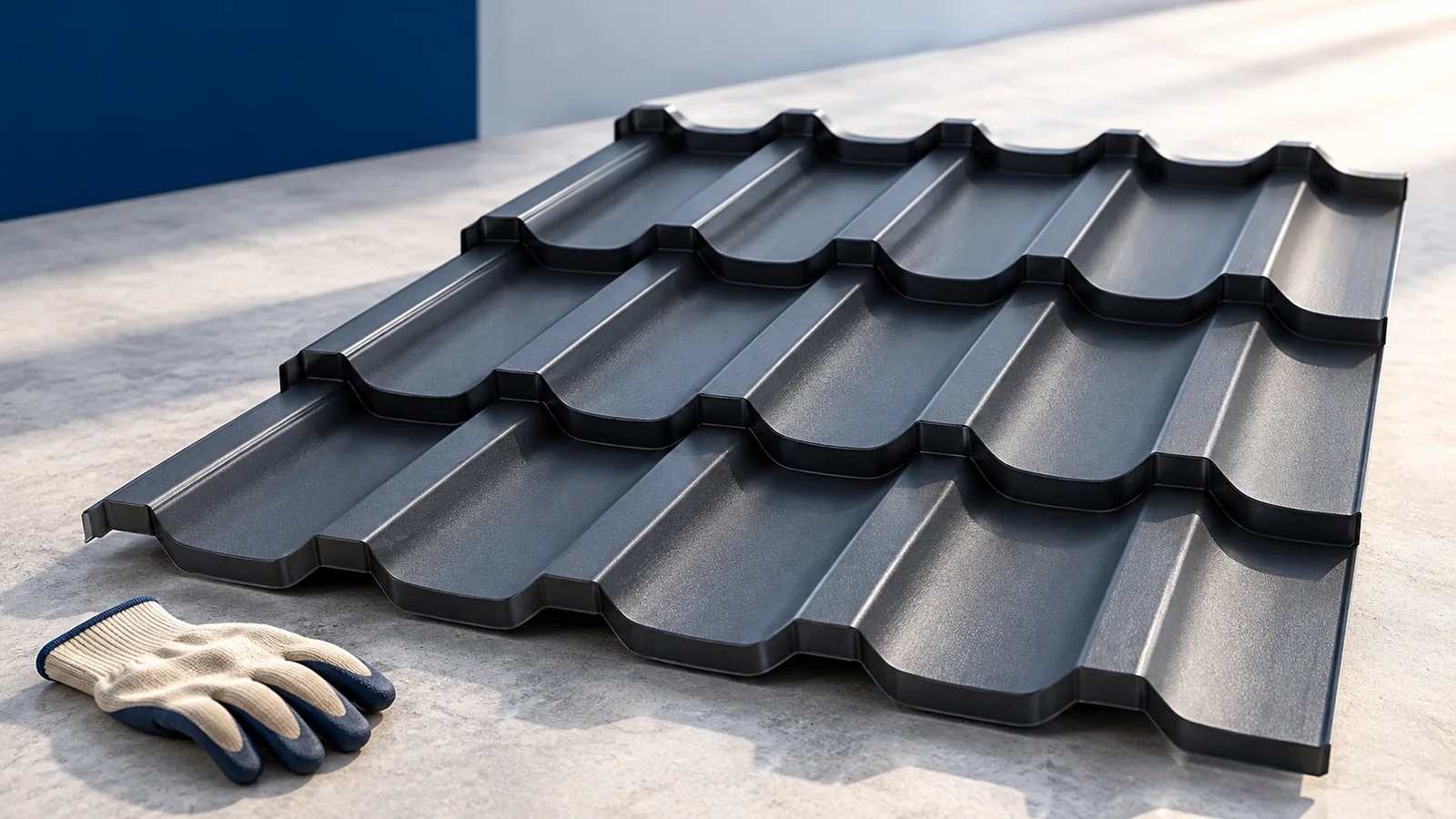
Can both coverings be used on the same roof?
Check the selected product’s permitted pitch and additional conditions, such as the required underlay. Do not transfer a minimum pitch from another tile-profile sheet or shingle. Roof-slope length and joint arrangements may also affect the system’s requirements.
Draw two alternatives for adapting the existing roof. Shingles on reusable decking involve different work from shingles on a roof with battens alone. A structure already prepared for profiled sheets may reduce alterations for steel roof tiles. Show adaptation costs separately in each quotation.
What supporting layers are needed?
Support spacing beneath steel roof tiles follows the profile and its instructions. A typical pitched assembly includes battens, counterbattens and an underlay, but the design determines the details. Provide the specified drainage and ventilation at eaves and ridge rather than copying an unrelated roof.
For shingles, allow for flat, sufficiently rigid continuous decking and the appropriate underlay. Board or panel type and fixings follow the manufacturer’s system. If these layers are absent, include their installation even when the shingle-only price looks attractive.
How does a complex roof shape affect the choice?
On roofs with dormers and valleys, compare formats rather than material names alone. Small shingles and modular steel roof tiles can simplify work on divided slopes. Long cut-to-length sheets may suit simple geometry, but need a considered cutting and handling plan.
Request quantities including laps and offcuts. Waste cannot always be reused on the next slope because pattern and laying direction limit reuse. A fair comparison uses cutting layouts for the same roof, not two generic waste percentages.
How should weight and structural capacity be compared?
Add the weight of every new layer: covering, supports, decking, insulation and lining. The weight of one pack does not show the change in roof loading. During renovation, compare the complete removed assembly with the complete proposed assembly.
The structural assessment must also include snow and wind. A lighter covering does not permit removal of supports or arbitrary spacing changes. Establish the cost and timing of any reinforcement before buying materials, as it may alter the economics of the whole option.
What about rain noise and summer heat?
Assess acoustics for the completed roof with its substrate, insulation and internal lining. Tapping a loose sheet is not a meaningful test of an attic room. Specify comfort-related layers in the contractor’s quotation rather than attributing the whole result to the outer covering.
Overheating control depends on building design, not roof colour alone. PIR can provide substantial thermal resistance at limited thickness, but that does not establish superior sound insulation. Heat flow, moisture, ventilation and acoustics are related yet separate design checks.
How do you compare costs on equal terms?
Use the same scope in both estimates. A Polish catalogue example dated 28 October 2026 listed cut-to-length steel roof tiles with a 25 µm polyester coating at PLN 48.41 including 23% VAT per m² of effective cover. This is a historical material price, excluding a complete roof installation, not a current offer.
Add decking or battens, underlays, flashings, waste and labour to the covering price. Identify removal, transport and unloading separately. Equal roof areas do not imply equal costs: valleys, hips and penetrations can substantially change the work involved.
When is each option a sensible choice?
Choose steel roof tiles where their requirements fit the structure, geometry and desired appearance, selecting an appropriate sheet format. Consider shingles with properly prepared continuous decking and resolved details. In either case, use installers familiar with the specific system.
Before ordering, inspect older completed roofs and compare maintenance duties. Ask how the installer will handle your chimney, eaves and valley. An answer based on a drawing and instructions is more useful than a claim that one covering works everywhere.

Free quote
What to include in your enquiry
Tell us how you plan to use the material, the dimensions and the quantity you need. Include the thickness, grade or variant name, along with the delivery town or your preferred collection branch. For a specific product, add its name or a link to the product page. We will reply to the email address you provide to discuss availability and the terms of your order.
More from the building guide
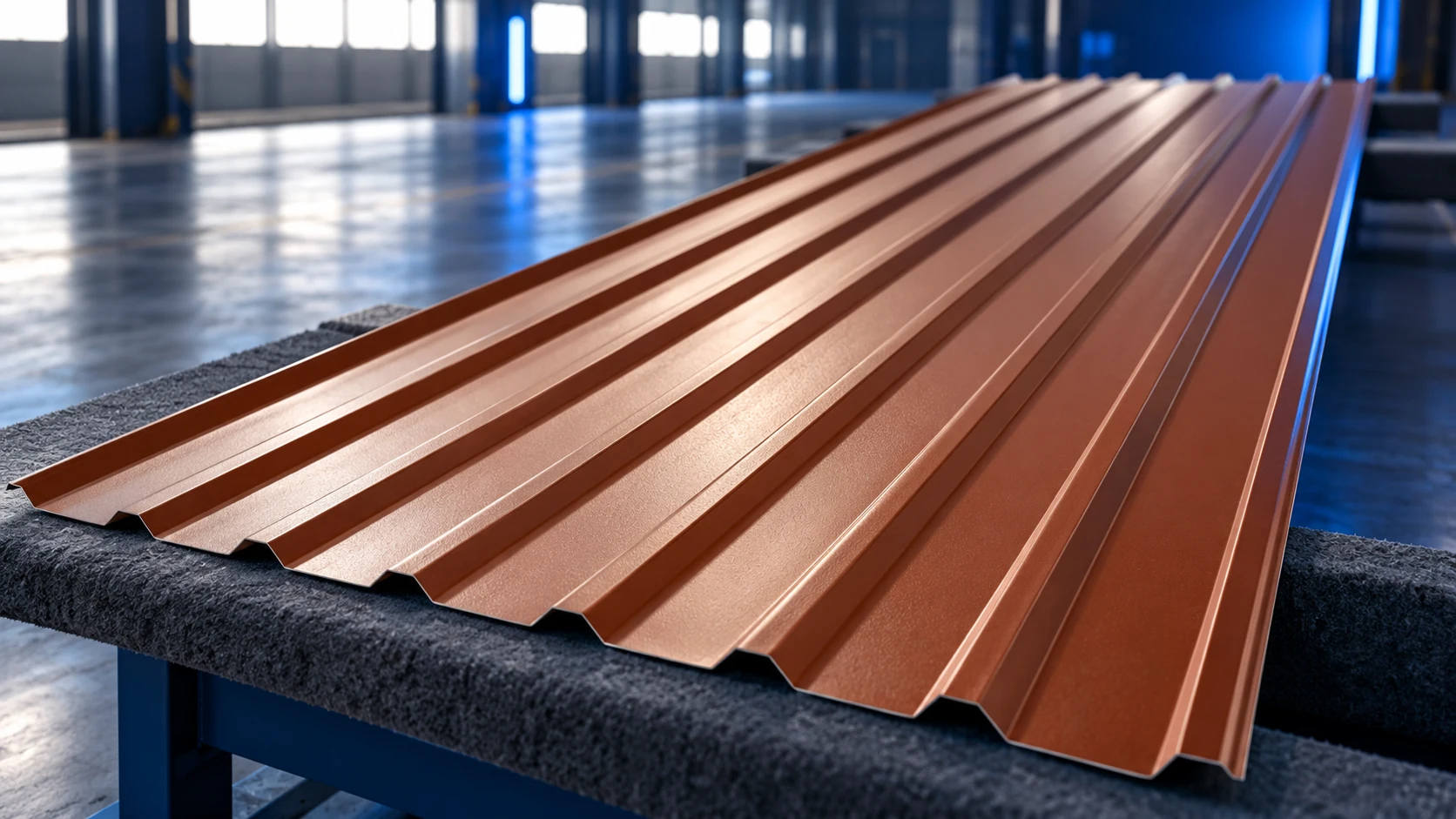
The cost of 100 m² of roofing sheet cannot be compared with a quotation for 100 linear metres until the sheet's cover…
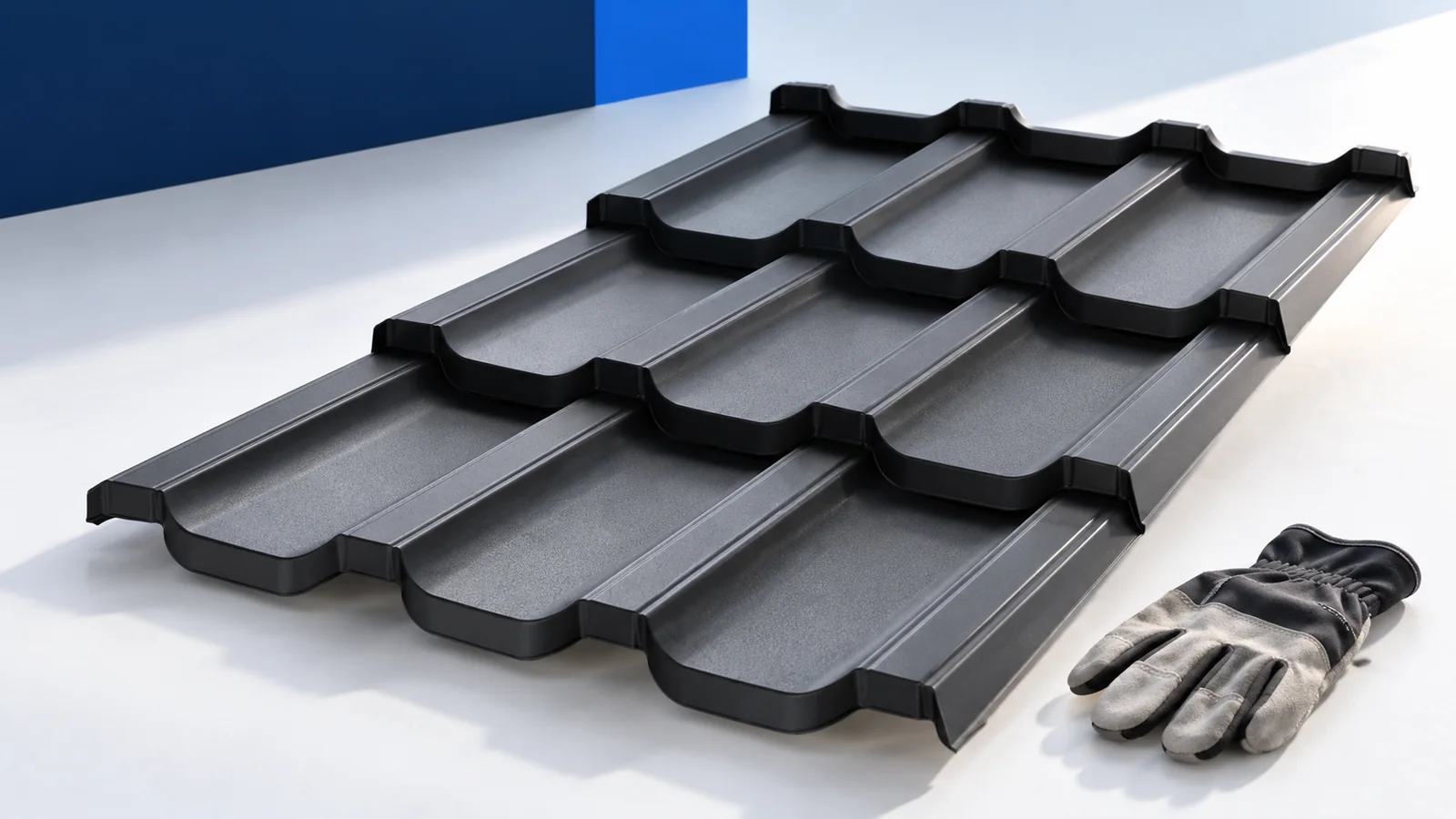
A single-pitch roof has one slope, but its simple outline still needs coordinated supports, drainage and building junctions. Start with the direction…
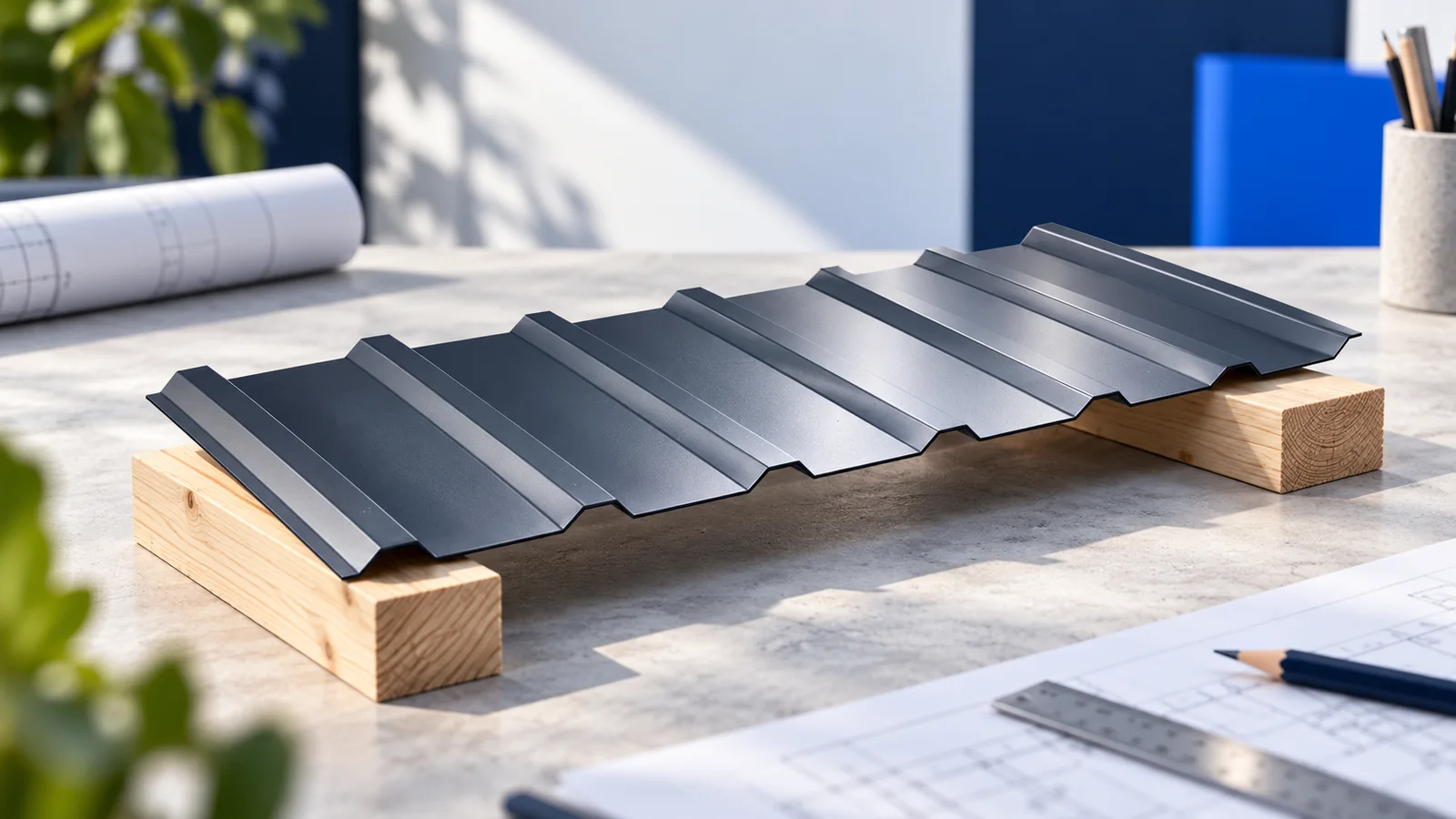
Choosing a rafter section should start with information for the structural designer, not with a search for a single sizing table. The…
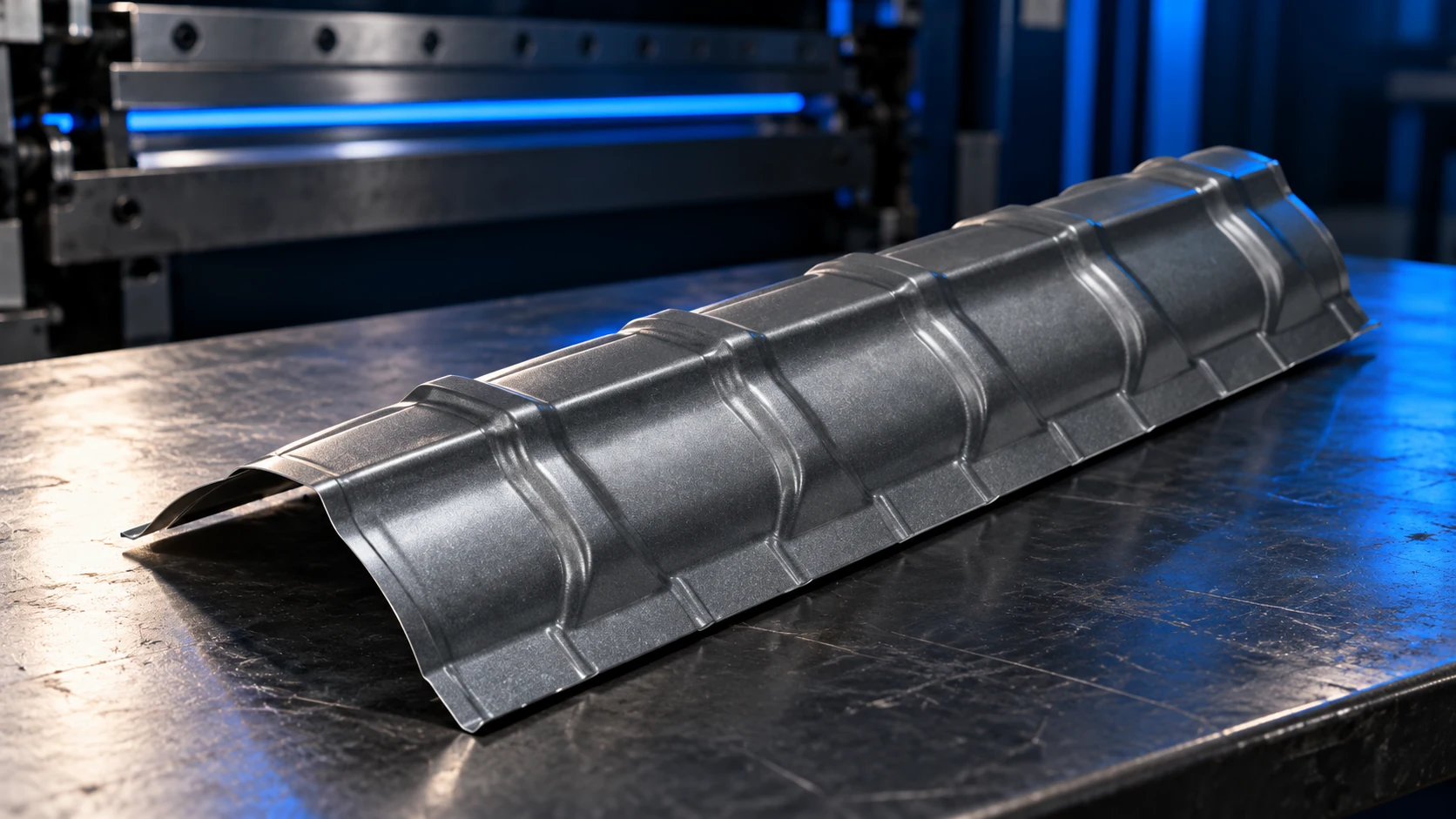
A flashing schedule follows the shape of the roof. Even a simple roof needs its eaves, verges and ridge checked; valleys, chimneys…
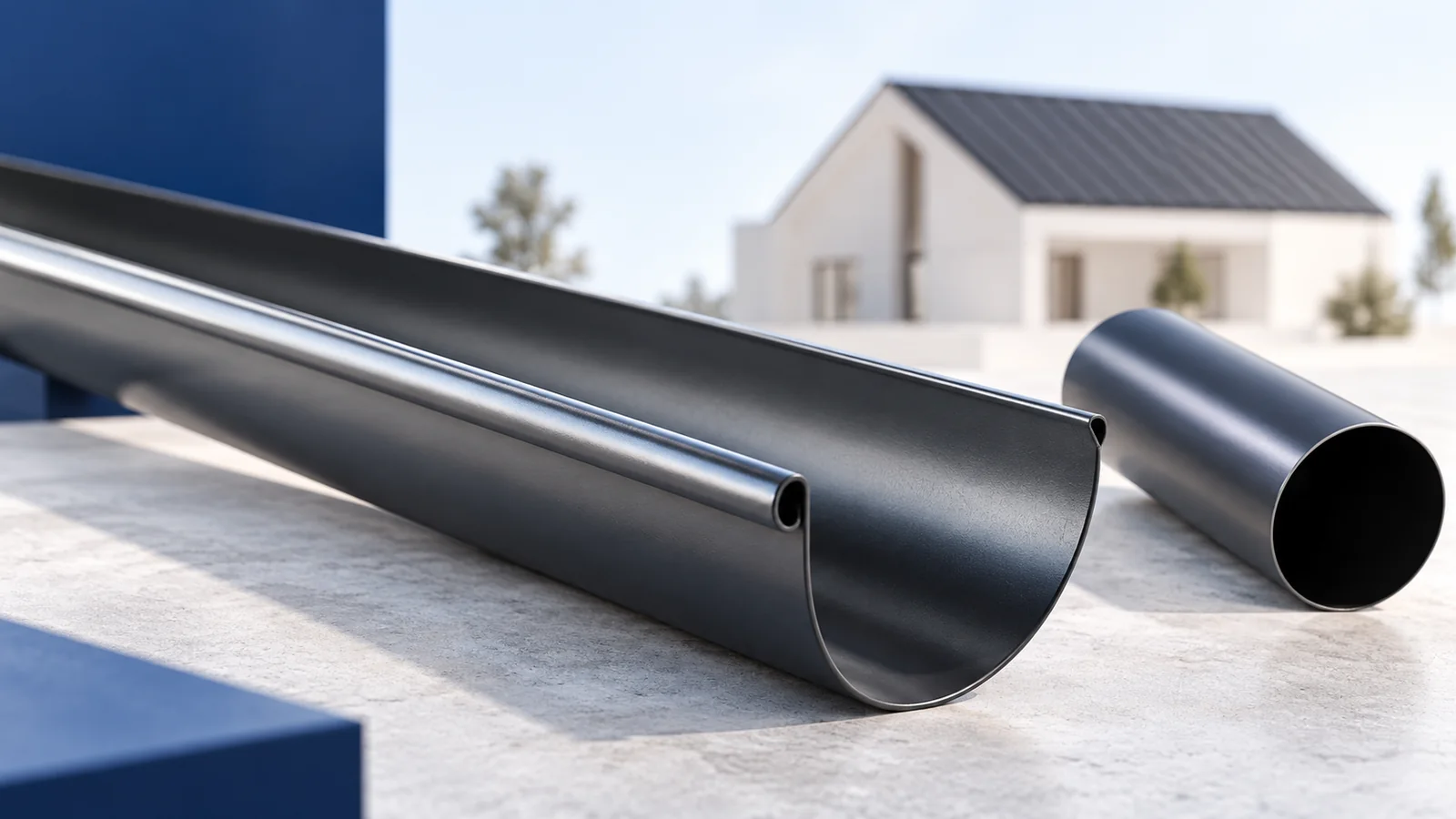
When buying a complete roof, establish where the supplier’s scope ends and the installer’s begins. Structure, substrate, protective layers and covering are…
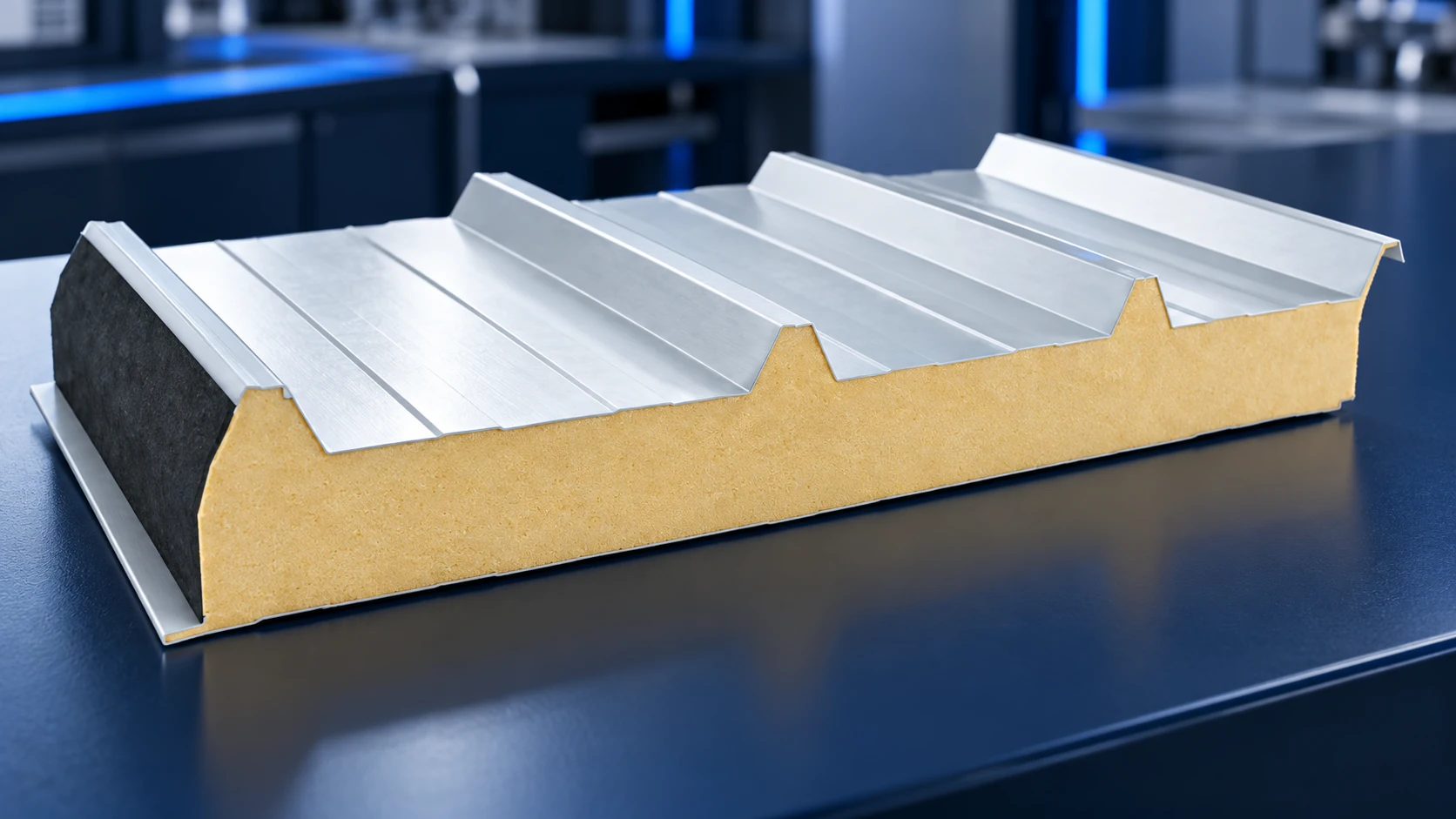
A PIR sandwich-panel roof can have a specified fire-resistance classification when built within the conditions covered by its documentation. The PIR core…
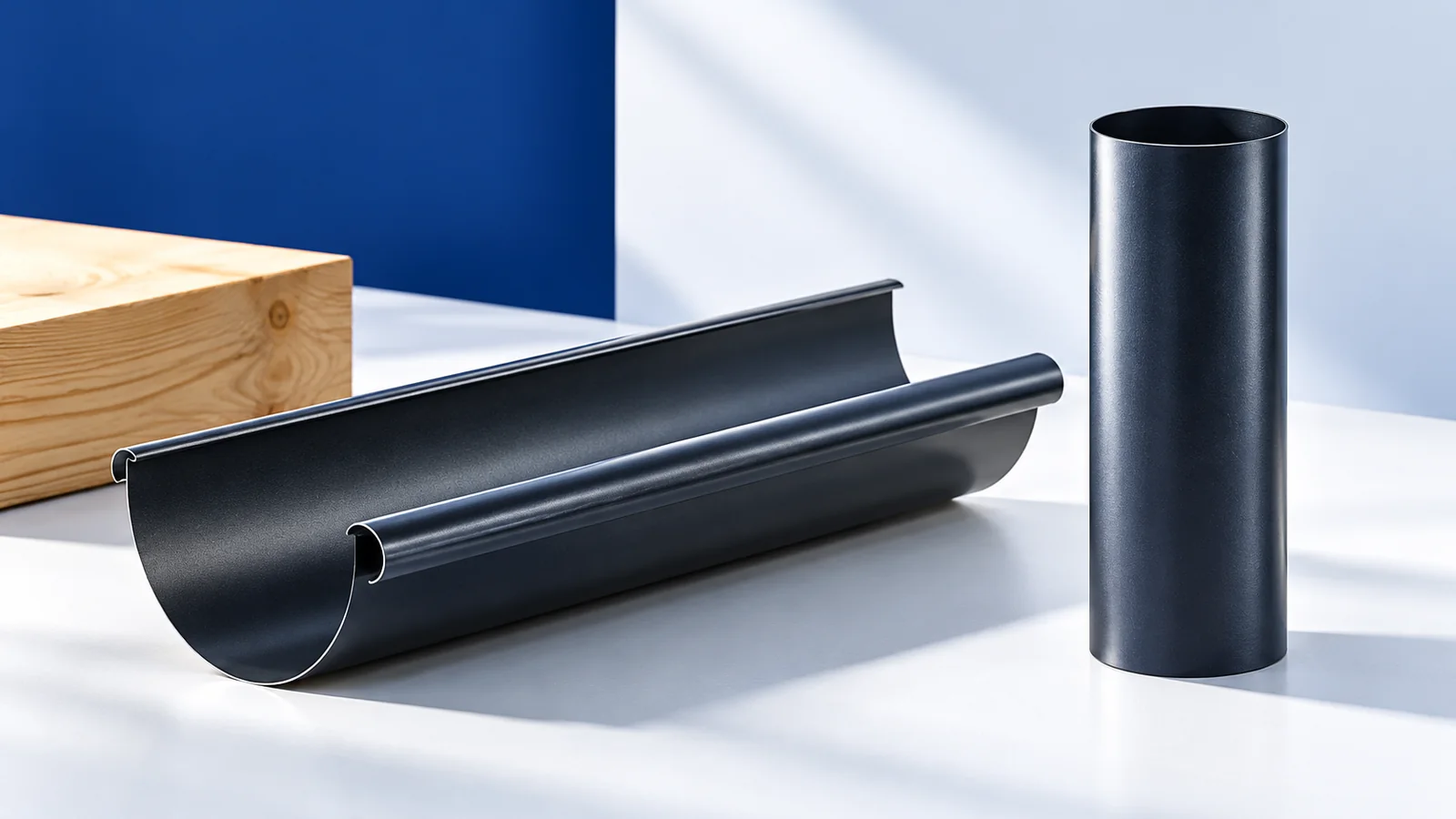
Start gutter selection for a metal roof with the amount and direction of runoff, then consider shape and colour. Relevant details include…
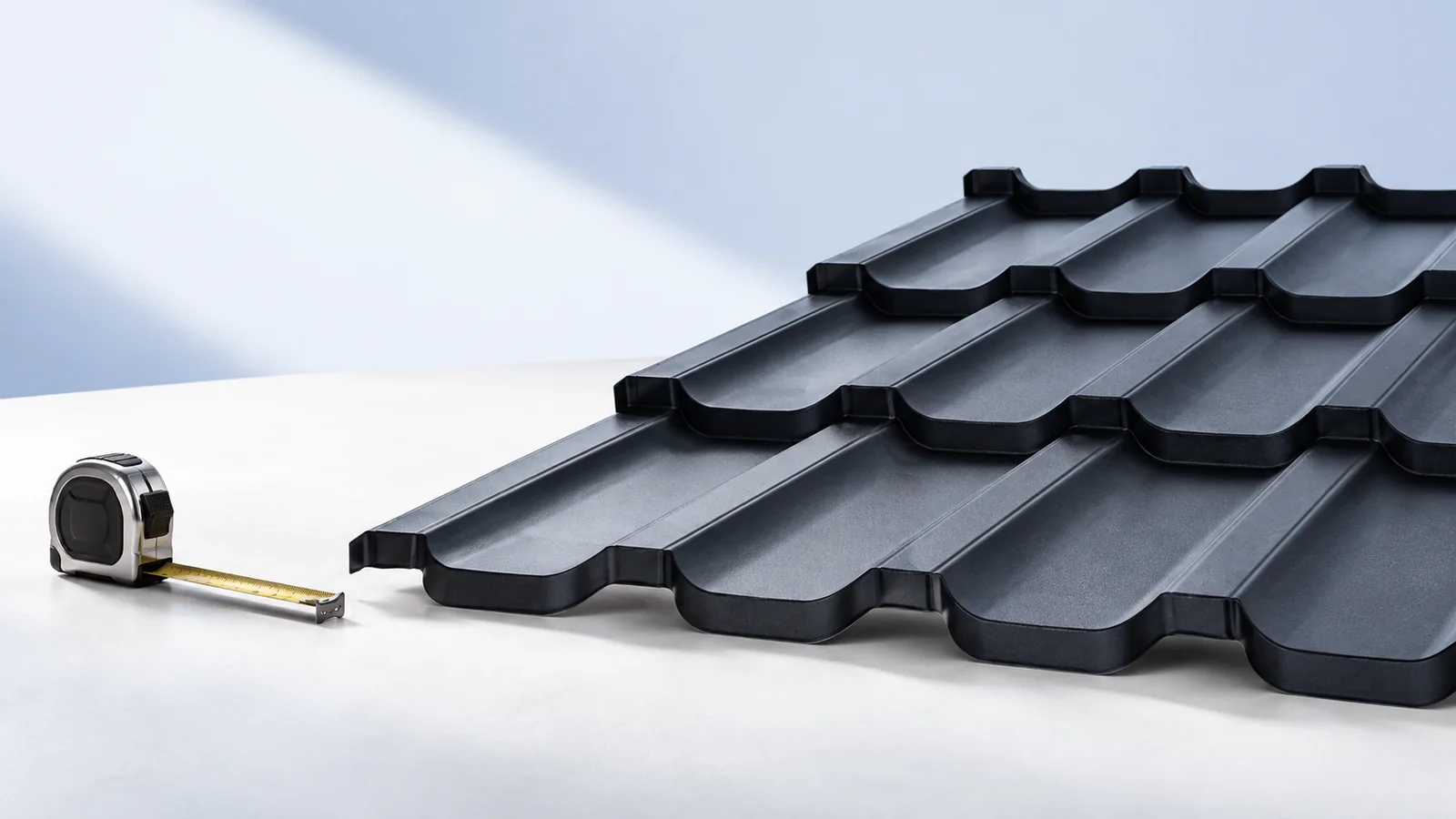
Choose steel roof tiles by their fit with the building, rather than searching for the year's universally best covering. Low weight, different…