






Roof valleys: planning the detail that carries water from two slopes
Roof coverings
A roof valley collects runoff from two adjoining slopes and carries it towards the eaves. Its watertightness depends on the flashing section, support, laps and an unobstructed drainage route. For a renovation planned with Budowlanka.org, consider the valley as part of the complete drainage arrangement rather than an isolated strip of metal. The catchment area, roof pitch and water arriving beneath the covering all matter. Allow for cut roof-tile sheets, suitable seals and safe cleaning access. This guide helps structure a discussion with the roofer; the actual geometry and installation method must follow the project and roofing system. Extra sealant cannot compensate for an incorrectly shaped detail.

Why does the valley need particular attention?
Rain drains across an ordinary roof area in separate streams. In a valley, runoff converges from both sides, while leaves and snow may restrict the channel. This makes the detail different from an ordinary sheet joint.
The usable valley width must suit the pitch, slope length and contributing roof area. A detail serving a small dormer may be inadequate for a large roof. A view from the yard cannot establish its suitability.
Follow the final drainage section too: water leaving the valley must enter the intended gutter. Correct flashing higher up cannot help if the stream overshoots the gutter or reaches an unsuitable eaves corner.
Preparing the support and layers beneath the covering
Before fitting the flashing, establish stable support, fixing positions and continuity of the roofing underlay. Water beneath the covering also needs an outlet. The membrane must not form a pocket that collects moisture.
During renovation, expose and inspect the timber beneath the old valley. Prolonged damp may be invisible from outside. First identify its cause and assess the structure; new metal over weakened support does not solve the underlying problem.
Arranging the flashing in the direction of runoff
Arrange sections so the upper one sheds water onto the lower one. Lap dimensions and sealing depend on the system and pitch. A single overlap value should not be transferred indiscriminately between different roofs.
Fixings must not puncture the principal water channel at arbitrary positions. Long metal components expand and contract with temperature. The detail must accommodate this movement so rigid restraint does not deform the flashing.
Cutting metal roof-tile sheets at the valley
The cut line must leave a clear drainage channel. Excessively projecting roof-tile sheets obstruct flow and cleaning, while too much clearance exposes the detail. Establish the edge position for the actual covering and roof geometry.
Small modules are easier to handle, but diagonal cuts still demand accuracy. Allow for offcuts with long sheets. Use approved tools, remove swarf and avoid leaving narrow ends without adequate support.
Can seals compensate for incorrect geometry?
Select seals for the profile and their purpose: limiting wind-driven rain, snow or debris. They must not obstruct drainage or necessary ventilation. Filling the entire valley with foam defeats its essential function.
Investigate a leak before adding another layer of sealant. Sealant alone cannot correct a defective overlap or an undersized channel. Compatibility with the substrate, surface cleanliness and application conditions also matter.
Inspecting the valley during use
Inspect the channel, flashing edges, coating and fixings, particularly after leaves have fallen. Arrange safe access. Walking on wet roofing or positioning a ladder so it damages the gutter introduces additional hazards.
Before repairs, photograph the whole valley area rather than only the visible stain. Water travelling beneath the covering may emerge below the defect. Acceptance of a complex roof should include the valley terminations and the actual drainage route.

Free quote
What to include in your enquiry
Tell us how you plan to use the material, the dimensions and the quantity you need. Include the thickness, grade or variant name, along with the delivery town or your preferred collection branch. For a specific product, add its name or a link to the product page. We will reply to the email address you provide to discuss availability and the terms of your order.







More from the building guide
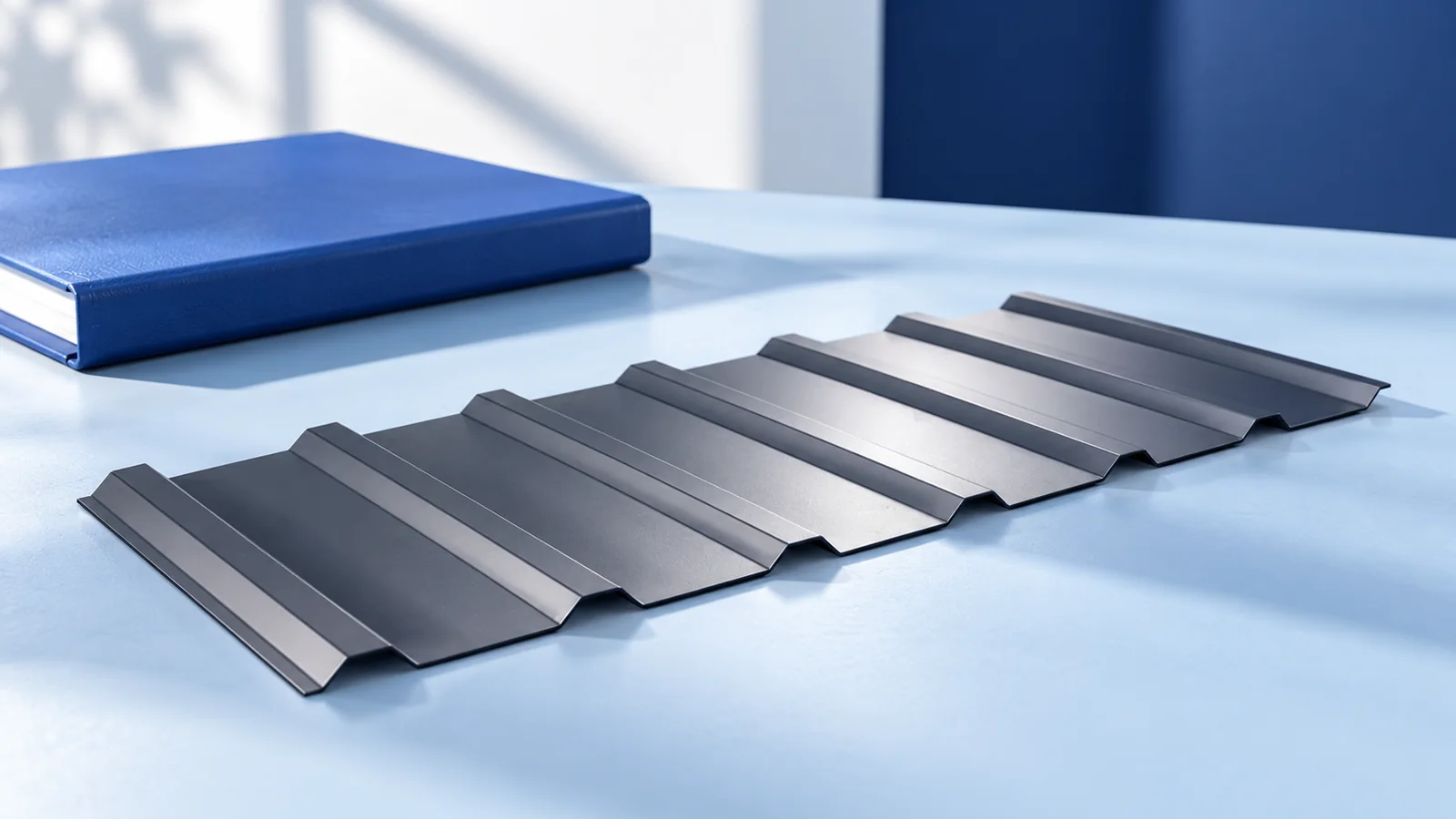
Compare roof budgets for the same completed scope, not by the lowest advertised covering price. Establish whether a square metre means total…
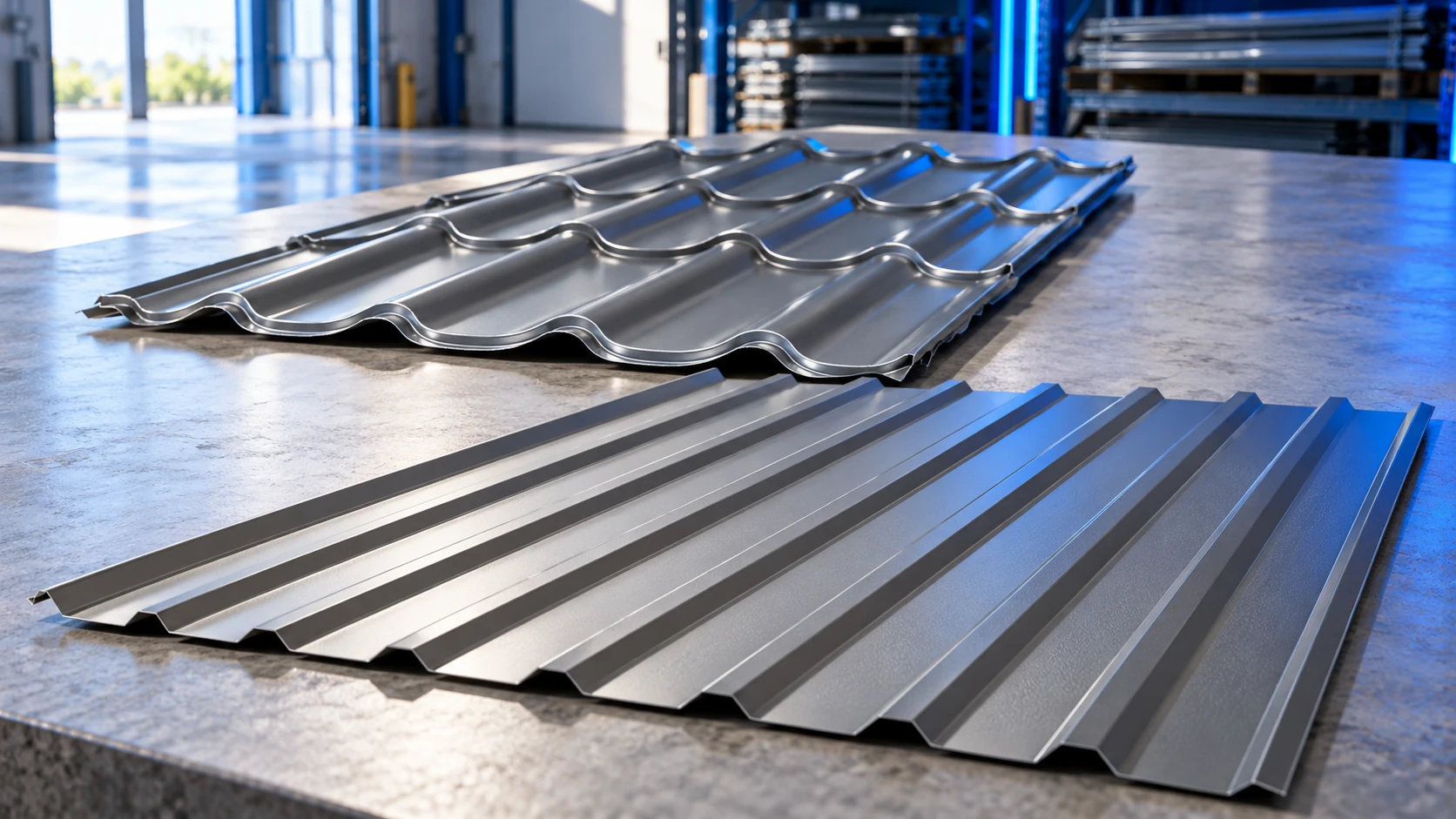
The cheapest sheet does not necessarily produce the cheapest finished roof. Substructure, flashings, cutting waste and installation all belong in the comparison,…
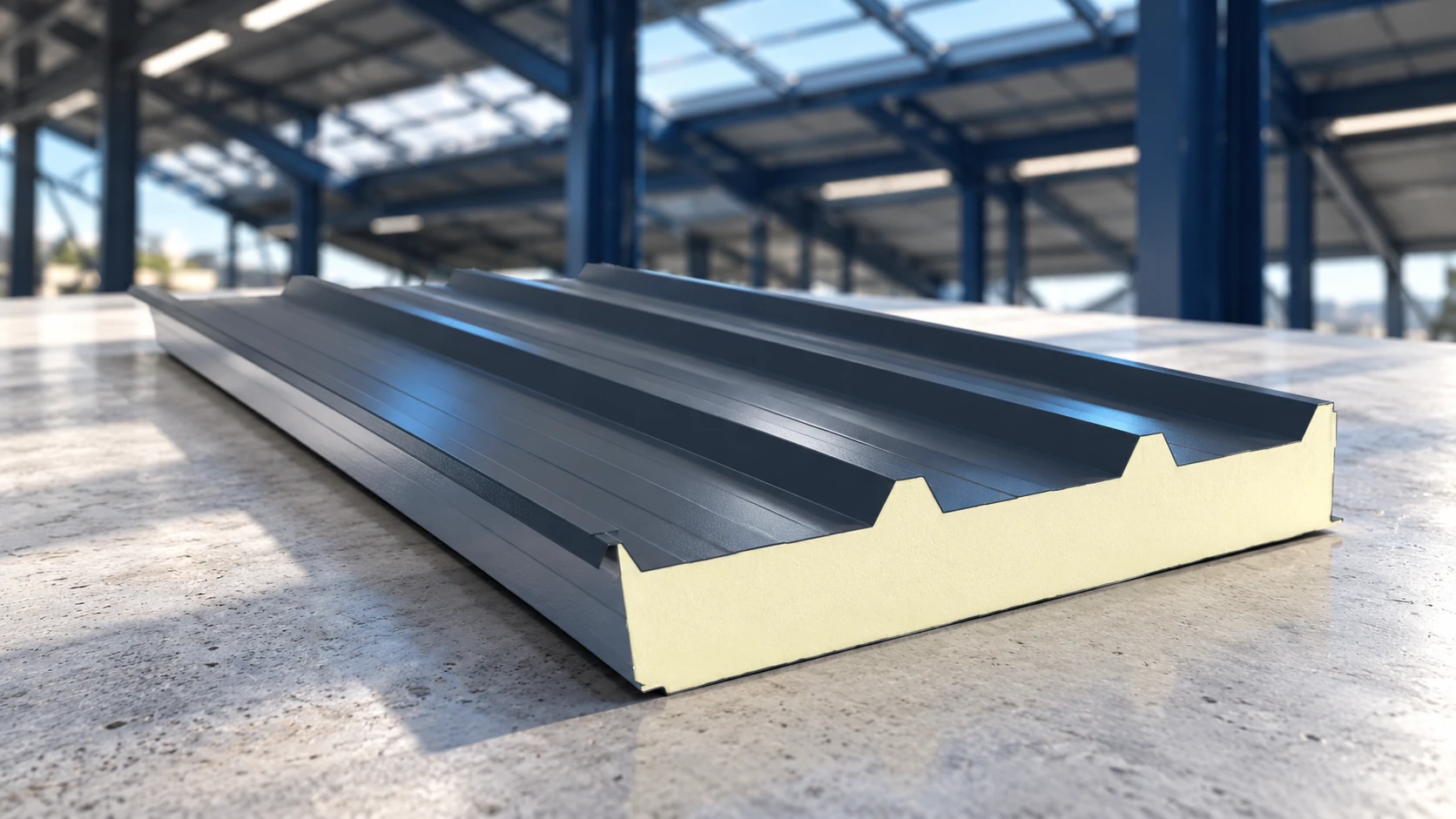
A sandwich-panel roof costs more than the panels alone. Flashings, fasteners, seals, transport and installation must be included, while the supporting structure…
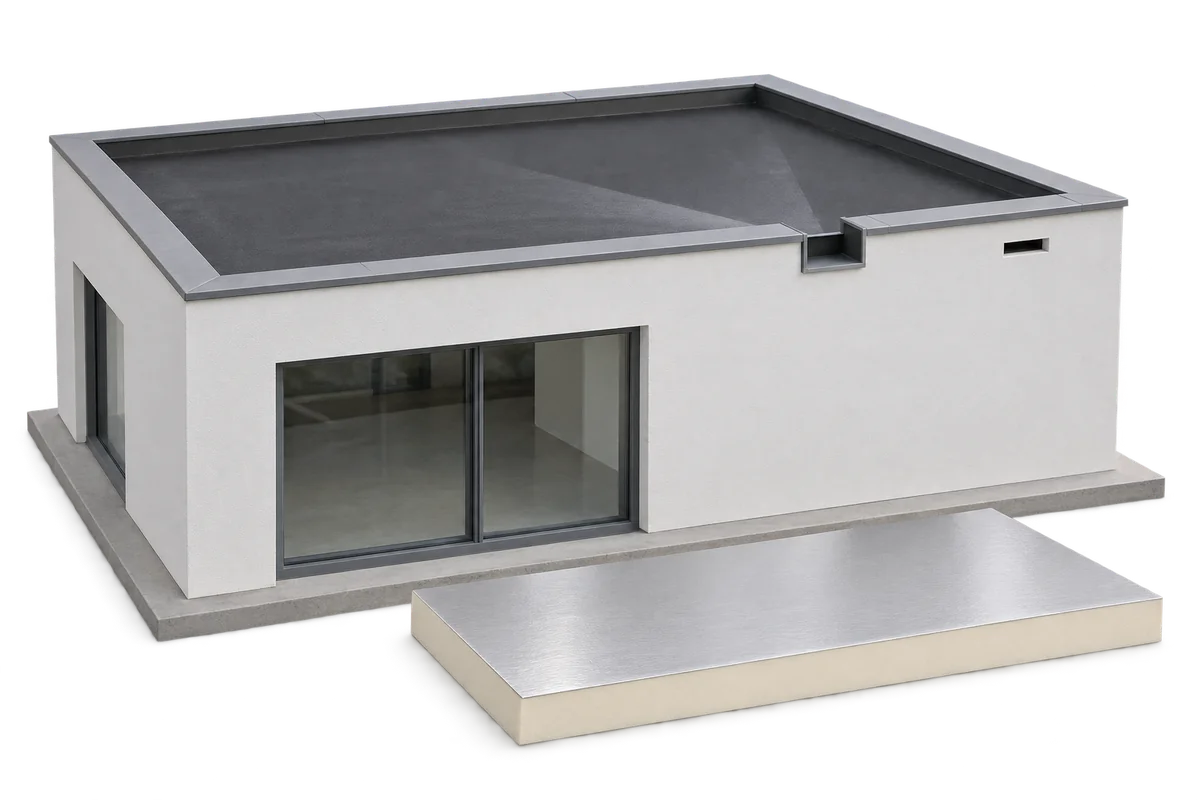
A flat roof needs falls that guide rainwater to outlets and a clear route for the water once it leaves the roof.…

A flashing schedule follows the shape of the roof. Even a simple roof needs its eaves, verges and ridge checked; valleys, chimneys…
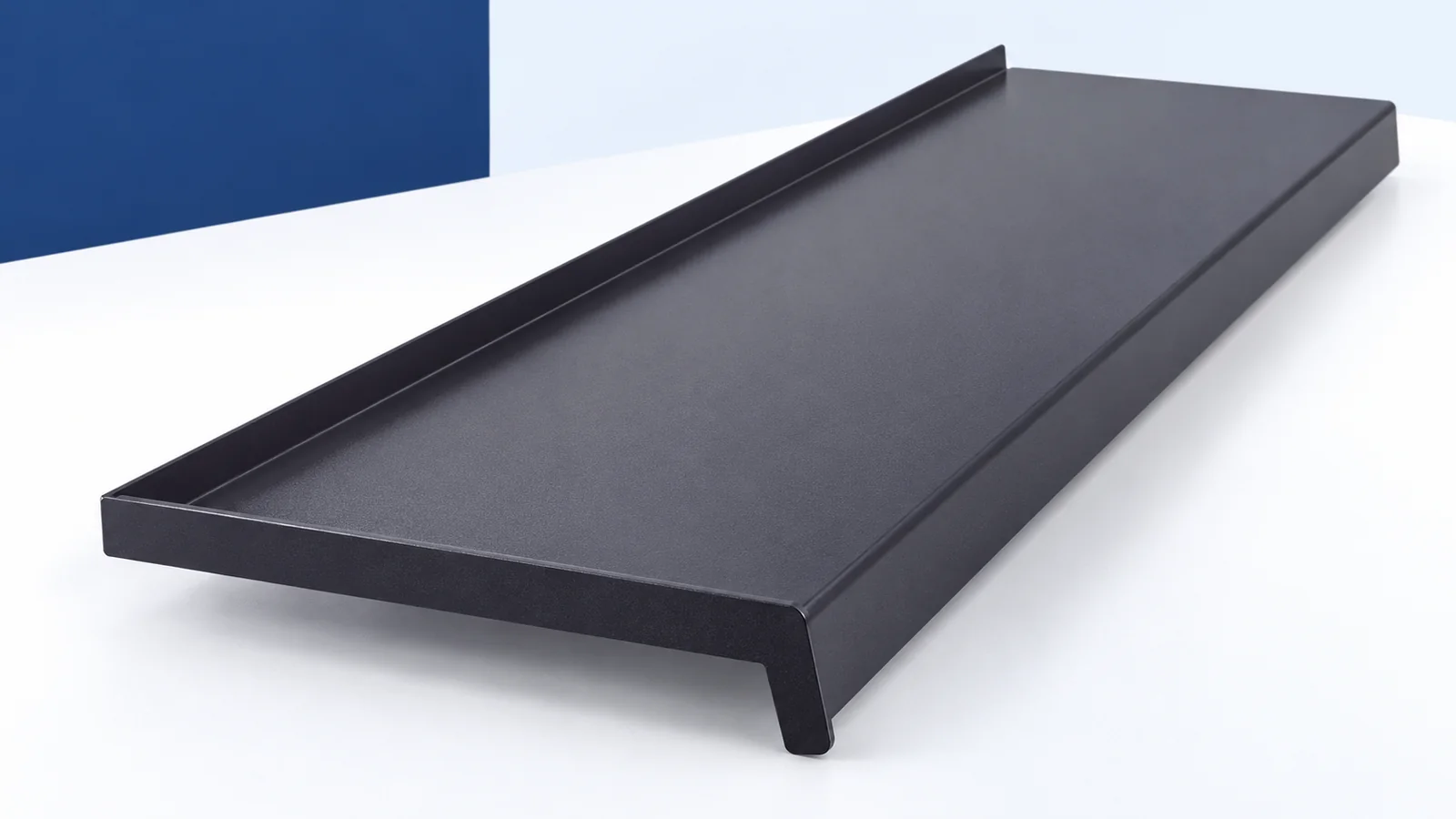
Assess an external steel window sill as part of window drainage, not simply as a coloured façade accessory. Low weight, made-to-measure dimensions,…

Choosing a rafter section should start with information for the structural designer, not with a search for a single sizing table. The…
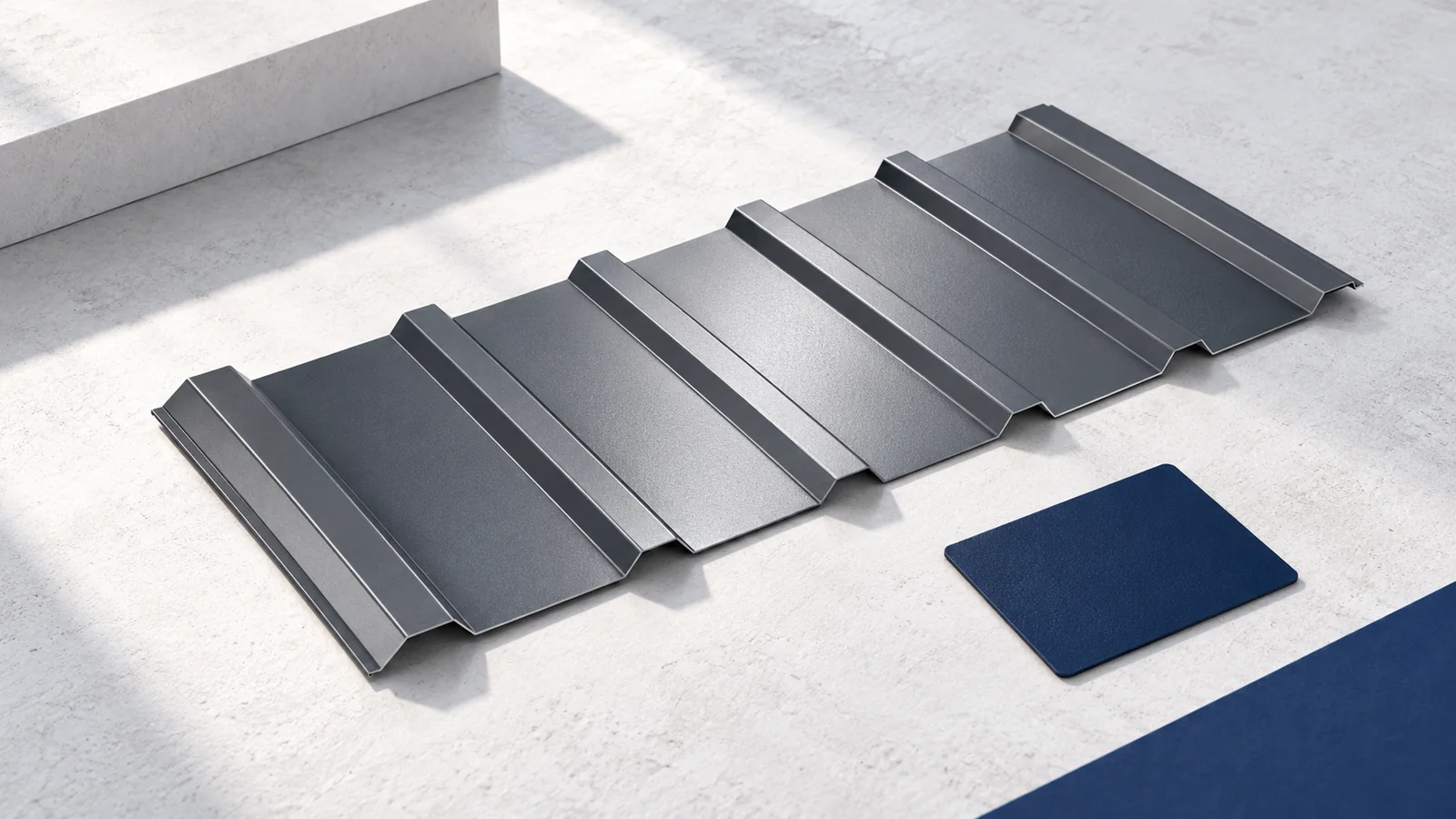
A mansard roof changes pitch: its lower section is usually steep and its upper section shallower. This cross-section can create more usable…