






Comparing a metal roof budget with other roofing options
Costs and project requirements
Compare roof budgets for the same completed scope, not by the lowest advertised covering price. Establish whether a square metre means total sheet area or effective coverage, allow for cutting waste and identify the required supporting layers. Include flashings, fixings, drainage, labour, transport and unloading; renovation also involves removal and assessment of the existing structure. The dated catalogue figures below illustrate the calculation method and are not current Budowlanka quotations. Their euro equivalents use the specified exchange rate. This guide separates material cost from the completed roof budget and helps identify quotations that appear cheaper because essential items have been omitted.
What does the price per square metre cover?
One quotation may price total sheet area, another effective coverage and a third individual pieces. Overlaps do not increase the covered roof area. Convert quotations to the same basis before comparing their amounts.
Slope area alone does not determine the sheet order. Valleys, hips and trimmed ends change consumption. Prepare a sheet layout and purchase schedule rather than applying one universal waste percentage to every roof.
Which dated prices illustrate the calculation?
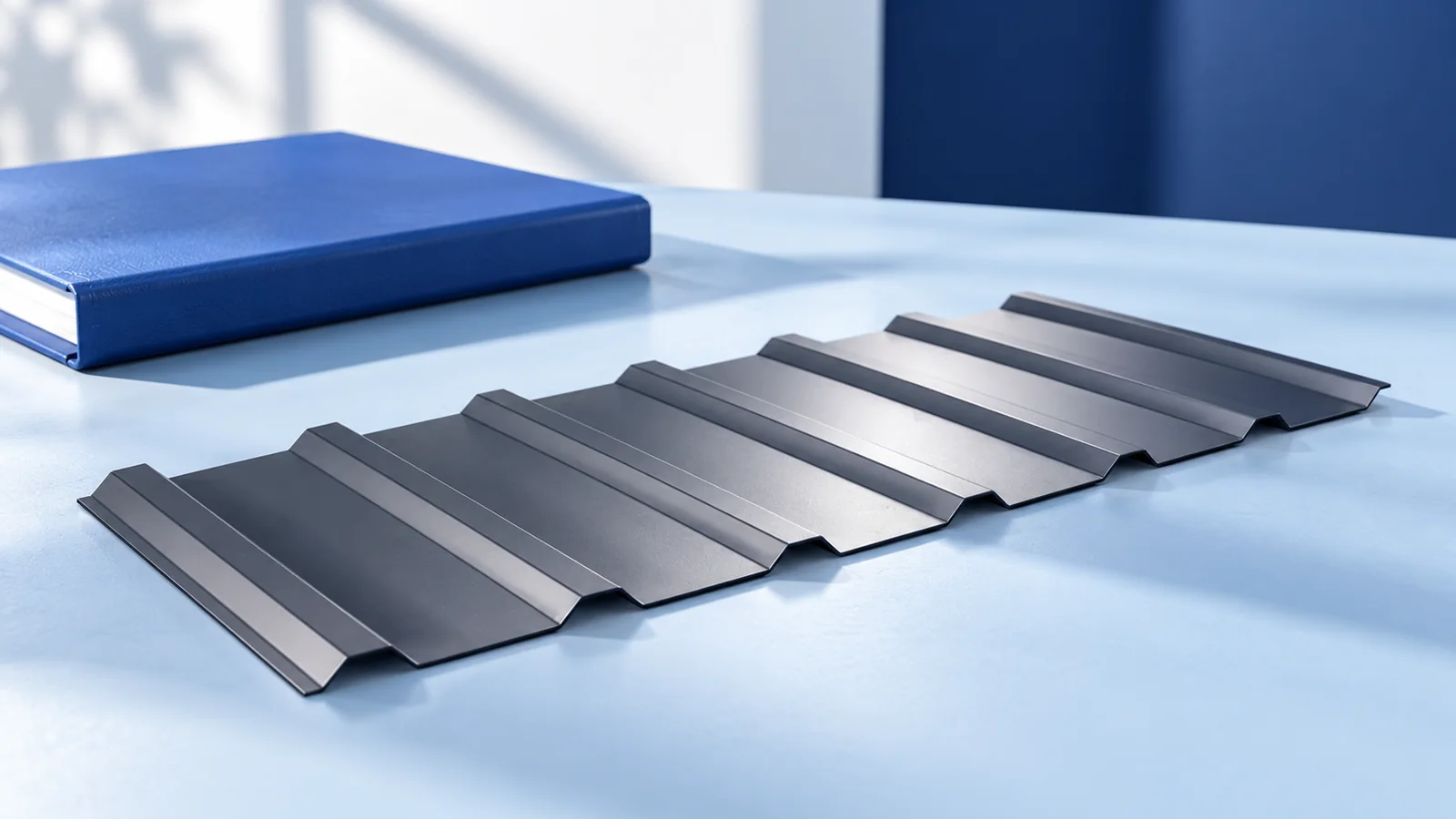
The Balex Metal catalogue valid from 28 October 2026 listed 0.50 mm T18 steel sheet with PE25 coating at approximately €8.28 net per effective m² and the comparable T35 at €9.05. These dated examples use the NBP rate of 10 November 2026: PLN 4.3895 per euro; they are not current offers.
The same catalogue listed made-to-length SPEKTRUM metal roof tiles at approximately €8.96 net and modular PANORAMA at €9.99 net per effective m², using that exchange rate. Accessories, delivery and installation remain additional costs; a manufacturer catalogue is not today’s shop quotation.
For the original T18 example, 100 m² multiplied by the unrounded source price converts to €827.88 net. Convert the total before rounding: multiplying the rounded €8.28 display price gives a slightly different result. Neither figure includes waste, flashings or installation of a completed 100 m² roof.
When can sheet metal reduce the overall project cost?
Long sheets can reduce joints on simple slopes, while low weight may ease handling. This does not permit arbitrary reductions in timber sizes. The structural design must still account for snow and wind loads.
For complex roof shapes, compare cutting waste and sheet handling with modular units. In a heated workshop, compare roof sandwich panels against the complete combination of sheet metal, insulation and lining: one higher-priced component may perform several functions.
What must be included for roof tiles and shingles?
Roof tiles require suitable edge units, ventilation components and fixings. For renovation, assess their weight against the existing structure. Do not assume without calculation that every tiled covering requires the same strengthening or necessarily a more expensive structure.
For bituminous shingles, include the continuous deck and underlay required by the system. Compare roofs completed to the same standard, with finished edges, junctions and drainage, rather than only the outer layer visible from the street.
How should labour and extras be checked?
Ask separately about removal, substrate repairs, scaffolding, protection, gutters and waste disposal. Agree how concealed defects discovered after stripping will be priced. A low installation figure may cover a considerably narrower scope of work.
Check site access, vehicle length and unloading arrangements for long sheets. Packs of modular units also need safe handling and storage. Compare material delivered to the site with the necessary equipment, rather than warehouse collection prices alone.
What belongs in the final comparison table?
Use the same quantities and scope for each option: covering, underlays, accessories, labour and logistics. Identify net or gross prices and quotation validity. Compare coating, warranty conditions and future maintenance alongside the initial cost.
Even the cheapest option must suit the roof pitch and the building’s exposure. Surveying an older roof before pricing separates covering costs from necessary repairs. Only then does the budget support a realistic choice of construction.

Free quote
What to include in your enquiry
Tell us how you plan to use the material, the dimensions and the quantity you need. Include the thickness, grade or variant name, along with the delivery town or your preferred collection branch. For a specific product, add its name or a link to the product page. We will reply to the email address you provide to discuss availability and the terms of your order.
More from the building guide
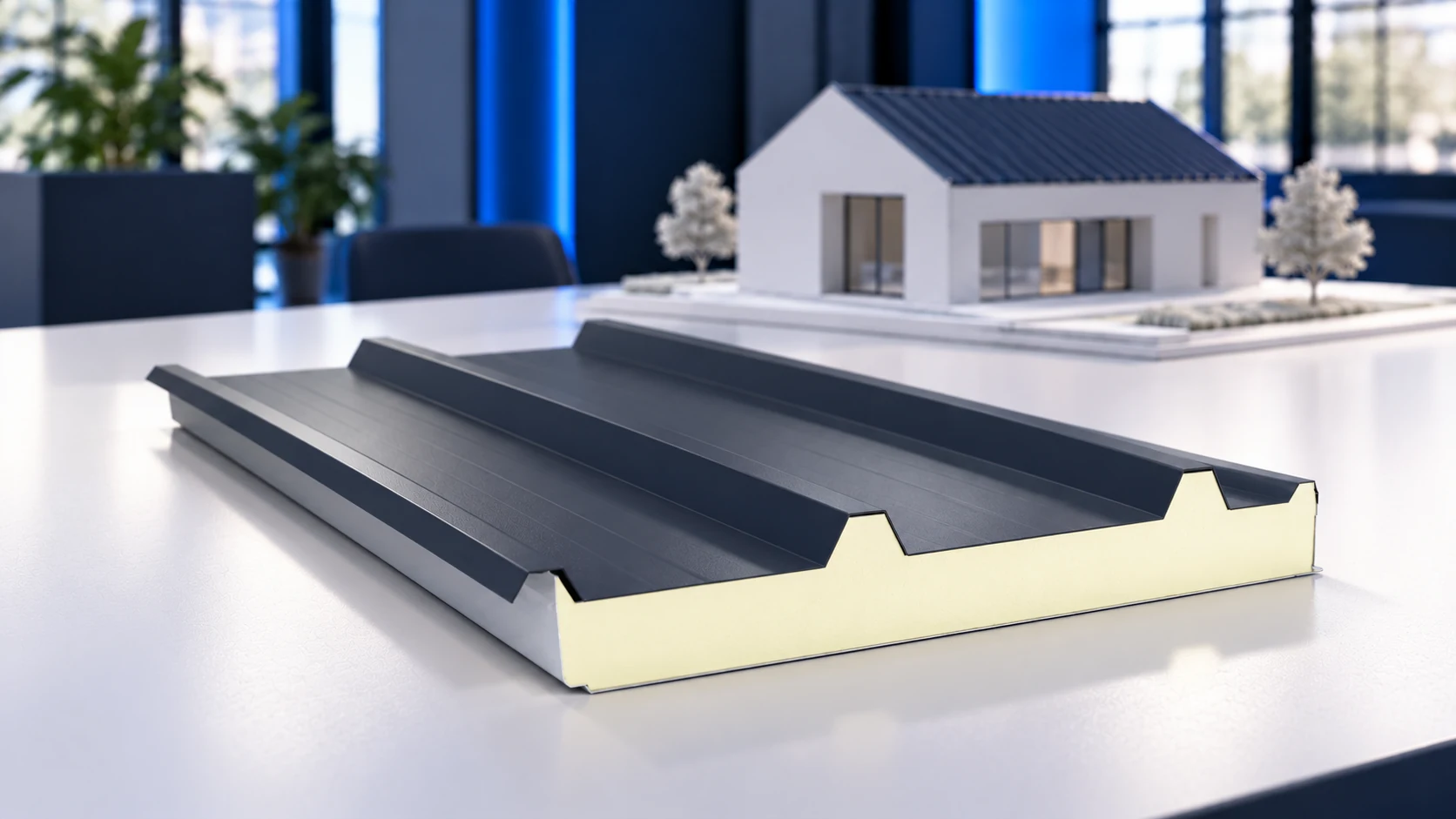
The price of sandwich panels is not the price of a house. A complete budget depends on foundations, supporting structure, building services,…
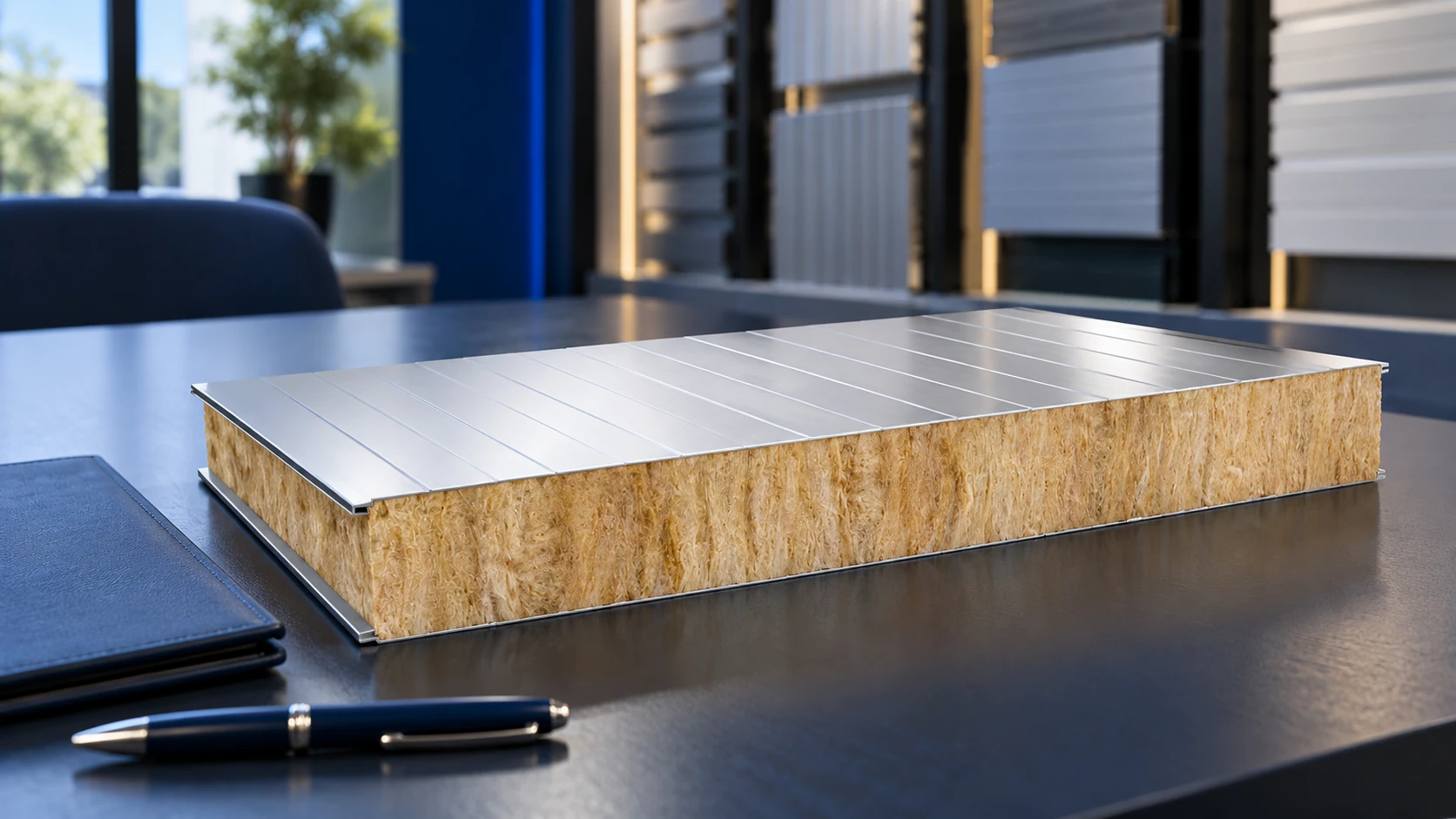
The cost of mineral-wool wall panels depends on the variant, thickness, facings and order size. A price per square metre covers only…
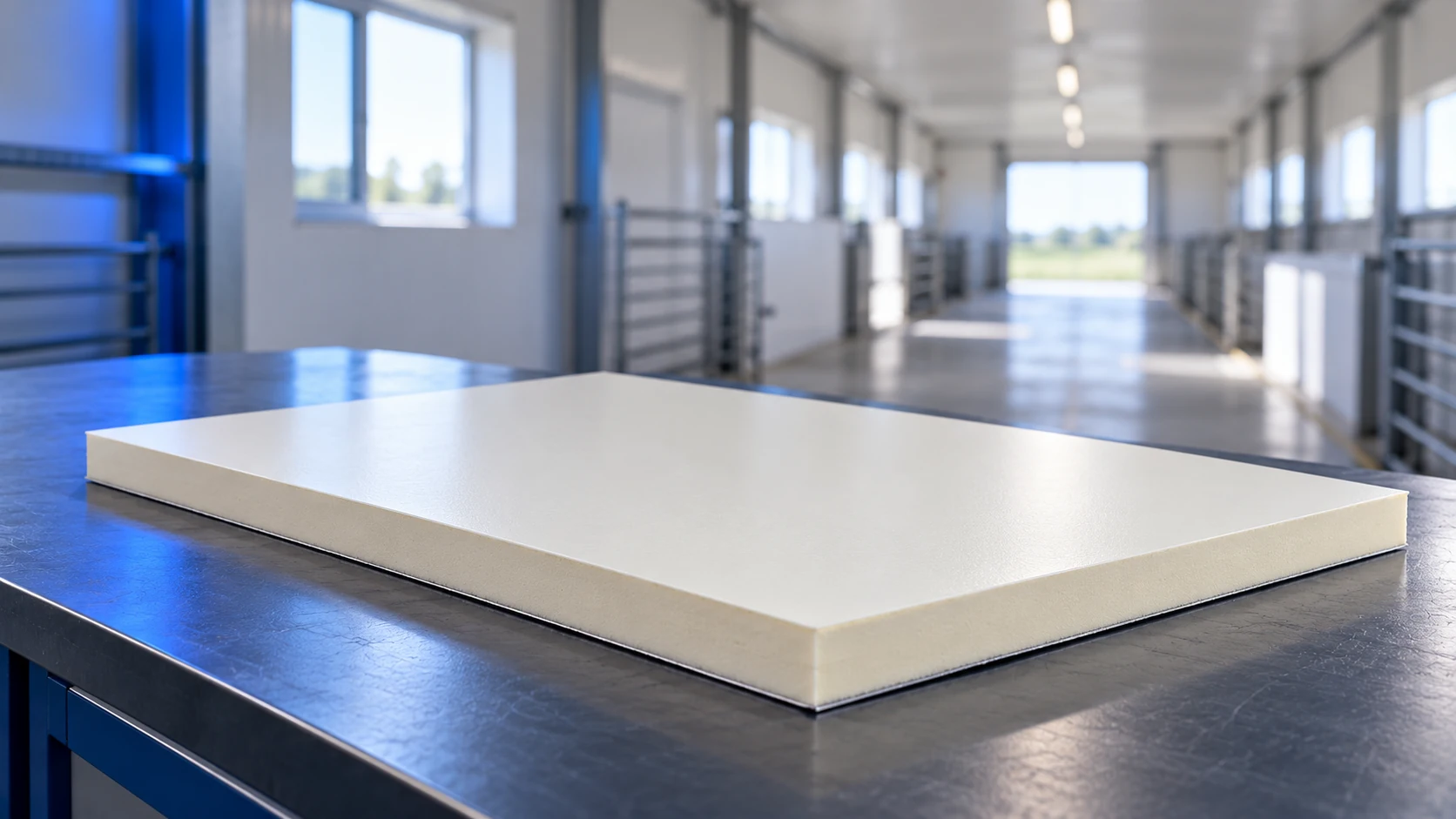
Panel selection for livestock buildings starts with operating conditions, not thickness alone. Indoor humidity, cleaning and ventilation all affect the specification. An…
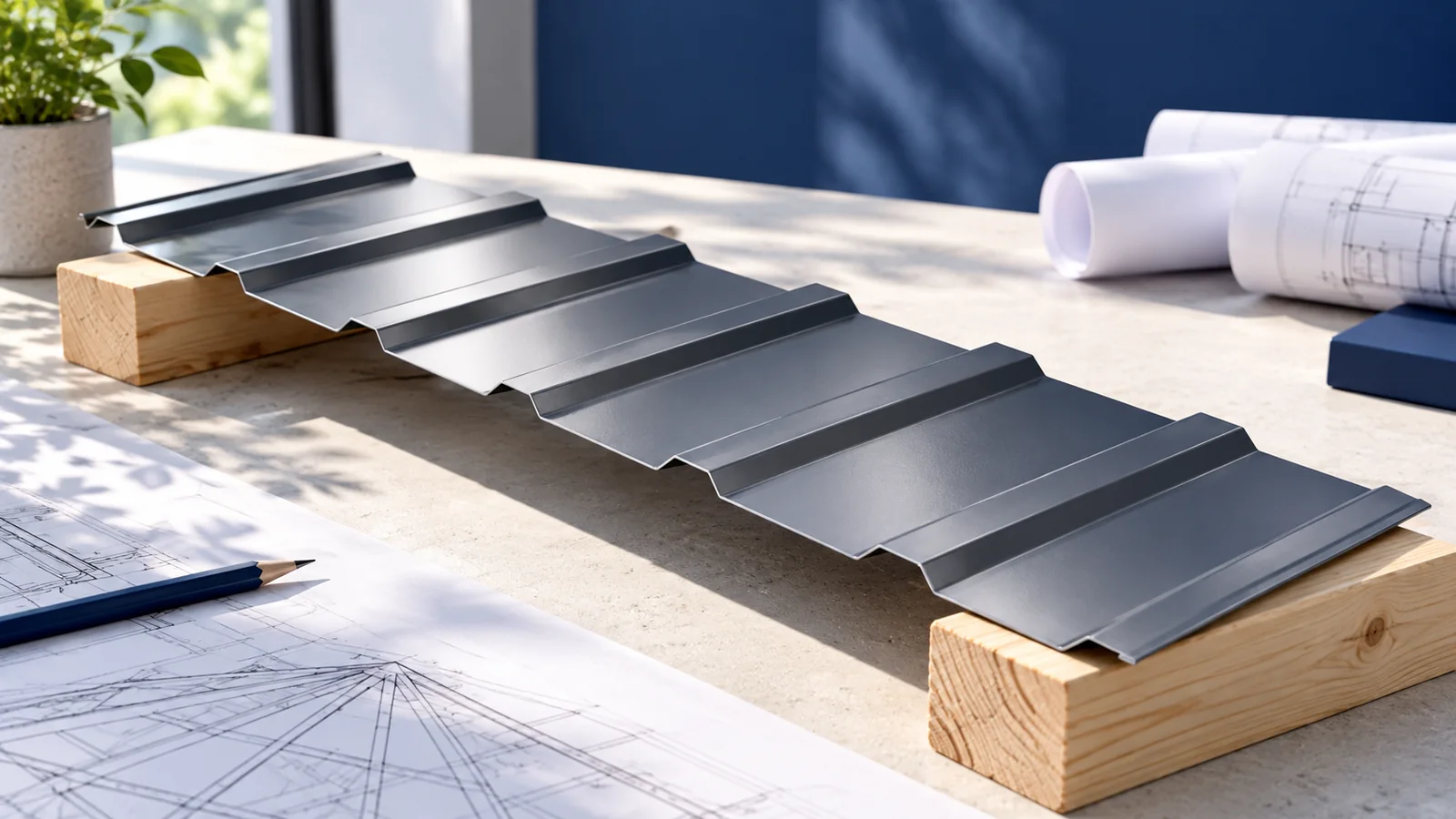
A timber roof structure carries the covering and snow and wind loads to the building's supports. Its arrangement must suit the span,…
Choosing a sandwich panel starts with the building's intended use. A cold store, heated workshop and simple warehouse enclosure need different combinations…
Sandwich panels can be supplied in lengths suited to a project, but the permitted maximum depends on the model, thickness, colour and…
A passive house needs little energy to maintain a comfortable indoor temperature. Its insulation, airtight envelope, windows and ventilation work together to…
Slight ripples in the flat part of a metal roof panel may only show up in strong sunlight. Residual stress in the…