






Choosing trapezoidal steel sheet for the roof you are building
Roof coverings
The right trapezoidal steel roof sheet depends on slope geometry, loads and building conditions. A designation such as T18 or T35 starts the specification; it does not fully describe capacity, weather resistance or corrosion protection. This Budowlanka.org guide compares the information needed before purchase: complete section geometry, steel thickness, support spacing, pitch and coating. It also examines sheet lengths, effective cover width and the difference between anti-condensation fleece and thermal insulation. A roof above heated rooms requires assessment of the entire assembly. Collecting these details makes quotations comparable and avoids substitutions based only on similar profile names. The final choice must suit the design and the specific manufacturer’s instructions.
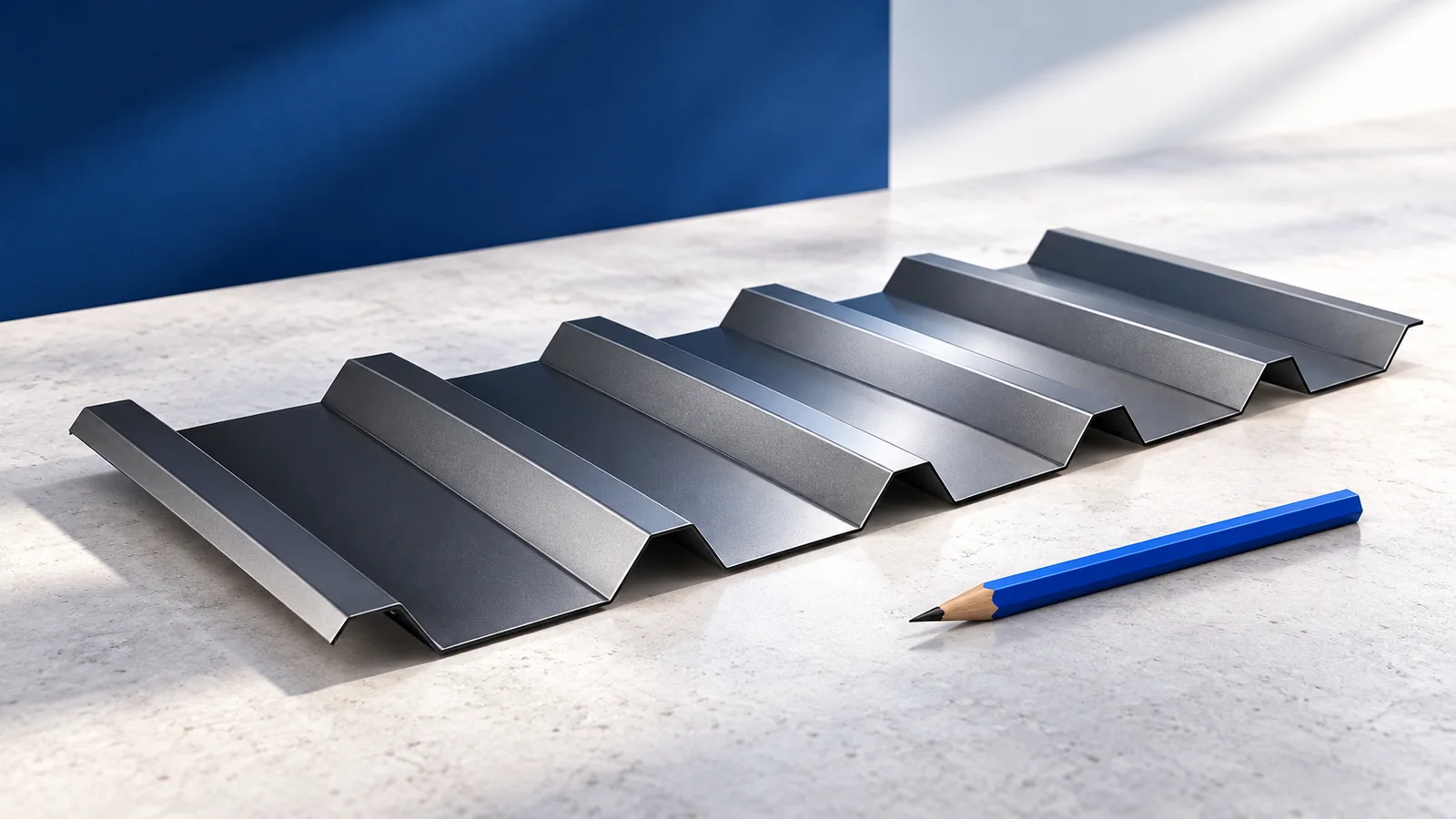
What does T18 or T35 actually tell you?
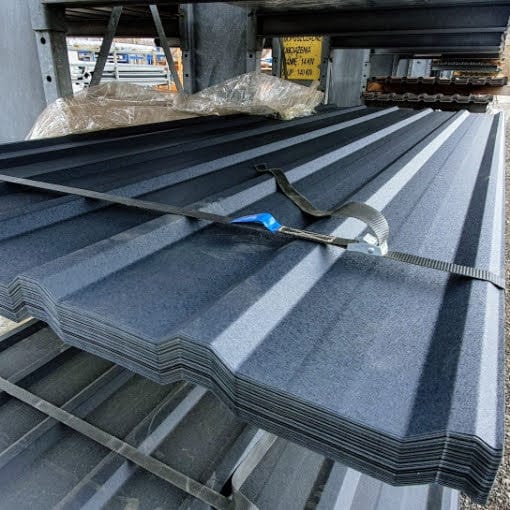
The designation refers to profile height but does not define rib widths or cover width. Section differences between suppliers affect performance and accessory fit. Two similarly named profiles may therefore require different load tables and flashings.
Confirm the exact roofing variant, section orientation and joint arrangement. A façade profile is not necessarily suitable for arbitrary roof installation. Product documentation determines its application, not the apparent similarity of its ribs.
When should you compare T18 and T35?
Consider T18 where supports and loads match its data. Taller T35 has different geometry that may help in a particular arrangement. It does not permit arbitrary increases in purlin spacing without checking the relevant load table.
A meaningful comparison uses consistent thickness, steel grade and span arrangements, checking deflection as well as load capacity. Thinner T35 does not necessarily outperform thicker T18. Higher demands may call for a structural profile specified by the designer.
Accounting for pitch and slope length
Read the pitch requirement for the selected product and joint arrangement. Continuous sheets and roofs with end laps may have different installation conditions. Do not apply one minimum value to every T18 or T35 variant.
Length affects drainage as well as delivery. Fewer joints with long sheets must be weighed against more demanding lifting. Shorter sections need correctly supported and sealed laps. The choice must reflect conditions on the actual site.
Selecting steel thickness and coating
A thinner steel substrate changes mass and mechanical behaviour, not just price. It may require different support spacing. Metallic protection and organic coating must also suit the environment in which the sheet will be used.
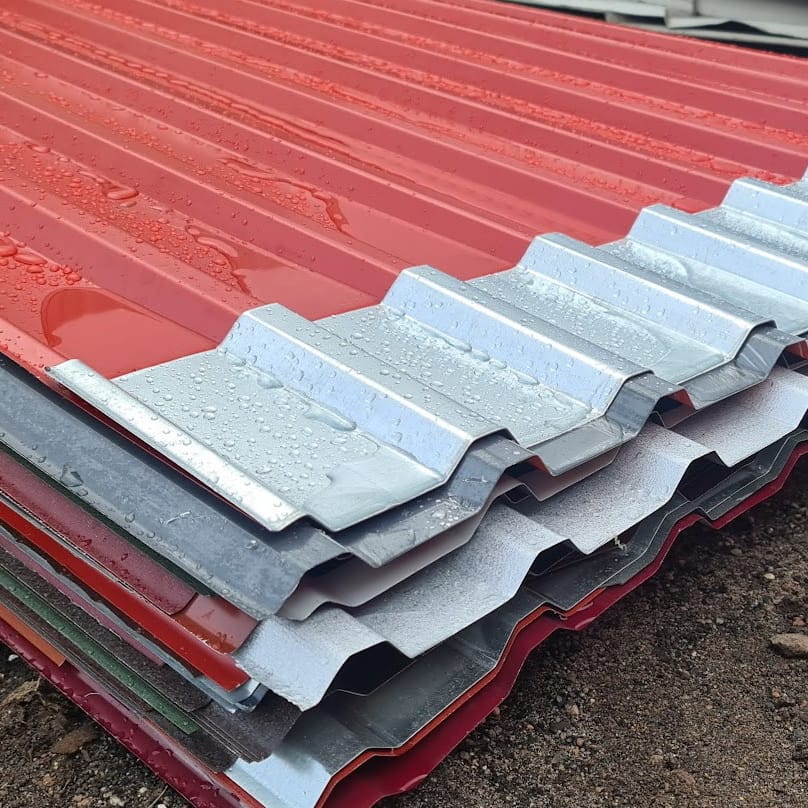
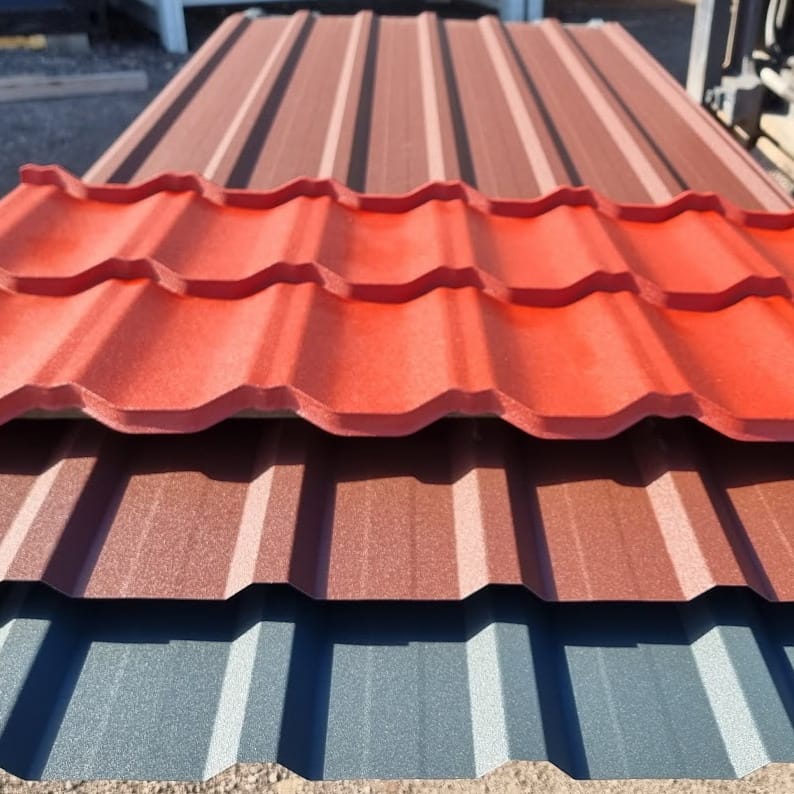
Near the sea, industrial sites or damp interiors, corrosion protection on both faces deserves particular attention. Compare declared performance and warranty conditions, and view the colour in daylight. A matt finish alone does not establish greater durability than gloss.
Anti-condensation fleece or additional insulation?
Fleece beneath the sheet can temporarily retain some condensation if it can dry afterwards. It does not prevent condensation itself in an unheated building. Nor does it provide thermal insulation or replace every other required roof layer.
Above a heated workshop or attic, design thermal insulation, airtightness and vapour control. Compare that built-up roof with a prefabricated roof sandwich panel. Compare costs for equivalent functions, rather than omitting insulation from the cheaper option.
Information for a reliable quotation
Provide dimensions, pitch, location, supports and building use. Mark chimneys, openings and equipment. Request an exact specification and price per covered square metre, including flashings, screws and transport, so profile comparisons cover the same scope.
Check storage and installation instructions for the chosen sheet too. Purchase does not complete planning: suitable fixings and effective drainage remain necessary. The best match is not always the tallest profile or costliest coating, but one meeting the application’s requirements.
After changing profiles, recalculate sheet quantities using the new cover width. Even a small module difference affects the final cut and order quantity. Do not reuse another profile’s quantity schedule without checking the entire slope geometry.

Free quote
What to include in your enquiry
Tell us how you plan to use the material, the dimensions and the quantity you need. Include the thickness, grade or variant name, along with the delivery town or your preferred collection branch. For a specific product, add its name or a link to the product page. We will reply to the email address you provide to discuss availability and the terms of your order.
More from the building guide
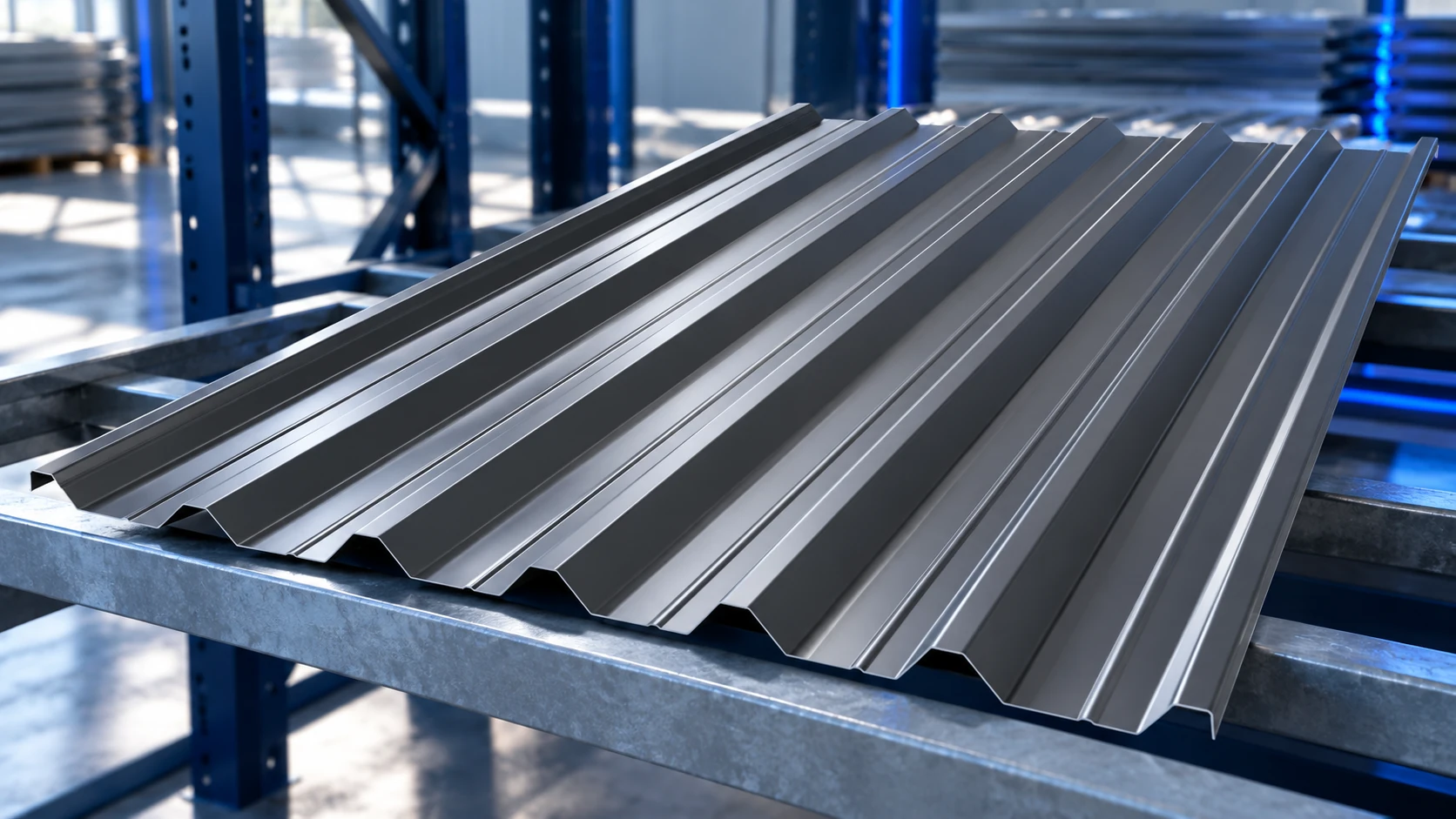
Choosing trapezoidal steel roofing starts with the roof: its pitch, supports, loads and intended use. Those requirements determine a suitable profile and…
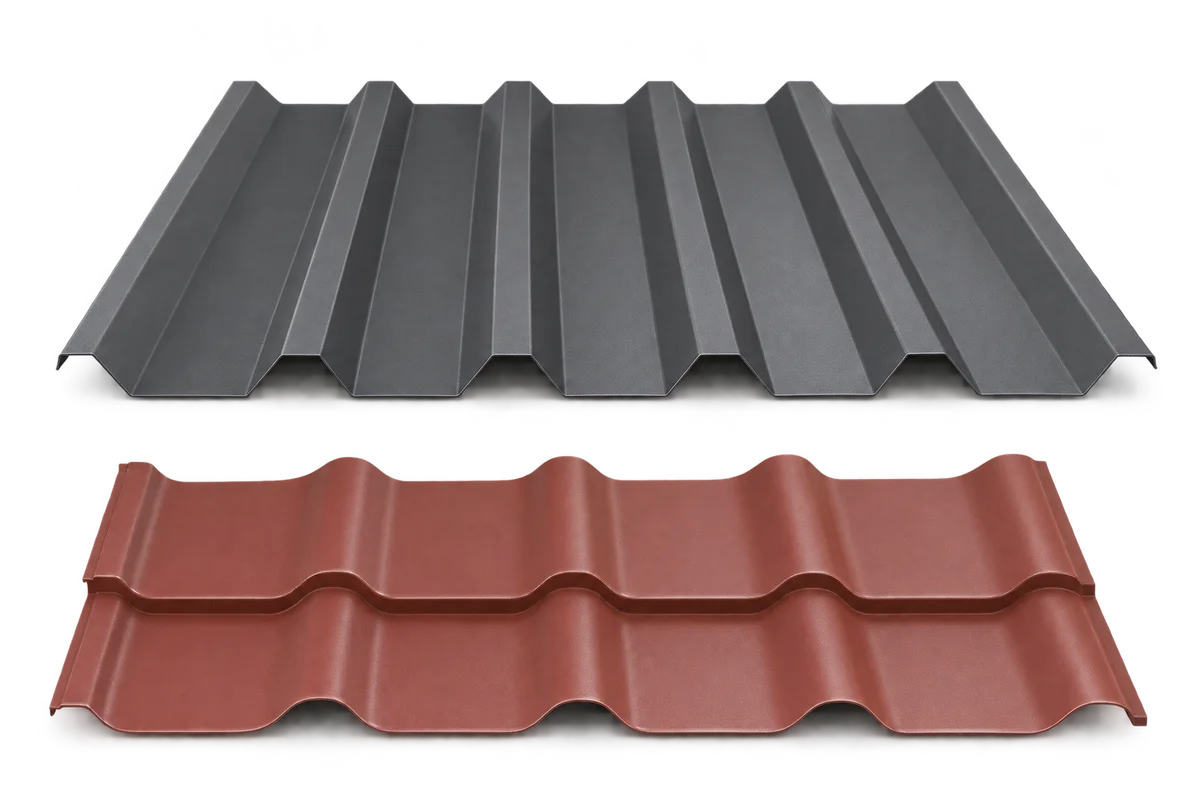
Choosing metal roofing for a house with a narrow access route means checking the delivery journey as well as the roof covering.…
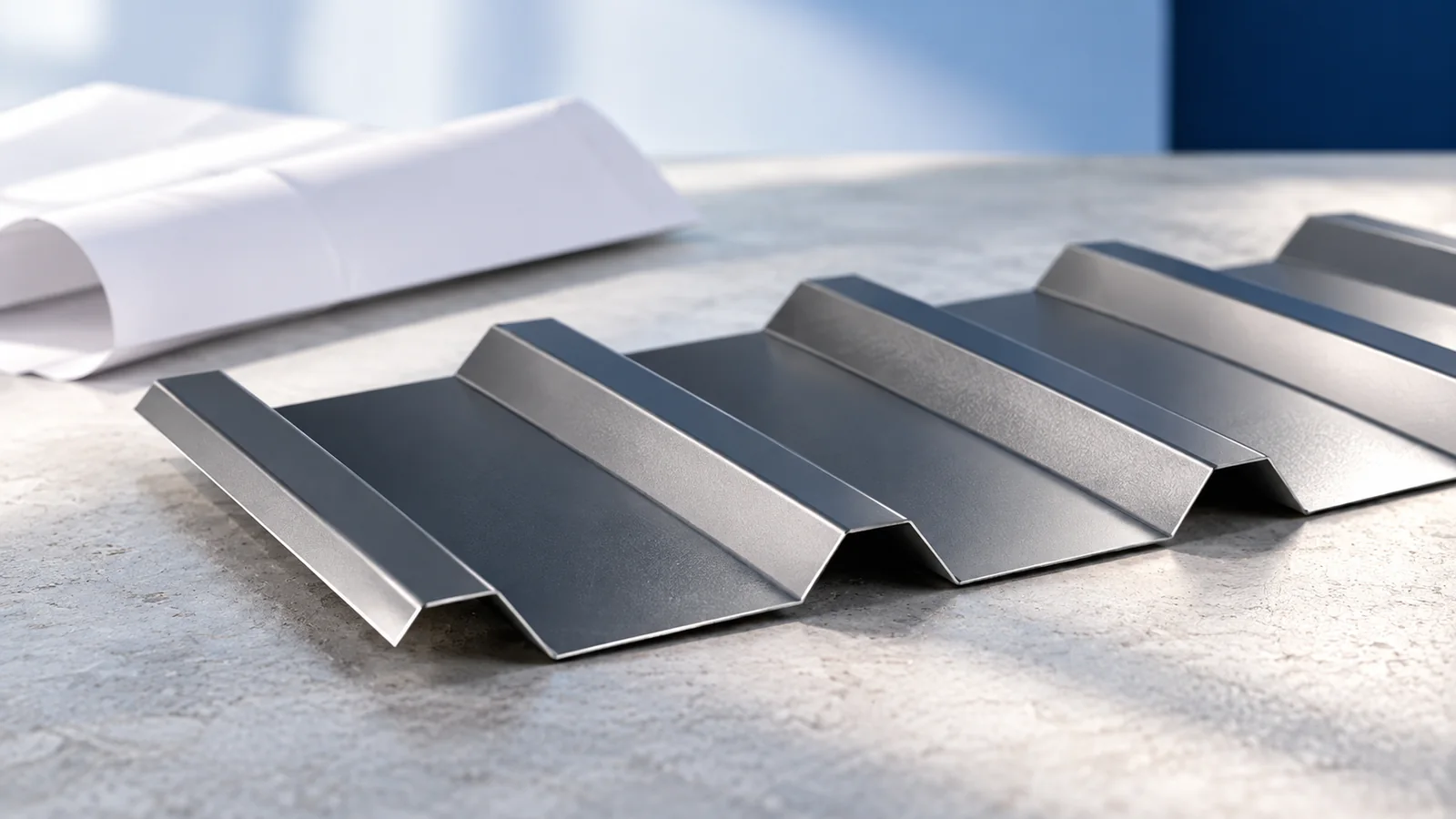
Calculate trapezoidal-sheet weight only after identifying the unit in the documentation. Weight per square metre of effective cover, total area and linear…
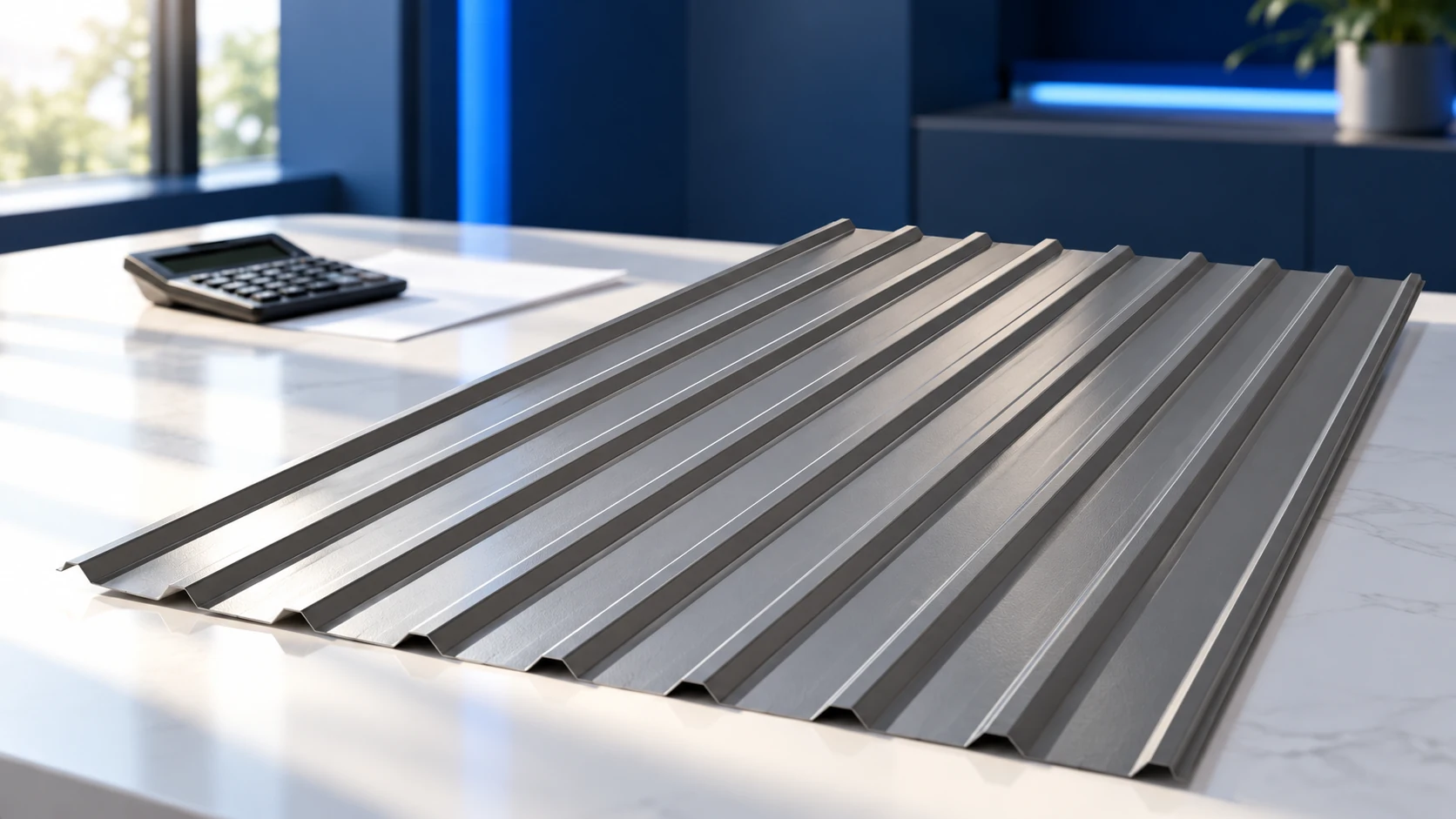
The price of a square metre of trapezoidal steel sheet depends on its profile, thickness and coating, but also on the area…
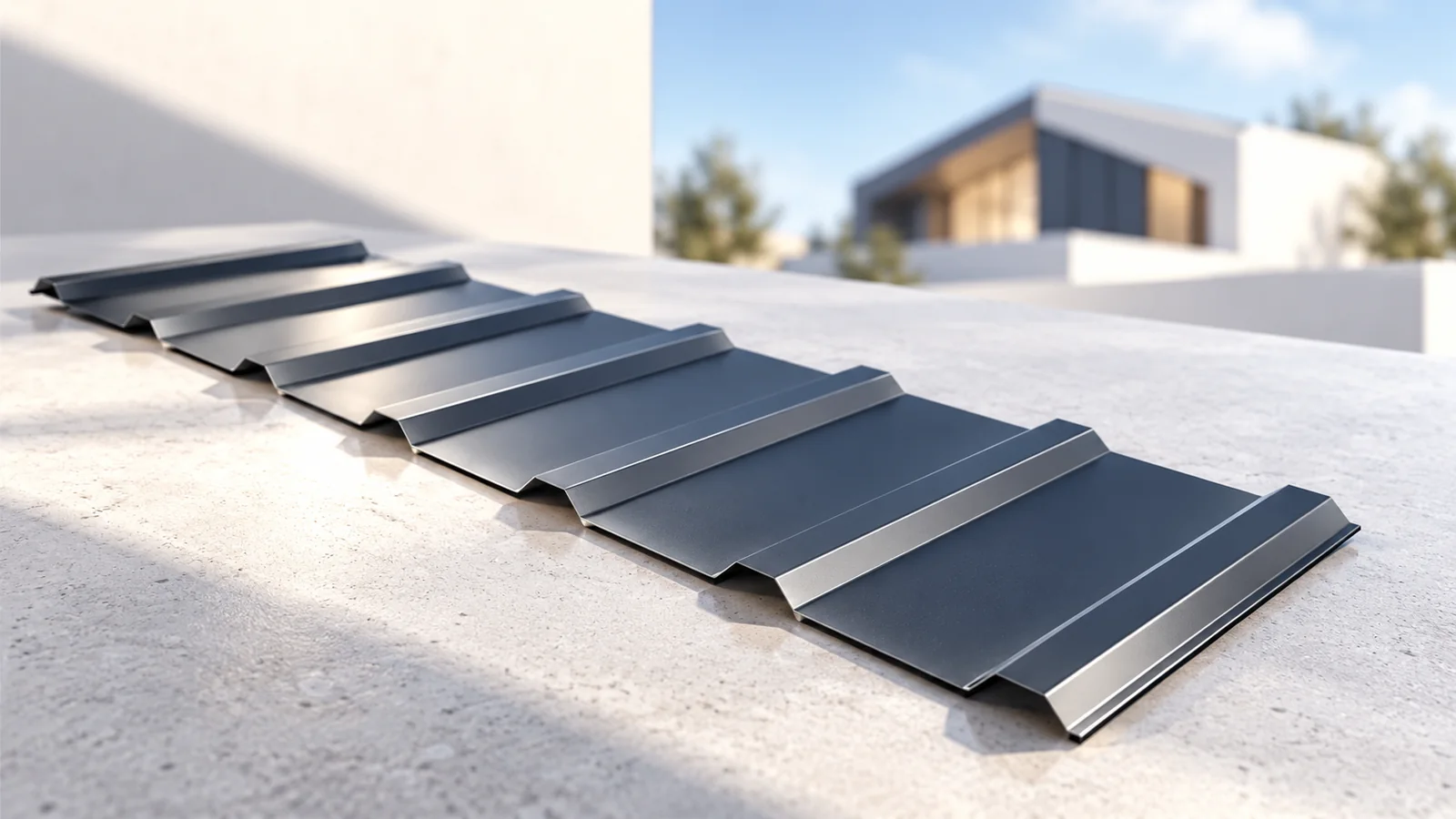
A T18 trapezoidal-sheet soffit needs to fit the available eaves space, supporting framework and edge trims. Its pronounced ribs create a different…
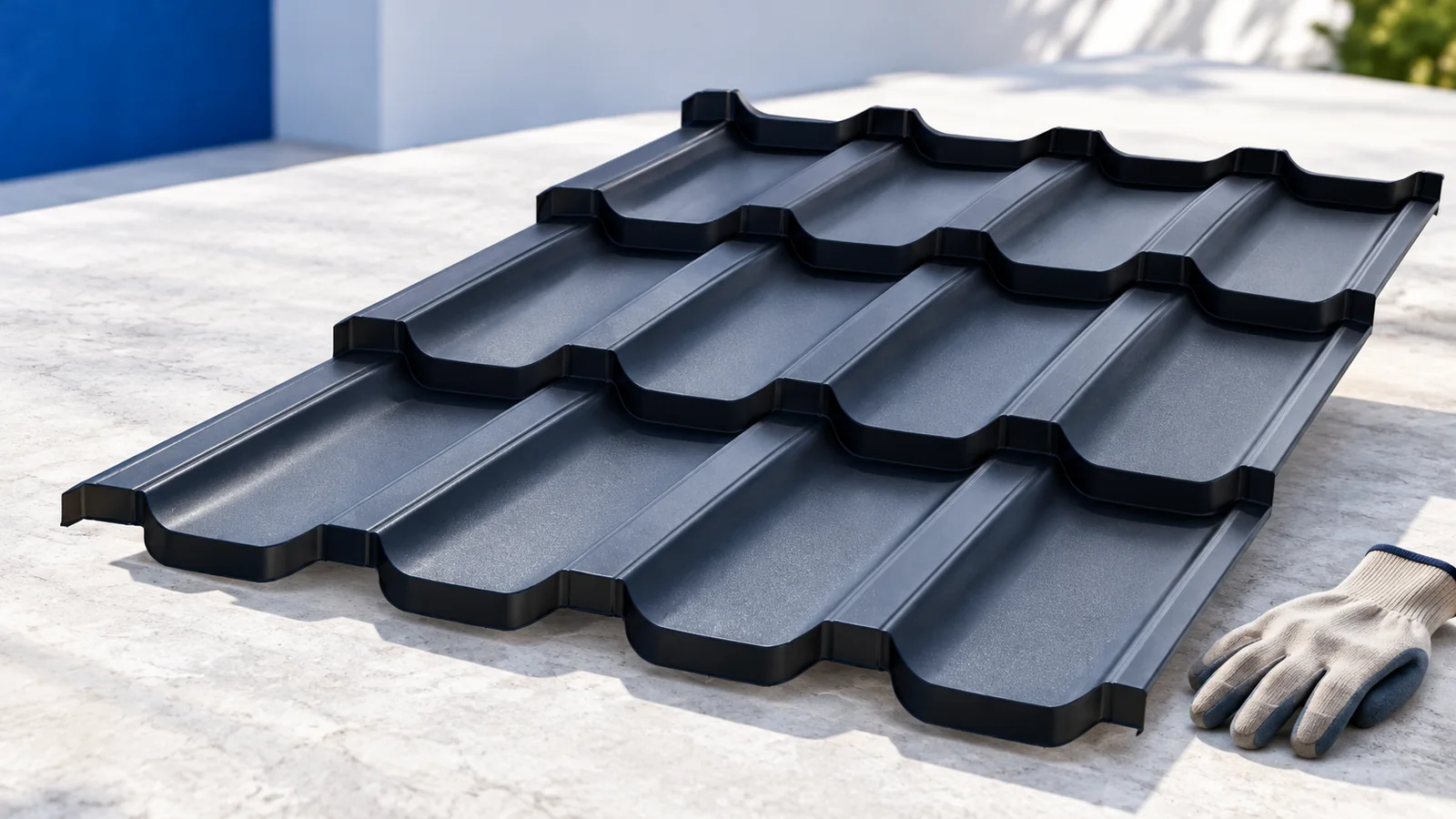
Choose a holiday cabin roof around its structure, pitch and intended use. A building visited in summer needs a different roof build-up…
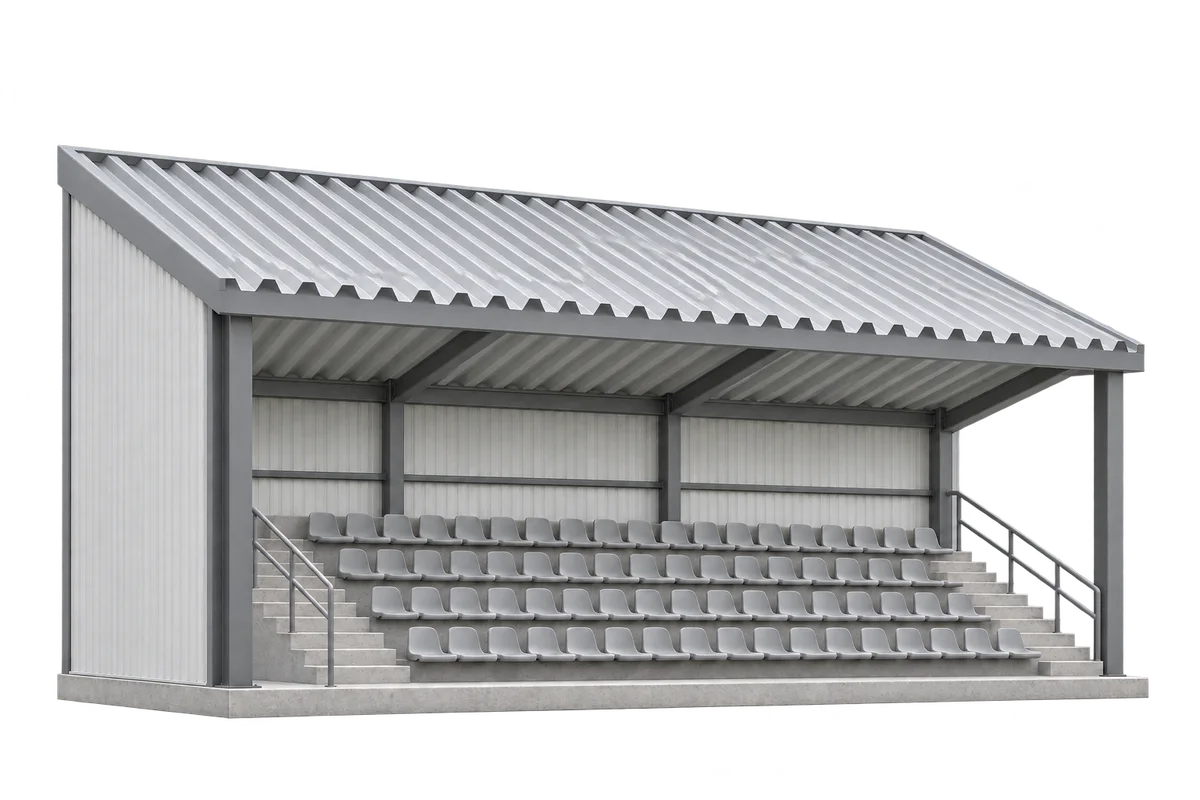
Use the sheet layout drawing to count the sheets for a grandstand canopy. The order needs dimensions in two directions. Across the…
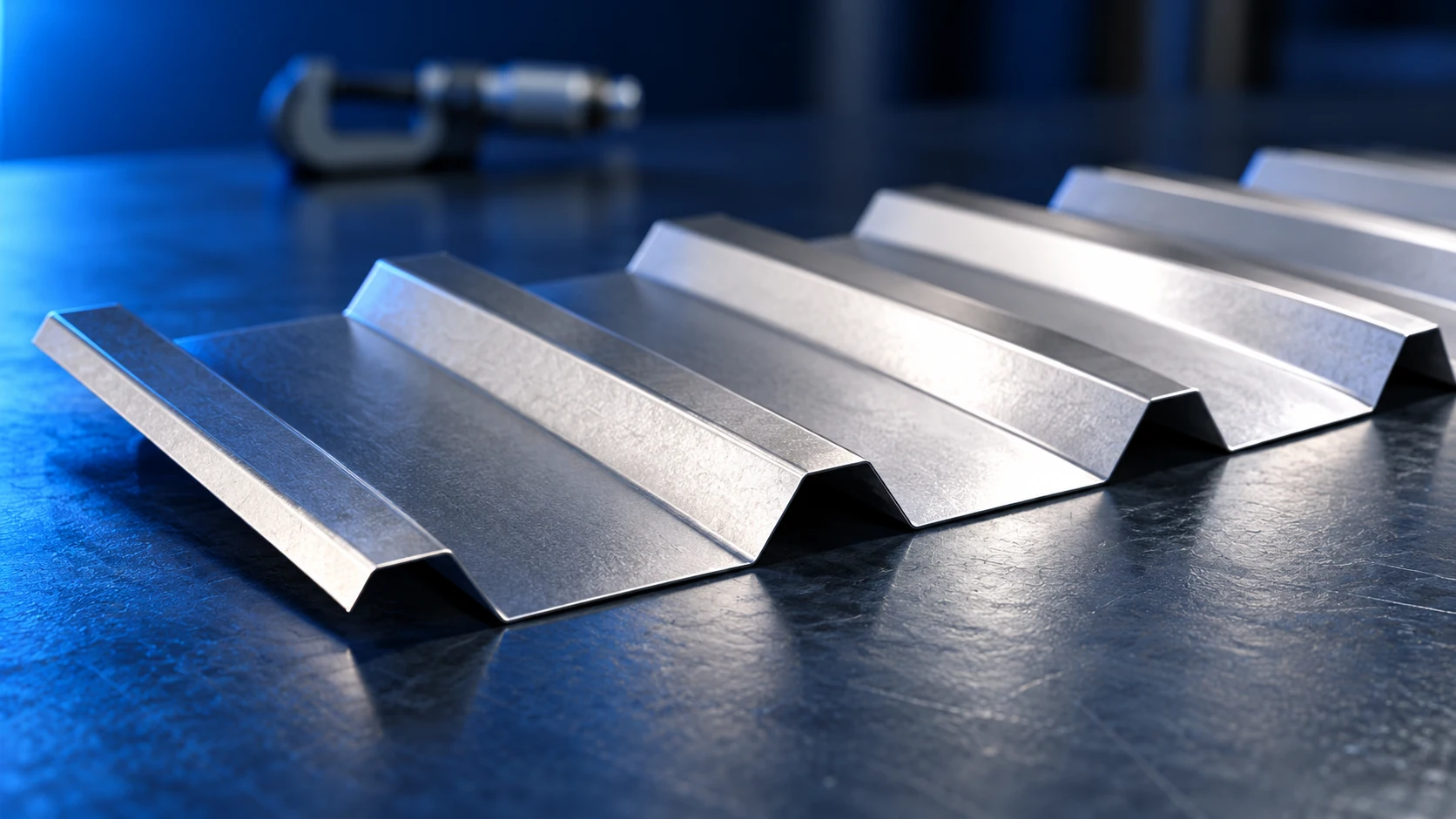
There is no single sheet thickness suitable for every roof. Trapezoidal roofing must be selected together with its profile, support spacing, loads…