






Planning a house fence with metal pickets
Façades and fencing
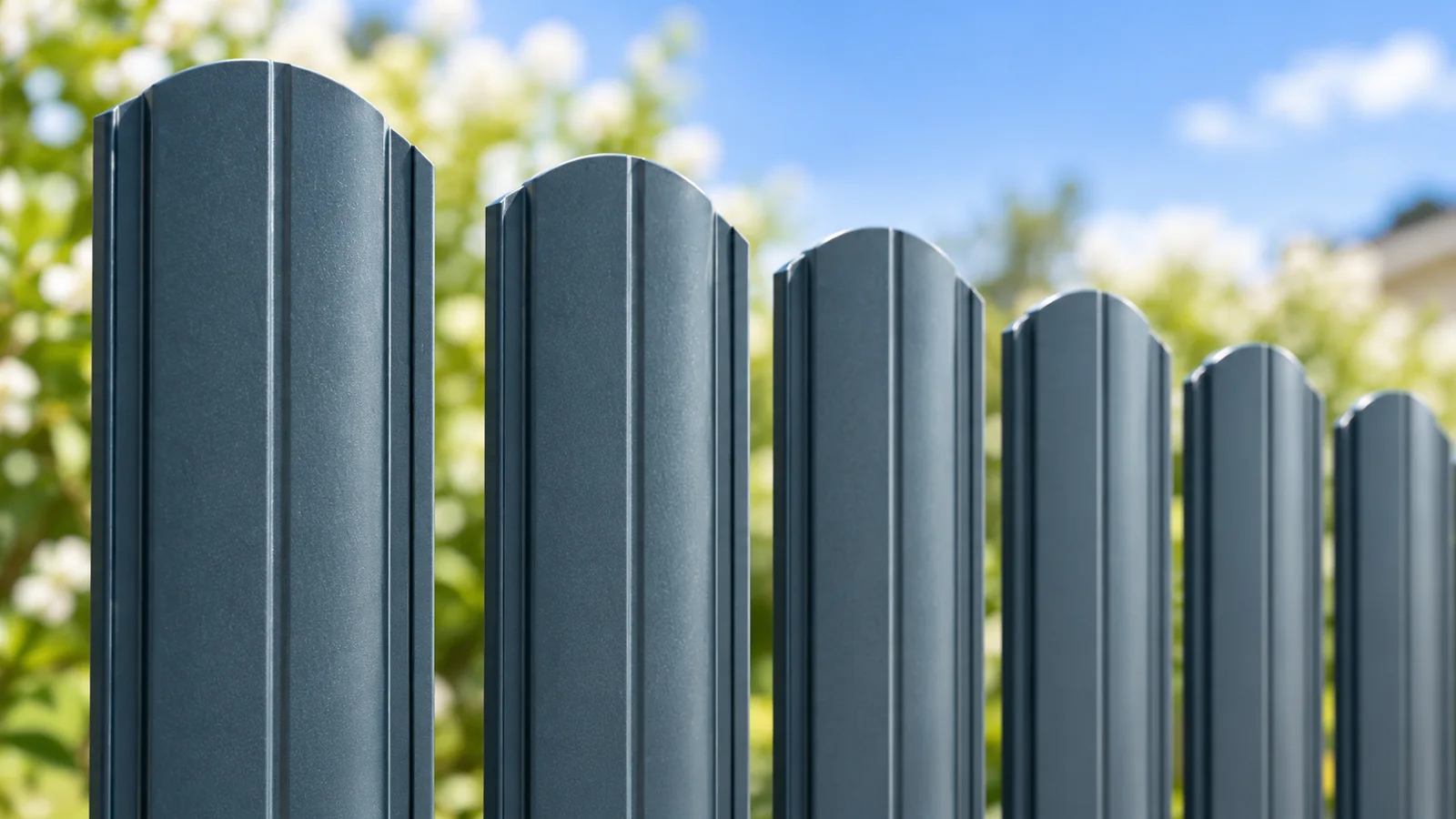
Plan a metal-picket fence around everyday use of the property: visibility at the gate, garden privacy and pedestrian access. Picket width, gaps and colour follow those decisions. This Budowlanka.org guide considers pickets together with posts, rails and foundations because filling density affects wind loading and a picket price does not describe the whole project. It explains how to schedule actual fence bays, inspect both sides of the finish and compare complete quotations. A counting example illustrates the arithmetic without prescribing universal installation dimensions. Replacing an old fence also requires assessment of existing supports. Appearance matters, but it must work with the structure and practical access.

Deciding what each fence section should do
The street frontage may need different screening from a garden boundary. Entrances require convenient access, while garden sections may benefit from larger gaps. Consistent colour and proportions can unite different fillings without making every section identical.
Check visibility when leaving the drive, access to the pedestrian gate and space for bins, intercom and service boxes. Complete screening near the road is not always helpful. Early service planning avoids cutting finished bays and adding exposed cables.
What metal pickets offer
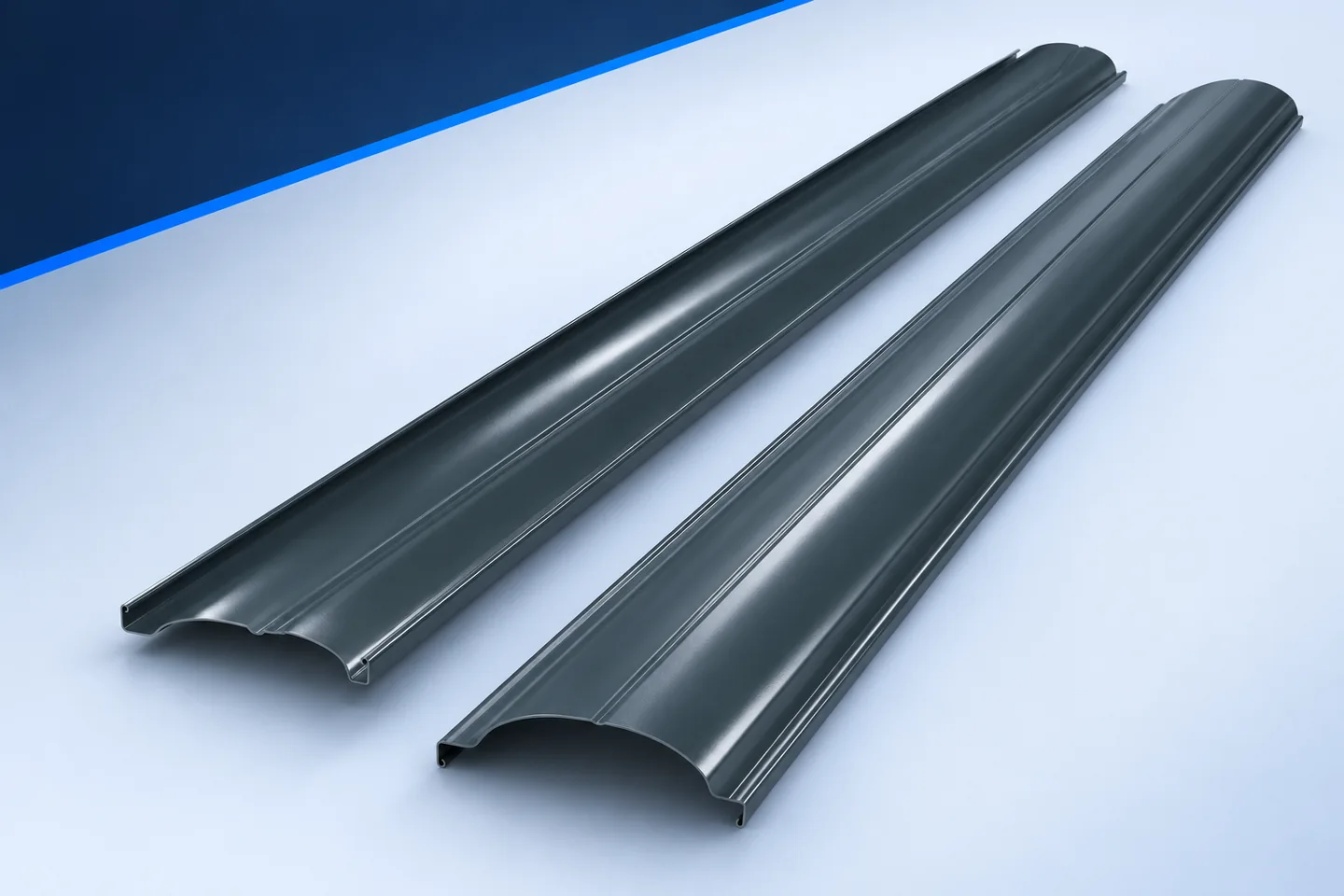
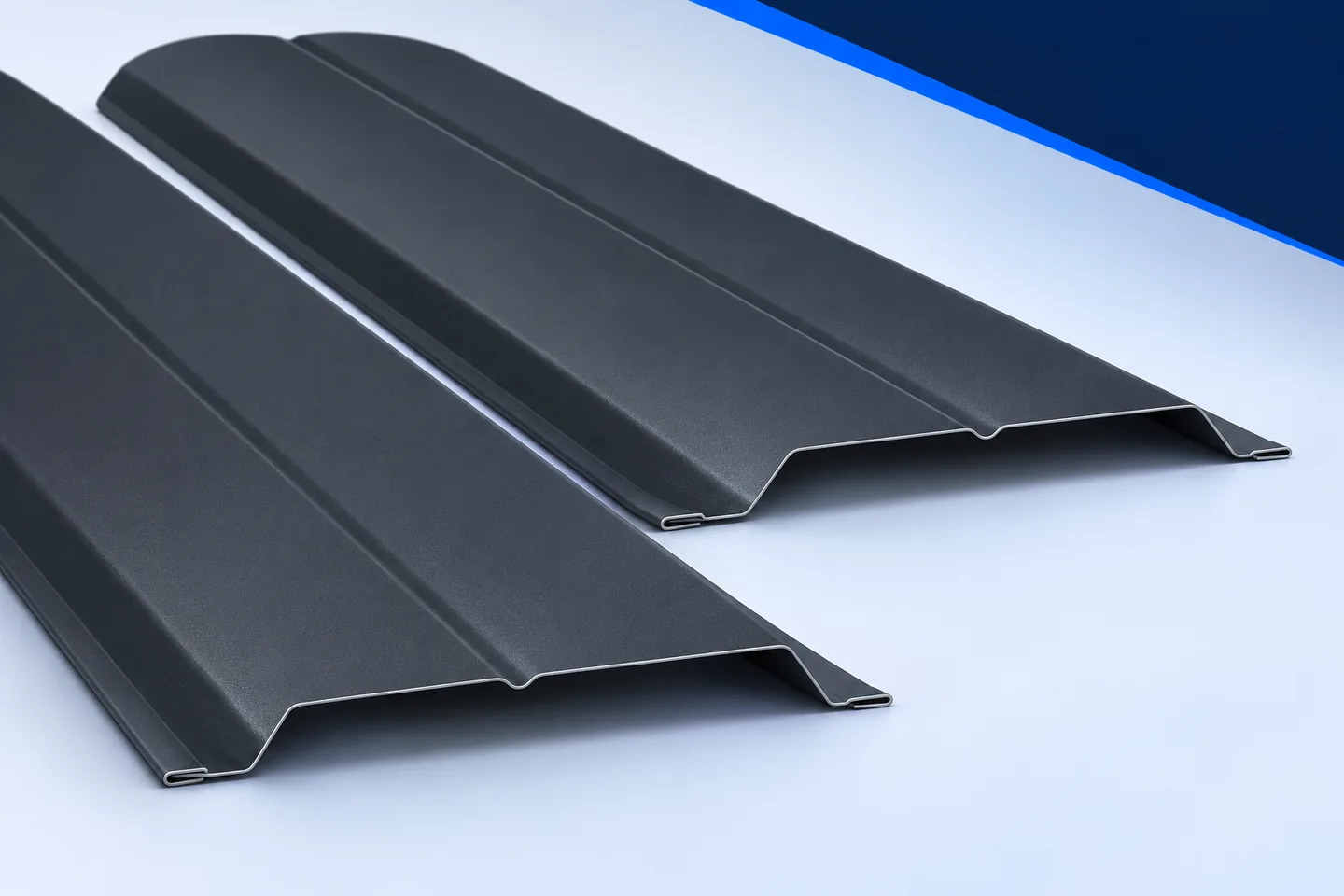
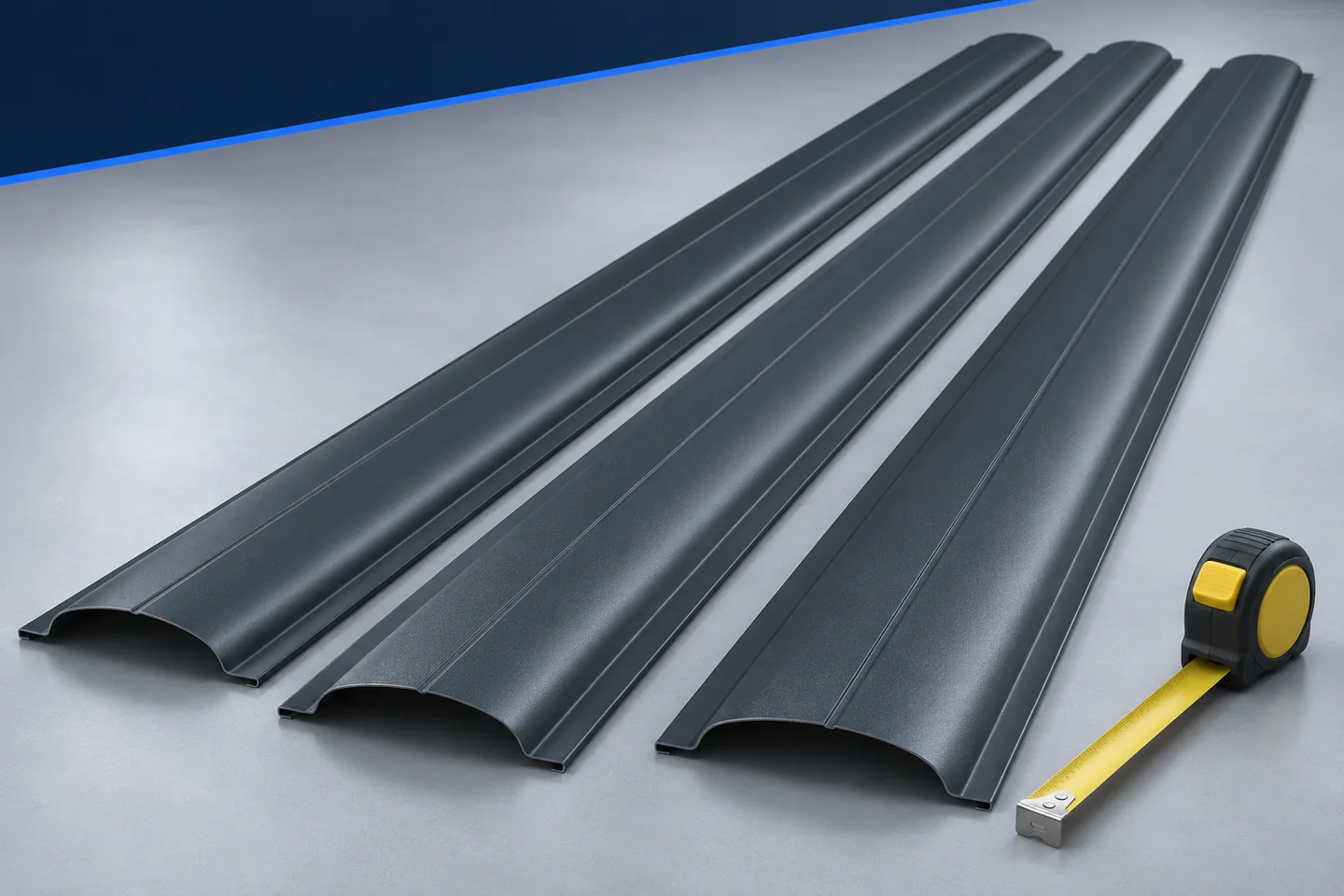
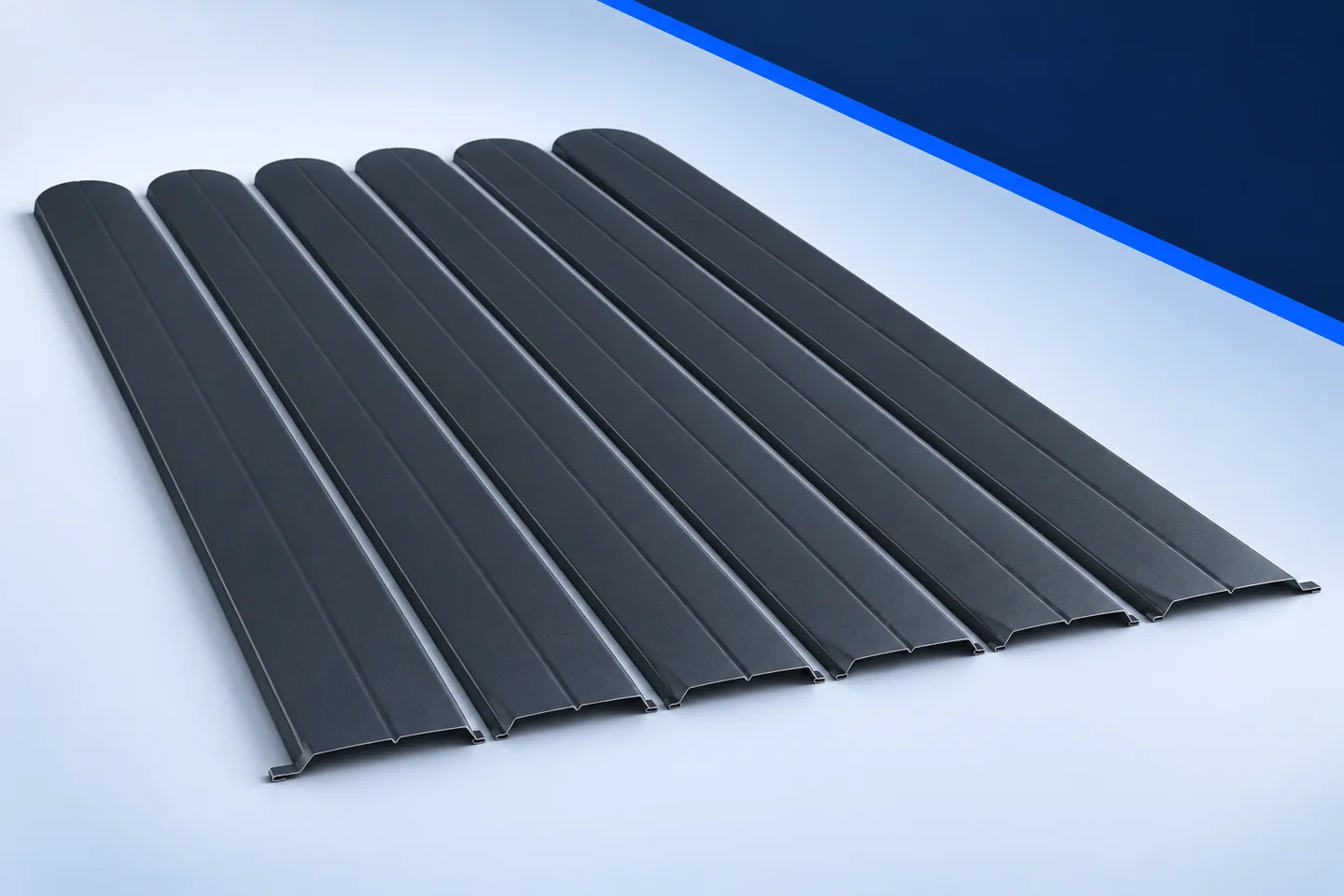
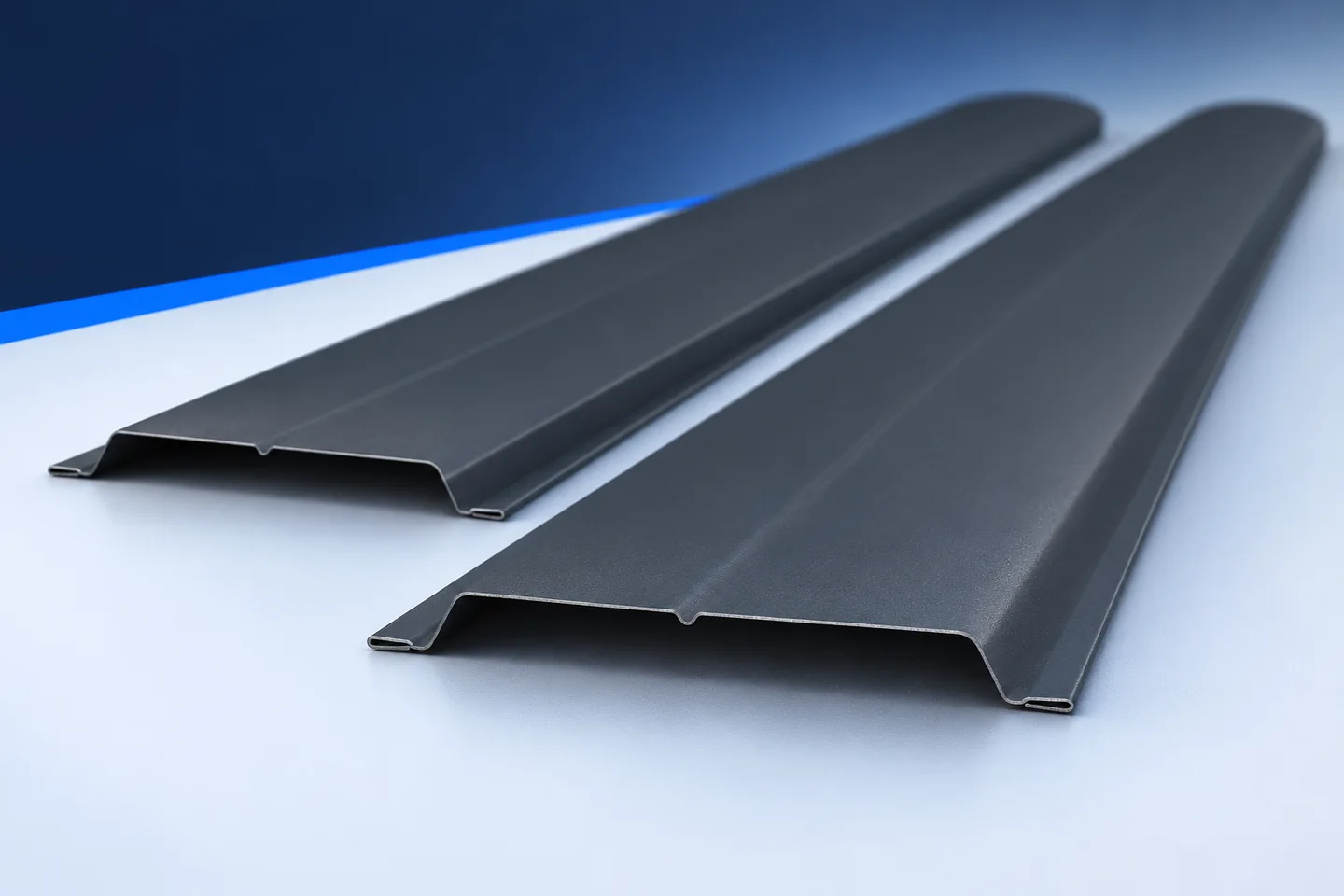
A picket gains stiffness from its ribs and folded edges as well as the sheet itself. Separate pieces simplify spacing choices and individual replacement. Length must still suit the rails and fixings; profiling does not eliminate support requirements.
Coated steel does not need the same preservative treatment as timber, but cleaning and coating checks remain necessary. Solid sheets screen more fully while transmitting wind pressure differently. Compare fillings together with their supporting structure, not appearance alone.
Calculating quantities bay by bay
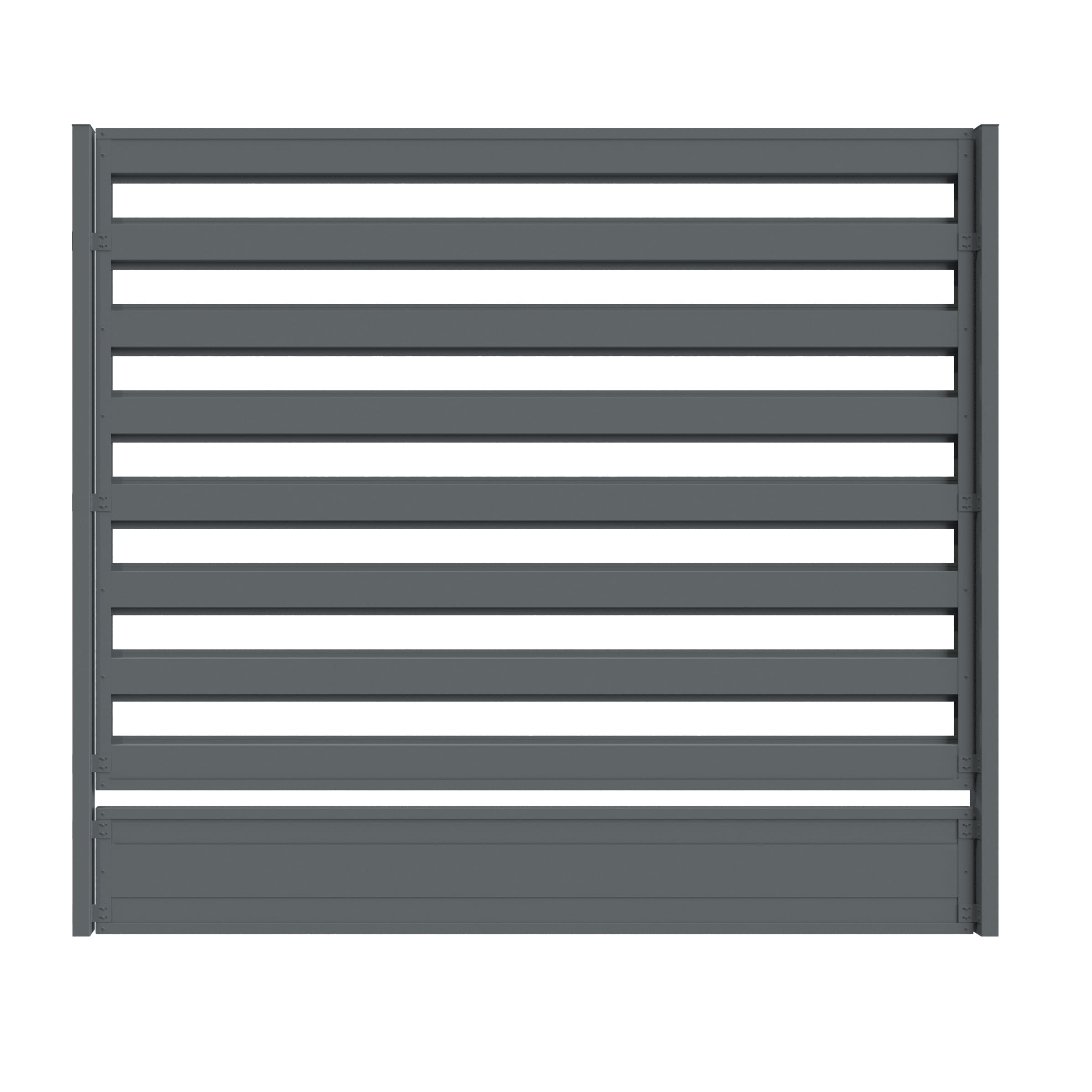
Measure each clear bay between posts and lay out whole pickets, internal gaps and end clearances. A per-metre allowance is approximate. One extra picket repeated across many bays can materially change the order quantity.
For an illustrative 2,000 mm clear bay, sixteen 100 mm pickets and fifteen 25 mm gaps occupy 1,975 mm. The remaining 25 mm gives 12.5 mm at each end. These are calculation assumptions, not prescribed product spacings.
Checking the finish on both sides
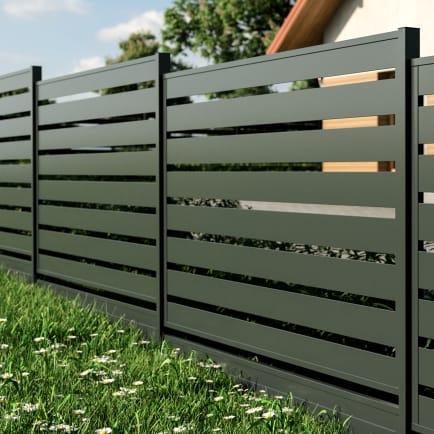
View a sample from both street and garden sides. A one-sided finish may look different from behind, especially on an opening gate. Confirm both faces before ordering rather than inferring the reverse finish from one photograph.
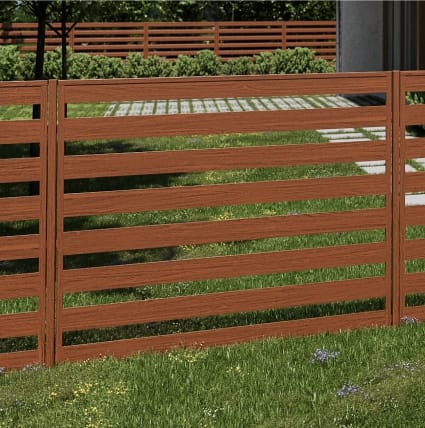
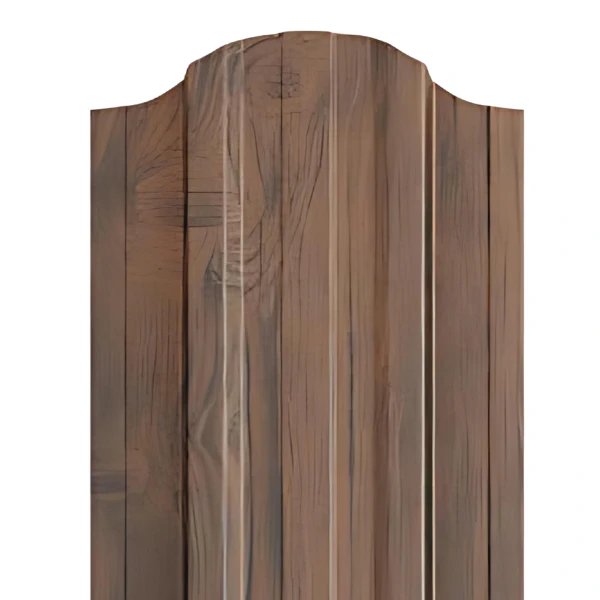
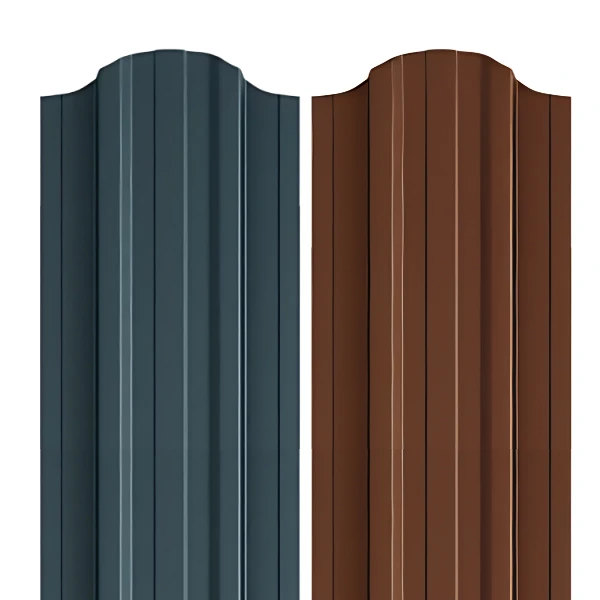
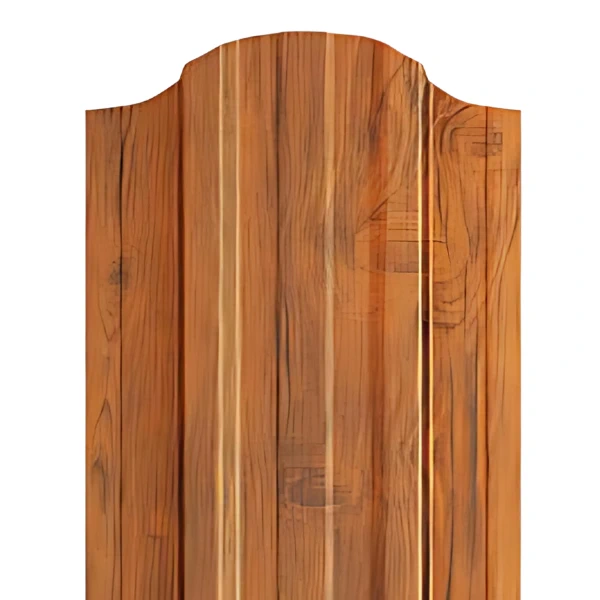
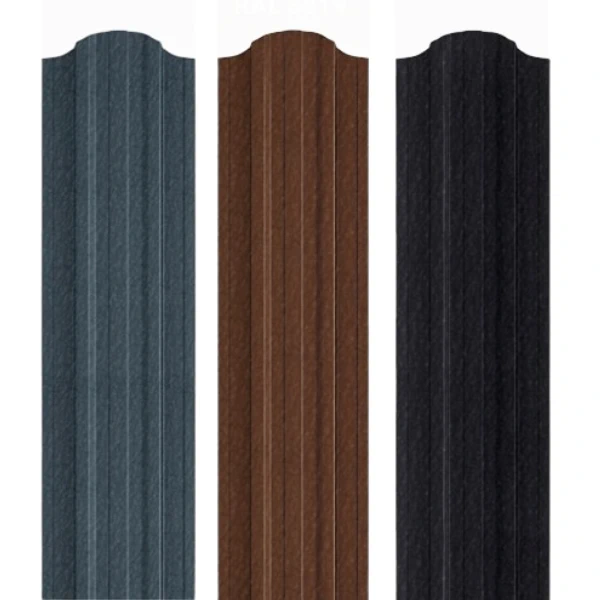
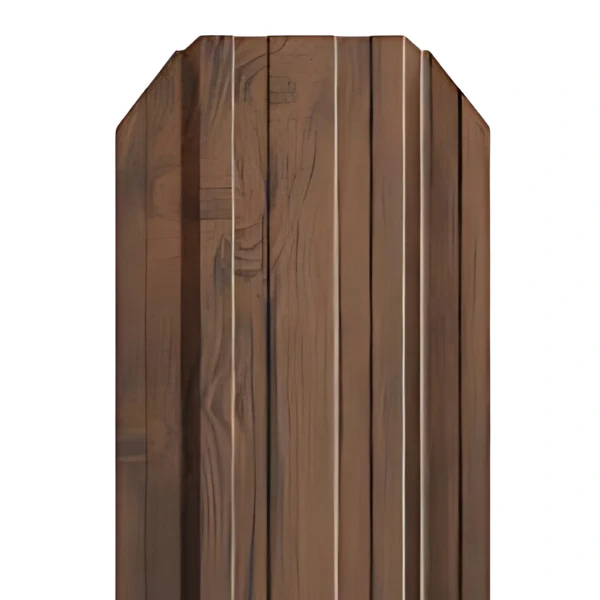
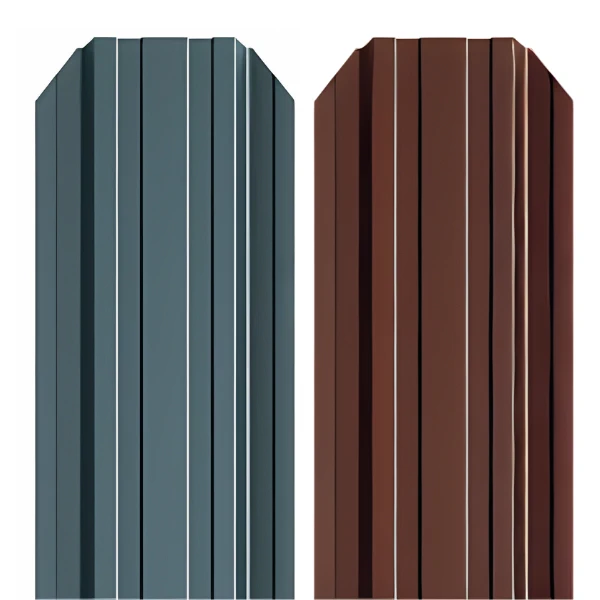
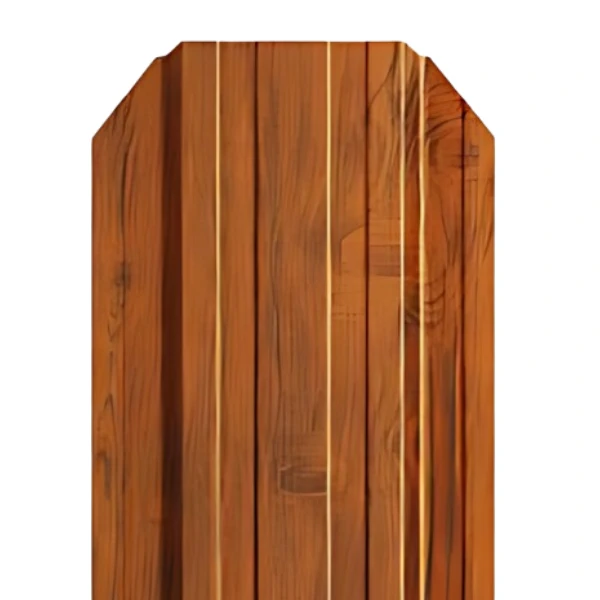
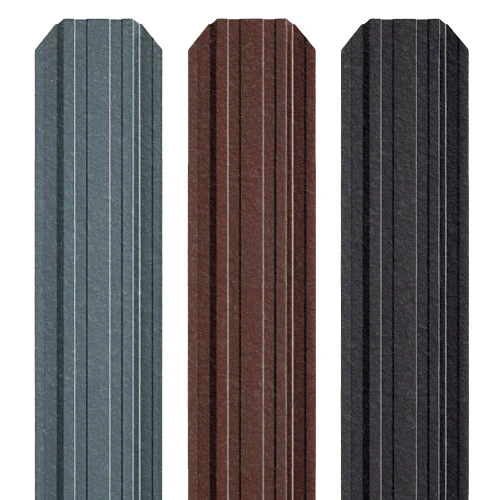
The same graphite shade looks different in matt and gloss; inspect wood-effect finishes closely too. Durability depends on steel, metallic protection, coating and exposure. Cutting or installation damage can compromise an otherwise suitable protective system.
Posts, rails and ground levels
Assess posts and foundations for the actual filling, particularly when increasing picket density. Existing supports need corrosion, alignment and anchoring checks. Gate areas have their own structural demands; retaining the former post spacing is not sufficient.
On sloping ground, choose stepped bays or an arrangement following the slope. Set ground clearance and mowing access so ends do not sit in wet soil. Rail numbers and fixings must follow the selected picket system.
Comparing complete quotations
A free quote should list pickets, posts, rails, caps, fixings and installation. Confirm the price unit: a per-metre rate is not the finished-piece price for a 1.5 m picket. Include delivery, foundations and removal of existing fencing.
Before ordering, confirm the boundary, local requirements and measurements of installed posts. Keep the colour reference and installation photographs for future extensions. Base the choice on the complete system and property use, not the cheapest individual picket.

Free quote
What to include in your enquiry
Tell us how you plan to use the material, the dimensions and the quantity you need. Include the thickness, grade or variant name, along with the delivery town or your preferred collection branch. For a specific product, add its name or a link to the product page. We will reply to the email address you provide to discuss availability and the terms of your order.
More from the building guide
Assess a metal picket fence as a complete arrangement of posts, rails and infill. The pickets determine colour, rhythm and screening, but…
Replacing the infill can change the appearance of a fence without rebuilding it from scratch, provided the existing supports are suitable. Metal…

Set out the entire bay before fastening the first metal picket. Measure the clear infill width, choose the margins at both posts…

Ordering pickets to their finished length avoids most site cuts. If a piece appears too long, compare it with the bay drawing…
A staggered fence has pickets on both faces of the frame, with the second row offset to cover gaps in the first.…
Measure each bay, pedestrian gate and vehicle gate separately before ordering made-to-length metal pickets. The length of the site boundary tells you…
On a sound, correctly sized frame, start by checking the posts and rails: are they stable, straight, properly aligned and ready to…
To calculate how many vertical metal pickets fit in a single row, allow for the clear gaps and both end margins as…