






How many metal pickets fit a fence bay? Calculating gaps and end margins
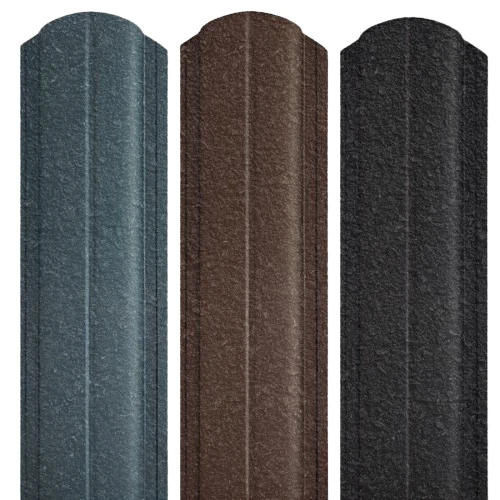
Metal fence pickets and fencing
To calculate how many vertical metal pickets fit in a single row, allow for the clear gaps and both end margins as well as the width of the steel. Use the clear infill width W and the finished width b of one picket. Choose a whole number of pickets n, then calculate the resulting gap g. Work in one unit throughout, preferably millimetres. The following example checks the geometry of one bay; the rails and fasteners still need to suit the chosen fencing system.
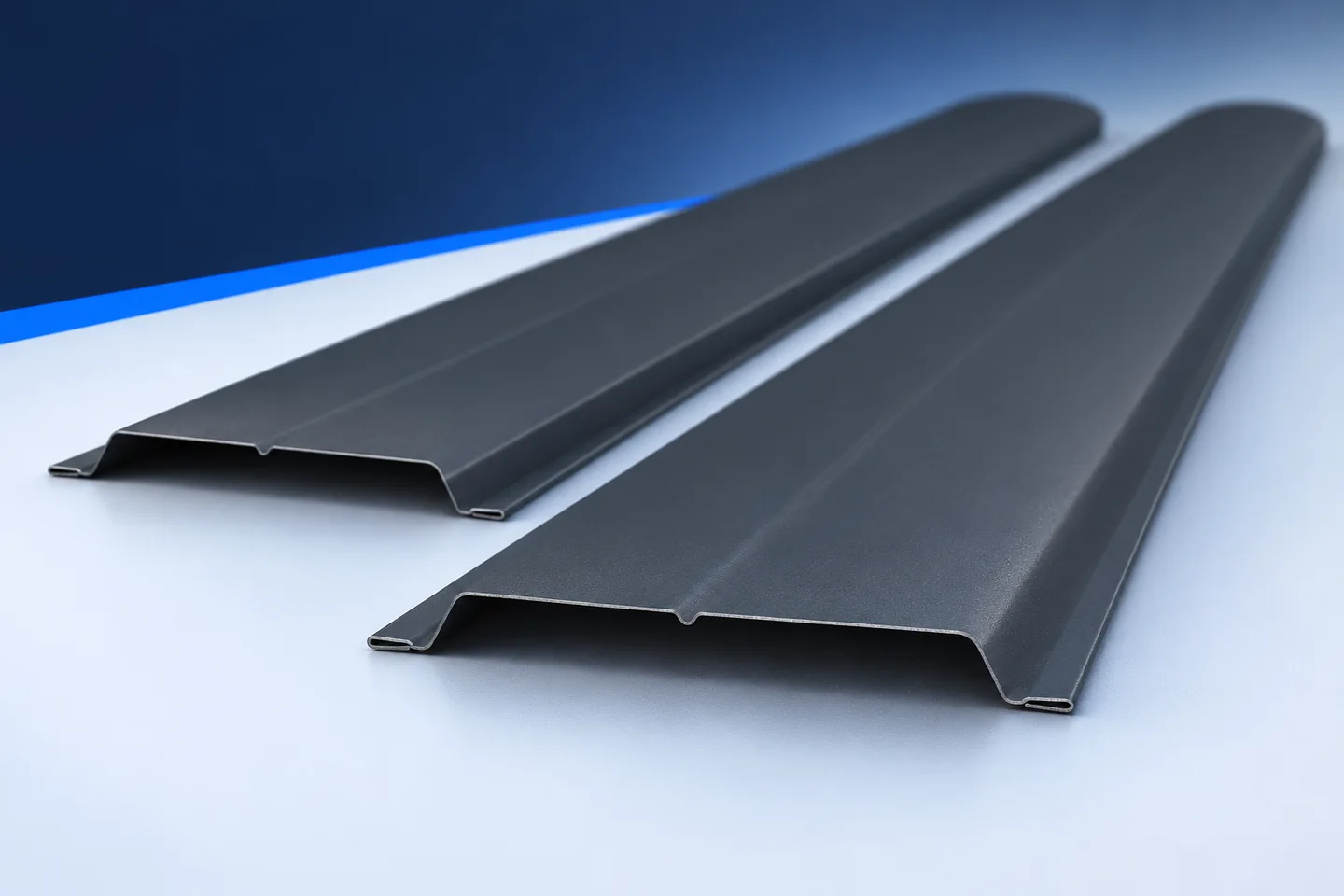
Define the dimensions before calculating
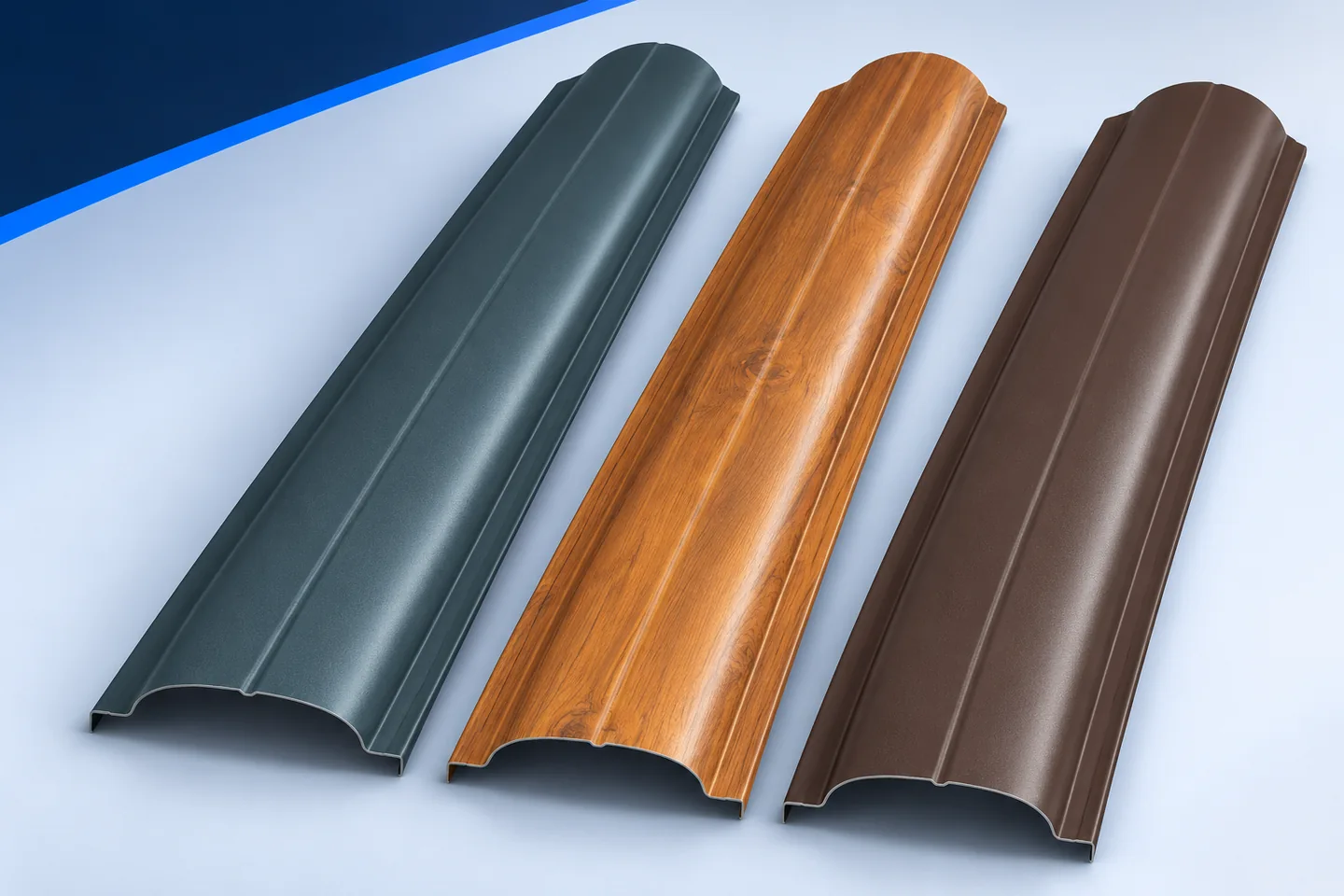
For b use the formed profile width, not the sheet blank or developed width. Where dimensional tolerances apply, check the delivered product before marking out. A small variation repeated across a row can become visible at the far end.
Write the equation for the complete bay
A row of n pickets has n − 1 internal gaps and two end margins. Its width is W = n × b + (n − 1) × g + mL + mP. Here mL is the left margin and mP the right margin.
For a chosen number of pickets, g = (W − mL − mP − n × b) / (n − 1). This assumes at least two pickets and equal internal gaps. A negative result means the chosen number will not fit.
Worked example: fourteen pickets
Take a clear width of 2000 mm, pickets 115 mm wide and a 50 mm margin at each end. Fourteen pickets occupy 1610 mm. After the margins are deducted, 290 mm remain for thirteen gaps: approximately 22.31 mm each.
Check by adding the parts: 1610 mm of pickets + 290 mm of gaps + 100 mm of margins = 2000 mm. This produces an even layout for these dimensions; it does not prescribe a spacing for other fences.
What happens with one fewer picket?
Thirteen pickets in the same bay occupy 1495 mm, leaving 405 mm for twelve gaps after the margins. Each gap is then 33.75 mm. That option would fail a design brief limiting gaps to 30 mm.
After rounding the picket count, recalculate the gaps and assess the result. Neither rounding down every time nor routinely adding one picket guarantees the desired layout. The complete pattern must fit the measured field.

End margins can differ from internal gaps
If the gap at each post is to match all internal gaps, the number of gaps is n + 1. The equation becomes W = n × b + (n + 1) × g. This is a different arrangement from fixed 50 mm margins; do not combine the two methods.
Margins affect appearance and access for assembly. An end trim or bracket at the post can take up space, and the installer must reach the fastener. Check the detail before deciding on symmetry.
Calculate each different bay separately
The same picket count gives different gaps in bays of unequal width. Decide whether that difference is acceptable or a different count would suit the line of the fence better. Check short bays next to gates and corners in particular.
Once quantities are known, calculate the total picket length. Ten bays with fourteen pickets each need 140 pickets. At 1.5 m per picket that is 210 m of picket material, not 210 m of finished fence.
Add items outside the equation
Add pedestrian gates, vehicle gates and any repair stock separately. For double-sided fencing, lay out each row: offset rows and different end margins can make a simple doubling of the quantity incorrect.
List the quantity for each picket length. A total in linear metres does not tell the supplier which pieces to make. A cut list also makes it easier to check the delivery and distribute it to the correct bays.
Try the layout before drilling
Lay out the actual pickets with the calculated gaps before drilling the full row. Inspect both ends and check for clashes with brackets. The calculated pattern should fit without forcing the profiles; a trial makes the effect of the real widths and orientation visible.
For equal gaps at the posts and between pickets, compare several whole-number values of n using g = (W − n × b) / (n + 1). Choose the layout that satisfies both appearance and installation requirements. A fractional picket count cannot be ordered. The assumed dimensions illustrate the arithmetic only and are neither a quotation nor a structural recommendation.

Free quote
What to include in your enquiry
Tell us how you plan to use the material, the dimensions and the quantity you need. Include the thickness, grade or variant name, along with the delivery town or your preferred collection branch. For a specific product, add its name or a link to the product page. We will reply to the email address you provide to discuss availability and the terms of your order.
More from the building guide
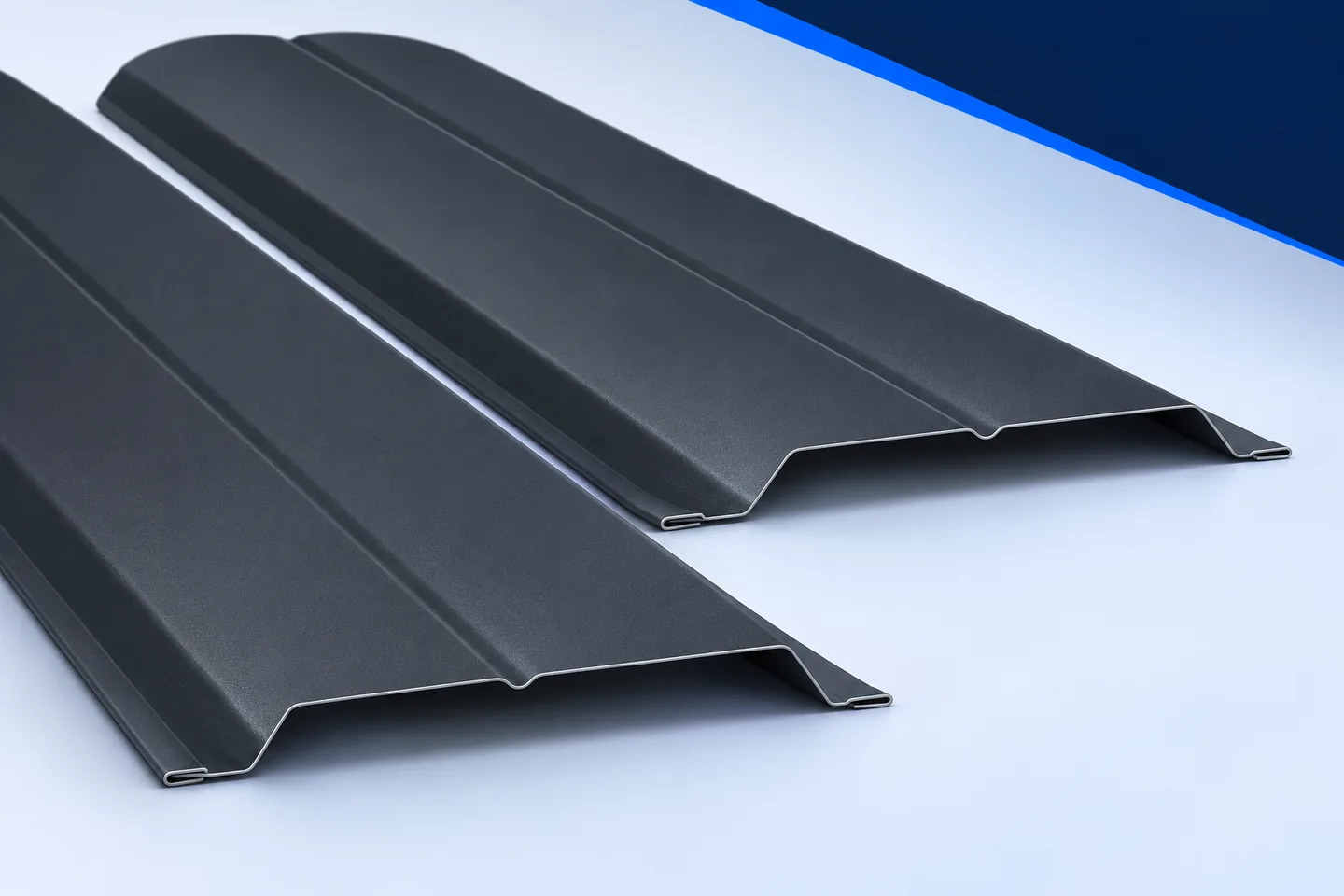
A staggered fence has pickets on both faces of the frame, with the second row offset to cover gaps in the first.…

Plan a metal-picket fence around everyday use of the property: visibility at the gate, garden privacy and pedestrian access. Picket width, gaps…
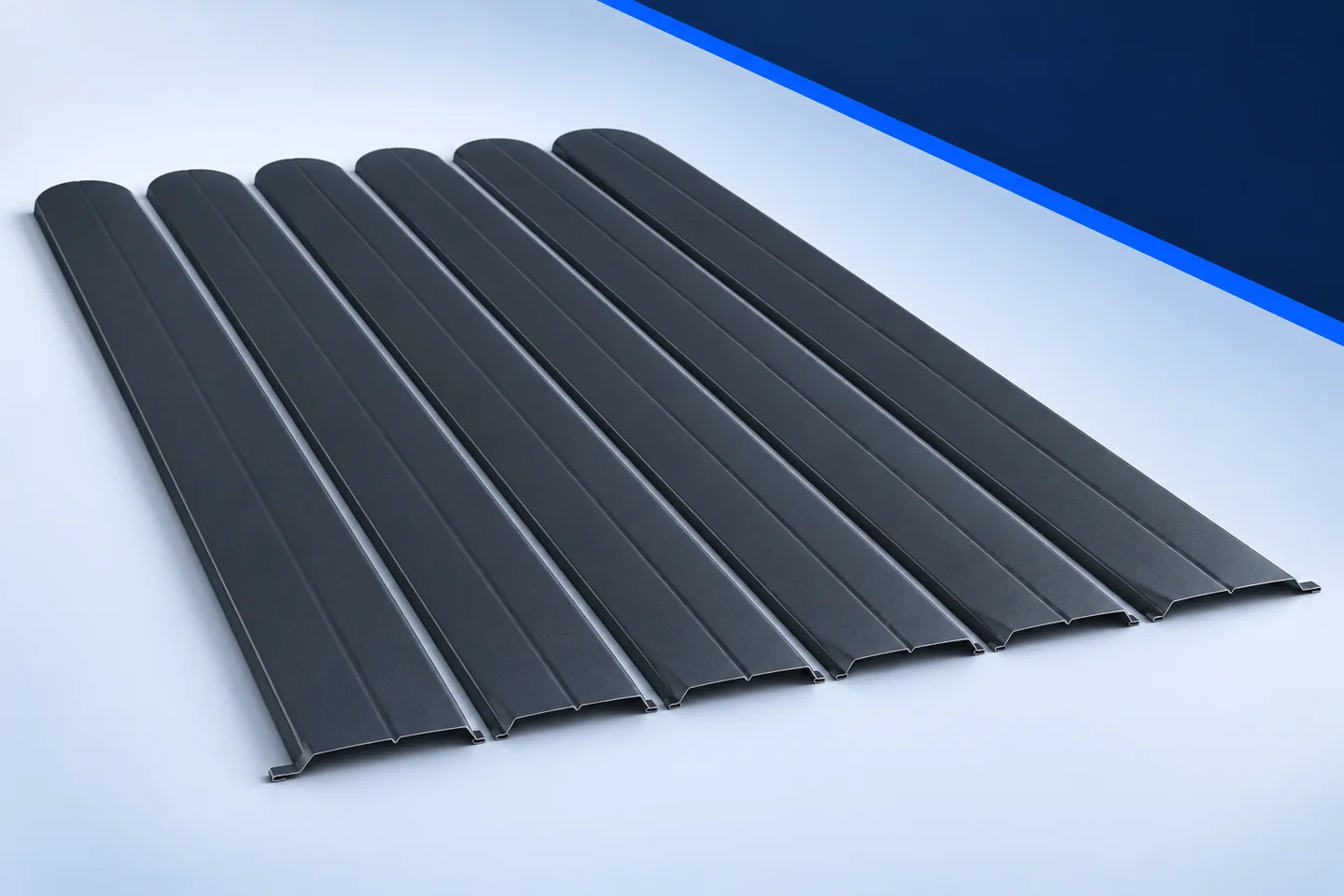
On a sound, correctly sized frame, start by checking the posts and rails: are they stable, straight, properly aligned and ready to…
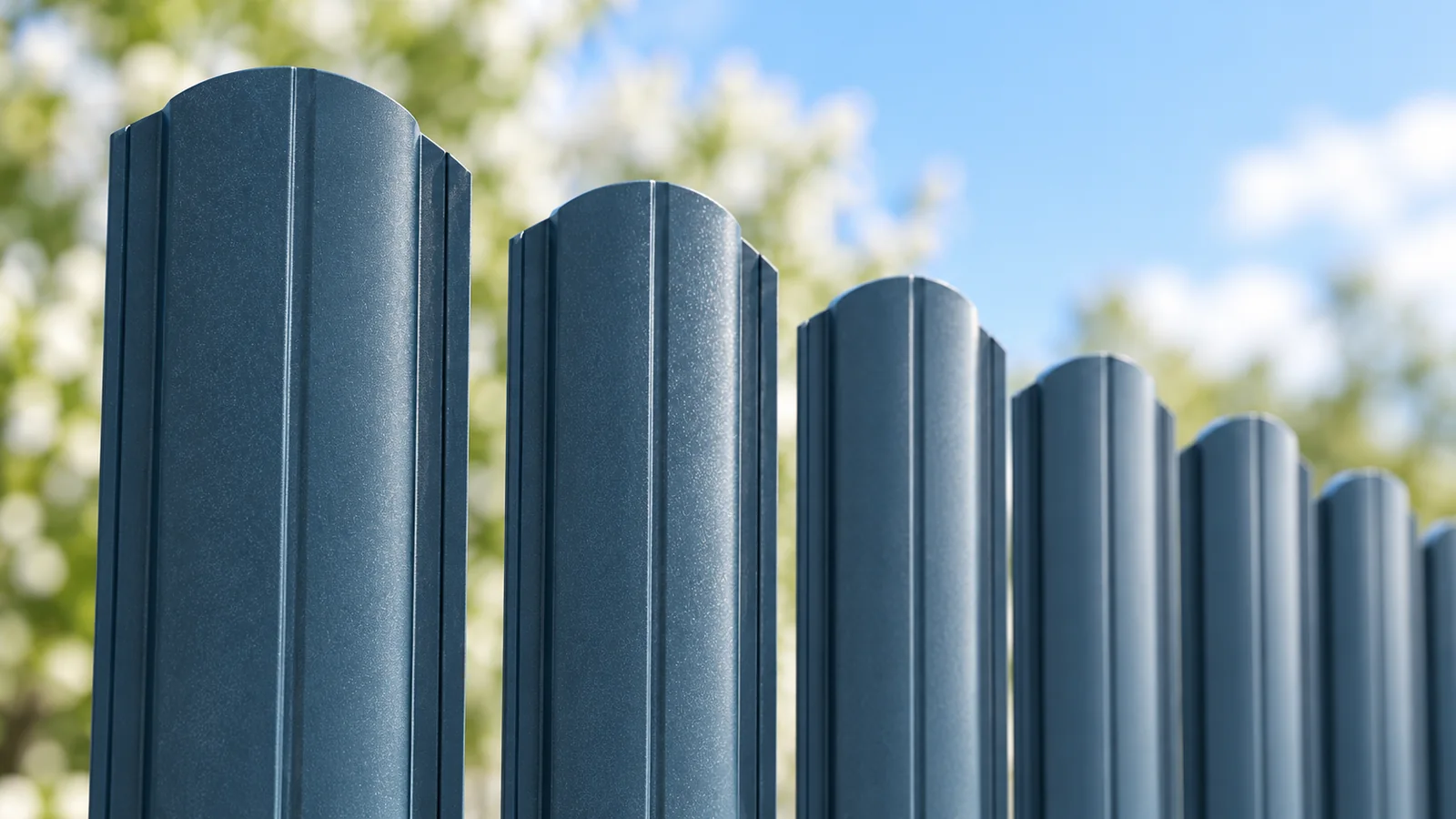
Choose a metal picket fence panel as a combination of infill, rails, posts and fixings. Colour alone does not determine privacy or…

Assess metal pickets on a trial fence panel showing the gaps, both coated faces and access to fixings. Their benefits include manageable…

A matching screw head makes a neat finish, but colour tells you nothing about whether the fixing will hold. Start with the…

The pickets give a fence its appearance, but the frame carries the loads. Force travels from each metal picket through its fasteners…
Before laying metal fence slats horizontally, check that the manufacturer permits that orientation. Turning a vertical picket on its side changes its…