






Choosing a roof colour to suit the façade and window frames
Roof coverings
Compare a sample of the roofing with parts of the house whose colours are already fixed. On a brick façade these may include the mortar and window frames. On a rendered house include the gutter and eaves flashing. Take the samples outside and hold the sheet at the roof angle. Profile depth, gloss and the shadow under a pressing affect the apparent colour. View the group from the street and from the entrance, where surfaces meet. Check permitted colours, matching trim availability and the coating’s intended environment before ordering. A colour change on a sandwich panel may also require a thermal load check.
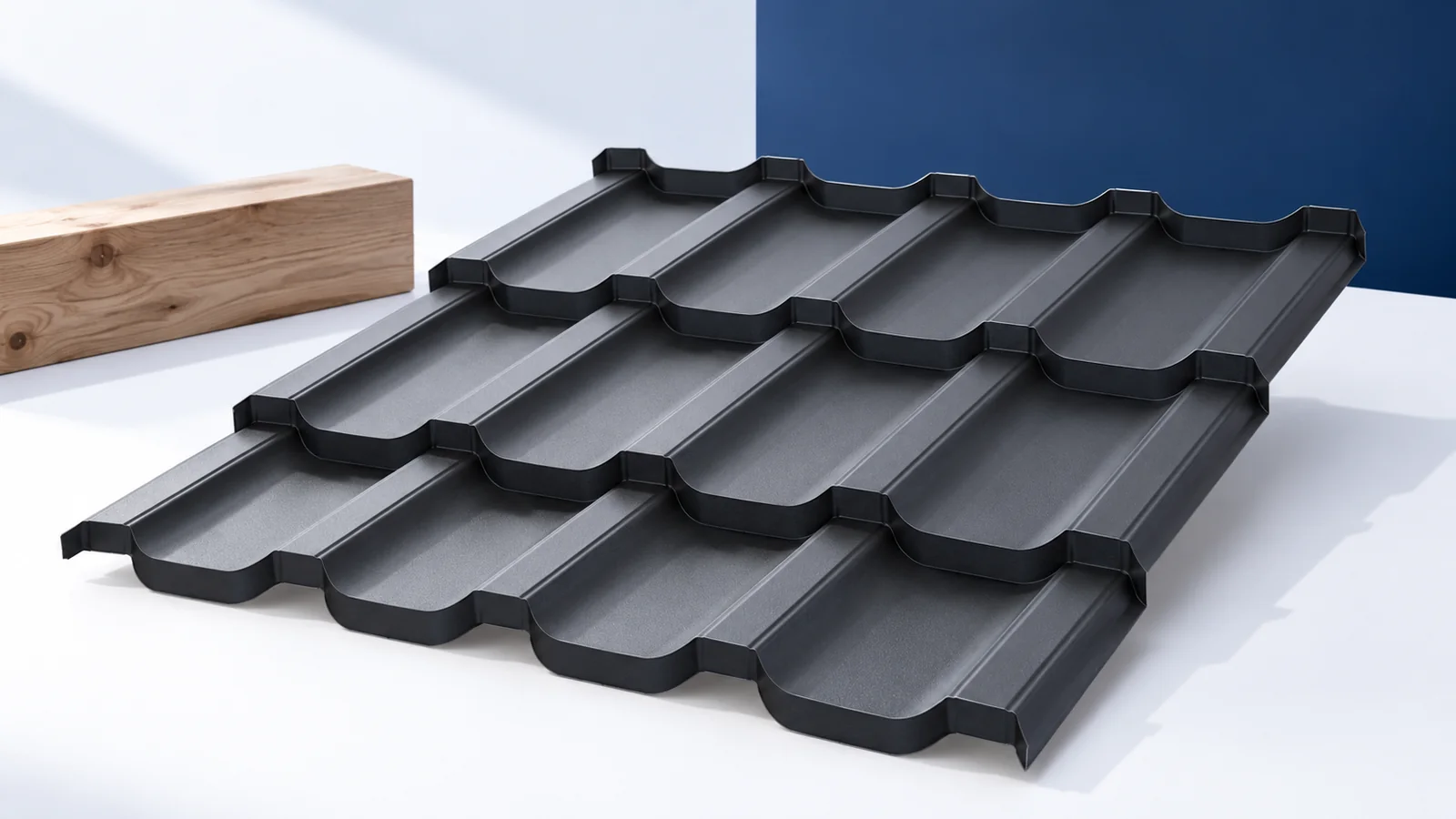
Which existing finish should guide the choice?
Start with a finish that would be difficult to change, such as brick, stone or window frames. On a new house choose the large areas first and place the smaller accents beside them. Compare similar greys together under the same light.
Check the planning documents for the plot before sheets are cut. They may specify colour, covering type or roof geometry. Among the permitted finishes, confirm availability for the full quantity needed.
How do dark and light colours affect the silhouette?
Graphite above pale render emphasises the eaves and the roof’s scale. With timber or brick, try brown and warm grey as well. A lighter roof can soften the contrast, depending on the façade and surroundings.
Look from the usual viewing distance. A broad, steep roof occupies much of the view. Find a completed house with comparable pitch and proportions, or photograph the samples against your façade in the same light.
How do matt and gloss finishes reflect light?
Turn a profiled sample towards the sun. Gloss produces bright highlights, while a matt finish often makes texture easier to see. T18 and T35 create different bands of light, and tile-effect steps add transverse shadows.
After choosing the gloss level, check coating type and thickness, substrate and environmental requirements. Two similar matt finishes can offer different resistance. Refer to the exact specification alongside the sample in the enquiry.
How closely do matching colour codes agree?
Place coated sheet, a gutter sample and a frame section with the same colour code side by side. Plastic, timber and powder-coated metal reflect light differently. Assess the joint at the position where the components will meet.
For a large roof plane agree the delivery batch, spare quantity and labels to keep. A sheet ordered years later may differ because of production variation and weathering of the installed coating.
How do temperature and exposure affect the choice?
In sunshine a dark surface generally gets hotter than a lighter, more reflective one. Before changing a sandwich panel’s outer colour, check the specified colour group, length limits and design conditions.
Assess loft comfort together with insulation, airtightness, ventilation and window shading. Gaps between PIR boards still need sealing with a light-coloured roof. Near the sea or industry, match coating resistance to local corrosive exposure.
What should you check before ordering?
Hold the sample at roof pitch in sun and shade beside the frame, gutter and actual brick or timber. Phone screens can alter hue and contrast. An on-site comparison also captures the grain, mortar and gloss of adjacent surfaces.
Specify profile, coating, colour and gloss level in the order. Confirm suitable flashings and visible screw-head finishes are available. Mark intentionally contrasting details separately on the drawing.

Free quote
What to include in your enquiry
Tell us how you plan to use the material, the dimensions and the quantity you need. Include the thickness, grade or variant name, along with the delivery town or your preferred collection branch. For a specific product, add its name or a link to the product page. We will reply to the email address you provide to discuss availability and the terms of your order.

More from the building guide
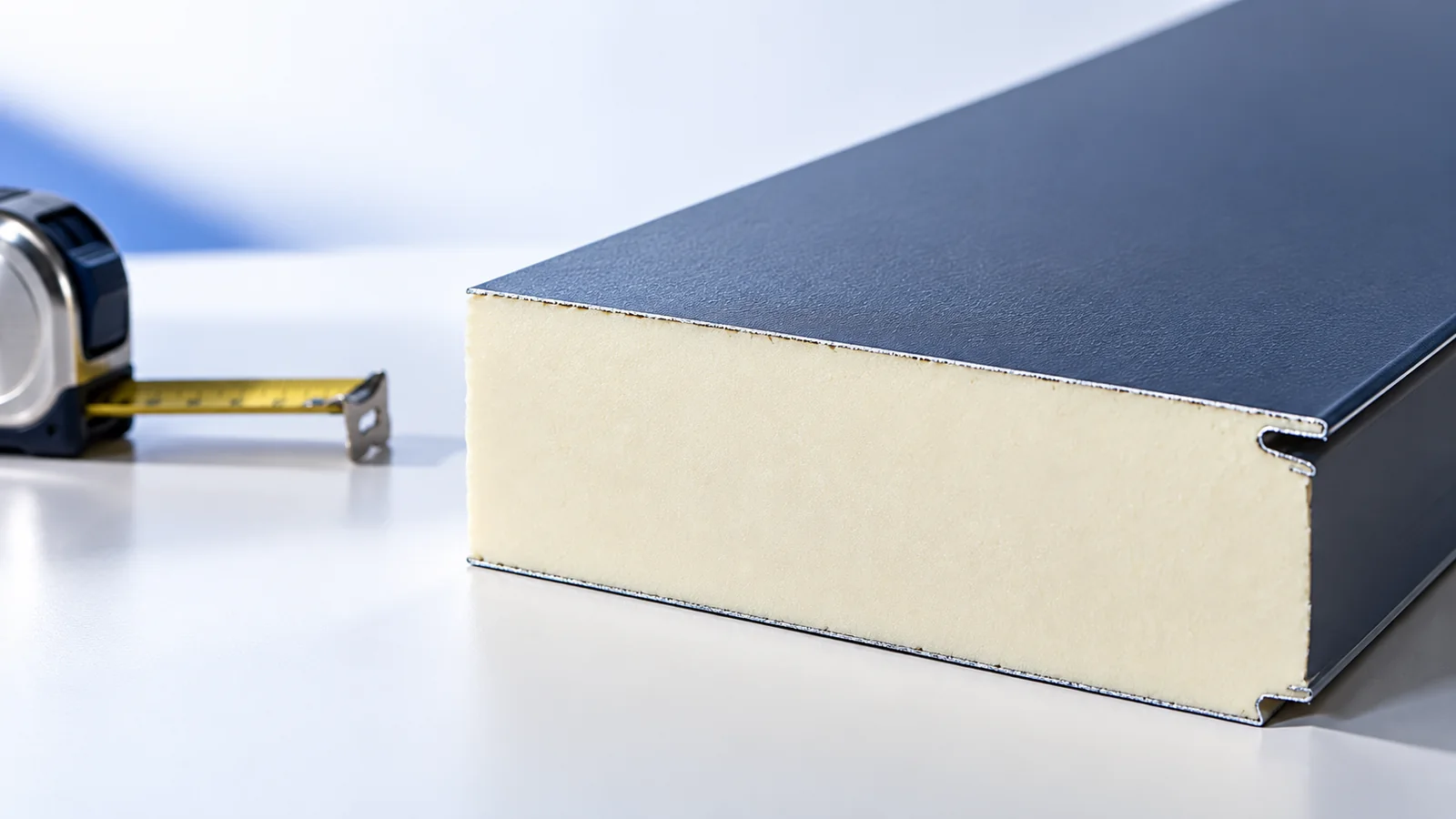
Assess a metal façade as an assembly of cladding, framing and connections to the building. Sheets may be light and convenient to…
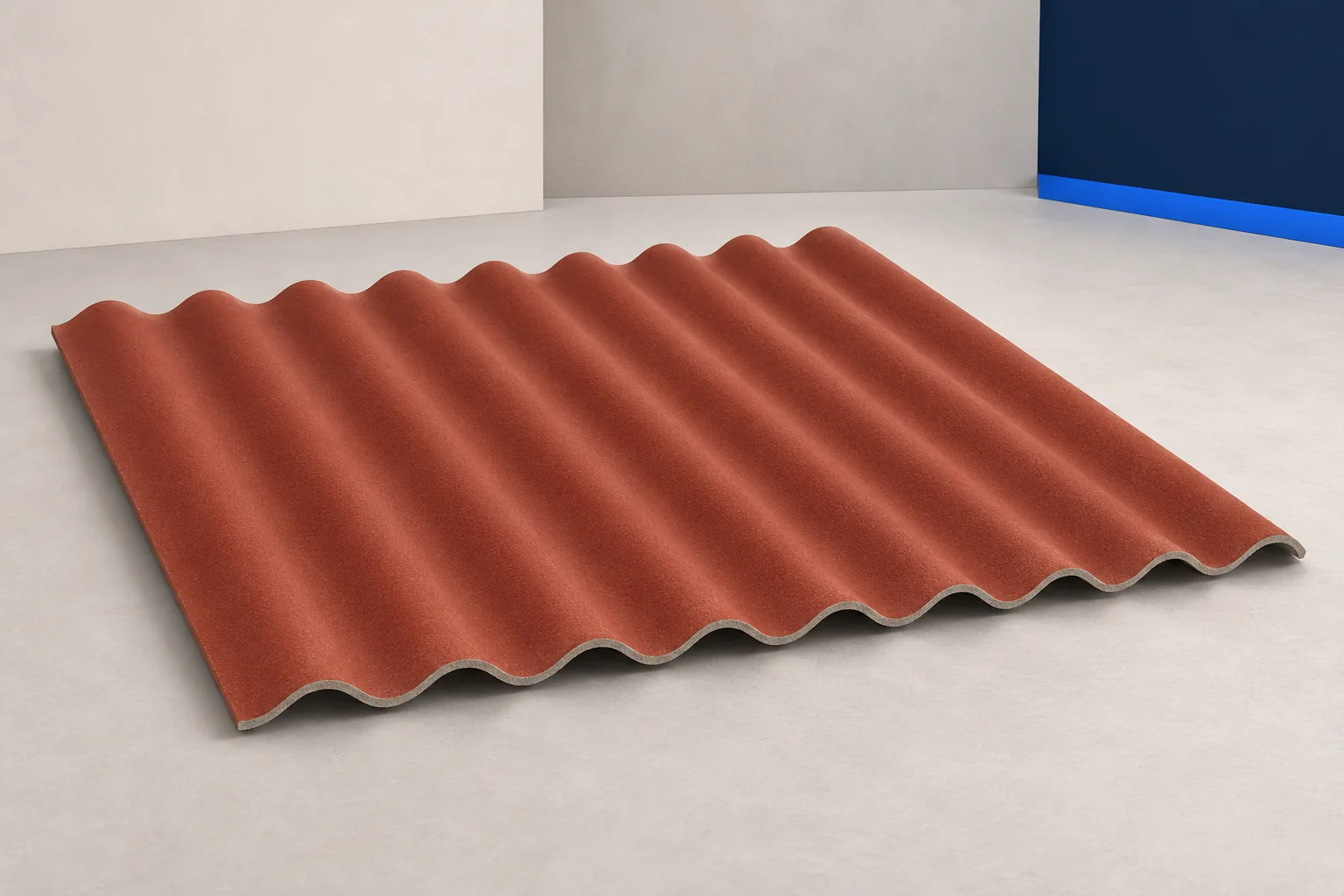
Fibre cement describes a material, not a single interchangeable product. It can be made into corrugated roof sheets, flat cladding, sheathing and…
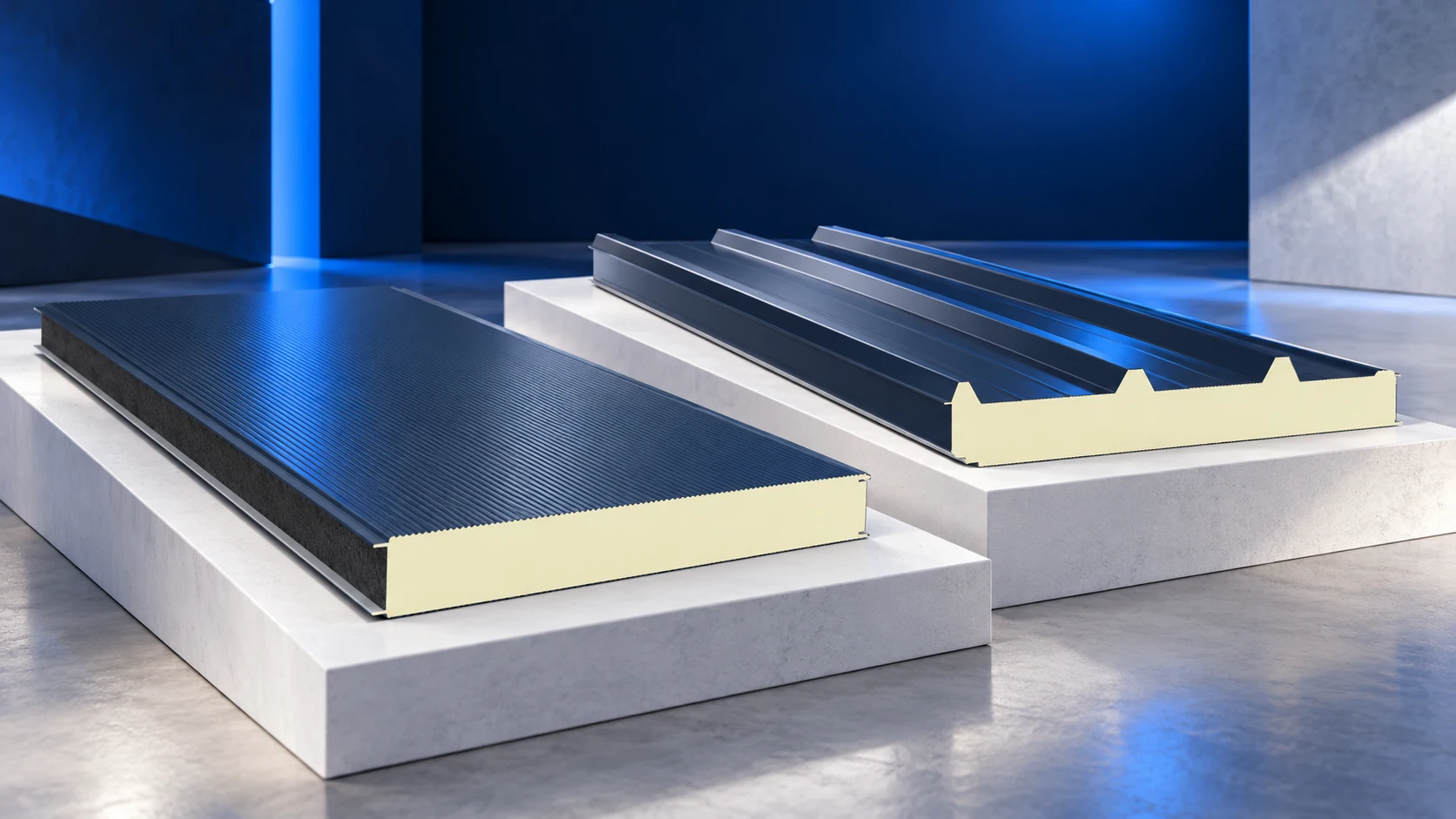
Choose sandwich panels according to the function of the building enclosure. Roofs, façades and cold stores need different solutions, even when the…
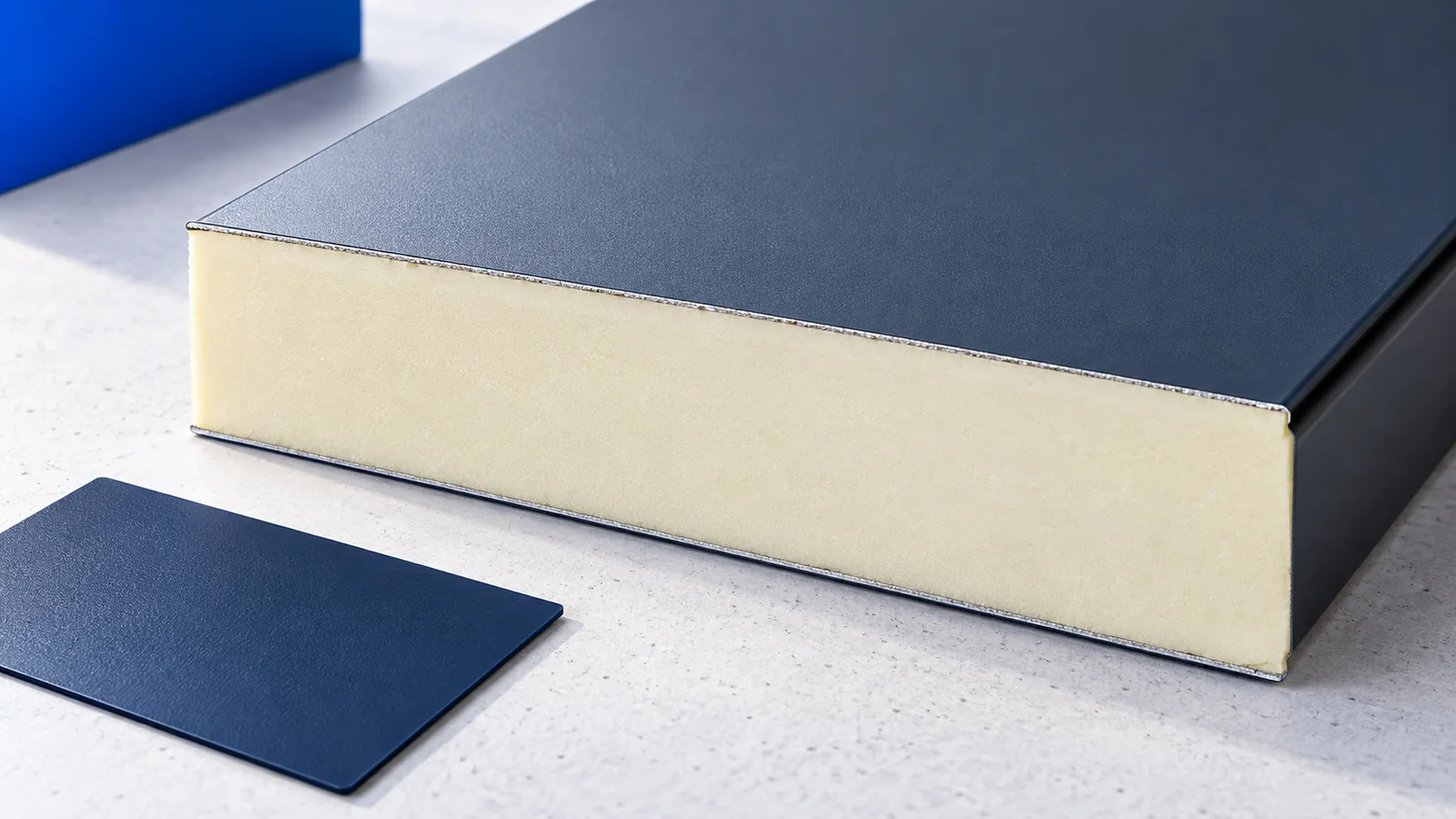
A sandwich-panel façade combines an external enclosure with insulation, but appearance and weather resistance depend on the completed system. Before ordering, coordinate…
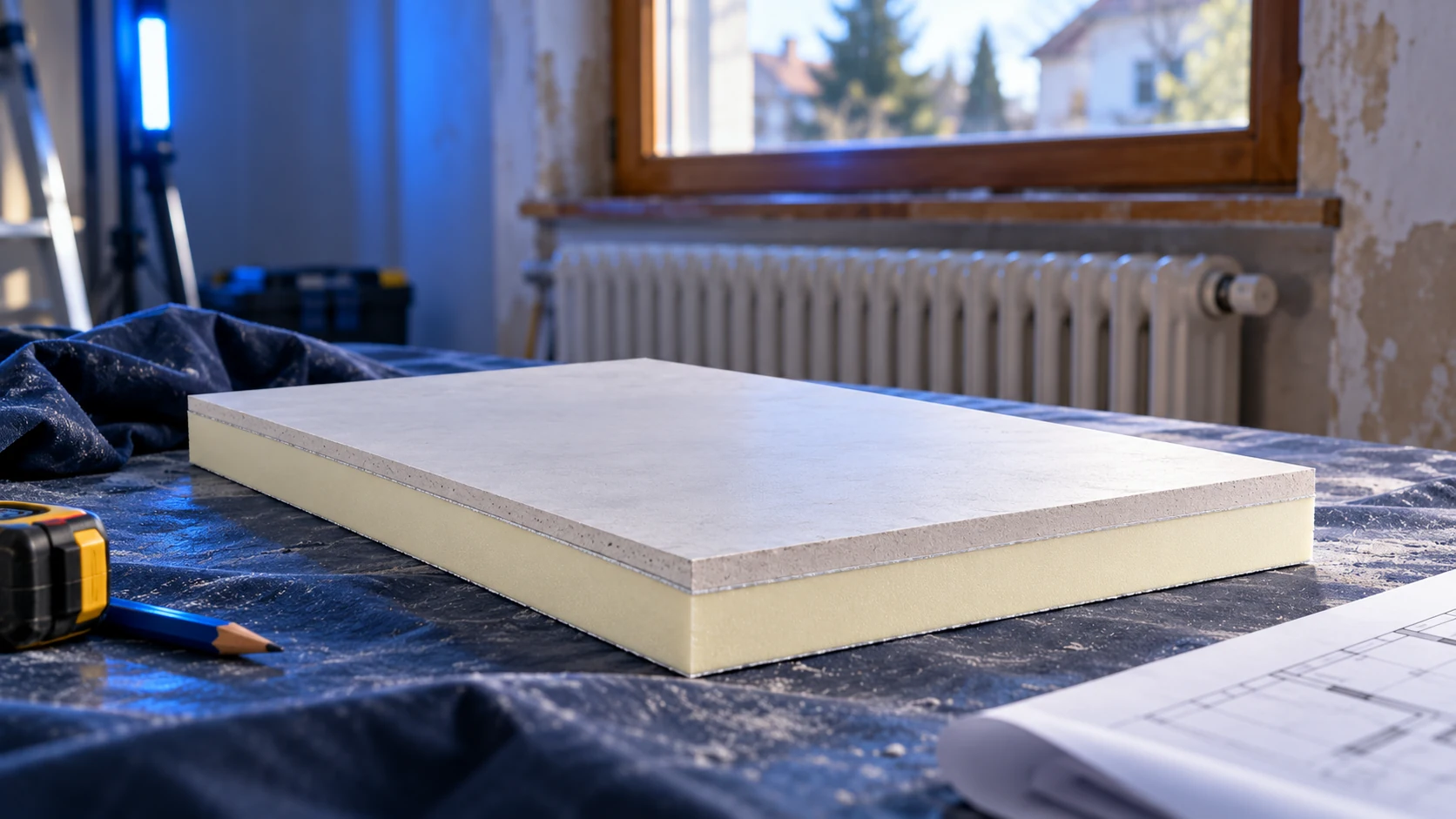
Internal insulation in a 1990s house should start with an assessment of the existing wall, not a board order. The construction date…
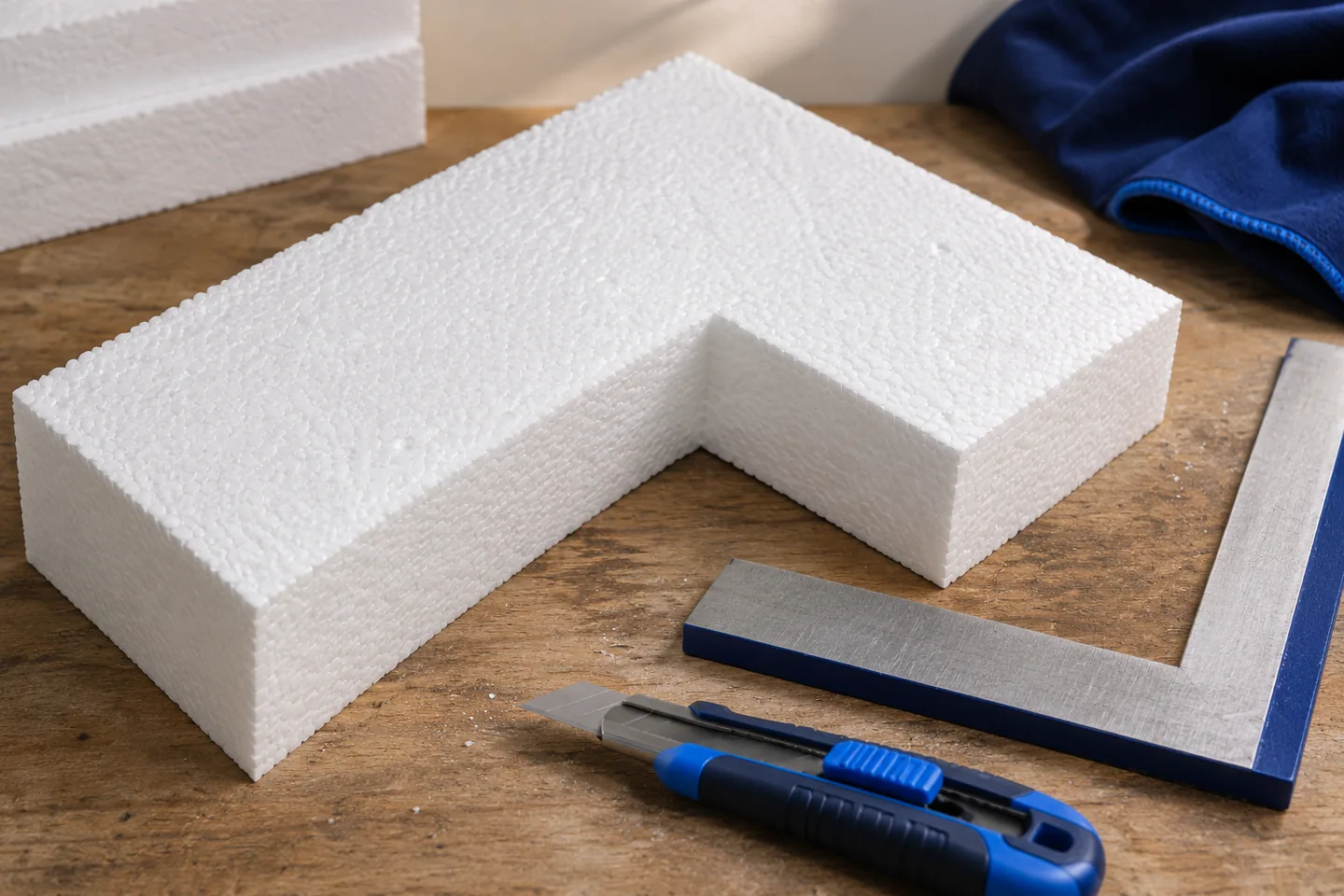
Three details work together at a window corner: an EPS board cut around the opening, diagonal mesh in the base coat and…
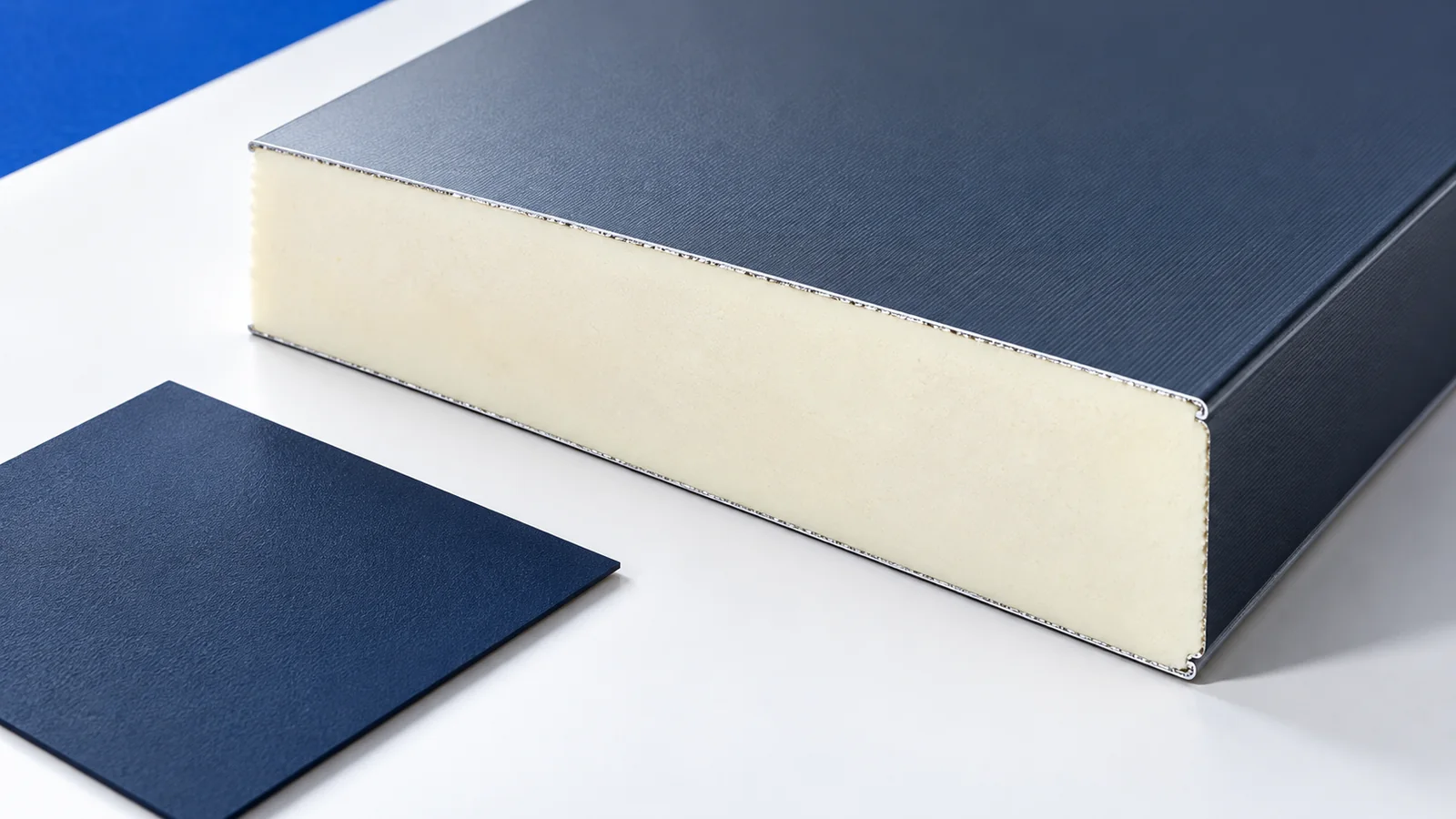
Assess metal façade cladding on a drawing of the whole wall, including windows, the base and fixing lines. Regular profiles can organise…
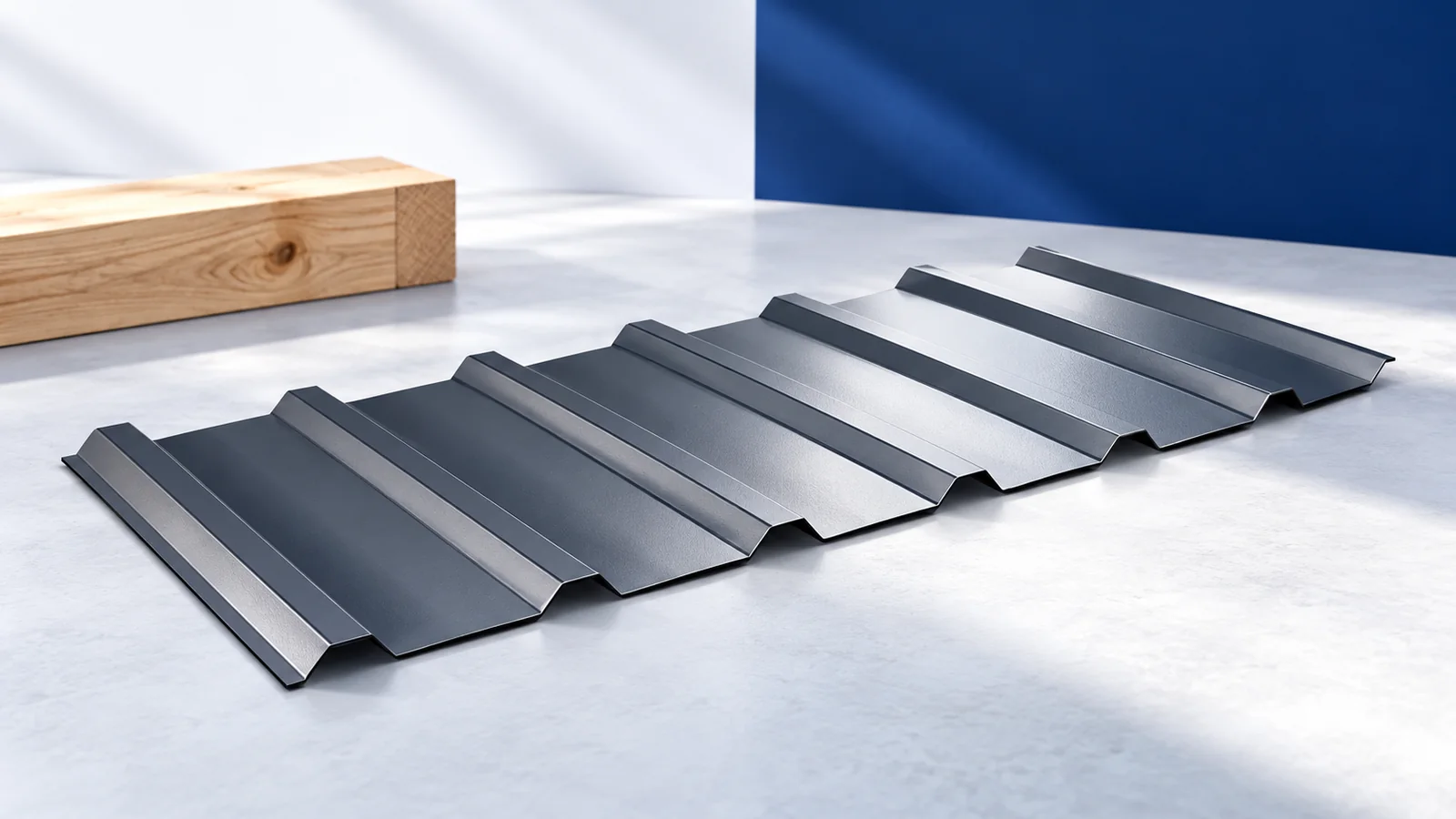
Trapezoidal façade cladding requires geometry and fixing design to be selected together. T18 usually gives a finer rhythm, while T35 creates stronger…