






When is replacing the ridge flashing enough to repair an old roof?
Sheet metal flashings
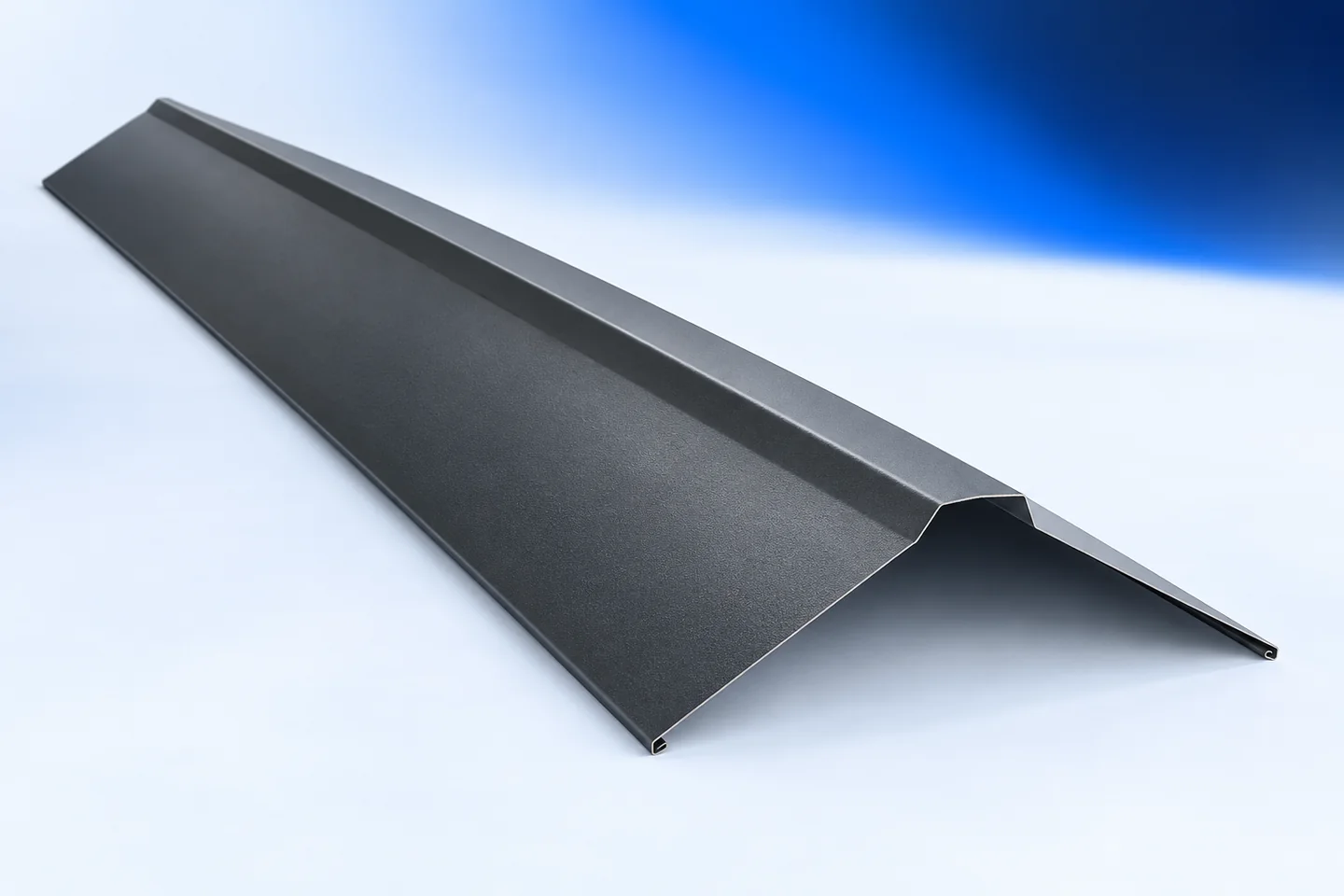
A loose or corroded ridge cap does not necessarily mean the roof needs a new covering. A local repair may be enough if the supports are sound, the joints shed water and the ventilation outlet remains clear. Before ordering a replacement, establish how moisture reached the loft. A stain near the ridge may appear some distance from the point of entry because water travels along roof members or underlay. Condensation can leave similar marks. Note whether the stain follows rainfall, appears only with wind from one direction or develops in dry weather. That record helps the roofer decide where to open the detail.
What the loft can tell you
Have a roofer equipped for work at height inspect the outside. Ask them to check fixings, flashing ends and the covering on both slopes. A cap that looks intact from the street can have a failed joint or a crack beside a fastener; colour alone tells you little about watertightness.
Find the cause before choosing a profile
A loose cap may have a worn fixing, inadequate support or a distorted section. With rust, establish whether the damage is superficial or has eaten into the sheet. Replacing one length will not repair a damaged batten or structural member beneath it. Check what the fixings actually grip.
Inspect the cut edges of the adjoining roof sheets. If they stop too far from the ridge or end unevenly, correct the detail and size the new cap to suit. An oversized flashing chosen only to hide a mistake may have the wrong cover width or fixing arrangement for the roof.
Match the replacement to the existing covering
Measure the assembled cross-section, roof pitch and required cover on each side. A bent offcut of the old flashing is a poor template. Angled and rounded ridge caps bear on different points and may require different closures or accessories underneath.
Select galvanised, aluminium-zinc-coated or colour-coated sheet for compatibility with the existing roof. Compare a colour sample against a cleaned area: an aged finish may differ from a new sheet. Where a single patch would stand out, replacing the full ridge run can give a more consistent appearance.
Check ventilation when the ridge is opened
The ridge may serve as the outlet for the ventilation space beneath the covering. Find out how this roof is meant to vent before adding foam or sealant. Blocking the outlet can prevent damp layers from drying.
Trace the air path back to the eaves. Apron flashings and starter profiles must leave the intended inlet open; a clear outlet cannot compensate for a blocked inlet. Inspect verge and chimney flashings separately, since either may be the actual source of a leak attributed to the ridge.

Define the repair after exposing the layers
A roofer can estimate the work beforehand, but the condition of the support is not always visible. Once the caps are off, inspect fixings, seals and sheet edges. Photograph each area as it is exposed to document the cause and decide whether a local replacement is enough.
Fit the new lengths with the joints and fixings specified for the detail. Do not copy old hole spacing if it was wrong. A measured, purpose-made flashing can solve an unusual junction; a succession of cover strips over leaks makes subsequent inspections harder.
Inspect the finished ridge and monitor the stain
Check the alignment of the caps, their ends and the coating. Remove drilling and cutting swarf. Inspect adjacent sheets for scratches and make sure offcuts or repair materials have not obstructed the ventilation openings.
Keep the sheet specification and repair record. After the next rain, watch the old stain for fresh moisture; wet layers need time to dry. If the mark spreads, investigate again. A sound ridge repair fixes the identified defect without establishing the condition of the rest of the old roof.
Questions and answers
Does every rust mark mean the cap needs replacing?
No. A loose steel shaving can rust on an intact coating. Check whether the sheet itself has corroded, how deep the damage goes and whether the coating remains sound.
Can a new ridge cap be screwed over the old one?
Do not assume an overlay will work. It can conceal failed fixings, trap moisture or change ventilation. Inspect the existing ridge detail first.
Will the new colour match exactly?
Not necessarily. Colour, gloss and texture change with exposure, and different production batches may vary slightly.

Free quote
What to include in your enquiry
Tell us how you plan to use the material, the dimensions and the quantity you need. Include the thickness, grade or variant name, along with the delivery town or your preferred collection branch. For a specific product, add its name or a link to the product page. We will reply to the email address you provide to discuss availability and the terms of your order.
More from the building guide
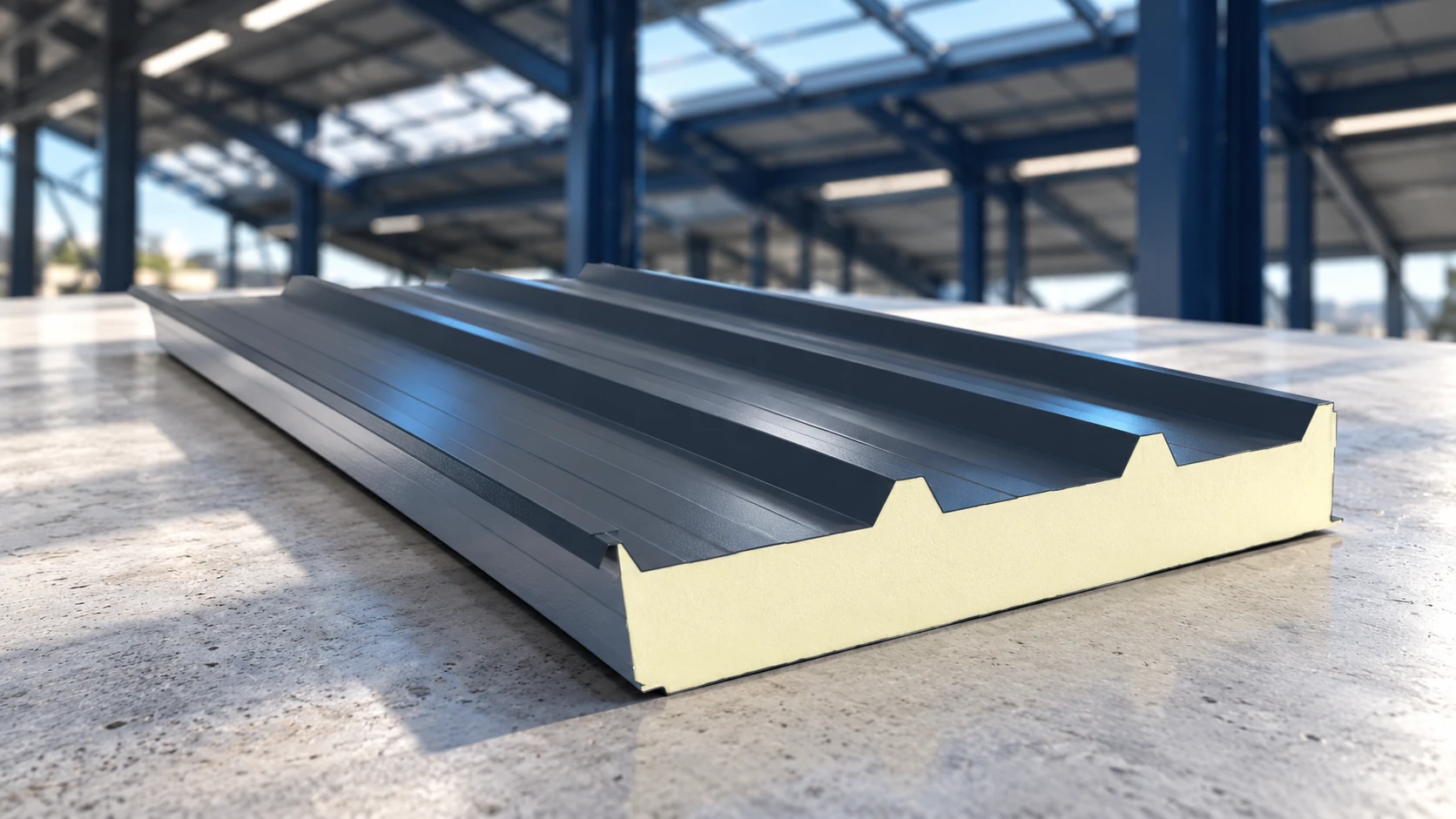
A sandwich-panel roof costs more than the panels alone. Flashings, fasteners, seals, transport and installation must be included, while the supporting structure…
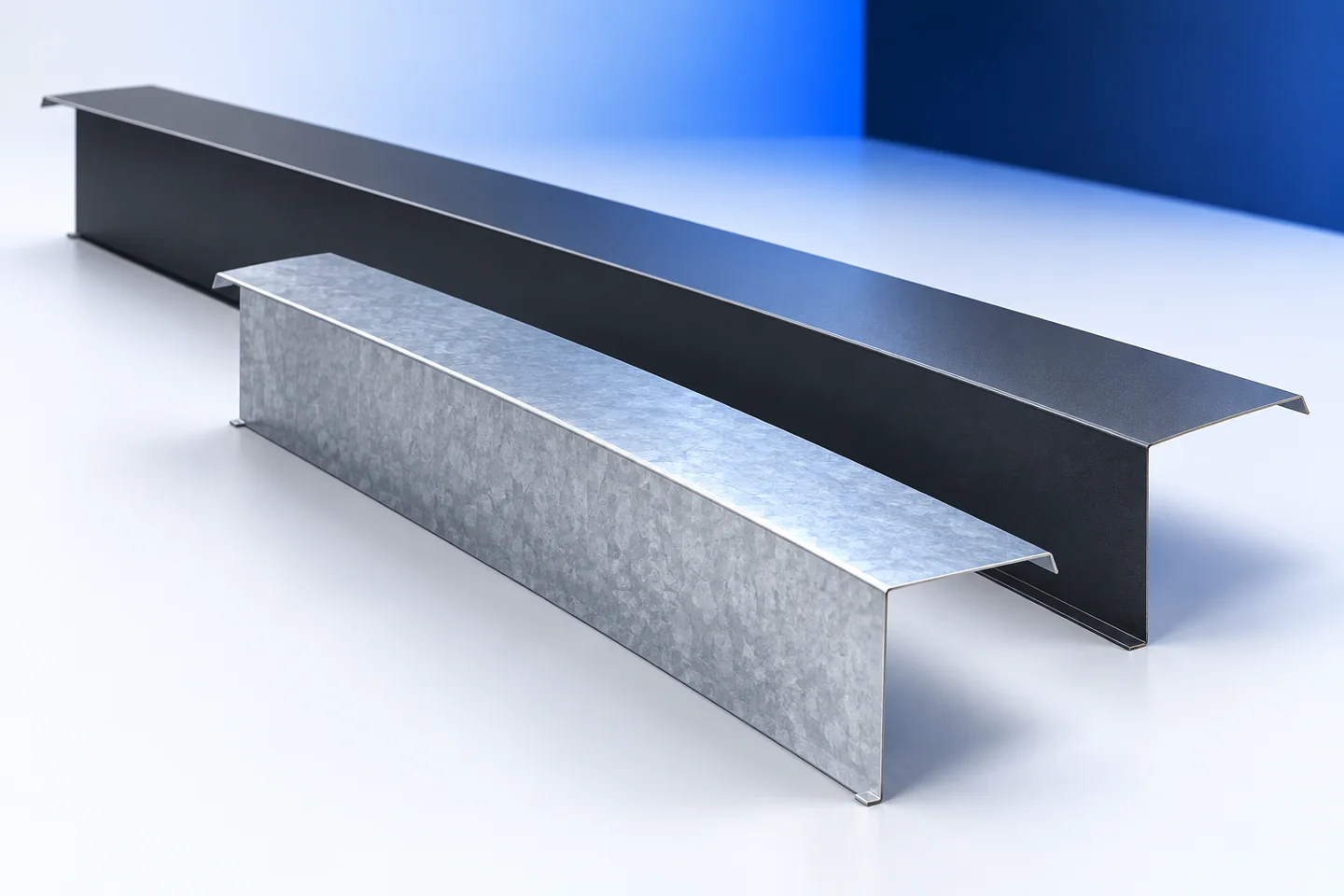
Start a roof flashing inspection by identifying the finish, the deposits on it and the condition of the joints. Abrasive cleaning can…
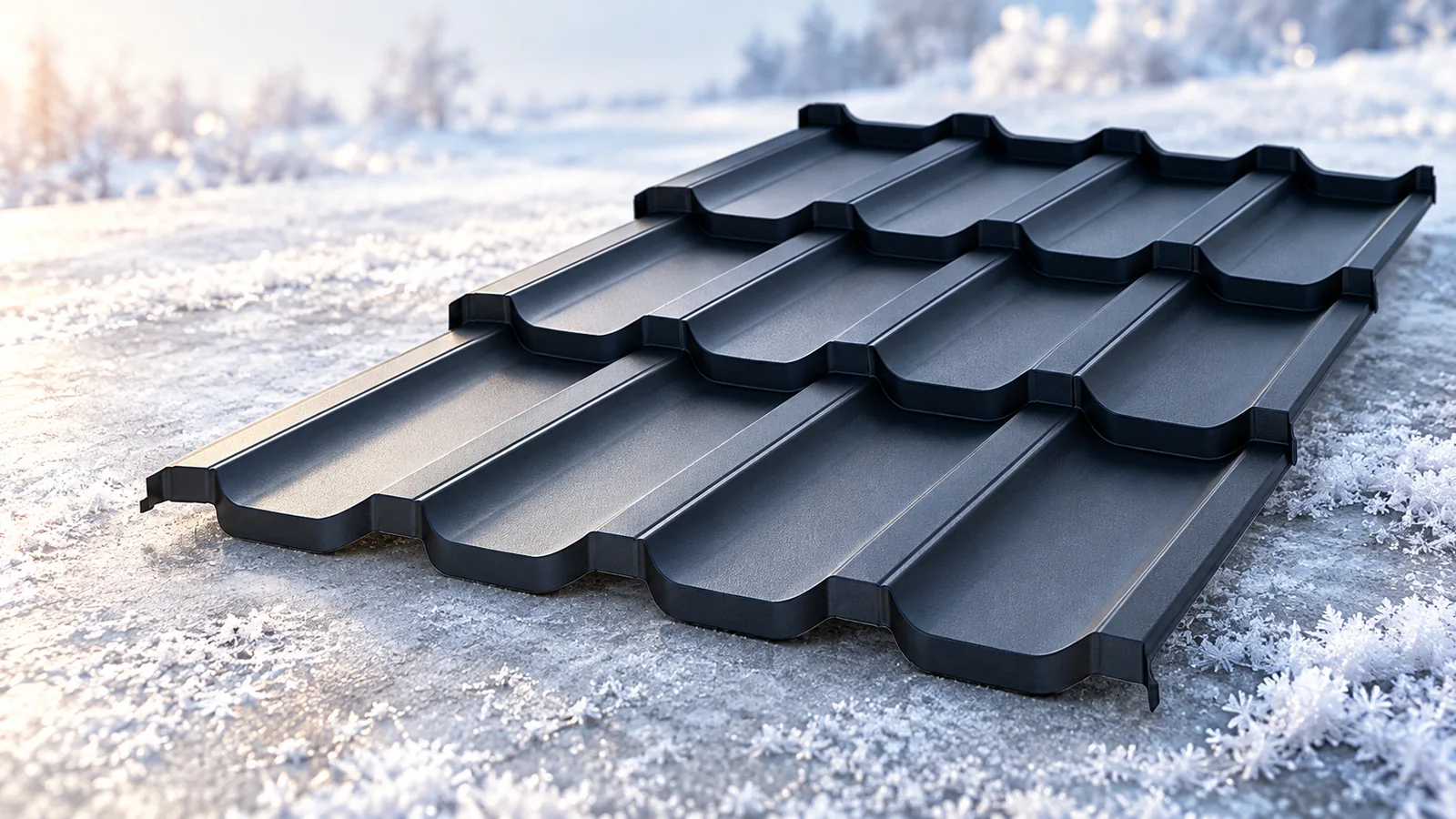
Before winter, trace the water path from the ridge to the downpipe discharge. From a safe position, note any damp marks after…
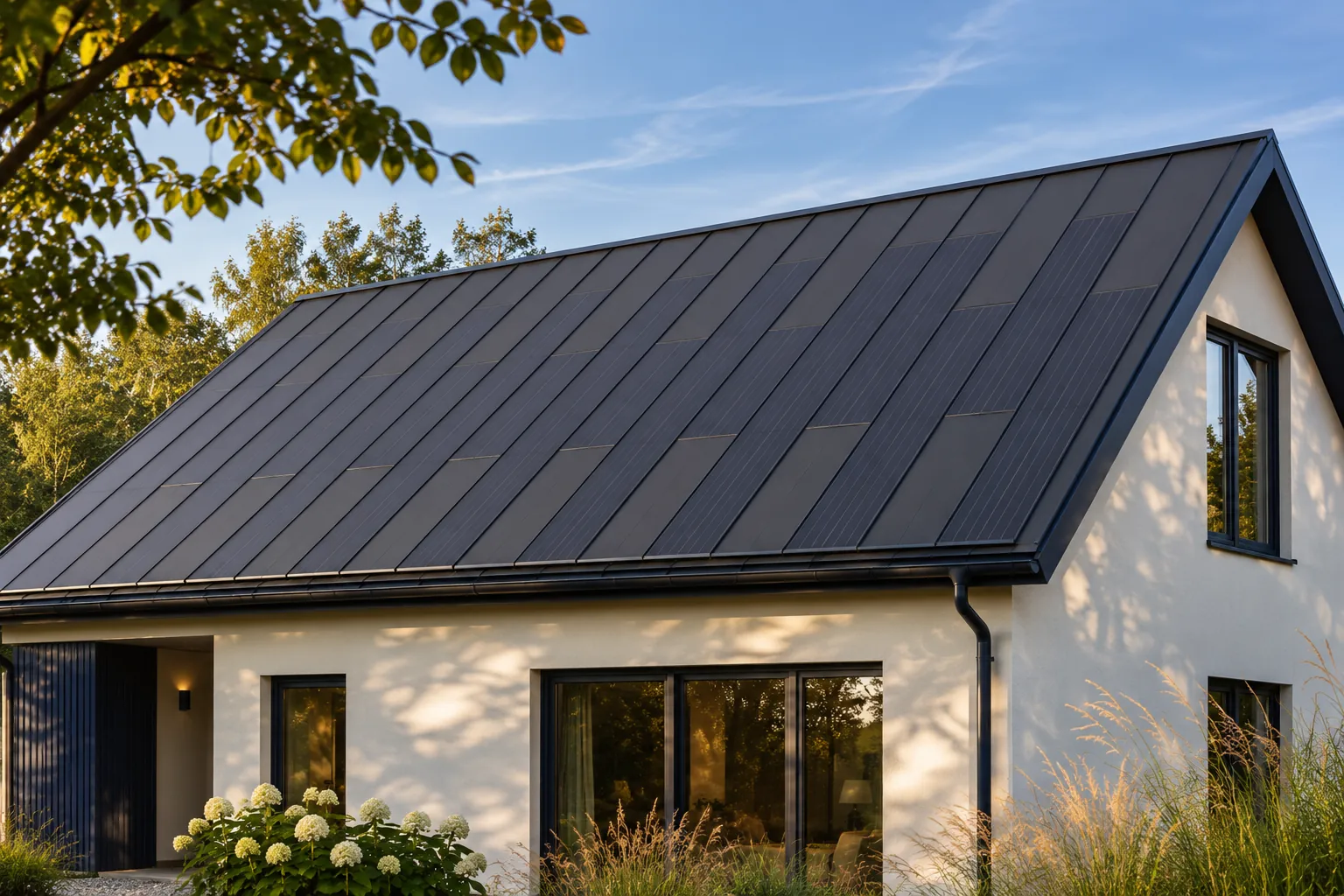
A smooth module surface alone cannot keep an entire roof weathertight. Rain reaches edges, eaves, ridges and penetrations, changes direction at joints…
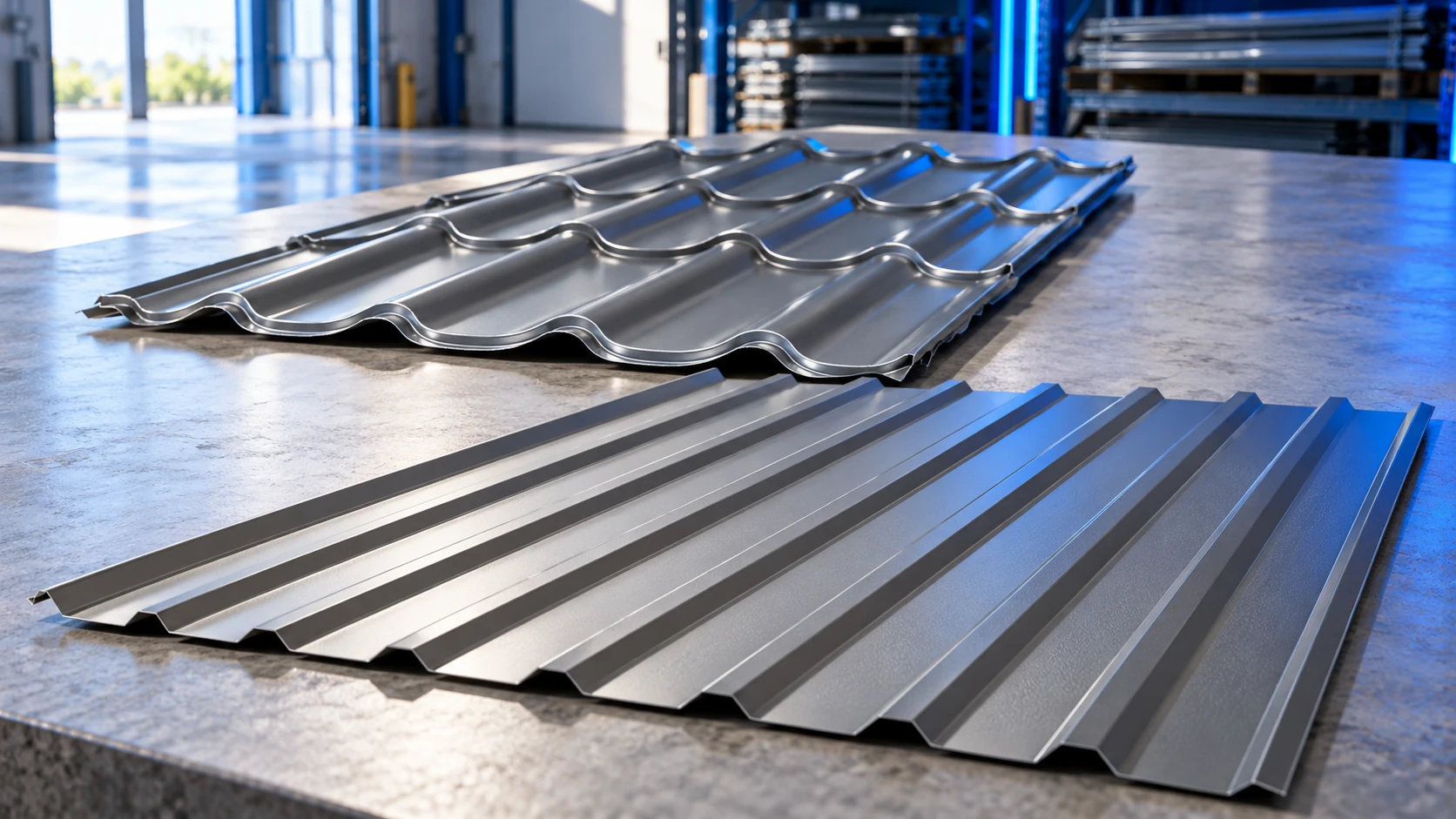
The cheapest sheet does not necessarily produce the cheapest finished roof. Substructure, flashings, cutting waste and installation all belong in the comparison,…
Flashings are needed wherever the normal covering arrangement stops directing water safely. That includes eaves, verges, valleys, ridges and junctions with walls…
A roof without projecting eaves needs careful coordination of the covering, façade and drainage. A clean outline does not remove the need…
Choosing a rafter section should start with information for the structural designer, not with a search for a single sizing table. The…