






Why flashings matter on an integrated photovoltaic roof
Roofing and energy
A smooth module surface alone cannot keep an entire roof weathertight. Rain reaches edges, eaves, ridges and penetrations, changes direction at joints and can be driven by wind. On an integrated photovoltaic roof, the flashings must work with the active elements, ventilation paths and cables. Use the details for the chosen system. A straight edge viewed from the ground tells you little about the water path underneath or how a junction accommodates movement. Check those functions before the adjoining pieces are covered. Correctly shaped flashings give the roof a clear finish and carry water away without improvised repairs.
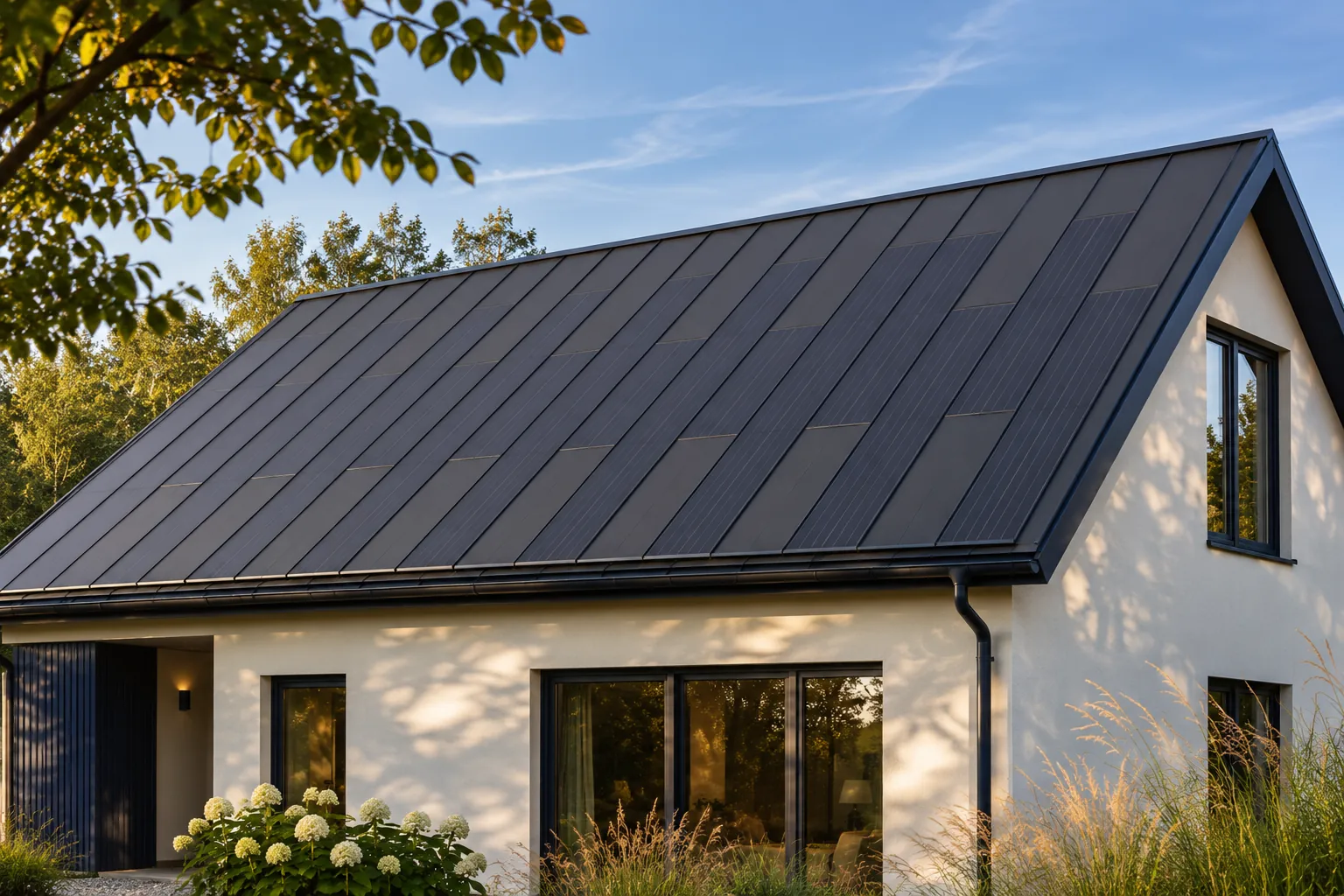
Why is the junction as important as the main panel?
In an active steel panel the cells form part of the roof product. The surrounding details must carry on its roofing function across each joint. A complete quotation includes edges and penetrations as well as the active surface.
What has to happen at the eaves?
At the eaves, water from the covering and underlay must reach the drainage system while the air inlet stays open. Check both terminations in the system detail. Two roofs made of dark steel can require different dimensions and connections.
Exclude animals and debris without blocking airflow. Services nearby must leave the outlet clear. Inspect this area before closing it, since correcting one detail later may require removing several adjoining components.
What needs agreement at the ridge and verges?
The ridge may form the ventilation outlet. Its finish must resist rain and preserve the specified airflow. Closing more tightly or widening the gap without design checks can compromise either function. Follow the detail for the particular roof.
Wind and fastening matter at roof edges. Select geometry, material and connections to suit the panels. Allow the specified thermal movement and check element lengths before choosing a rigid connection.
How should windows and chimneys be flashed?
Connect openings to the covering and lower layers using the system details. Passive elements often surround them. The layout must allow flashing and drainage without cutting or drilling the active module or damaging its electrical parts.
Coordinate the window supplier’s details and chimney requirements. One collar does not suit every BIPV product. Specify the correct version or design a project-specific junction before installation rather than improvising with sealant.
Is a matching colour enough?
Check compatibility of metals in contact, coating and exposure as well as colour. Cut and protect edges in accordance with the manufacturer’s instructions. A neat-looking but unsuitable flashing can shorten the life of the junction.
Keep cooling paths and service points accessible. Flashings may sit close to cables and fittings, so installers need their positions. A suitable detail can be inspected later without extensive dismantling.
How are flashings inspected at handover?
Compare the work with approved drawings and system instructions. Check joint continuity, fixings, ventilation openings and water paths. Photos of concealed work help. The absence of leakage in the first rain reveals little about some hidden junctions.
Keep the flashing schedule and a record of the materials used. These allow a repairer to reproduce the detail. A well-proportioned roof depends for its durability on careful workmanship at edges and junctions as much as on its uninterrupted surface.
Alongside the finished roof-window photograph, keep a view of its upper corner taken before the cover went on. Mark where water from the head flashing drains and how it passes the active area. If damp appears later, the service crew has a reference for the concealed junction.
Manufacturers and brands in photovoltaic roofing include Electrotile, MDM NT (MyRoof), ML System, Solarstone, Dyaqua, Wienerberger Wevolt, SolRoof, Solartag, SunRoof and Tesla.

Free quote
What to include in your enquiry
Tell us how you plan to use the material, the dimensions and the quantity you need. Include the thickness, grade or variant name, along with the delivery town or your preferred collection branch. For a specific product, add its name or a link to the product page. We will reply to the email address you provide to discuss availability and the terms of your order.
More from the building guide
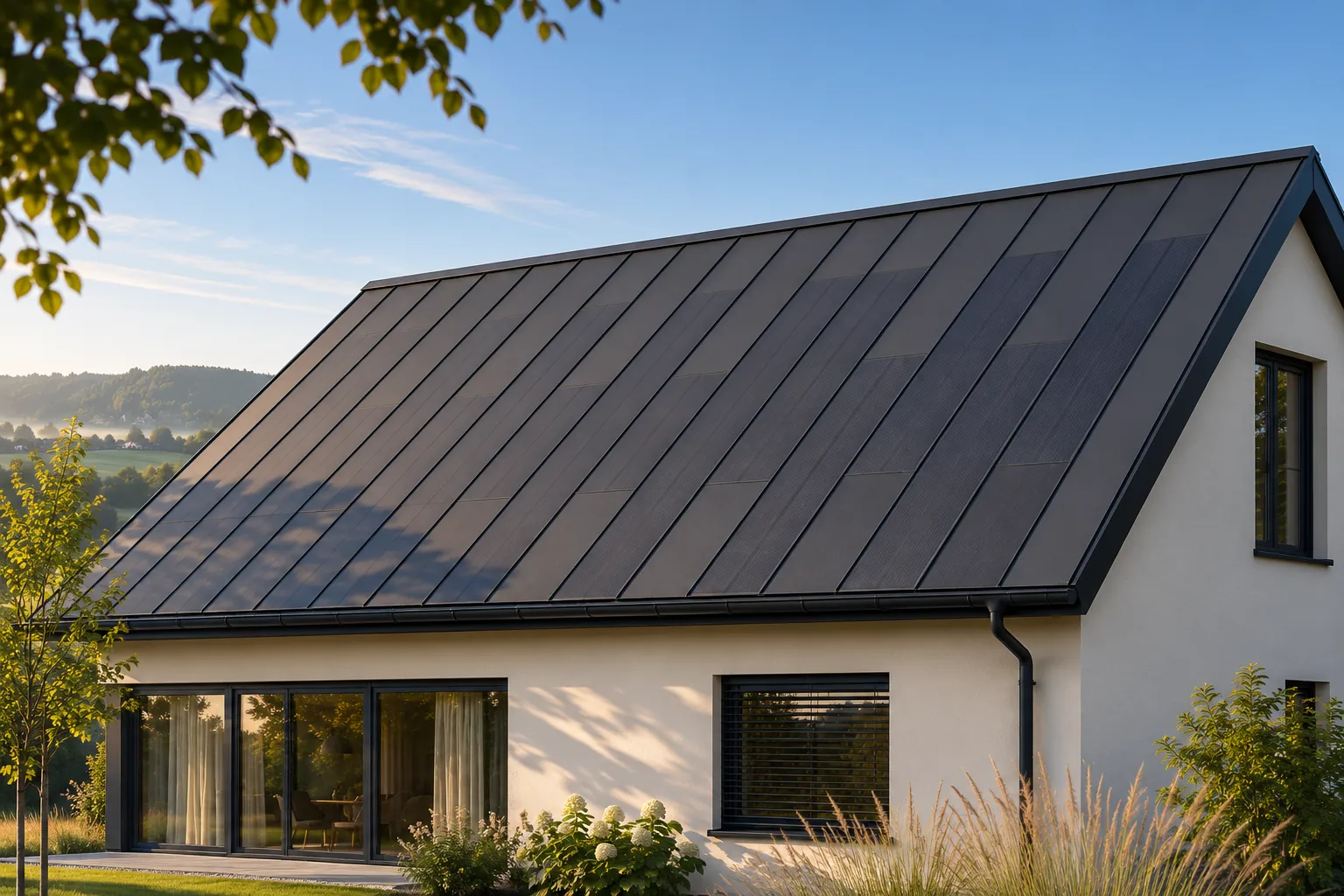
An integrated PV roof design needs the roof geometry, layers, supports, flashings and cable routes alongside the module count. Combine these with…
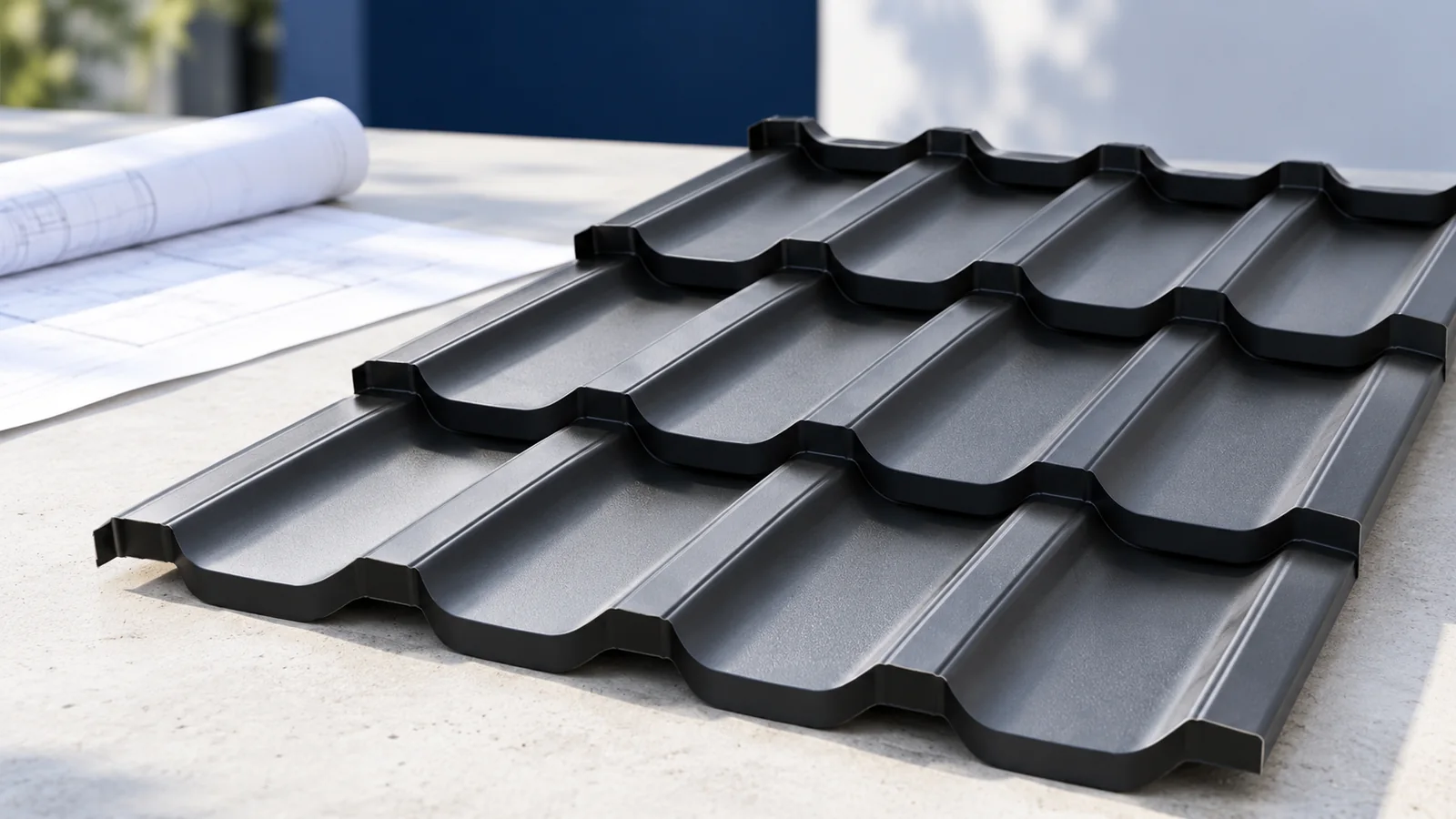
Installing solar PV on a metal roof starts by establishing how loads reach the structure. Bracket shape or profile name alone does…
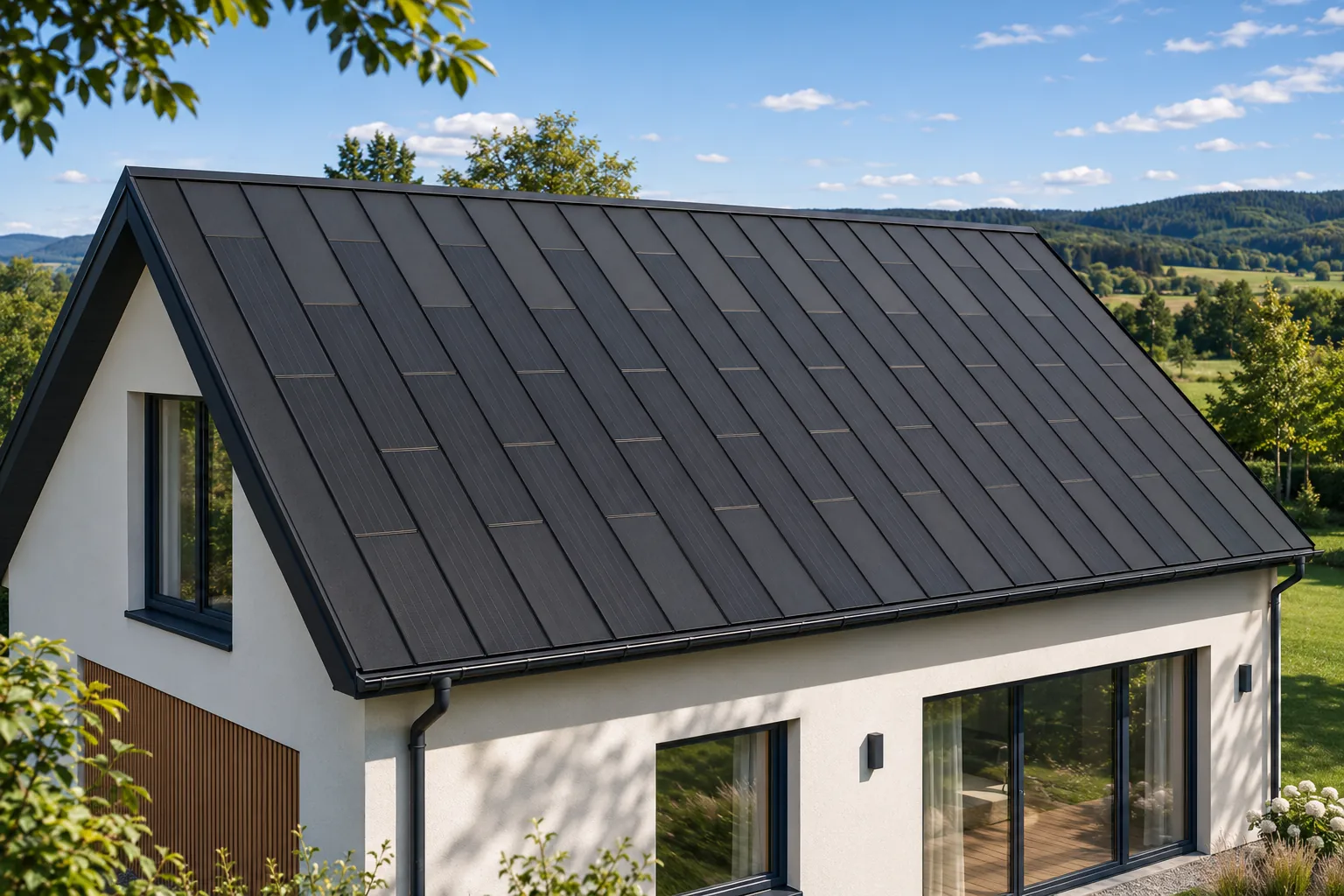
Handover of an integrated solar roof covers the roofing, electrical installation and records of how both were built. An app showing power…
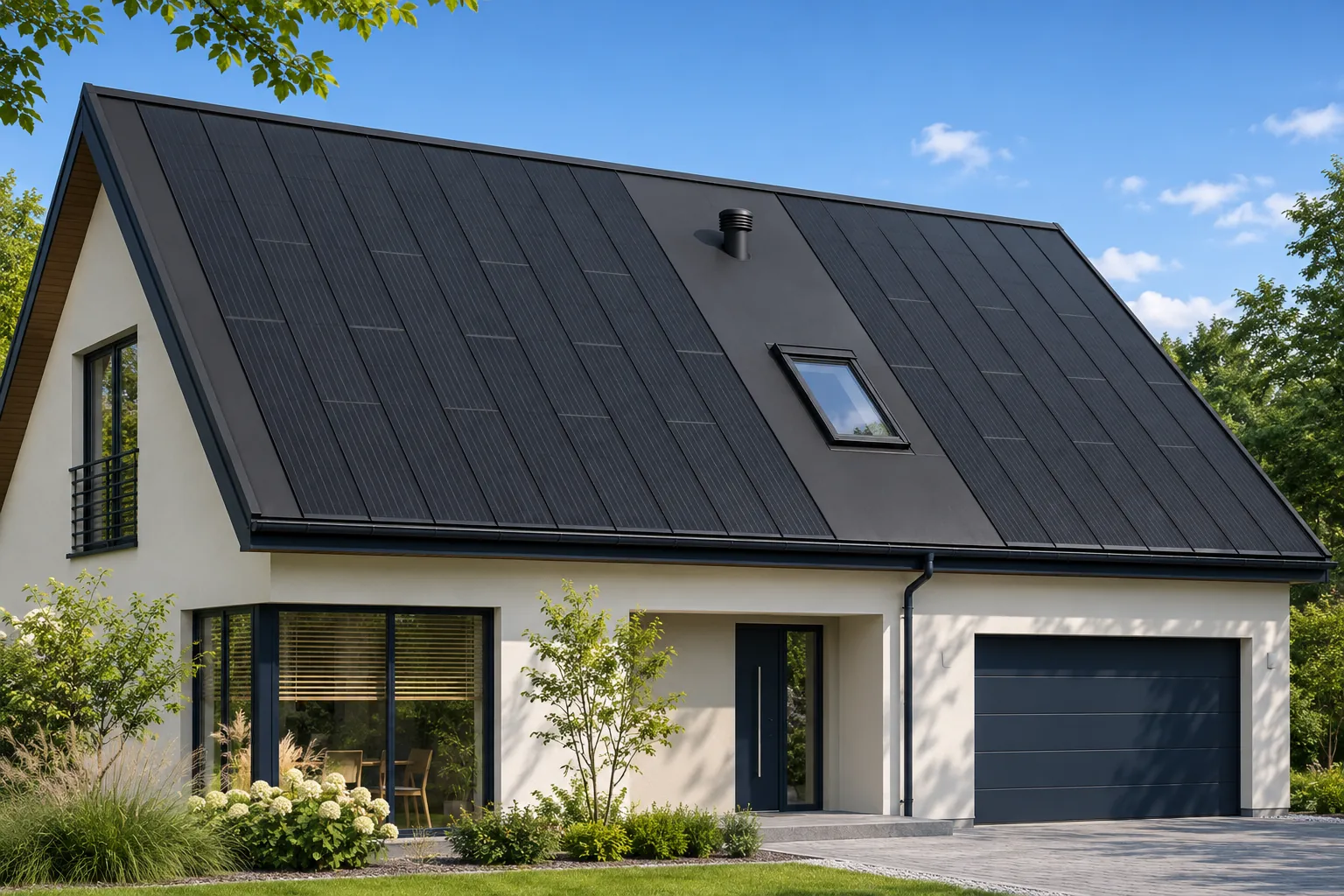
Roof windows and chimneys can share a slope with integrated photovoltaic panels. Plan the openings alongside the panel layout, allowing for shade,…
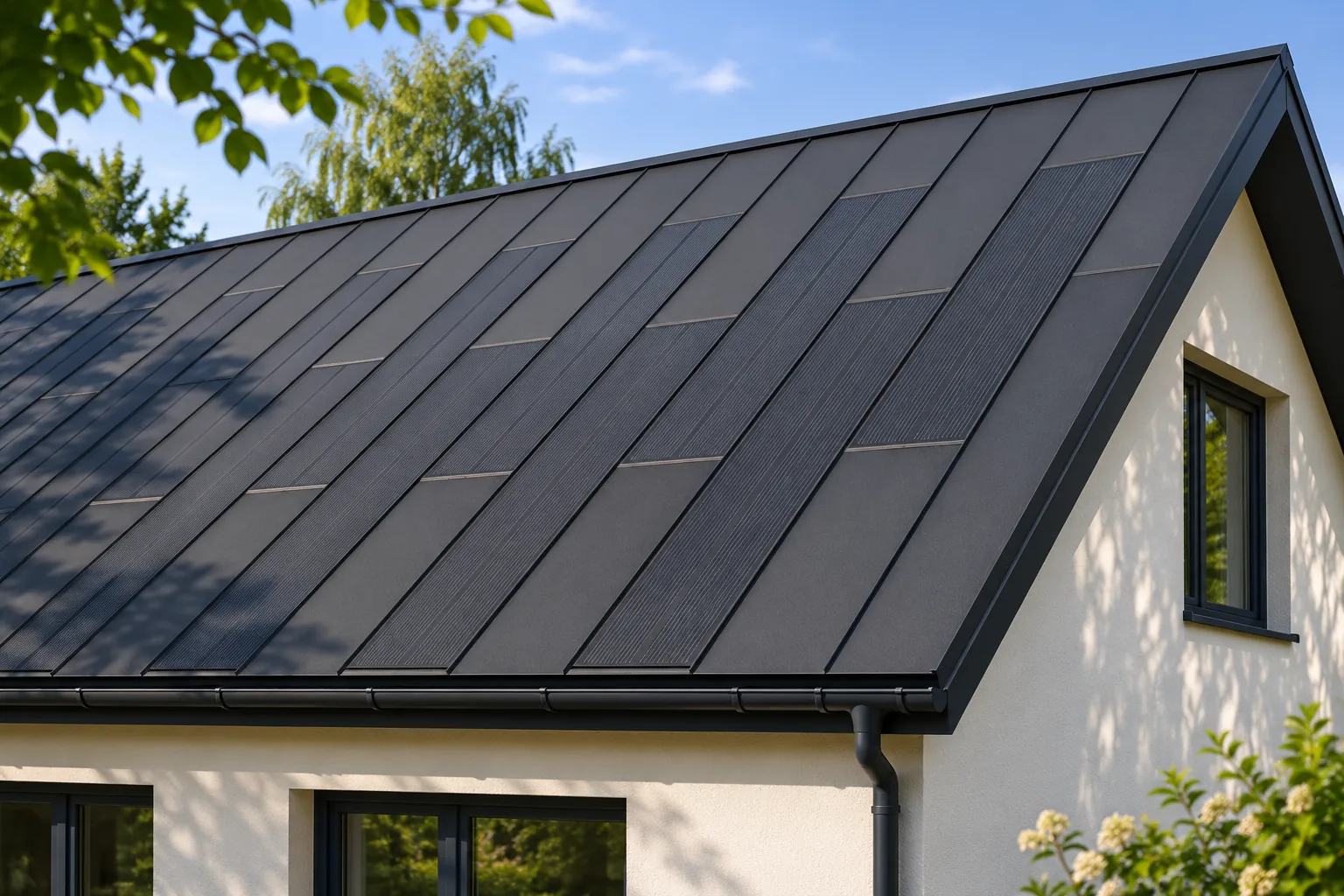
An integrated photovoltaic roof needs access for inspection and repair, both for the solar installation and for other parts of the building.…
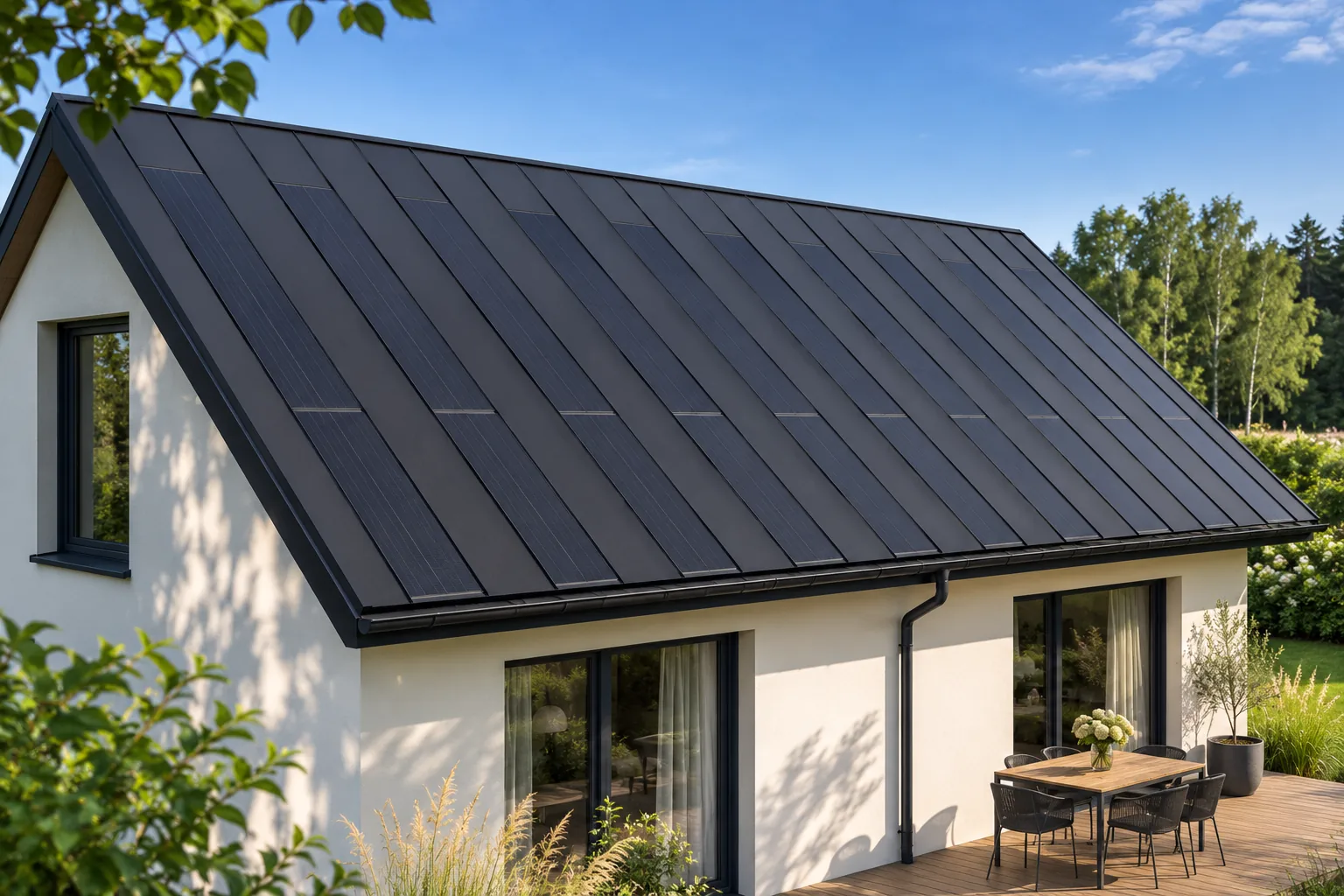
A roof described as solar does not necessarily have a photovoltaic covering. Building-integrated photovoltaics (BIPV) takes over a building function, while an…
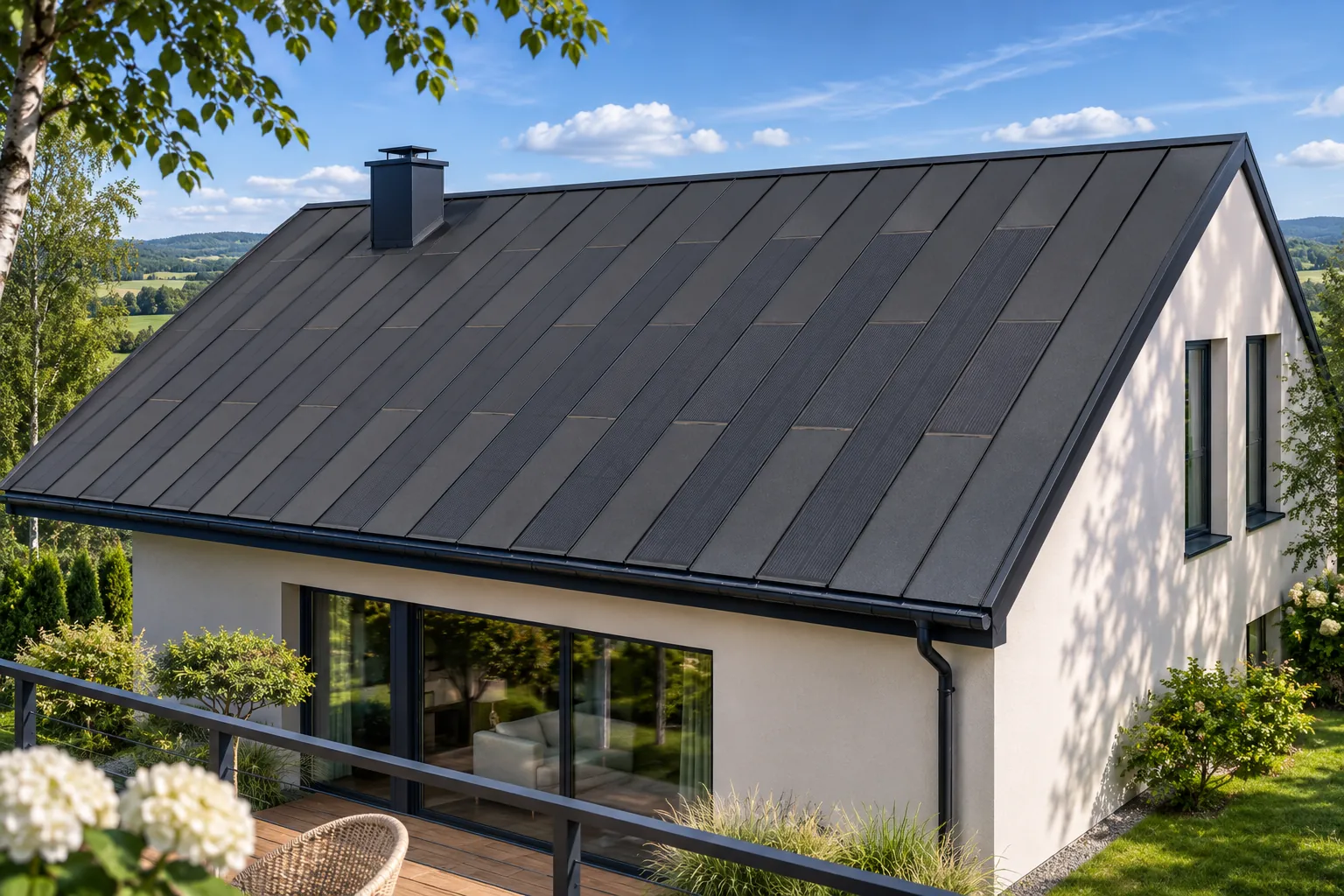
A solar roof order should be based on a dimensioned layout, not a single figure for the roof area. Measure the slopes,…
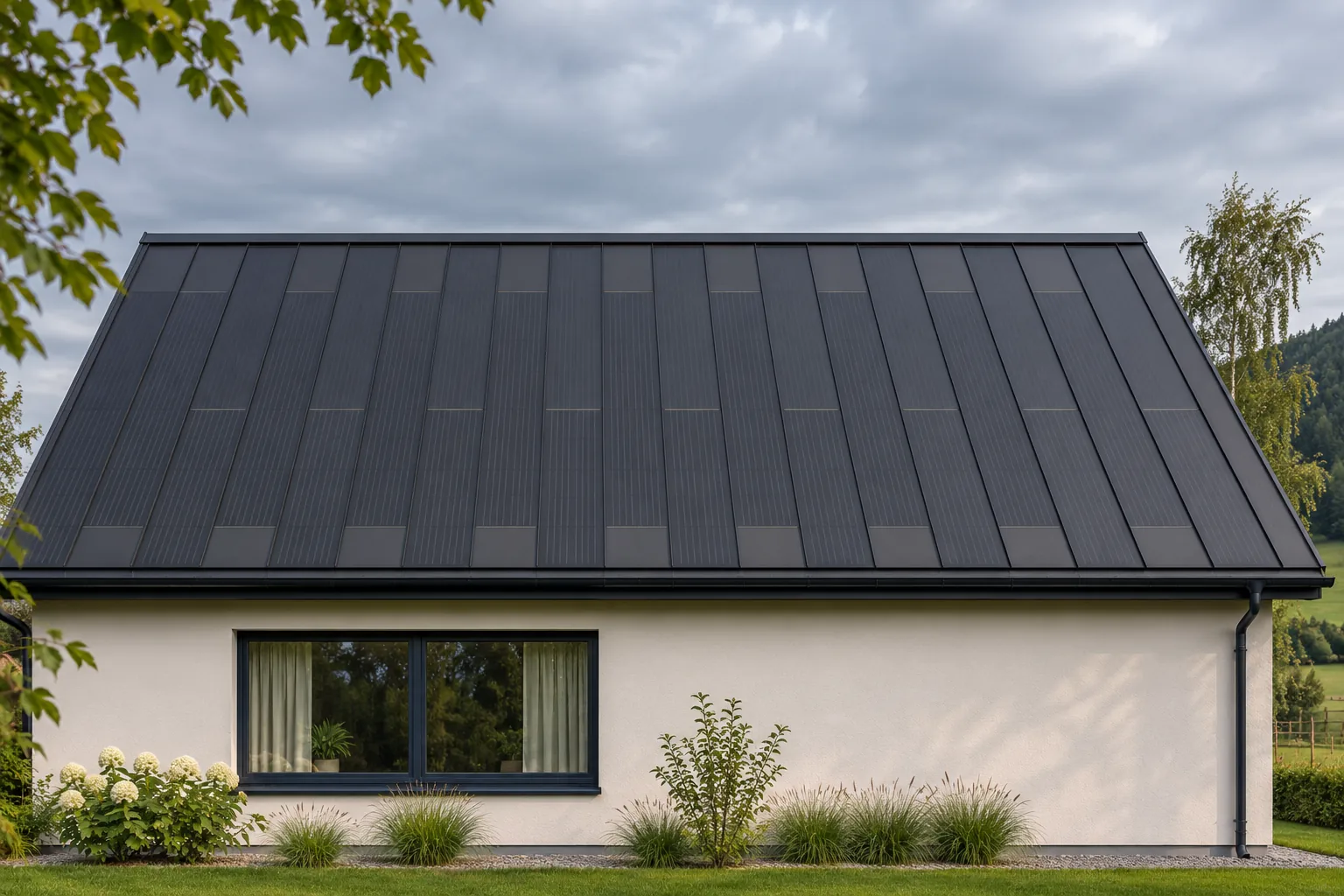
Installing an integrated solar roof brings the roofing and electrical trades together at several stages. First confirm the design and structure. Prepare…