






Can galvanised steel sections rust? What the coating protects
Steel sections and structures
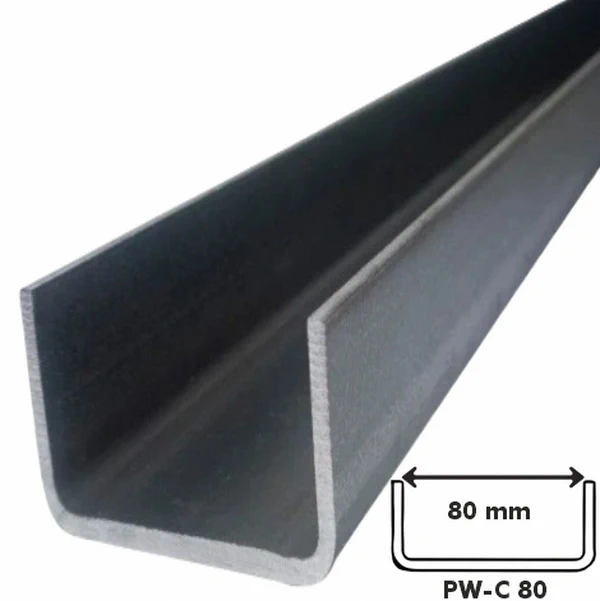
Galvanised sections are common in lightweight construction because zinc helps protect the steel against corrosion. Their service life depends on exposure, storage, handling and the details that keep water from collecting. Moisture trapped in a bundle and damage during unloading can affect a section before it reaches the structure. Distinguish the steel core, which forms the loadbearing section, from the metallic coating that protects its surface. Steel sheet thickness and zinc coating specification describe different properties. Check both in the product documents and use the supplier’s instructions to protect the material from delivery through erection and use.
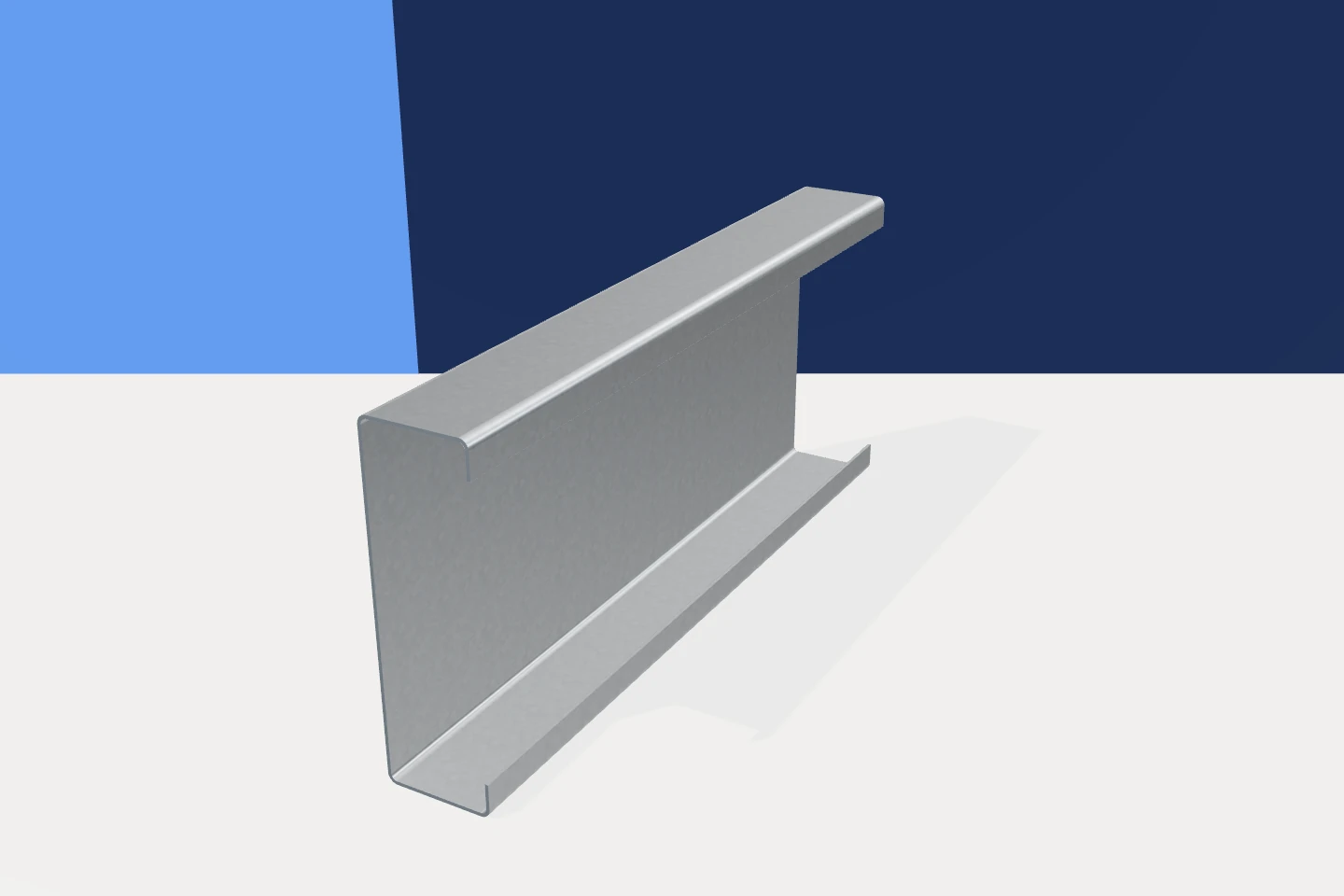
Steel carries the load and zinc protects its surface
Cold-formed members can have other metallic coatings, including products containing aluminium and magnesium. A silver-coloured surface cannot identify the alloy or its capabilities. Use the coating designation in the documentation when comparing products.
What affects coating durability?
Humidity, contaminants and the time the surface stays wet all matter. An open shelter has different conditions from a dry interior. Even a roofed industrial or agricultural building can expose steel to moisture or contaminants that require a particular coating.
There is no single service life in years that applies to every galvanised section. Identify the product, exposure and maintenance regime. Wall bases, leaking junctions and material interfaces can remain wet longer than other parts of the same building.
Why can white deposits appear?
White corrosion products can develop on zinc when moisture is trapped between closely stacked parts with little ventilation. A bundled load has different drying conditions from a single installed member. This is why the instructions for transport bundles matter.
White deposits alone do not prove serious corrosion of the steel core. Assess their extent using the supplier’s guidance. Red rust on exposed steel is a different condition. Identify which surface is affected before choosing any cleaning or repair coating.

How should sections be stored before erection?
Give Z, C, sigma and top hat sections a prepared storage area and adequate support. Follow the supplier’s moisture and ventilation instructions. Transport wrapping may be unsuitable for extended outdoor storage. Inspect bundles as soon as they are unloaded.
Condensation can form when cold metal enters warmer air, even in the absence of rain. If there is water between members, follow the product instructions for handling the wet bundle. Plan both shelter from precipitation and a way for moisture to escape.
What about scratches, cuts and extra holes?
Dragging sections across each other can damage the coating. Agree factory holes where practical to limit cutting and drilling on site. Where site work is necessary, use a process suitable for the material and remove swarf before installing the cladding.
Select the repair method for the actual coating and the extent of damage. A bent flange also changes the geometry. Assess the condition of the thin-walled section separately from any surface treatment needed to restore corrosion protection.
What needs attention after installation?
Inspect locations exposed to water, dirt or mechanical damage. A roof leak can turn a previously dry profile into a persistently wet one. Repair the leak and assess the coating at the affected location. Set the inspection scope according to actual exposure.
Thermal insulation, structural fire resistance and the load capacity of Z, C, sigma or top hat sections require separate design checks. Galvanising serves its purpose when the coating suits the environment and retains its integrity during transport, storage and assembly.
Keep the material certificates with the building records. They identify the coating for later inspections and help determine whether a proposed maintenance or repair product is compatible with the installed section.

Free quote
What to include in your enquiry
Tell us how you plan to use the material, the dimensions and the quantity you need. Include the thickness, grade or variant name, along with the delivery town or your preferred collection branch. For a specific product, add its name or a link to the product page. We will reply to the email address you provide to discuss availability and the terms of your order.
More from the building guide
It is worth planning a carport with a tool store starting from an inventory of equipment and the users' daily routes. A…
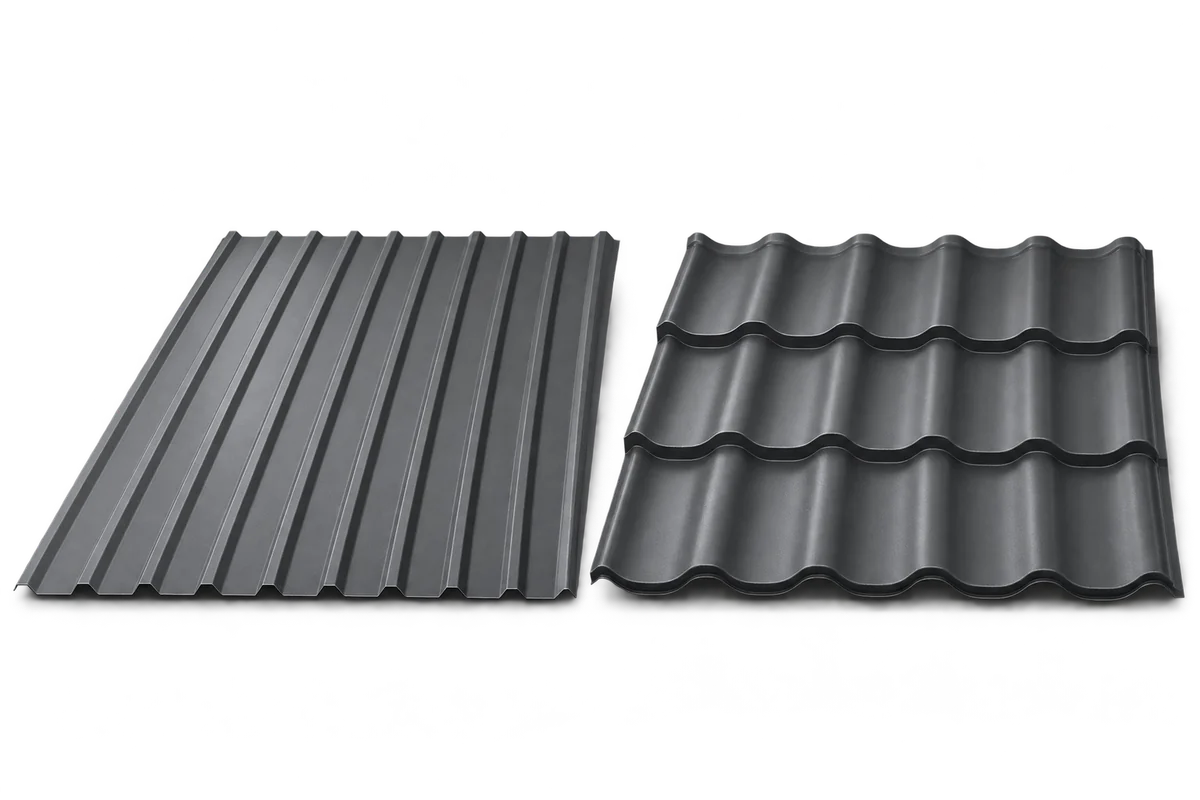
When choosing between tile-effect and trapezoidal steel roofing, ask each supplier for a sheet layout on the same roof drawing. It shows…
Matt and gloss steel roof tiles reflect light differently, but gloss level alone does not describe roofing quality. A comparison needs the…
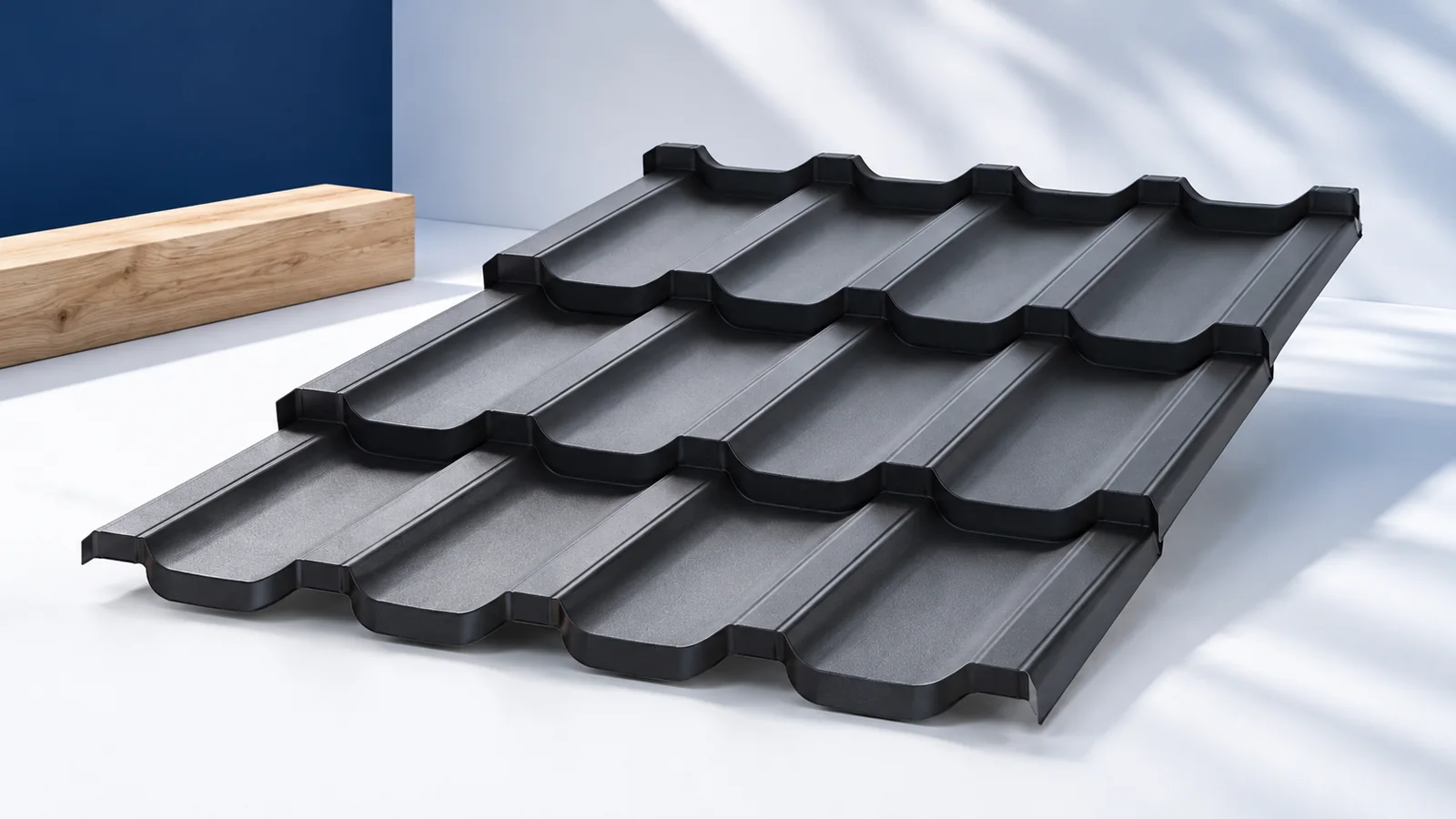
A terrace roof should suit how the space will be used, not merely match the house colour. First establish the required shelter,…
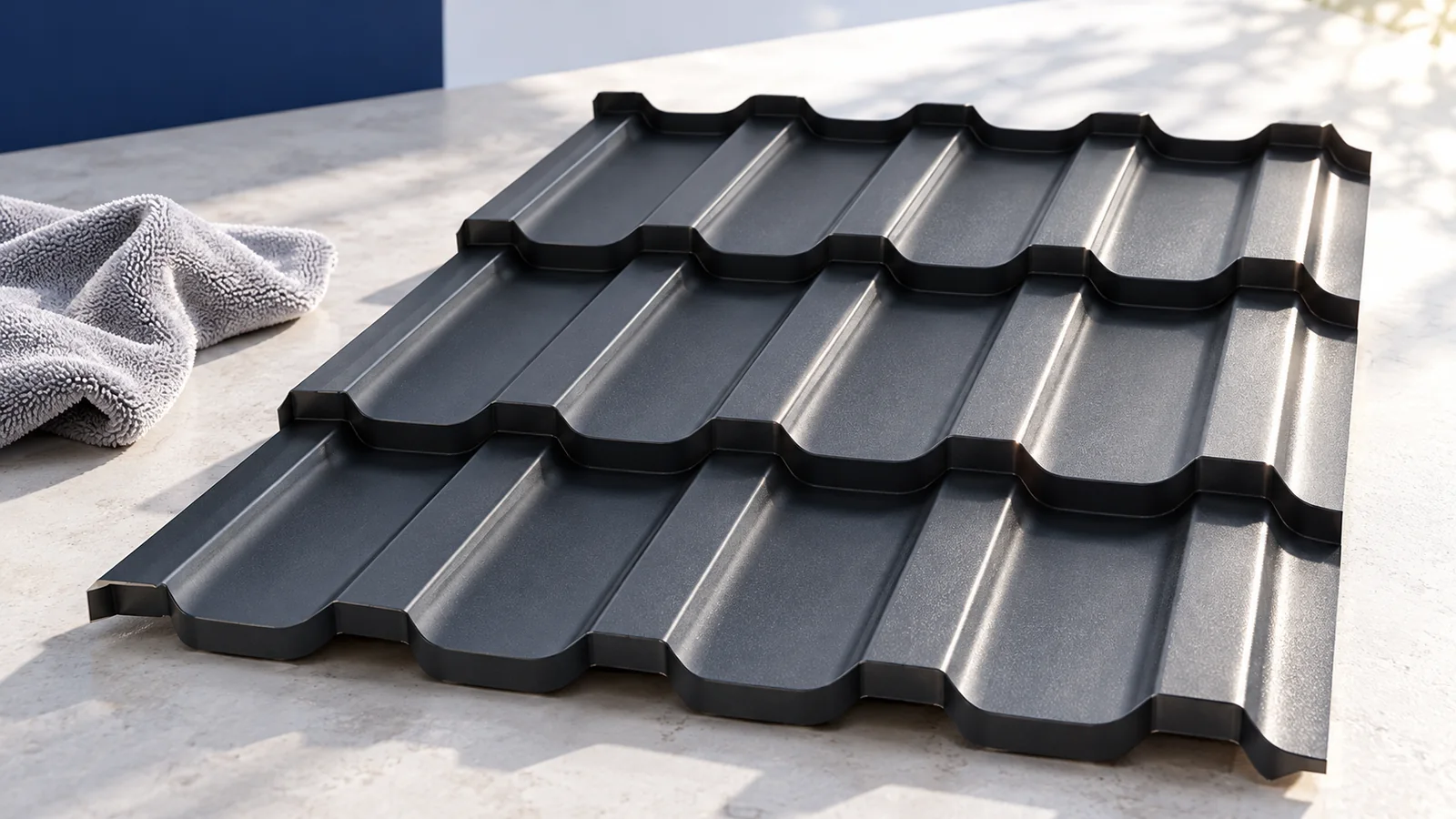
When a roofing sheet shows a scratch, brown staining or signs of a leak, start by recording the location and date. On…
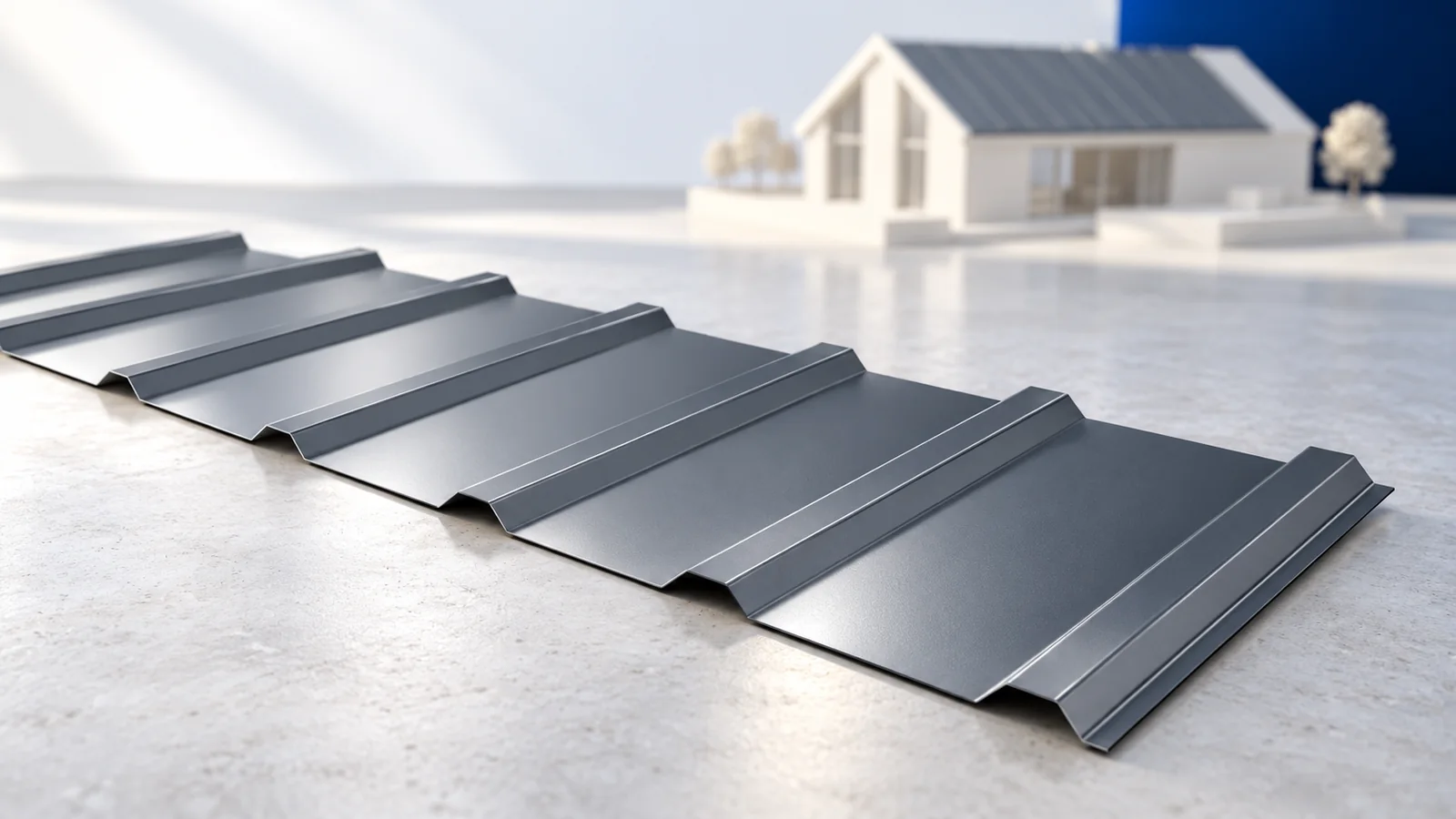
The regular profile helps with T18 and T35 trapezoidal-sheet installation, but efficient work starts before the sheets arrive. Accurate slope dimensions, prepared…
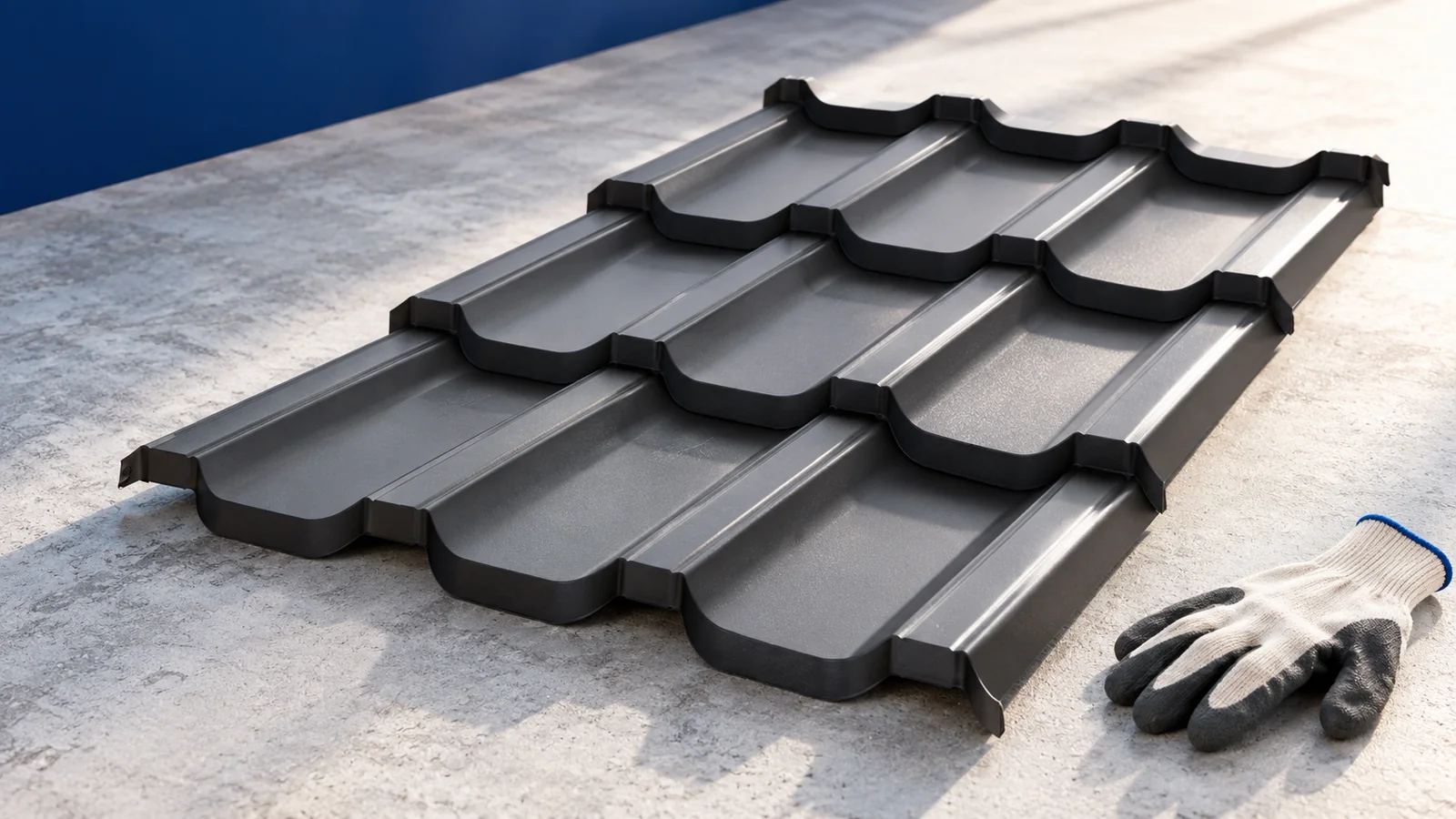
Labour costs for metal roofing must be compared together with the scope of work. A price per square metre may cover only…
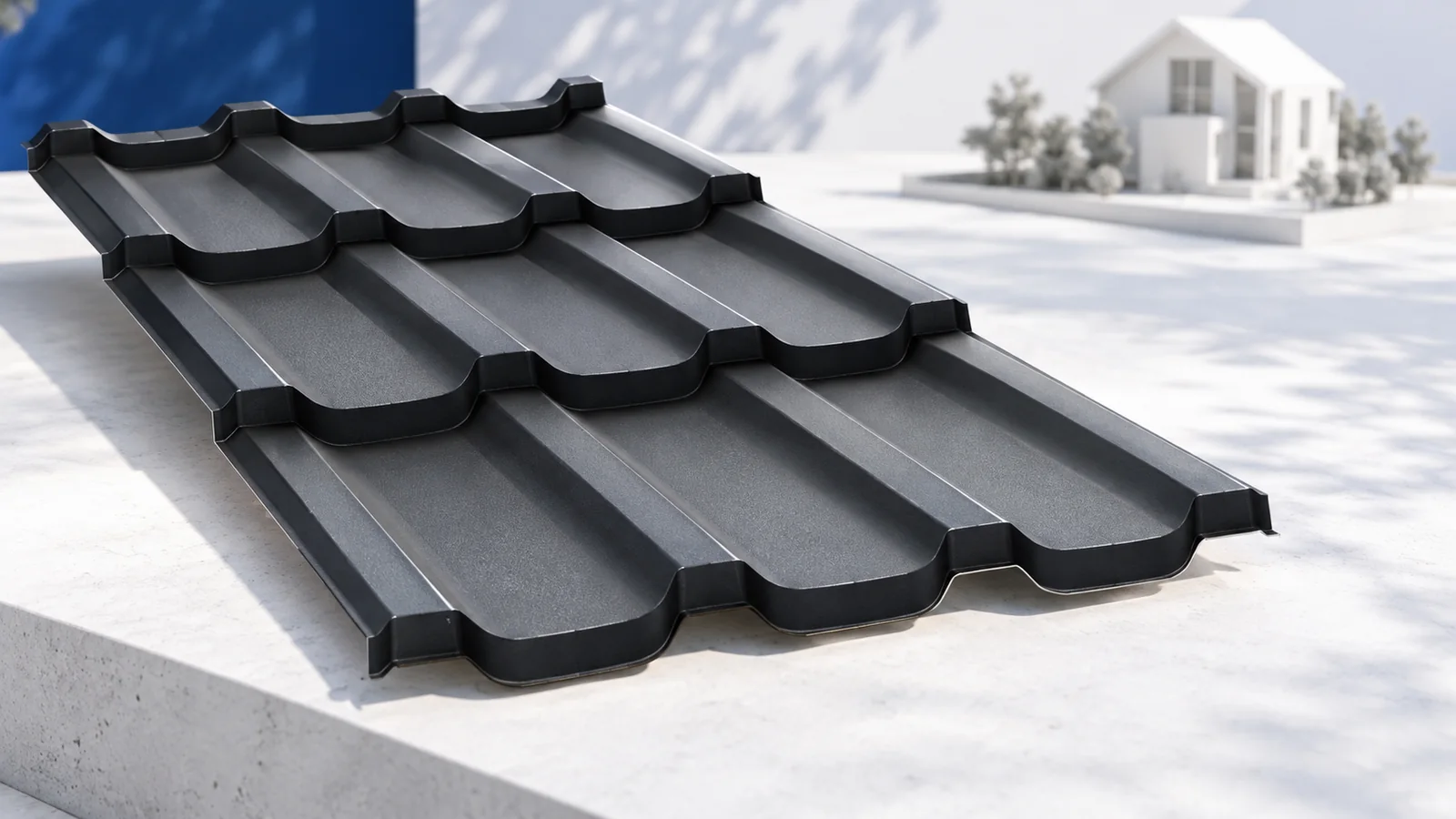
Modular tile-effect steel roofing uses smaller sheets that can help on restricted sites and roofs with many details. Start purchasing with effective…