






Metal fence picket ends: square cuts, rounded tops and edge finishing
Metal fence pickets and fencing
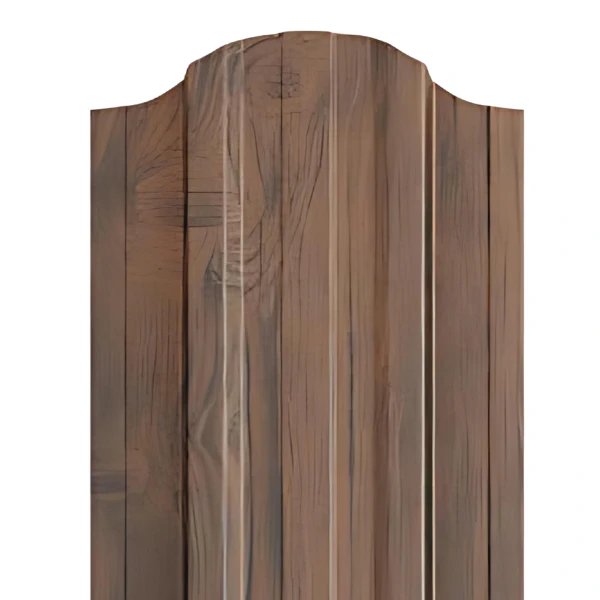
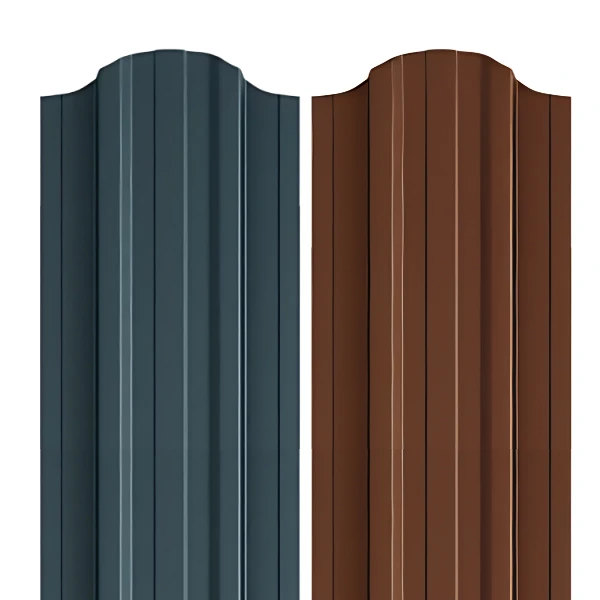
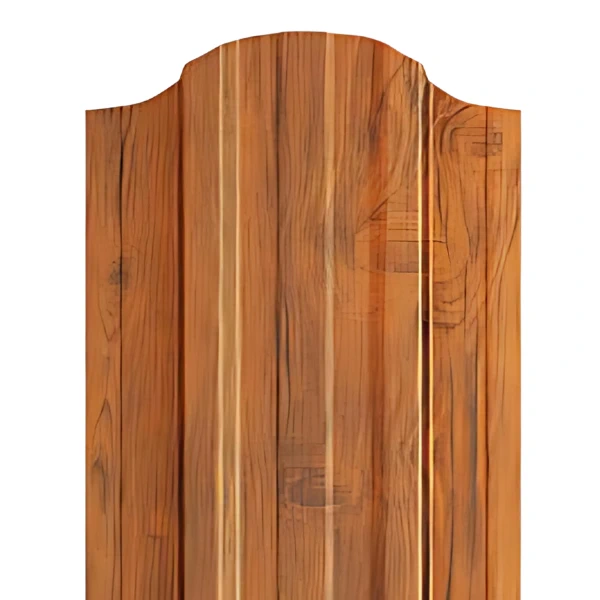
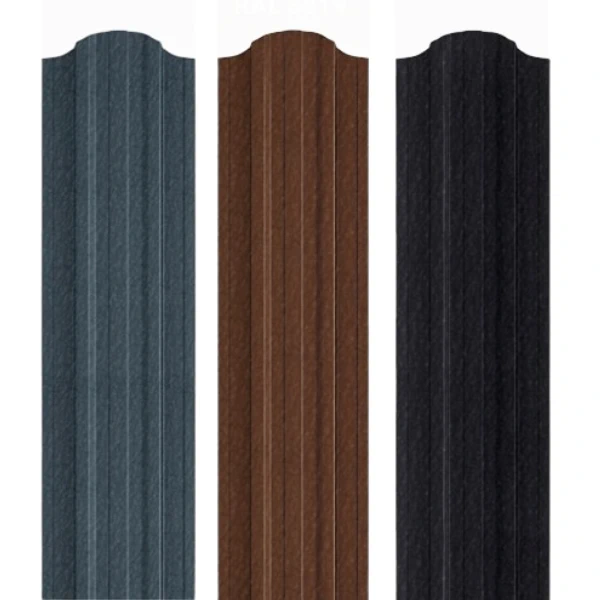
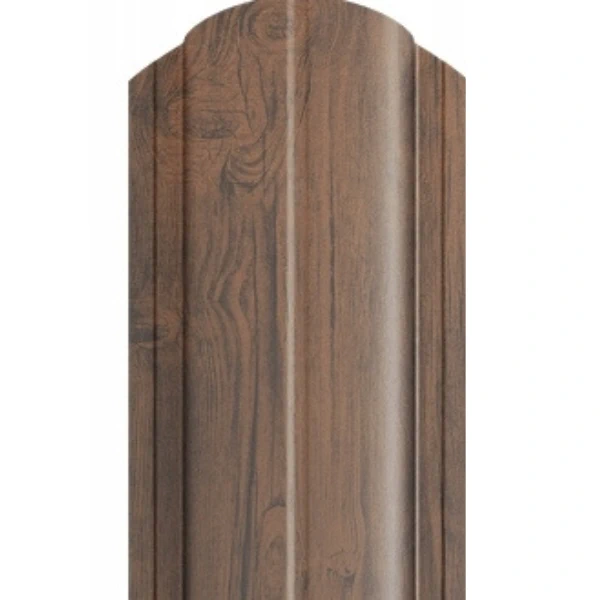
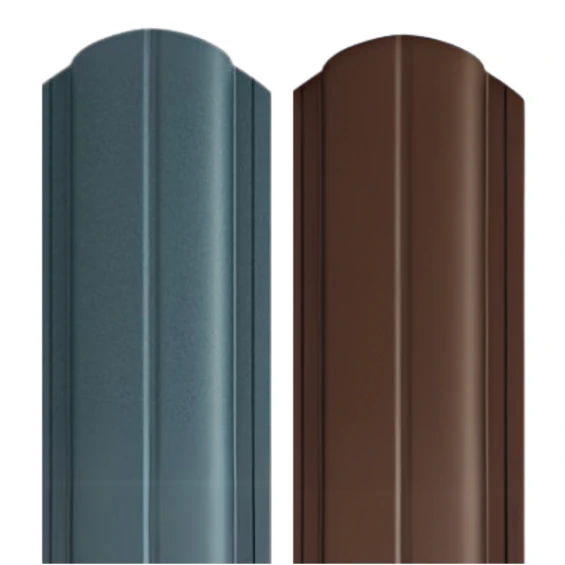
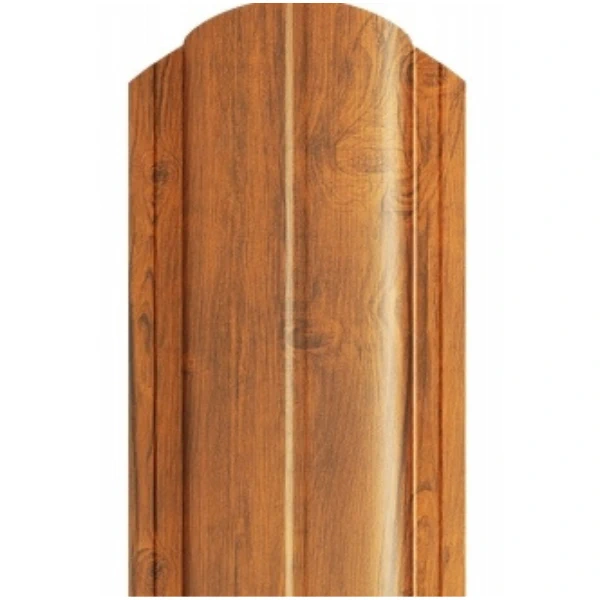
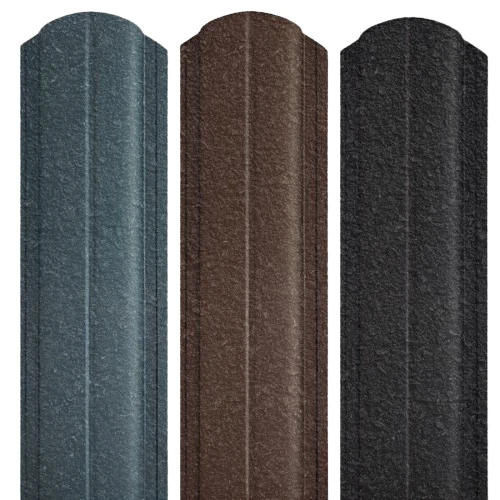
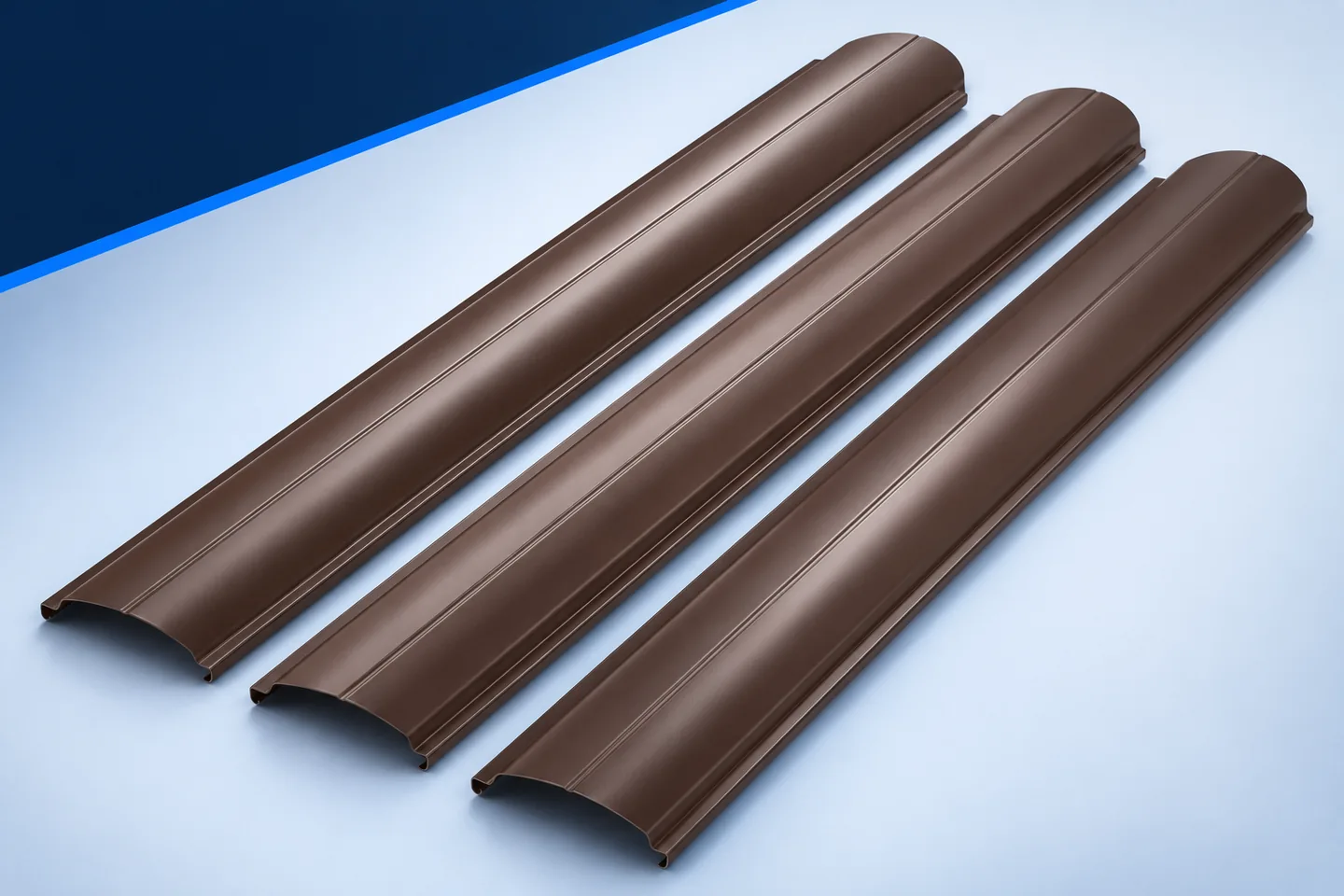
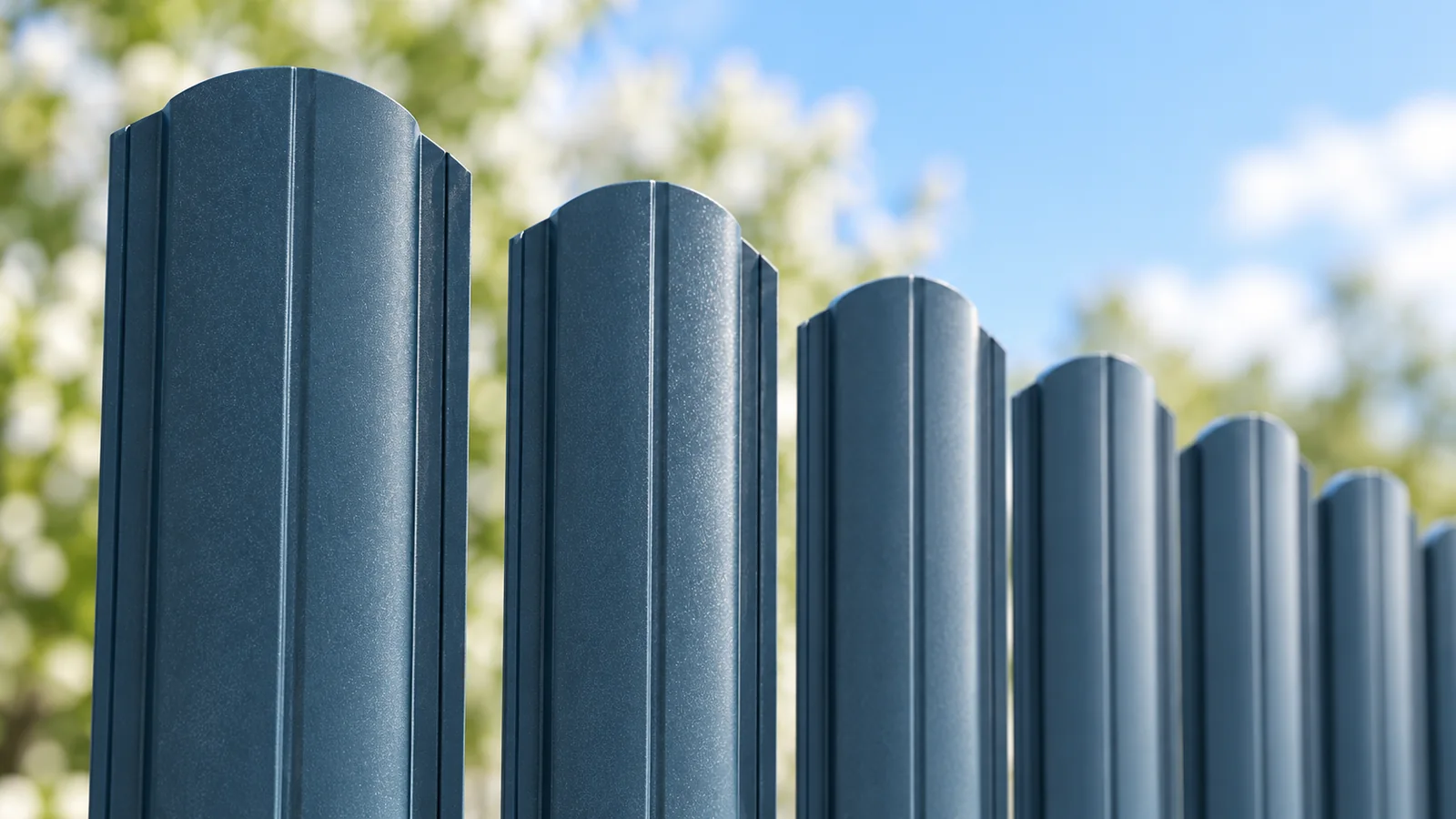
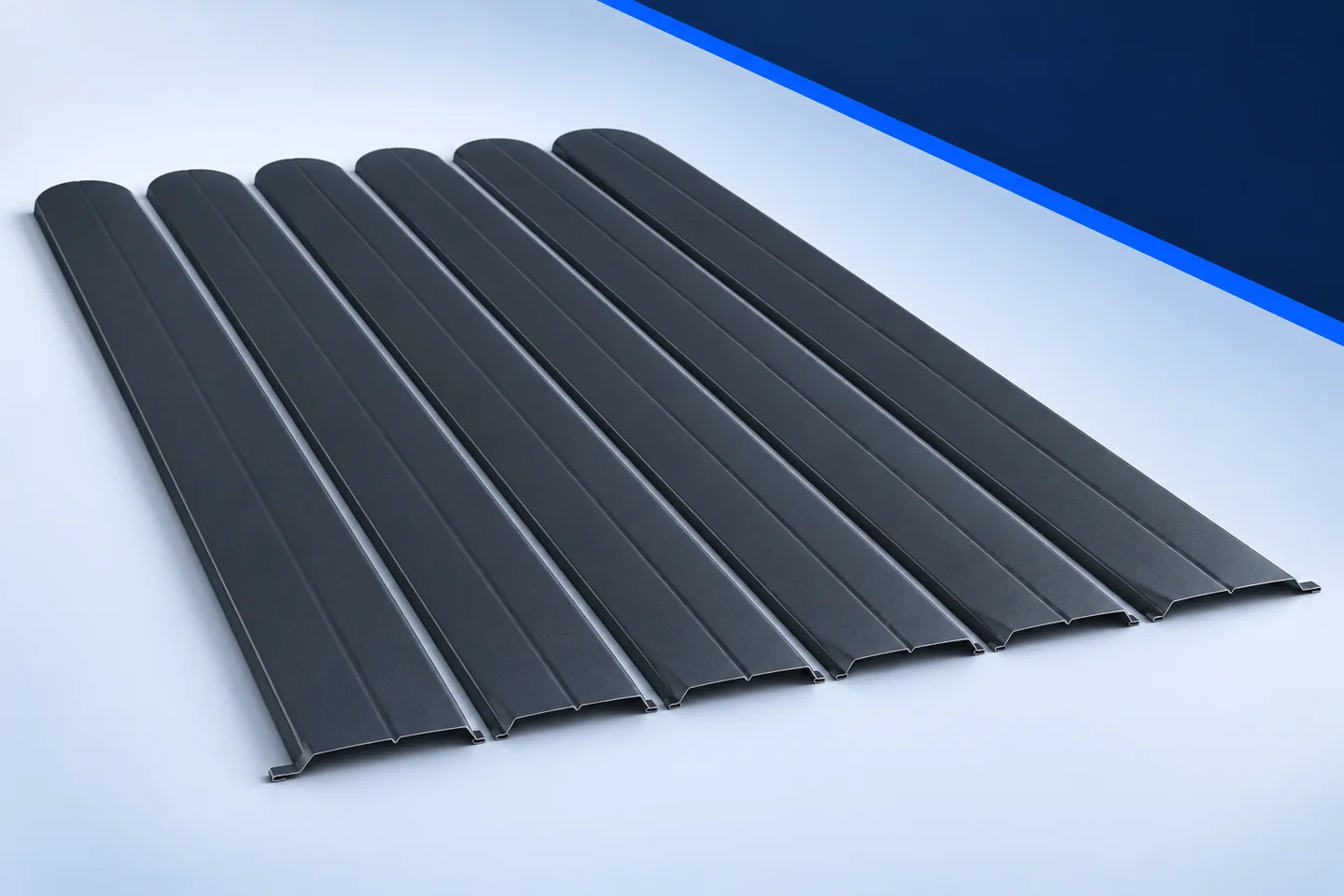
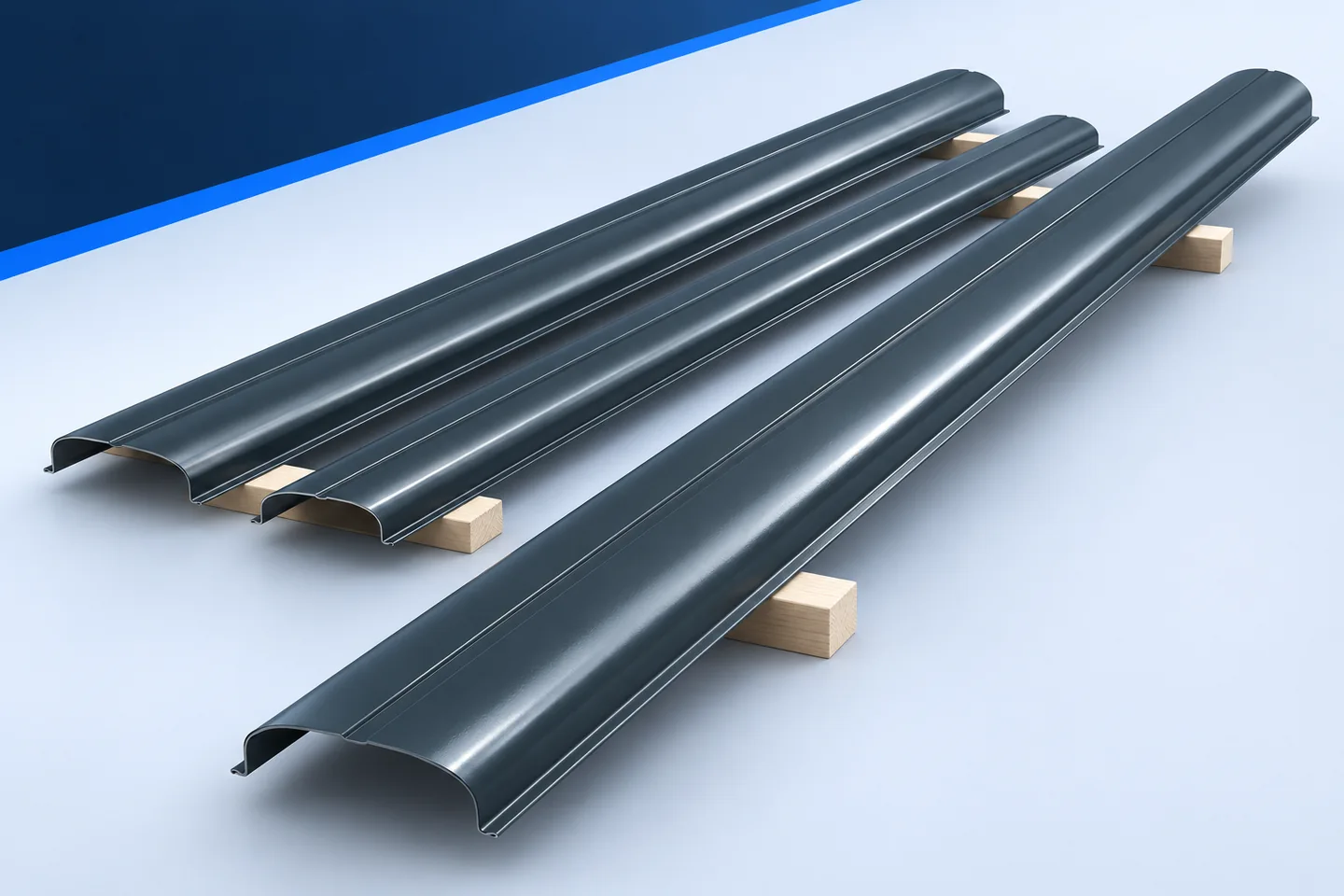
Square-cut and rounded tops create different fence lines, but the end detail involves more than choosing a shape. Inspect the side folds, exposed cut edges and fit of any end cap. The outline seen from the front is separate from the cross-section seen end-on. A rounded top describes only that outline. The same formed section may be sold with different ends, and variants need not be approved for identical installation arrangements. Compare a finished picket and its drawing before choosing by colour or product name alone.

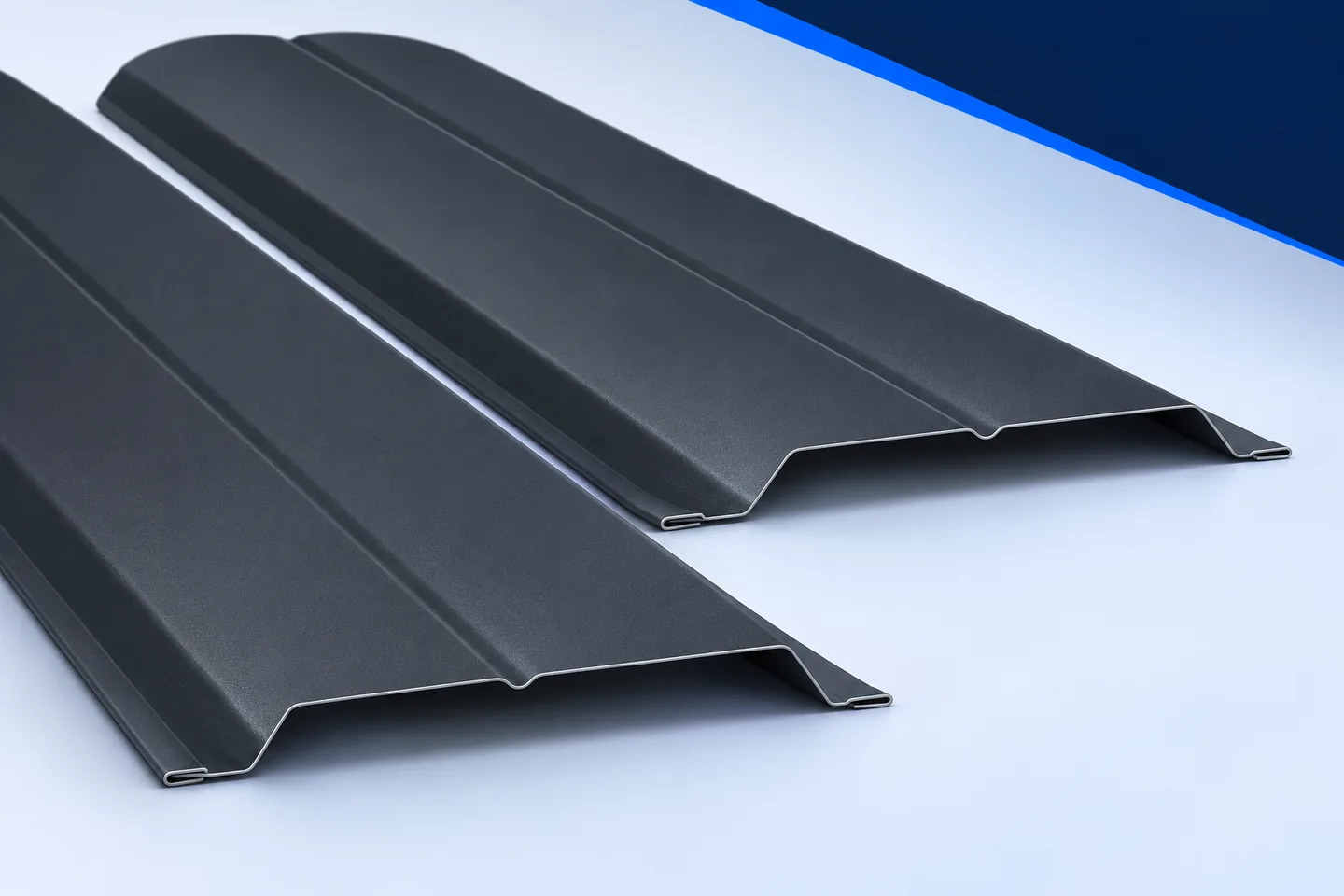
Distinguish the end outline from the section shape
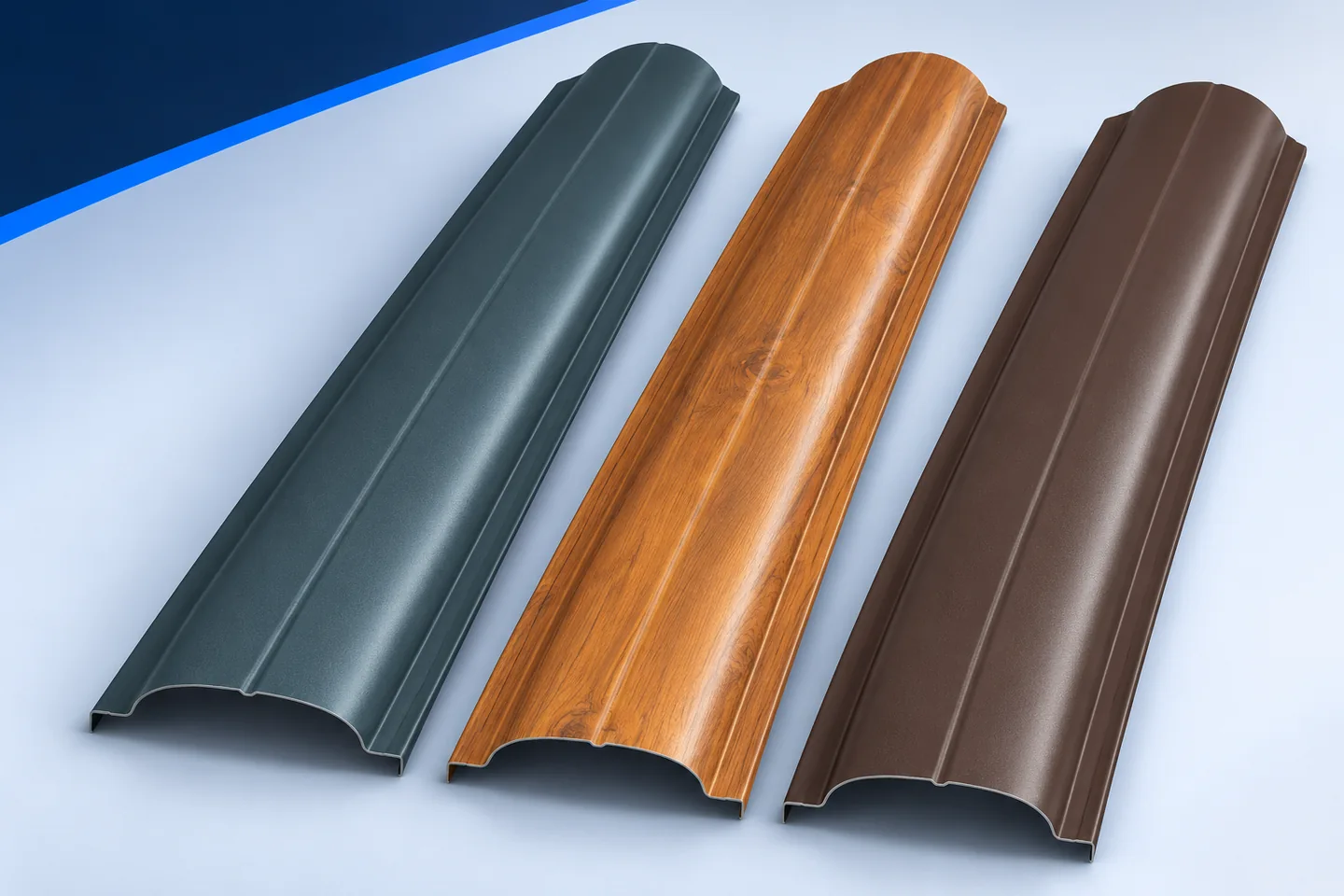
Check the finished width and depth of the folds on the data sheet, then inspect the actual cut. Picket proportions vary, and a description such as semicircular does not specify the radius or appearance of every available model.
Match the end to the installation direction
The tops of vertical pickets form a repeating pattern. When slats run horizontally, their ends meet the posts instead. A straight cut often suits that detail, but horizontal use must be permitted for the actual section.
A square end does not provide an unrestricted horizontal span. Span still depends on supports and section properties. Edge finish is a selection criterion, not a substitute for the bay design.
Side folds perform a practical function
Folded edges contribute to section shape and stiffness. On some models they also shield a sharp sheet edge. Inspect the whole piece rather than assuming every surface is free of sharp points.
Pay particular attention to site cuts and local distortions. An improperly cut edge can differ markedly from the factory end. This matters where people frequently come into contact with the fence, without replacing an assessment of the fence as a whole.
Do not cut away a fold to fit the last picket
If poor setting out leaves too narrow a space, trimming a picket lengthwise can remove part of its structural section. It also creates a long new edge requiring assessment. This differs from cutting a piece to length.
Revisit the picket count and clear gaps. A corrected layout avoids a misshapen end piece. If a special part is necessary, agree its fabrication and use rather than cutting off an important fold on site.

Use caps only where the system provides for them
Some profiles have purpose-made end covers. A universal cap may fit the folds poorly or come loose. Match the shape to the actual cross-section and check whether a cap is required at all.
Follow the system instructions on attachment and moisture management. Sealing the end without a designed detail can hinder inspection or trap dirt. A cap should serve its intended function, not disguise an uneven cut.
Inspect the finish after trimming
Use cutting tools recommended for coated sheet. Local overheating and hot particles can damage the protective layers. Remove swarf, check for burrs and, where required, treat the edge according to the coating instructions.
Do not squeeze thin sheet pickets with unsuitable tools. A distorted end will stand out in the repeating row and may no longer accept its specified cover. Careful handling preserves both the outline and the cross-section.
Judge the line of the complete fence
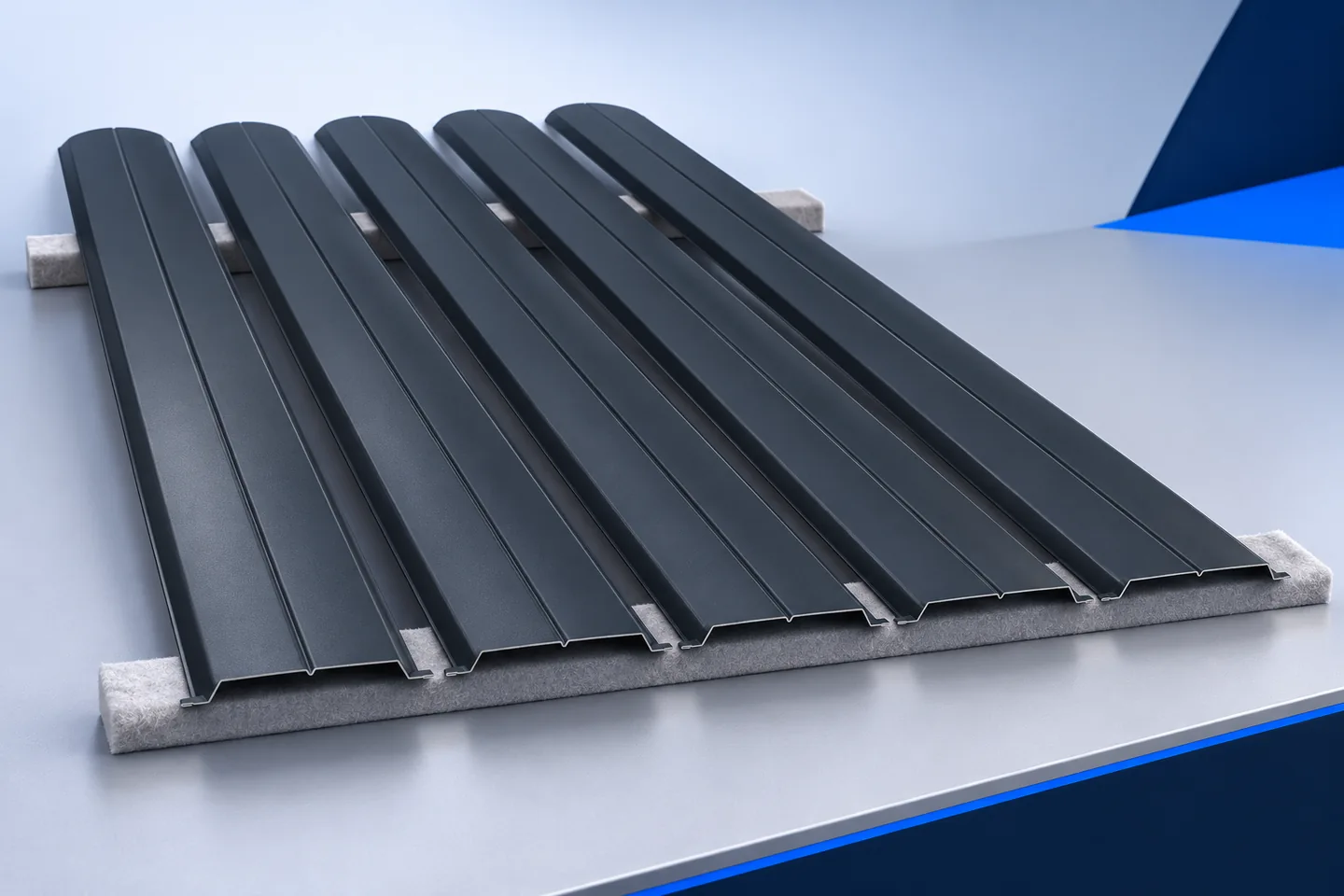
Square ends need a defined level or planned gradient. Rounded tops still require set heights; their curved outlines will not conceal arbitrary variations. For an arched top, specify the order of the different lengths.
Look at the transition from a fixed bay to the pedestrian gate. Different end types can be intentional but should be shown on the design. Check their effect at posts, corners and moving leaves as well.
Specify the exact variant and inspect the delivery
State the profile, length and end type. Label differing pieces separately. At delivery check end shapes and edge condition as well as colour; discrepancies are easier to settle before installation.
A small end detail repeats along the whole fence and can dominate its appearance. A real sample and a drawing let you check the outline, cap fit and exposed edges before committing to a complete batch.
Compare several rounded pickets side by side. Check the repeatability of the curve and its position relative to the profile centre line. A difference missed on one piece can be obvious across a bay. Inspect before unpacking the material for every section.

Free quote
What to include in your enquiry
Tell us how you plan to use the material, the dimensions and the quantity you need. Include the thickness, grade or variant name, along with the delivery town or your preferred collection branch. For a specific product, add its name or a link to the product page. We will reply to the email address you provide to discuss availability and the terms of your order.
More from the building guide
Vehicle and pedestrian gates can match the fence, but they do not behave like fixed bays. Each leaf opens and closes on…
Choose a metal picket fence panel as a combination of infill, rails, posts and fixings. Colour alone does not determine privacy or…
On a sound, correctly sized frame, start by checking the posts and rails: are they stable, straight, properly aligned and ready to…
A fence on sloping ground needs more than a single height dimension. Draw its upper and lower edges before ordering: stepped bays…
A staggered fence has pickets on both faces of the frame, with the second row offset to cover gaps in the first.…
Before laying metal fence slats horizontally, check that the manufacturer permits that orientation. Turning a vertical picket on its side changes its…
Inspect a finished metal picket fence from both sides against the agreed specification. Start with the profile, lengths, end shapes, colour and…

Assess metal pickets on a trial fence panel showing the gaps, both coated faces and access to fixings. Their benefits include manageable…