






Metal pickets for gates: why the infill is not the gate leaf
Metal fence pickets and fencing
Vehicle and pedestrian gates can match the fence, but they do not behave like fixed bays. Each leaf opens and closes on its own hardware. Metal pickets fill its frame; they do not replace it. For both new and refurbished gates, specify the dimensions and fixings separately and assess the effect on the whole assembly. The frame has to retain its shape for the leaf size, weight and support arrangement. Closely spaced pickets should not be counted as bracing unless the design explicitly assigns them that function.
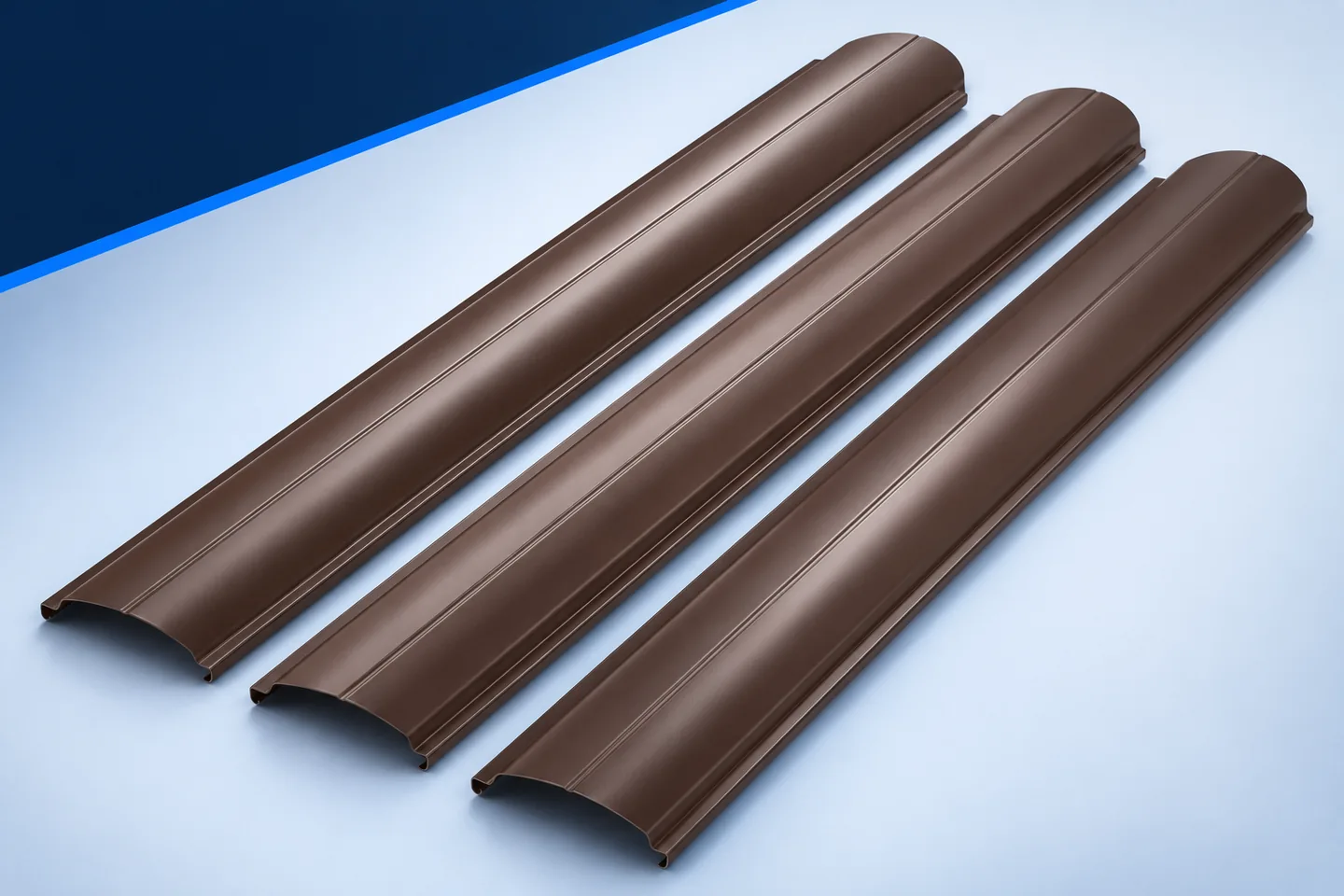
Start with the gate frame
On existing gates inspect welds, joints and surface condition. Investigate sagging or distortion before changing the infill. A fresh finish will not remedy the cause. Check the posts carrying the leaf loads too.
New infill changes more than appearance
Replacing an open pattern with close-spaced pickets can increase the area exposed to wind and change the leaf weight. Both affect the hinges, supports and operation. Checking that the pieces fit inside the frame is only part of the assessment.
For a powered gate, the person responsible for selecting and adjusting the operator should assess the complete assembly. Added screening can change operating conditions in wind; it is not a neutral addition to an existing drive.
Set out the pickets within the clear frame opening
Use the space actually available, allowing for frame members, brackets and fittings. Do not transfer a picket count per metre directly to a narrow pedestrian gate. Calculate its own gaps and margins.
Decide whether the spacing should appear continuous across the fixed bay and gate. Equal gaps and symmetrical margins may not both be possible. Resolve the compromise on the drawing: a thin unintended slit beside the lock will remain conspicuous.
Leave room for the hardware to operate
Check that pickets clear handles, locks, hinges and stops throughout the opening arc, not only when closed. Leave access for adjustment and servicing. Concealing hardware should not prevent its operation.
On sliding gates, inspect the clearances at supports and guides. A projecting screw end hidden from the front may obstruct travel or servicing. Check the full arrangement before adding projecting fasteners.

Match connections to the frame
Specify screws for the frame material and thickness, which may differ from a fixed bay’s rails. Verify the fastener’s permitted range and corrosion protection before choosing a head colour.
Place screws where the section provides suitable bearing. Do not pull a thin picket hard against an uneven frame. Correct the frame before fitting the infill; spark-producing work close to factory paint can damage it.
Look at the reverse face with the gate open
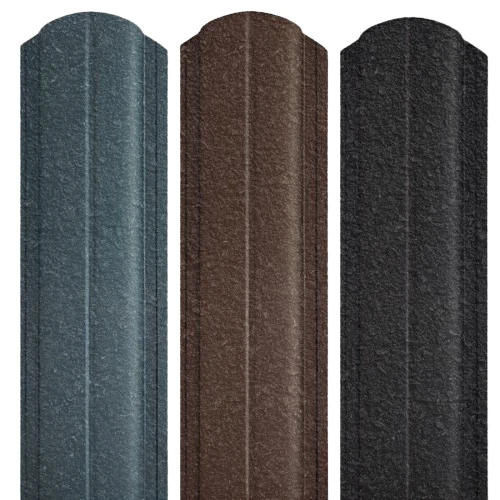
A pedestrian gate shows both faces during use. A single-sided decorative finish can look different from a photograph of a closed entrance. Check the reverse colour and coating as well as the visible frame and fasteners.
Decoration on both sides can give a consistent appearance without concealing the entire frame. Try the actual profile against a length of frame to approve the joint detail before assembling the full leaf.
Test operation at handover
After installing the infill, check movement, specified clearances and the absence of collisions. A level row of picket tops alone says nothing about how a gate works. Check the pedestrian and vehicle gates as complete assemblies.
If operation changes, identify the cause. Trimming a picket or moving a fitting at random may hide only the symptom. Agree alterations to powered gates with the installer responsible for correct operation.
Coordinate appearance without simplifying the design
A common colour and profile can tie the gate, pedestrian entrance and fence together. Each still needs its own technical specification. Keeping the elements separate also clarifies pricing and later service work.
Metal pickets can serve as infill on moving leaves if the complete design provides for them. Specify geometry, weight, coatings and fixings in the order so that appearance and convenient operation are considered together.
Record any infill replacement in the gate documents, including finishes and fastener types. A photograph of the closed leaf does not show all the information a service technician will need to assess the working configuration.

Free quote
What to include in your enquiry
Tell us how you plan to use the material, the dimensions and the quantity you need. Include the thickness, grade or variant name, along with the delivery town or your preferred collection branch. For a specific product, add its name or a link to the product page. We will reply to the email address you provide to discuss availability and the terms of your order.
More from the building guide
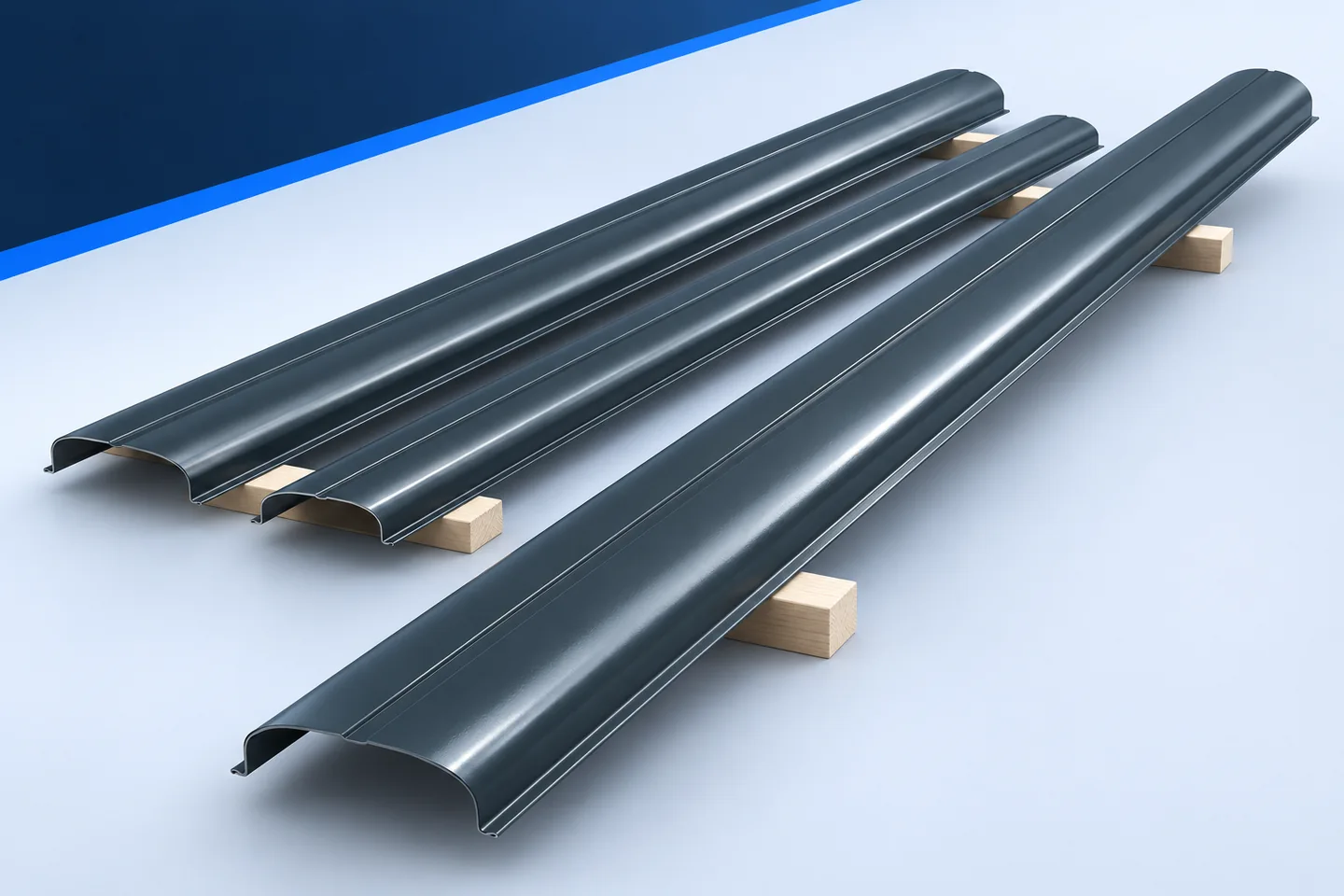
A fence on sloping ground needs more than a single height dimension. Draw its upper and lower edges before ordering: stepped bays…
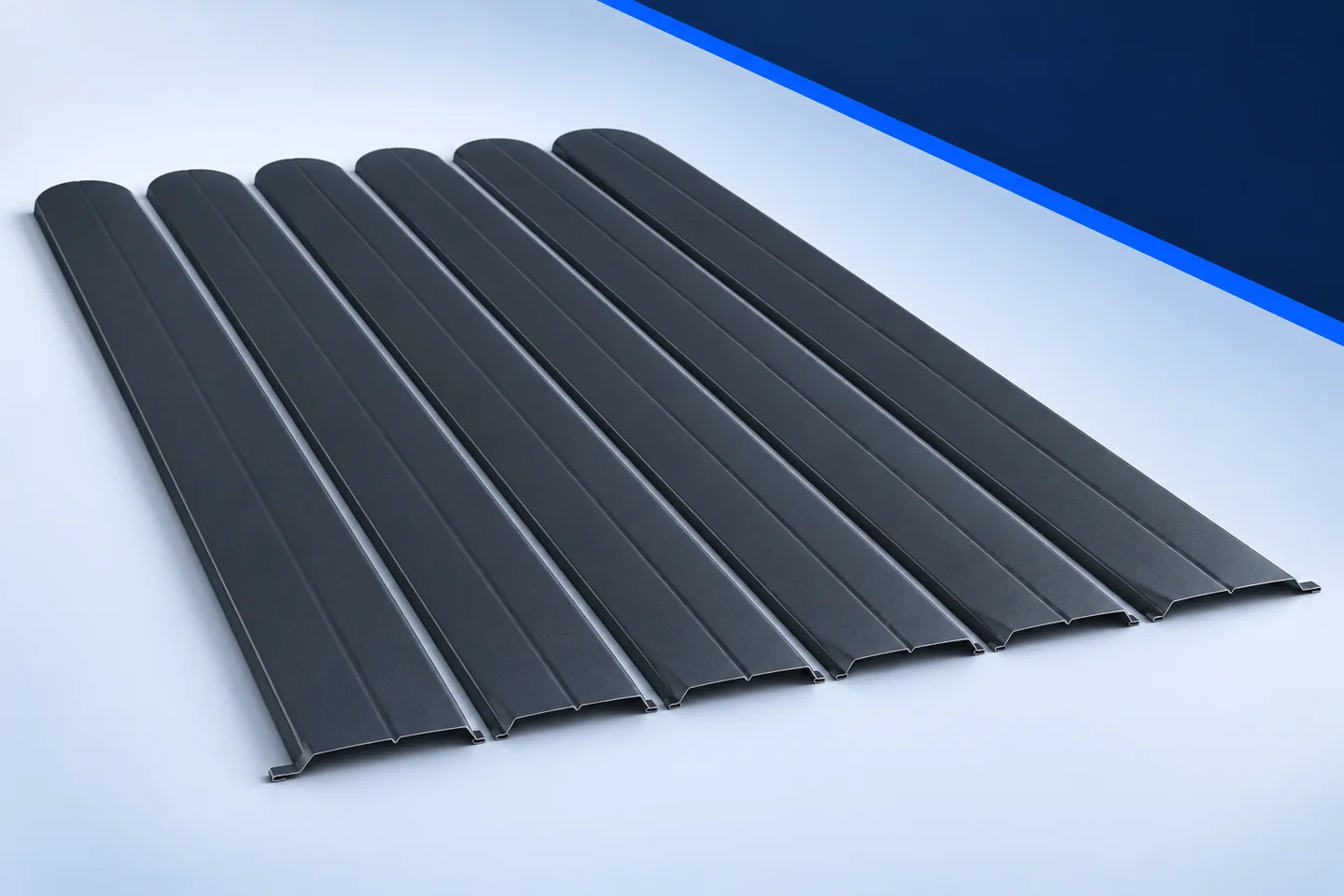
On a sound, correctly sized frame, start by checking the posts and rails: are they stable, straight, properly aligned and ready to…
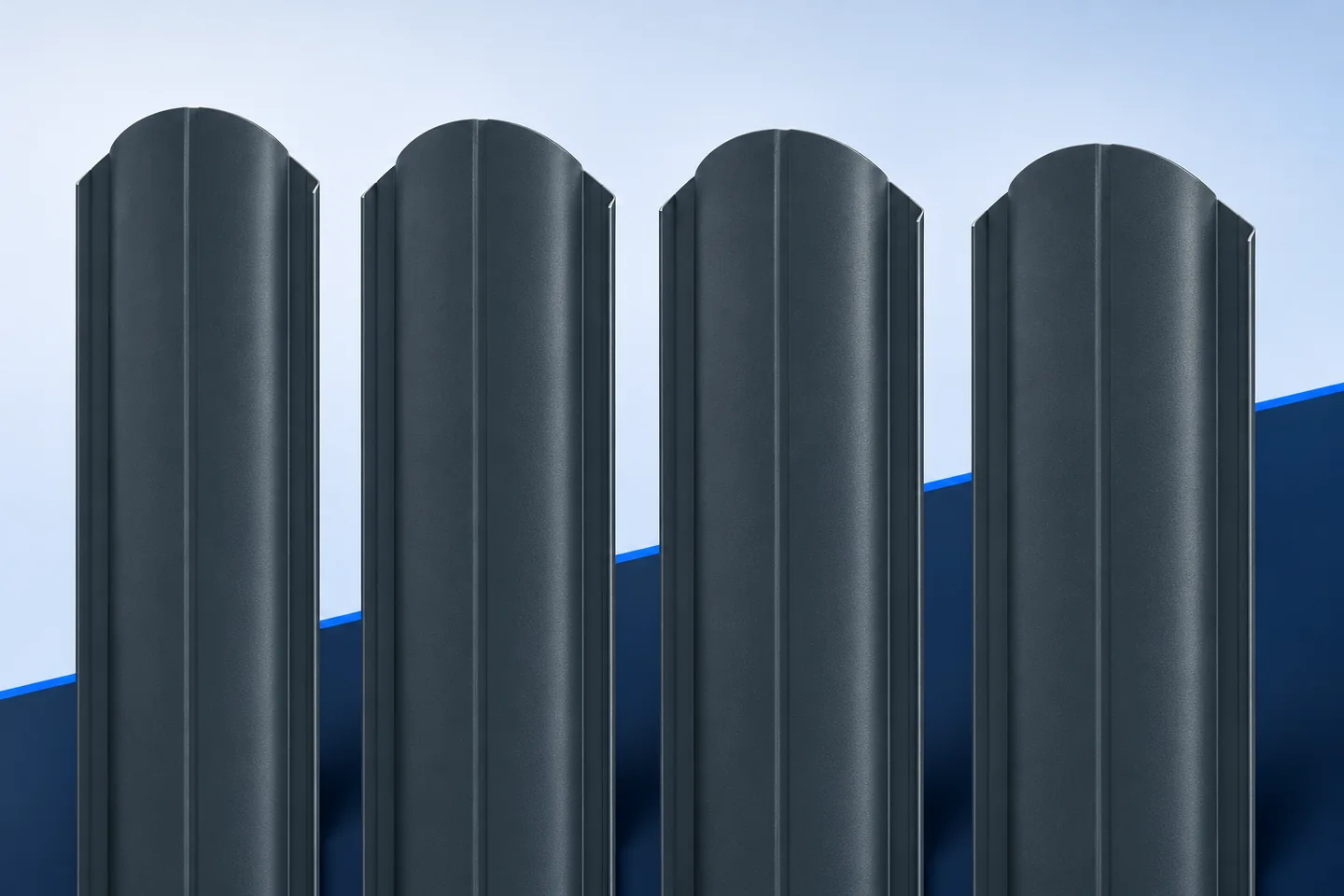
Set out the entire bay before fastening the first metal picket. Measure the clear infill width, choose the margins at both posts…
Replacing the infill can change the appearance of a fence without rebuilding it from scratch, provided the existing supports are suitable. Metal…
To calculate how many vertical metal pickets fit in a single row, allow for the clear gaps and both end margins as…

The pickets give a fence its appearance, but the frame carries the loads. Force travels from each metal picket through its fasteners…
Uneven gaps, rust-coloured spots and a loose picket can have quite different causes. Before tightening, grinding or straightening anything, examine the layout,…

Assess metal pickets on a trial fence panel showing the gaps, both coated faces and access to fixings. Their benefits include manageable…