Metal picket fence handover: what to check before installation is signed off
Metal fence pickets and fencing
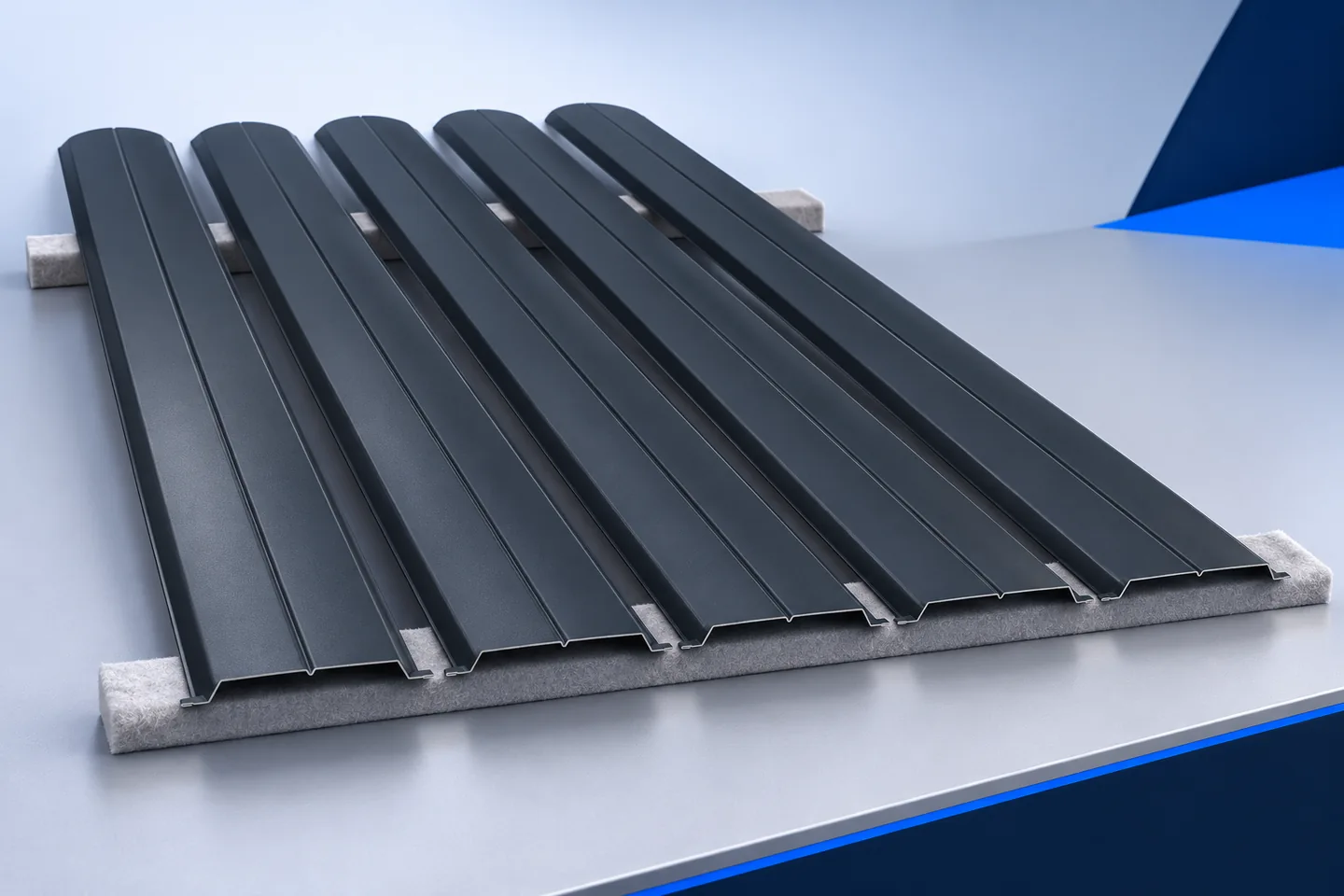
Inspect a finished metal picket fence from both sides against the agreed specification. Start with the profile, lengths, end shapes, colour and finish on each face. A single-sided decorative coating can look identical to a double-sided product from the street. Keep the batch identifiers. Then check alignment, gaps, connections and the condition of the coating, including surfaces hidden from the usual viewpoint. A drawing and an approved sample give both parties a better basis for handover than an overall impression of the fence.
Check that the correct materials are in place
Where different sections have different specifications, verify their positions. A special piece for a pedestrian gate can be mistaken for one intended for a side fence. Resolve such substitutions before sign-off rather than changing the paperwork to match an unintended layout.
Inspect the geometry of the whole run
Follow the top line and its planned steps. Check that pickets are plumb, gaps consistent and margins at the posts correct. A cumulative setting-out error often shows most clearly at the ends of the bays.
A fence on a slope may deliberately change level. Compare it with the agreed line rather than expecting every run to be horizontal. View it close up and from its normal viewing distance to distinguish an individual detail from the overall composition.
Inspect the frame and its connections
Check accessible brackets and connections to the rails against the specified arrangement. Clarify missing hardware or unapproved substitutions. Similar-looking screws do not necessarily meet the same requirements.
Look for dents or distortion where a screw has pulled a thin profile into the rail. Loose fixings also need attention. Do not tighten every screw as hard as possible at handover: use a correction suited to the joint.
Examine the coating in suitable light
Remove construction dust and dirt that could mask scratches or alter the apparent colour. Examine the surface under lighting that shows damage without distracting reflections. Compare uncertain areas with the approved sample.
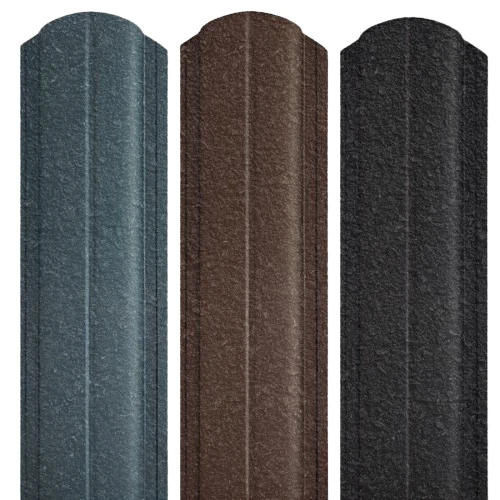
A coating may have an intentional texture. Do not mistake it for dirt or a defect. Conversely, a small paint crack at a fixing or a deep scratch still warrants assessment and an appropriate response.

Check for debris and temporary protection
Look for swarf, loose rivets and offcuts on pickets and rails, particularly in lower folds and behind a second row. Metal debris can rust later. Its removal is part of completing the installation.
Check protective film and temporary labels. Remove film at the time specified by the supplier; it is not an extra protective layer for the fence in service. Remove spacers and erection aids not included in the permanent design.
Test moving gates separately from fixed bays
Check the full travel of pedestrian and vehicle gates and look for collisions. Infill must clear the hardware and leave access for adjustment. Assess powered gates as complete assemblies in accordance with the installer’s and equipment manufacturer’s requirements.
Even picket tops do not establish that a leaf operates correctly. If it catches, identify the cause. Do not accept improvised cuts as the only response to poor geometry. Any alteration must remain compatible with the gate design.
Describe each observation precisely
Instead of writing “fix the fence”, identify the bay and position, describe what is visible and take a photograph. Separate removable dirt, coating damage and structural concerns; each calls for a different response.
Agree how corrections will be rechecked, especially where a surface will later be covered. A clear record identifies what was raised and preserves the installation history for future use.
Collect information for later maintenance
Keep care instructions, coating description and fastener type, along with the dimension schedule and identification of spare pickets. Record the product used for touch-ups and the locations treated. These details support future repairs.
A factory finish can give the fence its final appearance straight after installation. A careful handover helps preserve it by confirming conformity and resolving minor issues while access is still good. The owner then takes over a checked installation.
Inspect the first finished bay together before completing the whole run. This confirms the intended rhythm and details and reduces the risk of repeating a misunderstanding. The final inspection of the complete fence is still necessary.

Free quote
What to include in your enquiry
Tell us how you plan to use the material, the dimensions and the quantity you need. Include the thickness, grade or variant name, along with the delivery town or your preferred collection branch. For a specific product, add its name or a link to the product page. We will reply to the email address you provide to discuss availability and the terms of your order.
More from the building guide
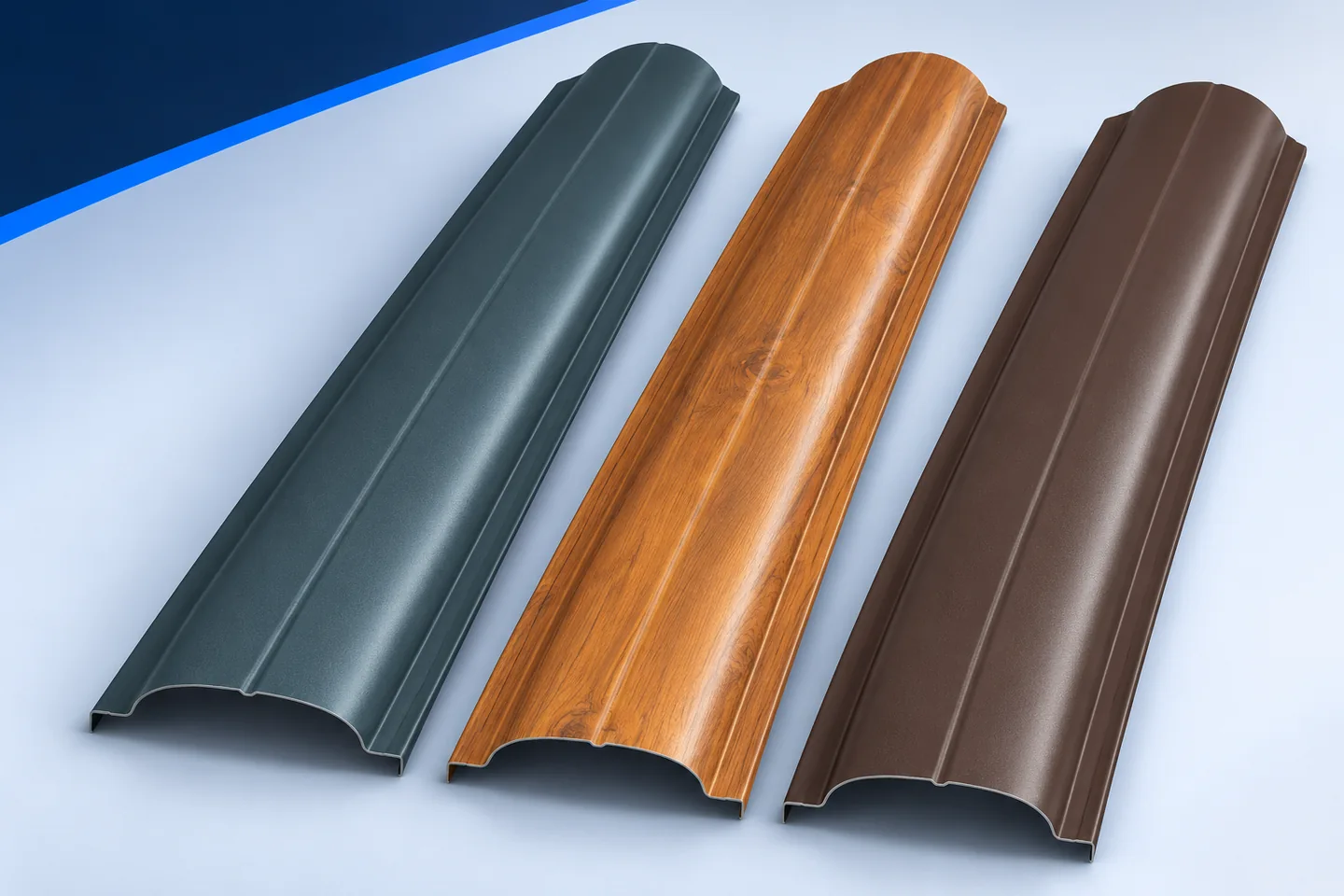
Before laying metal fence slats horizontally, check that the manufacturer permits that orientation. Turning a vertical picket on its side changes its…
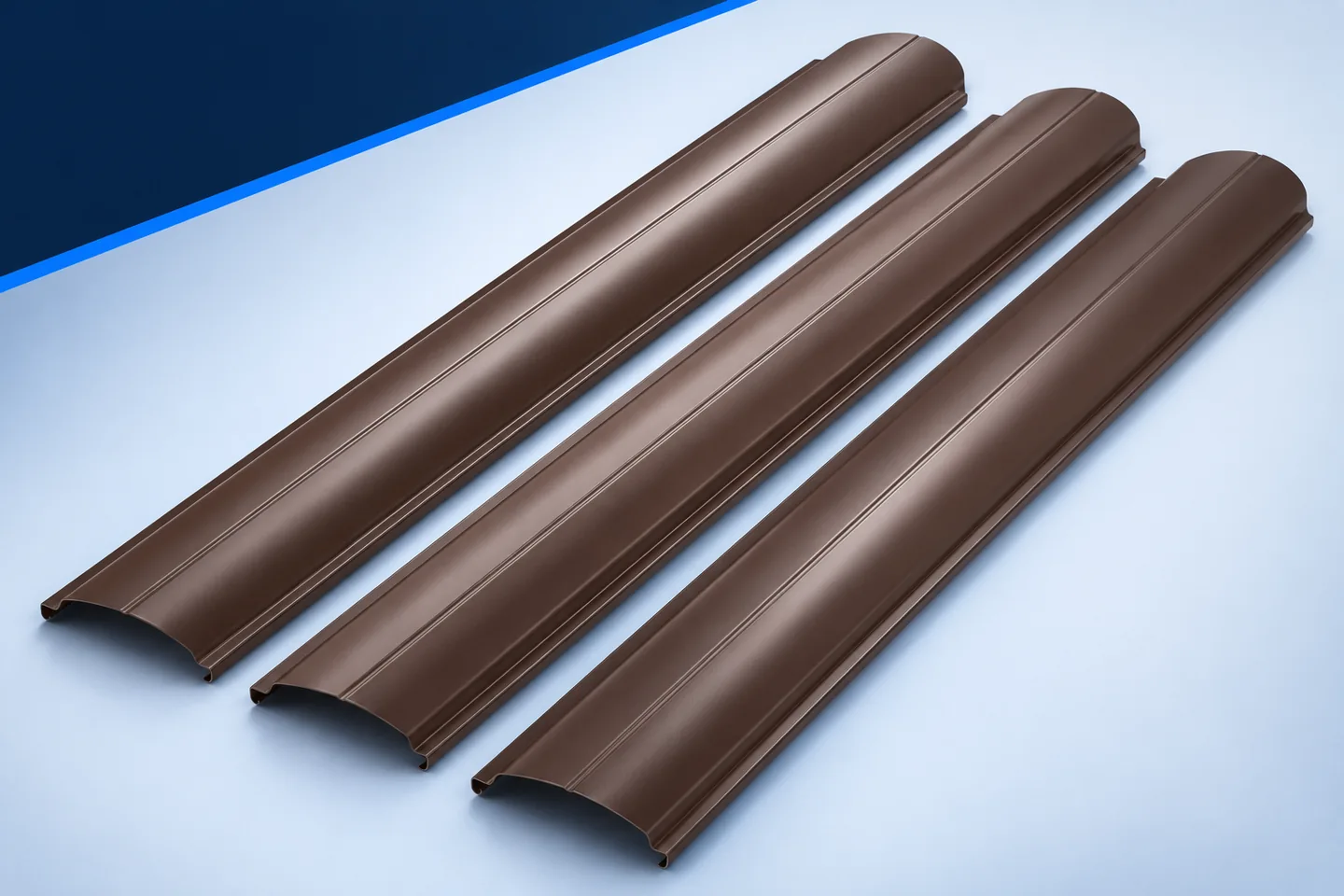
Vehicle and pedestrian gates can match the fence, but they do not behave like fixed bays. Each leaf opens and closes on…

The pickets give a fence its appearance, but the frame carries the loads. Force travels from each metal picket through its fasteners…
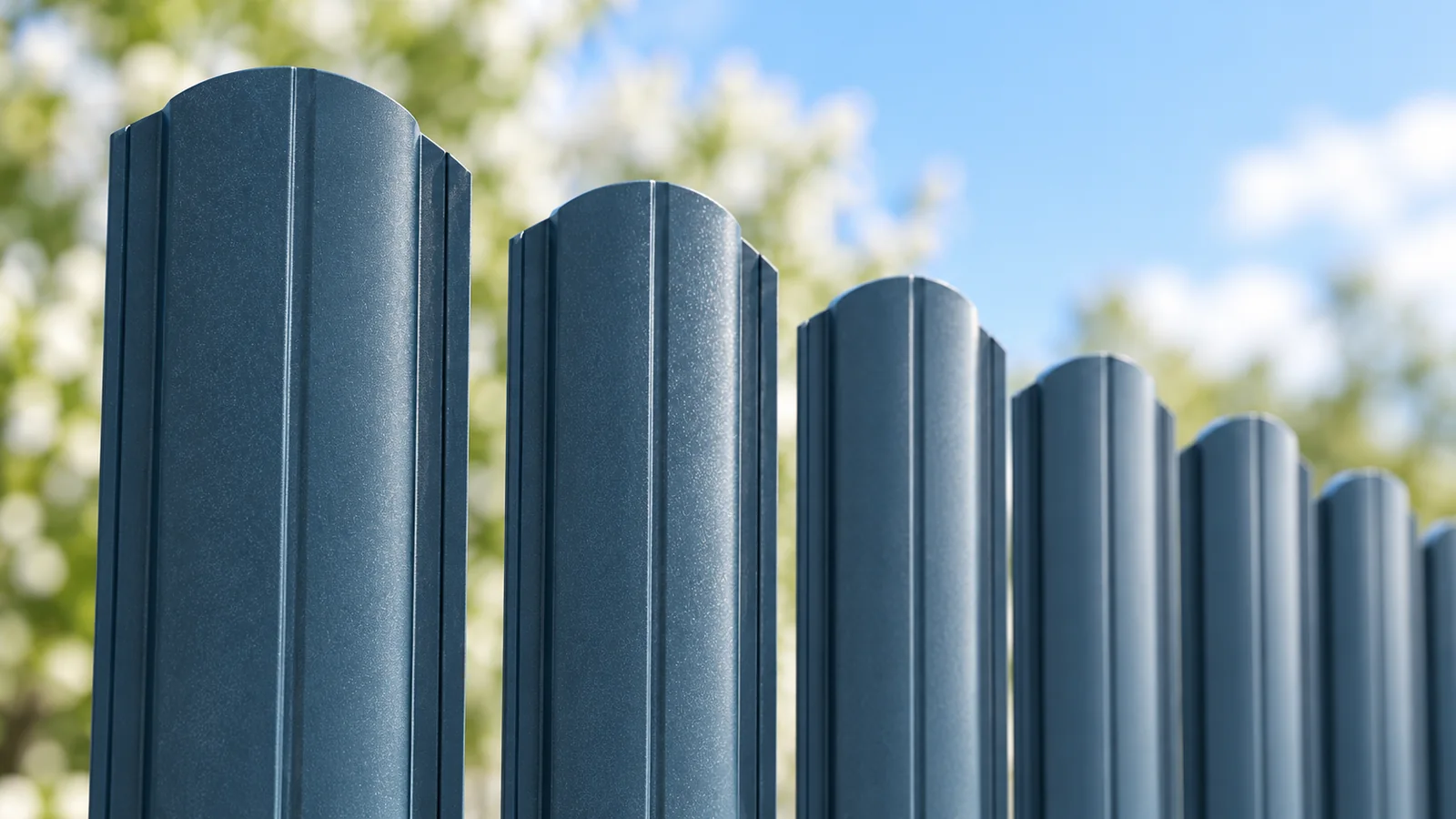
Choose a metal picket fence panel as a combination of infill, rails, posts and fixings. Colour alone does not determine privacy or…

A matching screw head makes a neat finish, but colour tells you nothing about whether the fixing will hold. Start with the…
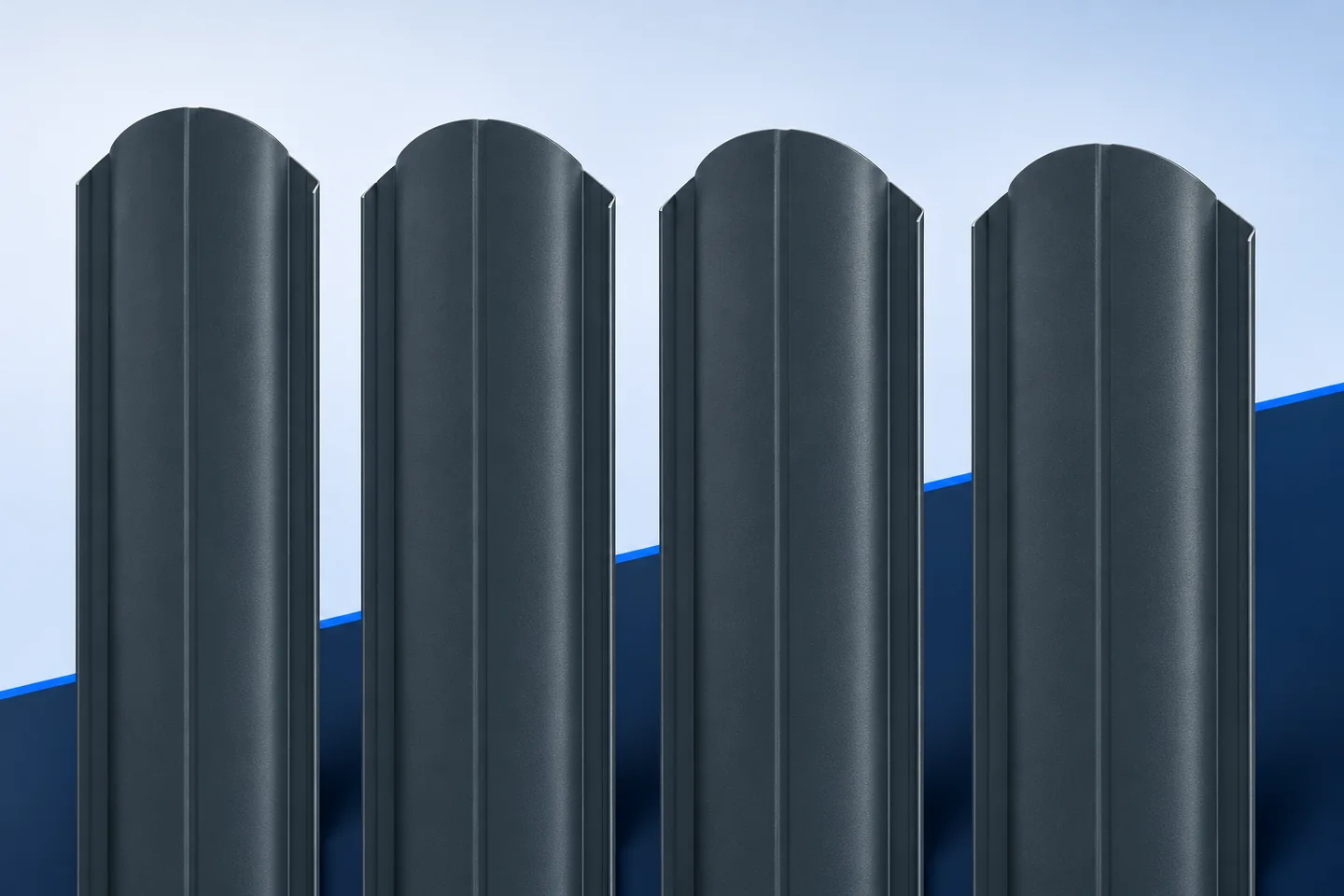
Set out the entire bay before fastening the first metal picket. Measure the clear infill width, choose the margins at both posts…

Square-cut and rounded tops create different fence lines, but the end detail involves more than choosing a shape. Inspect the side folds,…
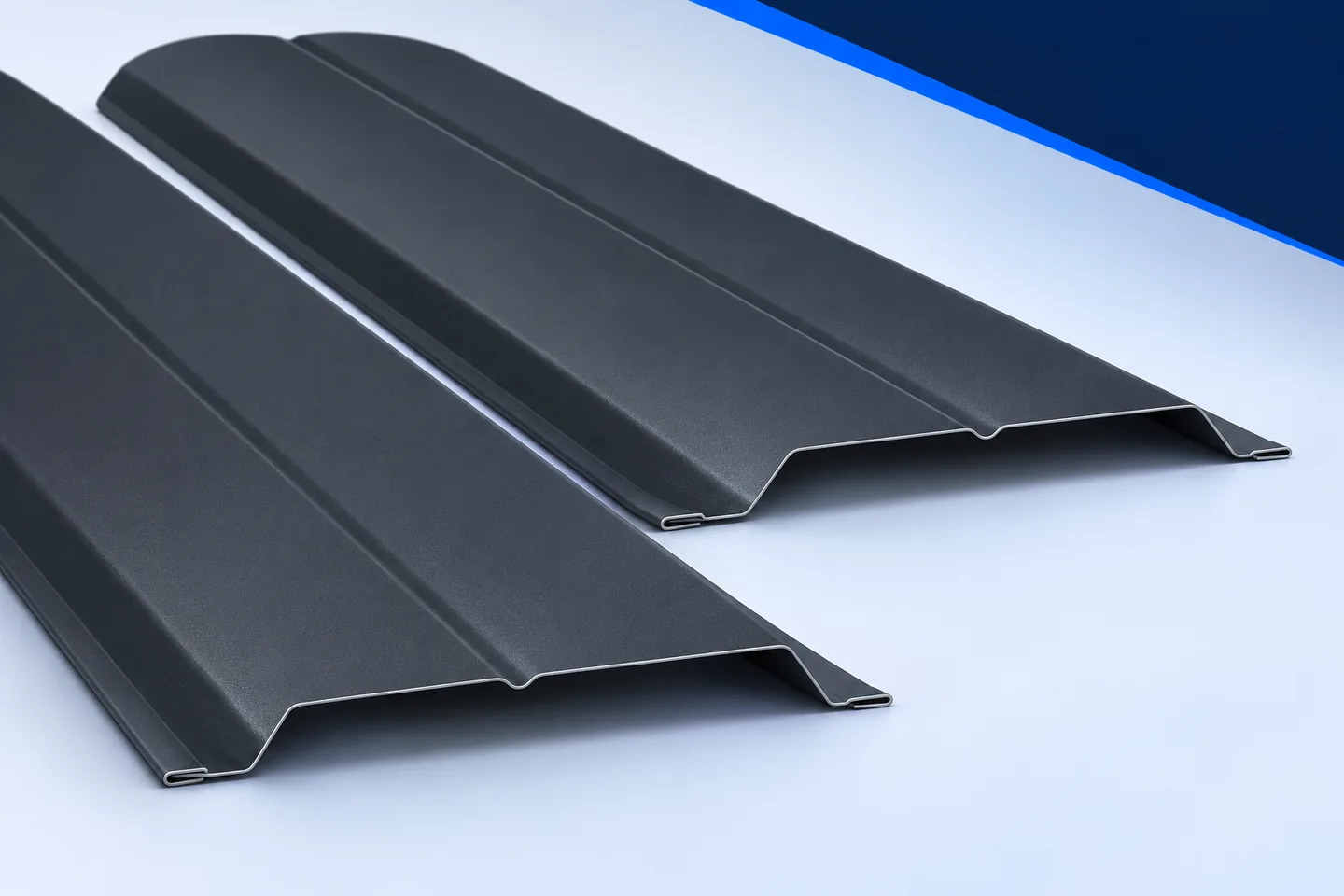
A staggered fence has pickets on both faces of the frame, with the second row offset to cover gaps in the first.…