






PIR or XPS insulation: where does the difference matter in a house?
PIR insulation
“PIR saves space” and “XPS resists water” are starting points, not specifications. Describe where the insulation will sit, what supports it and how moisture and loads reach it. At a low threshold a board with lower thermal conductivity may leave more room for the screed and finish. Compare the thicknesses needed for the same thermal resistance, then check whether each exact product suits the load, support and water exposure. A board approved beneath a screed is not necessarily suitable beside a foundation. Look at the details of both installations before ordering one material for both.
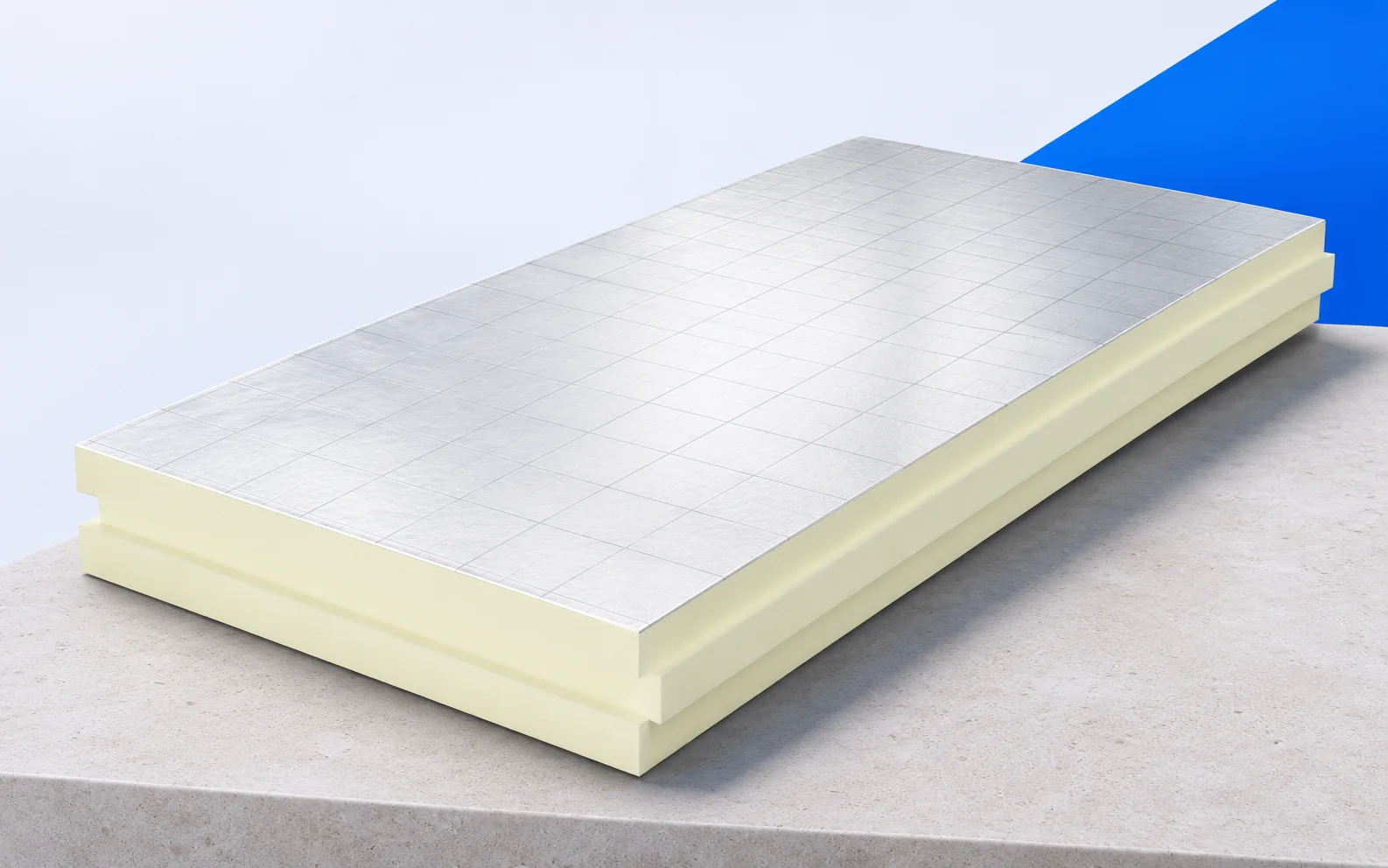
Where PIR can save space
Equal thicknesses do not give equal thermal resistance if conductivity differs. Compare specific boards and include the load-distributing layer and finish when measuring the available floor depth. Insulation must share the space below finished floor level.
Water exposure matters more than core colour
Even suitable insulation needs the drainage and waterproofing provided for by the design. Do not rely on the assembly storing water as a normal operating condition. Insulation cannot repair a leaking junction.
For work near the ground, “foundation” is too vague. Specify the likely exposure and which side of the waterproofing the insulation occupies. Ask for documented suitability for this application for both PIR and XPS; a similar-looking core or a family name proves little.
Compressive stress and creep answer different questions
If heavy equipment will stand on the floor for years, ask the designer to assess deformation over time. CS(10) reports a short-term test at 10% deformation, not a permissible permanent pressure. A long-term assessment requires relevant creep data and the actual load distribution.
Standing on a loose board does not simulate long-term furniture loads or their distribution through screed. Board rigidity and one large number on the label do not establish the floor’s load capacity. Have the designer assess the complete floor.
Why a change of board may change the fixings
When XPS is proposed in place of PIR, sketch the interfaces with the waterproofing and the layer above. Identify the surface receiving adhesive, any separation layer and the effect on vapour resistance. Matching dimensions on a pallet do not establish that these interfaces will work on site.
Have the installer check adjacent layers when proposing a substitute. A different surface may require a different adhesive or fixing. Ask for the work sequence and accessories so your comparison covers installed systems rather than packs awaiting a suitable fixing method.
Matching the material to each part of the house
Where sound matters, assess the complete construction. A rigid thermal board is not automatically an impact sound layer. Different materials can perform different tasks, provided the floor still carries the required loads.
Floors, roofs and underground sections need not use the same insulator. Choose PIR where its properties solve the specific problem and a suitable XPS grade where its properties are needed. Detail their junctions so material changes do not leave uninsulated gaps.
Compare assemblies that do the same job
Ask for two estimates for the same threshold detail. List substrate preparation, cuts, separating layers and delivery alongside board quantities. If the thinner option preserves the existing threshold, identify the work avoided. A difference in millimetres is not by itself a cost saving.
Have each quote state the thermal result and the work included. Compare labour, protection and preparation, not just price per square metre of board. If one option raises the threshold or changes a flashing, the cost should be visible.
What to establish before ordering
A homeowner wants one board for the floor and the foundations. Assess each position separately: suitability beneath screed does not establish suitability in the ground. Define the exposure to moisture and the loads in each area first.
Record the exact installation position, available dimensions and moisture and loading conditions. PIR can save valuable space, but conductivity alone does not extend its intended use. Request product documentation and junction details for your section rather than a general ranking of PIR and XPS.

Free quote
What to include in your enquiry
Tell us how you plan to use the material, the dimensions and the quantity you need. Include the thickness, grade or variant name, along with the delivery town or your preferred collection branch. For a specific product, add its name or a link to the product page. We will reply to the email address you provide to discuss availability and the terms of your order.

More from the building guide
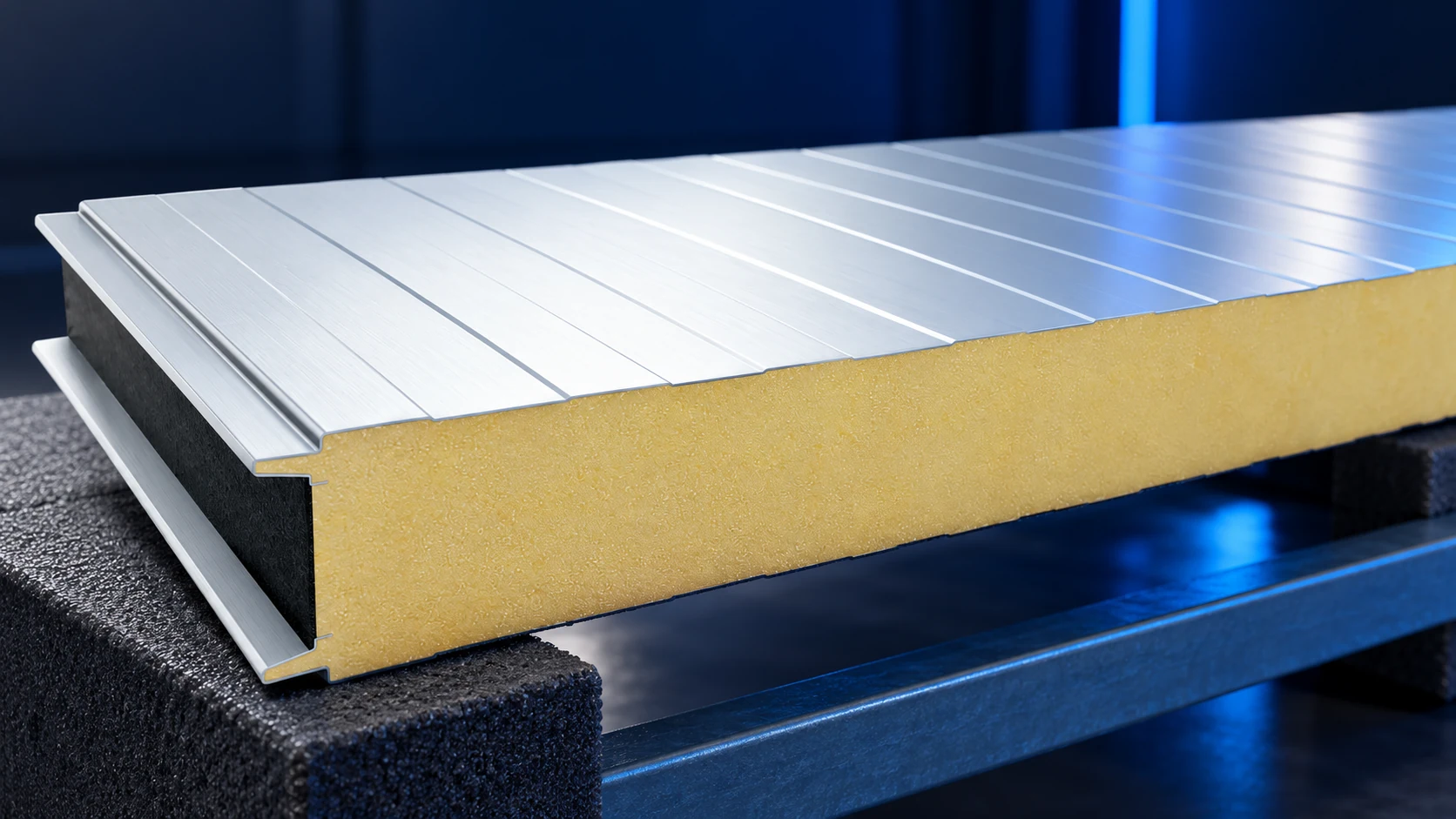
White 100 mm PIR wall panels can suit many projects, but an outlet batch must be assessed individually. Documentation, joint and facing…
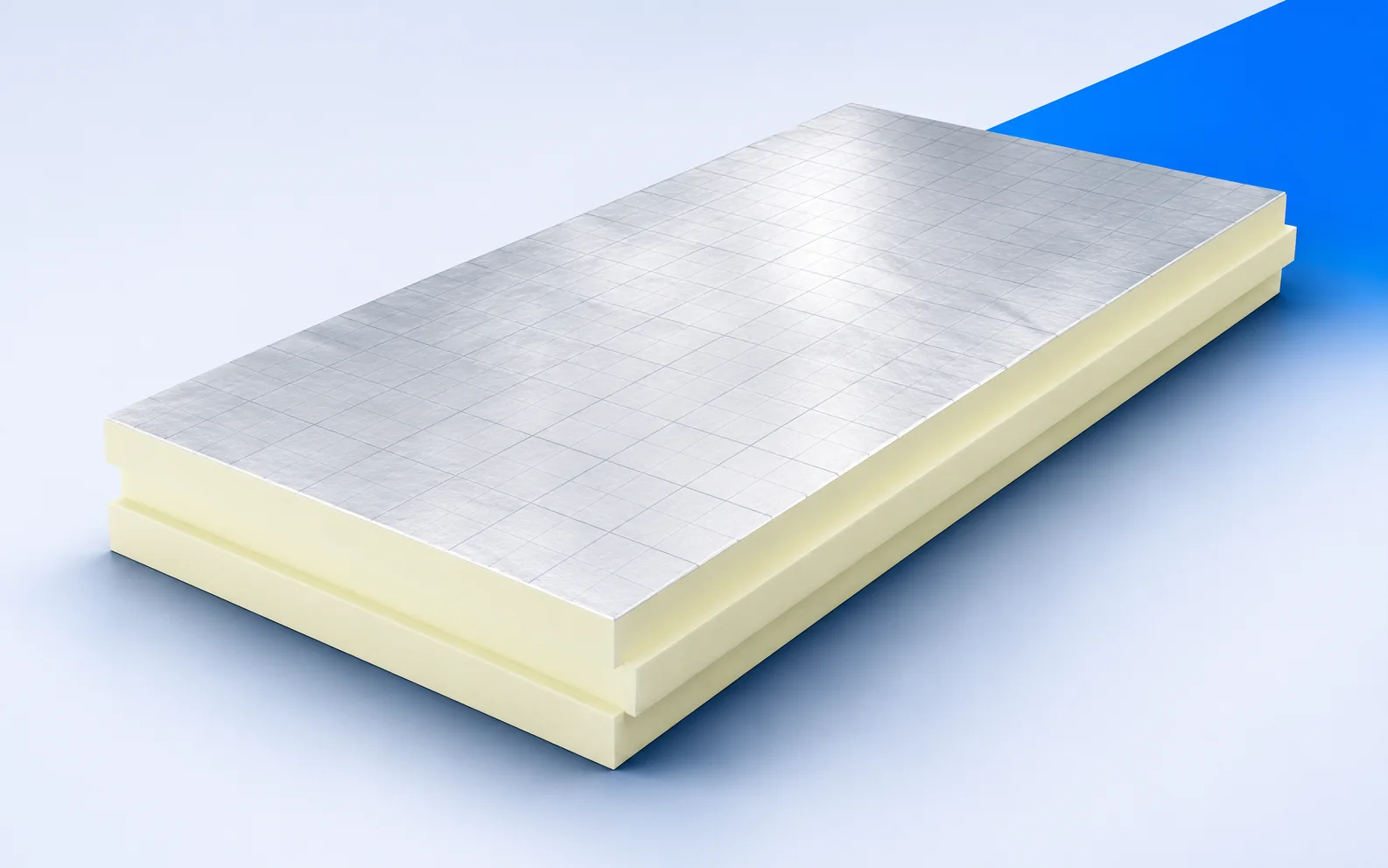
Start with the place you intend to insulate. Two boards with the same core colour may need different adhesives, suit different substrates…
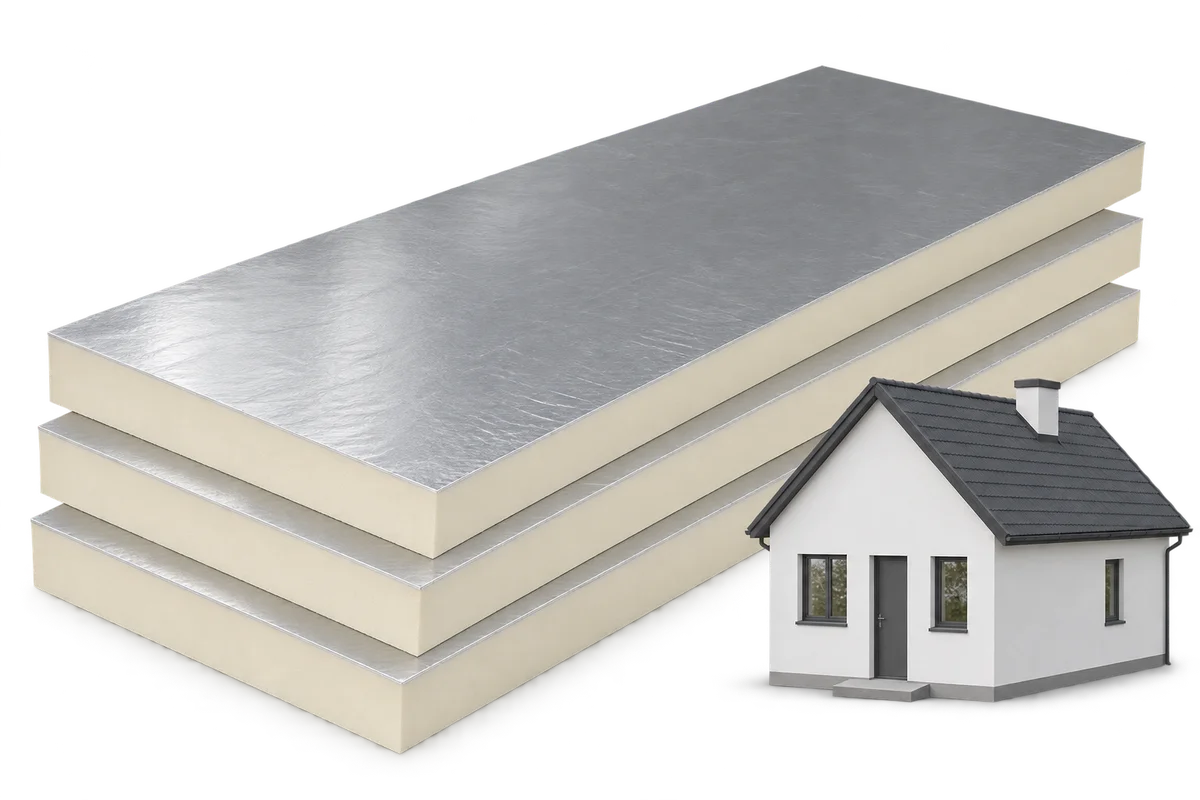
Planning PIR insulation should begin by identifying which rooms will belong to the heated part of the house. The roof, a ceiling…

Recticel Eurothane G combines PIR with gas-tight facings on both sides and a 12.5 mm plasterboard lining. In a flat renovation it…
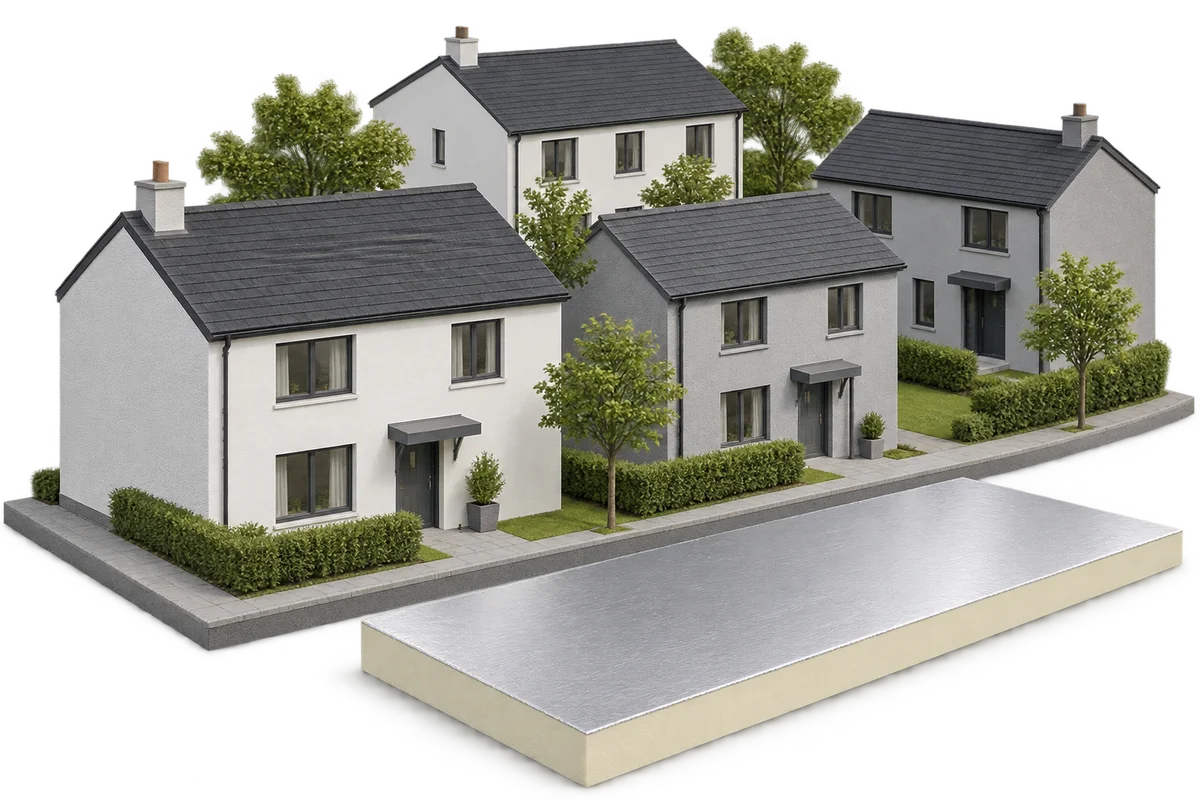
A neighbourhood retrofit plan should show which building comes first, what work it needs and how the result will be measured. For…
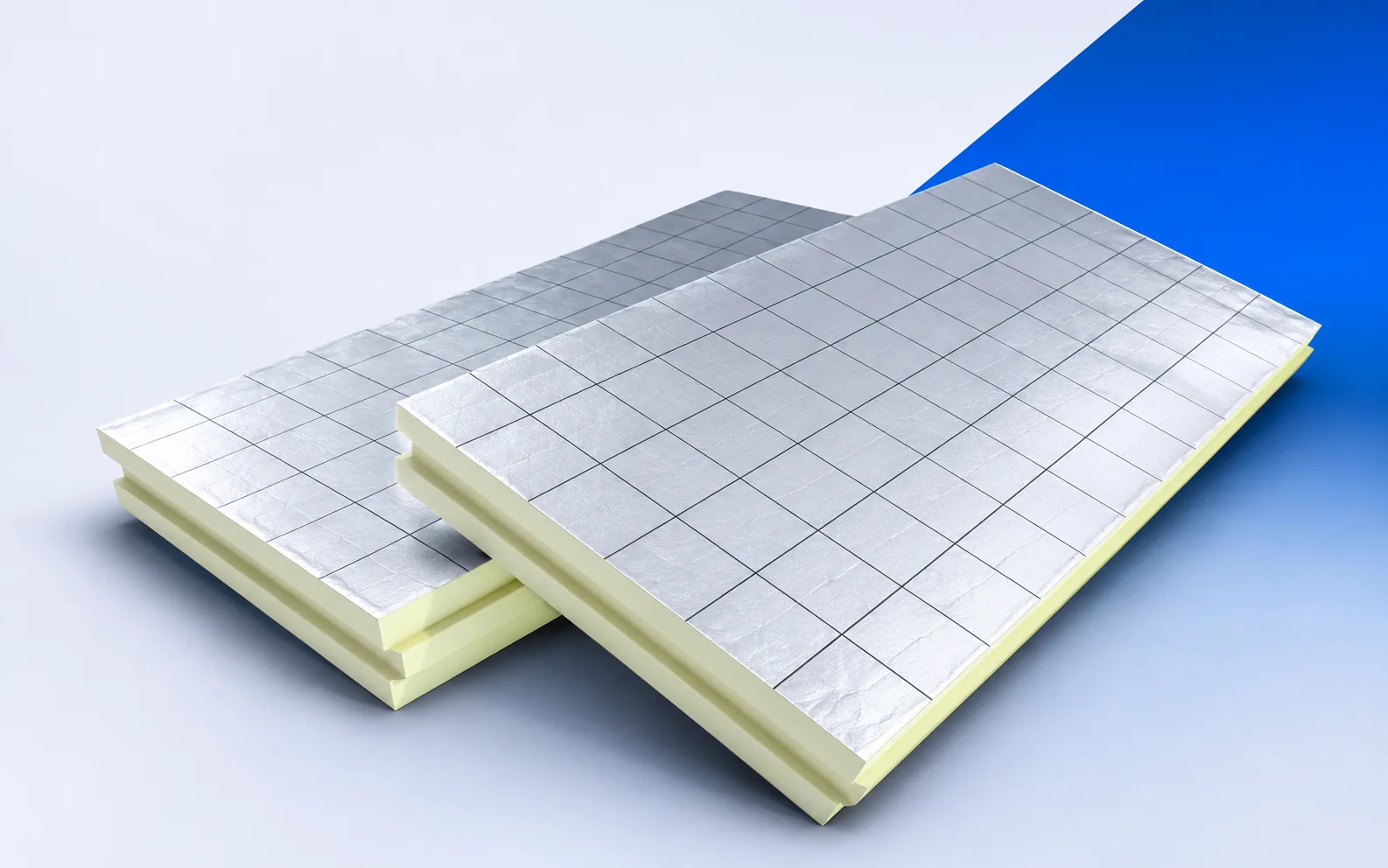
Before choosing a UNILIN wall board, mark its position on the section. Utherm Wall LE insulates a cavity wall. Wall K Gyp…
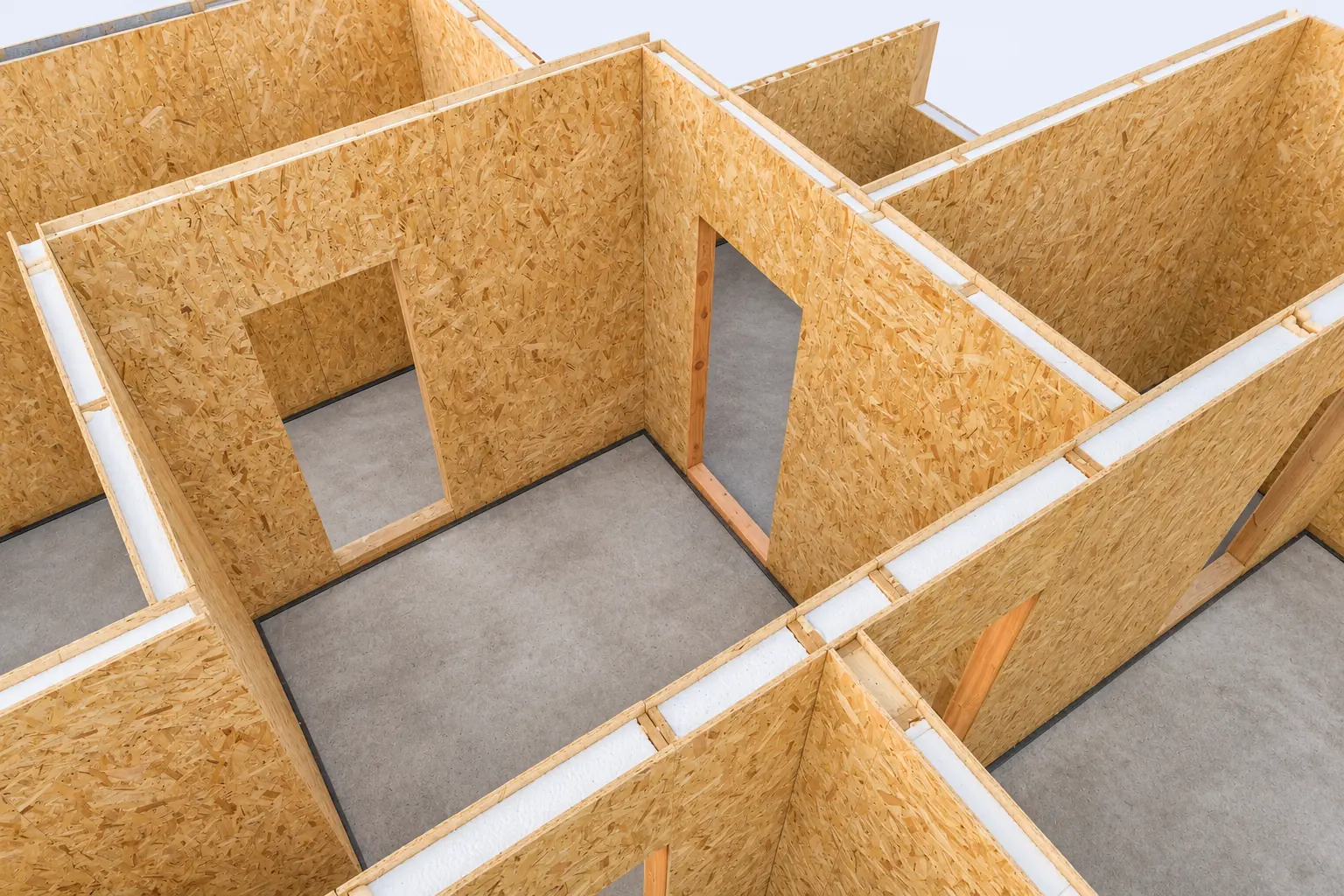
A SIP house kit may consist of uncut panels, numbered pieces machined to the design, or a supply-and-install package. Before comparing prices,…
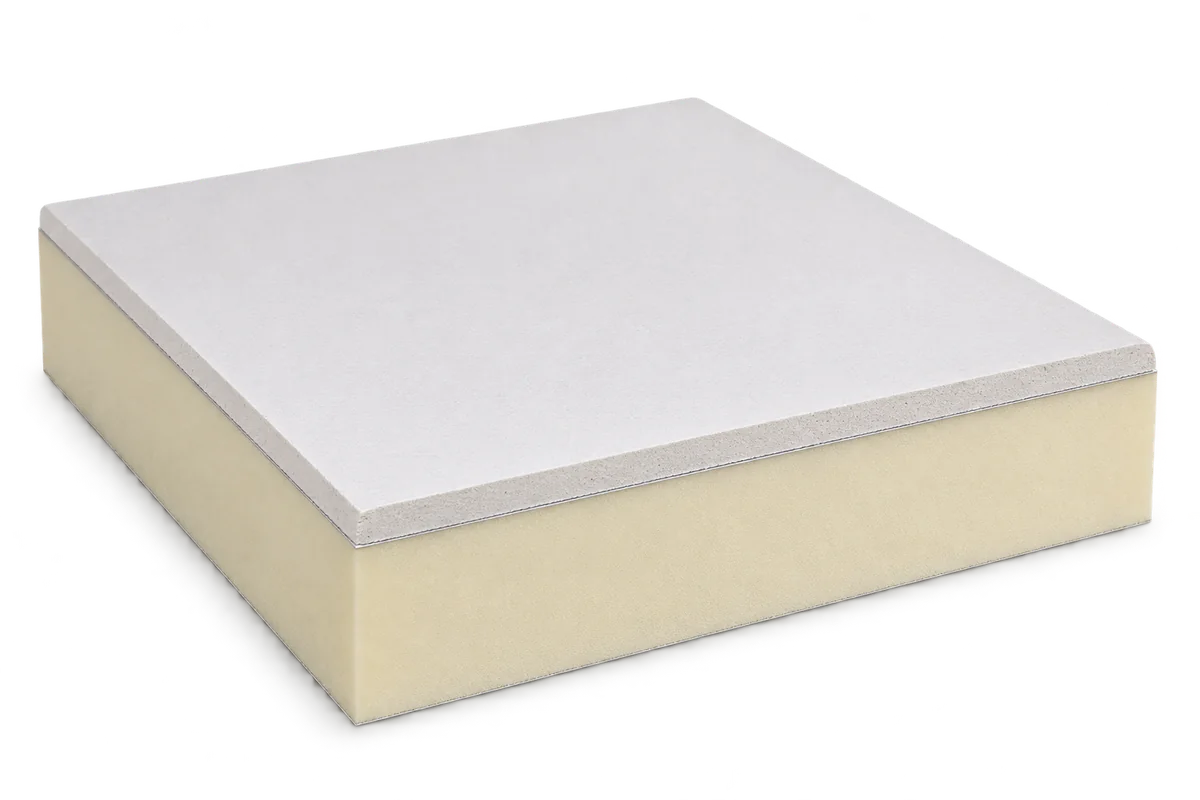
PIR insulated plasterboard combines thermal insulation with an internal wall lining in one product. Its suitability nevertheless depends on wall condition, thermal…