






How to check a wall before bonding EPS insulation
EPS and thermal insulation
Before bonding expanded polystyrene (EPS) insulation, check that the wall is sound, dry, clean and flat enough for the specified adhesive. Inspect the whole elevation, especially the plinth and the areas below window sills and around downpipes. Mark cracks, water stains, hollow-sounding render and previous repairs. On an old coating, a bond test can help establish whether the paint, render or adhesive interface gives way. Take both close-up photographs and wider views of defects and repairs before covering the wall.
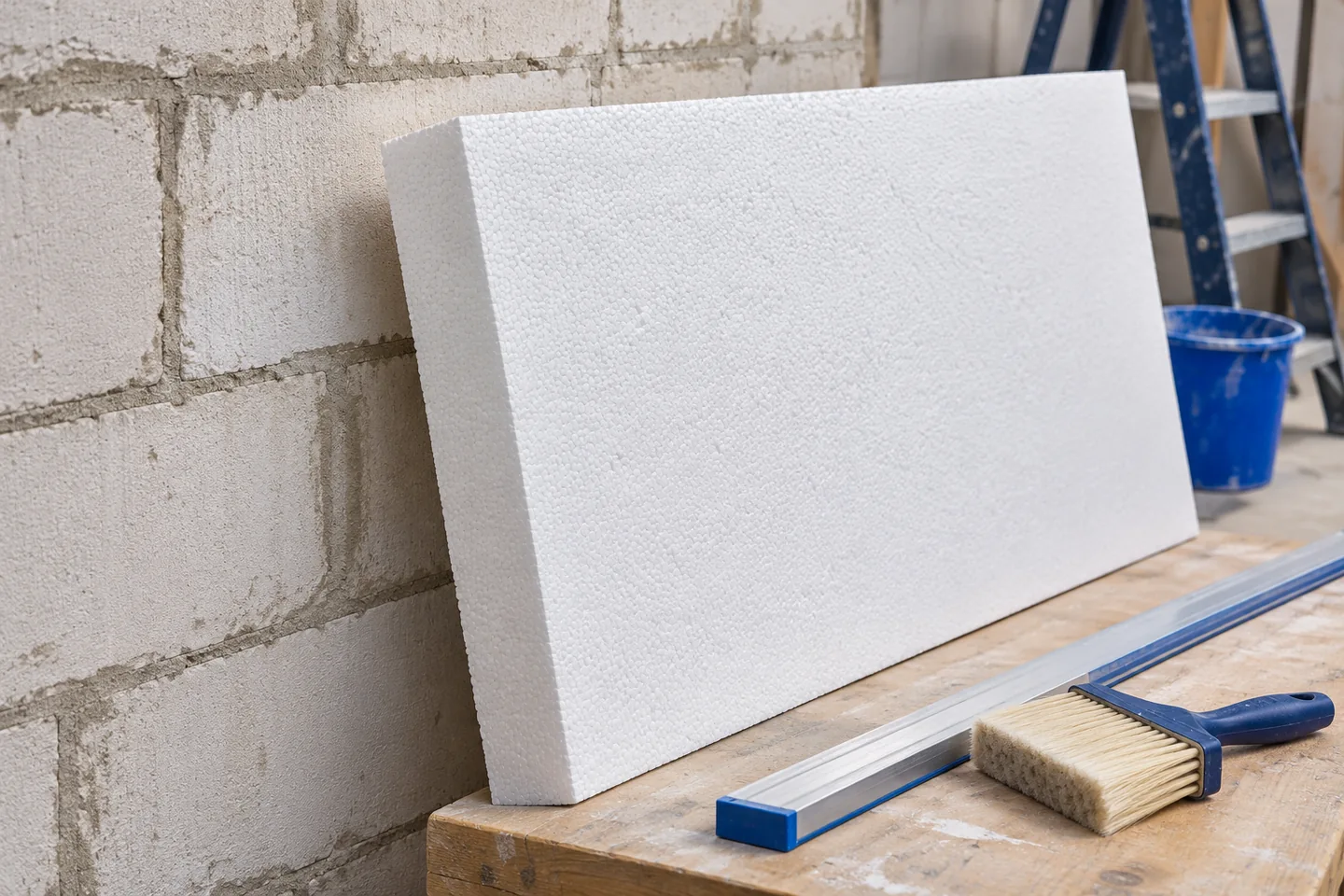
What should you inspect before the scaffolding goes up?
Never cover an active leak with insulation. Water may be entering through damaged flashing, a leaking pipe or damp rising from the ground. Eliminate the cause and assess the masonry. Insulation changes the wall’s thermal behaviour but cannot repair a roof covering or replace damp-proofing. Have significant cracks assessed for structural damage before facade work begins.
How can you identify layers that will not hold adhesive?
Rub the wall with your hand or a dark cloth. Dust, chalking paint or loose grains call for closer investigation. Tapping can reveal detached render but does not establish its strength. A coating that looks intact may still peel away with the adhesive under a light load.
Strip weak layers back to a sound surface. Primer cannot reattach loose render to masonry, cover up grease or make biological growth a suitable base for bonding. Choose a cleaning method appropriate to the wall. After washing, check that the surface is dry and free from cleaning residues that might impair adhesion.
Why does wall flatness matter?
Use a straightedge in several directions. Measure deviations at corners, reveals and changes of material. Large steps make it difficult to align the boards and tempt installers to apply excessively thick dabs. The adhesive instructions determine the permitted bed thickness, regardless of the space available behind the board.
Fill major voids and level uneven areas with a suitable repair material before bonding. Allow it to cure for the specified time and inspect each repair before covering it. Mark the intended face of the finished facade as well: this helps you size window sills and plan the junction with the plinth.
When is a bond test useful?
A bond test is especially useful on old render and painted walls. Follow the procedure for the chosen system. It may call for small pieces of EPS to be bonded at representative points and pulled off after a specified period to examine where failure occurs. Paint coming away with a sample indicates a different problem from the EPS tearing internally.
One test on the best-preserved patch tells you little about the rest. A sunlit elevation can behave differently from a damp band at ground level. If a numerical result is needed, the designer can specify a suitable adhesion test. Record each location, the adhesive used, the date and the result to inform the repair decision.
Does every wall need a primer?
Whether to prime depends on the substrate, its absorbency and the adhesive requirements. A highly absorbent wall can draw water out of the mortar too quickly. Smooth concrete needs different preparation from a porous block. Select the primer from the system documentation; an arbitrary primer does not guarantee a sound bond to the existing coating.
Check air and wall temperatures, rain, wind and the risk of frost. Sunshine after overnight rain does not mean the wall has dried. The scaffolding and its protective sheeting must allow the whole operation to take place within the manufacturer’s conditions. Base the decision on site conditions, even if the work is already scheduled.
How should you sign off the prepared wall?
Before the boards arrive, confirm that weak coatings have been removed, voids repaired and sources of damp dealt with. Check that the adhesive suits the wall. Plan how services and heavy fittings will be attached. Unplanned drilling later can damage carefully made junctions and make penetrations difficult to seal.
Termo Organika, Austrotherm, Arbet and Yetico are among the manufacturers of EPS boards. Check the exact board against the documentation for the selected external thermal insulation composite system (ETICS).
Inspect the substrate separately from the finished facade. Once the wall is covered, cleaning quality and the extent of repairs are difficult to establish. A short dated record with photographs shows the condition in which bonding began, far more clearly than a recollection that the wall looked sound.

Free quote
What to include in your enquiry
Tell us how you plan to use the material, the dimensions and the quantity you need. Include the thickness, grade or variant name, along with the delivery town or your preferred collection branch. For a specific product, add its name or a link to the product page. We will reply to the email address you provide to discuss availability and the terms of your order.
More from the building guide
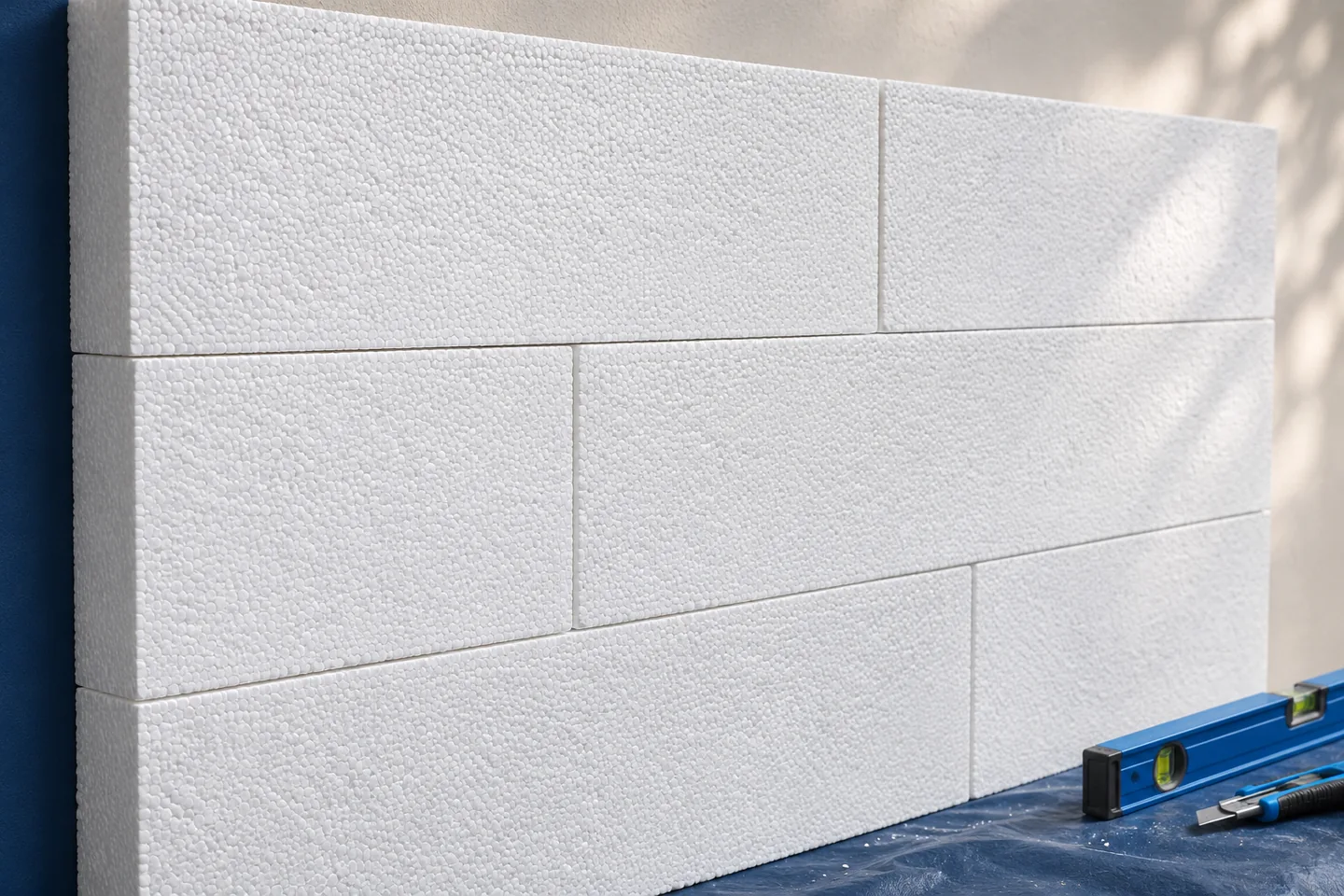
Stagger EPS facade boards so that vertical joints in successive courses do not form a continuous line. The insulation does not take…
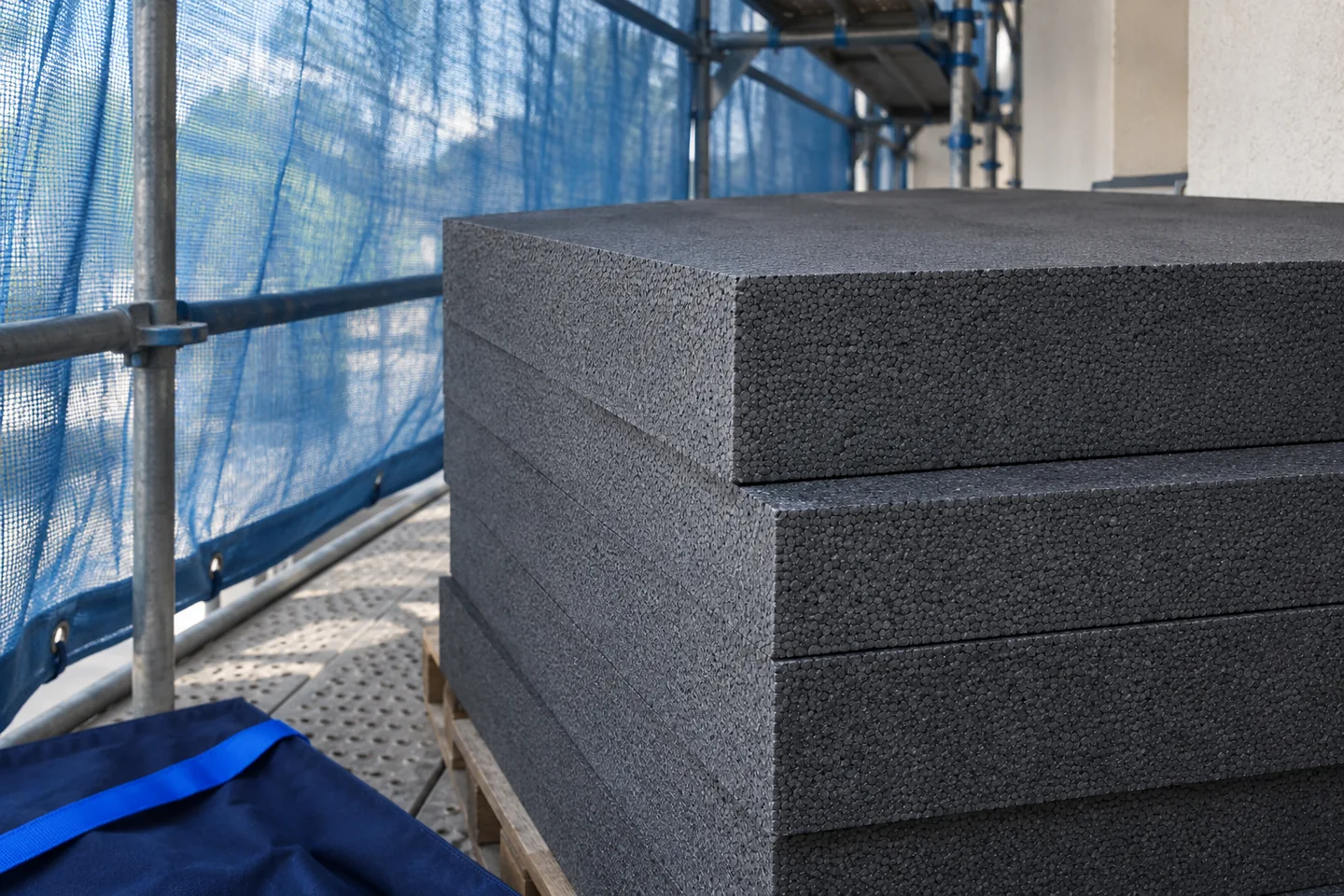
Protect graphite EPS from direct sunlight in storage, during bonding and while the adhesive sets. The dark surface absorbs more solar radiation…
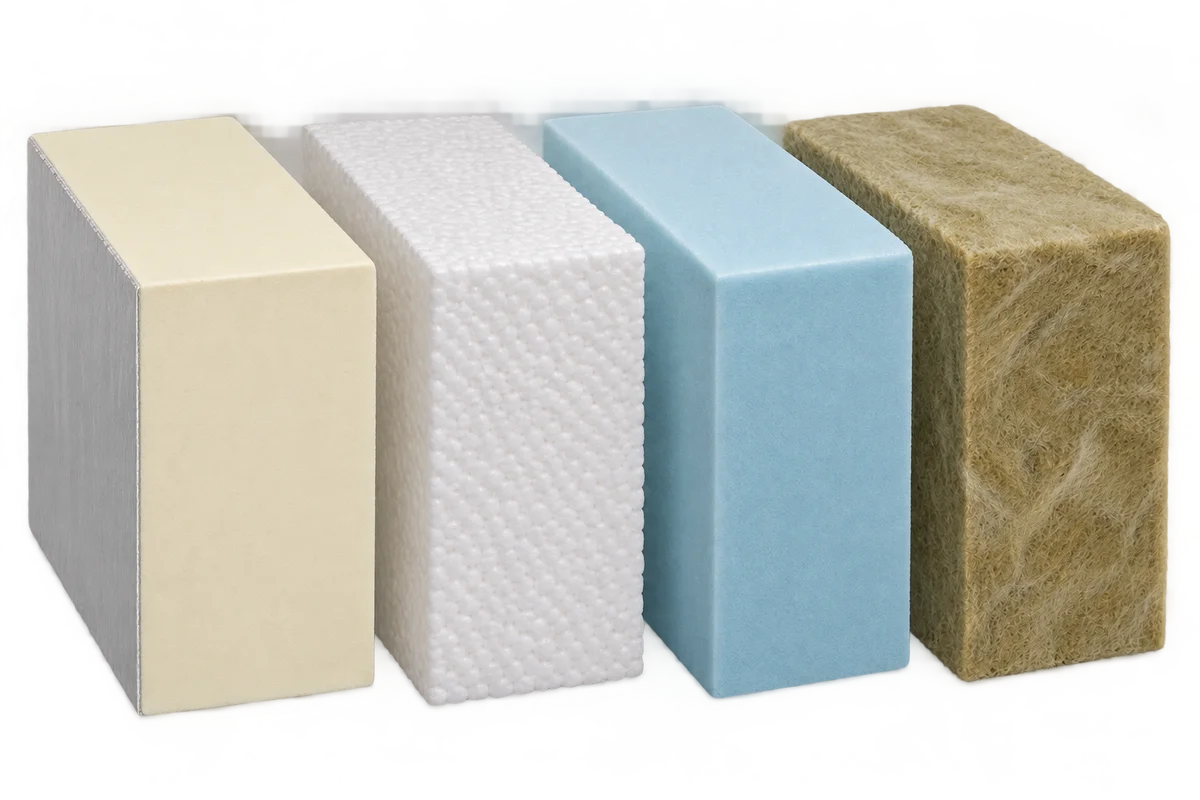
The combination of PIR with mineral wool, EPS or XPS should be assessed on the basis of the entire cross-section of the…
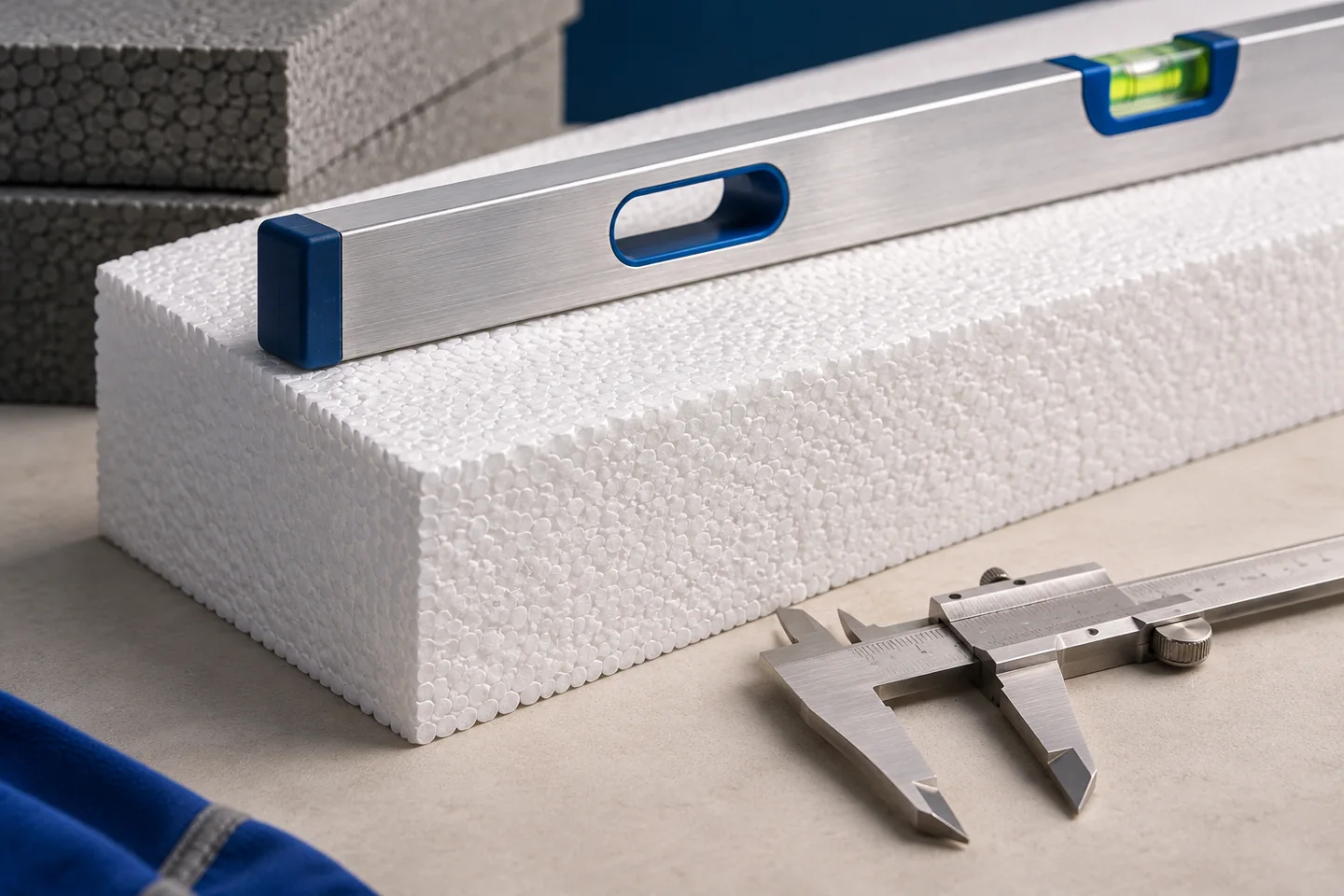
Inspect EPS insulation before each layer is covered. Compare the design and order with the board labels, checking application, thickness and properties…
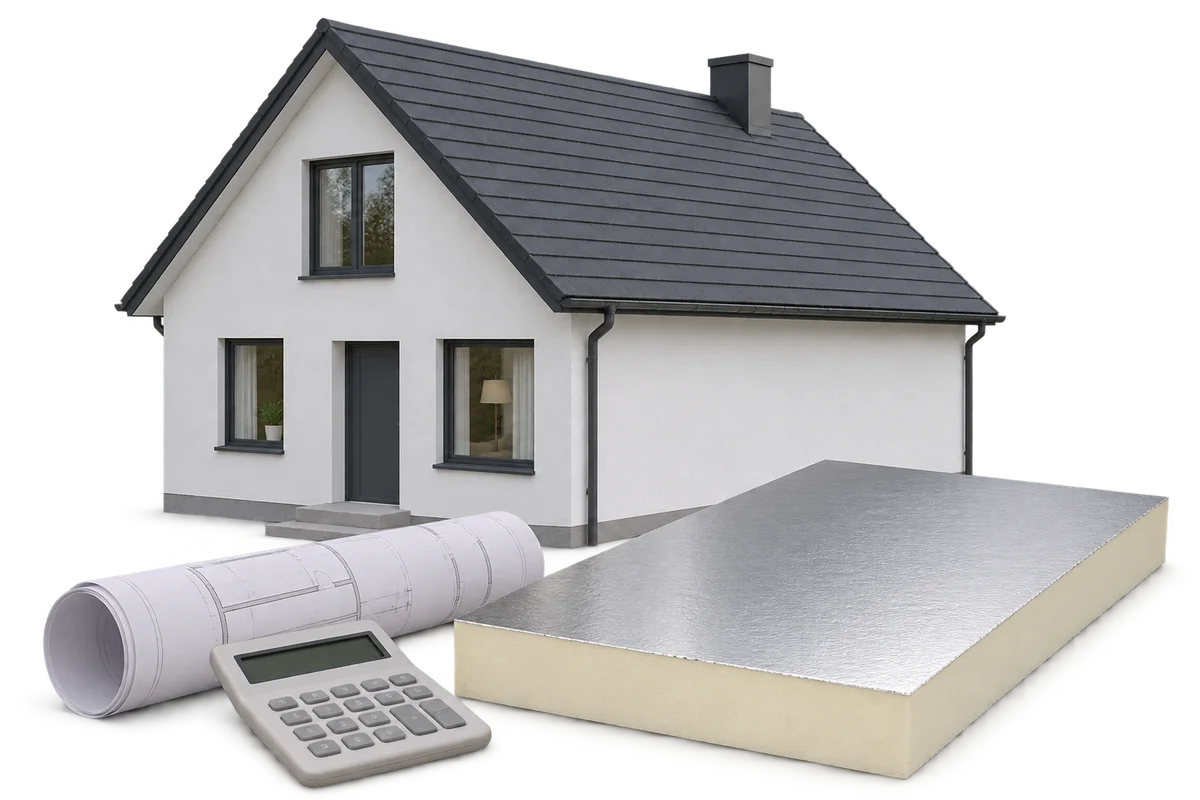
After insulating a home, check both energy consumption and the cost of purchasing it. A lower bill alone does not prove that…
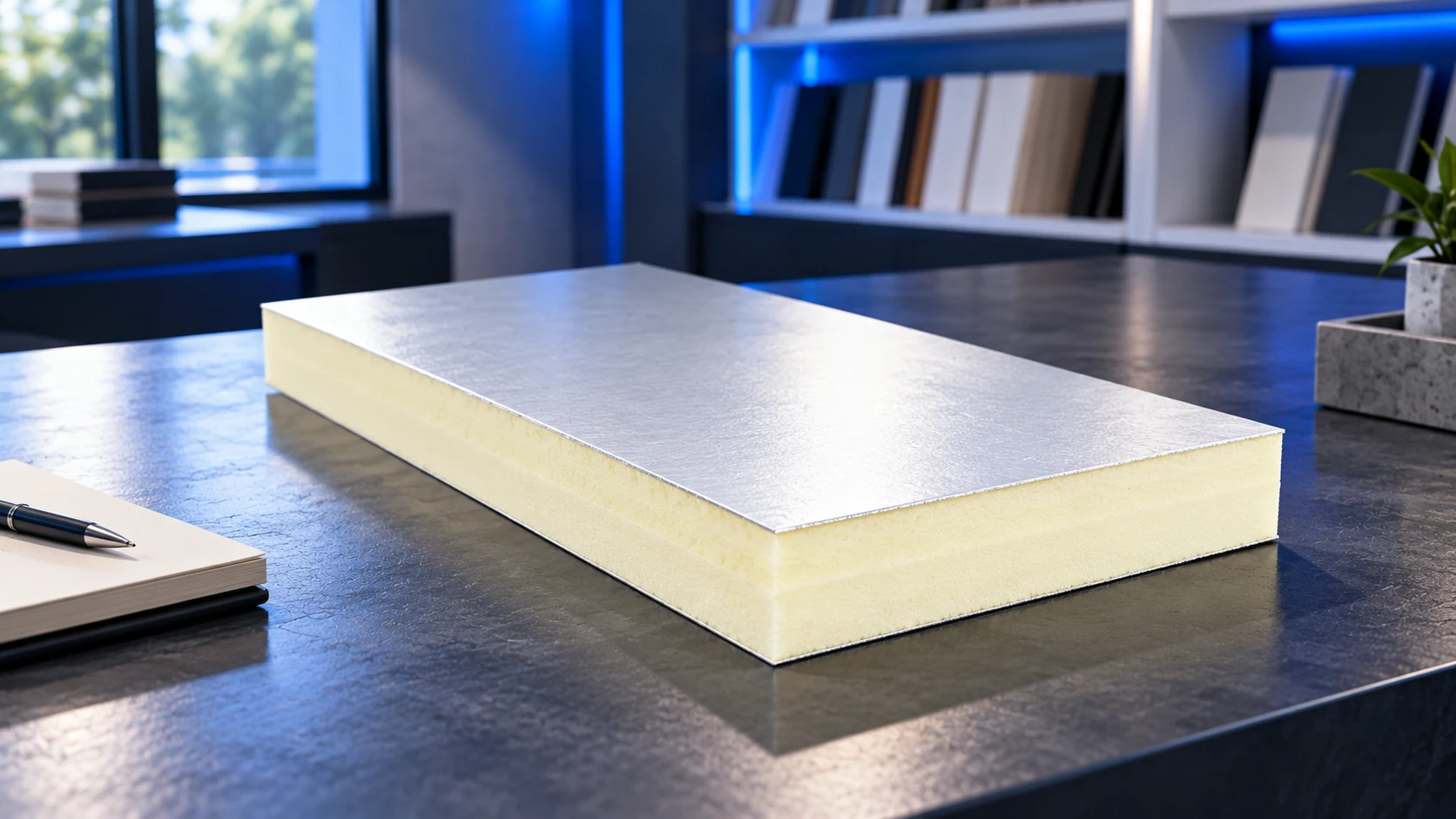
Insulation selection starts with its position in the building. A rendered wall, a roof and a continuously loaded floor impose different requirements.…
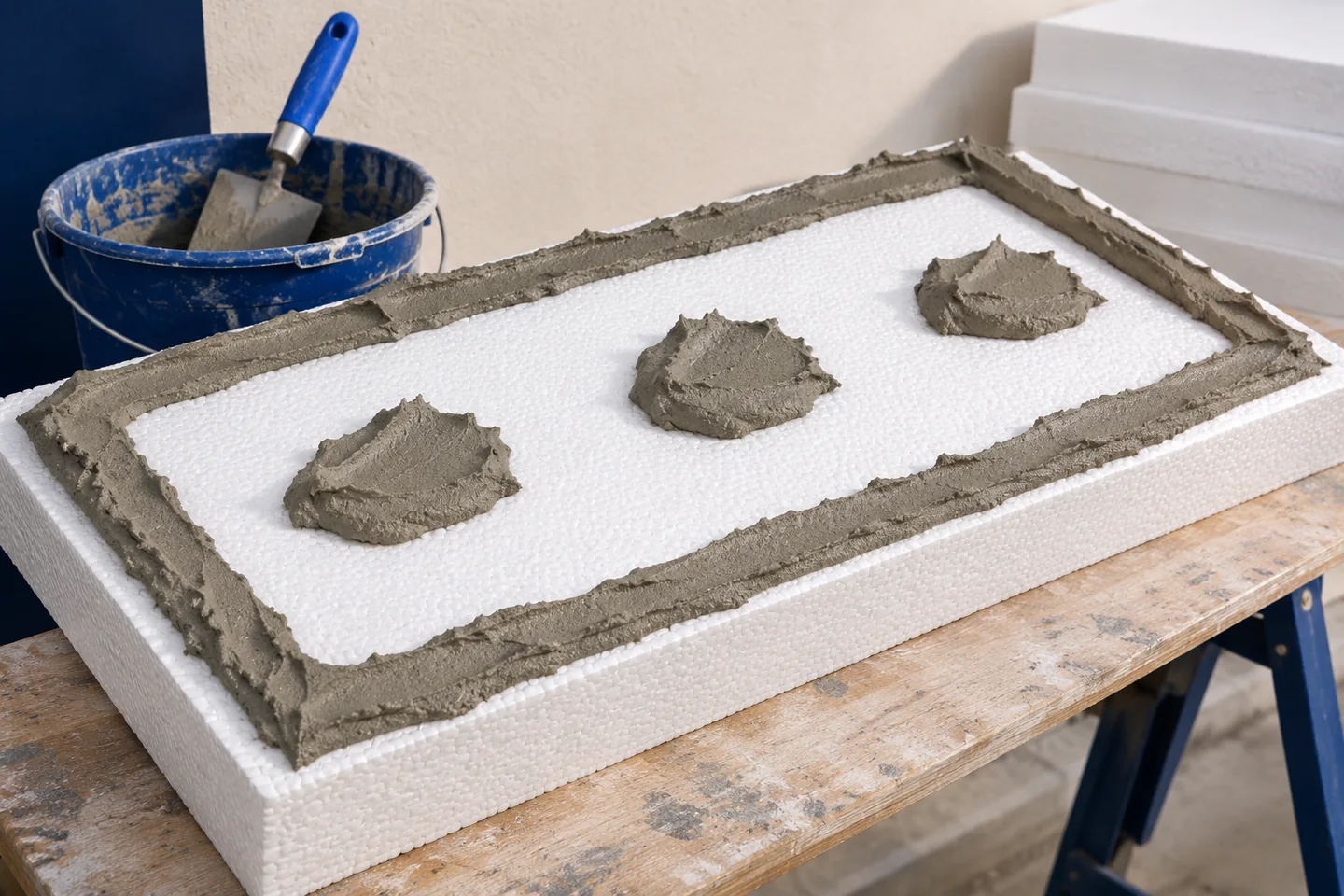
Use the bonding method specified for the substrate, EPS board and adhesive in your external thermal insulation composite system (ETICS). On a…
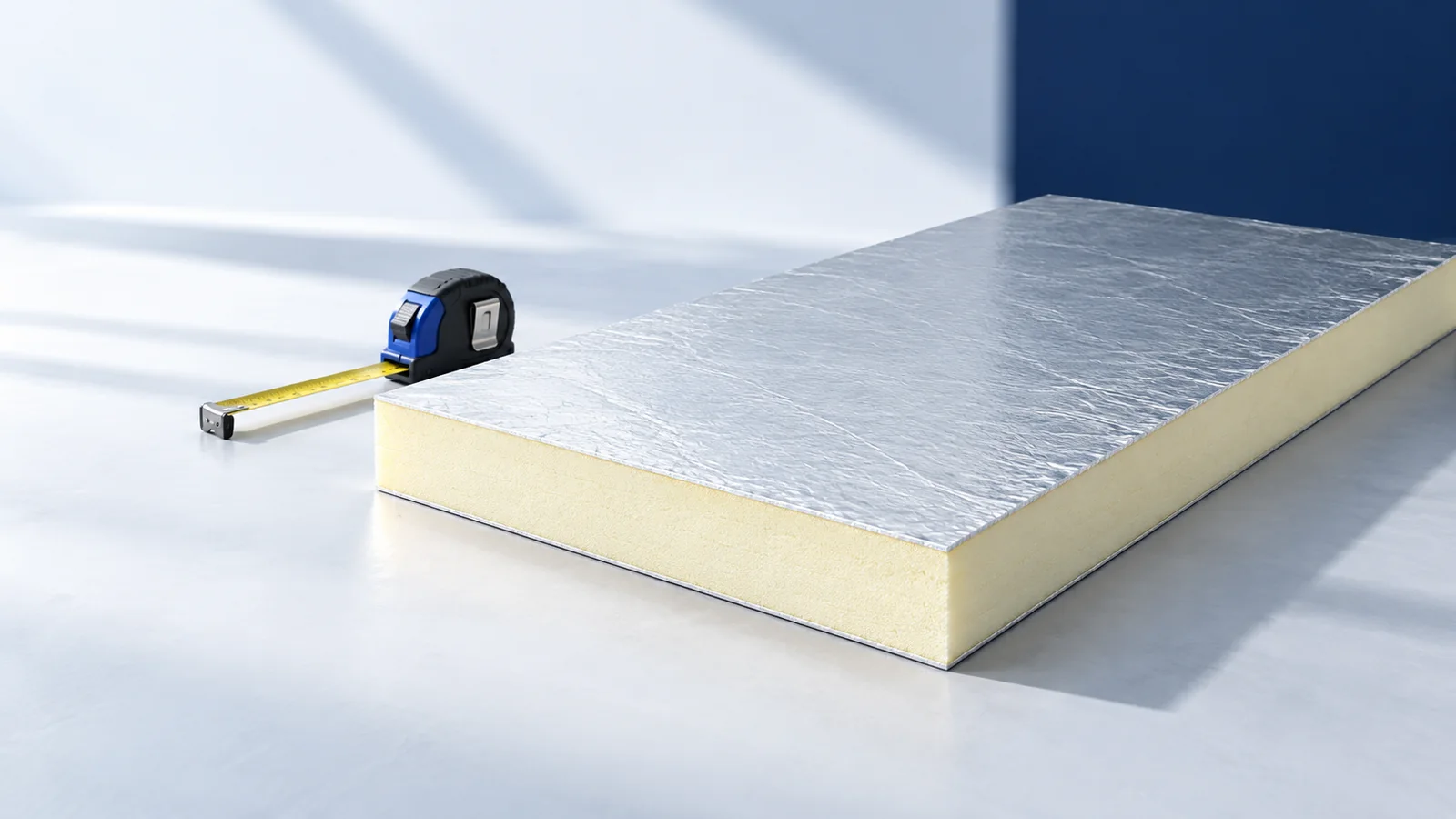
Mark the insulation position on the roof section before choosing PIR, EPS, XPS or mineral wool. Irregular rafter bays need insulation that…