






What to inspect when signing off EPS insulation
EPS and thermal insulation
Inspect EPS insulation before each layer is covered. Compare the design and order with the board labels, checking application, thickness and properties for the facade, floor, roof or foundation. On a facade, inspect bonding during fitting and mesh overlaps and opening reinforcement before rendering. At foundations, check waterproofing before backfilling. Record each defect’s location, the repair and the reinspection date. Finished render, a thermal image or a matching trade name on an invoice cannot confirm the quality of concealed work.
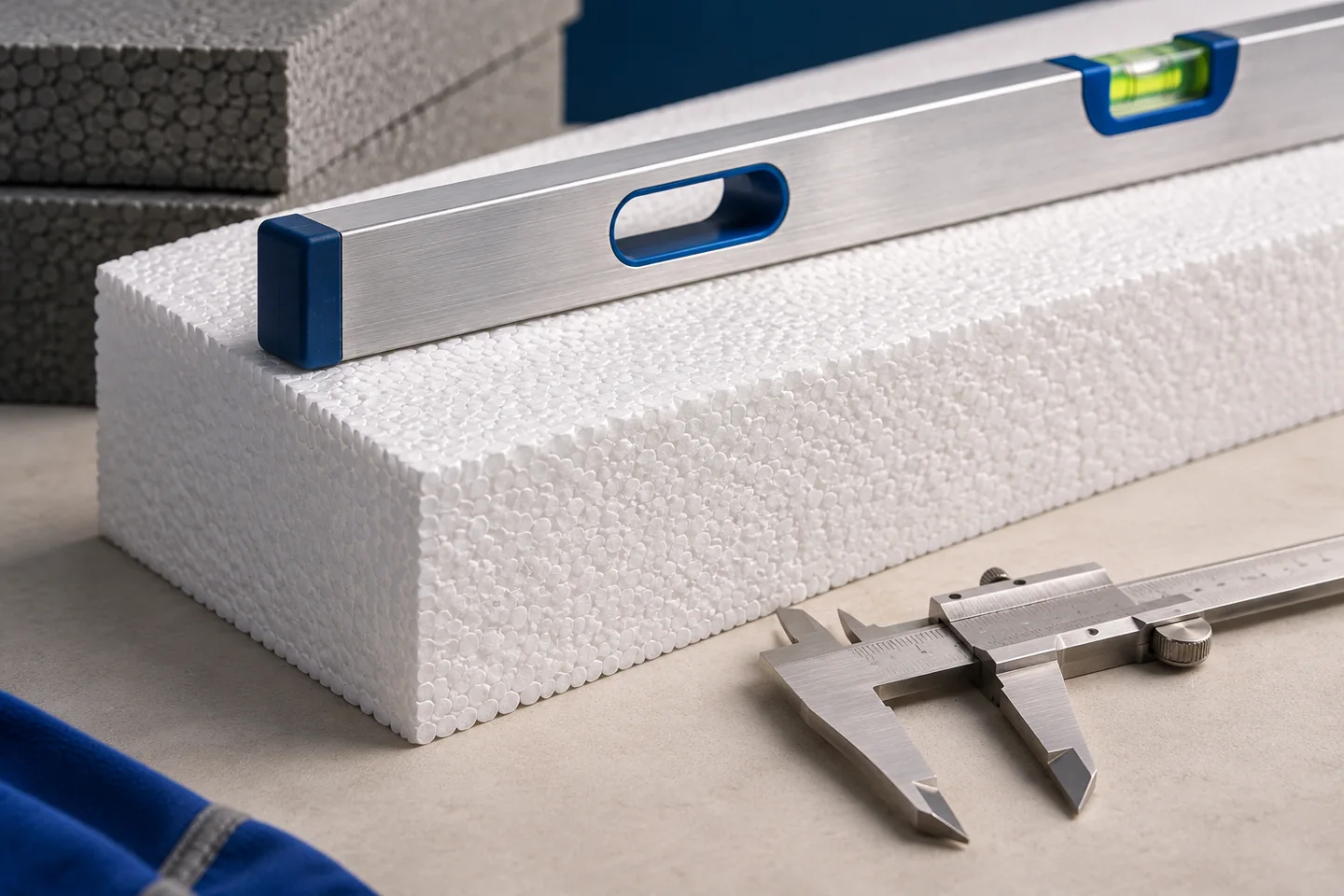
Start with the documents and scope of work
Confirm from the ETICS documentation that the adhesive, mesh, primer and render belong together. Unplanned substitutions make the finished assembly difficult to assess. Record material batches and any agreed departures. Keep this information for complaints, repairs and later facade work.
What should you inspect before bonding the boards?
Inspect the substrate, removal of old coatings and completed repairs. Keep bond test results with their locations. Check that the cause of damp has been removed rather than insulating over an active leak. Confirm that flashings, sills and other items difficult to fit later have been prepared.
At foundations inspect waterproofing and service penetrations. Under floors check levels, bearing and pipe routes. On roofs inspect the deck, drainage and layers below EPS. One checklist cannot cover every assembly; inspect its critical details while accessible.
How should installed boards be checked?
On facades check flatness, staggered joints, interlocking corners and board layout at windows. Look for gaps, damage and mortar in the joints. Inspect adhesive application during fitting: the board face gives no reliable indication of the full contact area behind it.
Compare mechanical fixings with the design: substrate, length, distribution and seating all matter. Counting plates on one square metre is not enough. On floors check stability and continuity; on roofs, the falls. At foundations, look for damage to waterproofing and check protection before backfilling.
What needs inspecting before rendering?
Check the base coat materials, mesh position and overlaps. Photograph extra reinforcement around openings before covering it. Inspect corner profiles, window junctions and the plinth detail. Investigate exposed mesh, folds and local thickening instead of hiding them under finish render.
Record dates, weather and required waiting periods. Dates alone say little about curing without the mortar used and actual site conditions. Two cold days do not give the same cure as two dry, temperate days. Apply the particular system’s requirements.
Can thermal imaging resolve every doubt?
Thermography can locate unusual temperature patterns for closer investigation. Sunshine, wind and moisture affect the image, so results depend on conditions and interpretation. A coloured patch does not prove a missing board. Analyse the construction and possible causes of the pattern.
Thermography cannot verify mesh overlaps, adhesive type, anchor depth or compliance of the entire ETICS. Choose a method that answers the specific question: measurement, a bond test or local opening-up may be needed. Select it by the suspected fault, not the equipment available.
How should defects and sign-off be recorded?
Describe the location, symptom and required next step. Distinguish appearance issues from failures of fixing, water protection or insulation continuity. Assess cracks before classifying them as cosmetic. Set a repair deadline and reinspection method. A photograph with a marked location is clearer than “repair facade”.
Termo Organika, Austrotherm, Yetico and Swisspor are examples of EPS manufacturers. Inspect the actual board supplied and how it was installed.
Keep the drawings, declarations, inspection records and photographs together. Include instructions for use and identify components needing periodic checks. The owner should know what was built. The purpose of inspection is to confirm performance and resolve defects before concealment, rather than simply obtaining a final signature.

Free quote
What to include in your enquiry
Tell us how you plan to use the material, the dimensions and the quantity you need. Include the thickness, grade or variant name, along with the delivery town or your preferred collection branch. For a specific product, add its name or a link to the product page. We will reply to the email address you provide to discuss availability and the terms of your order.
More from the building guide
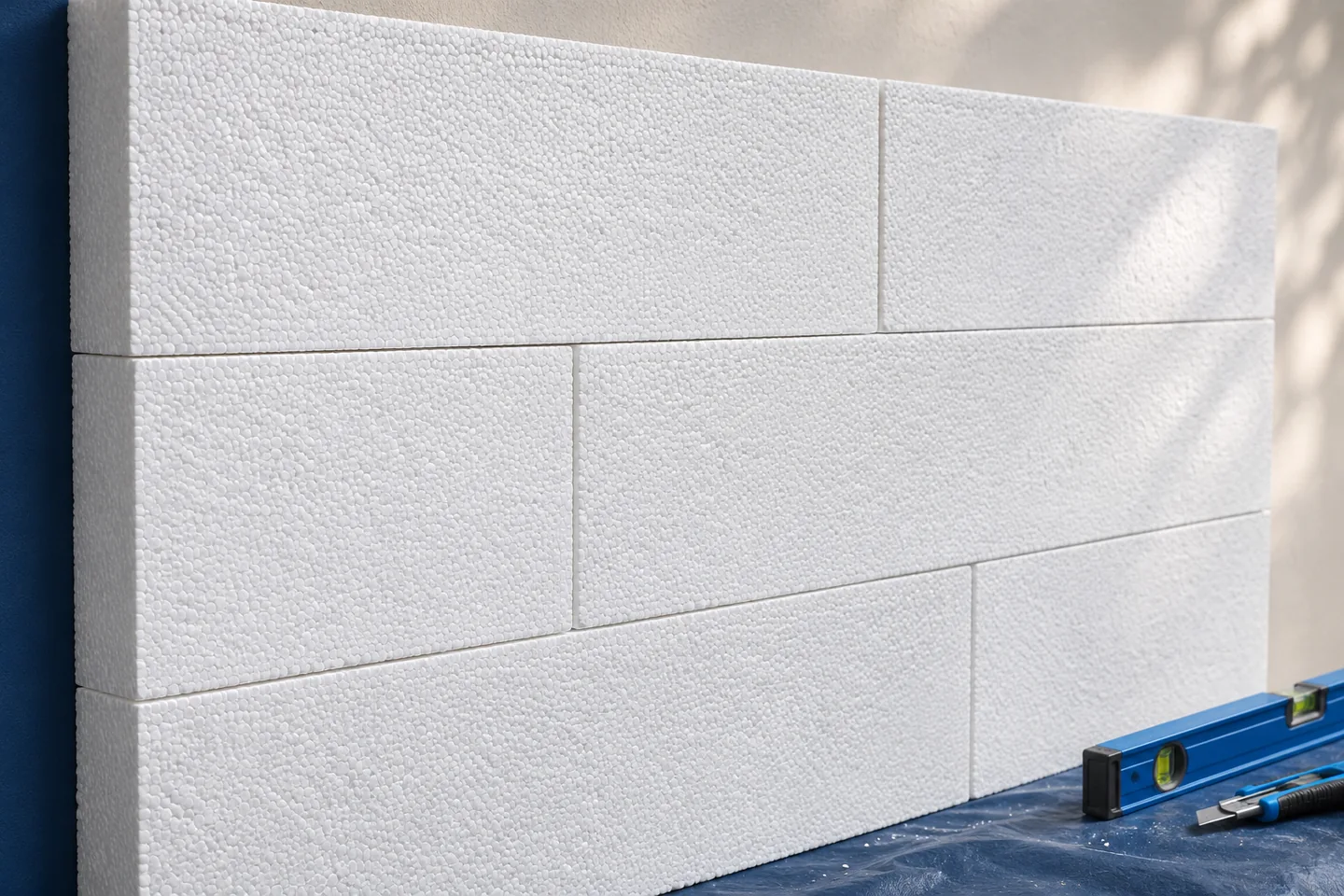
Stagger EPS facade boards so that vertical joints in successive courses do not form a continuous line. The insulation does not take…
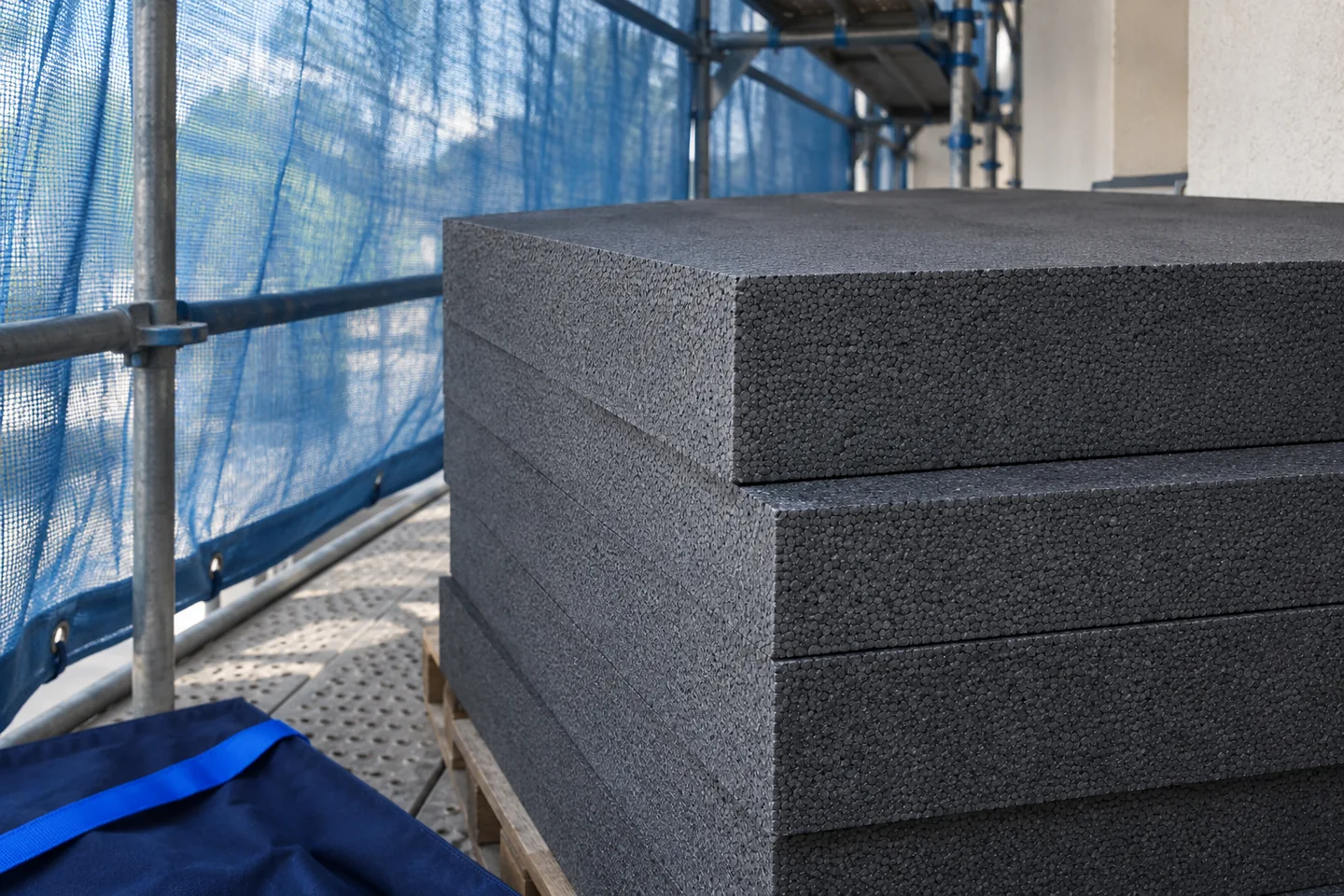
Protect graphite EPS from direct sunlight in storage, during bonding and while the adhesive sets. The dark surface absorbs more solar radiation…
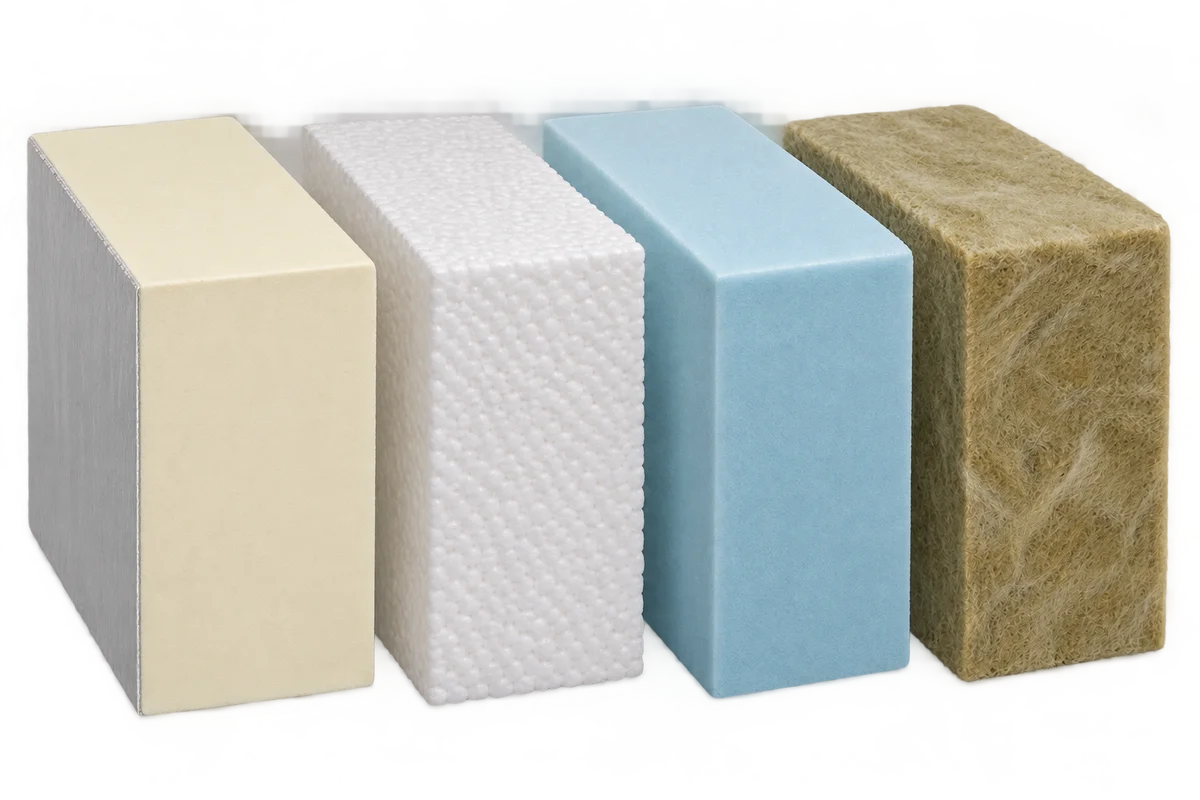
The combination of PIR with mineral wool, EPS or XPS should be assessed on the basis of the entire cross-section of the…
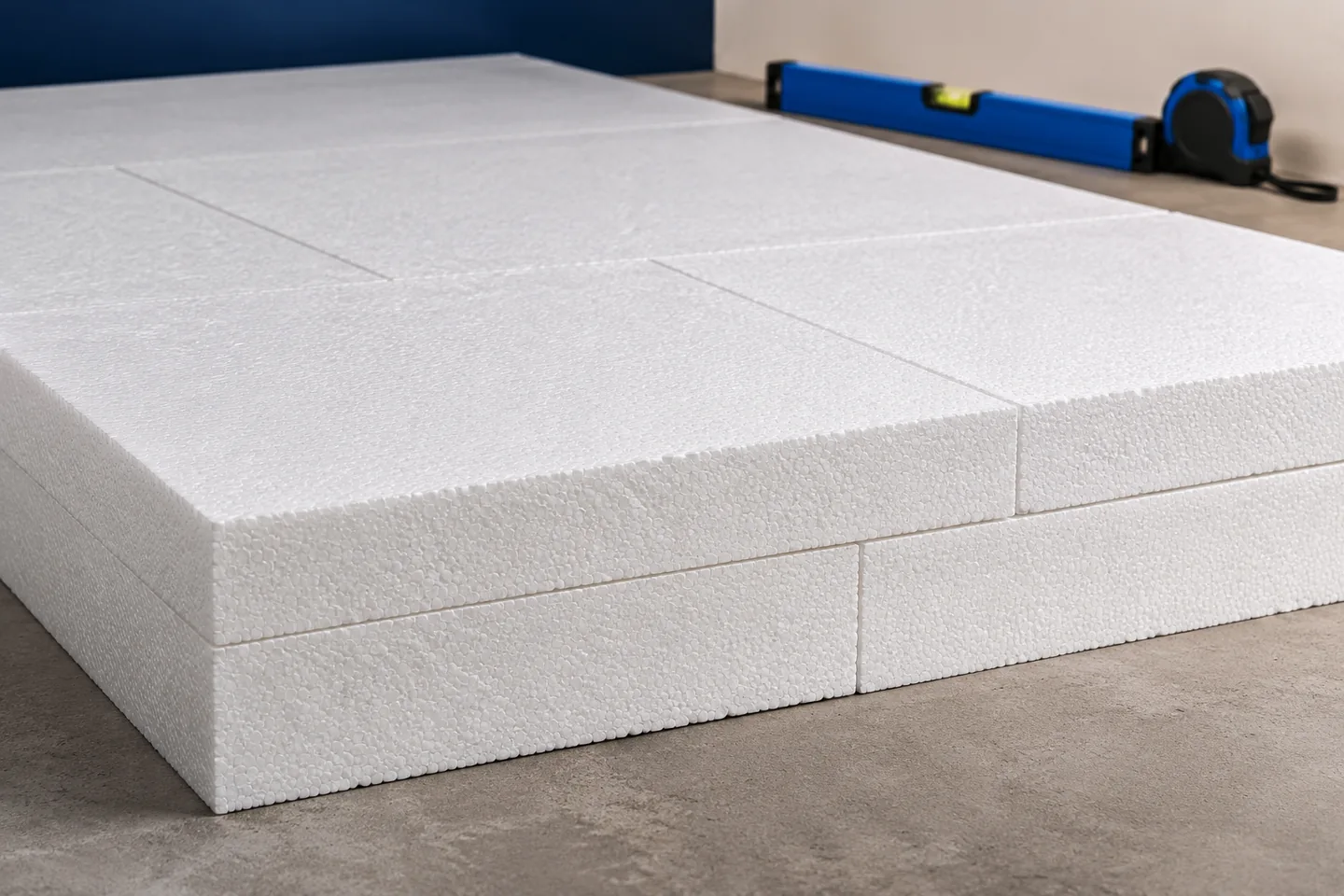
Two layers of floor-grade EPS let you offset joints, accommodate some services and fit the available floor depth. At the same conductivity…
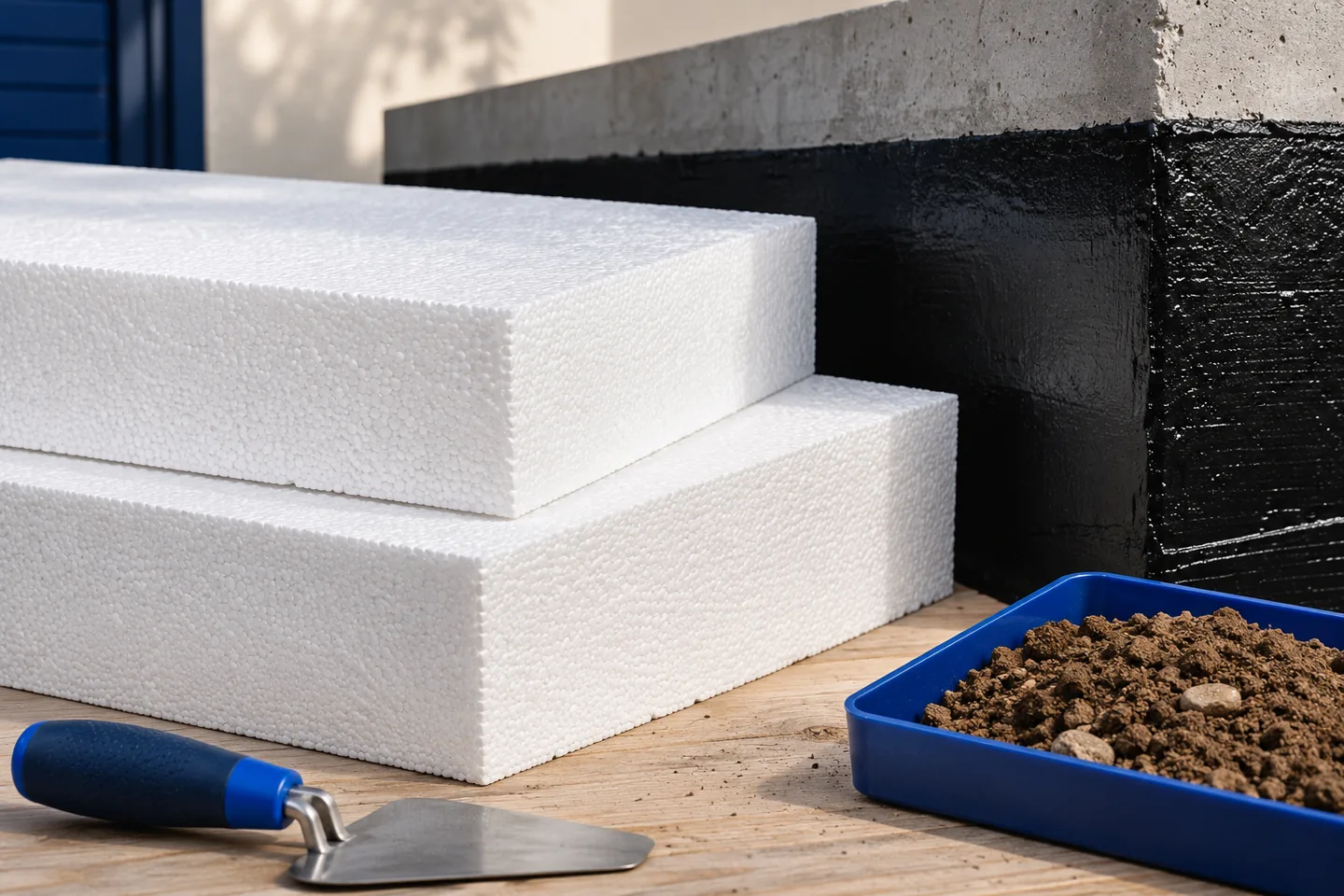
Before backfilling a foundation, check the continuity of the waterproofing, the bond of the EPS boards and their protection against mechanical damage…
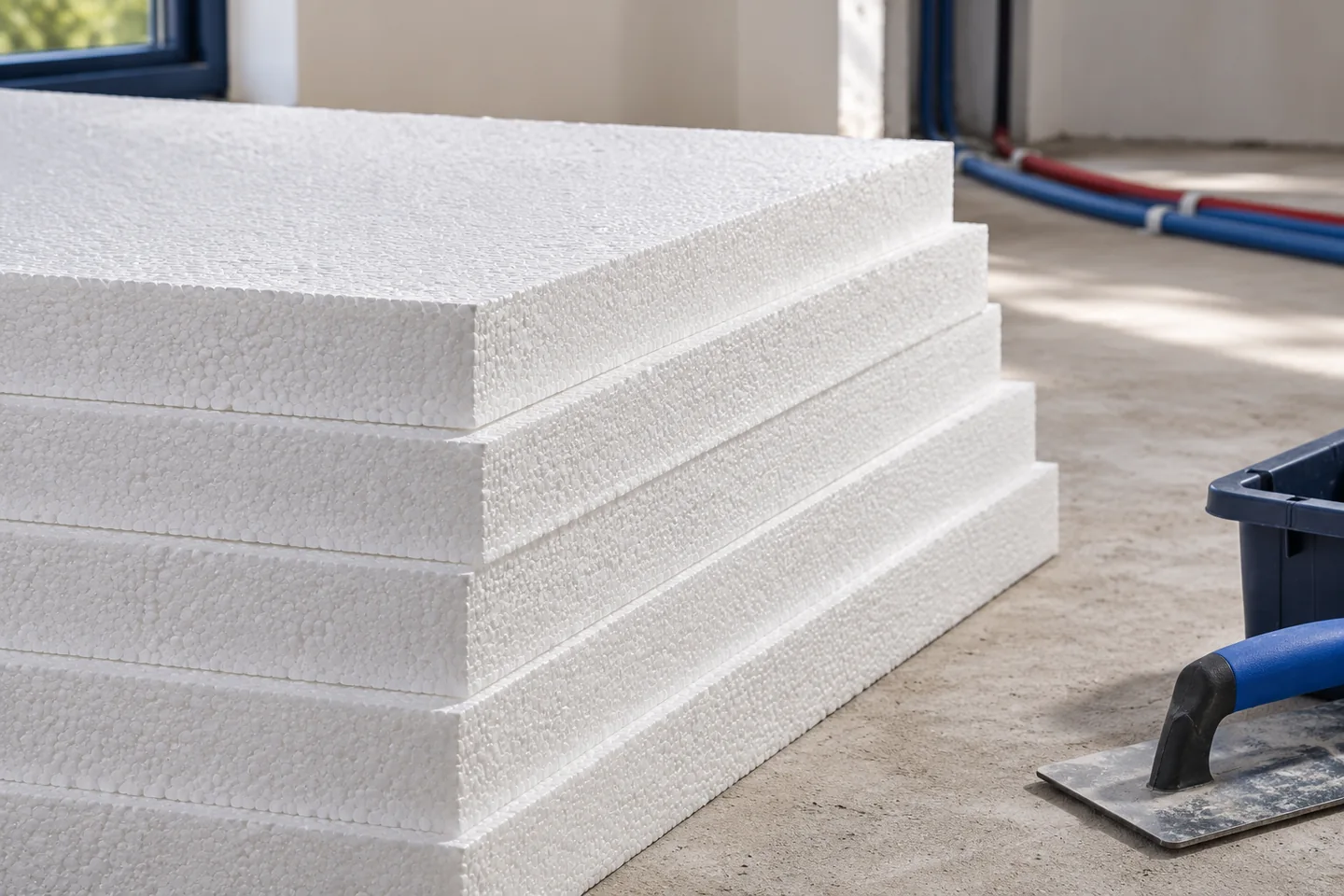
Before ordering EPS for a screeded floor, establish the finished level and mark pipe runs, sleeves and crossings on a plan. Allow…
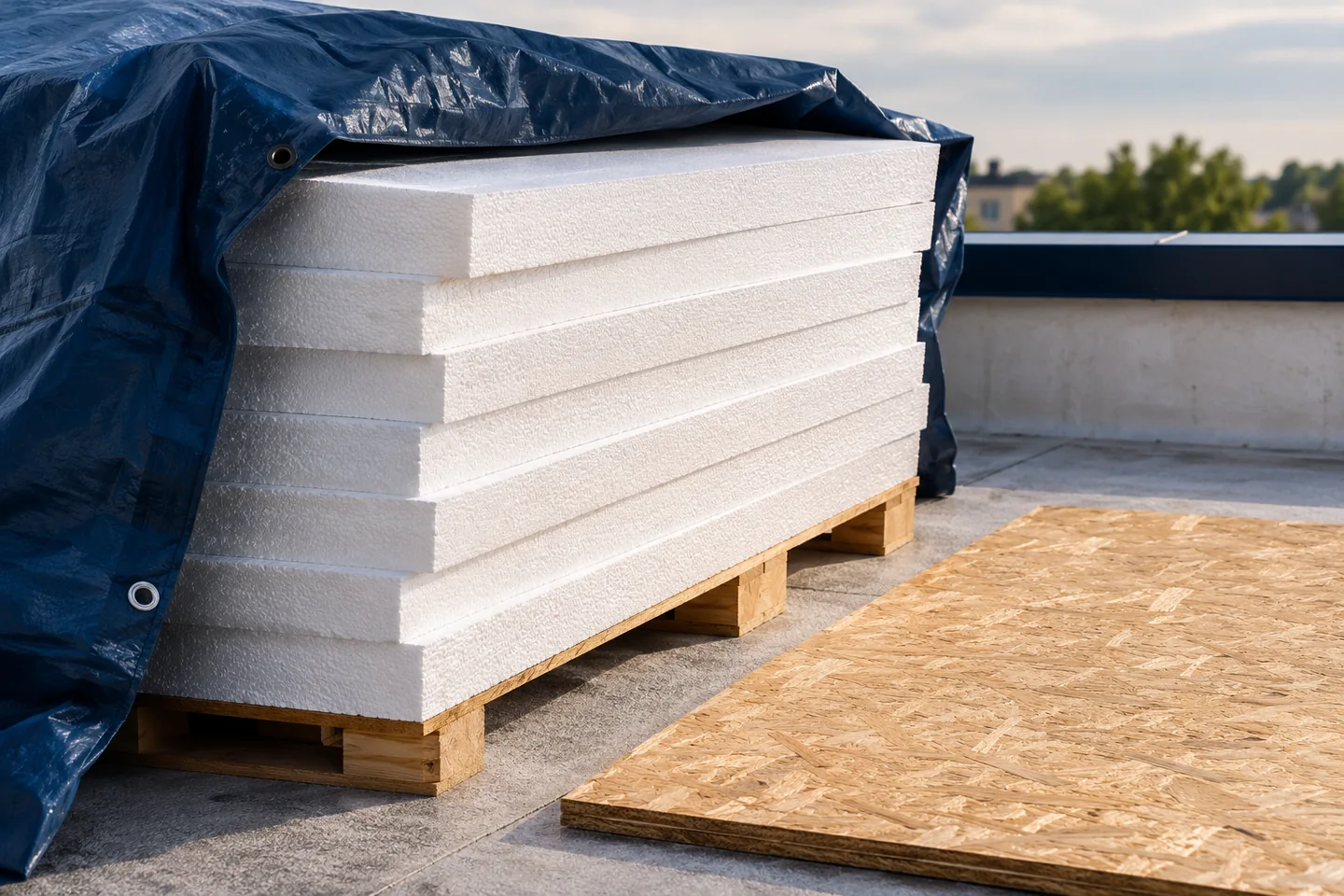
Before laying EPS on a roof, check the specified layer sequence, positions of vapour control and waterproofing, and direction of drainage. A…
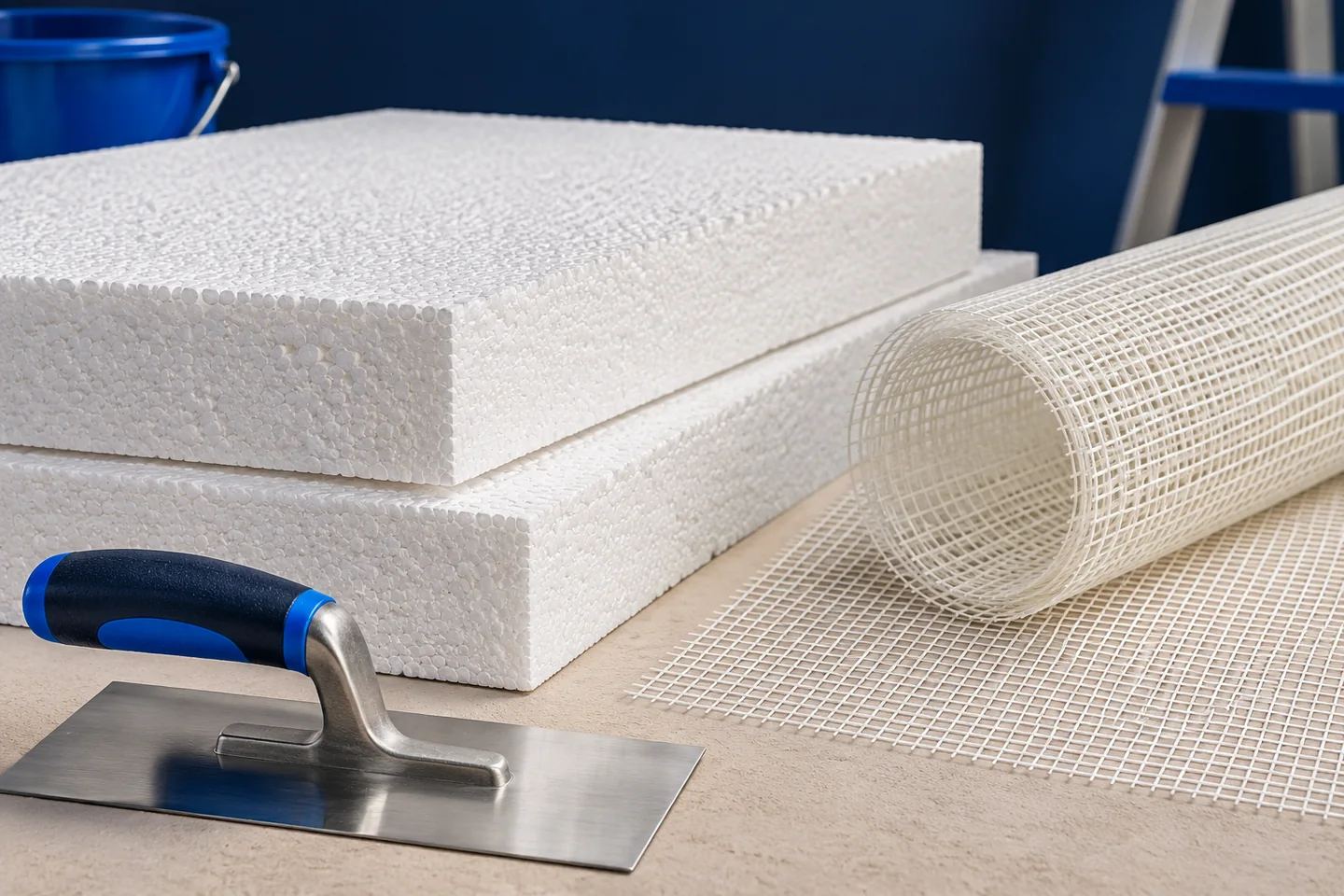
Embed the mesh in fresh base coat on stable, flat, dust-free EPS boards. Mortar must remain beneath the strands; putting mesh against…