






A leaking metal roof: trace the water before choosing the repair
Renovation and maintenance
Repairing a leaking metal roof requires tracing the water and assessing the connection, not merely covering a visible stain. Moisture may originate at a lap, flashing, fixing hole or through condensation. Each cause requires a different response. This guide organises observations to share with a roofer and explains checks on screws, details and the sheet itself. It covers the limits of tapes and sealants, substrate preparation and cases requiring replacement. It also considers drying after water entry has stopped. During heavy rain, first limit damage safely indoors rather than climbing onto wet roofing. A successful repair should leave a detail that can be inspected and maintained later.
Does an indoor stain locate the opening?
Record whether staining appears with wind, thawing or without rain. Water can travel along underlay and structure before dripping inside. The stain is evidence, not an exact map of the opening.
If access is safe, inspect from inside the attic and protect belongings. Do not dismantle wet layers without a plan. Have a properly equipped roofer inspect outside rather than searching on a slippery roof during heavy rain.
Could the moisture be condensation?
Widespread droplets beneath cold sheet may indicate condensation. Assess indoor moisture, layer airtightness and drying potential. Sealing one lap cannot solve a problem that does not originate at a local opening.
Anti-condensation fleece temporarily retains some moisture but needs conditions to release it. It does not replace insulation or vapour control. In heated attics, assess the whole assembly, including wall and window junctions.
What should be checked at screws and old holes?
Assess screw seating, washer and hole condition. Both looseness and excessive compression can cause problems. Do not tighten every fastener automatically; restore the specified fixing and sealing for the substrate.
Assess the size and position of holes left by removed equipment separately. A designed repair or sheet replacement may be appropriate. A sealant plug alone may not accommodate movement or suit the coating.
How are faulty laps and flashings corrected?
Check flow direction, geometry and pitch first. A reversed lap or unsuitable detail may require partial dismantling. Tape cannot change the natural water path; restore the correct system arrangement.
Inspect chimneys, valleys, ridges and walls separately. Seal only designated locations while preserving drainage and ventilation. Thick compound spread over the surface can conceal moisture and complicate later joint repairs.
How should a tape or sealant be selected?
Confirm compatibility with the coating, sunlight, temperature and joint movement. An indoor product is not automatically suitable for roofing. Select material according to the repair function and system documentation.
Prepare the substrate as instructed: remove loose material and dirt and meet moisture requirements. Check primer and pressure needs. Tape width and sealant colour are secondary to adhesion and correct joint geometry.
When should a component be replaced?
Perforation, extensive corrosion or joint distortion can justify replacement, including incorrectly shaped flashings. Repair the substrate before fitting a new sheet; preserving a defective detail at any cost can increase future expense.
A replacement needs compatible geometry, coverage and joints. “T18” or “modular” is not enough. Establish coating and shade differences and a dismantling method that protects adjacent sheets and underlying layers.
How can the repair result be assessed?
Remove waste and document repaired areas. Watertightness checks should suit the roof design. Do not direct test water beneath laps, creating conditions unlike the rainfall the system is designed to manage.
Monitor drying of insulation and other wet layers too. Stopping the leak does not instantly dry the attic. If symptoms return, revisit the diagnosis rather than adding sealant without confirming the cause.

Free quote
What to include in your enquiry
Tell us how you plan to use the material, the dimensions and the quantity you need. Include the thickness, grade or variant name, along with the delivery town or your preferred collection branch. For a specific product, add its name or a link to the product page. We will reply to the email address you provide to discuss availability and the terms of your order.

More from the building guide
PIR and XPS can both be used in suitable flat-roof constructions, but they do not necessarily occupy the same position. Establish where…
A roof that ages well starts with the building's proportions and coordinated details. Colour or a fashionable profile is insufficient if ridge,…
Assess a roofer through preparation before comparing promised installation times. A competent contractor gathers roof information, uses the documentation for the actual…
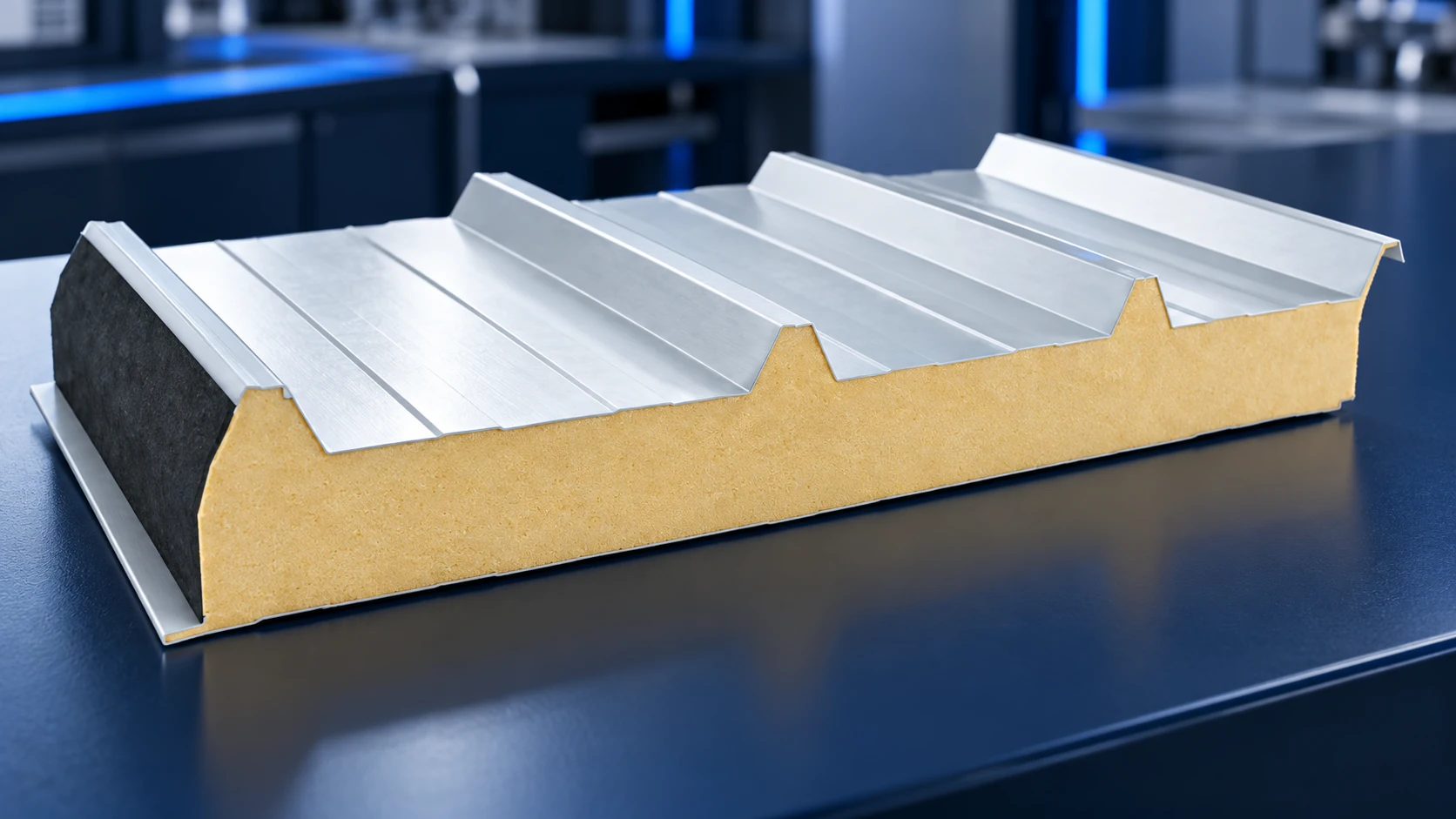
A PIR sandwich-panel roof can have a specified fire-resistance classification when built within the conditions covered by its documentation. The PIR core…
Agree the scope of roofing work before materials arrive on the roof. It includes the covering, connections, drainage and checks on installation…
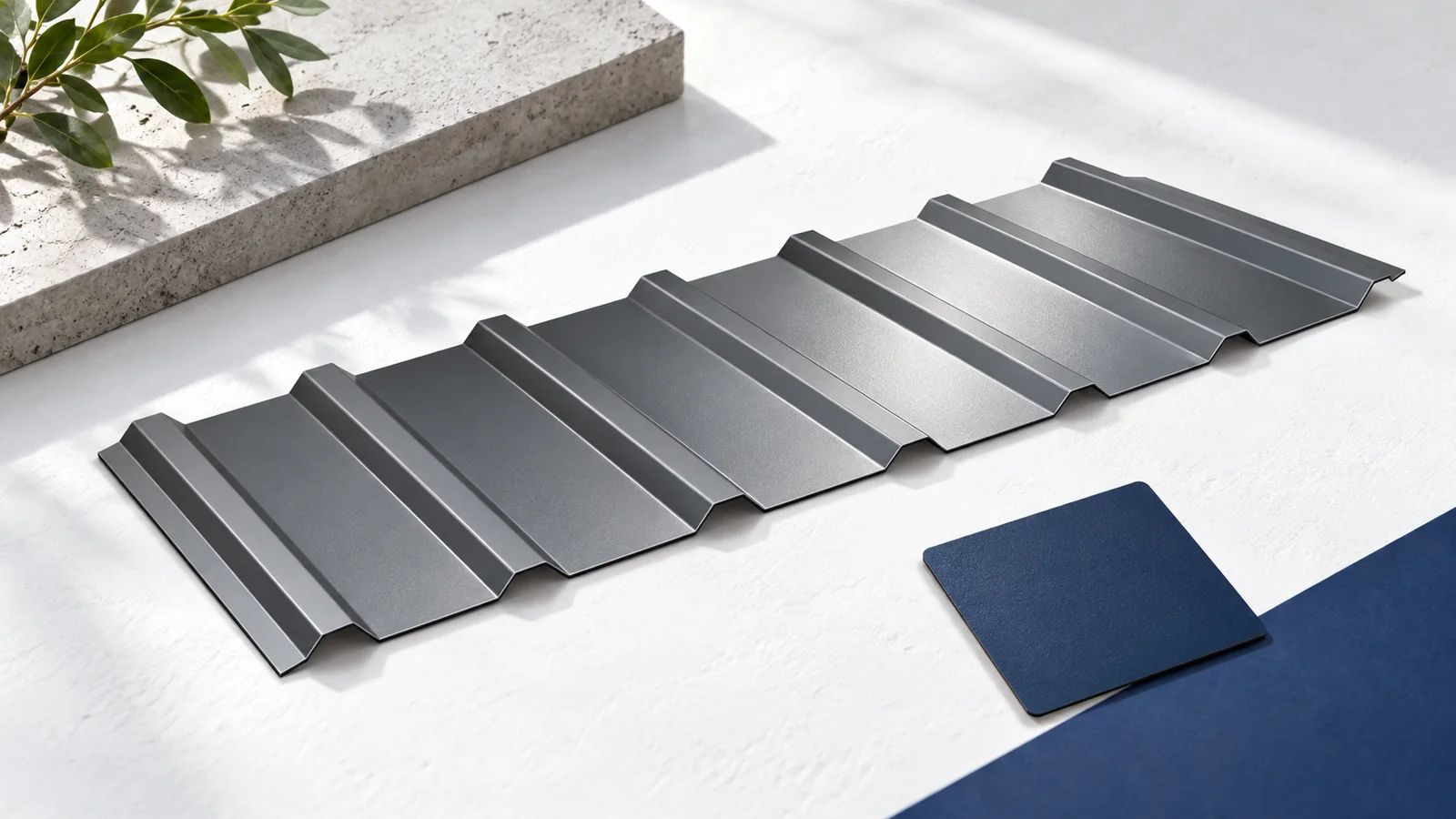
Refreshing a metal roof should start with diagnosis, not with buying paint. Deposits, rusting swarf, coating damage and leaking flashings require different…
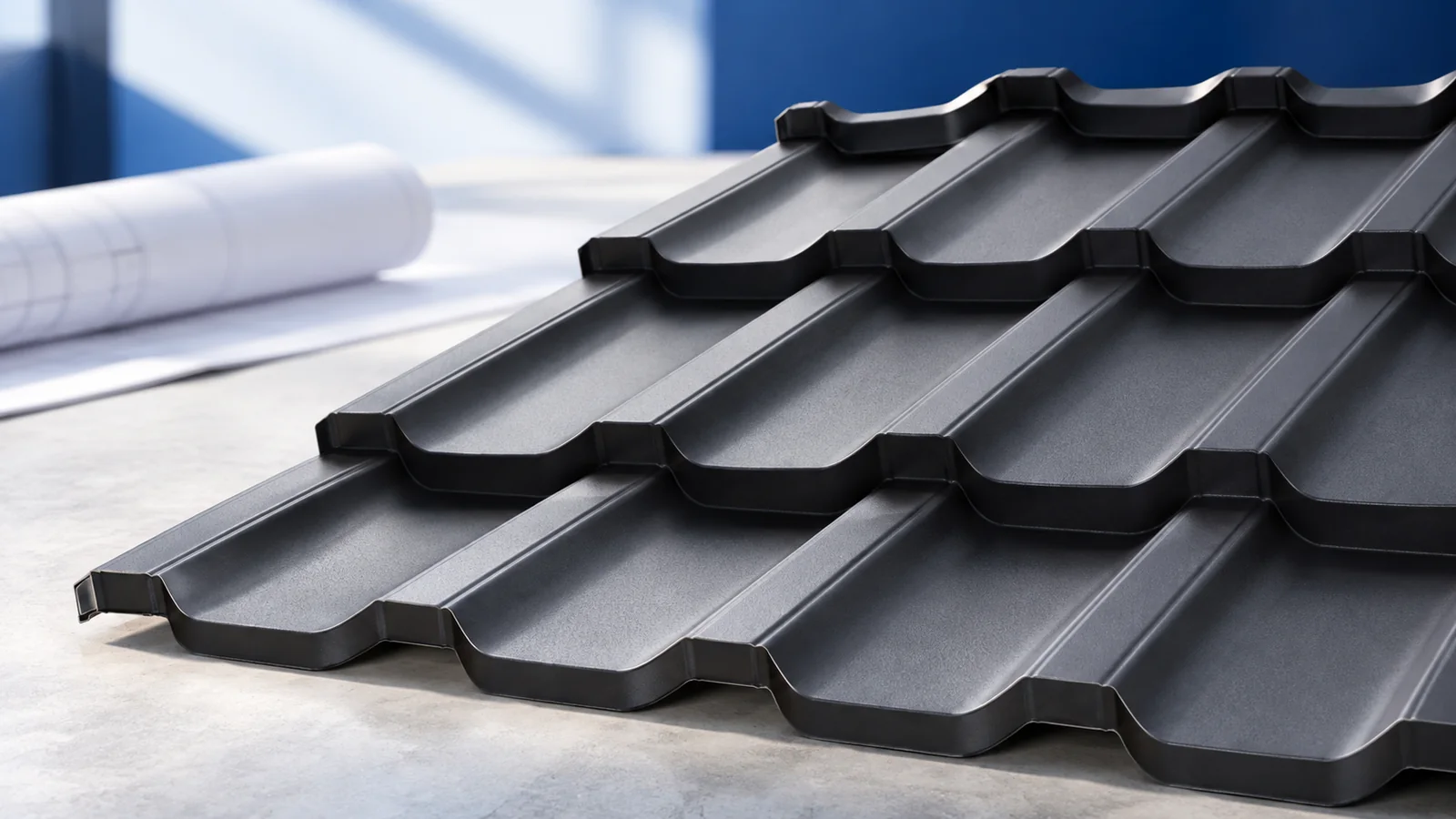
Choose a house roof covering in two stages. First rule out materials incompatible with the structure, pitch and layer arrangement; then compare…
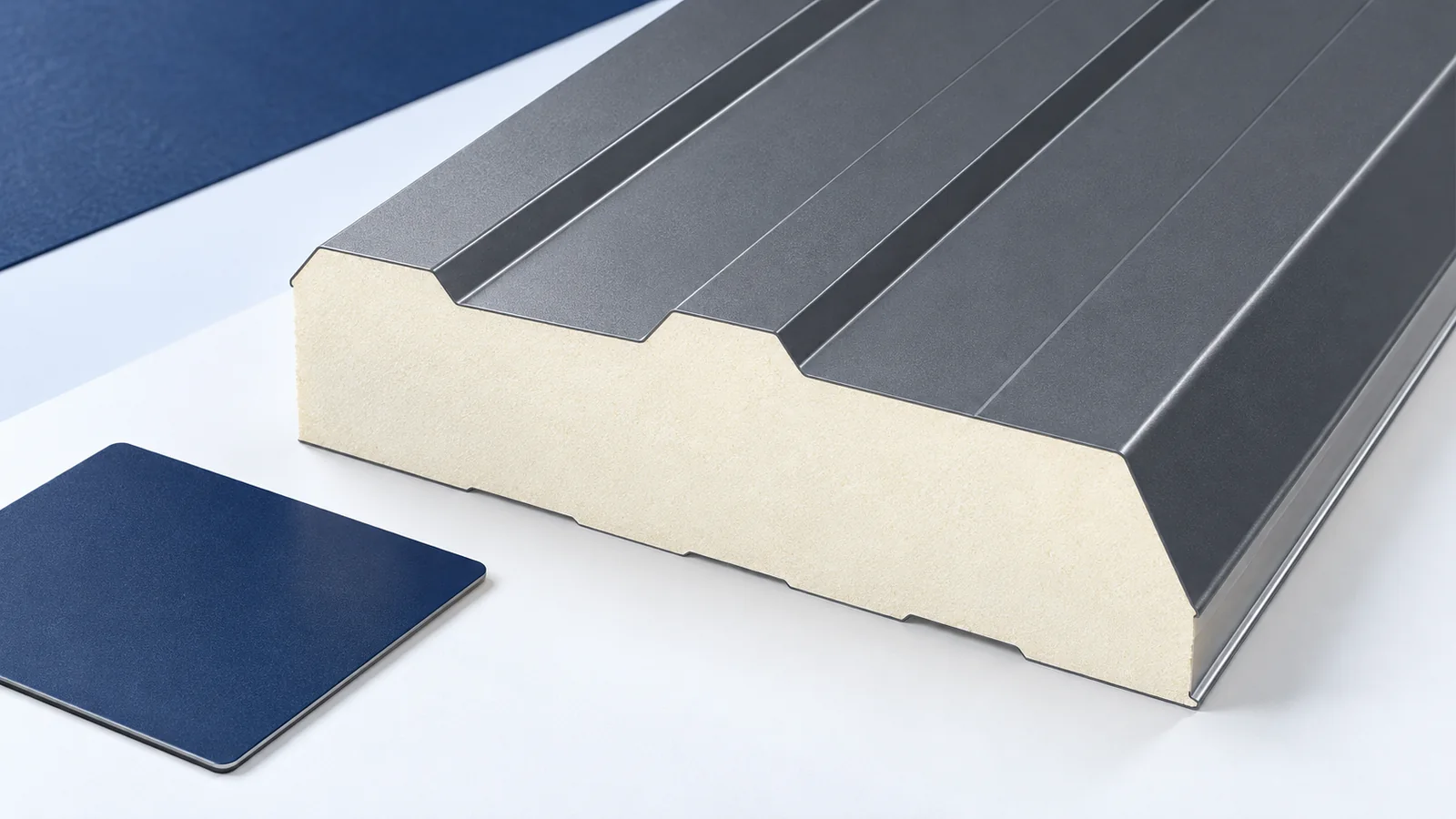
Design a hall roof around internal conditions and support layout, not the cheapest square metre of covering. An unheated shelter, warm workshop…