Panels · Sheet metal · Insulation · Accessories

Reading a quotation for galvanised steel sections: dimensions, weight and price

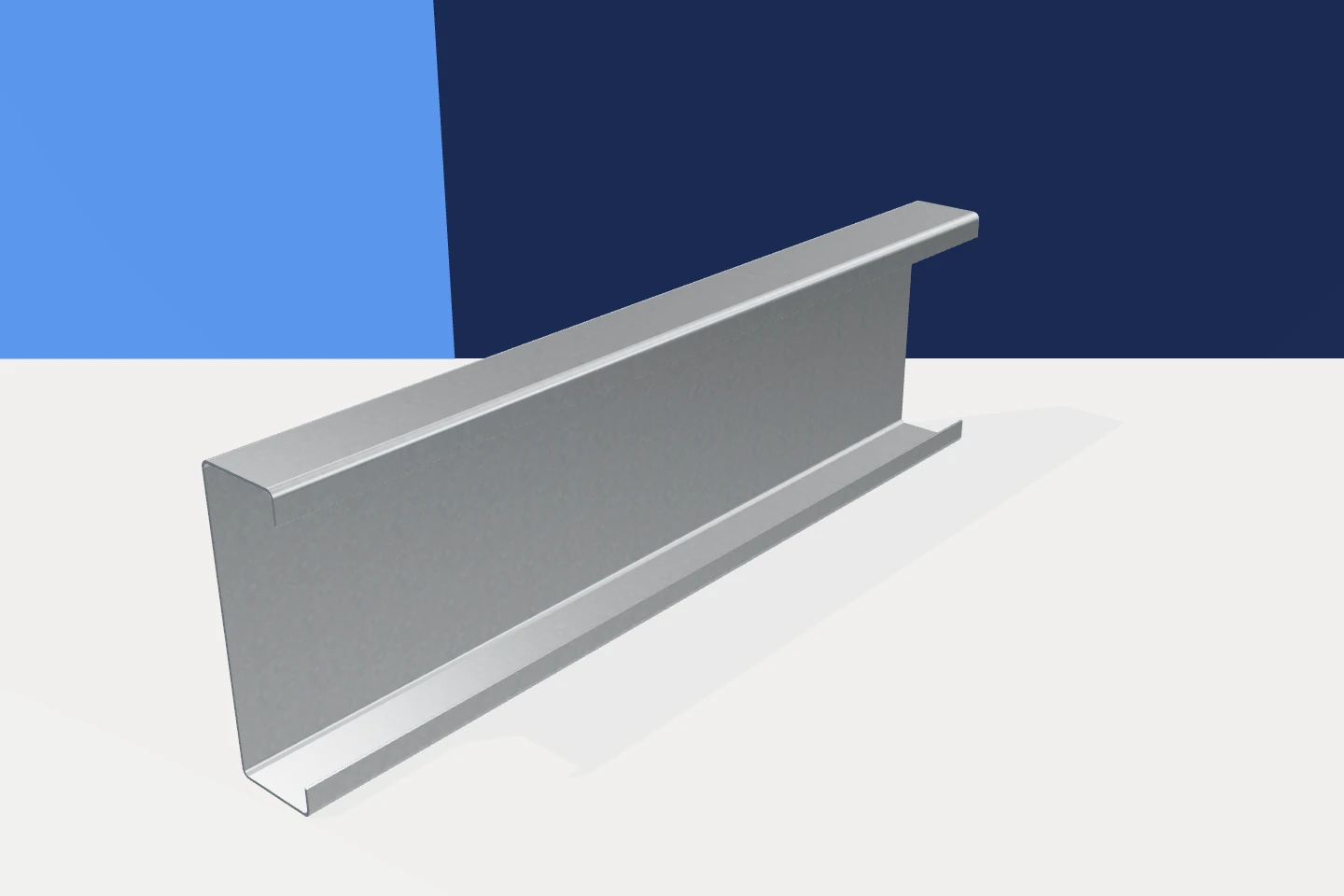
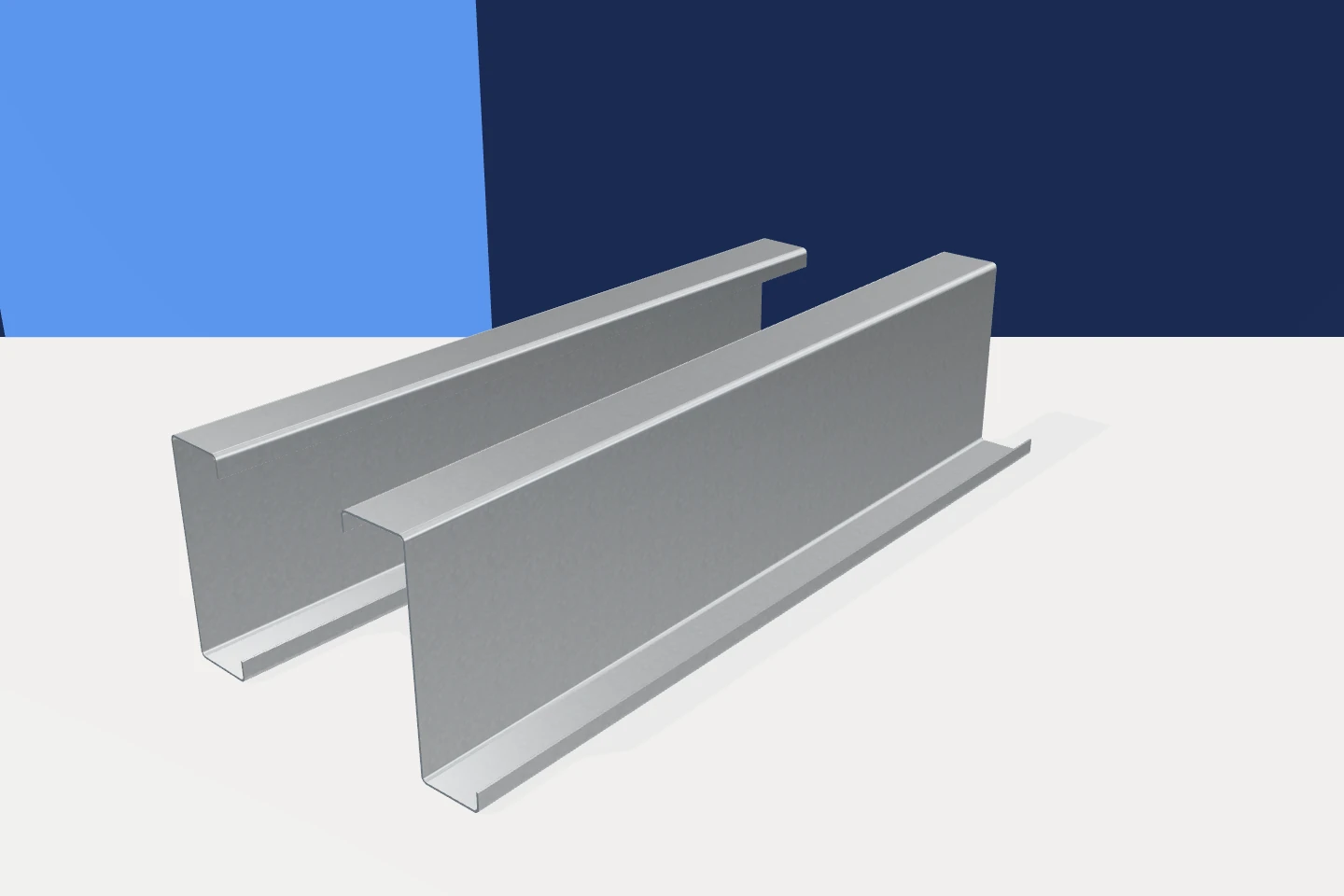
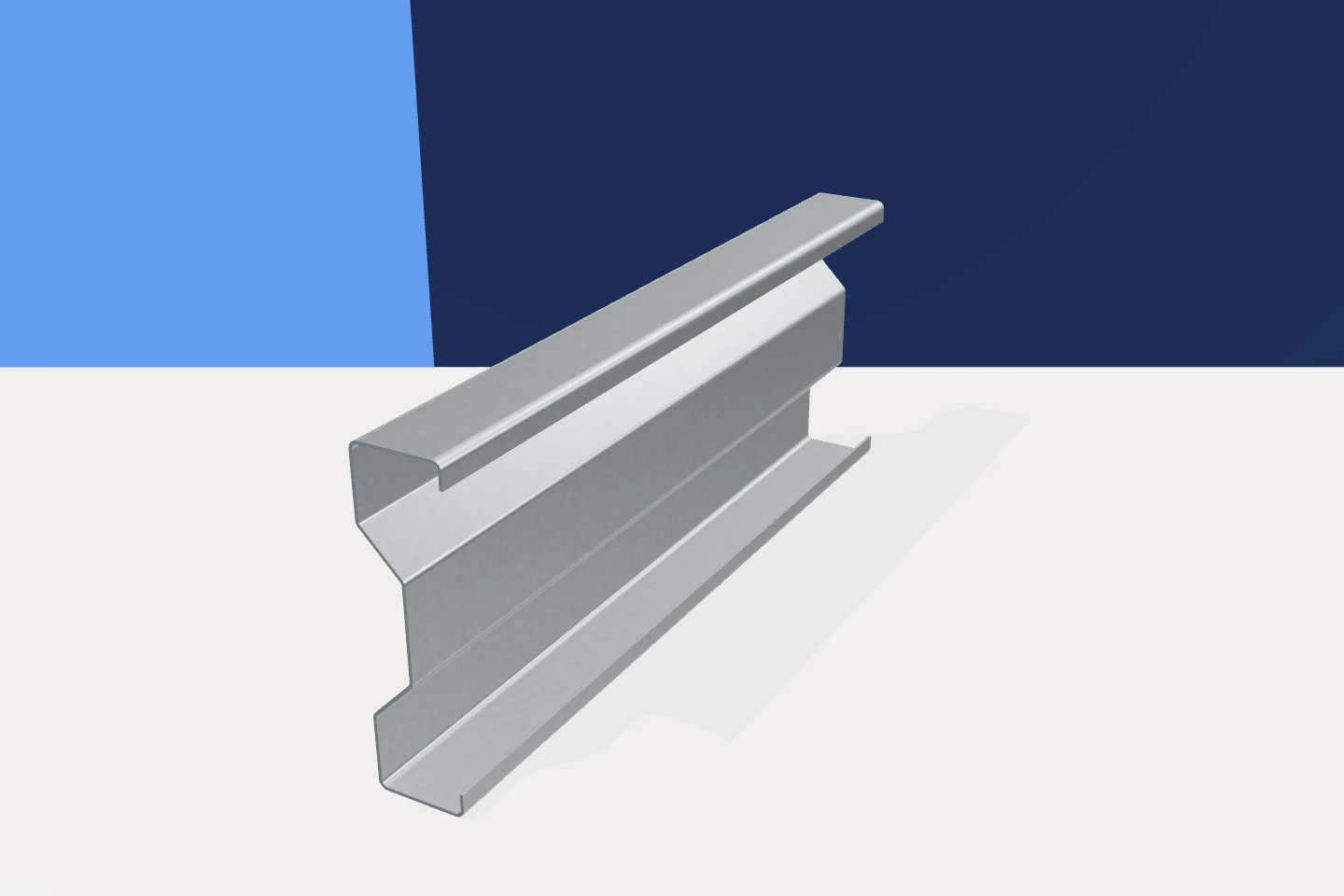
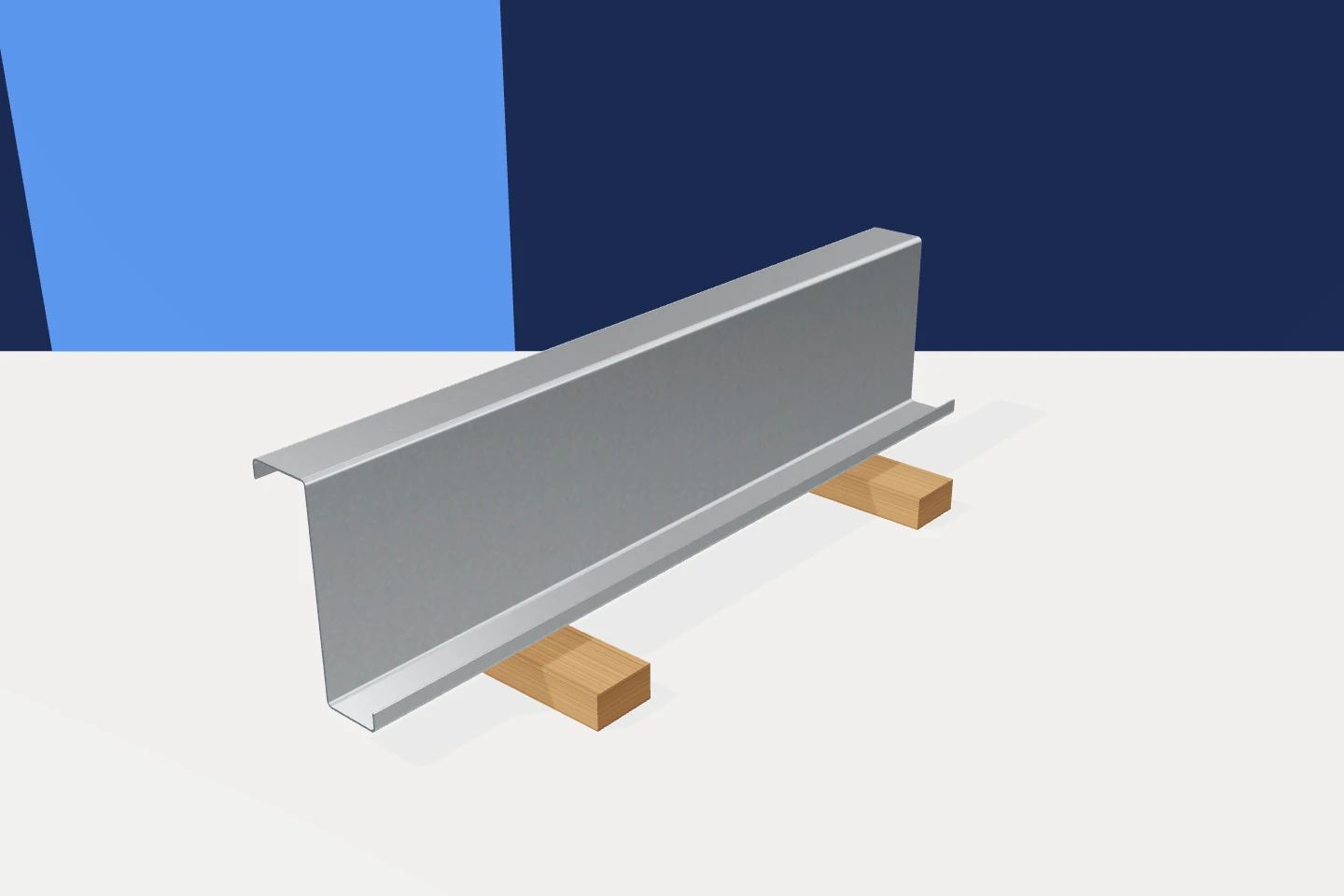
Before comparing quotations, separate the dimensions of the cross-section from the length of each piece and the coating specification. A small difference in notation may describe a different product from the one on the drawing. The letters identify shapes: Z sections have flanges on opposite sides, channels have both on the same side, sigma sections have a formed web, and top-hat sections have a raised crown and two feet. Each family comes in many sizes. You need more than the section name to compare what the suppliers will actually deliver.
By |2026-11-12T13:14:22+01:0012 November 2026|Installation and structure|Comments Off on Reading a quotation for galvanised steel sections: dimensions, weight and price

Can cold-formed steel sections be used for a canopy, garage or small industrial building?

Cold-formed steel sections can form part of a canopy, garage or small industrial building. The design still has to account for wind, snow and the way the building will be used. Sections can be supplied to length with connections prepared in advance. The primary columns and rafters need not use the same section family as the purlins, side rails or cladding supports. Z sections can carry roof sheets, channels can frame openings, and top-hat sections can support a secondary lining. Sigma sections are another option where the design checks justify them.

By |2026-11-12T13:14:20+01:0012 November 2026|Installation and structure|Comments Off on Can cold-formed steel sections be used for a canopy, garage or small industrial building?

Common mistakes when installing cold-formed steel sections

Before lifting a cold-formed section into place, check its mark, orientation, holes and surface against the current drawings. Even an accurately made channel or Z section will not do its job if it is reversed or connected in the wrong place. A change to a door opening or support spacing can affect several members, so check that the materials list and erection plan carry the same revision. If the parts appear not to fit, resolve the discrepancy before anyone drills or cuts steel on site.

By |2026-11-12T13:14:19+01:0012 November 2026|Installation and structure|Comments Off on Common mistakes when installing cold-formed steel sections

Choosing a steel section for a given span: questions for the designer

To select a cold-formed beam, the designer needs more than the distance between its supports. Start with the member's job. A roof purlin carries the covering, a wall rail supports the façade and a framing member beside an opening may receive forces from attached parts. For suspended equipment, provide its weight, fixing position and operating loads. Terms such as light roof or small installation give little indication of the actual demand. Span, load area, connections, restraint and serviceability requirements together determine which section will work and whether the attached covering can span between its supports.

By |2026-11-12T13:14:18+01:0012 November 2026|Installation and structure|Comments Off on Choosing a steel section for a given span: questions for the designer

Can galvanised steel sections rust? What the coating protects

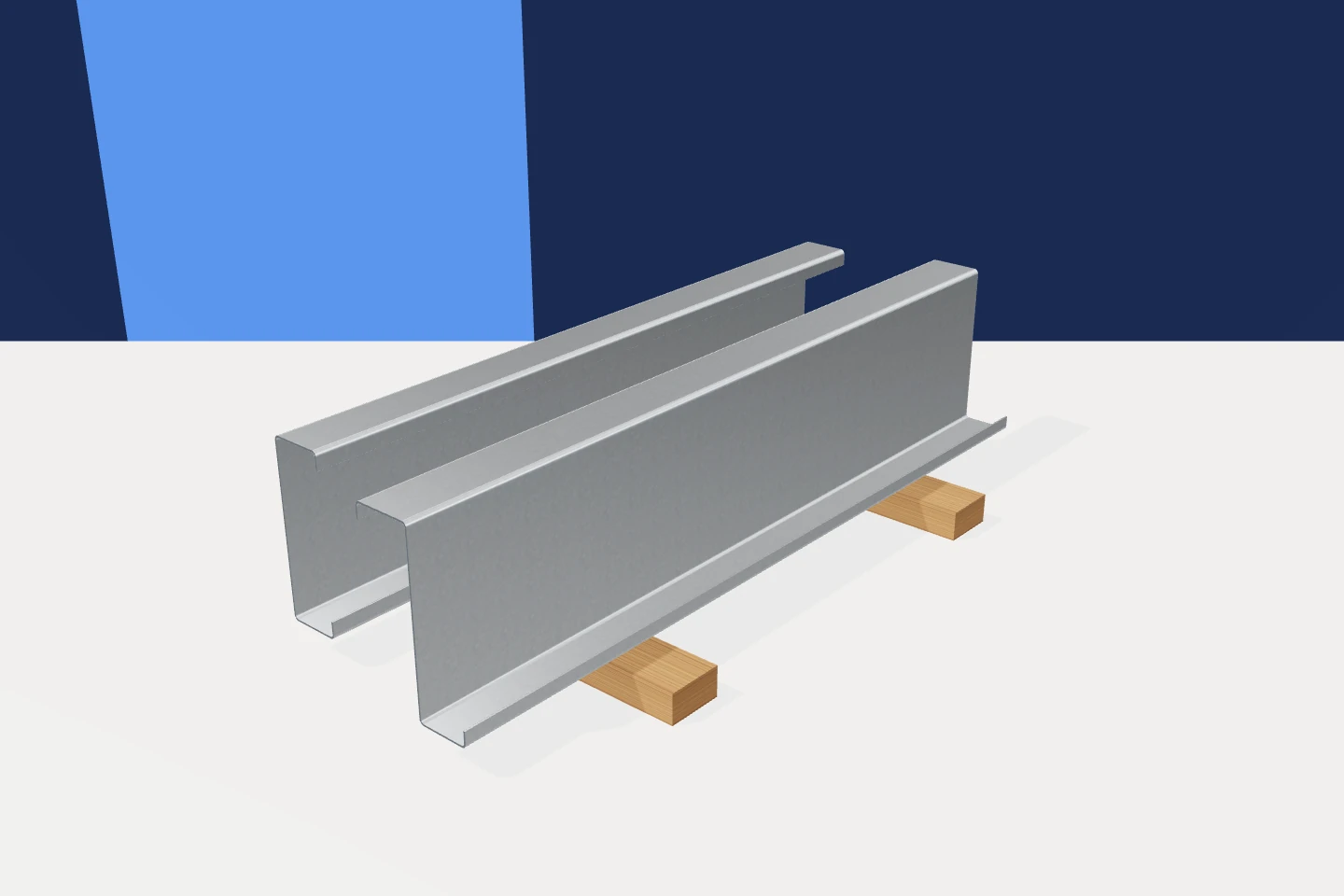
Galvanised sections are common in lightweight construction because zinc helps protect the steel against corrosion. Their service life depends on exposure, storage, handling and the details that keep water from collecting. Moisture trapped in a bundle and damage during unloading can affect a section before it reaches the structure. Distinguish the steel core, which forms the loadbearing section, from the metallic coating that protects its surface. Steel sheet thickness and zinc coating specification describe different properties. Check both in the product documents and use the supplier's instructions to protect the material from delivery through erection and use.

By |2026-11-12T13:14:17+01:0012 November 2026|Installation and structure|Comments Off on Can galvanised steel sections rust? What the coating protects

What are top hat sections used for? Steel battens and cladding rails

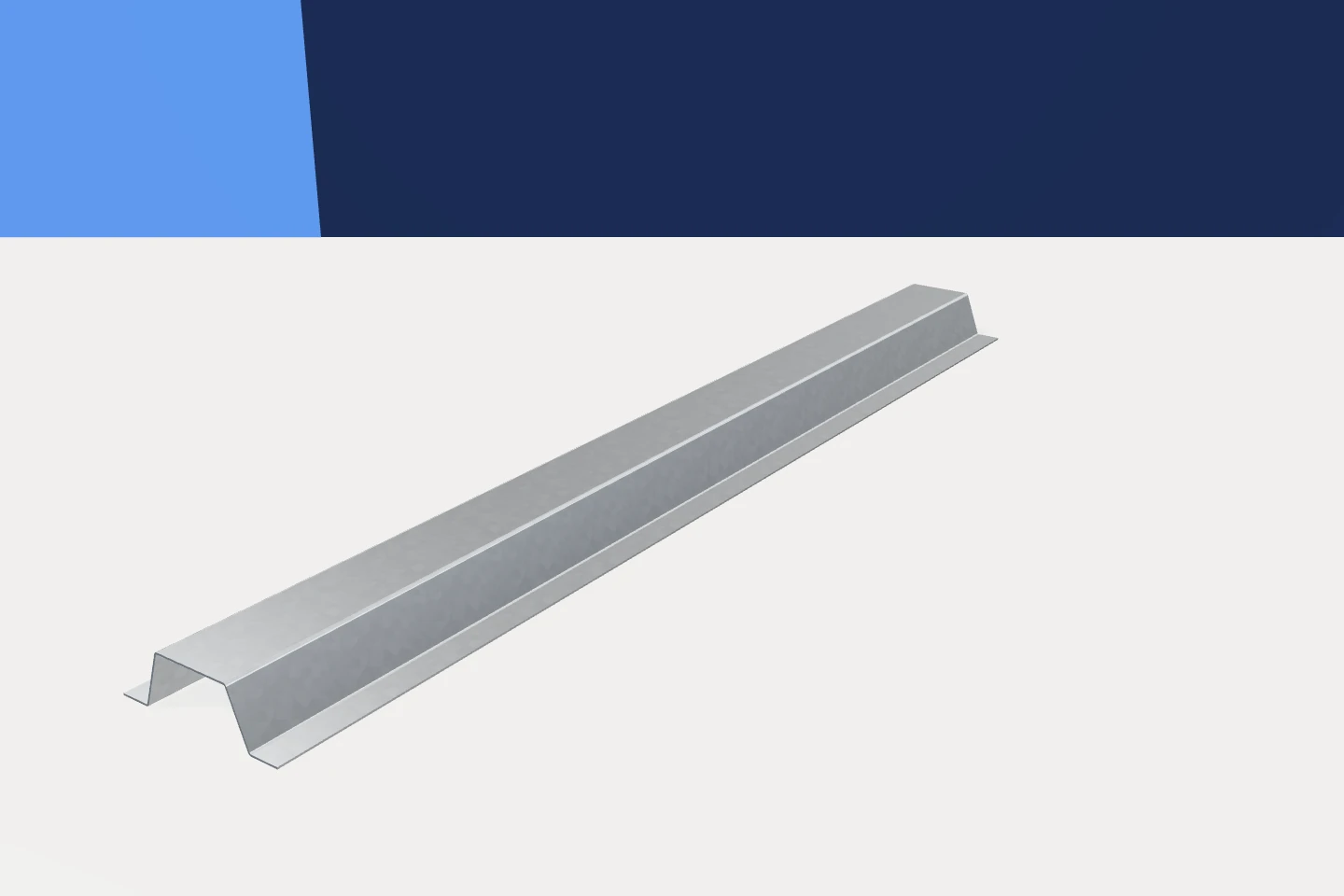
Steel top hat sections serve as roof battens and as rails behind wall cladding. Their suitability depends on the cross-section, sheet thickness, fixings and the covering they support. Look at the end of a section: the raised crown sits between two side walls, with a foot projecting on either side. The crown may be flat, the sides sloping and the outer edges of the feet turned up. Check these dimensions on the product drawing. An error in the light steel framework may only become visible as an uneven joint or surface once the outer sheets are installed.

By |2026-11-12T13:14:16+01:0012 November 2026|Installation and structure|Comments Off on What are top hat sections used for? Steel battens and cladding rails

Is a sigma section stronger than a C-channel?

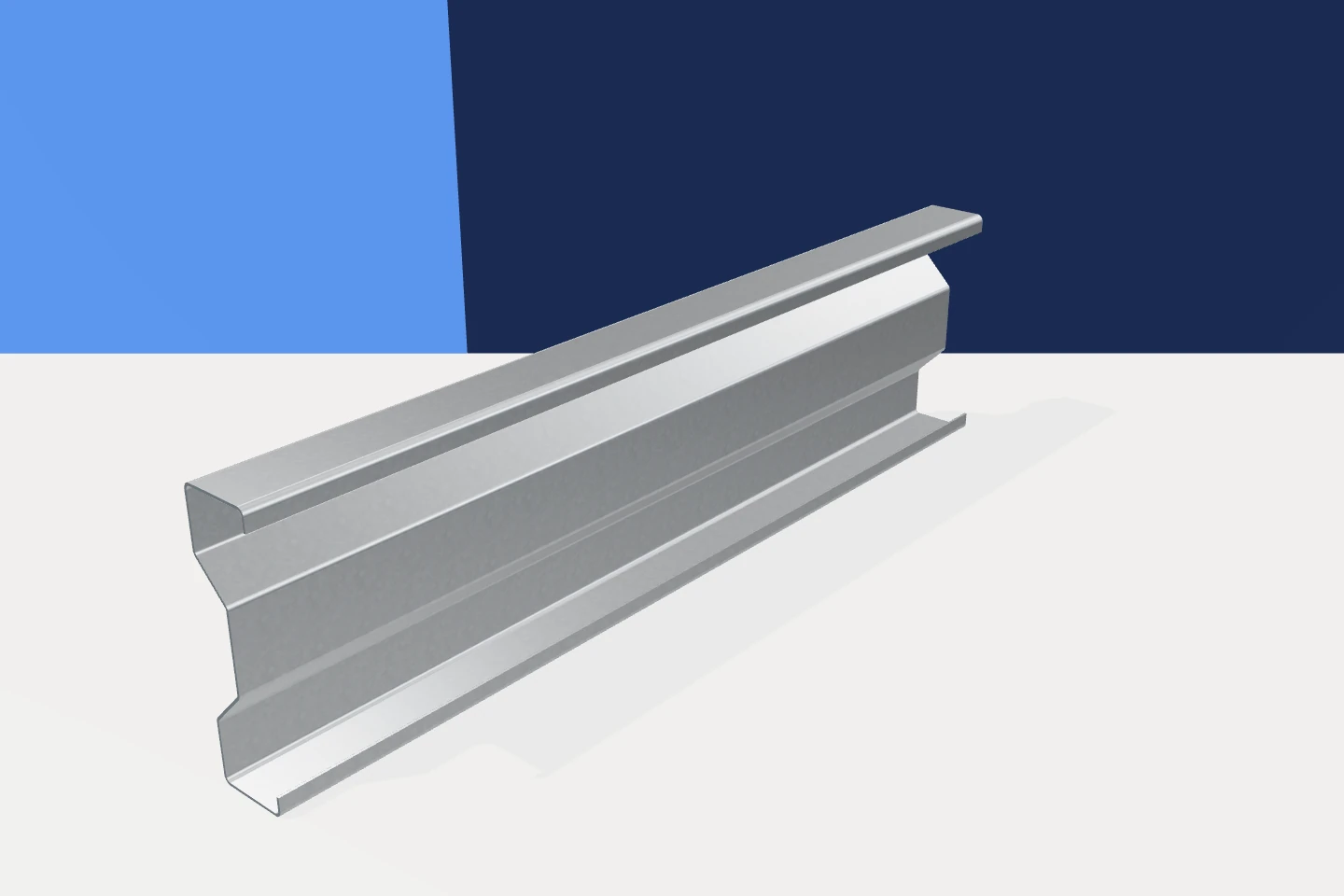
Extra folds in the web give a sigma section its distinctive shape. They affect how the thin plates behave, but do not establish whether it will carry more load than a C-channel. Compare the two sections for the same task. A wall rail and a roof purlin may have different spans, support conditions and load positions. Check resistance, stiffness and stability separately. Even a single member can be adequate in one building and unsuitable in another. A meaningful comparison begins with what the member must carry, how it is restrained and how much movement the adjoining cladding can accommodate.

By |2026-11-12T12:54:58+01:0012 November 2026|Installation and structure|Comments Off on Is a sigma section stronger than a C-channel?

Cold-formed C and U channels: how to tell them apart

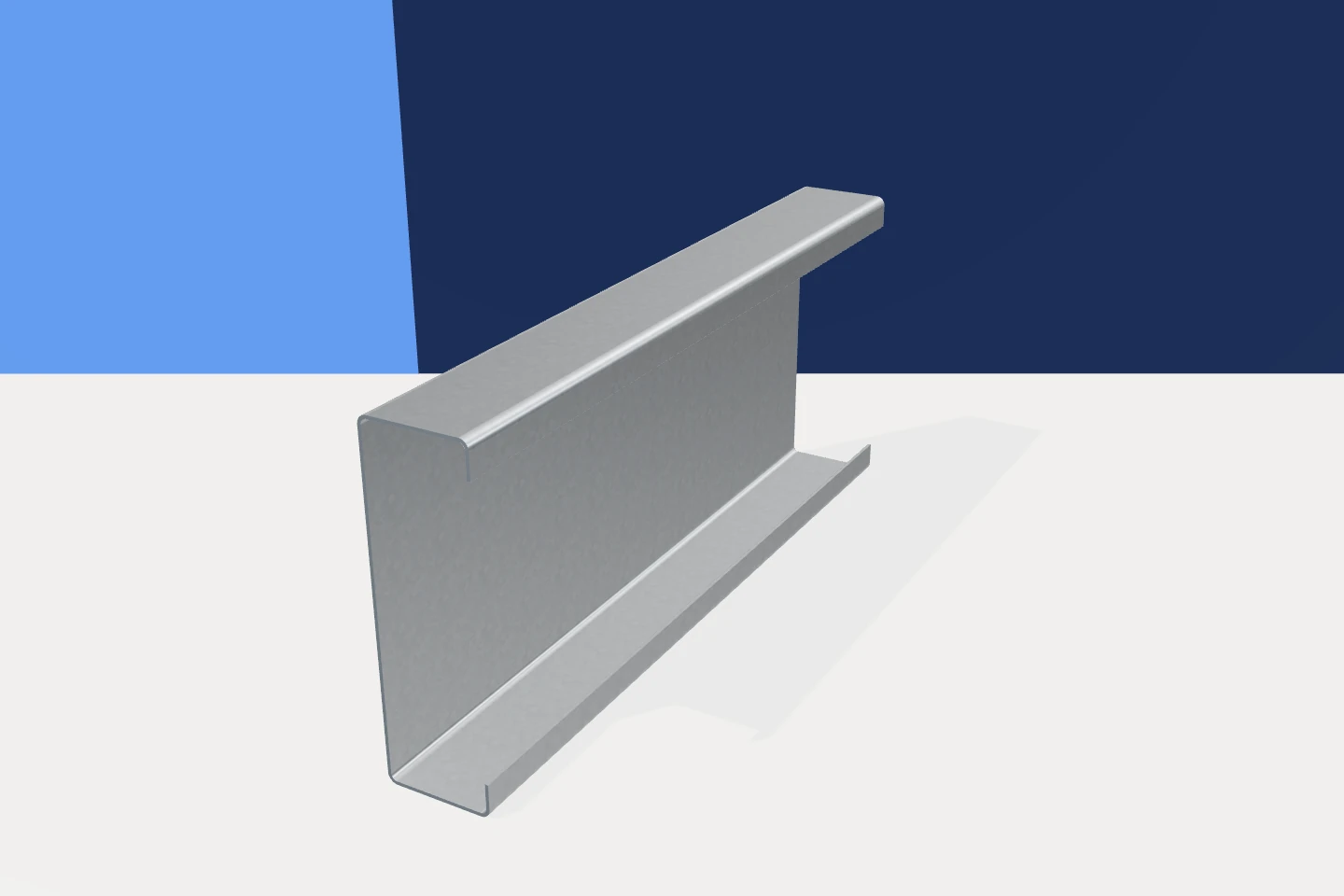
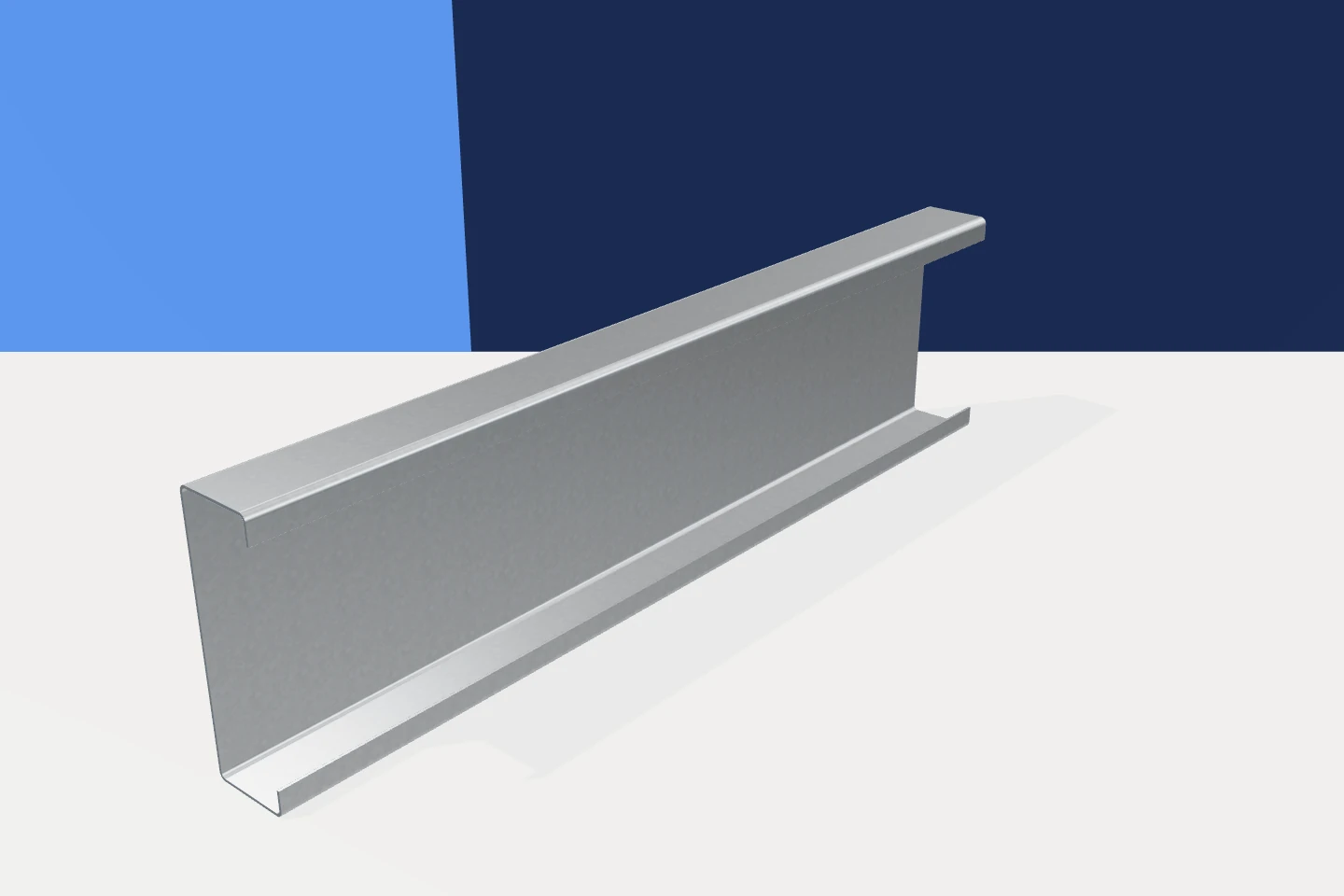
Channel, C-section and U-section are sometimes used interchangeably in conversation. Check the drawing before ordering. Both shapes can have a web with two flanges pointing to the same side. A structural C-section often has small return lips turned inwards at the flange edges. A plain U-section normally has open, unlipped edges. The lips act as edge stiffeners and affect the behaviour of the thin walls. Thickness, steel grade and manufacturing process can differ too. For a loadbearing member, specify the actual section and its intended use so the delivery can be checked against the design.

By |2026-11-12T12:54:57+01:0012 November 2026|Installation and structure|Comments Off on Cold-formed C and U channels: how to tell them apart

Why steel buildings use Z purlins beneath the roof

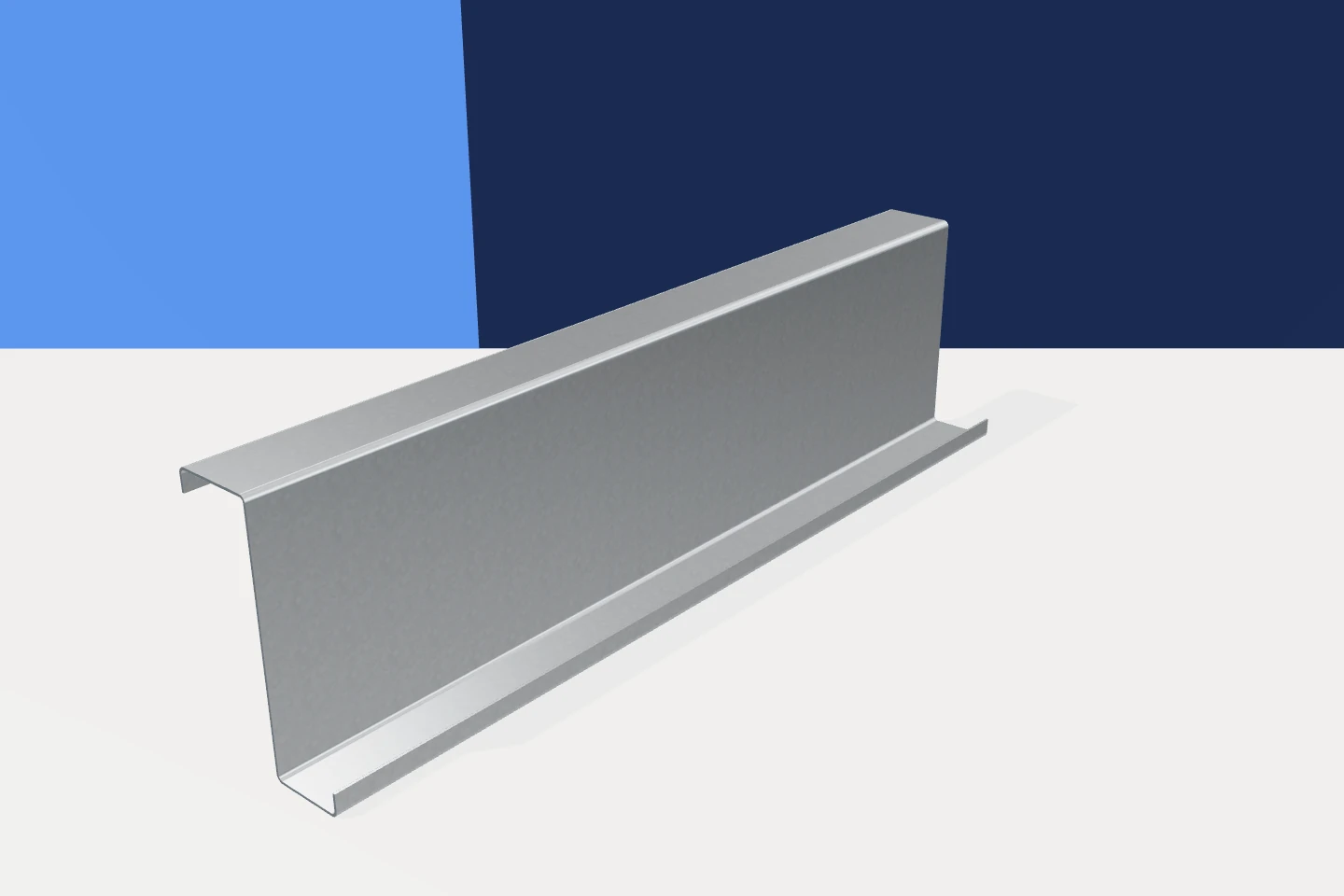
Look up inside a steel building and you may see slender Z-shaped members spanning between the main frames. These roof purlins support profiled sheet or sandwich panels. Each carries the loads from a strip of the roof to its supports. The forces then pass through the primary frame and columns to the foundations. The shape of a cold-formed Z purlin and the way it connects to adjoining members allow a light section to perform this task. Choosing a thicker sheet or a similar-looking beam alone tells you little about how the complete roof will perform.

By |2026-11-12T12:54:56+01:0012 November 2026|Installation and structure|Comments Off on Why steel buildings use Z purlins beneath the roof

Z, C, sigma or top hat? Identifying cold-formed steel sections

Look at the cut end to identify a cold-formed section. A Z has flanges facing in opposite directions; a C has both flanges on the same side of the web. A sigma has extra folds in its web, and a top hat, also called an omega section, has a raised centre and two feet. These shapes are formed from strip or sheet without the heating used in hot rolling. They are open sections, so you can trace the metal from edge to edge. The shape helps identify a product, but dimensions, material, supports and connections determine whether it suits the job.

By |2026-11-12T12:34:43+01:0012 November 2026|Installation and structure|Comments Off on Z, C, sigma or top hat? Identifying cold-formed steel sections
Back to top