Panels · Sheet metal · Insulation · Accessories

Modular steel roofing: turn easier handling into a well-planned installation

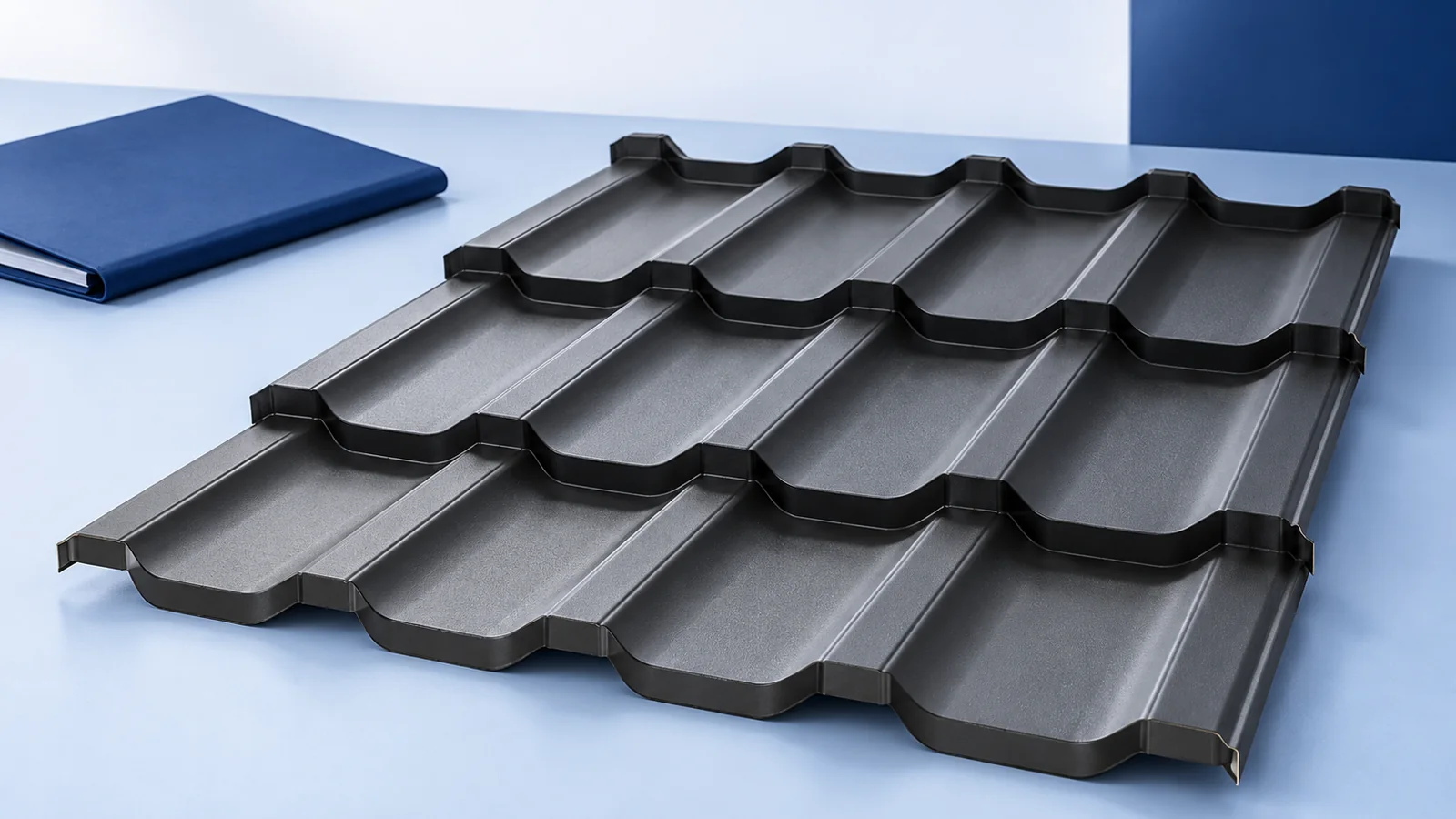
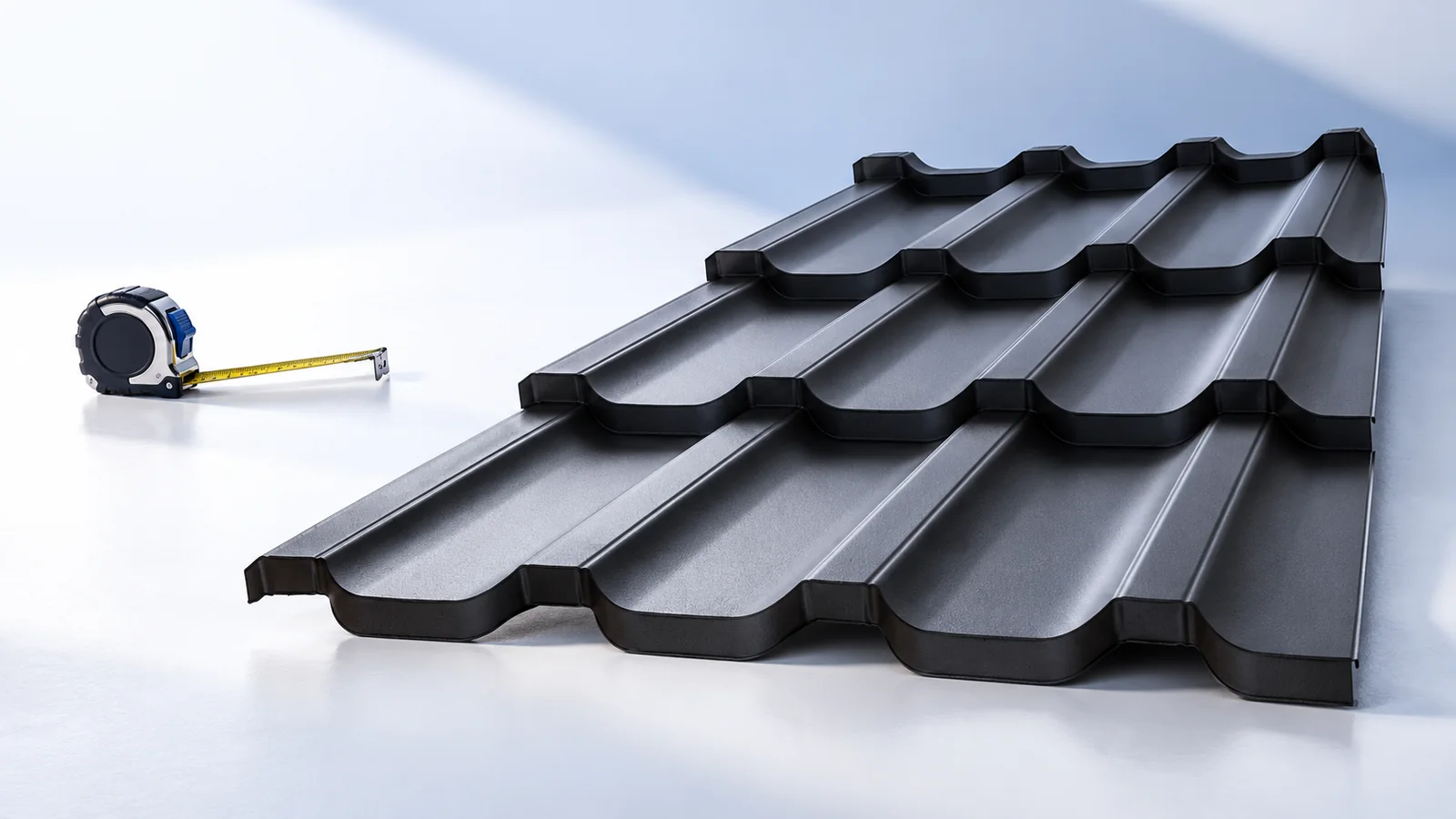
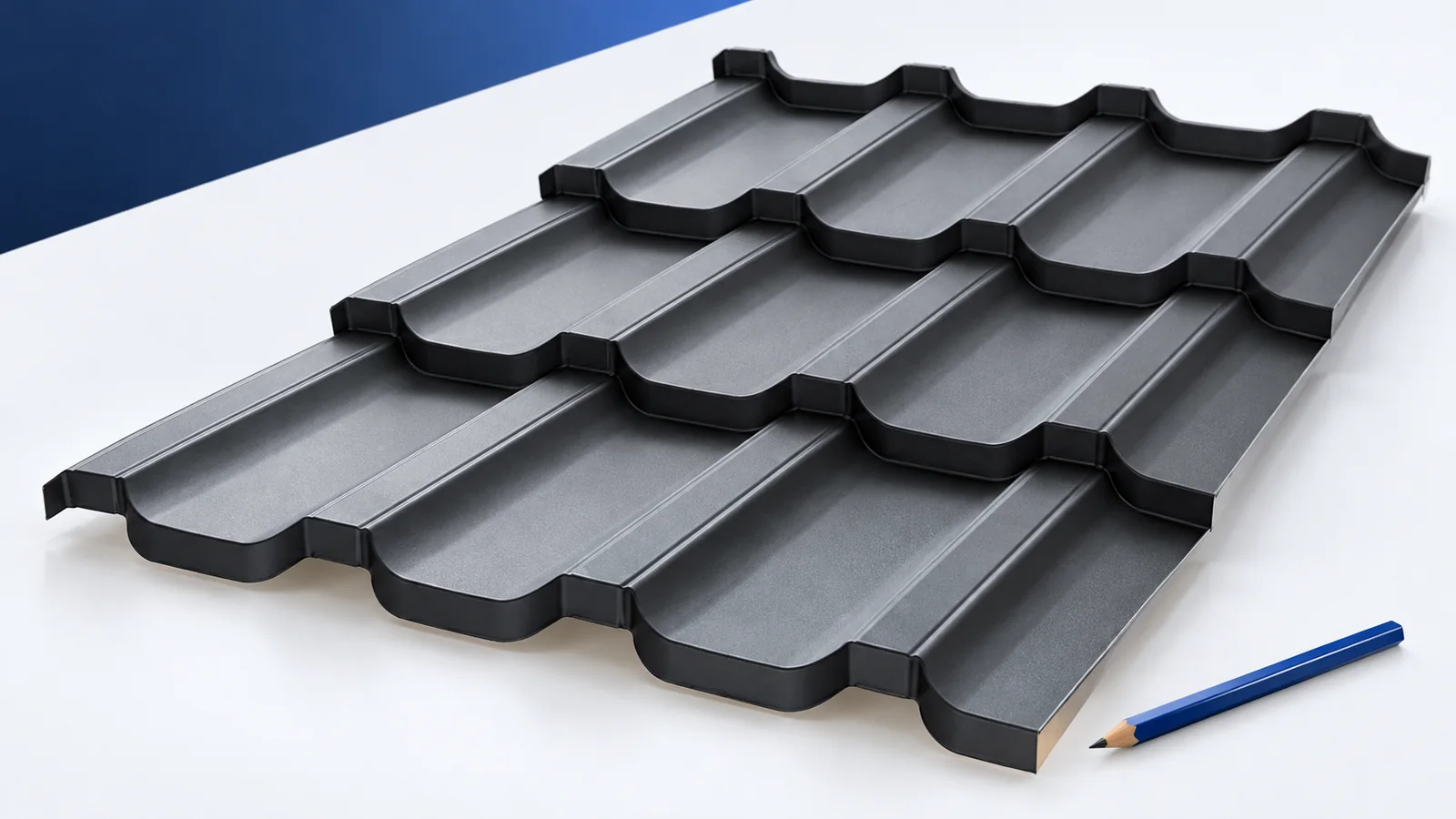
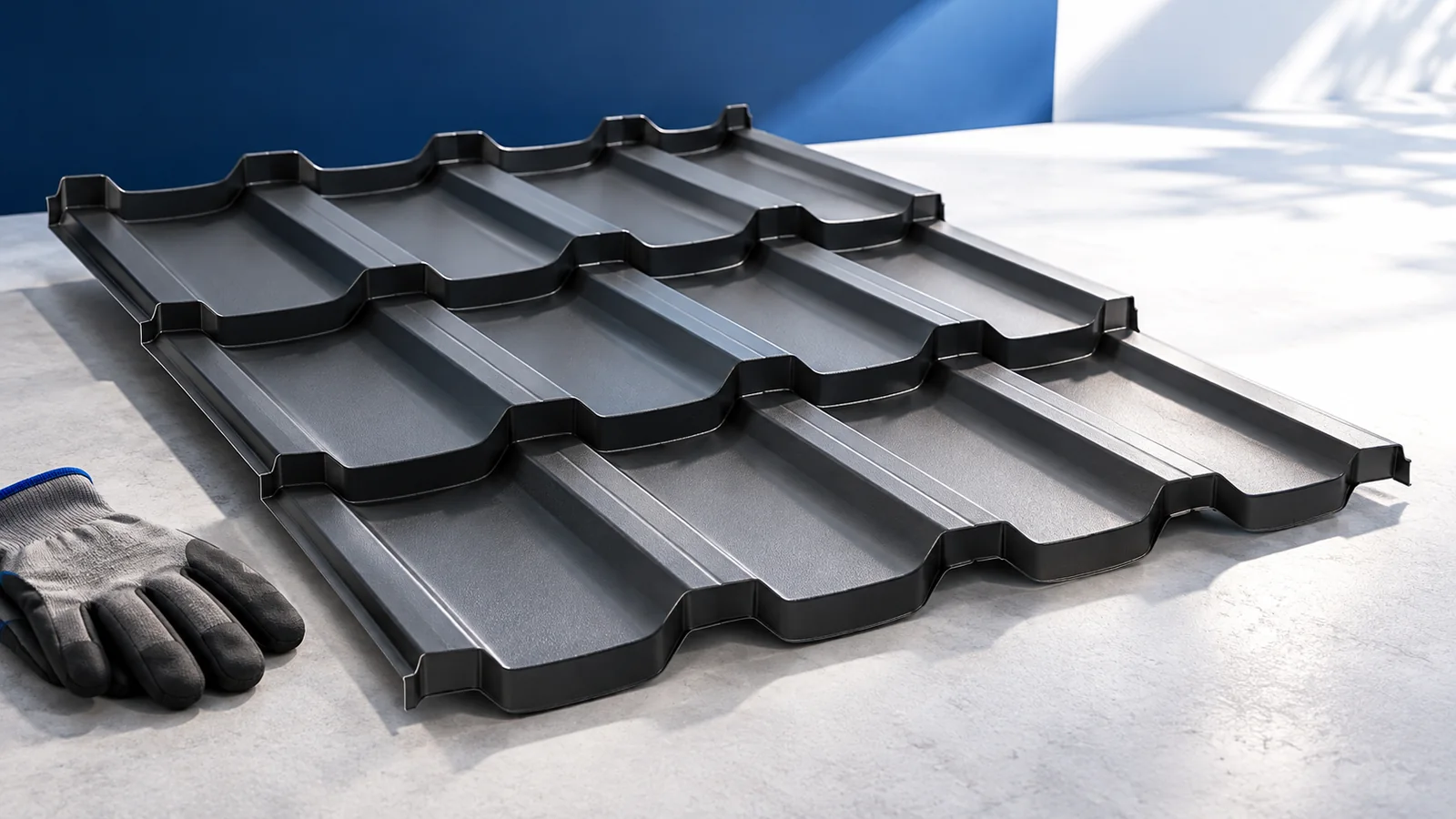
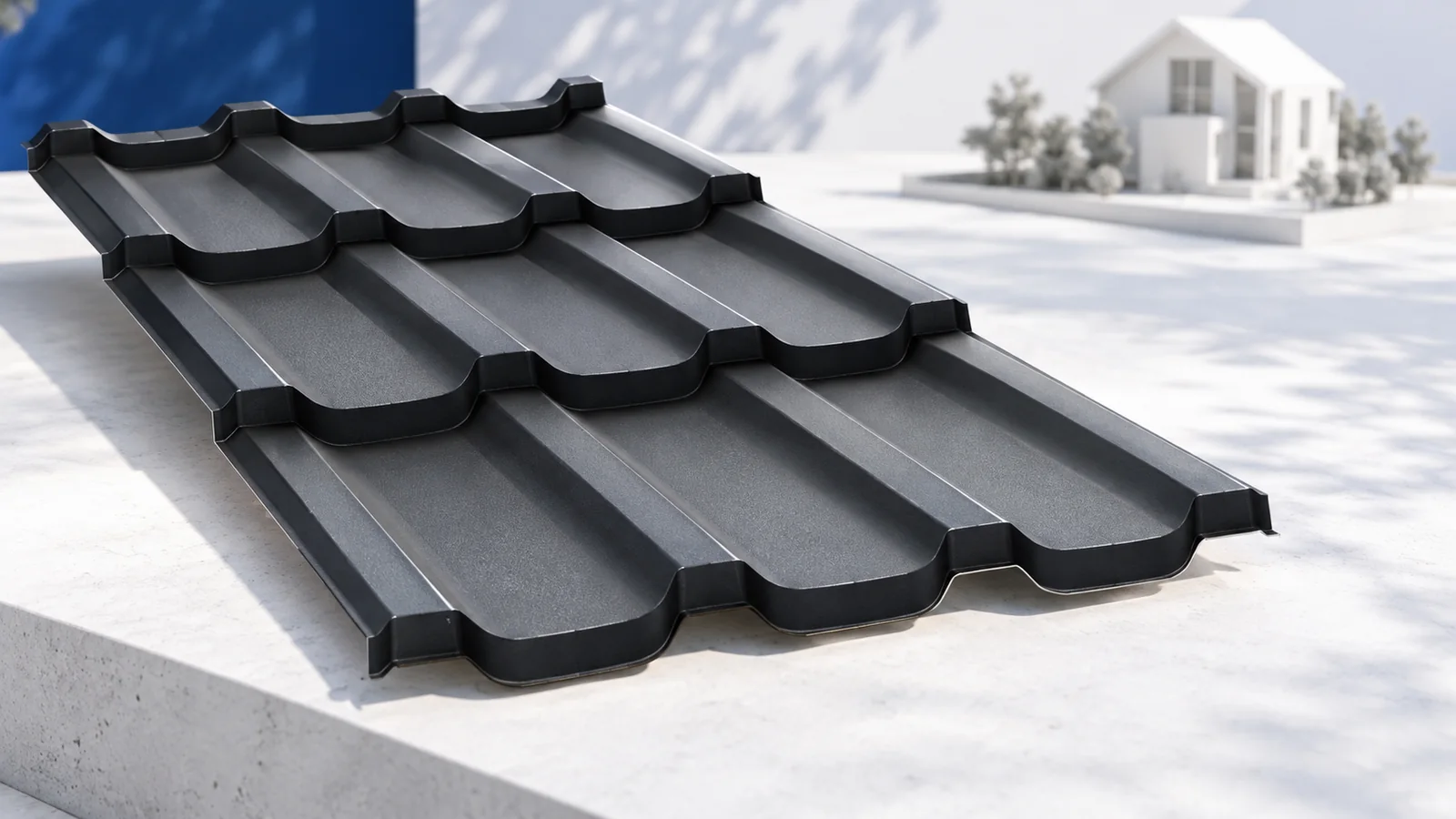
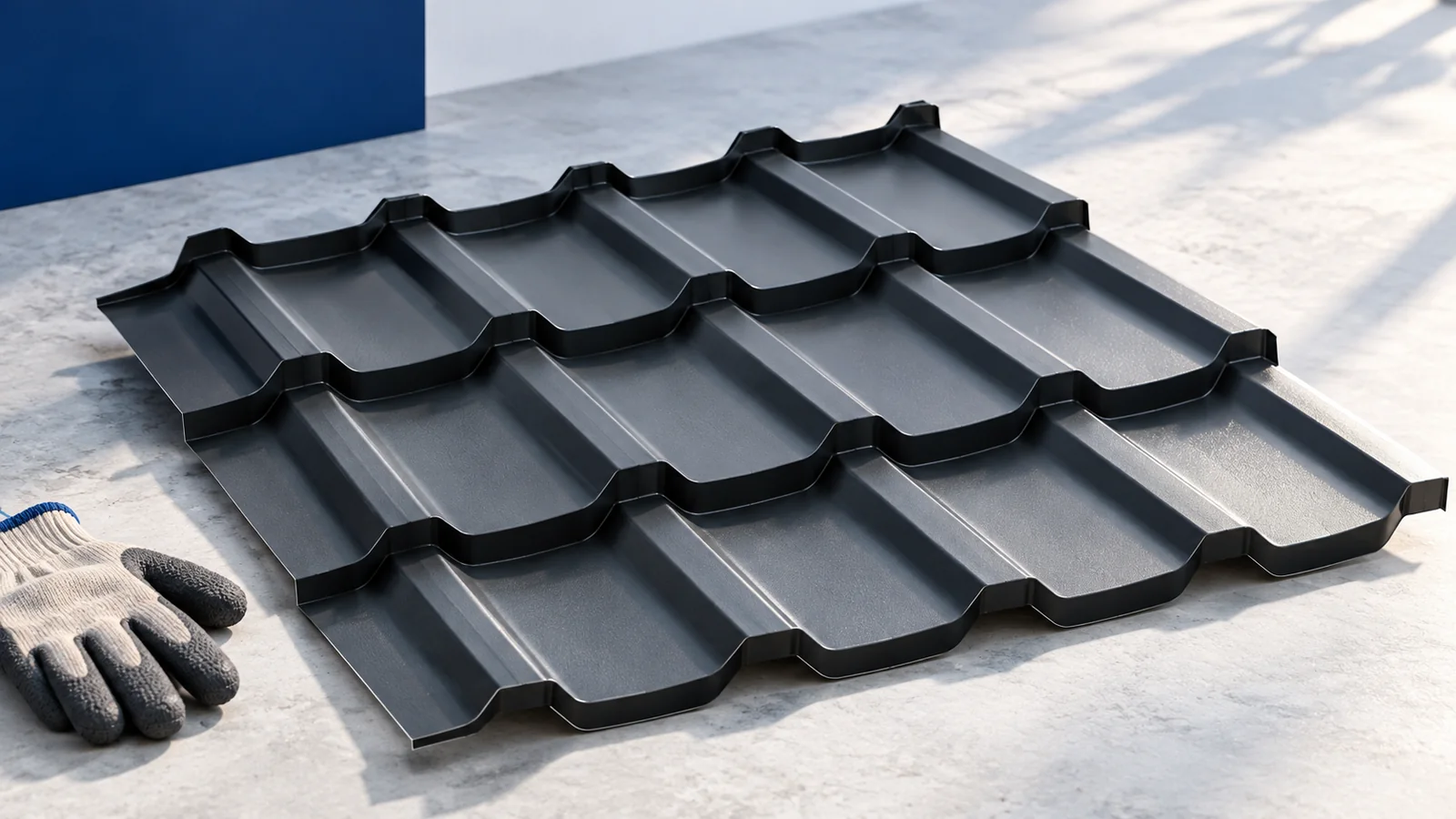
Modular tile-effect steel roofing uses smaller sheets that can help on restricted sites and roofs with many details. Start purchasing with effective dimensions and a cutting plan, and start installation by checking the substrate. Modules require suitable battens, a defined overlap sequence and fixings specified for the exact model. This guide covers preparation, cutting arrangements, storage and handover. It explains why small format does not guarantee minimal waste and still requires coating protection. It also identifies when made-to-length sheets deserve comparison. The aim is to use easier handling without repeating first-row errors across the roof through poorly planned alignment or fixing.
By |2026-11-11T14:53:28+01:0011 November 2026|Metal roofing|Comments Off on Modular steel roofing: turn easier handling into a well-planned installation

Trapezoidal metal roofing on a traditional house

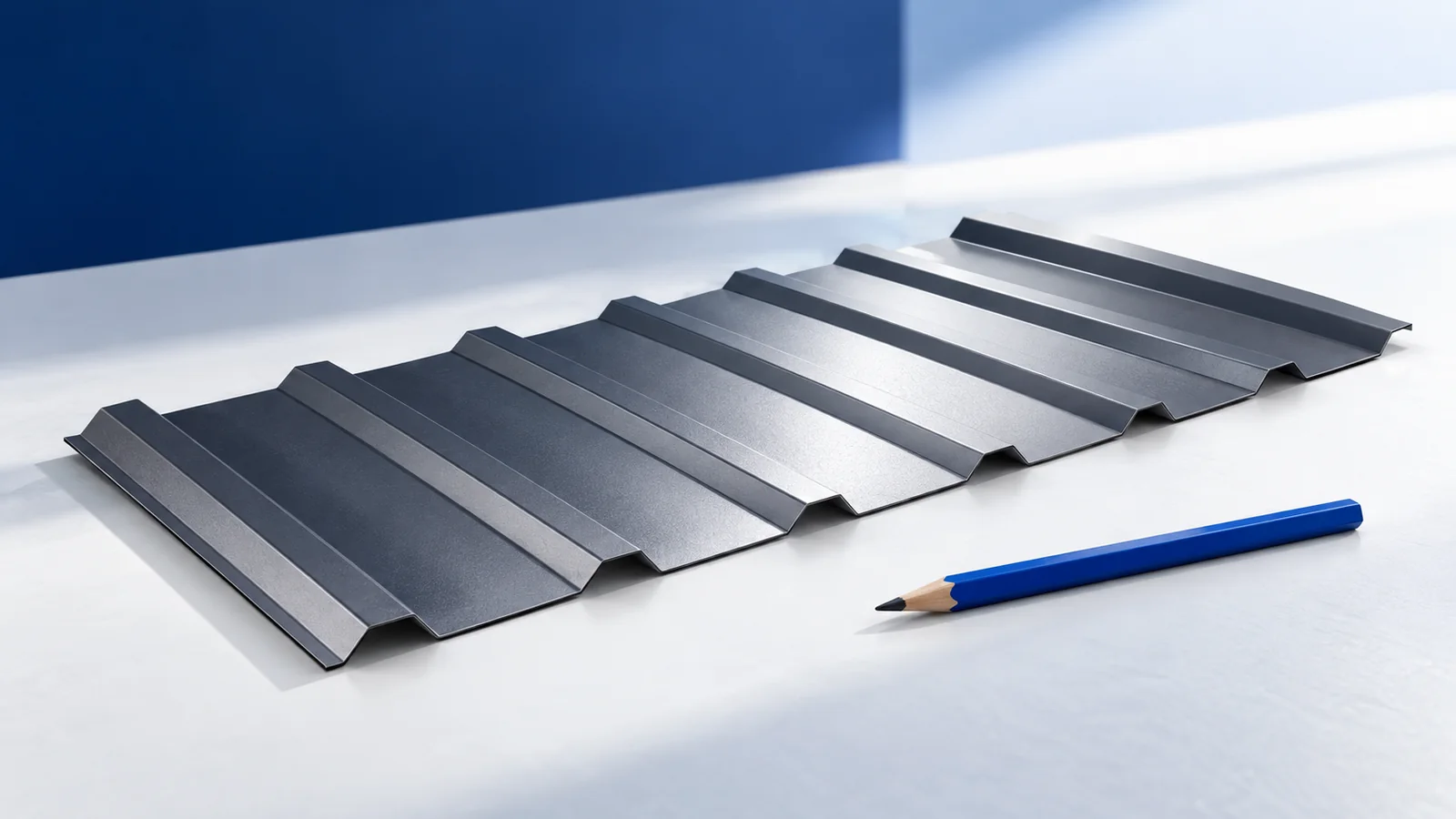
Trapezoidal metal roofing can suit a traditional house when its profile, colour and details match the building's proportions. The decision is not simply T18 versus T35: the geometry of the actual sheet and its approved application matter alongside appearance. This guide moves from assessing the façade and roof shape to checking the structure during renovation. It considers the effect of gloss, rib depth, flashings and retained accessories on the finished roof. It also explains when tile-effect metal roofing may be preferable. The comparison therefore covers the character of the house together with structural capacity, ventilation and the requirements of the new roof build-up.

By |2026-11-11T14:19:34+01:0011 November 2026|Metal roofing|Comments Off on Trapezoidal metal roofing on a traditional house

What advantages can metal roofing offer?

Metal roofing offers a choice of profiles, formats and coatings with a relatively low weight for the outer covering itself. These benefits must be assessed against the building's structure, pitch, slope geometry and intended appearance. Cut-to-length sheets may simplify regular surfaces, while modules can ease work around numerous edges. Thermal performance, acoustics and durability depend on the complete assembly, not the sheet alone. This guide separates material advantages from the conditions needed to achieve them. It covers handling, finishes, protection during installation and cost comparison so low weight or an attractive price does not obscure support, weatherproofing and maintenance requirements.

By |2026-11-11T13:45:17+01:0011 November 2026|Metal roofing|Comments Off on What advantages can metal roofing offer?

Reading T18, T35 and other trapezoidal-sheet designations

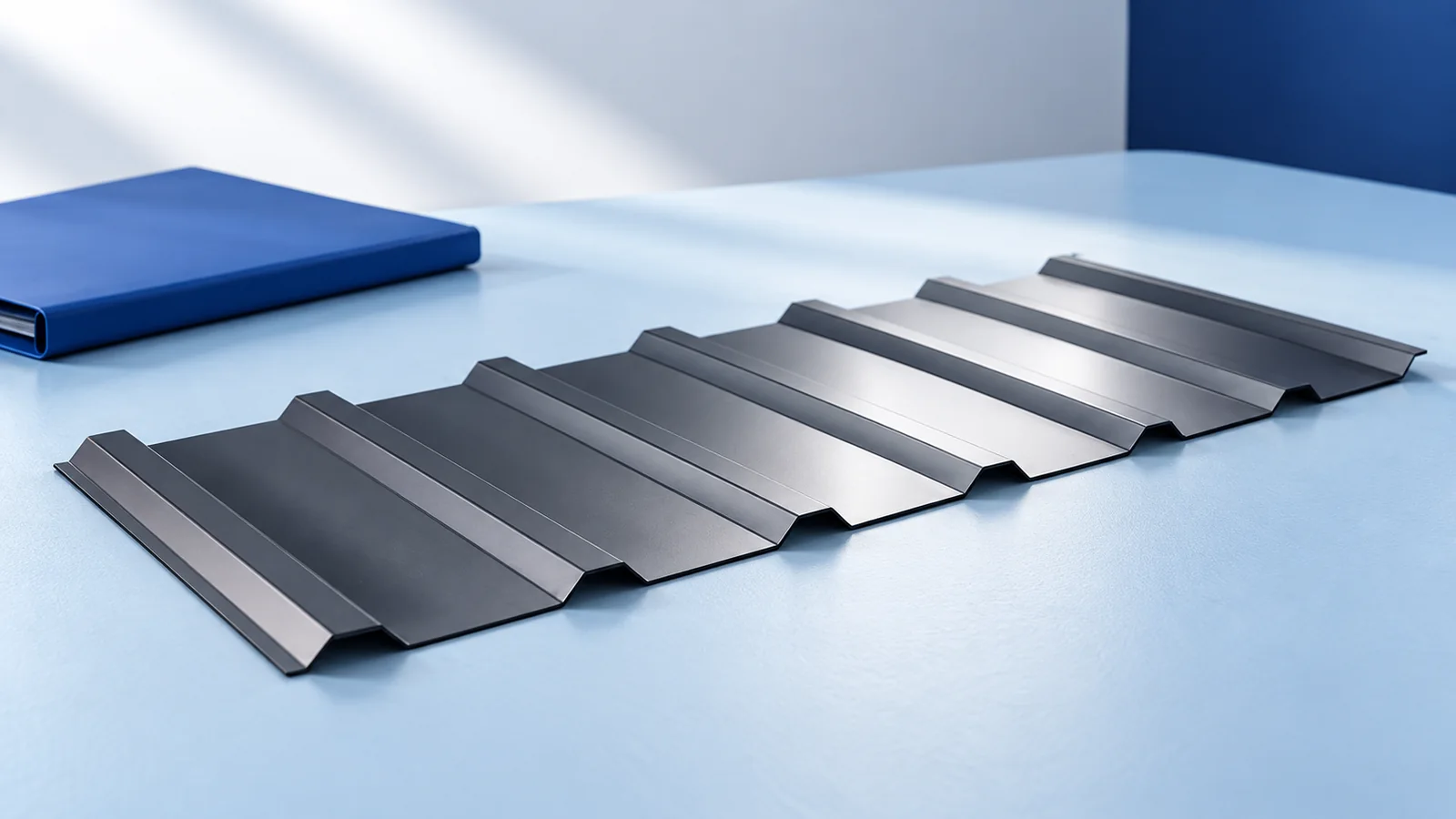
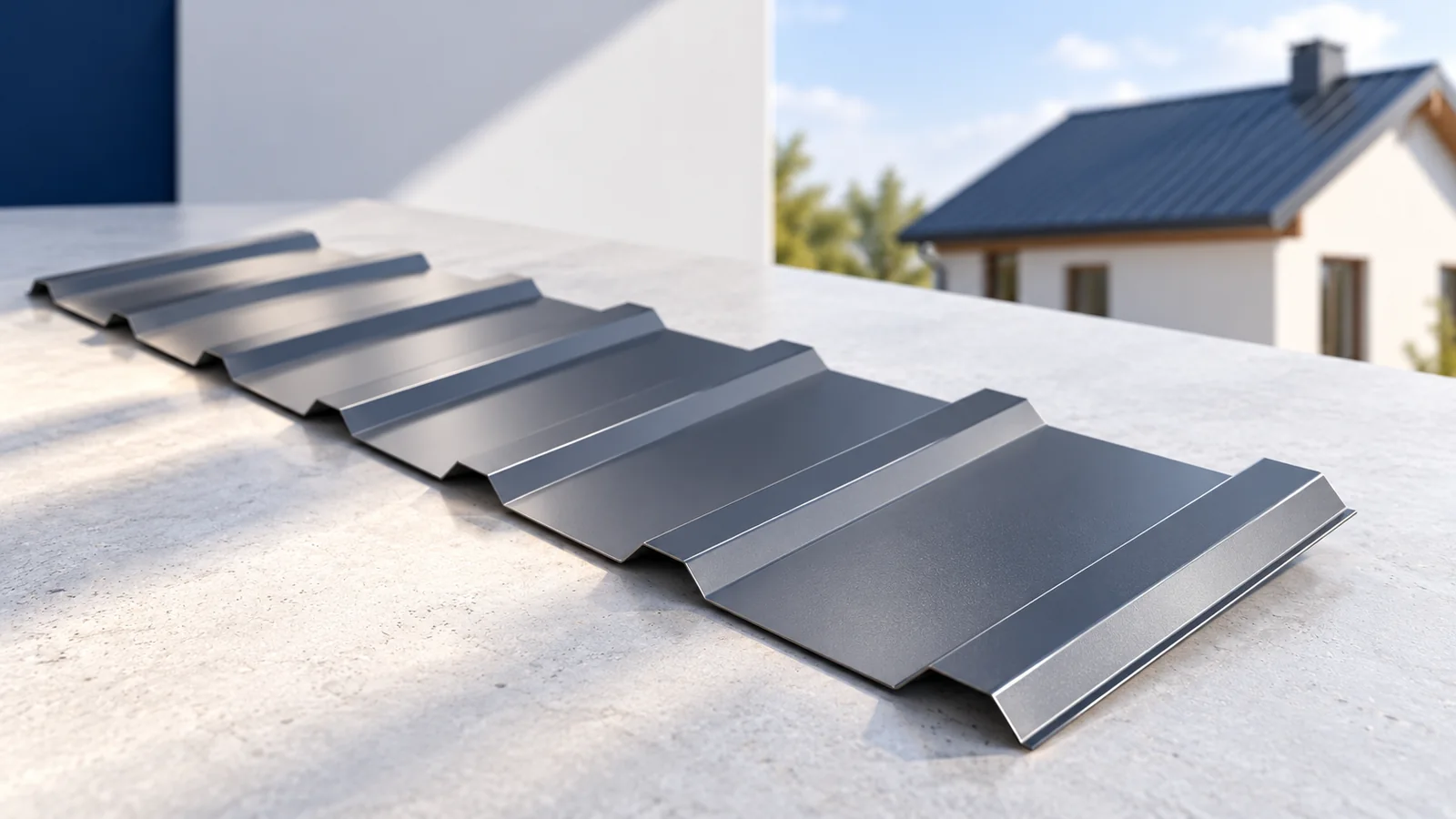
A trapezoidal-sheet designation starts product identification; it is not a complete specification. T18 and T35 usually refer to nominal profile height, but do not independently define steel thickness, effective cover width or permissible support spacing. Purchasing material or repairing an existing roof requires the particular manufacturer's cross-section drawing. This guide distinguishes height from thickness, explains additional numbers and shows how coverage changes after overlaps. It also describes why similarly named sheets may not fit together. The final ordering checklist covers application, coating, lengths and pricing unit, helping you compare offers on more than the abbreviation in the product name.

By |2026-11-11T13:45:15+01:0011 November 2026|Metal roofing|Comments Off on Reading T18, T35 and other trapezoidal-sheet designations

Choosing trapezoidal steel sheets for a canopy roof

Choose trapezoidal sheets for a canopy by starting with roof conditions, not sheet colour. Establish pitch, support spacing, how enclosed the sides are and how the structure is anchored. Only then compare particular T18 and T35 thicknesses and coatings. Condensation beneath cold metal and the rainwater discharge point also matter. This guide follows the order information, structural checks and effective-coverage calculation. It explains anti-condensation fleece and the limitations of long sheets. A low material price per square metre does not determine the complete canopy cost. Include supports, fixings, flashings, delivery and installation checks so the finished canopy suits its intended use.

By |2026-11-11T13:45:09+01:0011 November 2026|Metal roofing|Comments Off on Choosing trapezoidal steel sheets for a canopy roof

Matt or gloss steel roof tiles: how should you compare the finishes?

Matt and gloss steel roof tiles reflect light differently, but gloss level alone does not describe roofing quality. A comparison needs the coating name, technical specifications, permitted exposure and warranty document. Work in two stages: first confirm technical suitability for the building's surroundings, then assess colour and texture on a real sample. This guide separates those questions, discusses cleaning and explains how to compare the extra cost of another finish. Prices are historical catalogue examples, not today's offer. They demonstrate that sheet format and specification also affect cost. An order should identify the product, coating and colour rather than simply saying “matt” or “gloss”.

By |2026-11-14T17:47:41+01:0011 November 2026|Metal roofing|Comments Off on Matt or gloss steel roof tiles: how should you compare the finishes?

T35 trapezoidal steel sheet: what does it offer and how much does it cost?

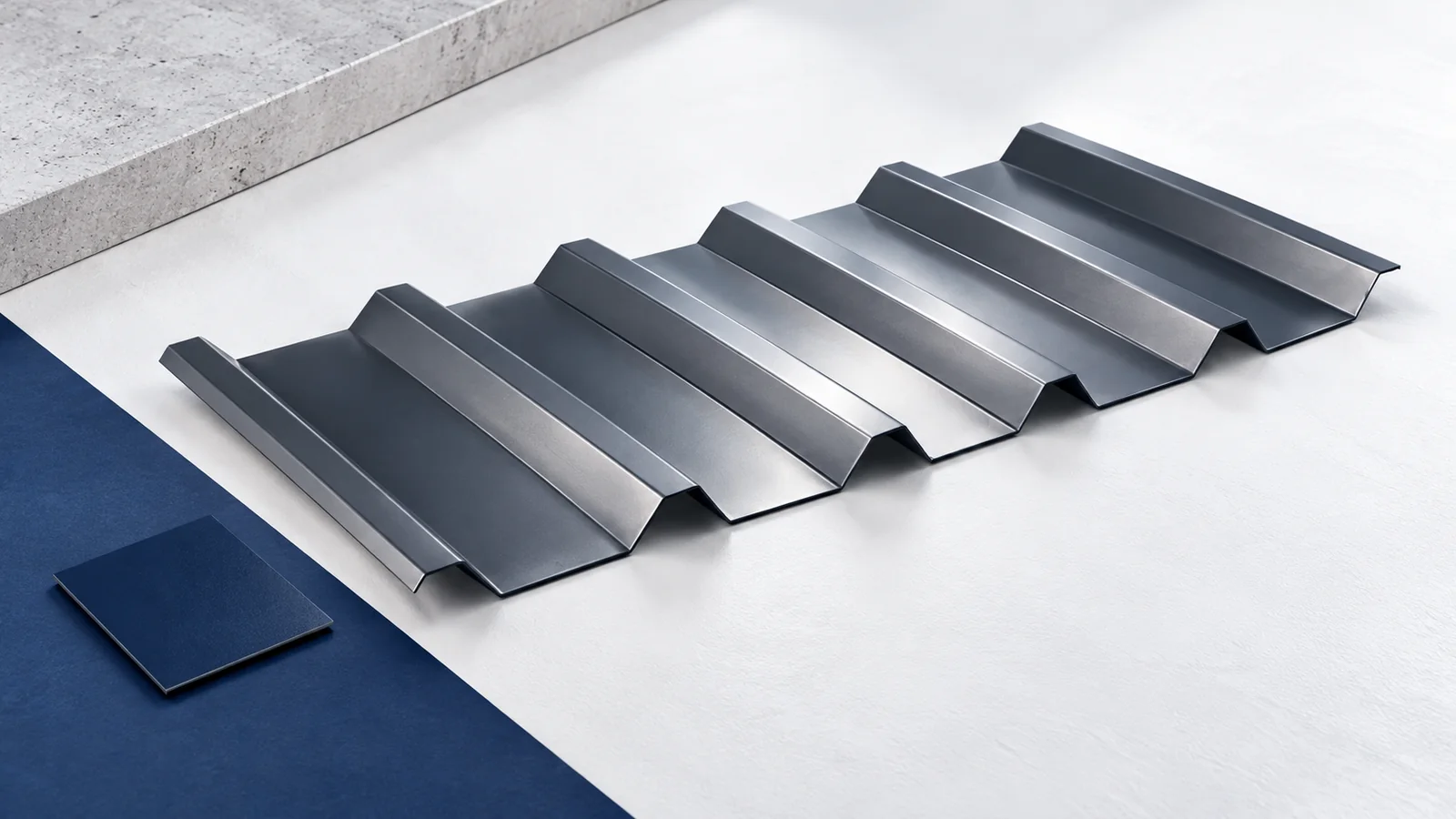
T35 trapezoidal steel sheet has a nominal profile height of about 35 mm, but that designation alone is insufficient for ordering a roof covering. Suitability also depends on the cross-section, steel thickness, coating and support conditions. This guide takes a comparison from the profile drawing to the complete order cost. It explains effective versus overall width and why profile height alone cannot establish structural performance. Dated catalogue examples illustrate price comparisons rather than a current sales offer. Roof pitch, joints, fasteners and maintenance are also covered, helping you specify a particular sheet and identify the details a designer must confirm before selecting lengths and support spacing.

By |2026-11-14T17:47:39+01:0011 November 2026|Metal roofing|Comments Off on T35 trapezoidal steel sheet: what does it offer and how much does it cost?

Cut-to-length or modular steel roof tiles: what shapes the finished roof?

A steel-tile roof's appearance combines profile proportions, colour, texture and installation accuracy. Choosing cut-to-length sheets or modules is only one decision. Long pieces reduce some joints; shorter ones help around changes in roof geometry. Both can form a coherent surface. This guide moves from a small sample to assessing the whole house. It identifies dimensions to read from drawings, explains light and shadow, and shows why a screen cannot replace viewing real colours. Transport, details and technical requirements also matter. The aim is an appearance that can be built correctly, rather than copying an attractive photograph without checking pitch, substrate and accessories.

By |2026-11-11T13:15:37+01:0011 November 2026|Metal roofing|Comments Off on Cut-to-length or modular steel roof tiles: what shapes the finished roof?

Single- or double-module steel roof tiles: comparing sheet sizes fairly

Compare single- and double-module steel roof tiles by coverage, cuts and the number of installation operations. Both can produce a similar pattern, but each sheet contains one or two rows of pressed steps along the slope. A smaller piece is easier to manoeuvre; a larger one covers more area with each lift. Cost depends on the actual roof geometry, laps and installation method. This guide converts sheet price to effective square metres and explains how to compare two cutting plans. It separates format convenience from steel and coating properties. Collect complete quantities and labour costs before deciding, so a low individual sheet price does not obscure the finished roof cost.

By |2026-11-14T17:47:23+01:0011 November 2026|Metal roofing|Comments Off on Single- or double-module steel roof tiles: comparing sheet sizes fairly

Which building technologies are changing how projects are delivered?

Judge a building technology by the job it performs in the particular project. Prefabrication changes preparation, sandwich panels combine enclosure functions, and low-conductivity insulation may reduce the required layer thickness. Each benefit has conditions: suitable supports, resolved joints, appropriate fire performance and current documentation. This guide organises technology selection from defining the problem to accepting delivery. It distinguishes a single product's properties from the performance of a whole roof or wall, while considering transport, digital schedules and future maintenance. The aim is a measurable project benefit, without assuming that one material family is superior everywhere or overlooking the work needed to use it correctly.

By |2026-11-11T13:15:33+01:0011 November 2026|Metal roofing|Comments Off on Which building technologies are changing how projects are delivered?
Back to top