Choosing a coating for modular metal roof tiles
Roof coverings
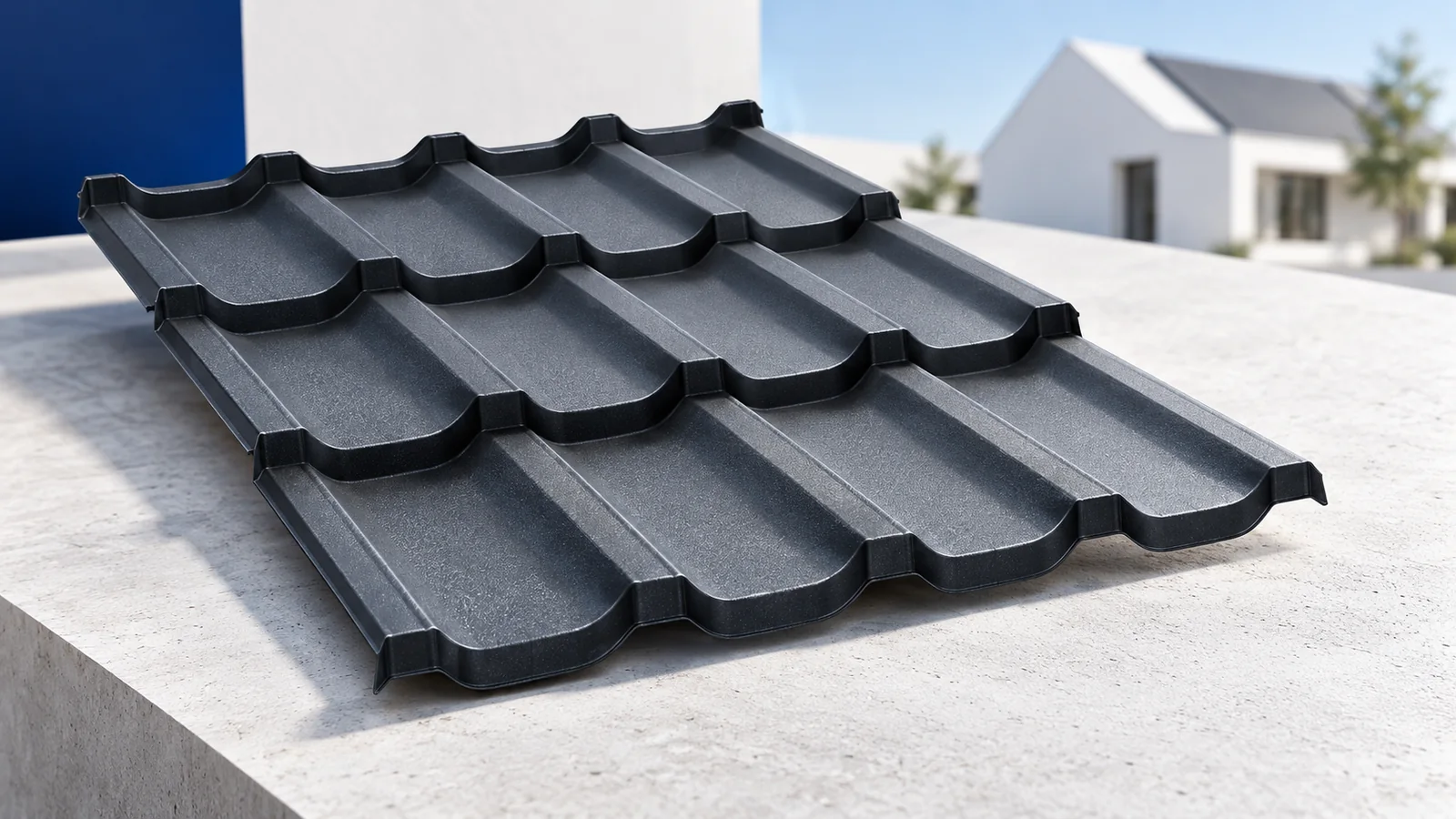
A modular metal roof-tile coating affects appearance and surface protection, but assessment should go beyond matt or gloss. Identify the steel core, metallic protection, organic coating and roof exposure. This guide explains how to compare properties and distinguish a particular finish from general claims about an entire product series. It connects coating selection with transport, cutting and maintenance, because damage can occur before handover. It does not rank finishes solely by paint thickness. Instead, it helps you request comparable quotations and identify the property behind a higher price. Keep the final specification with the order, installation instructions and warranty conditions.
Which layers make up the coated sheet?
Steel, metallic protection and organic finish work together, with underside protection also relevant. One paint-thickness figure does not describe the whole assembly. Look for the full coating-system designation in the product data.
Steel-core thickness and coating thickness are different properties. A better finish cannot correct unsuitable supports or fixings. Specify both the sheet and its surface rather than allowing one description to replace the other.
Does matt automatically mean longer-lasting?
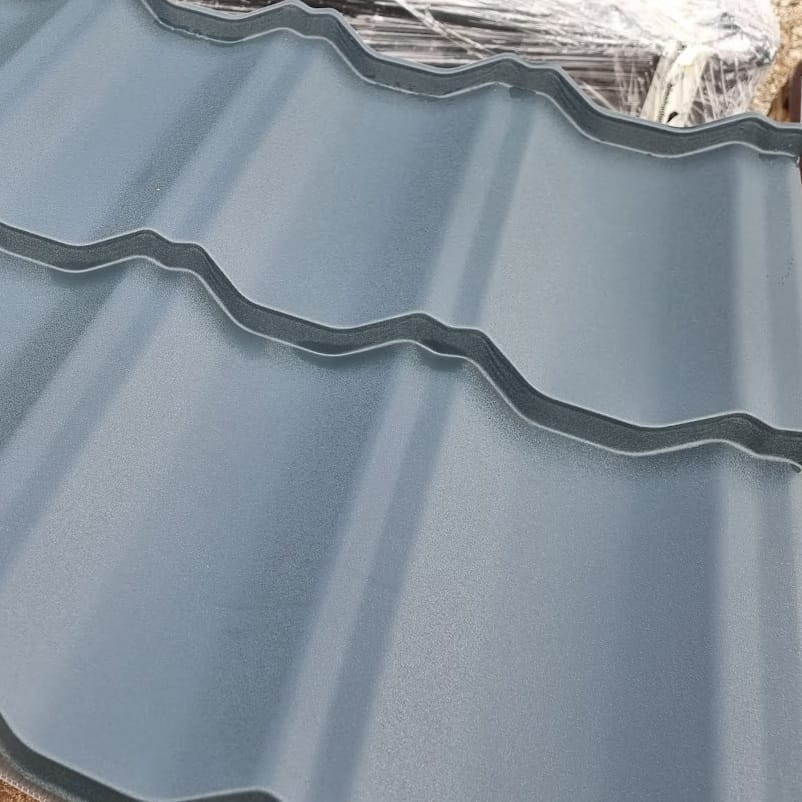
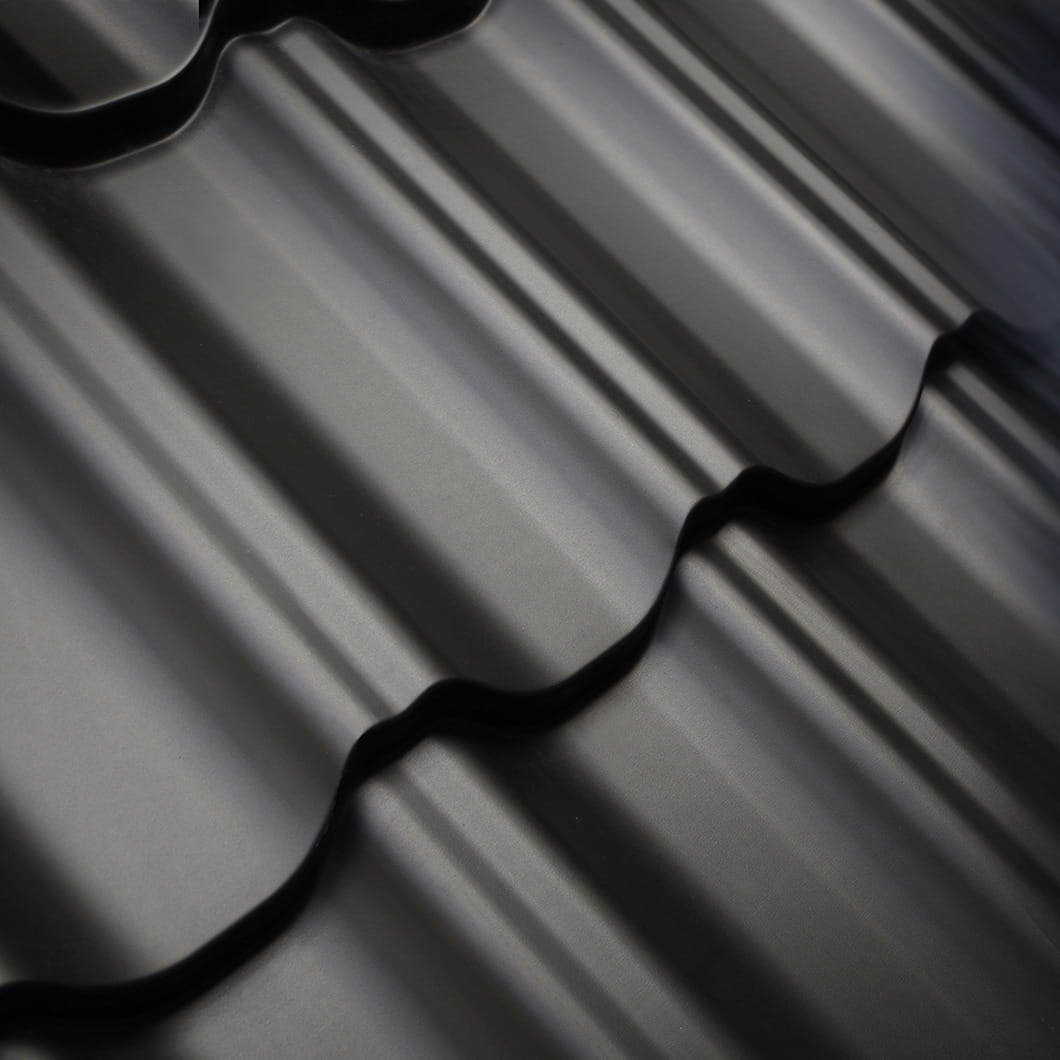
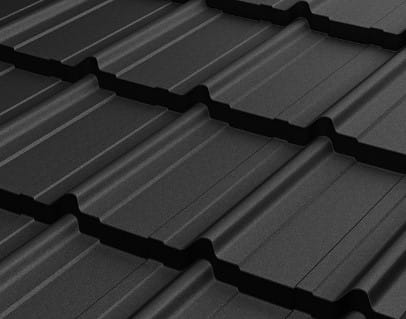
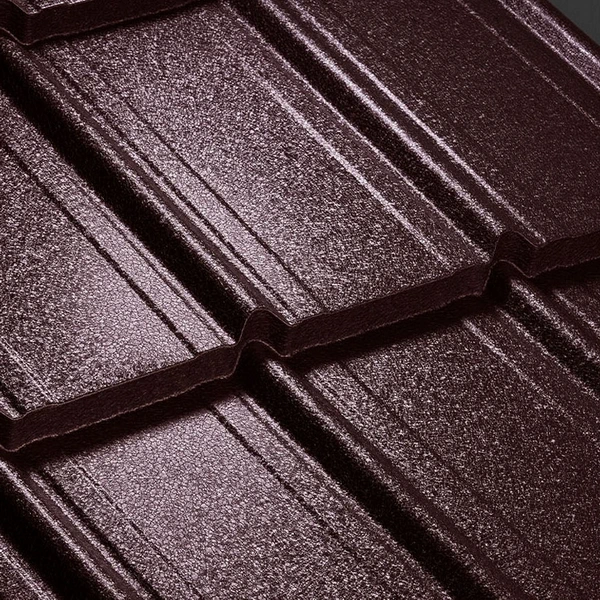
Matt and gloss primarily describe reflected light. Resistance depends on the technology and declared properties. Two matt finishes may age differently, so the appearance label alone cannot establish durability.
View a sample outdoors in sun and shade from different angles. A screen cannot reproduce texture or gloss precisely. For an extension, a matching colour code does not guarantee a match to weathered roofing.
Which protection claims should be compared?
Assess coastal, industrial or livestock-related exposure where relevant. Check declared corrosion and UV resistance. Conditions on the outer face may differ from those affecting the underside of the sheet.
More micrometres do not produce a universal winner across technologies. Composition, adhesion and intended exposure also matter. Compare exact coating designations and their documents rather than ranking thickness alone.
The highest-specification finish does not represent every option in a collection. Obtain data for the exact coating ordered and include its designation in the quotation to check the delivered sheets against it.
What changes when the sheet is modular?
Small sheets can simplify work around dormers and complex slopes. Reusing offcuts still depends on profile direction and permitted joints. The format does not guarantee a fixed material saving on every roof.
Modularity does not determine coating quality. Avoid sliding finished faces against each other and remove swarf during handling. Check delivery batch markings to support a consistent appearance across a large roof plane.
How can installation damage be avoided?
Use manufacturer-approved cutting tools. Hot sparks and abrasive cutting can damage the surface. Deposited swarf can rust; remove it as instructed before contamination makes the coating itself difficult to assess.
Follow storage instructions if a pack becomes wet, including protection and drying arrangements. Observe the protective-film removal deadline. Prolonged sun exposure can make the film harder to remove cleanly.
What should the warranty and quotation specify?
Separate technical and appearance cover, and read inspection and maintenance requirements. An advertised long term does not promise unchanged colour in every environment. Check scope, exclusions and obligations for the selected finish.
Compare quotations using the same effective area and accessory scope. Ask which specific property justifies a coating premium. This connects the comparison to the building’s needs rather than differences in trade names.

Free quote
What to include in your enquiry
Tell us how you plan to use the material, the dimensions and the quantity you need. Include the thickness, grade or variant name, along with the delivery town or your preferred collection branch. For a specific product, add its name or a link to the product page. We will reply to the email address you provide to discuss availability and the terms of your order.
More from the building guide
A gable roof makes covering options easier to compare, but its simple shape does not remove the need for measurements and system…
Correct installation of steel roof tiles depends on agreement between roof geometry, the prepared substructure and the specific profile's instructions. Cut-to-length sheets…
Choose a house roof covering in two stages. First rule out materials incompatible with the structure, pitch and layer arrangement; then compare…
A roof batten must both support the covering and provide a place to fix it. Its section and spacing therefore depend on…
Compare single- and double-module steel roof tiles by coverage, cuts and the number of installation operations. Both can produce a similar pattern,…
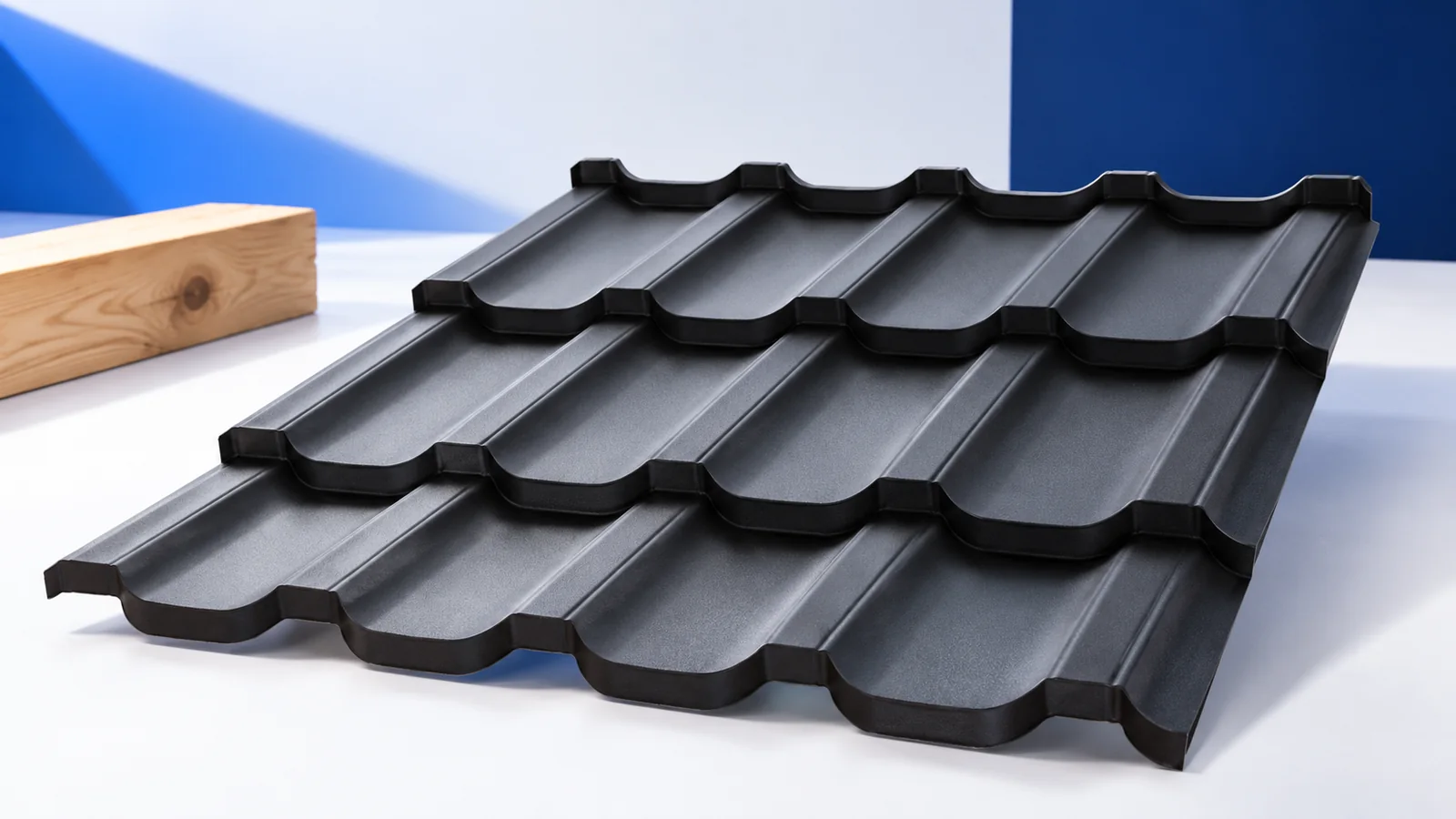
A roof that ages well starts with the building's proportions and coordinated details. Colour or a fashionable profile is insufficient if ridge,…
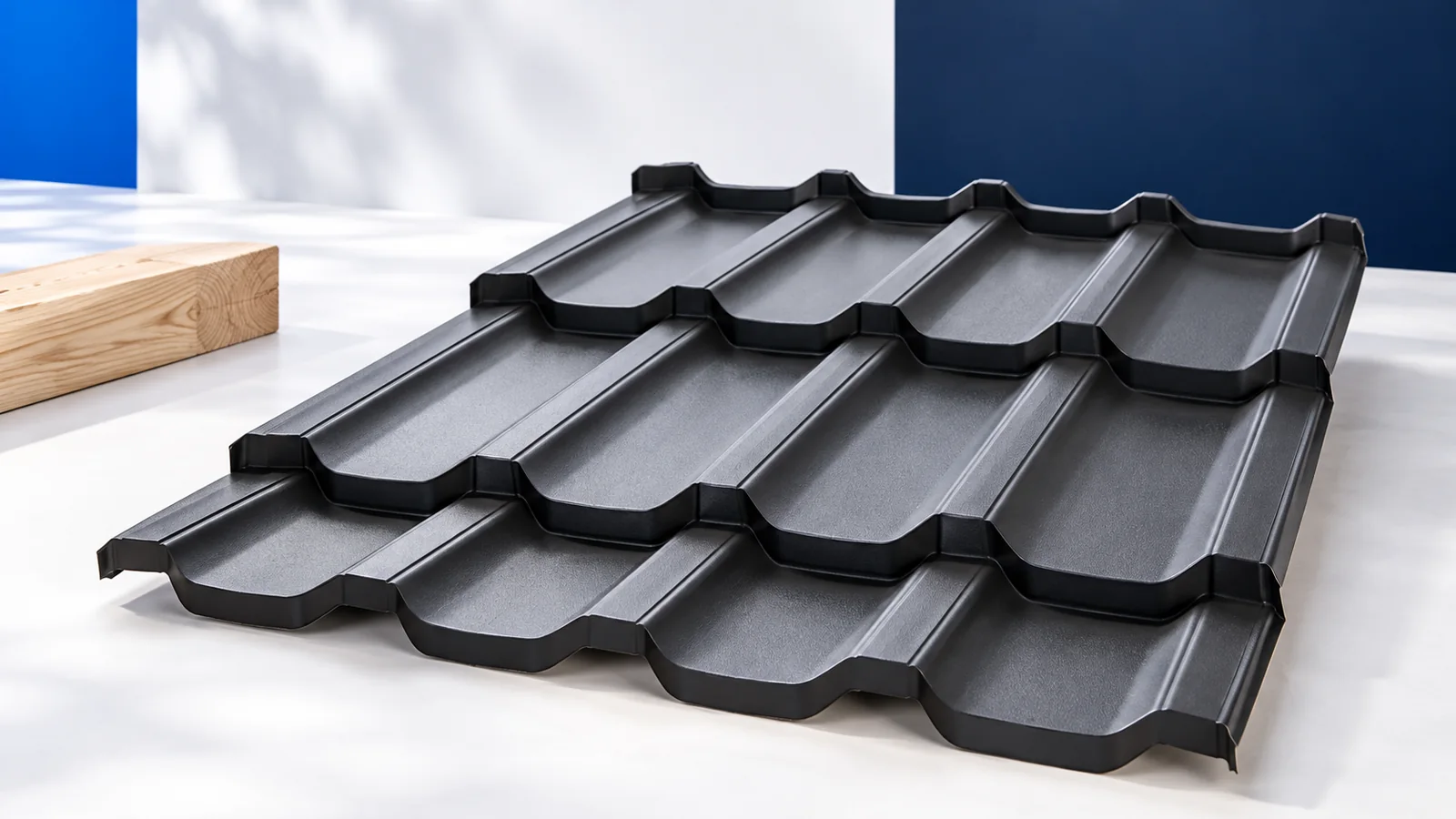
When purchasing modular tile-effect steel roofing, first establish how much roof one element covers after overlaps. Match its geometry to valleys, dormers…
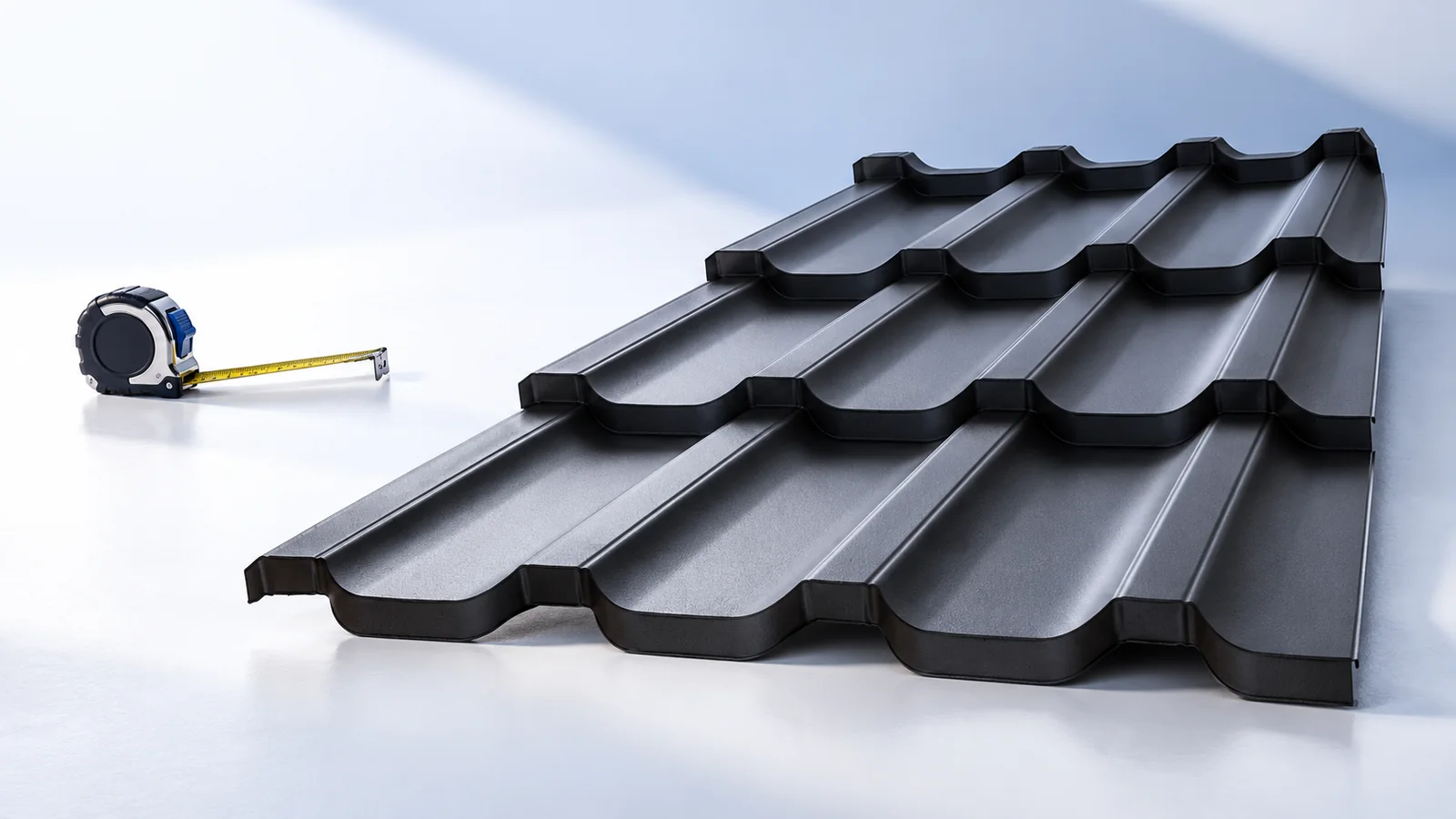
A steel-tile roof's appearance combines profile proportions, colour, texture and installation accuracy. Choosing cut-to-length sheets or modules is only one decision. Long…