






Choosing modular steel roof tiles: check fit, finish and the complete purchase
Roof coverings
When purchasing modular tile-effect steel roofing, first establish how much roof one element covers after overlaps. Match its geometry to valleys, dormers and site access. Smaller sheets help with handling but do not automatically minimise consumption or cost. This guide sets out purchasing criteria: profile appearance, steel protection, warranty, installation requirements and delivery arrangements. It separates product assessment from preparation of the roof, where substrate, flashings and ventilation retain their own roles. Compare modules with made-to-length sheets and consider repair spares. Base the decision on a complete quotation and actual cutting plan rather than assuming a popular model suits every slope.
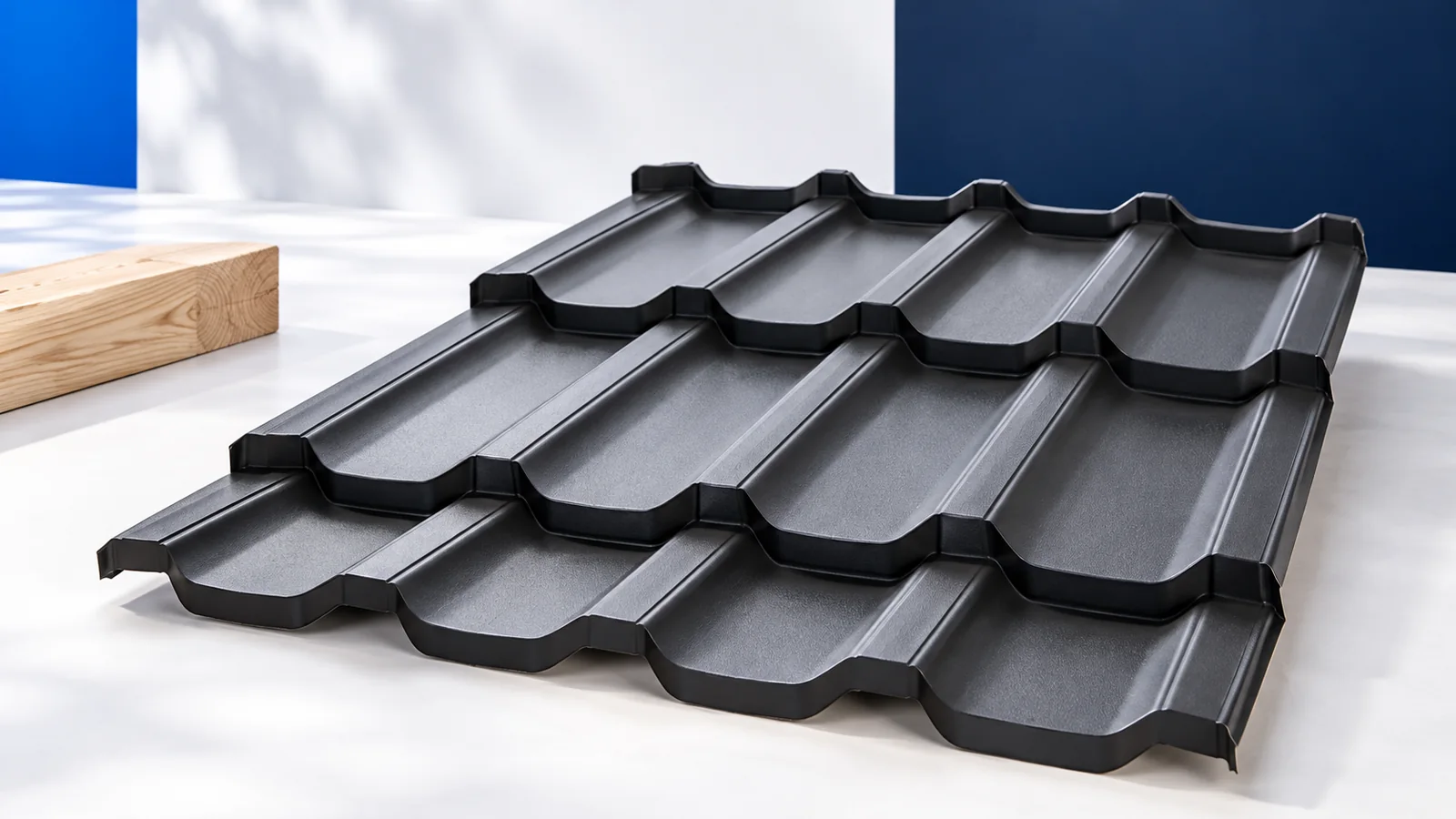
How is a modular roof covering assembled?
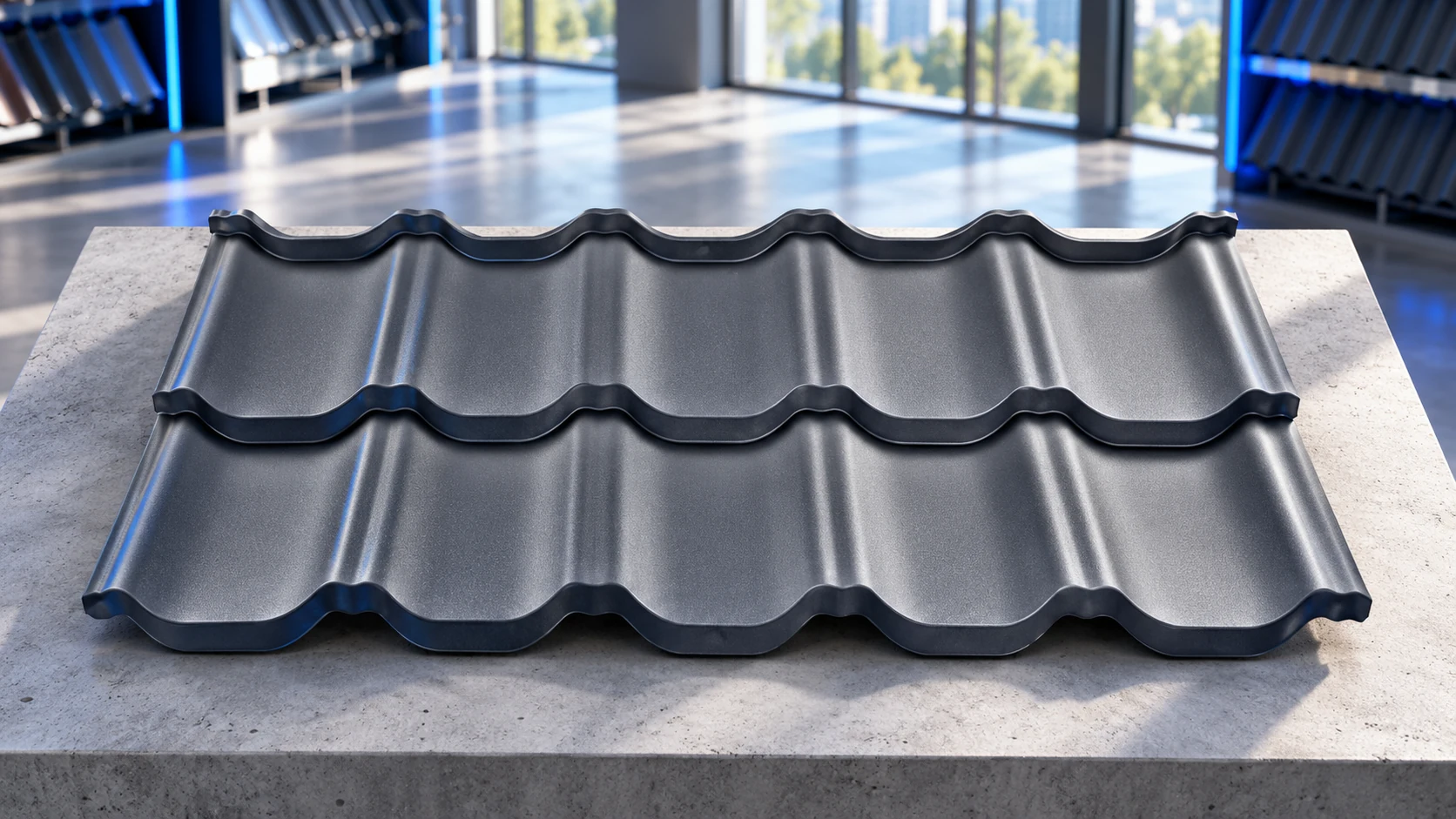
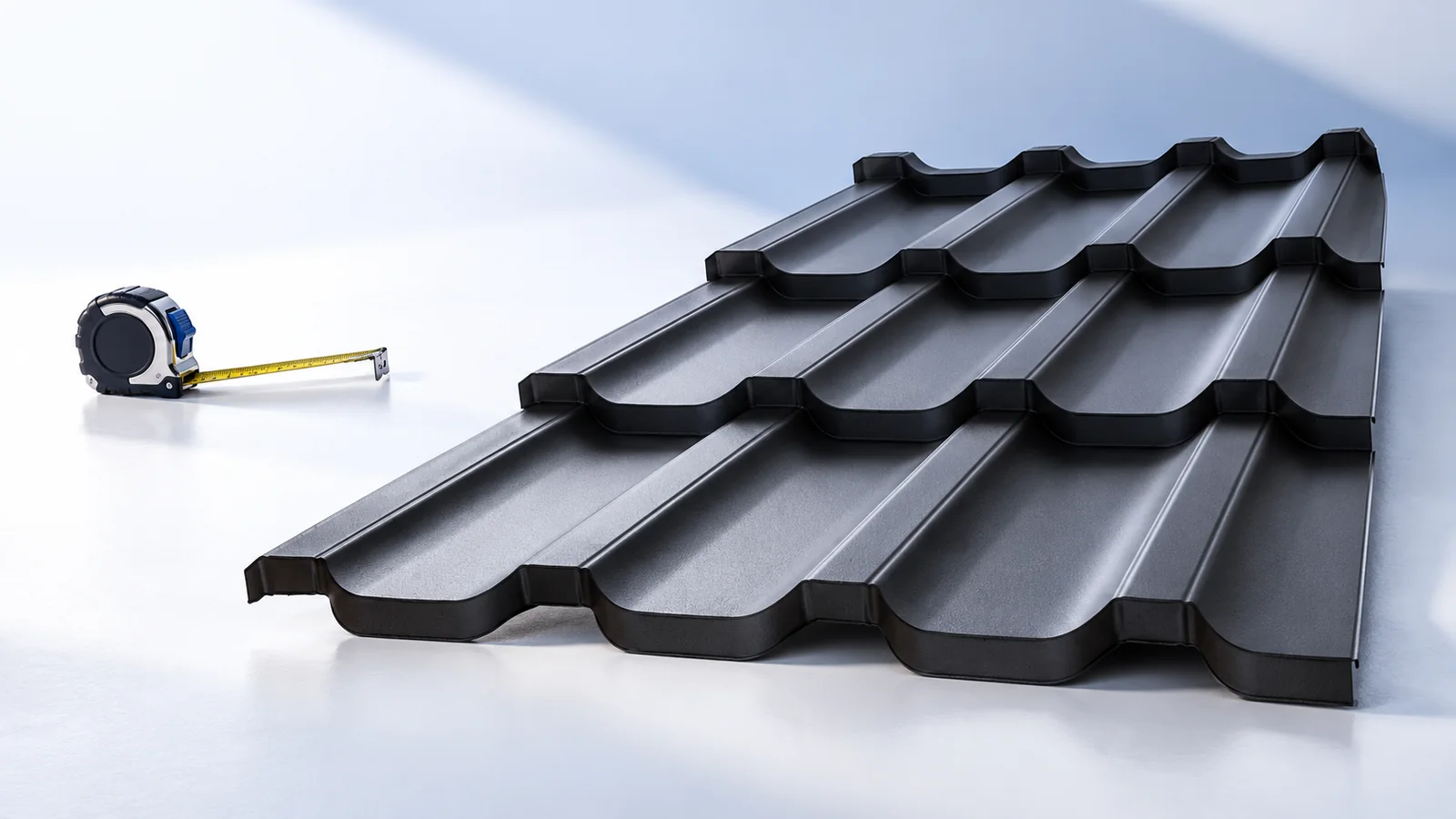
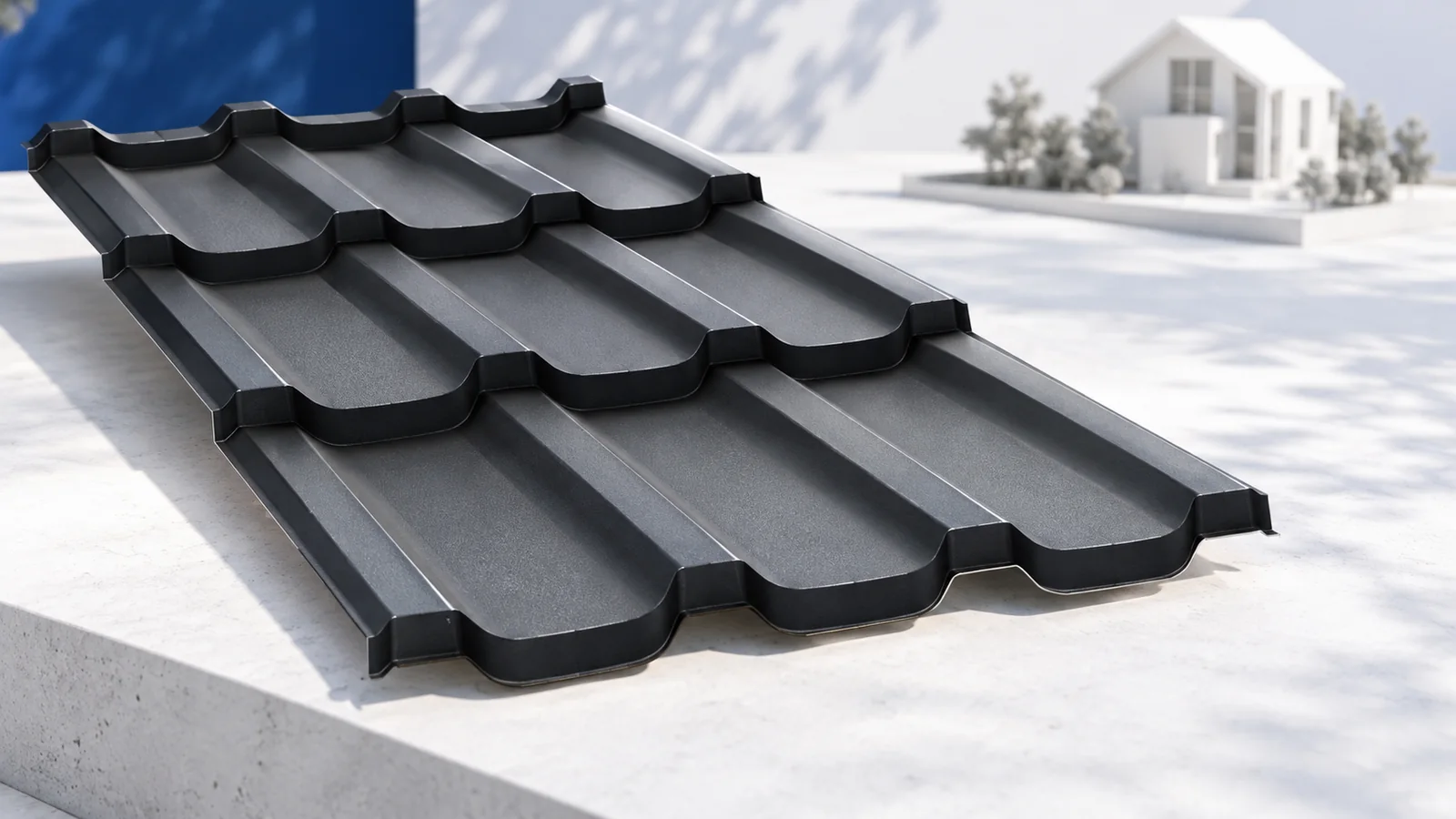
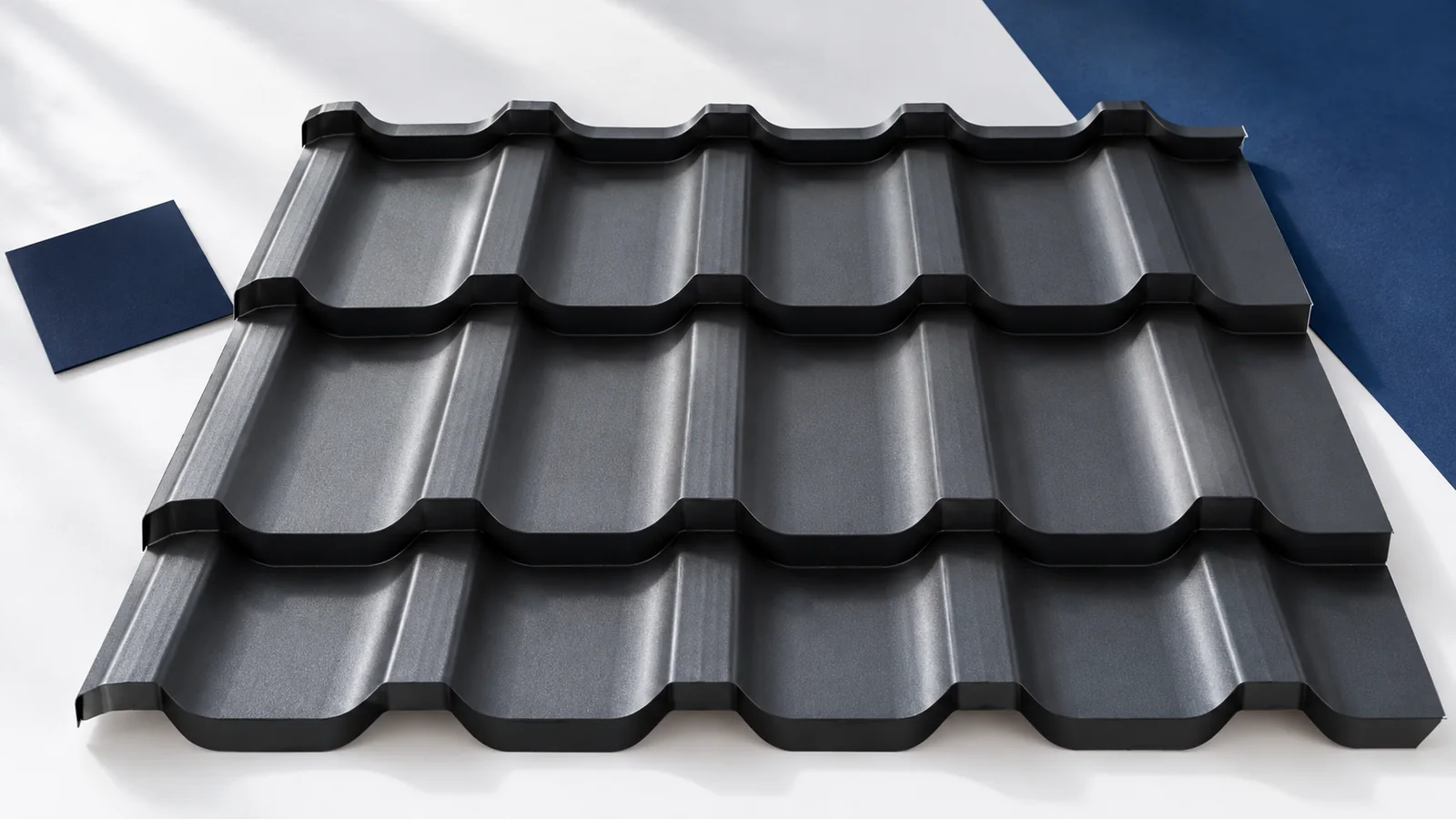
A modular sheet contains a defined number of rows and overlap zones forming a repeated pattern. Record each model’s dimensions, wave shape and effective coverage. A shared format name does not imply dimensional interchangeability or identical joints.
Convert prices per sheet, gross square metre and covered square metre to the same basis. External length times width includes overlap material. Check module quantities on a cutting plan based on confirmed roof measurements.
Which roof shapes benefit most from small sheets?
Smaller elements are easier to pass and manoeuvre around dormers, valleys and short roof sections. This may reduce handling deformation. They still need suitable storage support and protection against coating scratches.
On a regular roof, also price made-to-length sheets with fewer transverse laps. Sheet orientation and usable offcuts influence the result. Modules do not guarantee minimum waste or the lowest labour cost in every layout.
How should shape and visual effect be assessed?
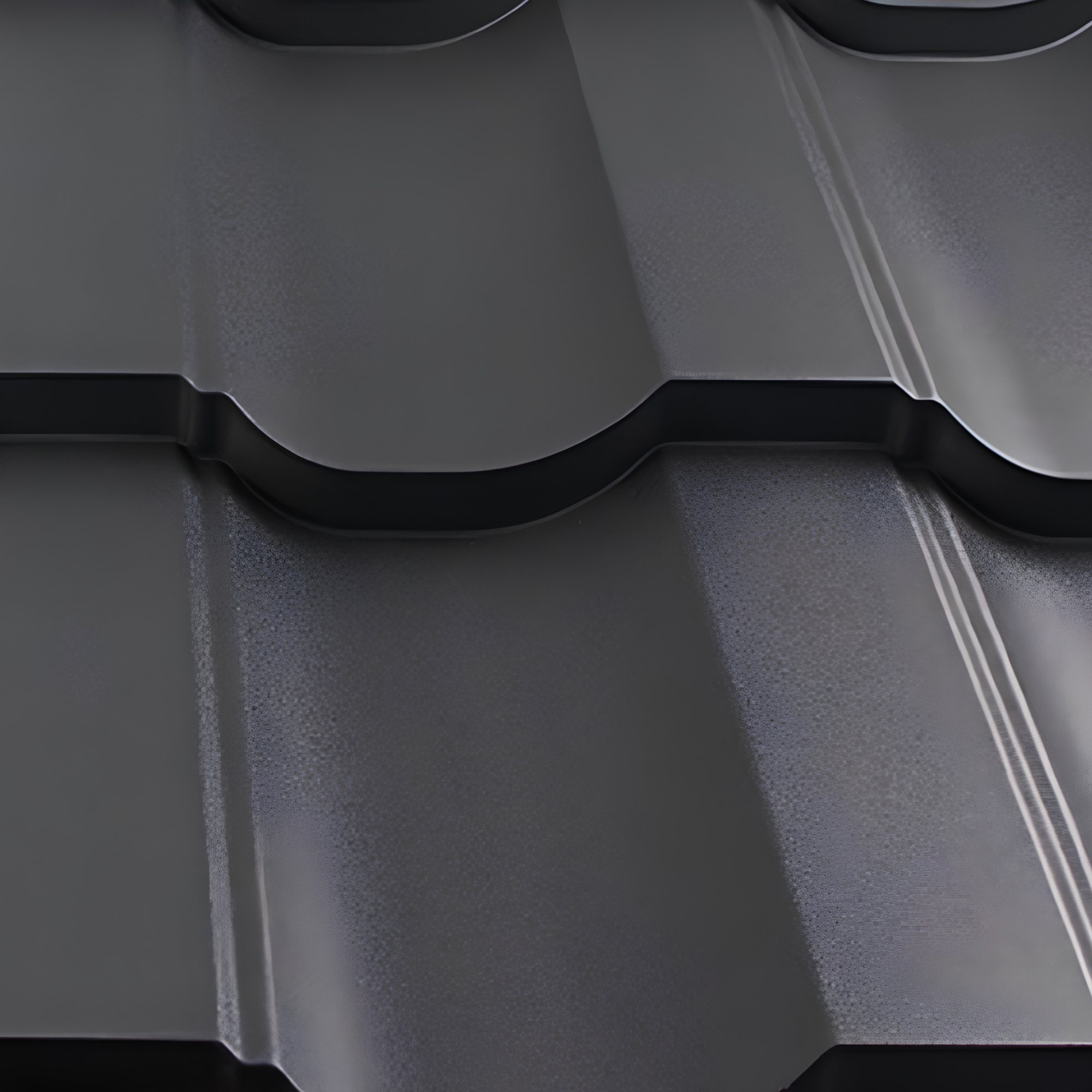
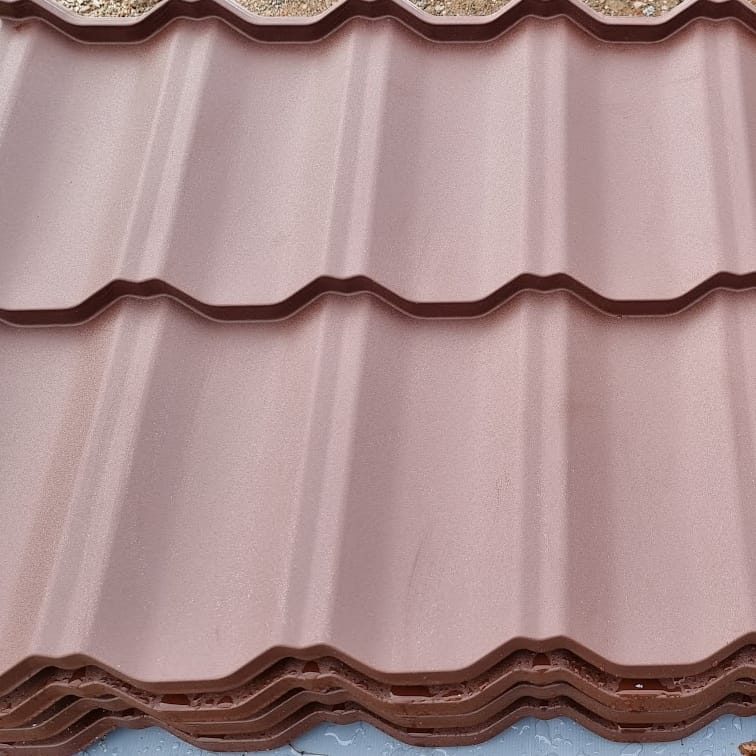
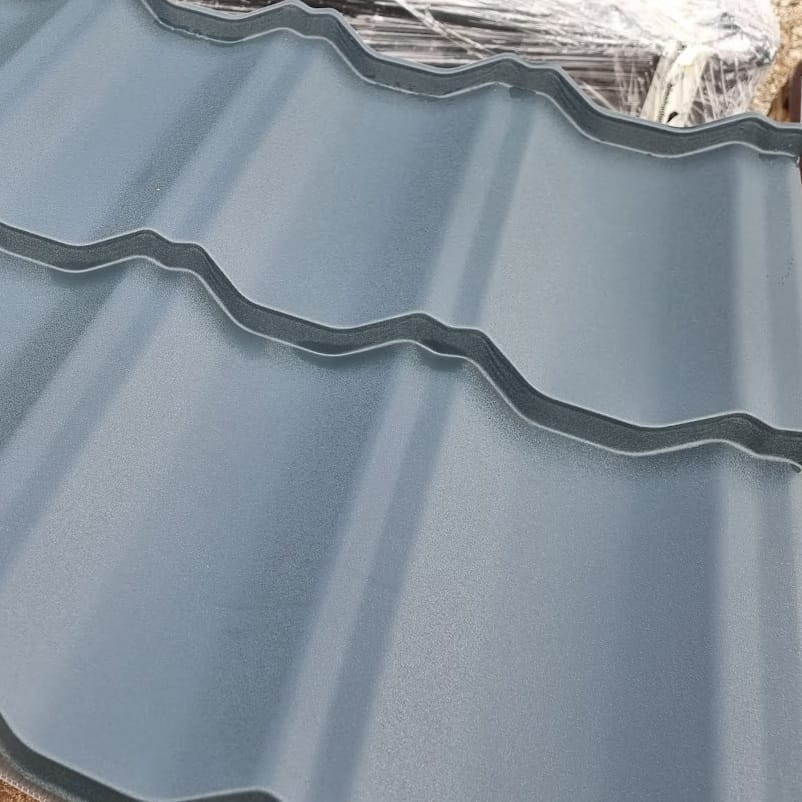
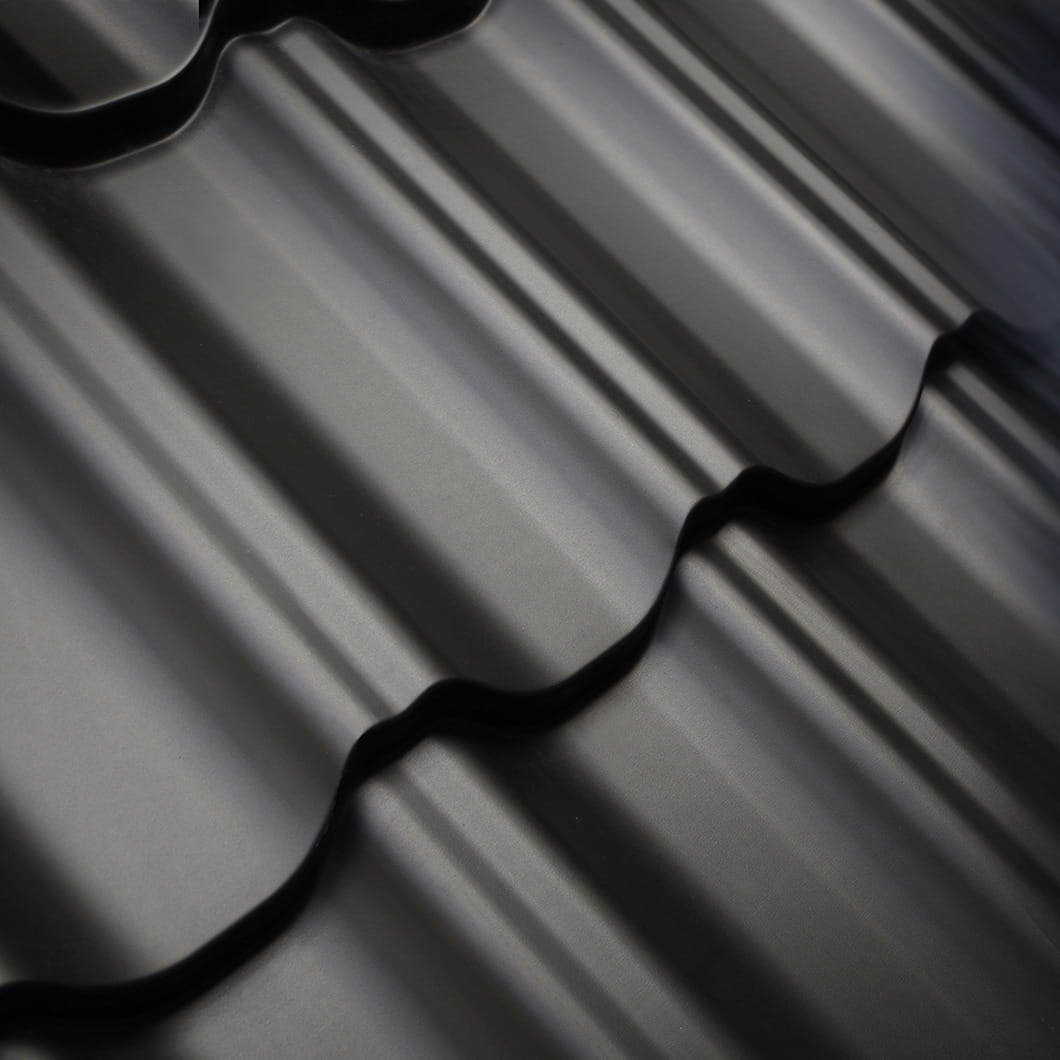
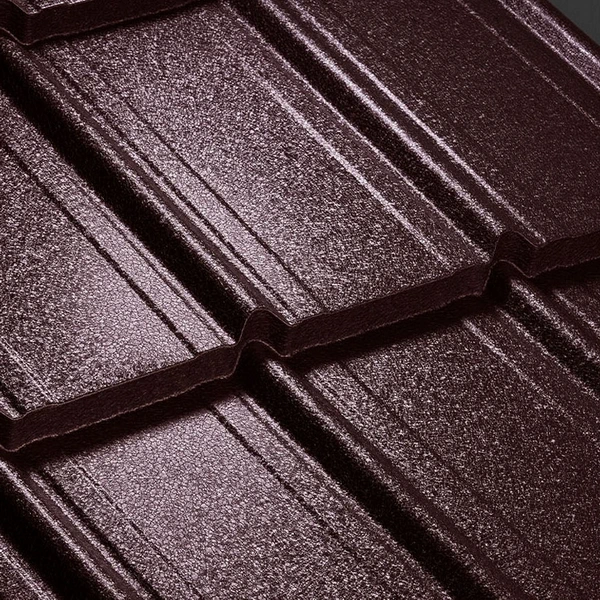
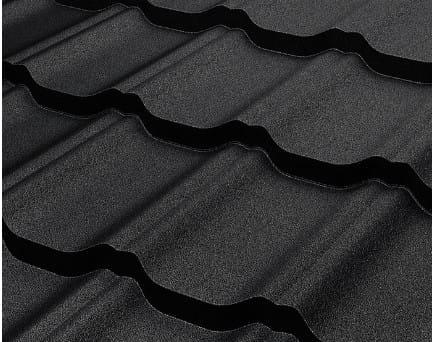
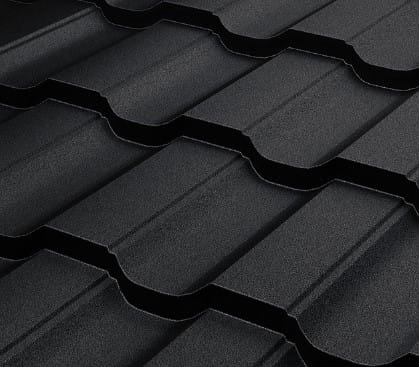
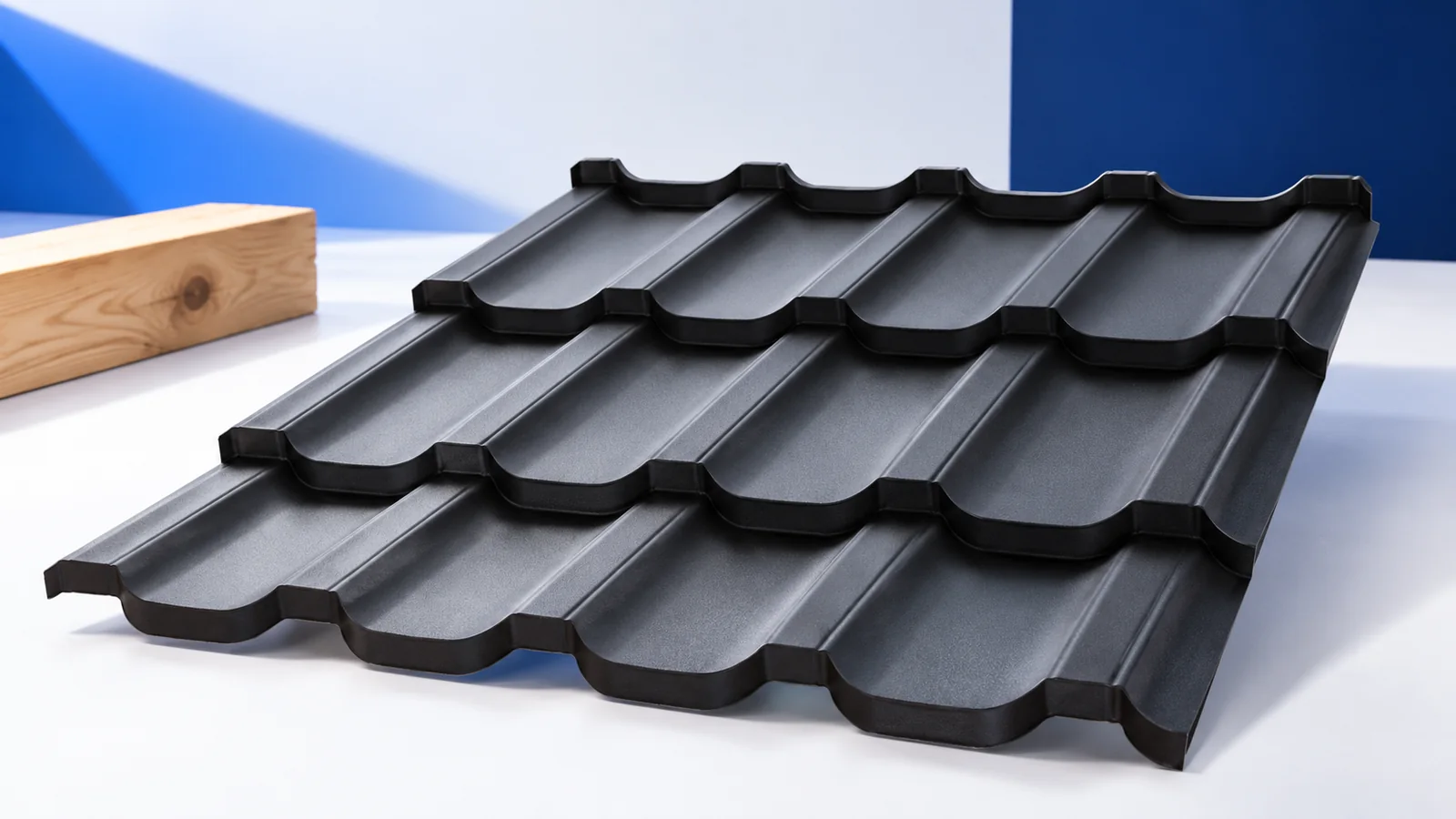
View the sample in daylight from several angles. Deep pressings cast stronger shadows, while matt and gloss reflect differently. A completed roof of similar slope and form conveys pattern scale better than a small hand-held sample.
Compare the profile with gutters, flashings and windows, focusing on proportions rather than forcing one colour. Extensions must account for weathering and batch differences. The same shade name does not guarantee an invisible join between old and new roof areas.
Which properties matter besides colour?
Check nominal steel-substrate thickness, metallic coating, organic finish and permitted exposure. Colour durability differs from corrosion resistance. Paint thickness or warranty years alone do not provide a complete material comparison.
Read environmental exclusions, cutting rules and maintenance requirements before purchase. Distinguish appearance cover from perforation protection. Establish which documents and identifiers to retain so any later claim relates to the correct product and warranty conditions.
What makes the joints watertight?
Check an even substrate, model-specific batten spacing and first-sheet alignment. Initial errors repeat through later rows. Instructions for similar roofing cannot replace those for the chosen product, even if the profiles look alike from a distance.
Place fixings at specified points without overcompressing seals. Valleys, chimneys and edges require suitable flashings. Underlay and ventilation work with the sheet; module shape alone cannot correct errors in those layers.
How should a confined site be organised?
Plan pack supports, moisture protection and the route onto the roof. Small elements simplify logistics but still need organisation. Separate the cutting station so swarf cannot settle on the installed covering.
Compare finishes across packs before installing on a visible slope. Clarify compatibility with the supplier if batches differ. Planned unpacking and handling reduce shade mixing and scratching, making effective use of the manageable format.
When does the complete purchase make sense?
Choose modules when they suit the layout, access and installer’s experience. Include accessories, labour, delivery protection and any lift in the quotation. Only that scope shows whether an attractive covering price produces an economical finished roof.
If the budget allows, retain compatible repair spares with the material records. Store them dry and according to instructions. Modular construction remains convenient later when roof completeness and maintenance access were planned from the start, not only sheet appearance.

Free quote
What to include in your enquiry
Tell us how you plan to use the material, the dimensions and the quantity you need. Include the thickness, grade or variant name, along with the delivery town or your preferred collection branch. For a specific product, add its name or a link to the product page. We will reply to the email address you provide to discuss availability and the terms of your order.
More from the building guide
A multi-pitched roof can bring different parts of a house together, but each slope and junction needs assessment. Covering selection depends on…
Made-to-length sheets can use material efficiently on a simple roof, while short modular panels are easier to handle and may help around…
A steel-tile roof's appearance combines profile proportions, colour, texture and installation accuracy. Choosing cut-to-length sheets or modules is only one decision. Long…
A gable roof makes covering options easier to compare, but its simple shape does not remove the need for measurements and system…
A roof that ages well starts with the building's proportions and coordinated details. Colour or a fashionable profile is insufficient if ridge,…
Modular tile-effect steel roofing uses smaller sheets that can help on restricted sites and roofs with many details. Start purchasing with effective…
A roof batten must both support the covering and provide a place to fix it. Its section and spacing therefore depend on…
Correct installation of steel roof tiles depends on agreement between roof geometry, the prepared substructure and the specific profile's instructions. Cut-to-length sheets…