






Cracked fibre cement roof sheet: how to assess the damage and plan a repair
Fibre cement roofing
Find out why a fibre cement sheet has cracked before deciding how to repair it. Impact, a fixing pulled too tight or an uneven support can produce damage that sealing the visible gap will not cure. Identify the material first, especially on an older roof. Inspect from a safe position without stepping on fragile sheets or pressing on the crack to see whether it holds. If the damage is above a walkway or equipment, keep people clear and protect the interior from a safe location. A damaged sheet may behave differently from an intact one.
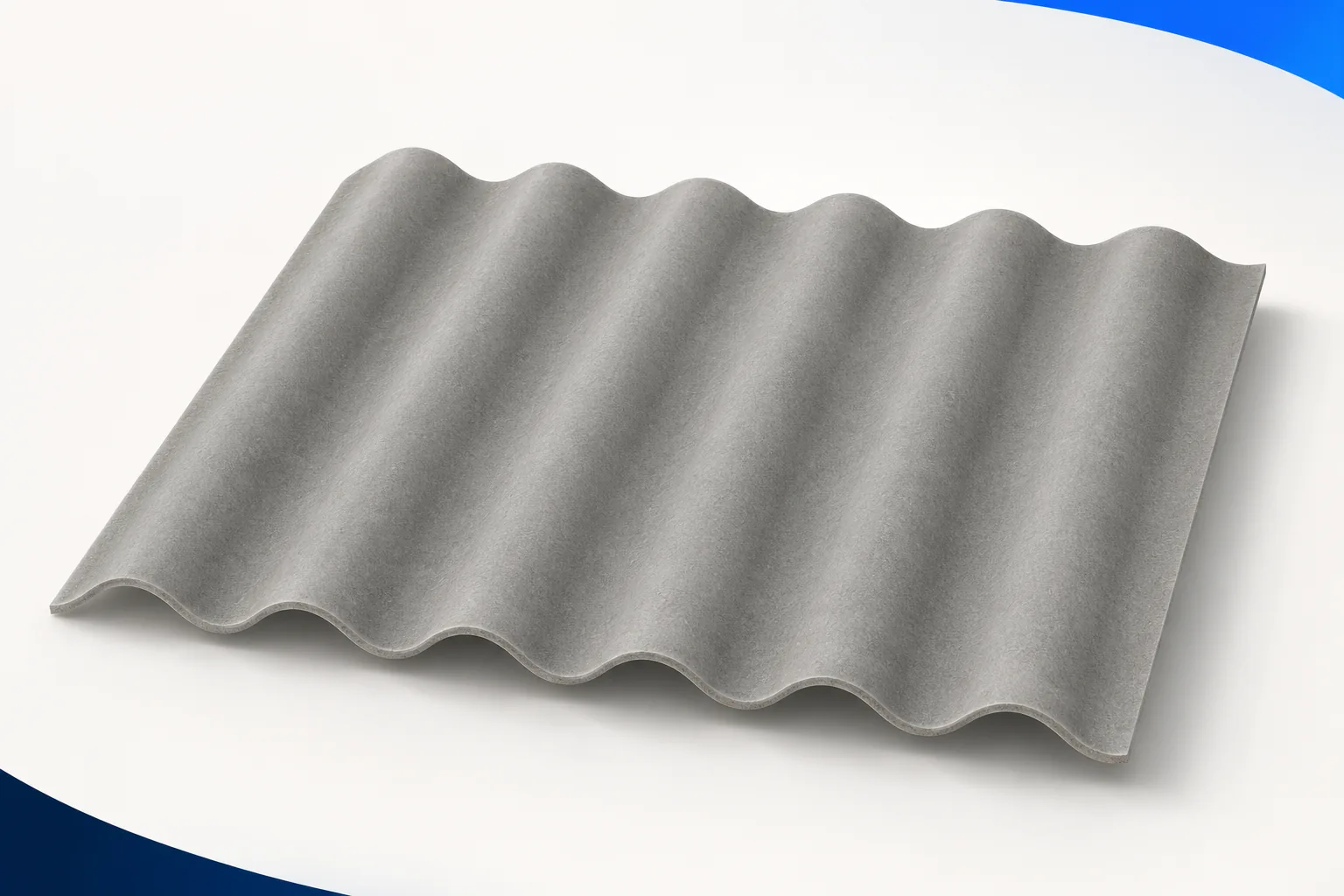
Secure the area first
Roof access should be organised by someone with the appropriate equipment. An unidentified older covering may contain asbestos. Guidance for modern sheets is not permission to cut or break unknown material in an attempt at a DIY repair.
Establish when the crack appeared
Record any storm, falling branch, recent installation work or retightening of fixings. Photograph the location safely and note the last inspection and earlier observations. A crack at a hole, edge or in the field points to different checks but does not prove a cause. Examine supports and adjacent joints. Similar cracks on several sheets suggest a problem with the assembly: replacing one sheet alone may only repeat the failure.
Inspect the fixing and its support
Excessive clamping, an unsuitable hole, uneven bearing or excessive unsupported length can introduce stress. Never pull a sheet straight with its fixings. Compare fastener type, sealing washer, lap position and support with the instructions for the actual profile. If the problem is structural, correct the supports before installing a replacement. Only then will a new sheet address more than the symptom.
Stopping a leak is not proof of a sound sheet
Sealant may stop water locally without restoring the sheet’s mechanical performance. Have the permissible repair or replacement method checked for the product. Do not treat any roof mastic as a permanent fix. Keep temporary weather protection distinct from the final remedy, particularly above an occupied room where a dry ceiling could give a misleading impression that the job is complete.
Match the replacement to the actual profile
Match wave pitch, height, side edges, length, laps, fittings and existing supports. Similar colour and wave count are insufficient. Old delivery records and profile drawings help. If the original variant is no longer available, obtain confirmation of compatibility or consider replacing a larger section. Forcing an ill-fitting sheet under its neighbours can break them and compromise the seal.
Protect the space below during the repair
Removing one sheet temporarily opens the roof and may require releasing nearby fixings. Plan the weather window, safe access and protection below. Avoid impacts to corners and loads on neighbouring sheets; the covering is not the crew’s access route. Manage pedestrian and vehicle movements on larger sites. Have all fasteners, fittings and materials ready before removal to minimise the time the roof is open.
Recheck the cause after replacement
At handover, inspect the new sheet, corrected joints and removal of the source of stress. Keep photographs and a record of the repair; monitor the area as the roofer recommends. If new equipment preceded the crack, check how it transfers loads to the structure. If a branch struck, assess the surroundings. A good repair restores the roof and reduces recurrence; concealing the crack does not demonstrate either.
Identify the sheet, record the damage and have its cause assessed. Select the replacement and repair method after checking the supports, fixings and profile fit.

Free quote
What to include in your enquiry
Tell us how you plan to use the material, the dimensions and the quantity you need. Include the thickness, grade or variant name, along with the delivery town or your preferred collection branch. For a specific product, add its name or a link to the product page. We will reply to the email address you provide to discuss availability and the terms of your order.
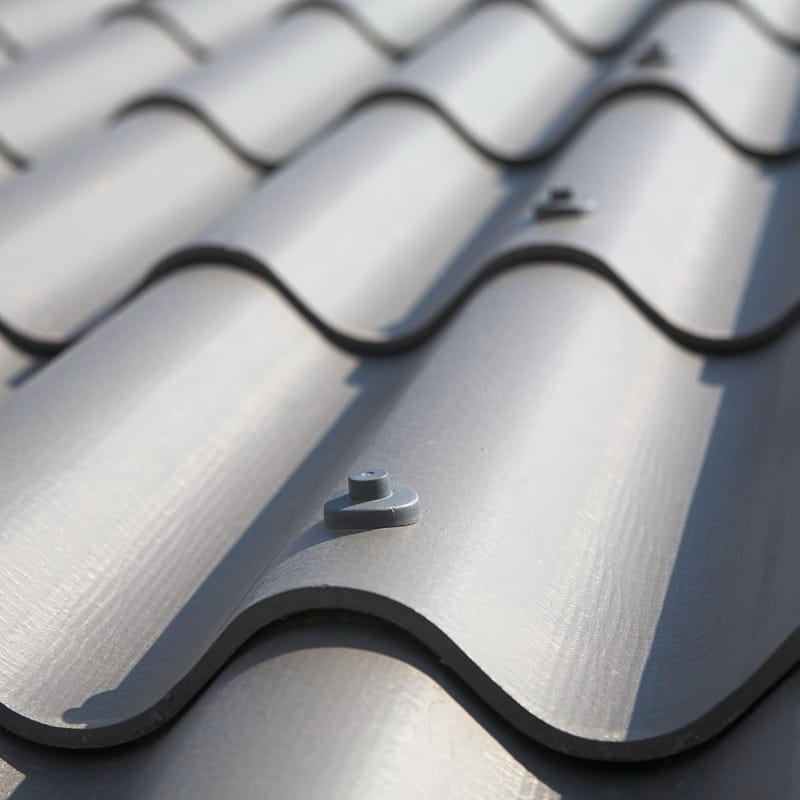
More from the building guide
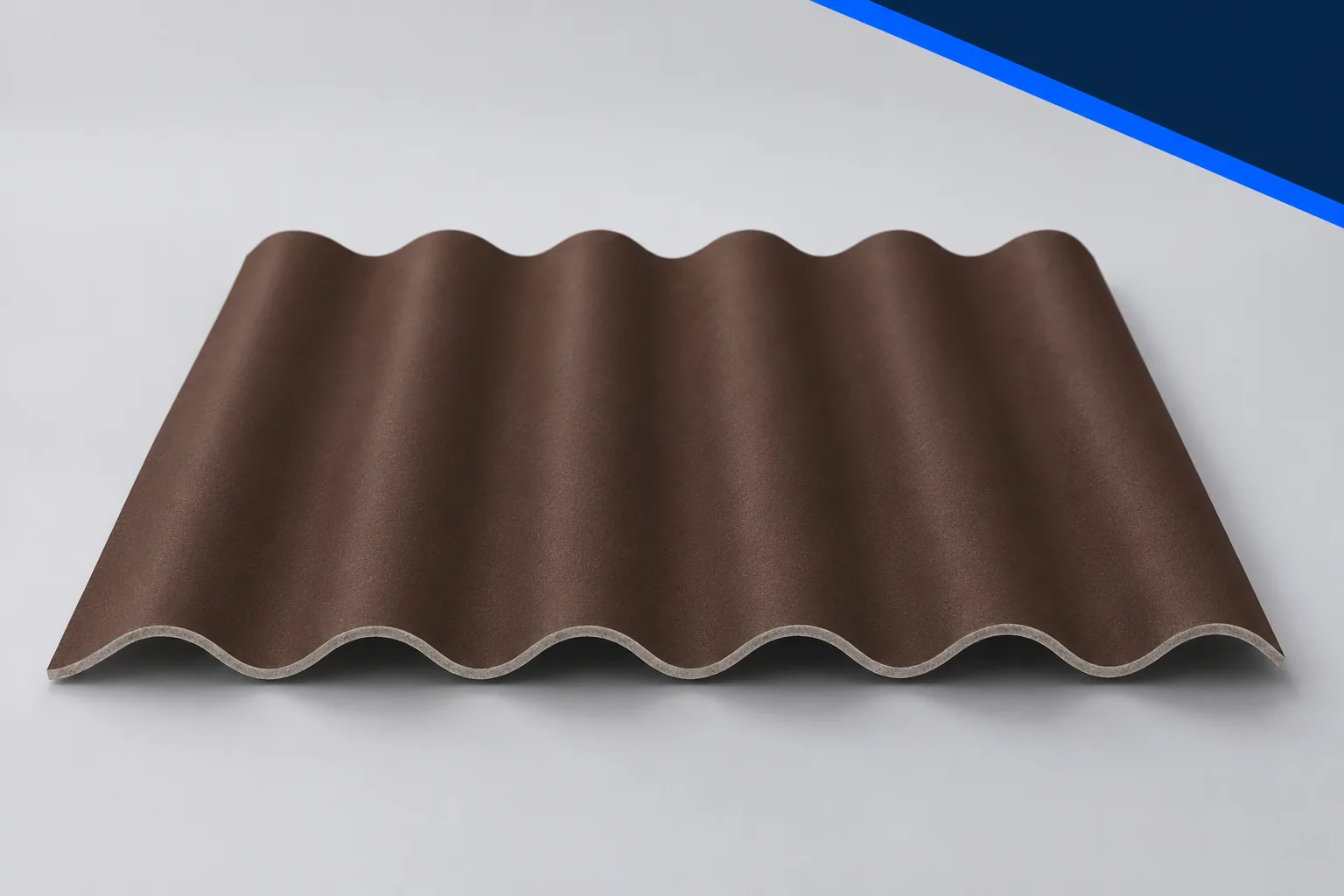
Start with what happens beneath the roof and what the structure can carry. Sheet size and colour come later. Corrugated fibre cement…
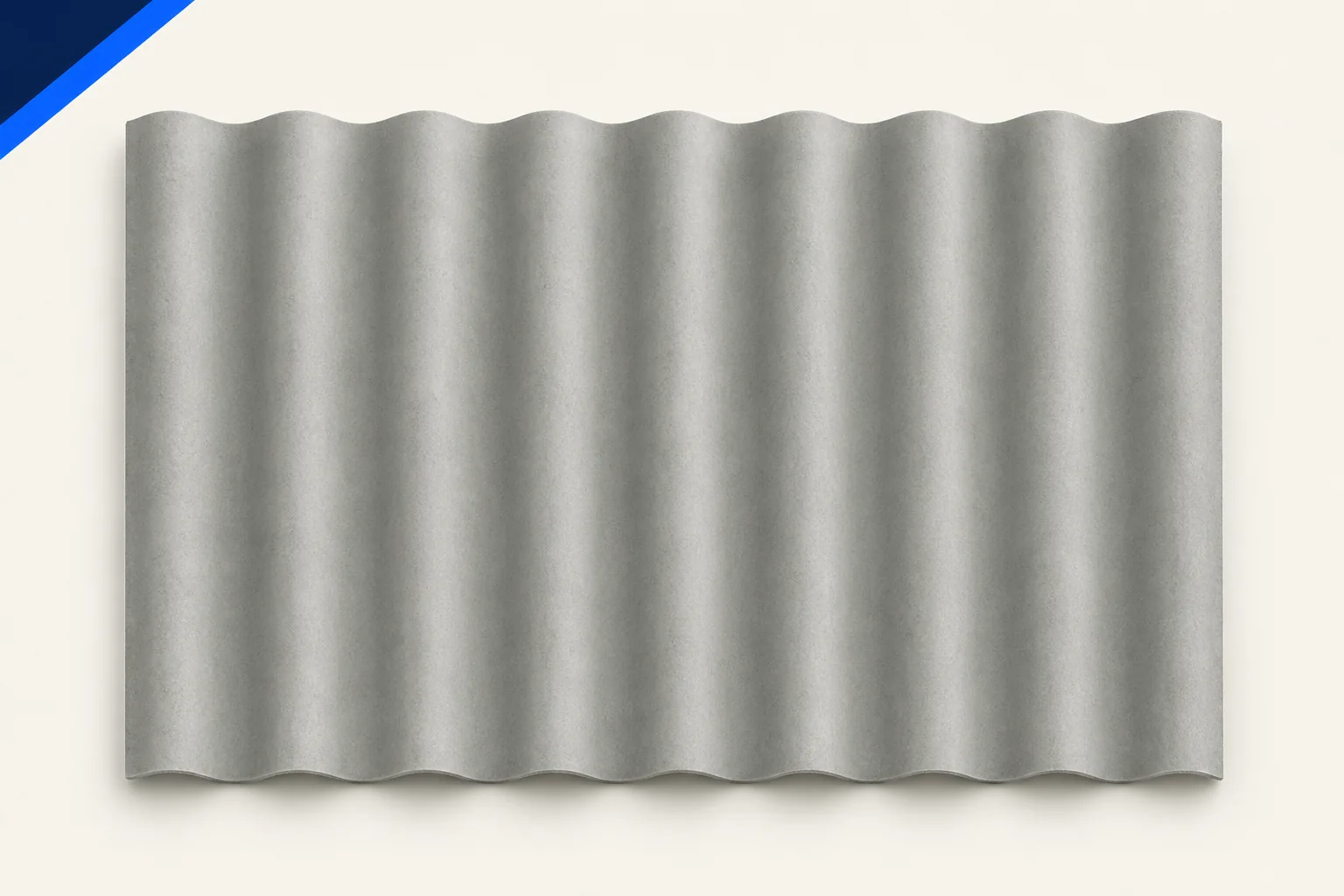
A building's length and width are not enough to order corrugated fibre cement sheets. Measure each sloping roof face, including its eaves,…
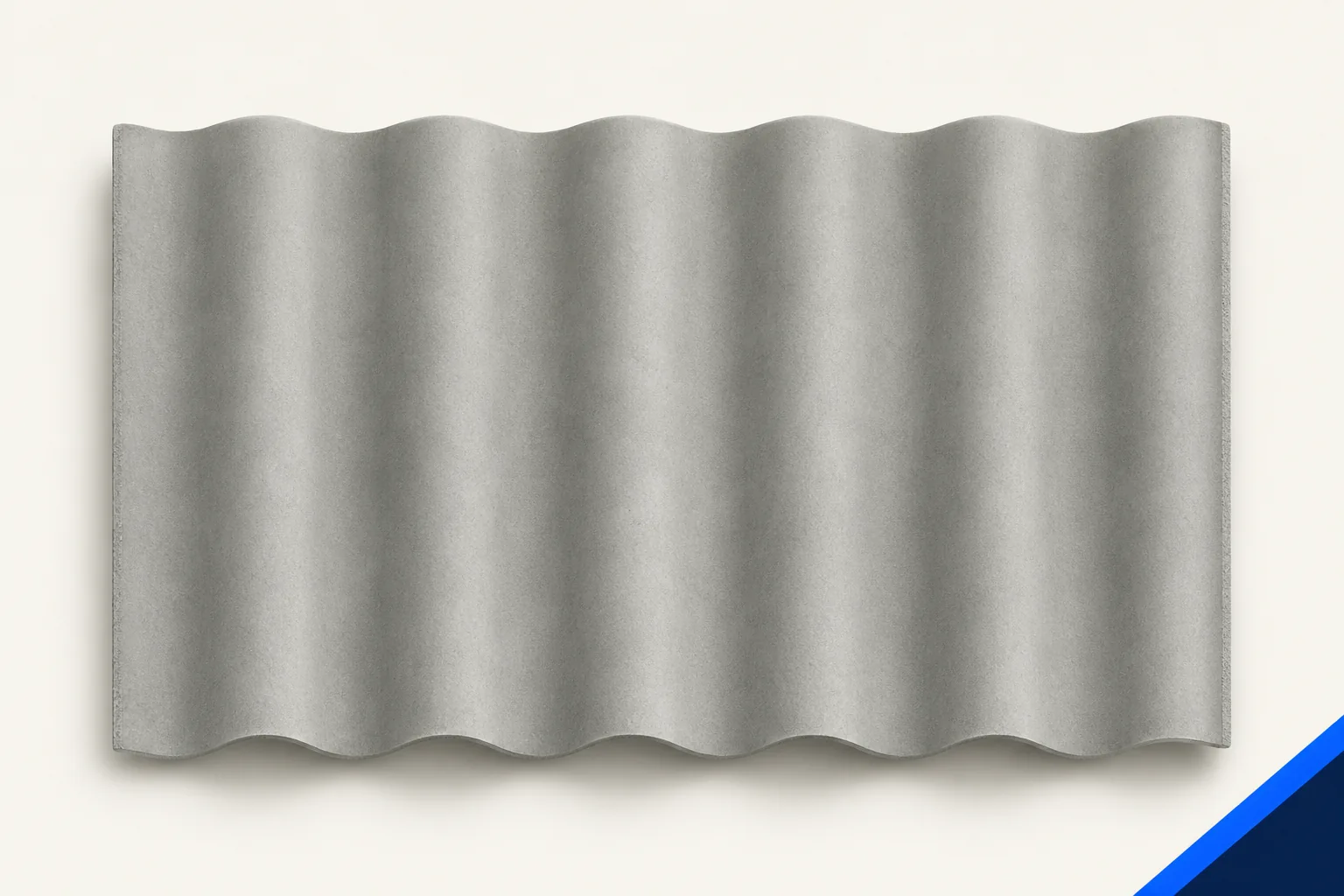
Corrugated fibre cement can cover a garage if the structure, pitch and intended use suit the system. A small roof still needs…
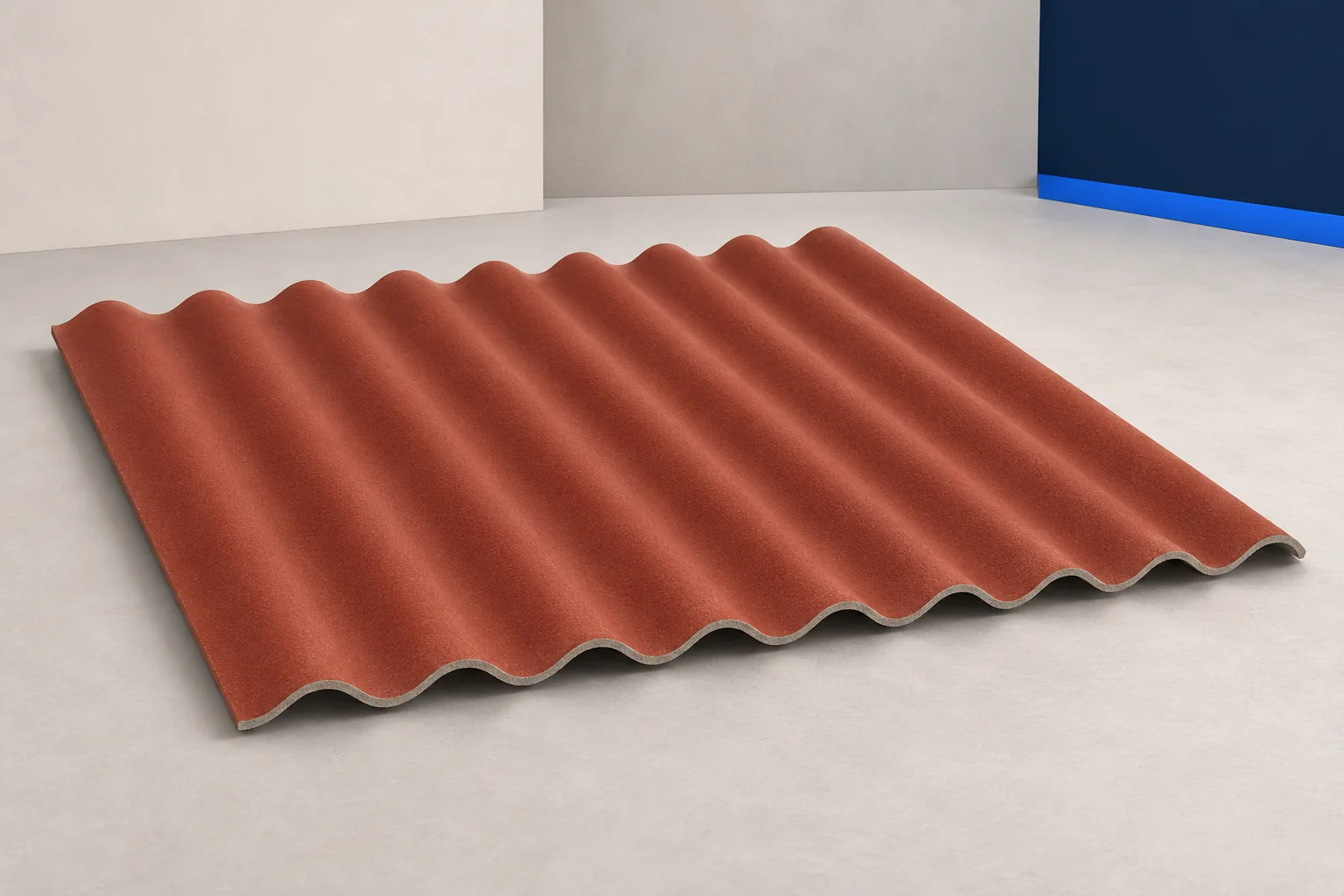
Fibre cement describes a material, not a single interchangeable product. It can be made into corrugated roof sheets, flat cladding, sheathing and…
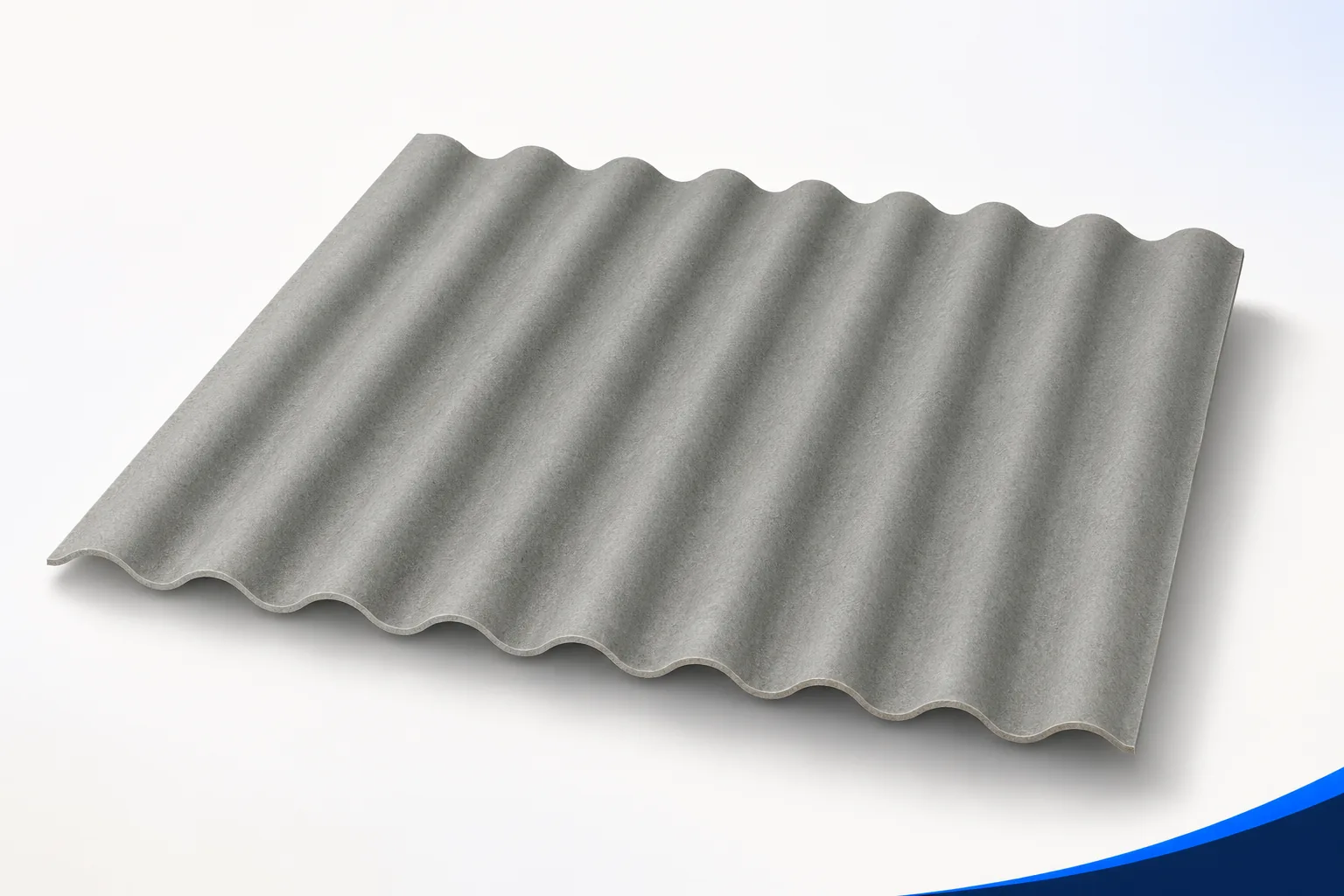
Check the delivery before the sheets reach the roof. Compare labels, quantities and documents against the order; colour alone will not distinguish…
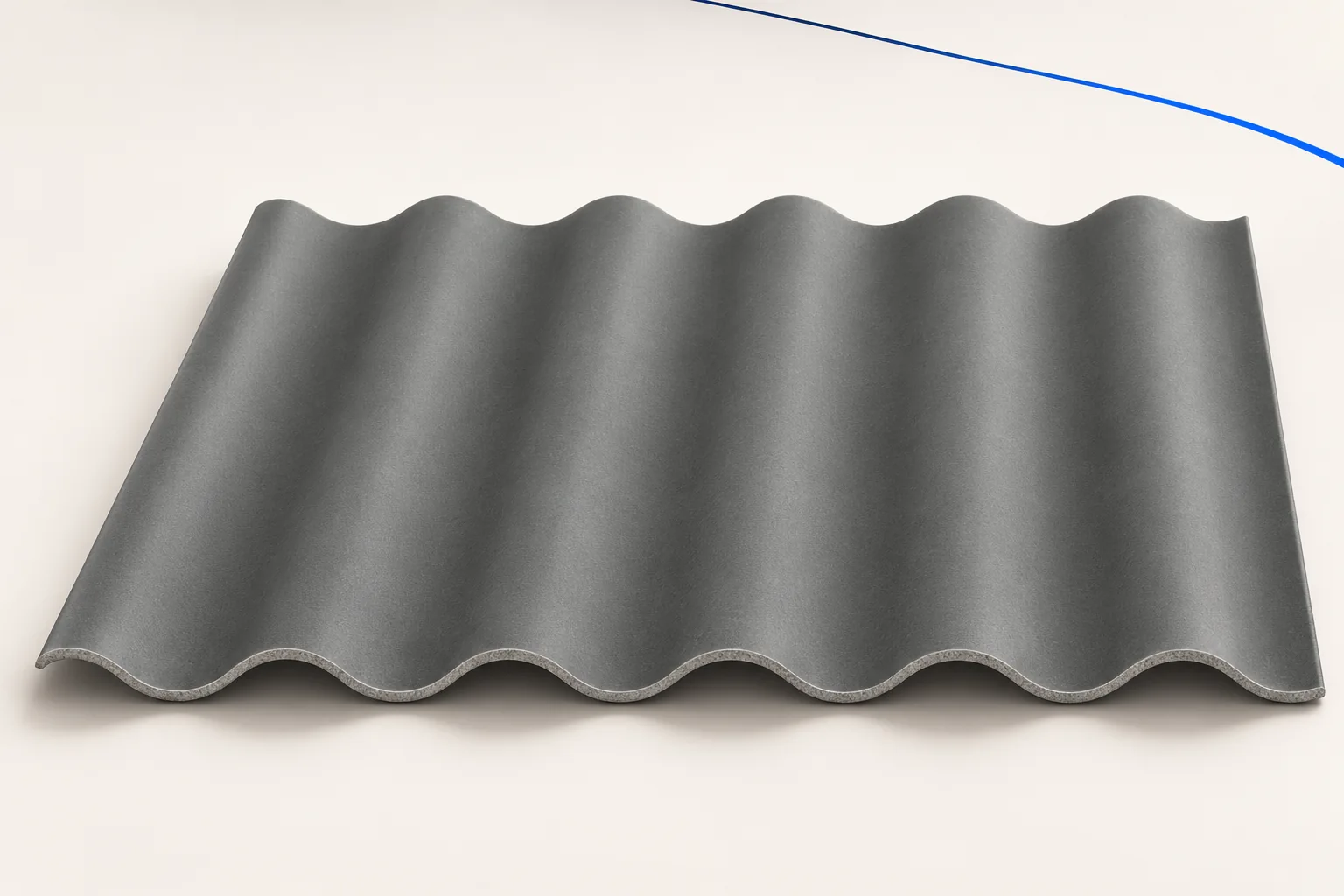
Counting the corrugated sheets is only the start of a roof order. Corrugated fibre cement will keep out rain only when its…
Decide whether to do the work yourself by considering the entire job, not just the roof area. Corrugated fibre cement needs the…
Start with the building and the result you want. You do not need specialist vocabulary to ask how the roofer will choose…