






Outlet mineral-wool wall panels: checking condition before buying at a lower price
Sandwich panels
Outlet mineral-wool wall panels can reduce cladding costs if the reason for their lower price is understood. Surplus stock and a panel with a damaged joint require different assessments. “Grade 2” alone does not describe a defect or establish the performance of the finished wall. A useful offer identifies the product, condition of each batch and acceptable applications. This guide explains how to inspect facings, edges and core, match documentation to the delivery, and compare the cost of usable material rather than purchased area alone. Storage, unloading, replacement terms and compatibility with future additions also affect whether the purchase represents a saving.
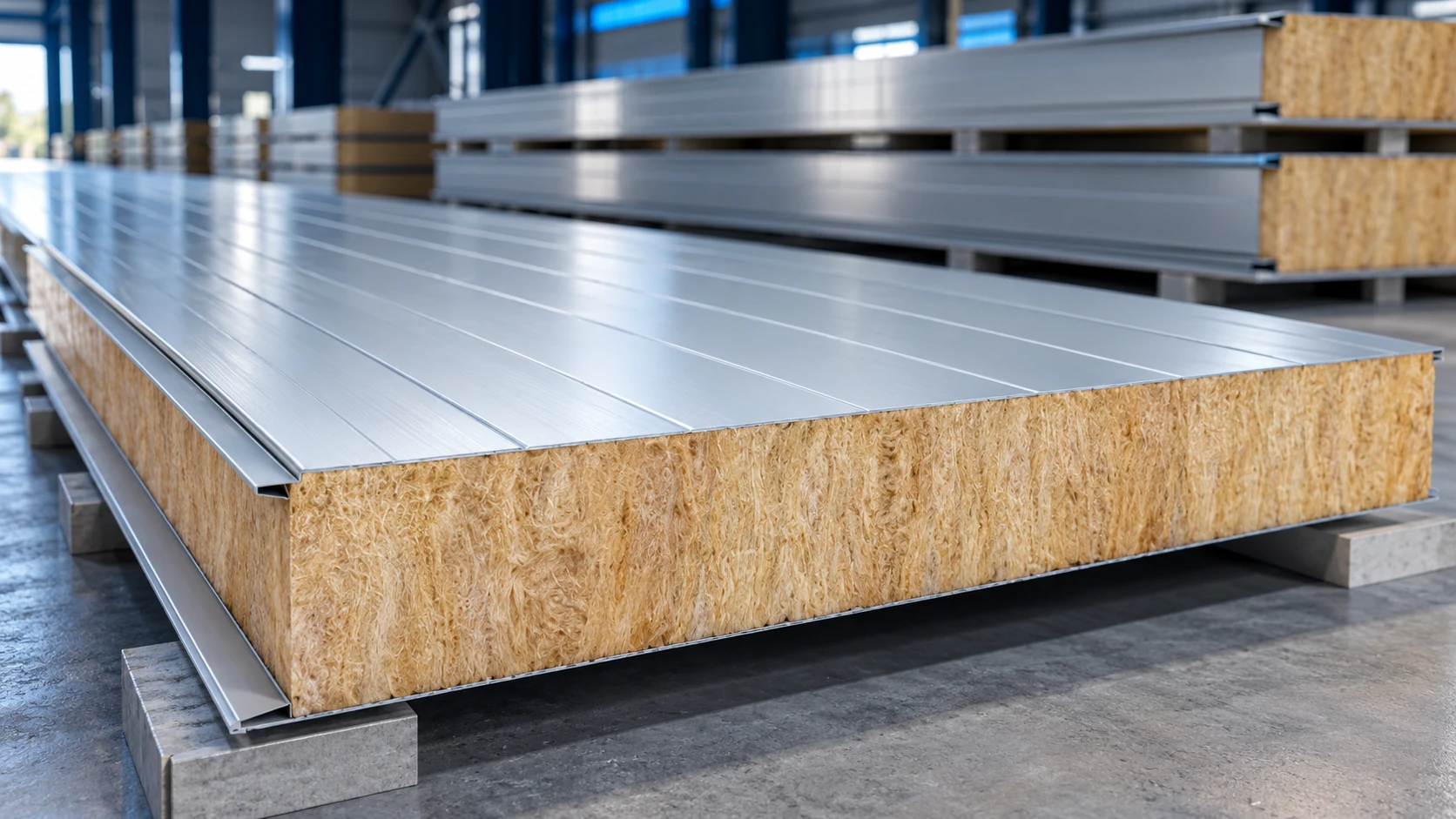
Establish exactly what is being offered
Ask for the manufacturer and exact model, along with thickness, cover width, lengths and the type of both facings. A photograph of stacked panels does not replace this information. Check bundle markings and establish whether the offer is one batch or a mixture from different orders.
Use the current product data sheet as the reference for thickness options, cover width and facings. Those figures describe a panel without unspecified damage; they do not automatically apply to every discounted piece. For defective stock, determine how the defect affects the proposed use. Matching dimensions alone do not establish suitability.
Inspect the edges and core, not just the colour
A dent in the middle of a facing may look worse than a small defect at the joint, yet the latter can matter more for joint tightness. Inspect edges over their full length. Look for delamination, detached steel and moisture traces. Check cut ends and holes from previous installation.
Turning a damaged panel so the worse face is inside is not enough. The two sides may have different coatings and intended uses. Installation instructions require the correct orientation and checks of coatings and geometry. These rules also apply to discounted stock.
The documents must match the delivery
Obtain performance documentation for the exact product. A wall with fire-resistance requirements also needs the classification conditions for the whole assembly. The core’s reaction-to-fire class does not replace the wall’s fire-resistance rating. A manufacturer’s general catalogue does not determine whether a damaged piece is suitable for such a wall.
Equally, do not assume that every outlet panel has no documented performance. First-grade surplus may be fully identifiable; defective goods require separate assessment. Obtain a written condition description and confirmation of acceptable use. Without them, two apparently similar offers are difficult to compare.
Calculate the cost of the finished wall
Add up the area you can actually use. Random lengths may require more rails and flashings. Include transport, unloading, sealing and waste. Check whether matching pieces can be bought later. Forcing different joint designs together usually creates additional work.
Consider a simple example: you need 80 m² of cladding, but the short pieces available mean buying 100 m². Divide the total delivery price by 80 m² to find the cost of usable material. This is an illustrative calculation method, not a manufacturer’s price list or sales offer.
Inspection and storage also have a cost
Arrange inspection before unloading. Photograph bundles and record visible damage, then check panels inside the stack once it is opened. Do not slide panels over one another. Provide dry supports and protection from rain, with storage conditions suited to the delivery. Damage occurring after purchase can eliminate the saving.
A cheaper panel makes sense when its defect does not interfere with its intended function. Minor shade differences can be unacceptable on a prominent façade; documentation and joint condition are crucial for a fire-resisting wall. A sound purchase starts with these requirements and ends with inspection of the delivered batch.
Agree how defective pieces will be handled
Ask whether you can inspect the goods before purchase and what happens if a defect not visible in the photographs is found. List accepted defects in the order description. A general phrase such as “cosmetic defects” may be too vague. A scratch, dent and detached facing are different issues and should not be treated as one category.
For larger deliveries, request numbered bundles and a length schedule so wall layouts can be planned before the truck arrives. Stock from several buildings also requires identification of the joint types. Trial-fitting two pieces may show that similar dimensions do not produce a proper connection. Compatibility must be established for the exact panel versions, not assumed for the entire product family.
Keep the delivery description with the acceptance records. Future repairs or extensions can then start with a clear identification of the panels already installed.
Frequently asked questions
Does grade 2 always mean damaged insulation?
No. Discounting can relate to appearance, dimensions or surplus stock. Establish the condition of the particular batch.
Can an outlet panel be used in a fire-resisting wall?
Only after its performance and the compliance of the complete assembly with the design have been confirmed. A mineral-wool core alone is insufficient.

Free quote
What to include in your enquiry
Tell us how you plan to use the material, the dimensions and the quantity you need. Include the thickness, grade or variant name, along with the delivery town or your preferred collection branch. For a specific product, add its name or a link to the product page. We will reply to the email address you provide to discuss availability and the terms of your order.
More from the building guide
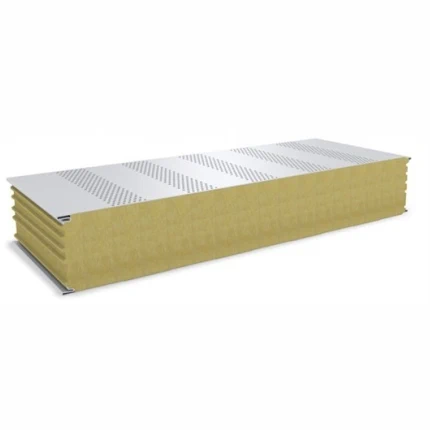
A 200 mm mineral-wool wall panel reduces heat flow more than a thinner version of the same model, but also weighs more.…
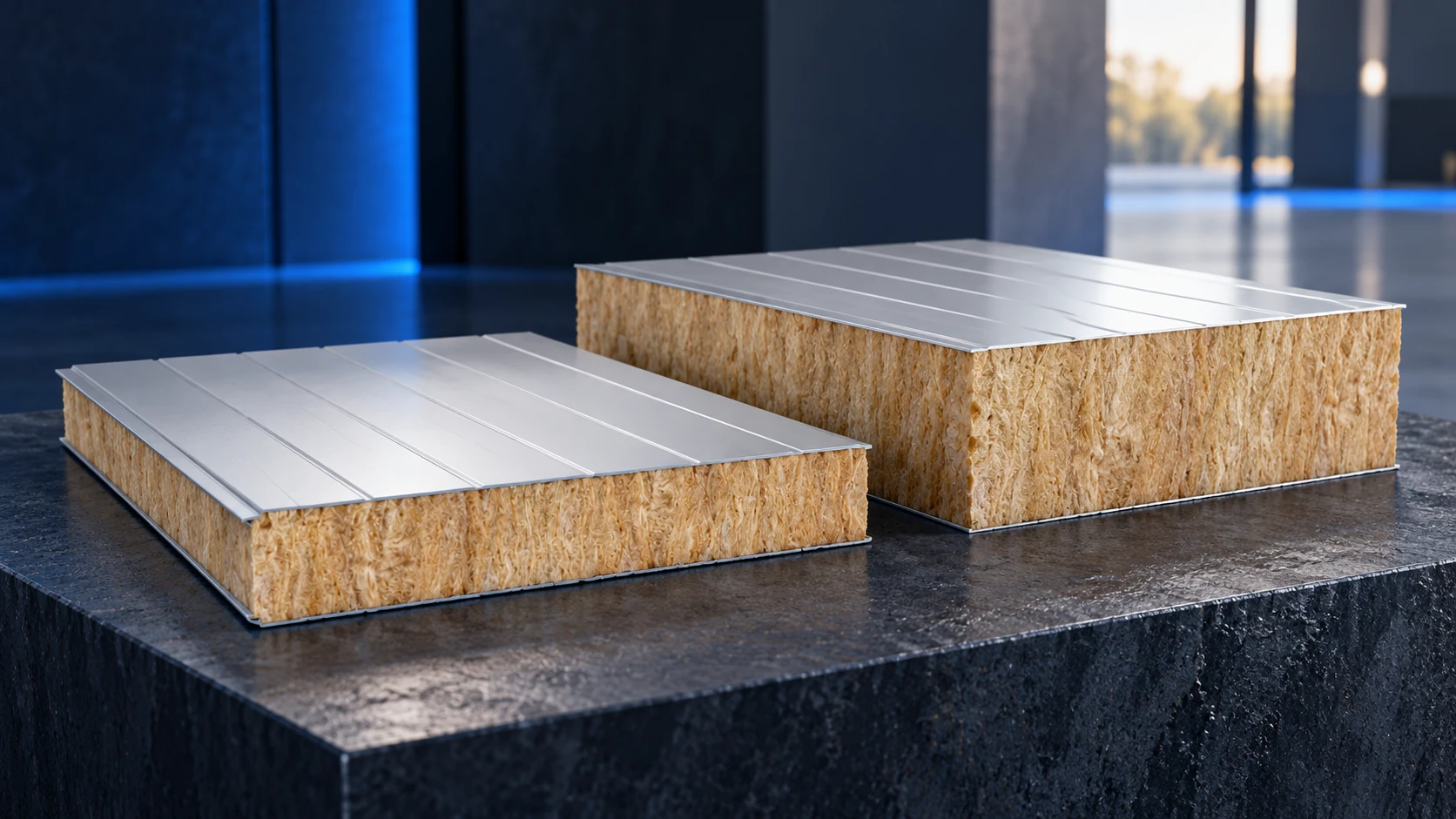
There is no single service-life figure for every mineral-wool sandwich panel. Conditions in a dry warehouse differ from those in a plant…
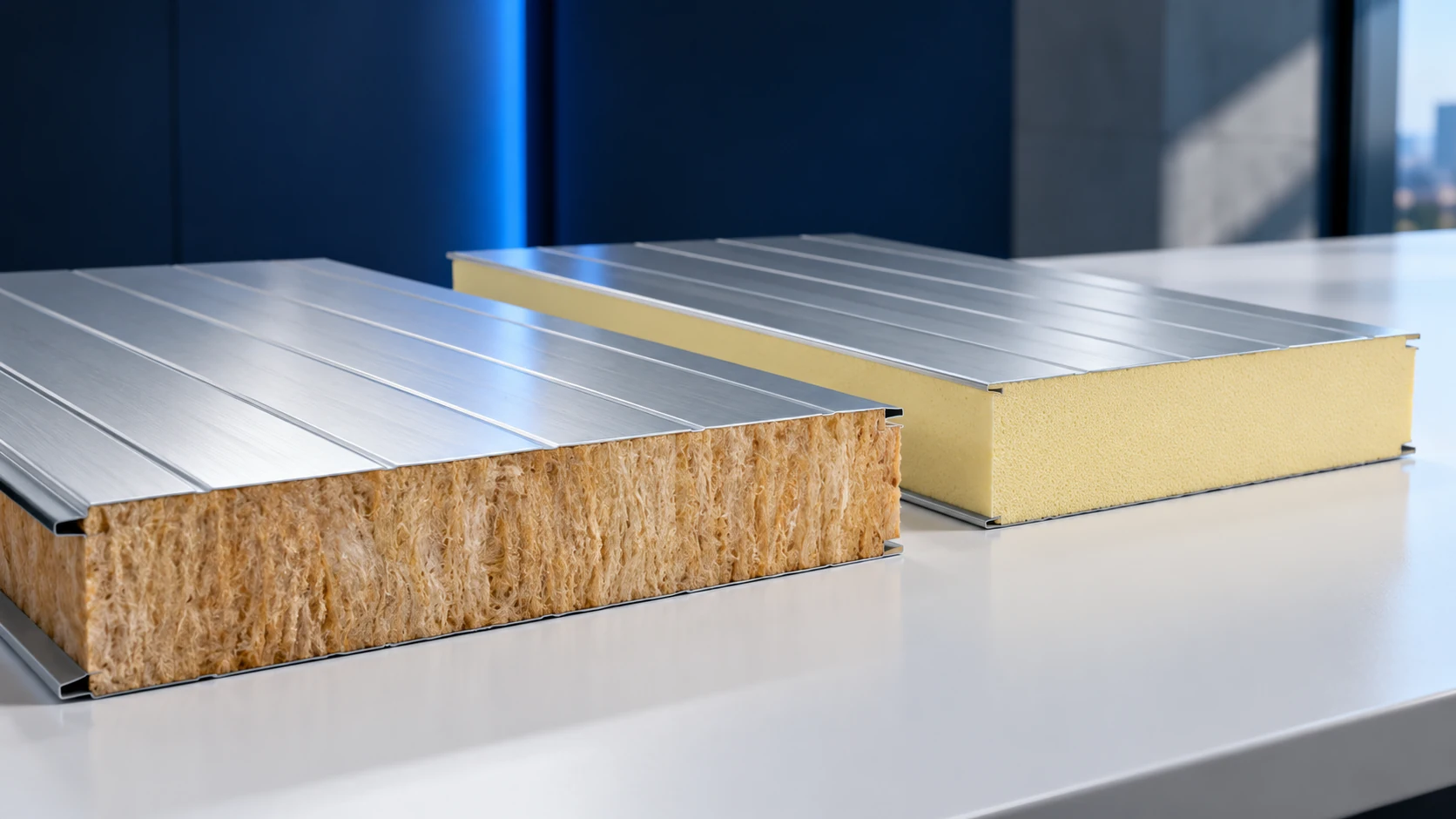
PIR generally achieves a low U-value with less thickness, while mineral-wool sandwich panels may suit particular fire requirements better. Neither is the…
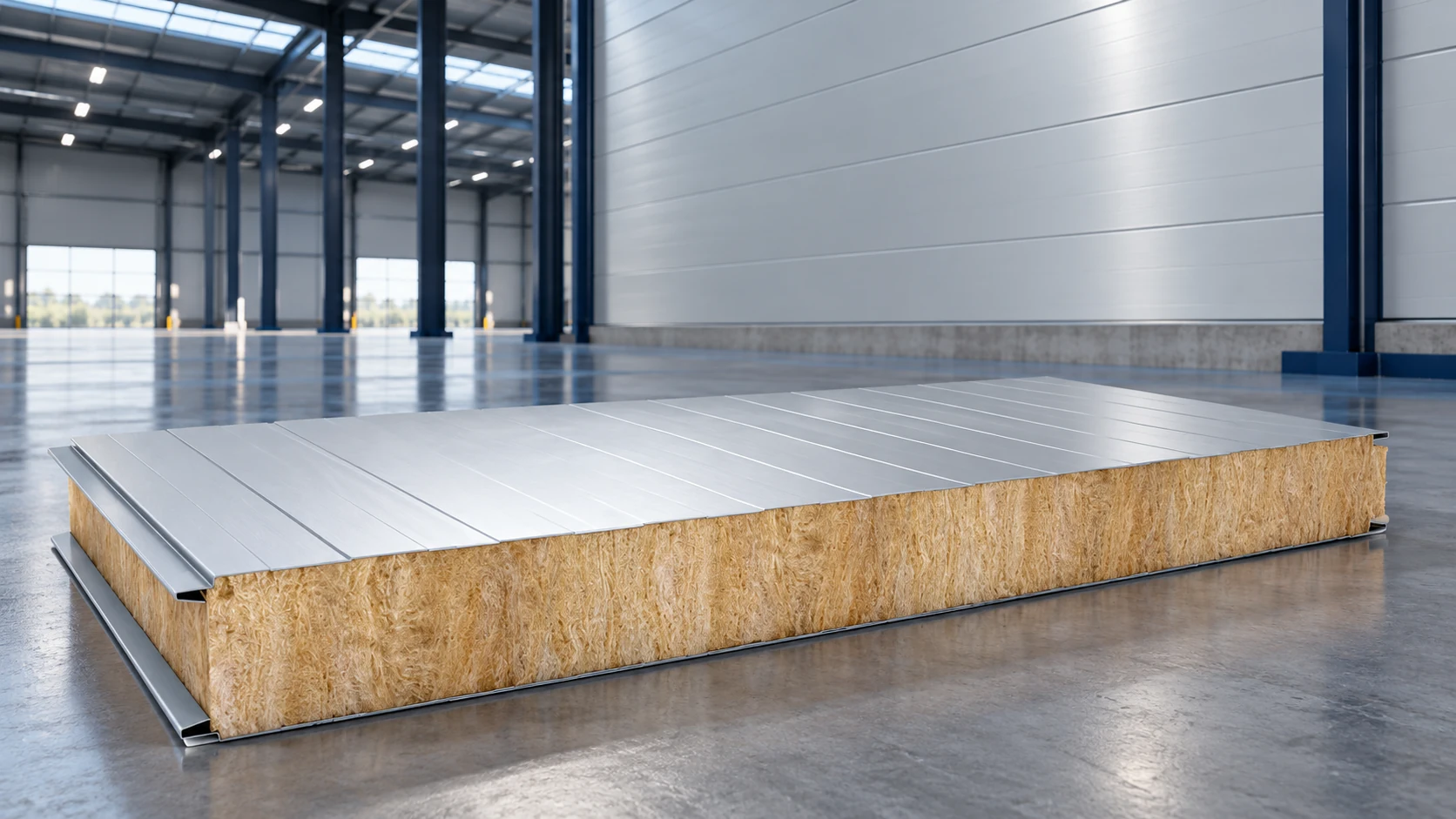
Mineral-wool wall panels need a properly designed supporting structure; they do not replace the complete building frame. Supports and their connections must…
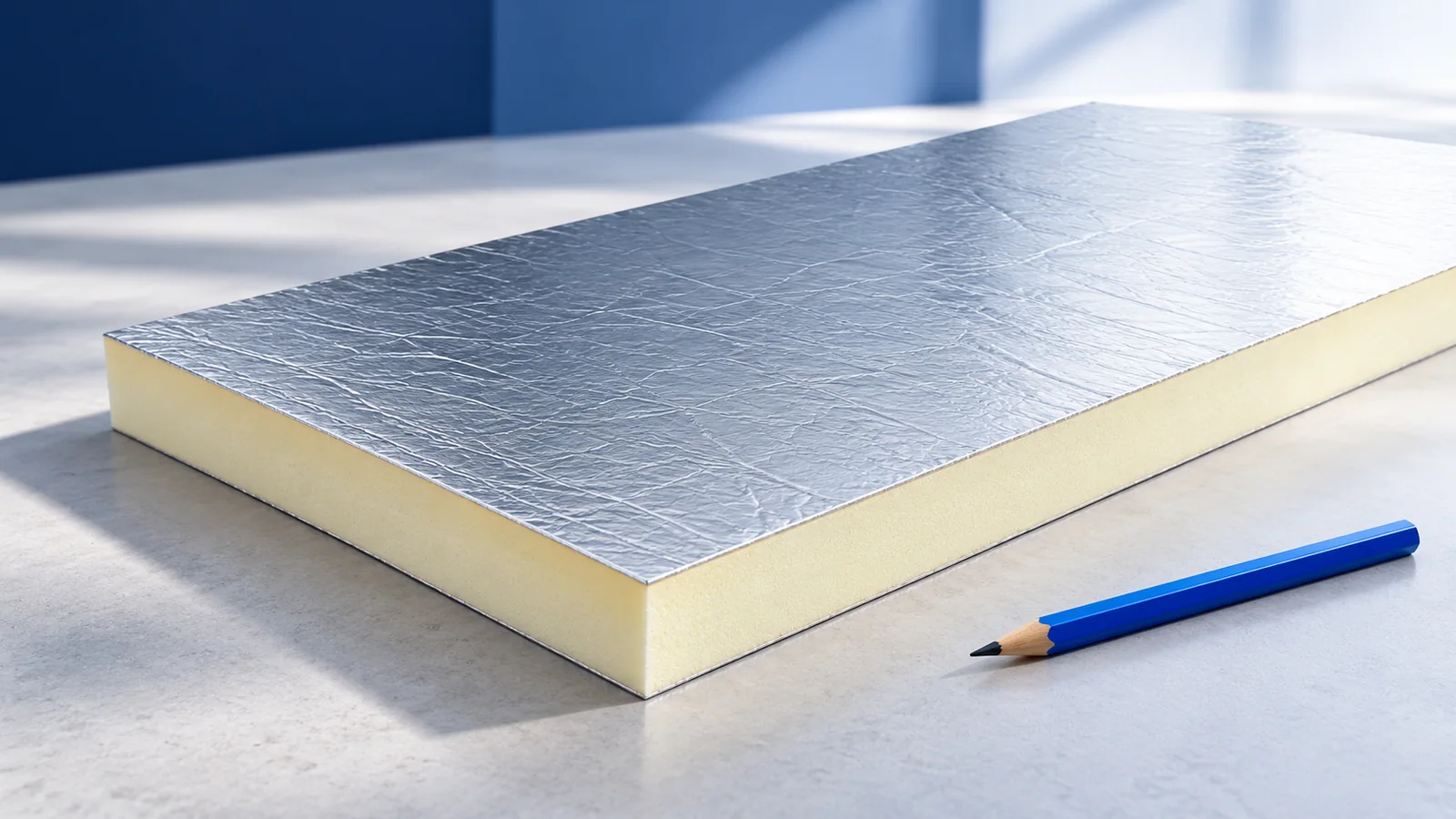
Attic insulation works when it forms a continuous layer and the entire roof manages moisture and air leakage. A thicker board cannot…
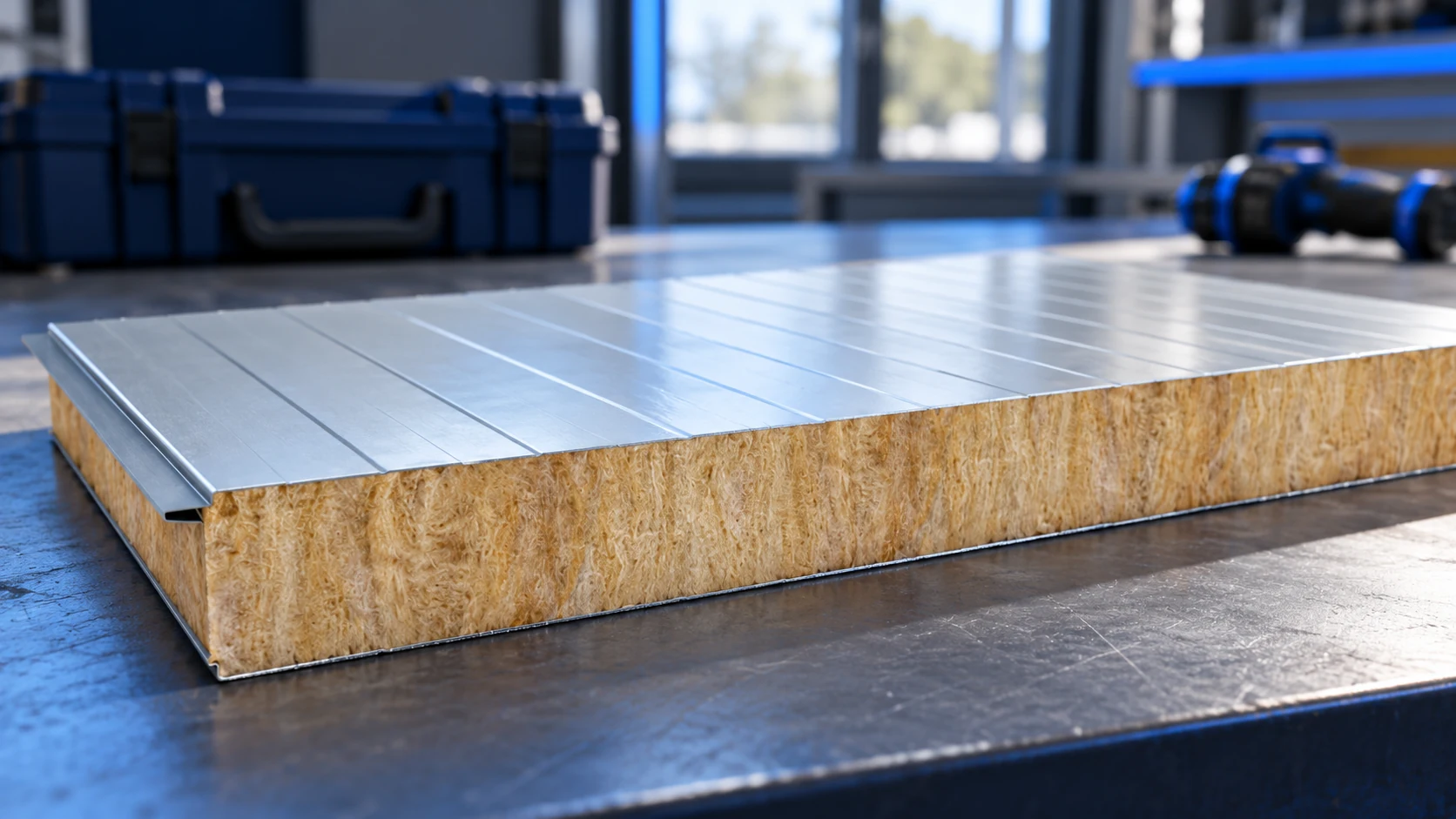
No single screw suits every mineral-wool sandwich panel. The fastener must match panel thickness, support material and the loads on the connection;…
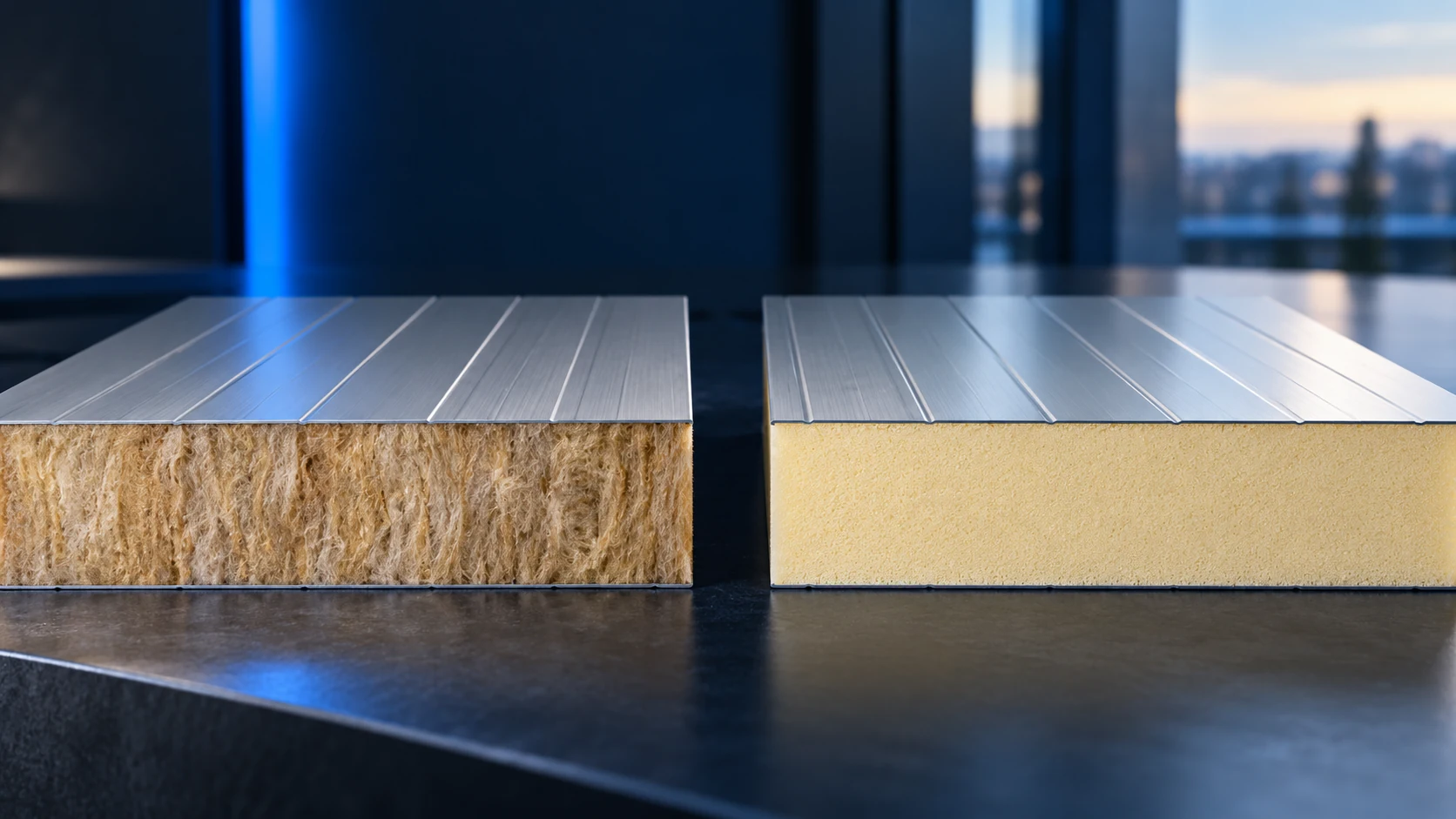
Mineral-wool sandwich panels have useful strengths, but they are not the best option for every application. Selection should start with the building's…
The cost of mineral-wool wall panels depends on the variant, thickness, facings and order size. A price per square metre covers only…