Panels · Sheet metal · Insulation · Accessories

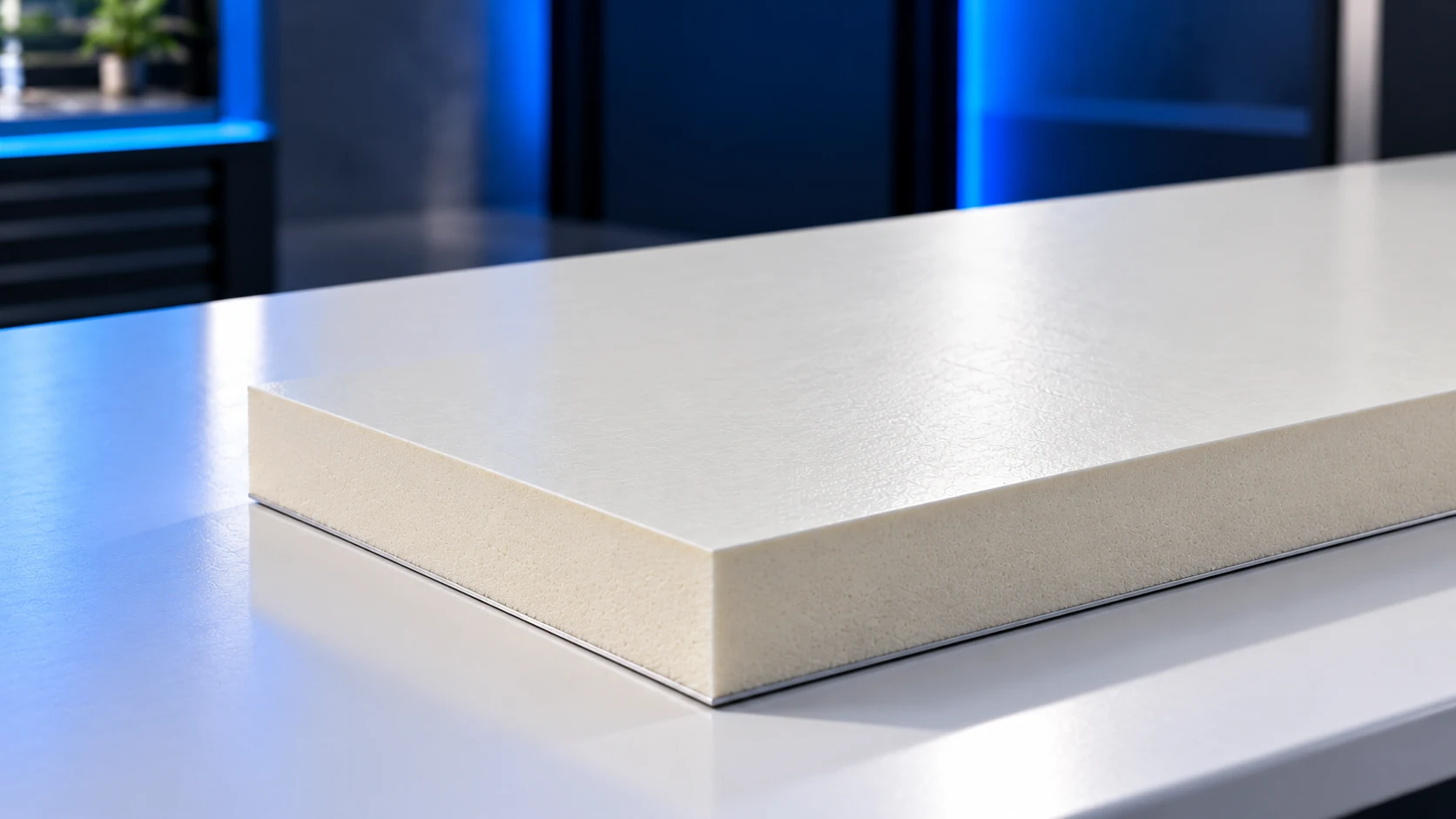
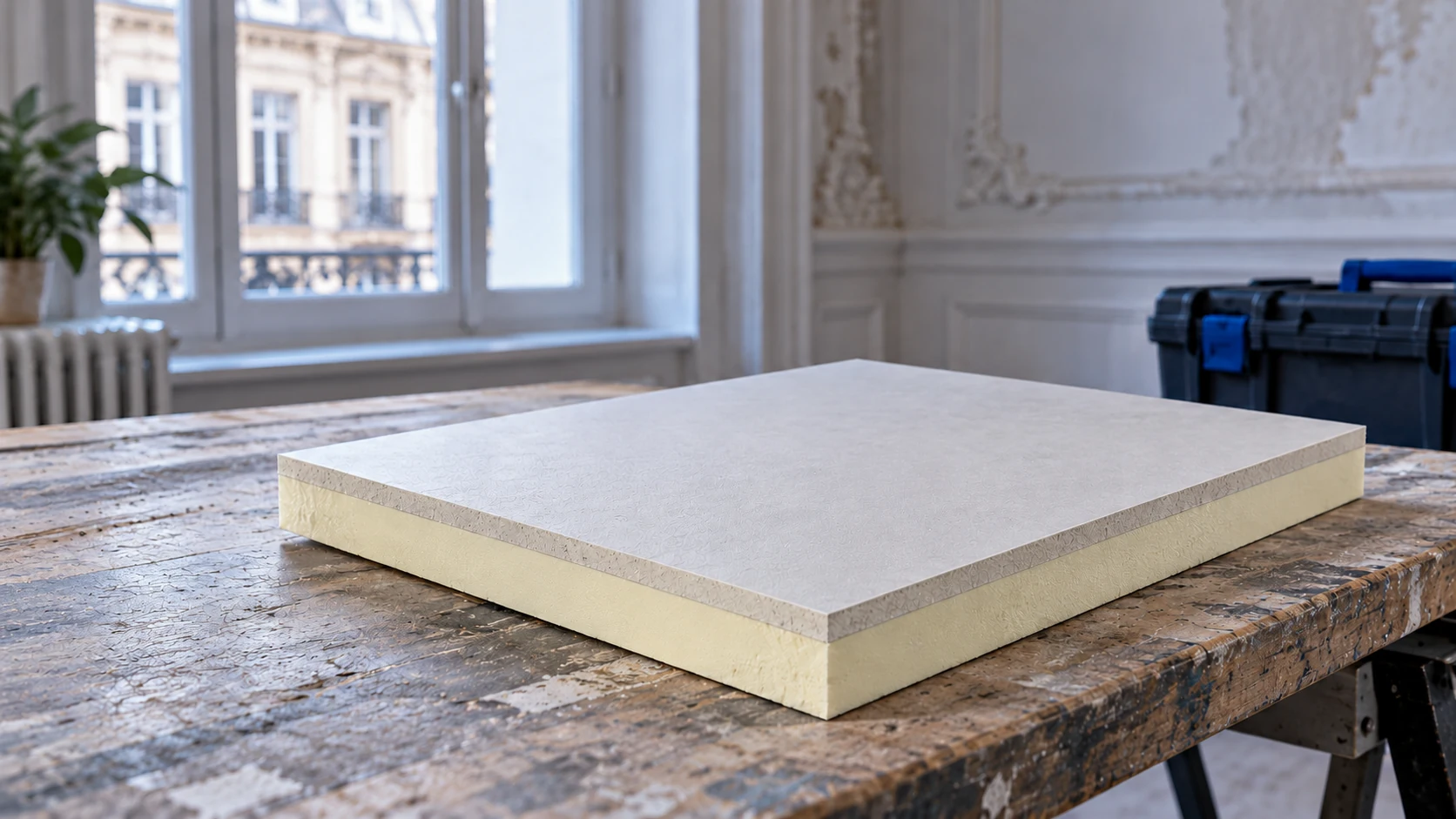
Assessing white 100 mm PIR wall panels from outlet stock

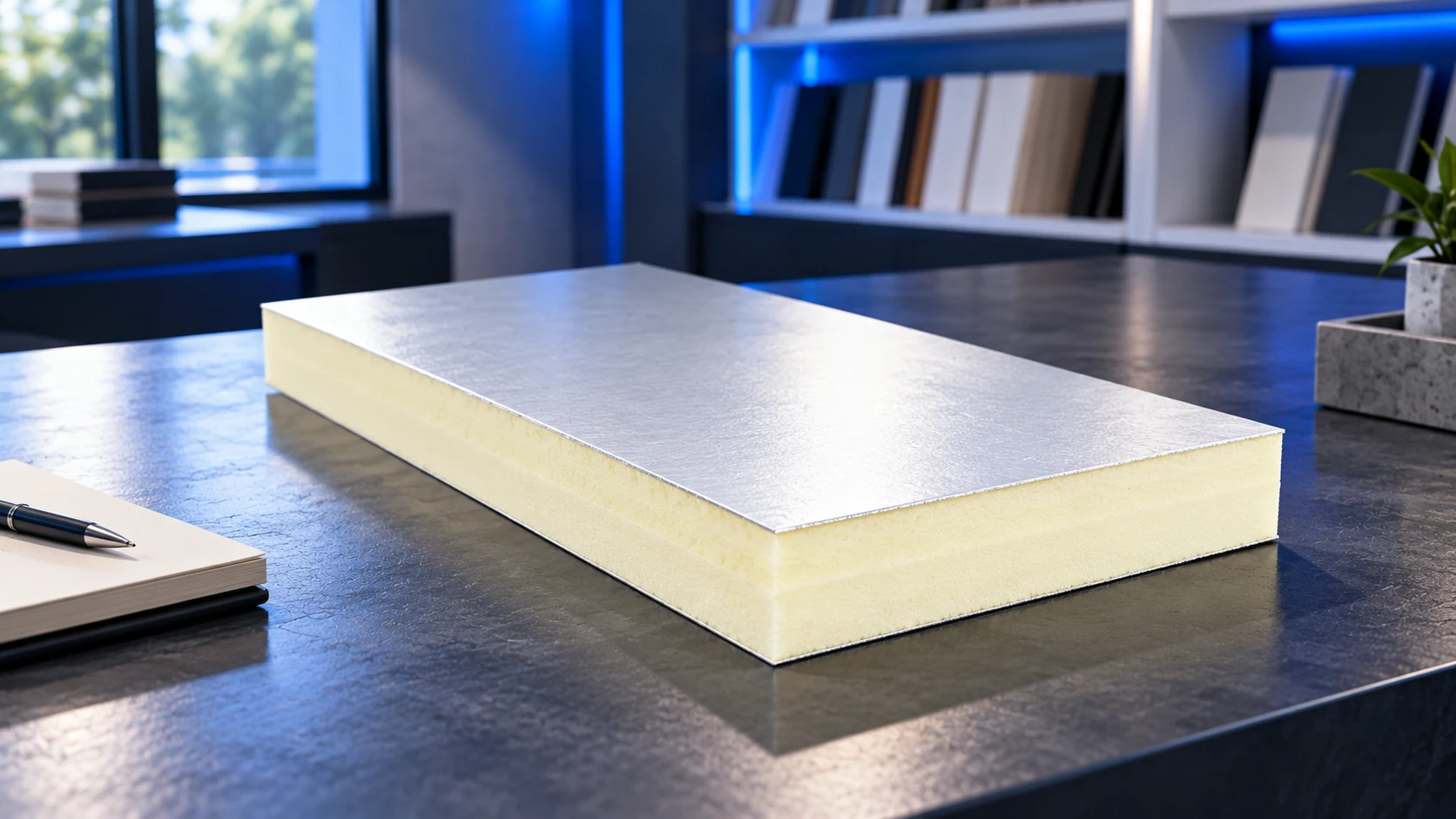
White 100 mm PIR wall panels can suit many projects, but an outlet batch must be assessed individually. Documentation, joint and facing condition, and usable lengths determine whether the apparent saving is worthwhile. Colour and thickness alone cannot establish suitability. With 2480 mm panels, check the actual wall height, supports and edge details before ordering. This guide explains area calculations, visible defects, colour matching and the costs of making a batch usable. Its dimensions illustrate a type of offer rather than confirm stock. Properties of a known first-quality model cannot automatically be assigned to discounted material of uncertain condition.
By |2026-11-11T09:28:22+01:0011 November 2026|Sandwich panels|Comments Off on Assessing white 100 mm PIR wall panels from outlet stock

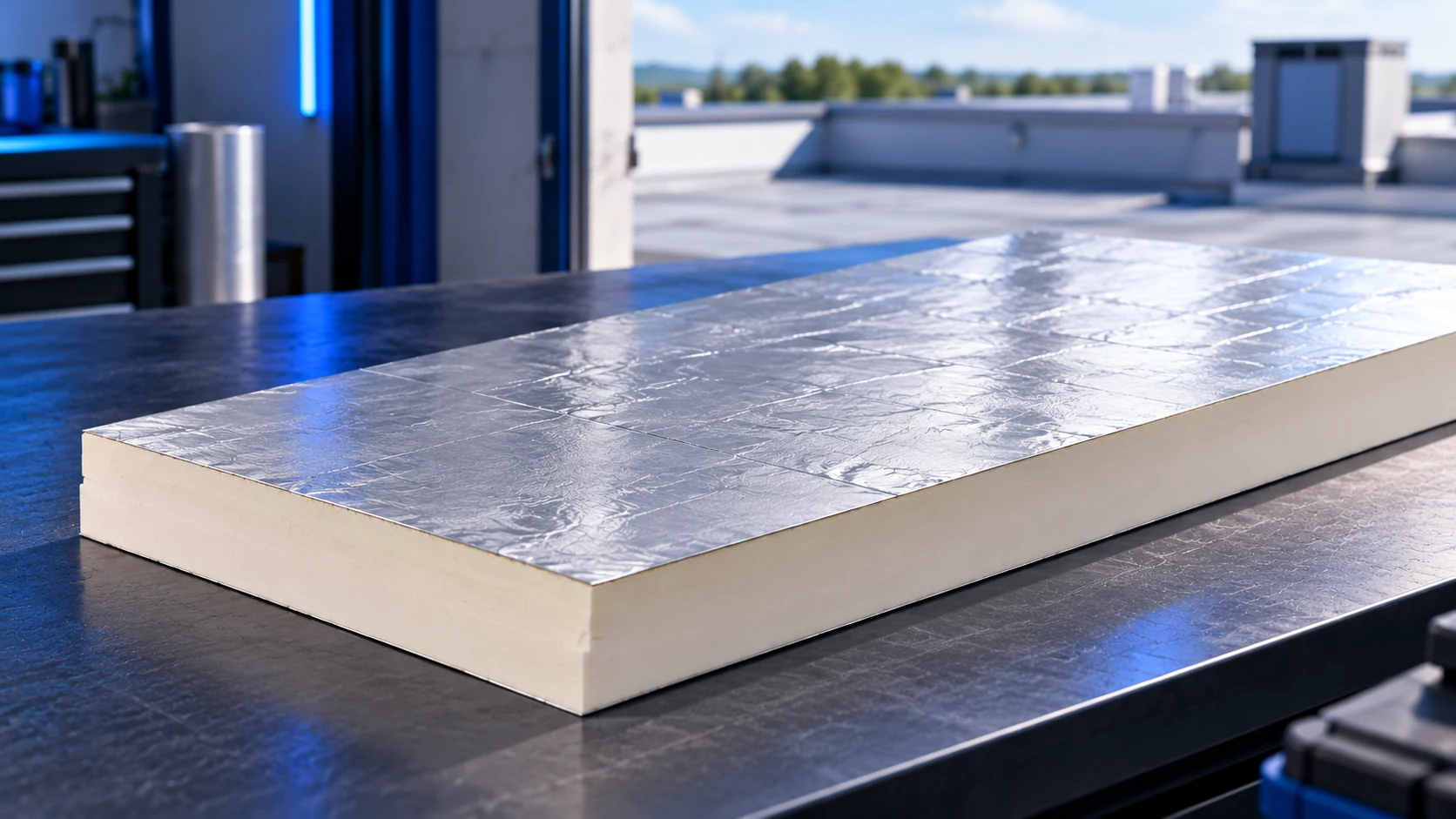
EPS, XPS or PIR: matching insulation to its location

Insulation selection starts with its position in the building. A rendered wall, a roof and a continuously loaded floor impose different requirements. EPS, XPS and PIR are not interchangeable in every assembly. Compare products intended for the same task and assess thermal conductivity alongside moisture behaviour, mechanical performance, fire properties and installation details. This guide explains when facing type, waterproofing position and long-term loading become decisive. Its numerical examples compare stated properties rather than entire material families. The lowest lambda value can save thickness, but it does not establish that a board belongs in the chosen construction system.

By |2026-11-11T09:28:17+01:0011 November 2026|PIR boards and insulation|Comments Off on EPS, XPS or PIR: matching insulation to its location

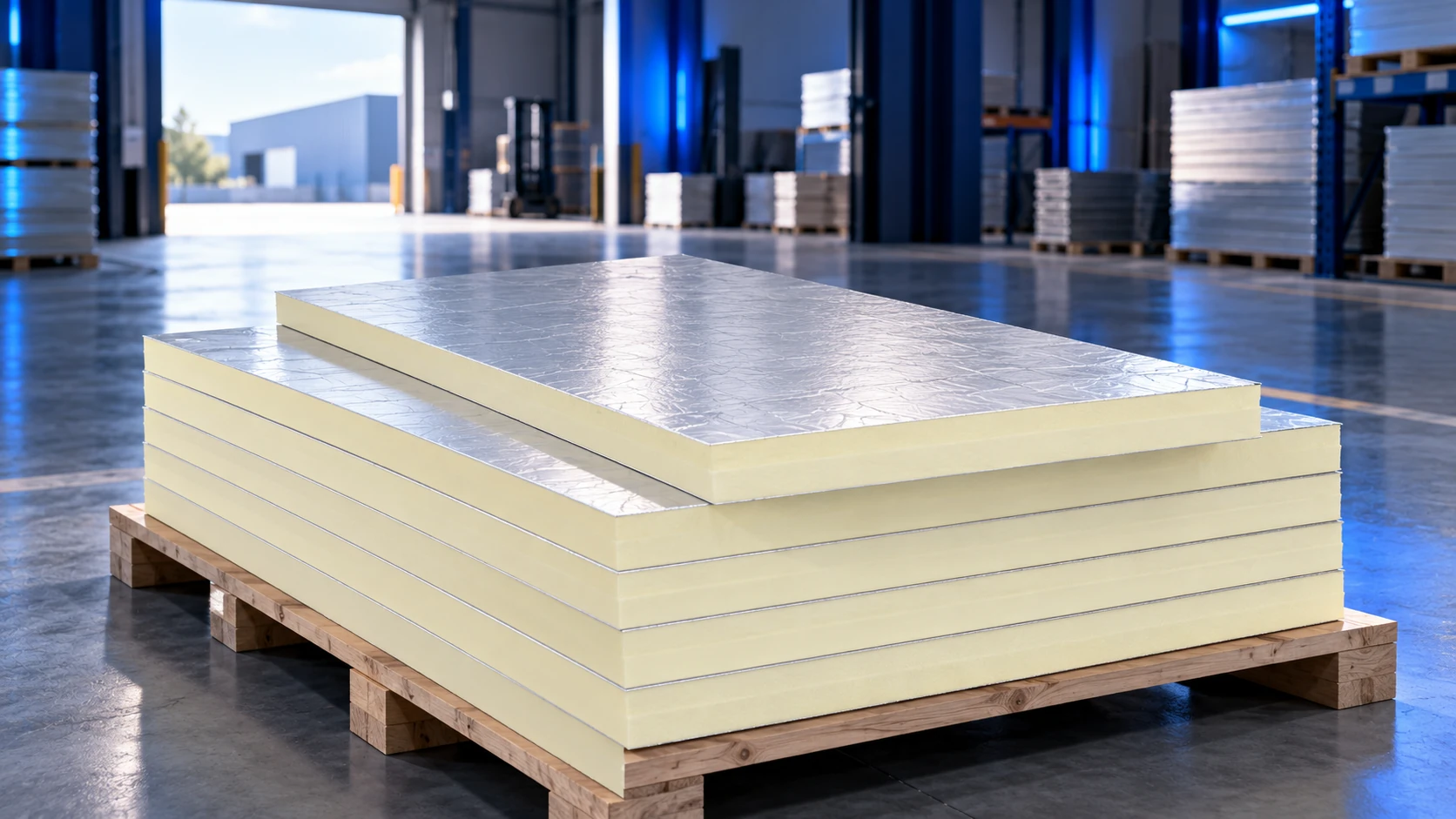
Mineral wool or PIR sandwich panels: choosing the core for your building

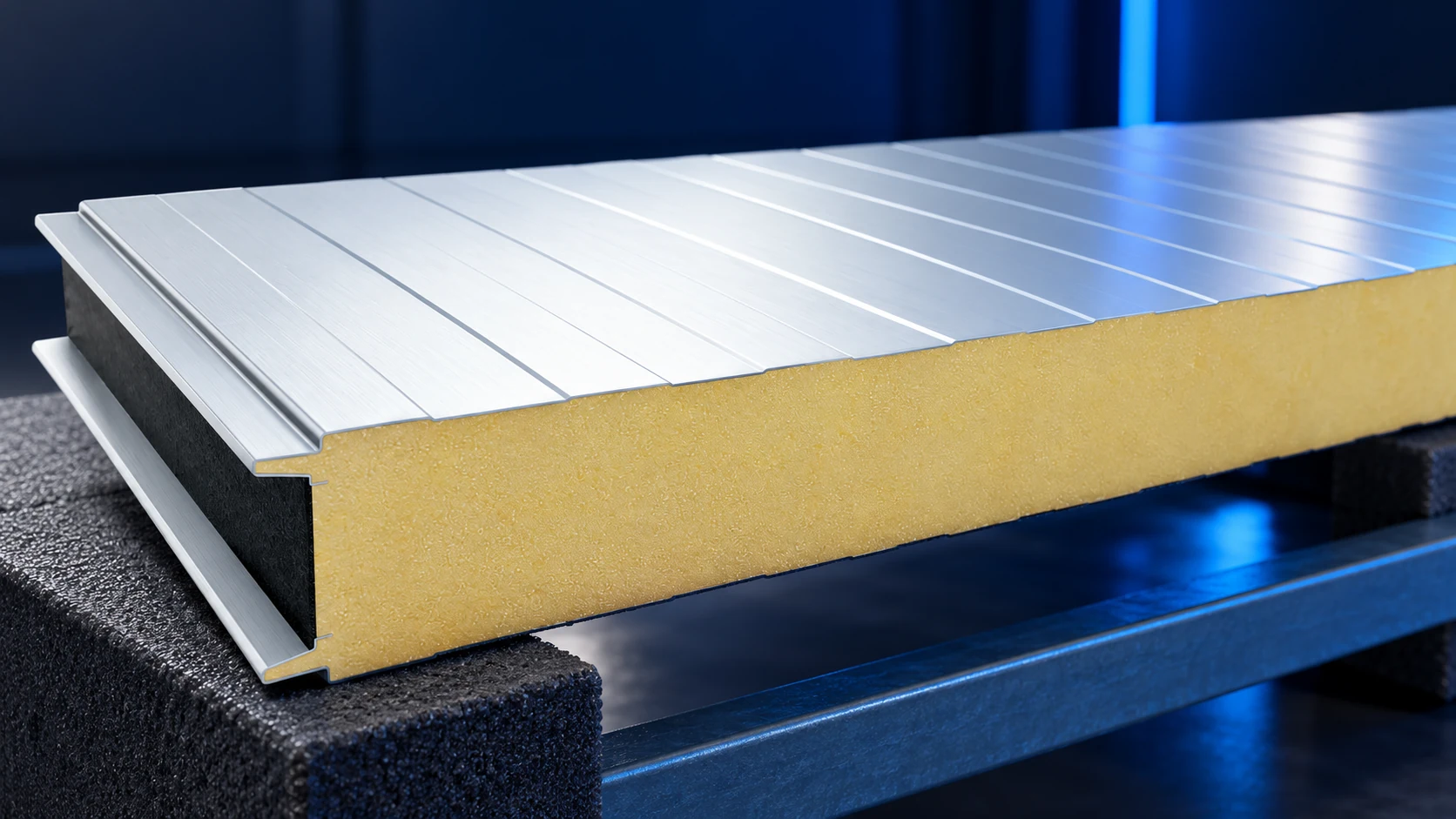
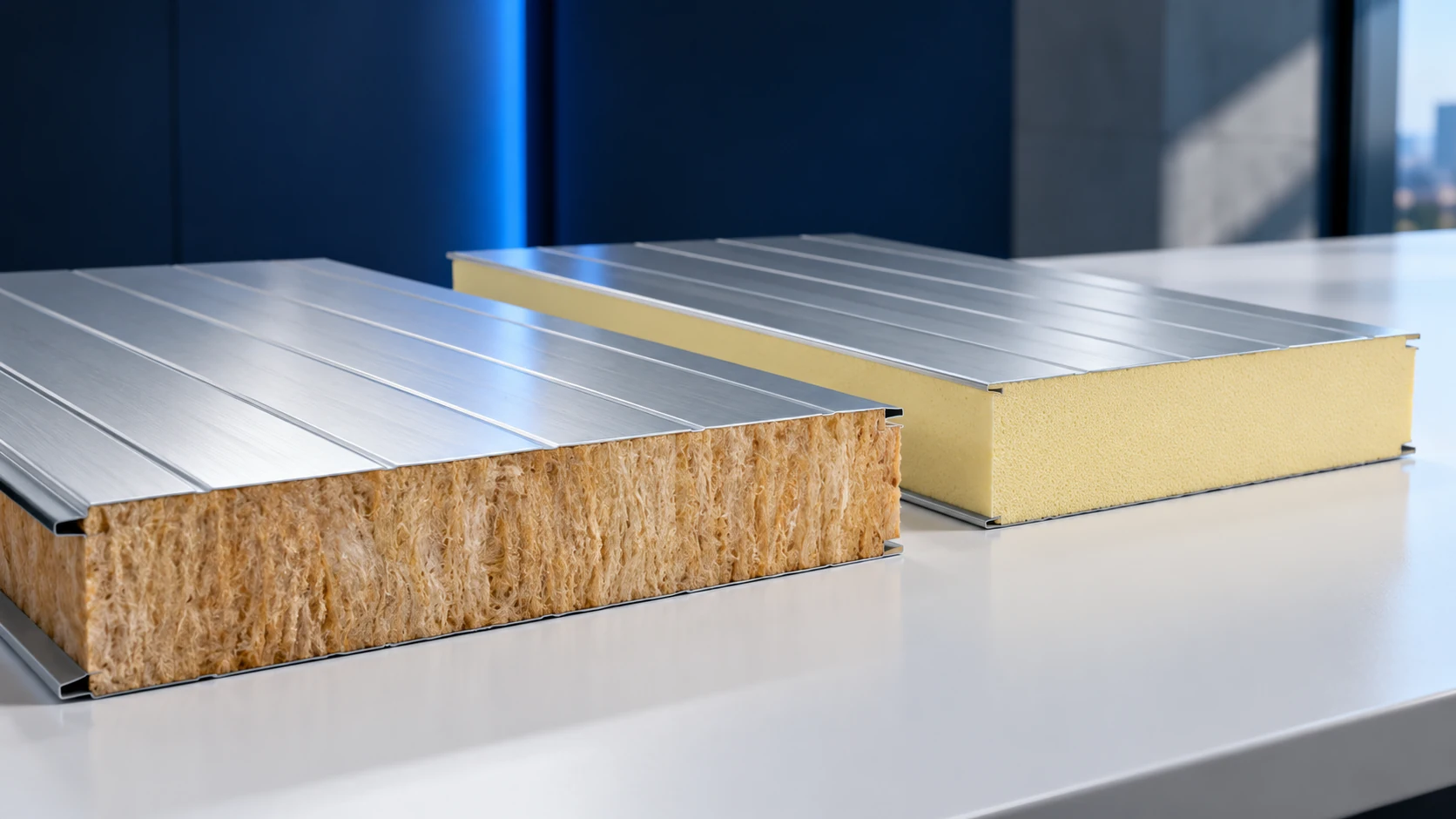
PIR generally achieves a low U-value with less thickness, while mineral-wool sandwich panels may suit particular fire requirements better. Neither is the universal choice for every hall. Compare finished products and complete assemblies rather than core names alone. This guide uses specific examples to distinguish thermal performance, weight, reaction to fire, fire resistance and acoustic performance. The figures belong to the stated configurations and must not be transferred to every panel in a material family. Coatings, joints, supports and installation also influence the outcome. A meaningful price comparison begins with two solutions that meet the same project requirements.

By |2026-11-11T09:28:15+01:0011 November 2026|Sandwich panels|Comments Off on Mineral wool or PIR sandwich panels: choosing the core for your building

What is a GRP-faced panel, and where can it be used?

In these products, fibreglass means a glass-reinforced plastic facing, often described as GRP. It may protect the room-facing side of a PIR core, but the name alone does not establish whether the product is a roof covering or an insulating ceiling lining. This guide distinguishes those constructions and explains what to check for agricultural buildings, cleaning, moisture, thermal performance and fixings. Use the exact product's declaration and installation details rather than transferring properties from another panel with a similar name. Core compression figures do not establish ceiling spans, and a durable facing does not compensate for poorly sealed edges or penetrations.

By |2026-11-11T09:07:29+01:0011 November 2026|Agricultural buildings and GRP-faced boards|Comments Off on What is a GRP-faced panel, and where can it be used?

PIR or XPS on a flat roof? Start with the layer arrangement

PIR and XPS can both be used in suitable flat-roof constructions, but they do not necessarily occupy the same position. Establish where the waterproofing lies and how the roof will be used before comparing conductivity, thickness or price. This guide distinguishes conventional and inverted roofs, considers build-up height and explains why compression-test figures are not long-term allowable loads. It also covers membrane compatibility, fixings, temporary weather protection and whole-roof costs. Substituting one insulation material without reviewing the design can undermine a sound assembly. The correct choice is a documented product in an appropriate position within a coordinated roof system.

By |2026-11-14T14:43:30+01:0011 November 2026|PIR boards and insulation|Comments Off on PIR or XPS on a flat roof? Start with the layer arrangement

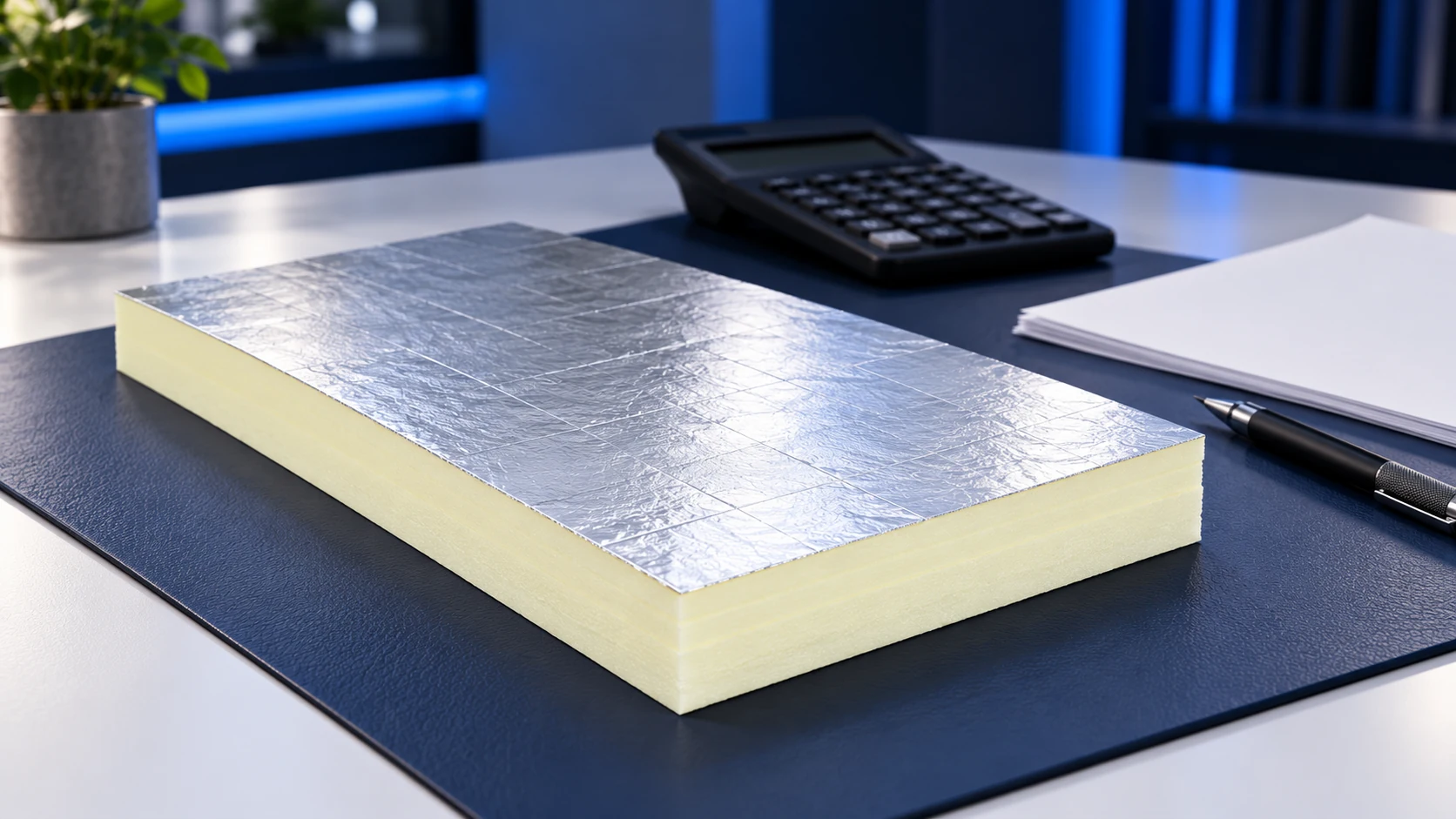
PIR board dimensions: choosing a format that simplifies installation

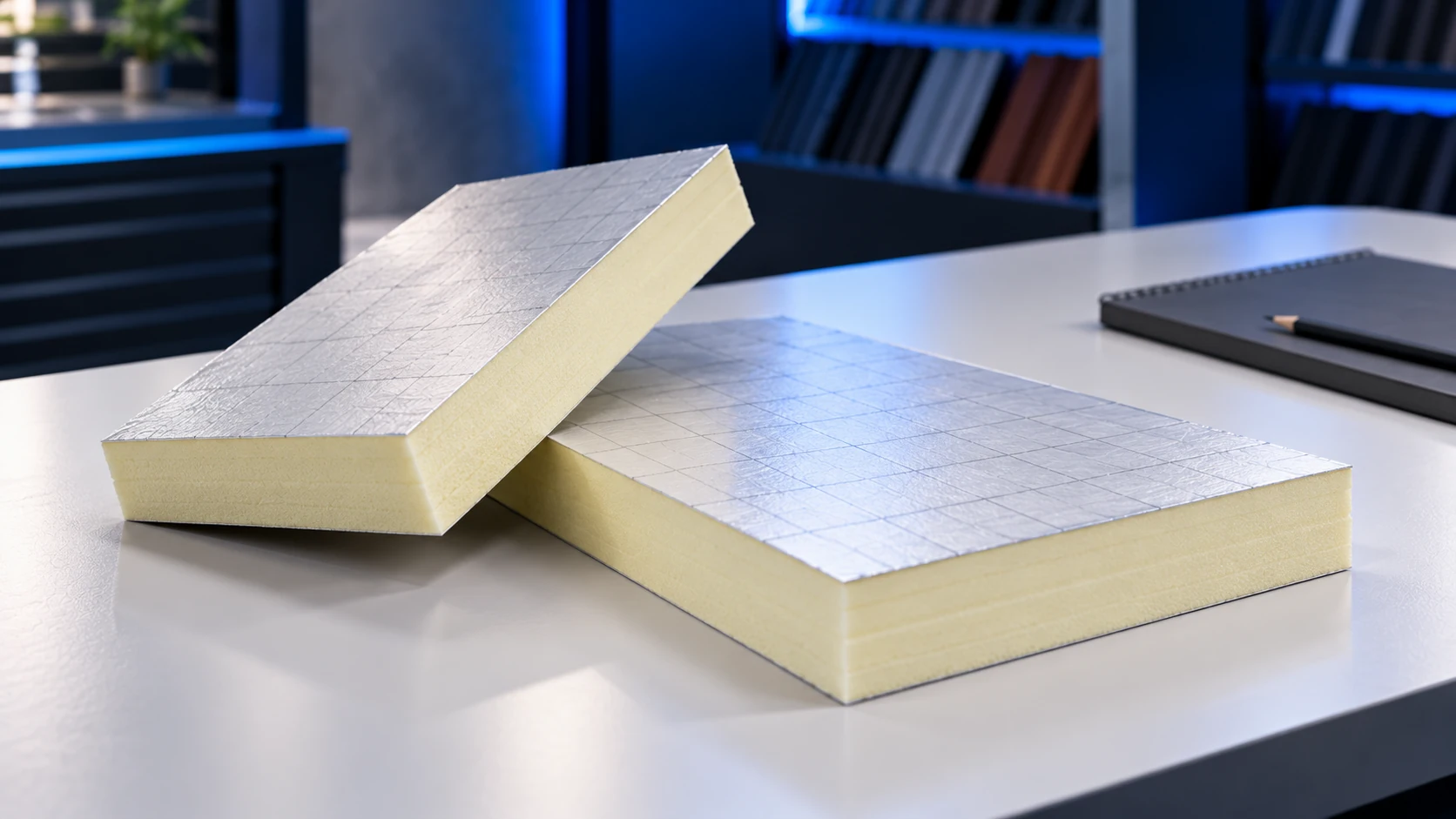
PIR insulation boards are often encountered in 120 × 60 cm and 120 × 240 cm formats, but neither size nor effective coverage is universal. Edge profiles, intended use and sales units affect the quantity needed. This guide distinguishes overall dimensions from coverage, compares handling of small and large boards and explains why plasterboard-faced composites have separate size tables. Drawing the board layout before ordering helps identify offcuts, narrow strips and factory-edge requirements. Confirm the exact product, pack contents and installation instructions: multiplying the outside dimensions alone can underestimate the number of boards required for a roof or wall.

By |2026-11-11T09:07:26+01:0011 November 2026|PIR boards and insulation|Comments Off on PIR board dimensions: choosing a format that simplifies installation

Using a PIR calculator to select wall-insulation thickness

A PIR calculator helps compare insulation options, but its result is only as reliable as the data entered. Use the actual masonry, the selected board's performance and the intended thermal target. Check whether the tool covers the full wall, fixings, thermal bridges and moisture, rather than assuming every requirement is included. This guide walks through inputs, units, a simple resistance calculation and selection of an available thickness. It also explains what to retain in the report and pass to the supplier. The displayed number of centimetres supports a decision; it does not complete the design or establish suitability for installation.

By |2026-11-11T09:07:22+01:0011 November 2026|PIR boards and insulation|Comments Off on Using a PIR calculator to select wall-insulation thickness

Internal insulation in an older masonry apartment building: planning the work

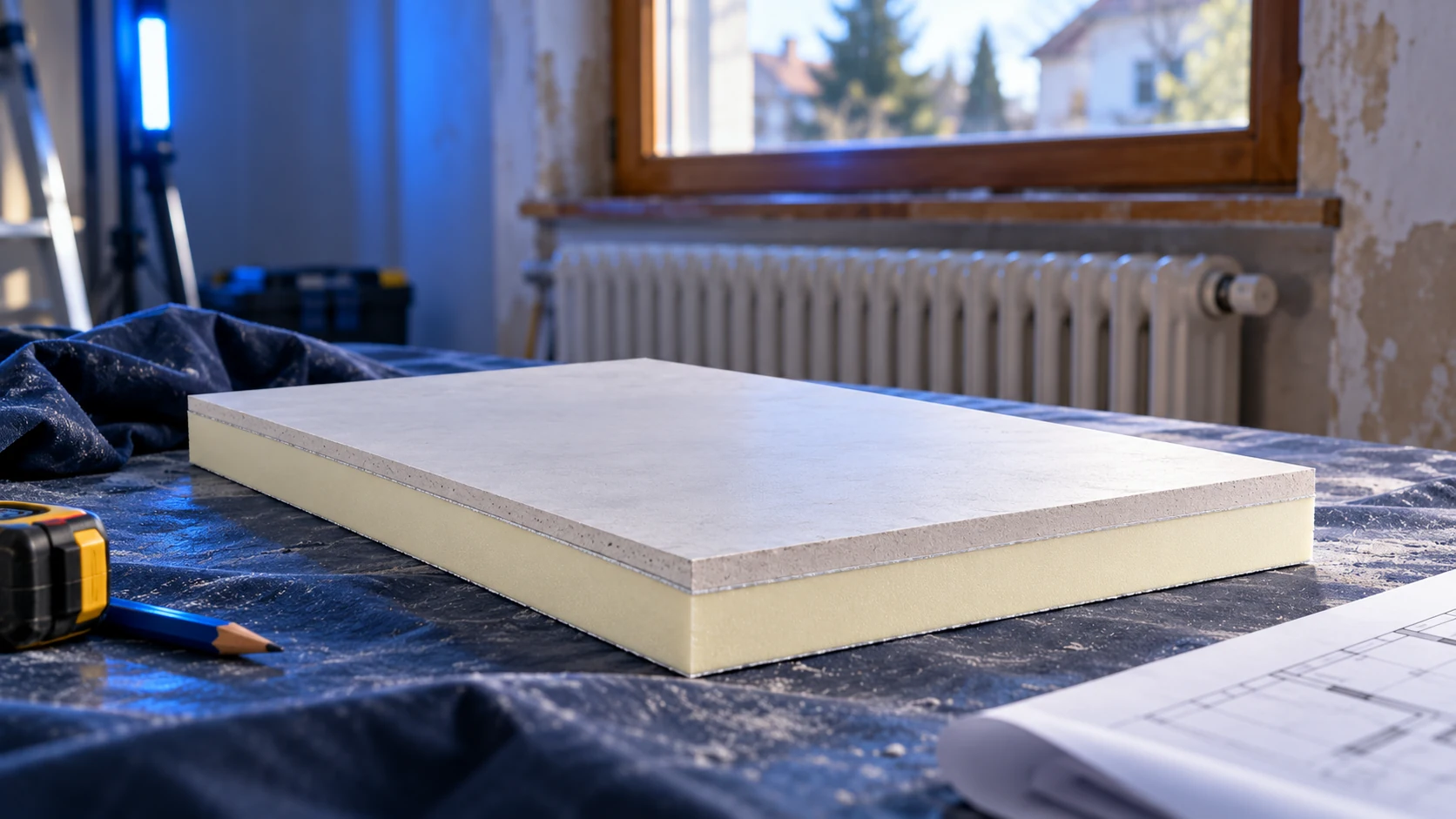
Internal insulation can be considered when an older masonry building's facade must remain unchanged. Its suitability depends on the existing construction: thick masonry, timber floors and past damp can all alter the assessment. Start by investigating the building and the permitted scope of work, rather than selecting a board. This guide explains moisture assessment, embedded beam ends, the full thickness of plasterboard-faced PIR and details at windows, floors and services. It also covers sequencing and records for handover. A successful improvement should increase comfort while protecting the existing fabric; a thin, efficient insulation layer alone cannot guarantee that outcome.

By |2026-11-11T09:07:21+01:0011 November 2026|PIR boards and insulation|Comments Off on Internal insulation in an older masonry apartment building: planning the work

Insulating a 1990s house internally while retaining its facade

Internal insulation in a 1990s house should start with an assessment of the existing wall, not a board order. The construction date does not establish which masonry, cavity or insulation was actually installed. Keeping the facade can reduce external work, but moisture, services and thermal bridges still need attention. This guide covers checking old drawings against the building, choosing plasterboard-faced PIR, planning fixings for heavy fittings and inspecting concealed joints. The intended heating and ventilation arrangements matter too. A successful refurbishment depends on dry, suitable construction and coordinated details, rather than insulation thickness alone.

By |2026-11-11T09:07:20+01:0011 November 2026|PIR boards and insulation|Comments Off on Insulating a 1990s house internally while retaining its facade

How much PIR replaces EPS? Comparing insulation at equal thermal resistance

PIR insulation is not invariably half as thick as EPS. The equivalent thickness depends on the thermal conductivity of both chosen products. This guide compares insulation layers at the same thermal resistance, using worked examples for 200 mm EPS and different PIR facings. It also explains why a calculated thickness must be checked against available board sizes, intended use, fixings and the complete wall build-up. Equal resistance does not mean equal moisture, fire or load performance. Use the calculation to compare viable options; it cannot justify substituting an arbitrary board or predict the energy bills of an entire building.

By |2026-11-11T09:07:19+01:0011 November 2026|PIR boards and insulation|Comments Off on How much PIR replaces EPS? Comparing insulation at equal thermal resistance
Back to top