Panels · Sheet metal · Insulation · Accessories

How to choose insulation for pitched and flat roofs

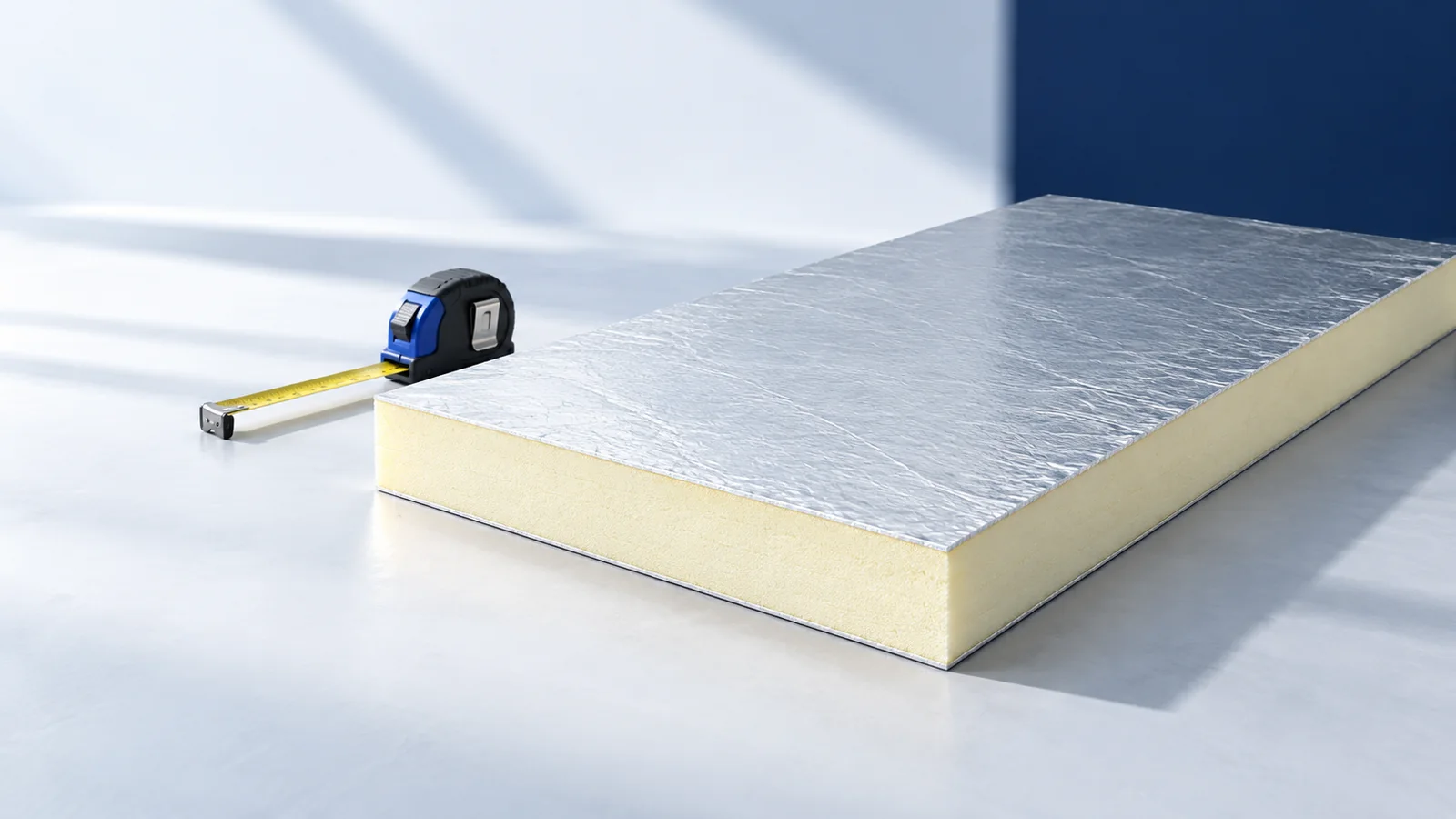
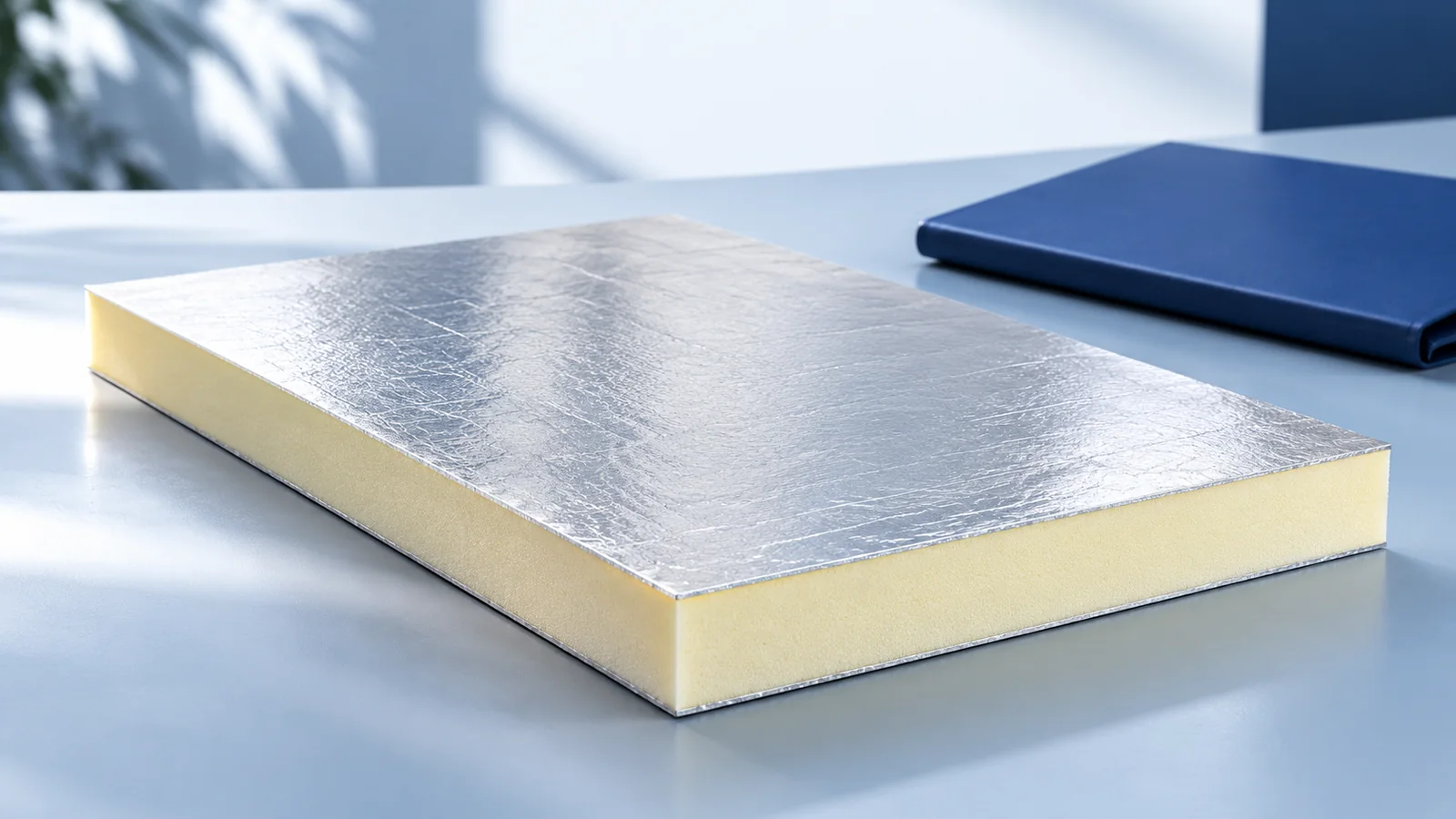
Mark the intended insulation position on a section through the roof. Between uneven rafters, the material must fill each bay closely. Above rafters, continuity and the transfer of loads from the covering matter. On a flat roof, consider equipment and maintenance loads and whether the insulation suits the waterproofing. With that position defined, compare mineral wool, PIR, EPS and XPS. Equal thicknesses can provide different thermal resistances, while materials giving the same resistance may need different fixings and protective layers. Include eaves, parapets and openings when costing the insulation.
By |2026-11-12T11:44:59+01:0012 November 2026|PIR boards and insulation|Comments Off on How to choose insulation for pitched and flat roofs

PIR, EPS, XPS or mineral wool: which insulation suits your roof?

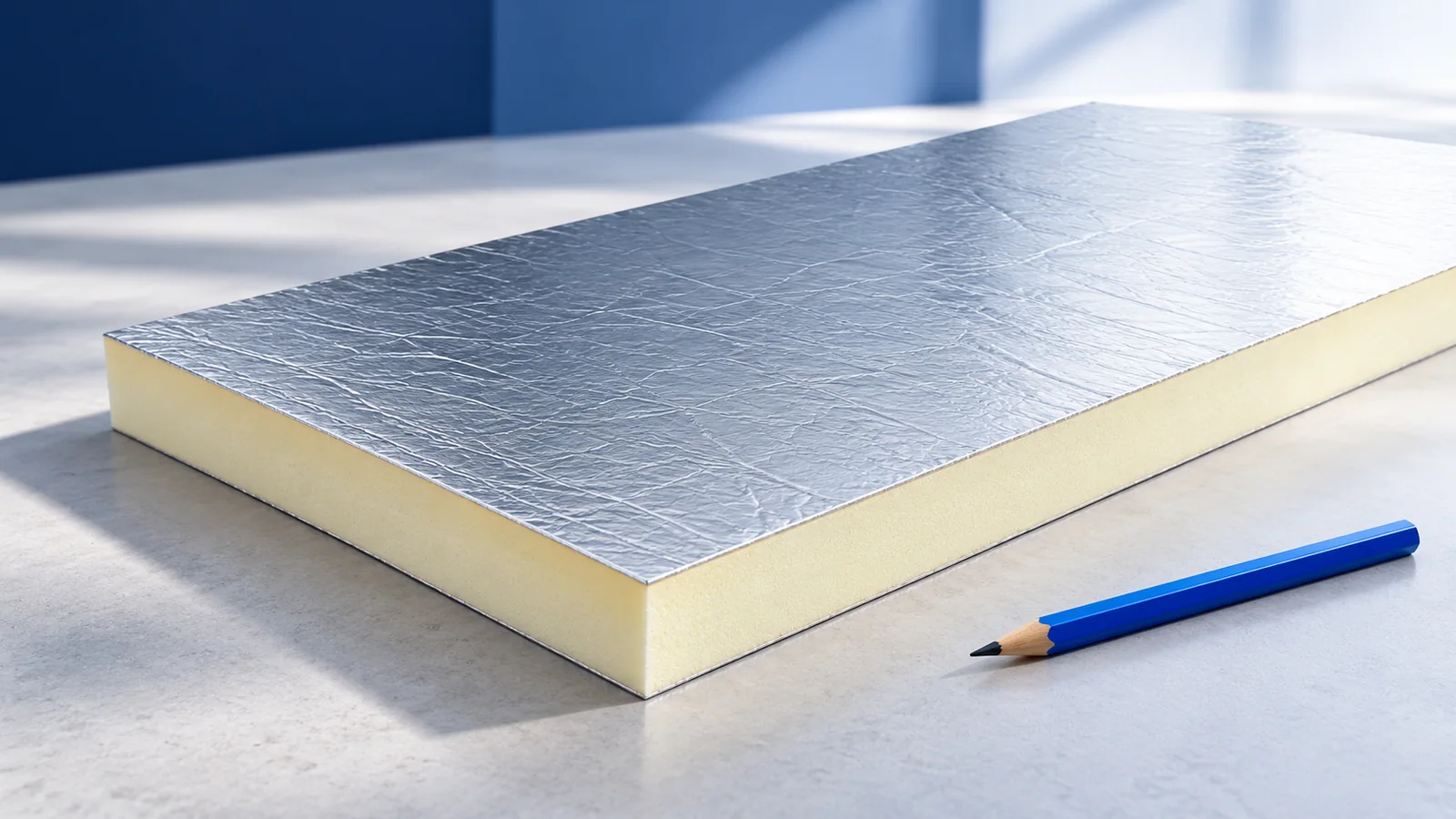
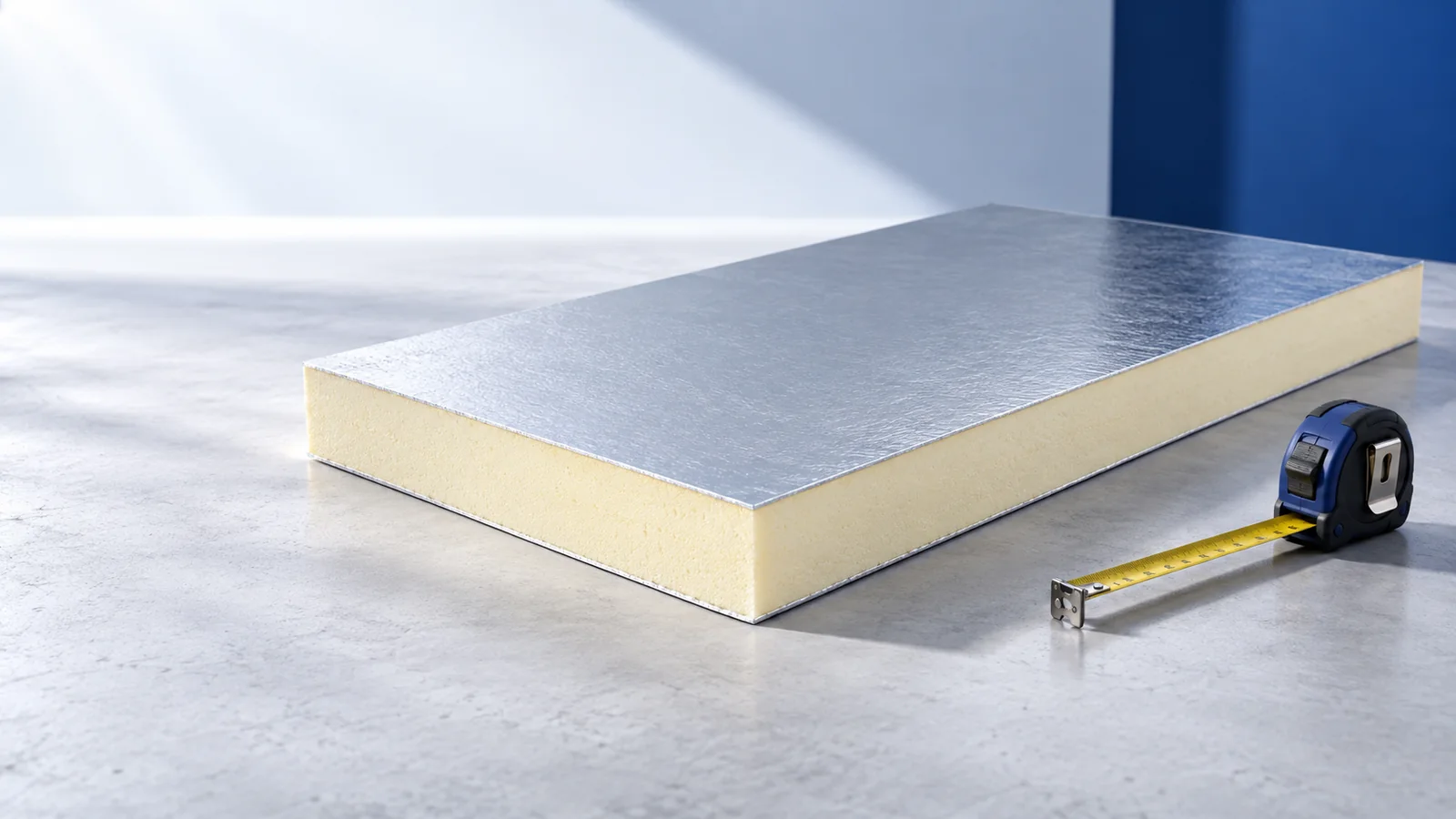
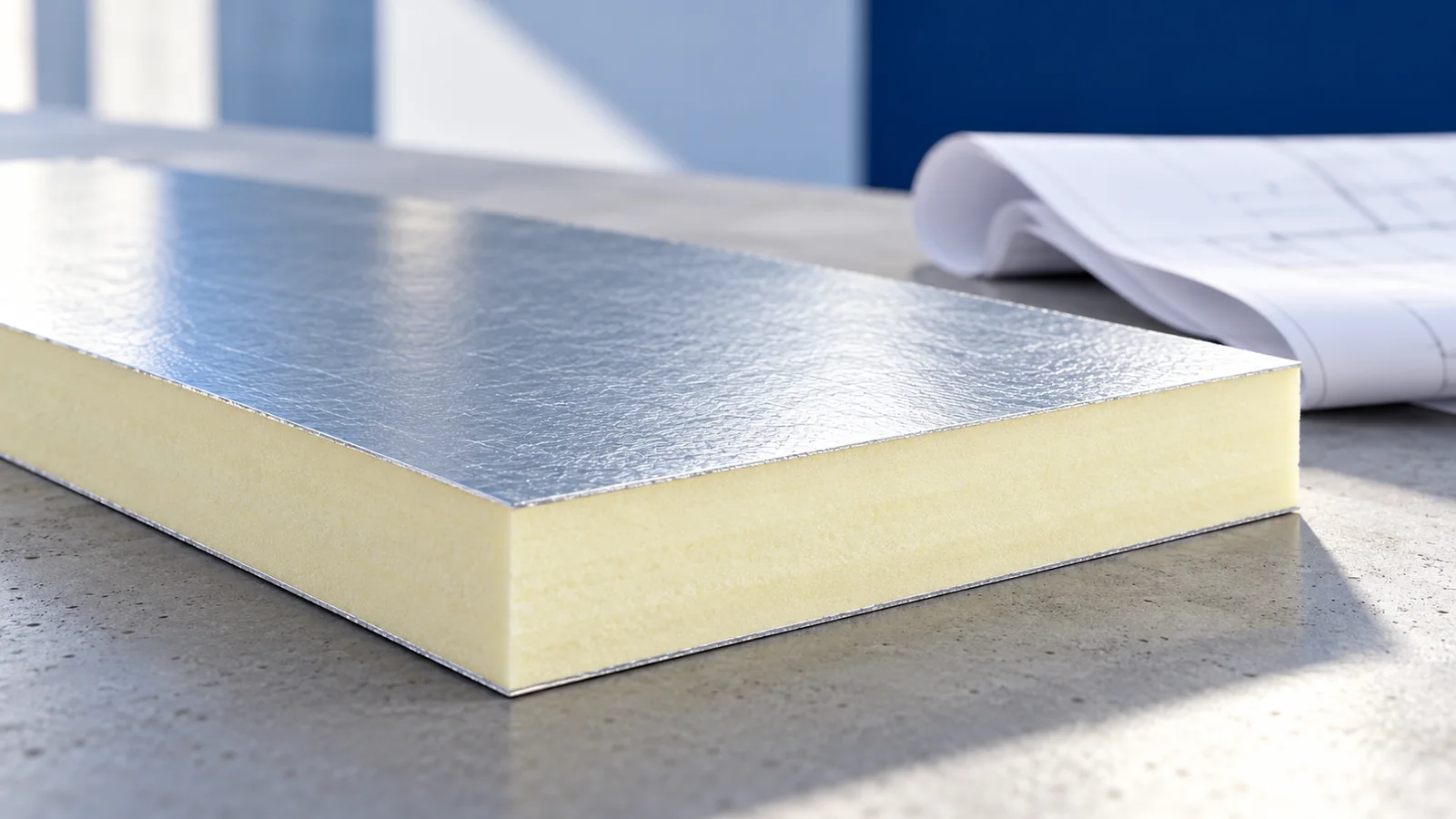
Mark the insulation position on the roof section before choosing PIR, EPS, XPS or mineral wool. Irregular rafter bays need insulation that fits closely. A low parapet may limit build-up depth, while insulation under load needs checks for sustained pressure and moisture. In the example below, 10 cm of PIR with λ = 0.022 W/(m·K) provides about the same thermal resistance as 14.1 cm of the selected EPS or 15.9 cm of the selected wool. This compares individual layers, not roof U-values. Fire and acoustic requirements, substrate, seals and the cost of detailing also affect the choice.

By |2026-11-12T10:45:11+01:0012 November 2026|PIR boards and insulation|Comments Off on PIR, EPS, XPS or mineral wool: which insulation suits your roof?

Passive houses: why the roof is part of a whole-building strategy

A passive house reduces energy demand through coordinated insulation, airtightness, windows, thermal-bridge detailing and controlled ventilation. Thick roof insulation or a large photovoltaic array alone does not establish that the standard has been achieved. The roof is an important part of the envelope, especially at wall junctions, windows and service penetrations. Metal roofing can be used where the complete assembly meets the design requirements. This guide considers roof shape, the roles of PIR and other insulation, and workmanship checks. It distinguishes individual material properties from whole-building energy performance, and calculated demand from actual bills, which also depend on use and surrounding conditions.

By |2026-11-11T17:24:07+01:0011 November 2026|PIR boards and insulation|Comments Off on Passive houses: why the roof is part of a whole-building strategy

Attic insulation that works as a complete roof assembly

Attic insulation works when it forms a continuous layer and the entire roof manages moisture and air leakage. A thicker board cannot repair a roof leak or a gap at the wall plate. Before choosing PIR or mineral wool, identify the existing layers and establish which space will be heated. This guide organises decisions from inspecting the structure to checking the work before the lining closes it in. It covers rafters, façade junctions, service penetrations and roof windows. A layer's calculated thermal resistance is a comparison aid, not the performance of the whole roof. Inspect concealed junctions while they remain accessible.

By |2026-11-11T16:26:54+01:0011 November 2026|PIR boards and insulation|Comments Off on Attic insulation that works as a complete roof assembly

Roof insulation: trace the heated boundary before choosing boards

Effective roof insulation forms a continuous boundary around heated rooms, rather than merely a thick layer across the middle of a slope. Draw that boundary through roof, walls and ceiling before choosing insulation and moisture control. PIR, mineral wool, EPS and XPS have different properties and need a suitable assembly. This guide follows the decisions from attic use and thermal resistance to window junctions and inspection before closing up. It also explains why a board's conductivity does not establish the whole roof's U-value. Repair leaks, inspect the structure and plan services first, reducing later cuts through airtight layers and gaps in insulation.

By |2026-11-11T15:55:50+01:0011 November 2026|PIR boards and insulation|Comments Off on Roof insulation: trace the heated boundary before choosing boards

Is a PIR roof panel fire-resistant? Understanding its classifications

A PIR sandwich-panel roof can have a specified fire-resistance classification when built within the conditions covered by its documentation. The PIR core itself is not non-combustible. Check three separate properties: reaction to fire, performance under external fire exposure and the fire resistance of the complete roof assembly. None replaces the others. The exact panel, thickness, supports, fixings and openings must match the relevant scope. This guide explains the meaning and limits of B-s1,d0, BROOF and REI designations, helping you compare a supplier's documents with the project requirements rather than relying on a general claim that a panel is “fireproof”.

By |2026-11-11T11:01:47+01:0011 November 2026|Sandwich panels|Comments Off on Is a PIR roof panel fire-resistant? Understanding its classifications

PIR or EPS roof cores: how to compare sandwich panels

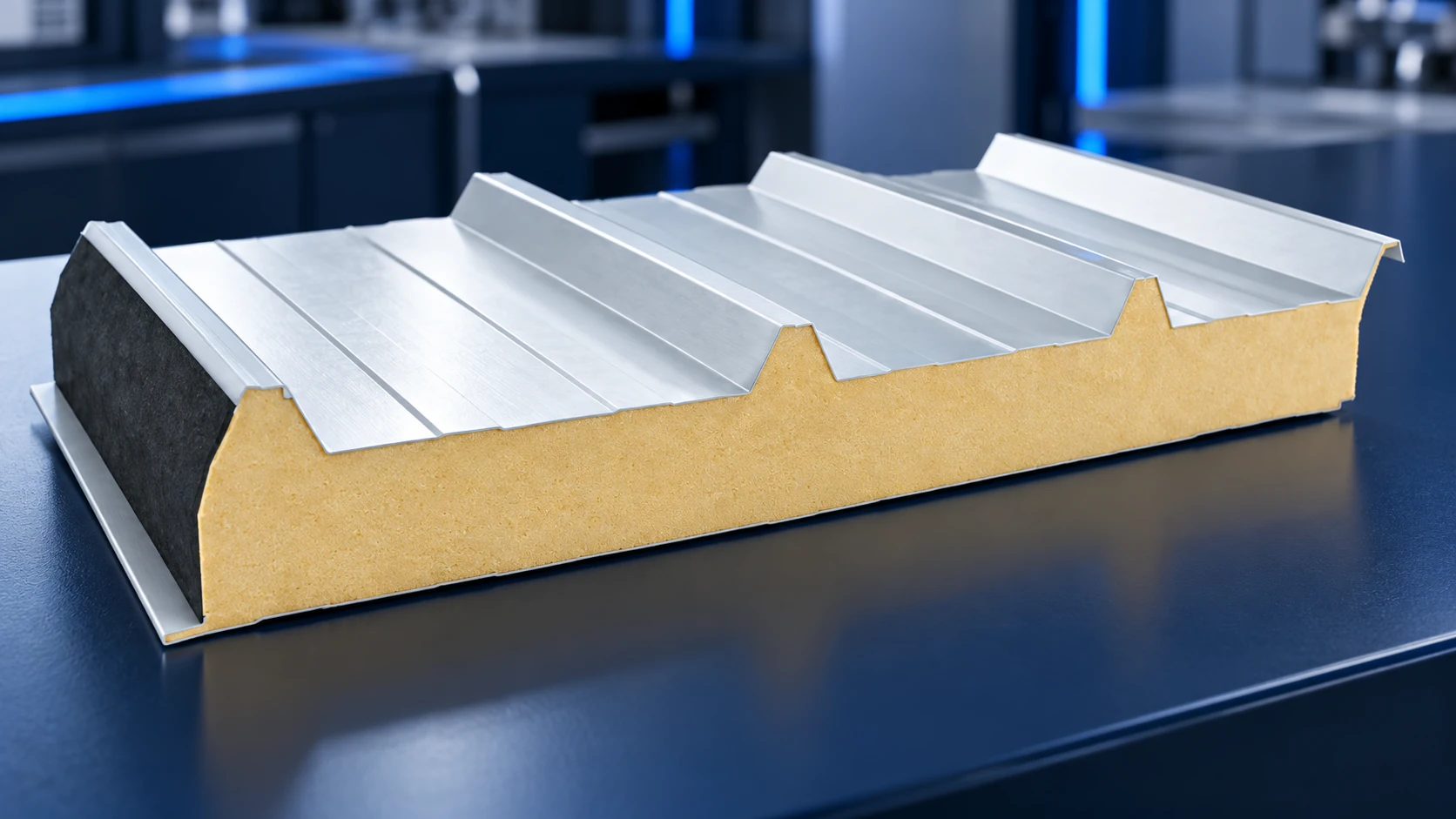
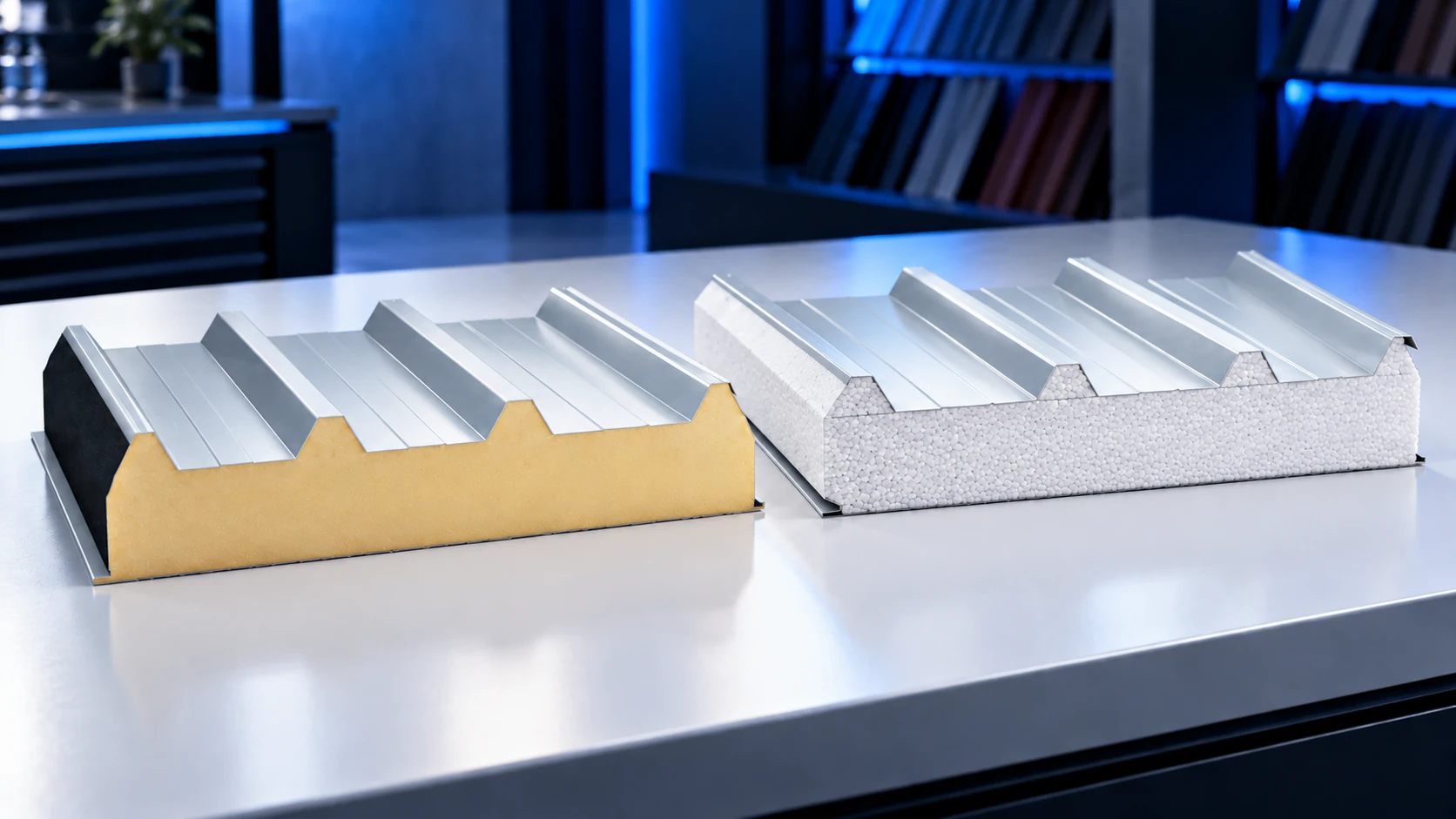
Compare PIR and EPS cores using the declared performance of complete roof sandwich panels, not figures for loose insulation boards. U-values, weight, available thicknesses and supporting documents can differ even where steel facings look similar. Start with the roof's thermal, structural and fire requirements, then identify actual products that meet them. This guide compares both equal-thickness panels and alternatives with similar thermal performance. It also explains why lower weight does not establish load capacity and why a core's name cannot prove a fire-resistance rating. Compare the complete delivered and installed roof only after both alternatives pass the technical assessment.

By |2026-11-11T11:01:46+01:0011 November 2026|Sandwich-panel roofs and buildings|Comments Off on PIR or EPS roof cores: how to compare sandwich panels

What PIR panel thickness suits a garage roof?

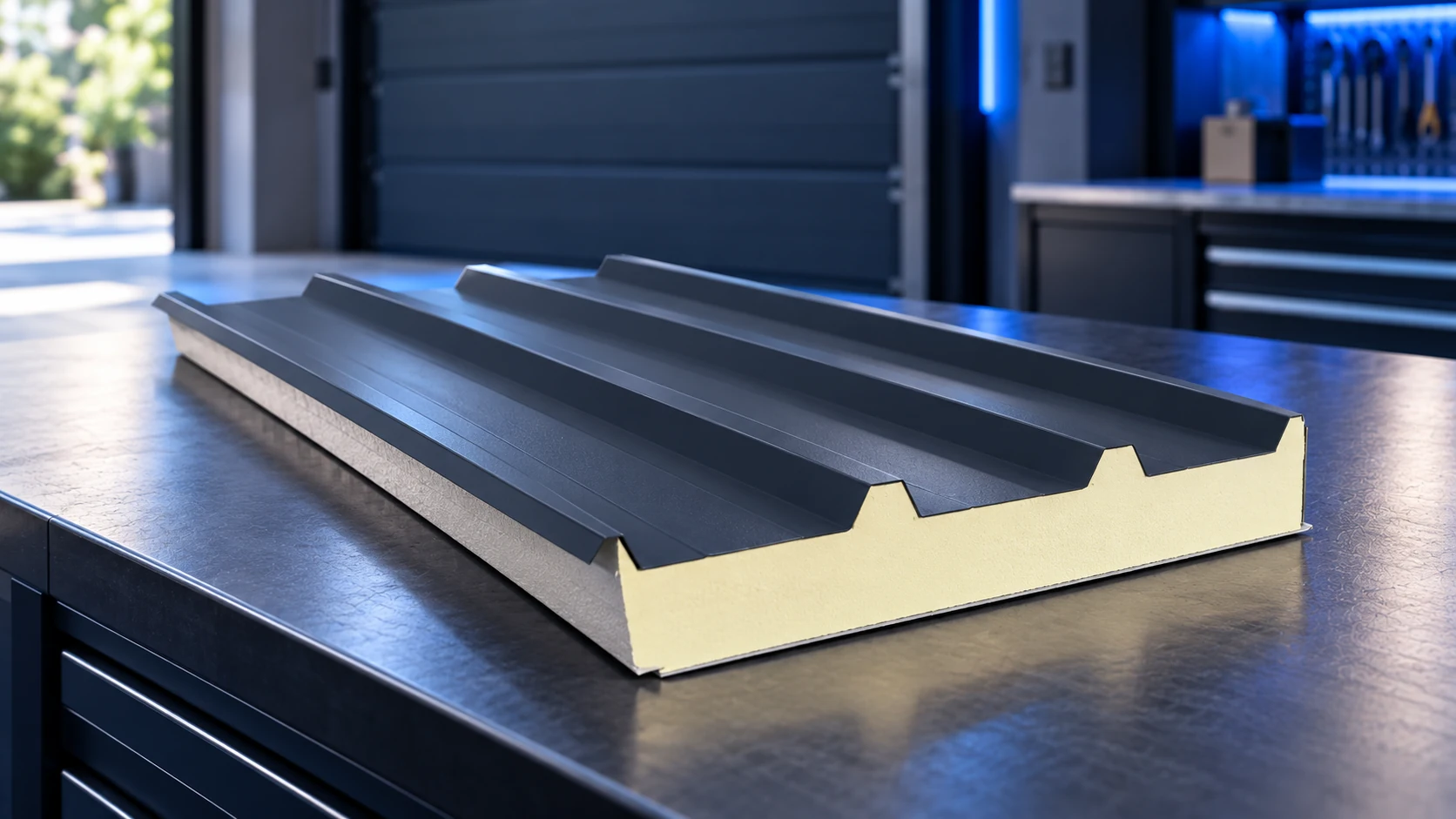
The right PIR sandwich-panel thickness for a garage roof depends first on whether the garage will be heated. Thermal requirements, support spacing and roof loads must then be checked together. A 60, 100 or 150 mm panel is not a universal solution for a particular type of garage. Consider how the space is used now and any planned conversion into a heated workshop. The door, ventilation, junctions and drainage also affect performance. This guide explains how to compare thermal values and structural requirements without assuming that a thicker panel alone guarantees a frost-free, dry interior or compensates for an unsuitable supporting structure.

By |2026-11-11T11:01:42+01:0011 November 2026|Sandwich-panel roofs and buildings|Comments Off on What PIR panel thickness suits a garage roof?

How thick should the PIR core in a wall panel be?

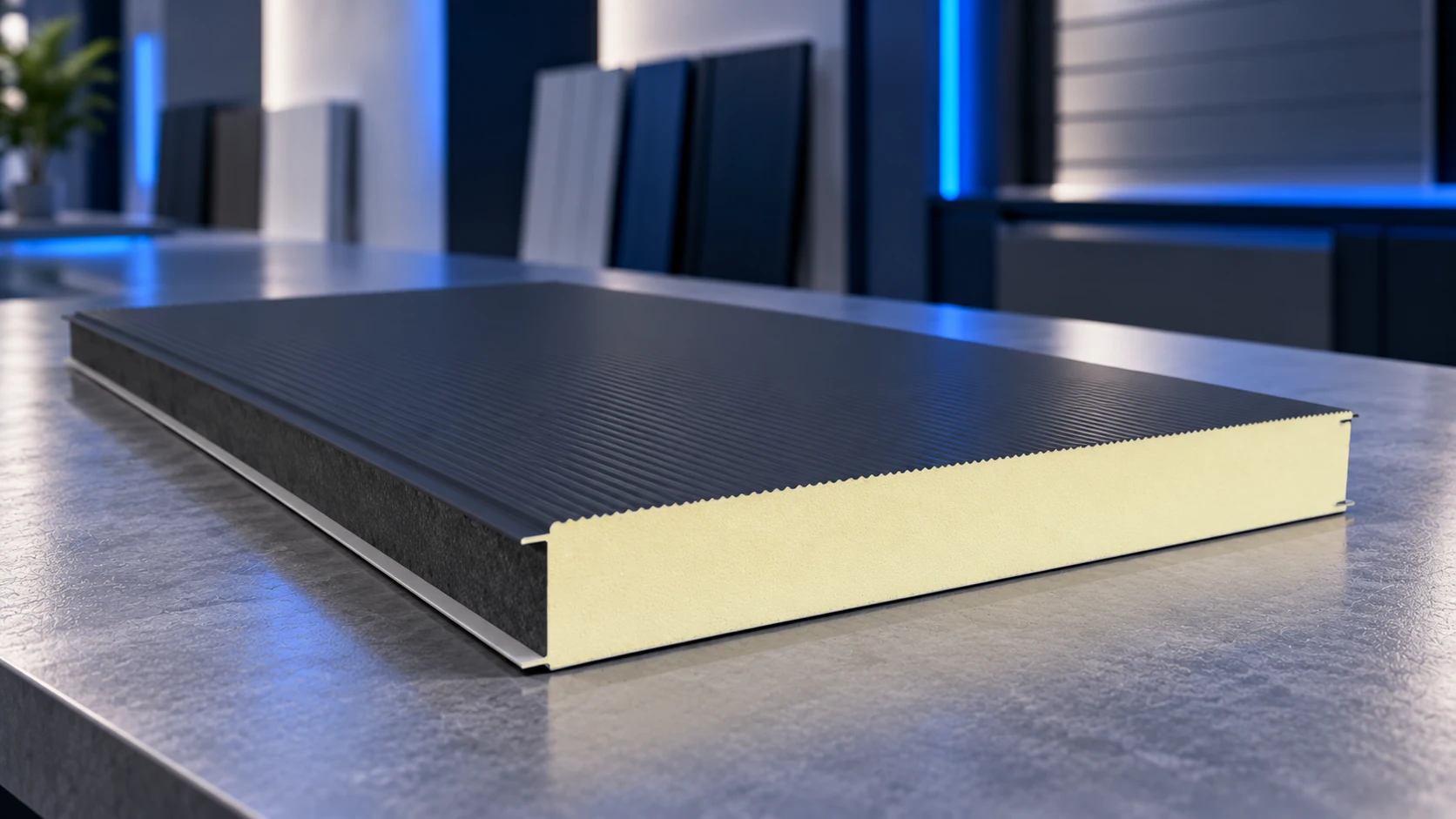
PIR wall-panel thickness should follow the building's internal temperature, required U-value and support arrangement. Price alone is not a sound selection method for a heated building. Compare the declared performance of the exact panel family, then assess joints, openings and structural connections as part of the complete wall. The figures in this guide illustrate how different thicknesses can be compared; they are not universal values for all PIR panels. A few extra centimetres may improve thermal performance, but cannot replace correct installation. Wind loads, facing thicknesses, airtightness and the cost of the full wall assembly also belong in the decision.

By |2026-11-11T10:39:54+01:0011 November 2026|Selecting sandwich panels|Comments Off on How thick should the PIR core in a wall panel be?

Is a 13.5 m, 40 mm PIR roof panel in RAL 3009 a worthwhile purchase?

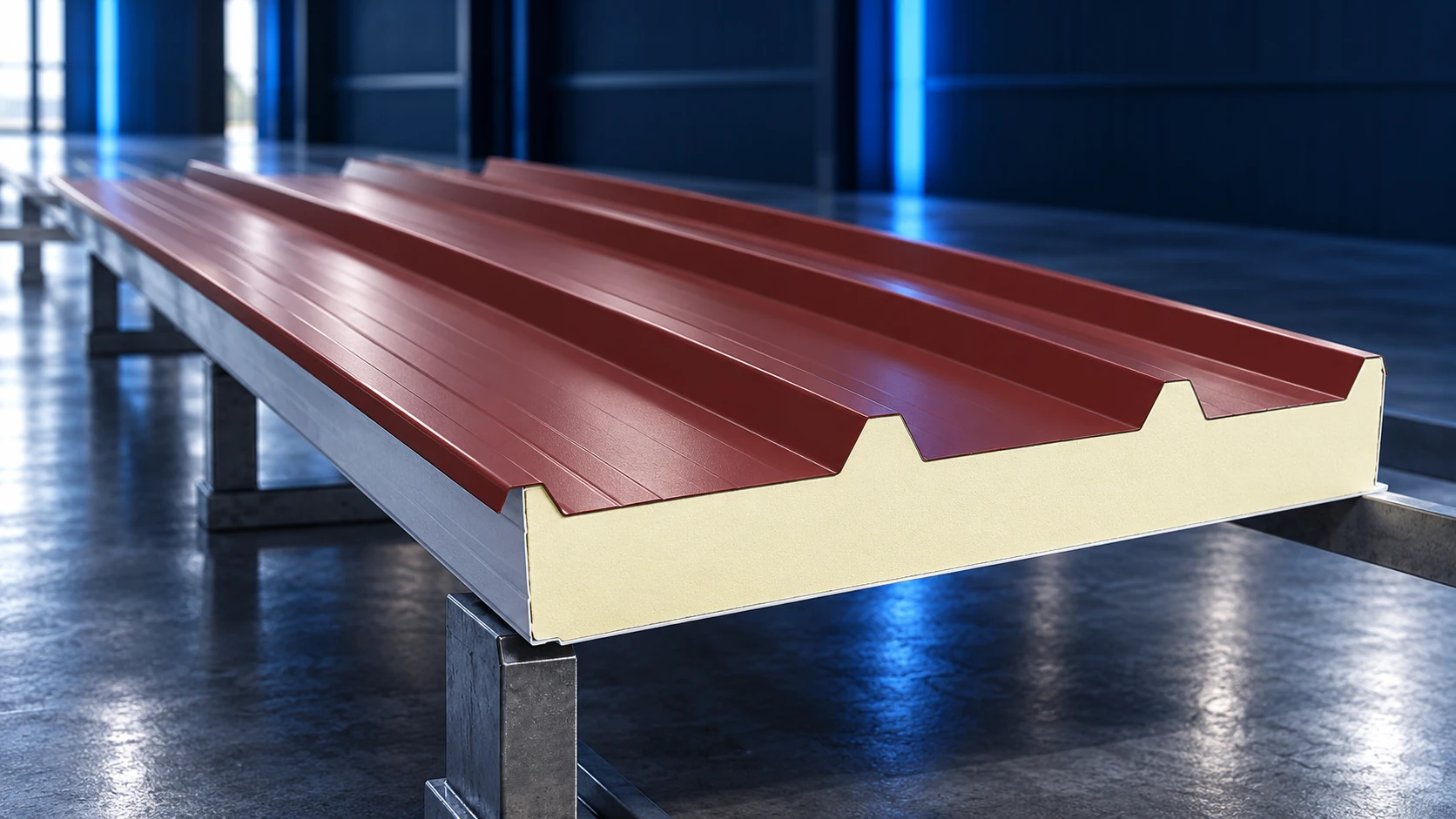
A 13.5 m PIR roof sandwich panel can reduce the number of end laps, but its length also makes delivery, lifting and support planning essential. Before choosing a 40 mm outlet panel in RAL 3009, check the precise cross-section, facings, coating, batch documents and condition. A photograph showing no obvious defects does not establish load capacity or thermal performance. The following checks distinguish panel length from permissible span, explain example area and weight calculations, and identify the information needed for an order. Whether the purchase represents good value depends on the complete roof specification and handling costs, rather than the panel price alone.

By |2026-11-11T09:49:59+01:0011 November 2026|Sandwich panels|Comments Off on Is a 13.5 m, 40 mm PIR roof panel in RAL 3009 a worthwhile purchase?
Back to top