






What are the practical benefits of single-module steel roof tiles?
Roof coverings
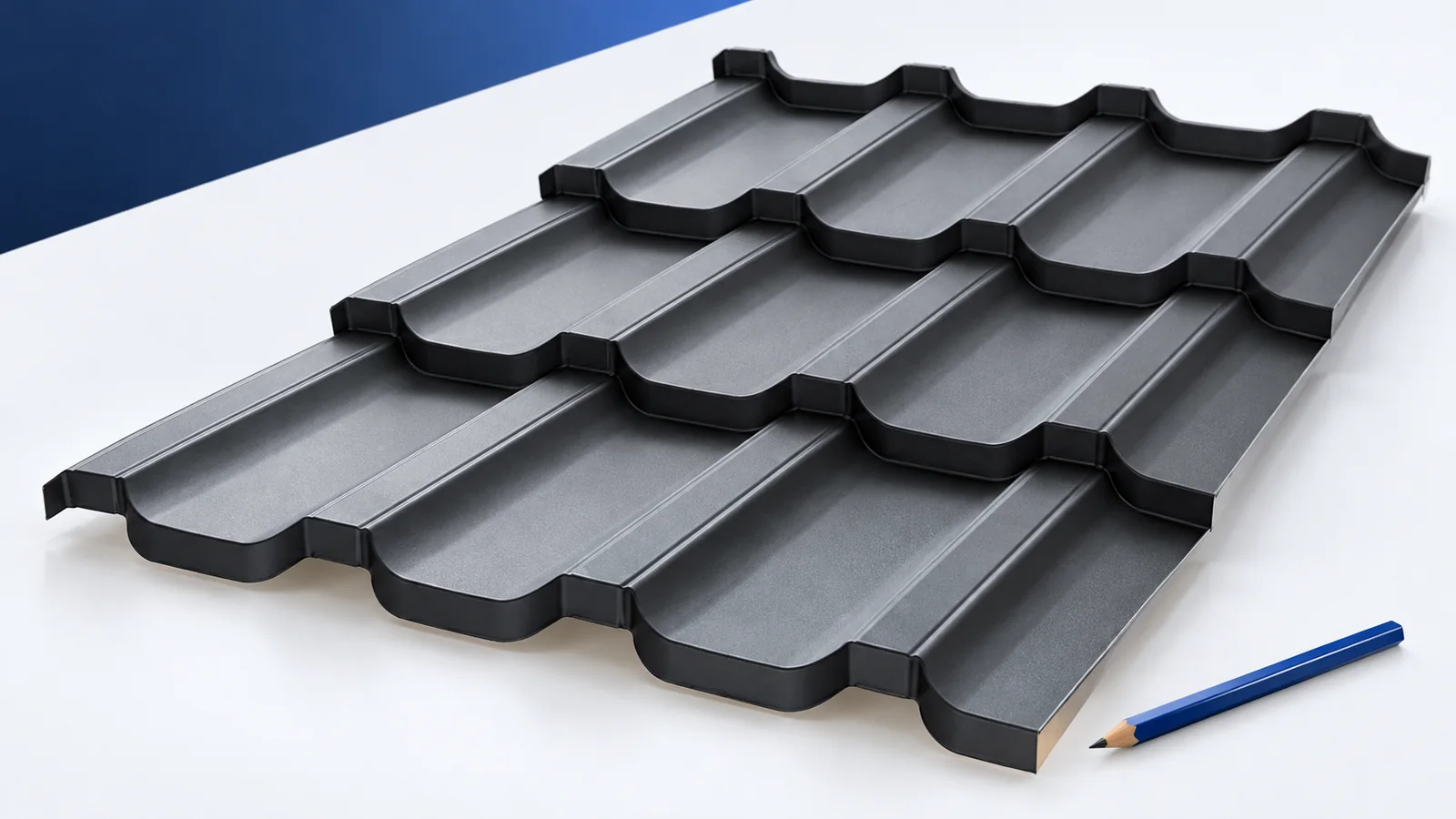
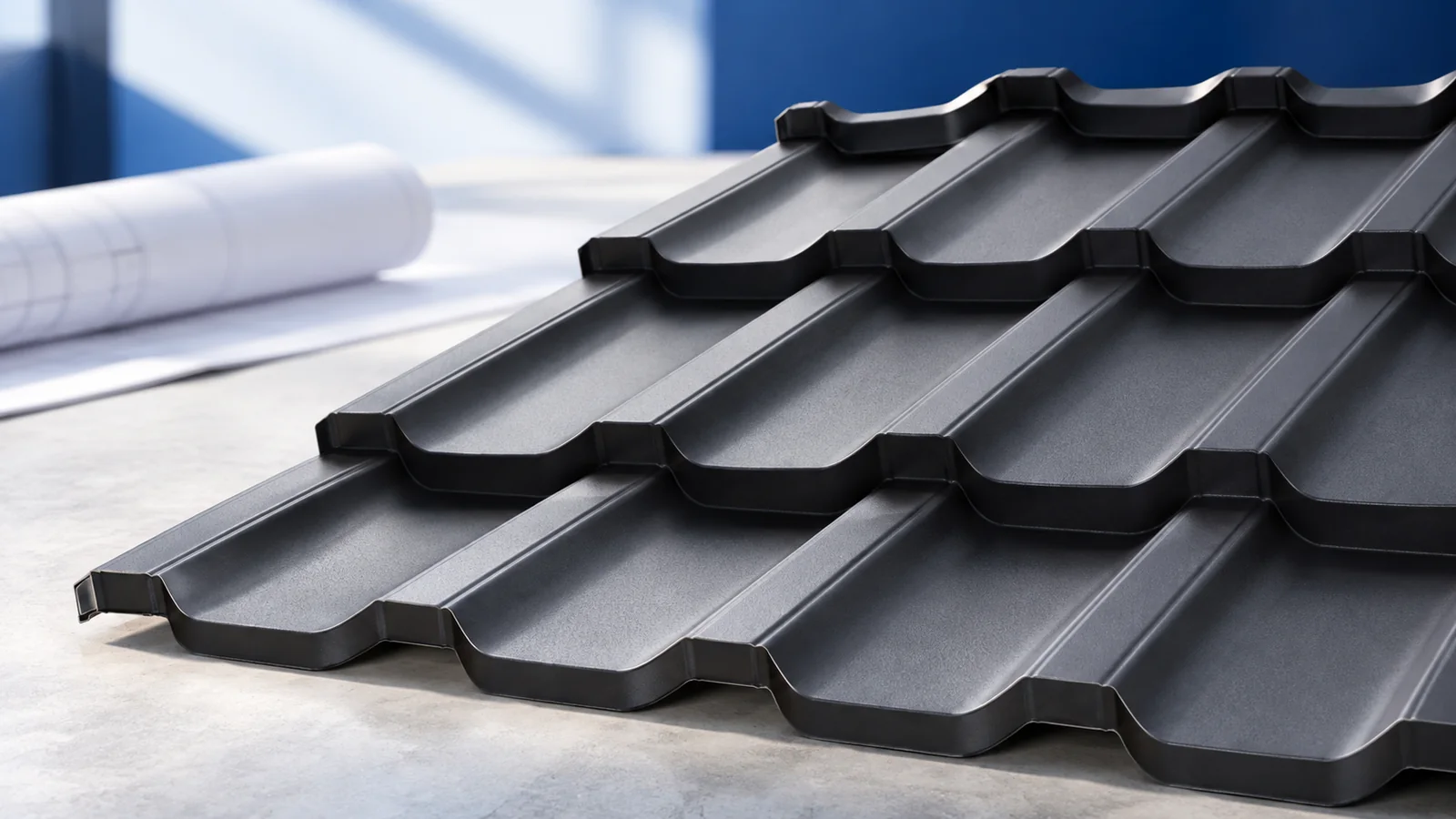
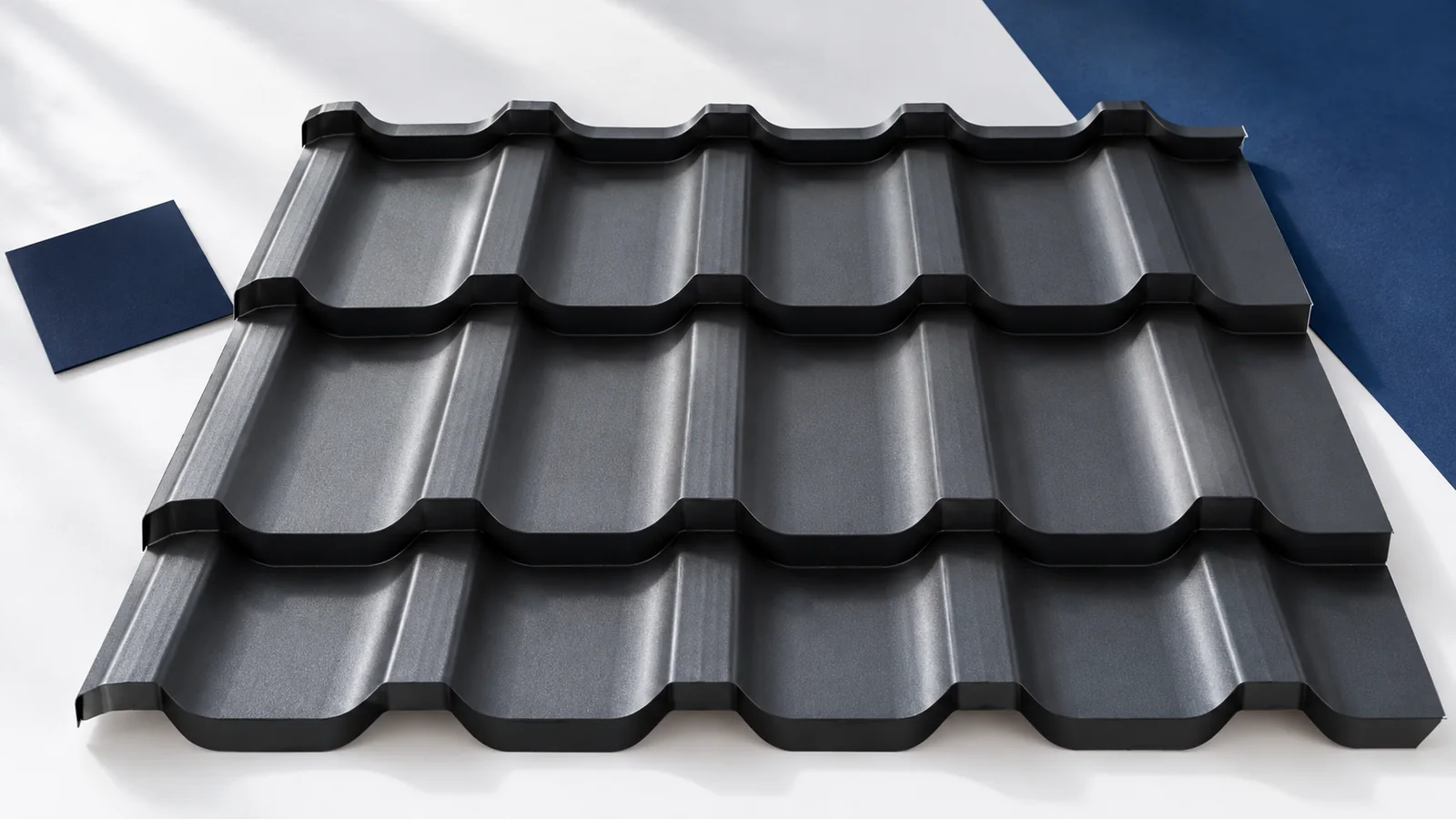
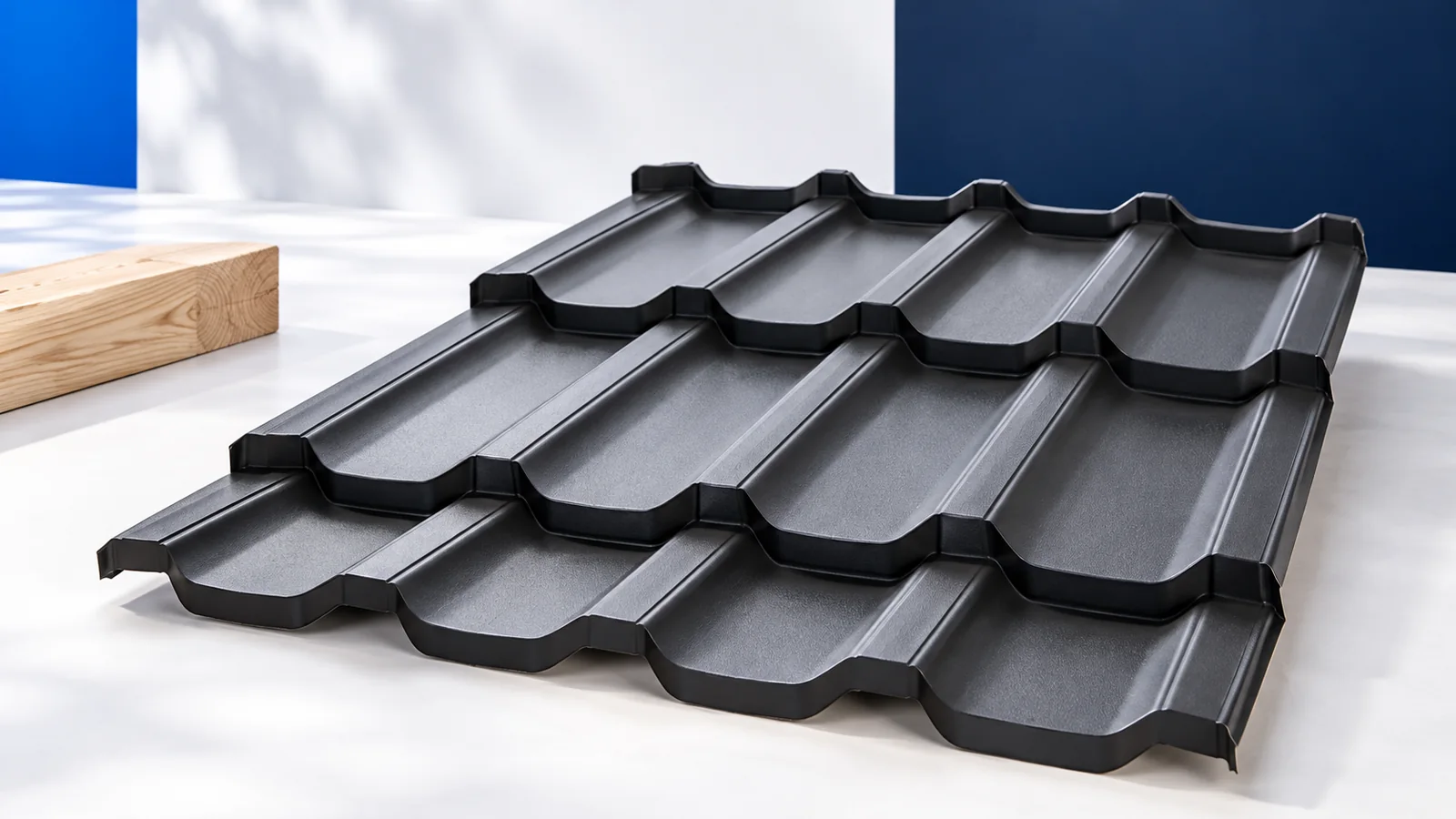
Single-module steel roof tiles organise delivery and installation around short, repeatable sheets. One module means one row of pressed steps along the roof slope, not one individual wave. Assess this format through three tasks: handling sheets, fitting the roof geometry and replacing a damaged area later. Benefits depend on the particular profile and cutting plan; small sheets guarantee neither the lowest price nor freedom from waste. This guide follows the process from technical drawing to order schedule. It explains effective coverage, installation requirements and delivery records worth keeping, helping you compare handling convenience with the cost of a complete covering rather than one sheet.
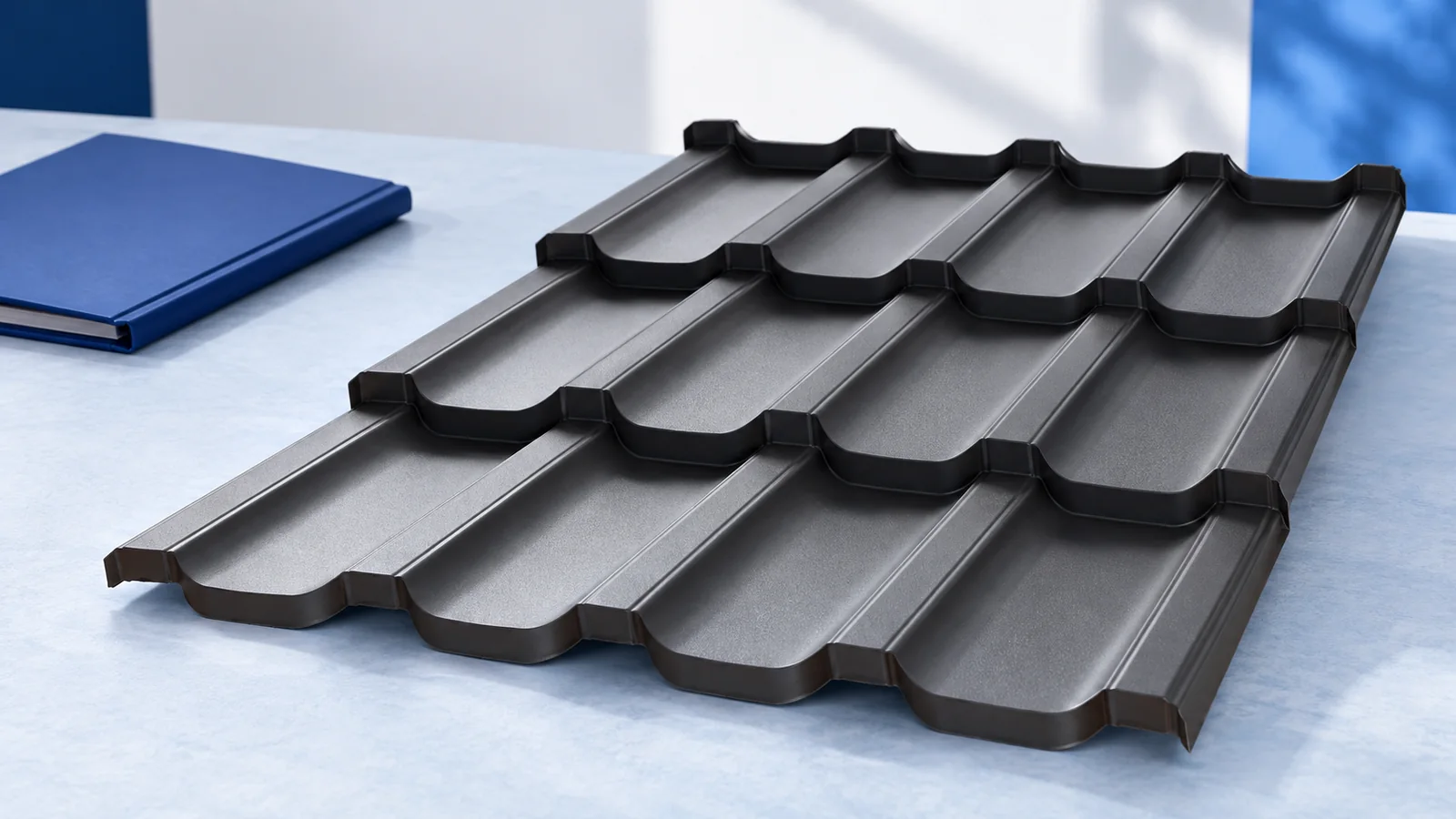
What does one module mean?
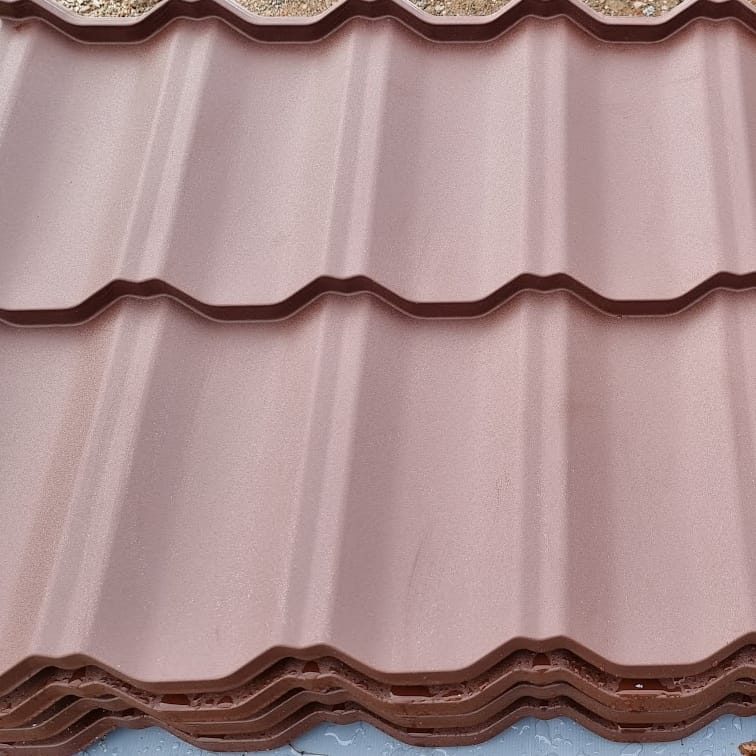
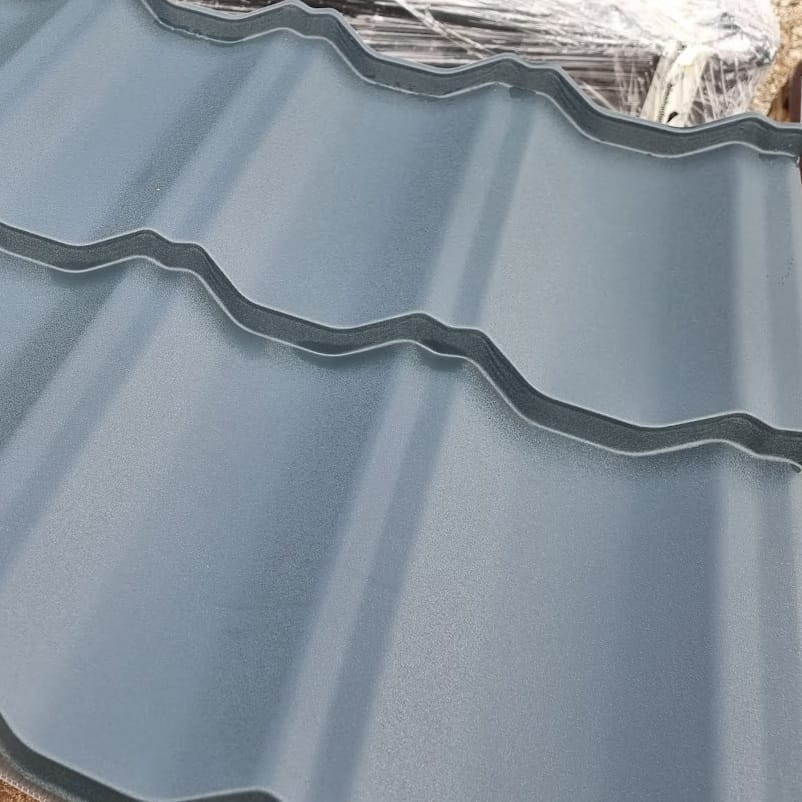
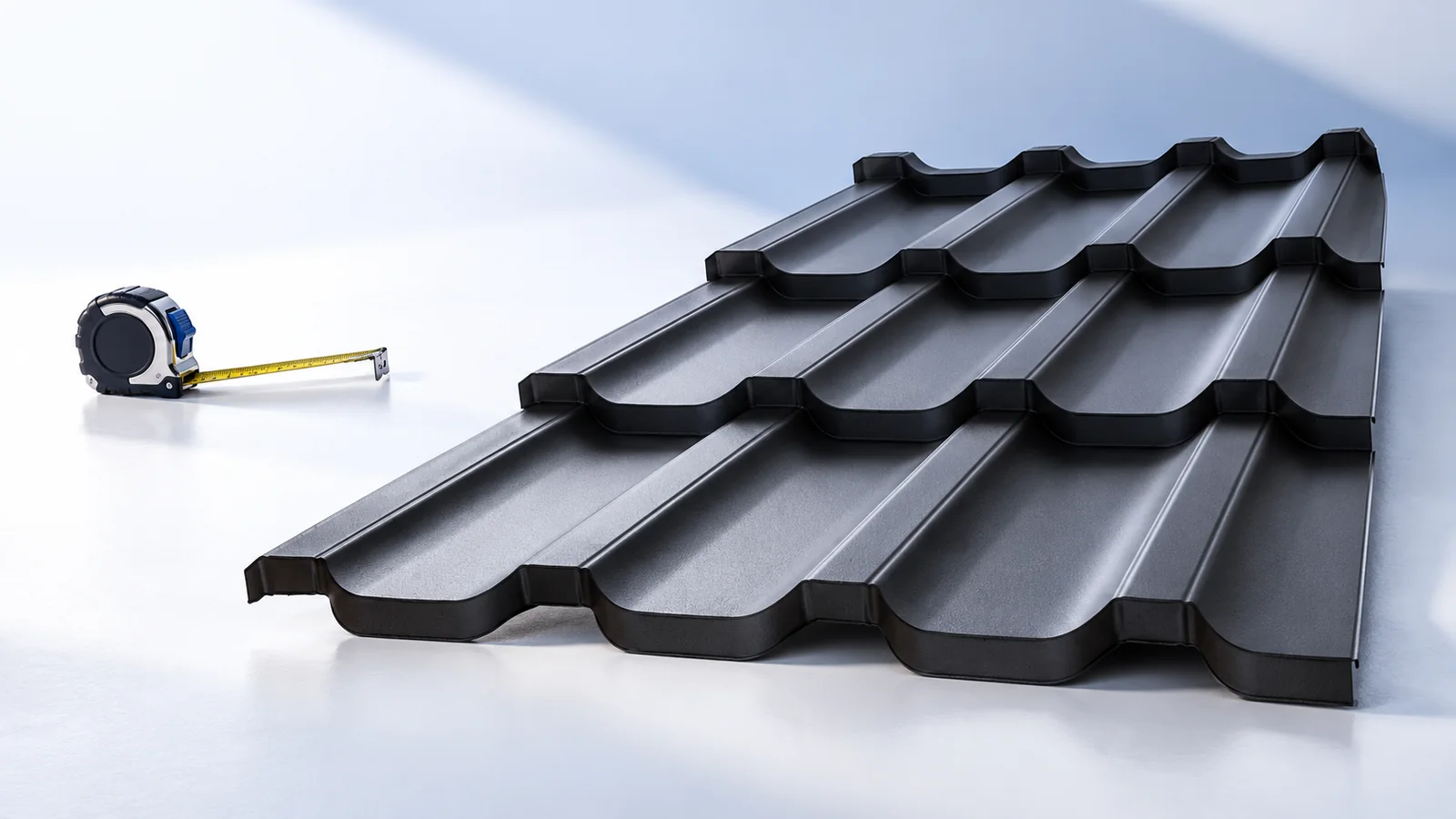
On the drawing, identify the repeating length running from eaves towards ridge. One such length forms a single-module sheet. Several waves remain across its width, so counting visible fields does not count modules. Edges and laps depend on the model.
Record effective coverage beside the price per sheet. Laps consume part of the overall dimensions, so multiplying outside length by width may overstate coverage. Base the order on the number of sheets required for the actual roof slopes.
How does the small format help handling?
A short sheet leaves less unsupported material during manual handling. Setting aside storage and lifting positions is also easier. Its coating and edges still need protection: dragging modules over one another can damage even an easily handled sheet.
Where access is tight, compare the entire route to the roof. Account for wind, height and worker protection. Lower weight per sheet helps logistics but does not change the need for a safe workplace and safe access to the slope.
When can modules reduce cutting waste?
At valleys, dormers and hips, check where each row will end. Short sheets may use the delivery more efficiently than long strips, but only a cutting layout reveals the difference. Without it, any claimed percentage saving remains an assumption.
Mark reusable offcuts in the schedule. Lap direction and profile asymmetry may prevent moving a leftover piece to the other side of the roof. Count full sheets, usable pieces and actual waste separately.
Can a damaged section be replaced more easily?
Before assuming replacement is simple, check access to the fasteners. Adjacent modules may cover the relevant connections and need loosening. A small damaged sheet does not mean that only that sheet will need to be disturbed.
Keep the profile name, batch number and instructions from delivery. A small stock of matching modules can help with repairs. Later supplies may differ in shade, while similar dimensions from another product do not establish compatible joints.
Which installation requirements still apply?
Start by checking pitch, substrate alignment and batten spacing. The first row sets the direction for subsequent rows. Numerous end laps require consistent positioning; convenient handling of short sheets will not correct a misaligned eaves line.
Use the product instructions for fixing positions and washer compression. Remove swarf as work proceeds and use an approved repair coating. Valleys and chimneys need a planned drainage path regardless of module size.
Is a single-module covering always cheaper?
Combine price per covered square metre with waste, flashings and labour. Small sheets can reduce handling difficulties while increasing the number of pieces lifted and fixed. The balance depends on the roof and the team’s working method.
For a simple slope, also price a cut-to-length option. Compare equivalent steel and coating specifications. Otherwise, an apparent saving attributed to sheet format may simply reflect a different material specification.
Which roofs benefit most from this format?
Consider small modules where difficult access or numerous roof junctions shape the work. Agree the cutting plan and accessory availability with the roofer. Experience with the specific joint matters more than general familiarity with steel roof tiles.
Collect a sample, drawing, storage and warranty conditions, and a complete quantity schedule. Assess the pattern over a larger area. Handling convenience then becomes a defined installation benefit rather than the only reason for buying.

Free quote
What to include in your enquiry
Tell us how you plan to use the material, the dimensions and the quantity you need. Include the thickness, grade or variant name, along with the delivery town or your preferred collection branch. For a specific product, add its name or a link to the product page. We will reply to the email address you provide to discuss availability and the terms of your order.


More from the building guide
A mansard roof comprises connected slope sections with different inclinations. Success depends on more than the covering: rainwater, ventilation and insulation must…
A modular metal roof-tile coating affects appearance and surface protection, but assessment should go beyond matt or gloss. Identify the steel core,…
Compare single- and double-module steel roof tiles by coverage, cuts and the number of installation operations. Both can produce a similar pattern,…
Choose a house roof covering in two stages. First rule out materials incompatible with the structure, pitch and layer arrangement; then compare…
Correct installation of steel roof tiles depends on agreement between roof geometry, the prepared substructure and the specific profile's instructions. Cut-to-length sheets…
When purchasing modular tile-effect steel roofing, first establish how much roof one element covers after overlaps. Match its geometry to valleys, dormers…
A multi-pitched roof can bring different parts of a house together, but each slope and junction needs assessment. Covering selection depends on…
A steel-tile roof's appearance combines profile proportions, colour, texture and installation accuracy. Choosing cut-to-length sheets or modules is only one decision. Long…