






When should EPS boards be sanded before applying the reinforced base coat?
EPS and thermal insulation
Sand facade EPS once the adhesive has cured under the conditions and for the time specified for the system, and the boards are stable. Use a straightedge in several directions: a slight step at a joint can be levelled, but a moving board or a whole wall out of line needs investigation. The aim is an even base for mortar and mesh without needlessly reducing insulation thickness. Collect the dust and check the edges; inspect again after a break or prolonged exposure.
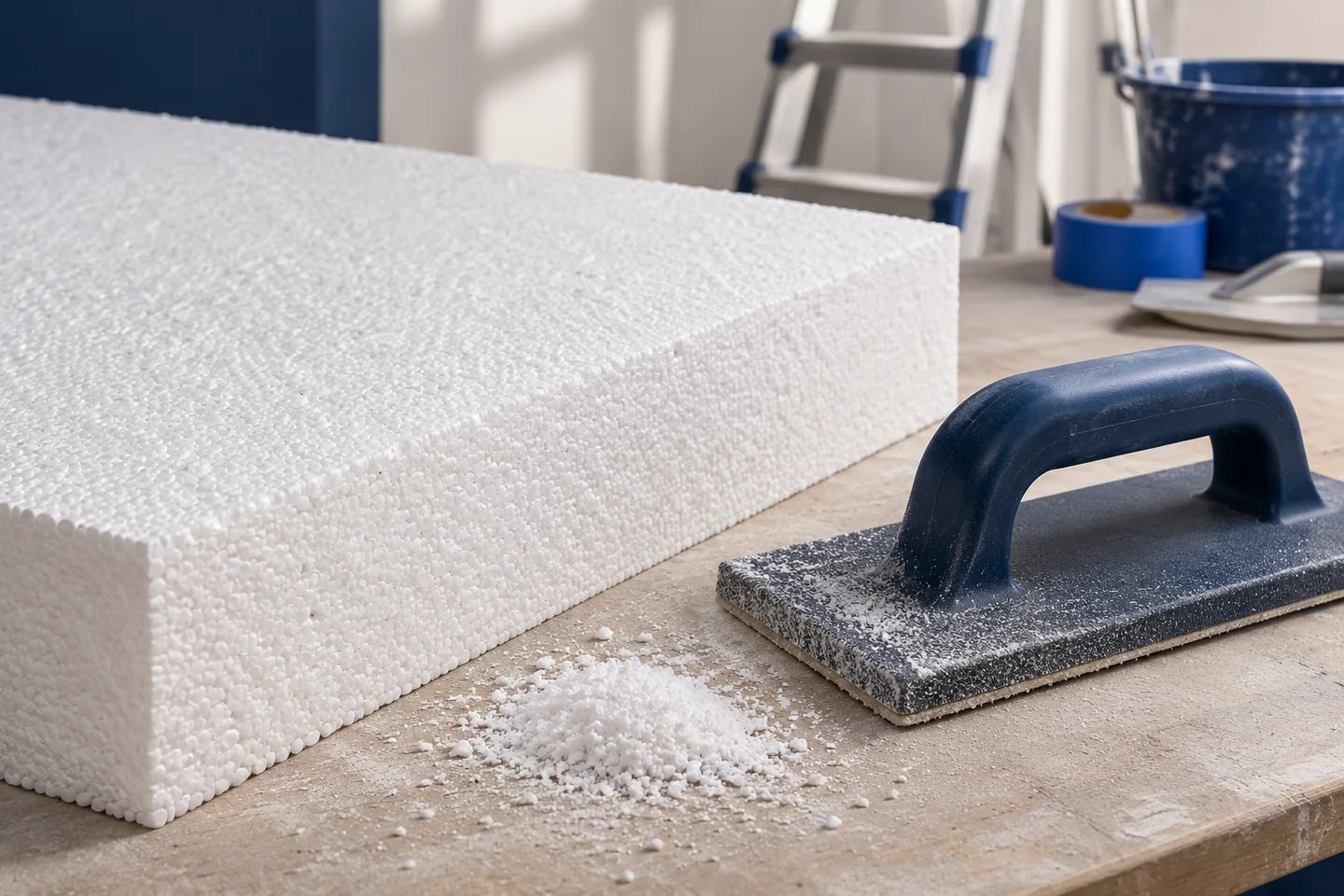
What is sanding meant to achieve?
Uneven masonry or misaligned boards can cause larger deviations. Grinding down a whole area reduces insulation thickness. Install correctly sized boards in the right plane instead of relying on sanding to correct the installation. An even base lets you maintain base coat thickness and mesh position without thick patches that dry unevenly.
When can sanding begin?
Follow the system’s curing requirements. Sanding too soon can move a board and break its bond to the wall. There is no single waiting time for every mortar and every day: temperature, humidity and substrate absorption affect curing, and shelter can make conditions different on adjacent elevations.
Check stability first. A proud corner may indicate warping or loss of adhesion rather than excess EPS. If a board moves under pressure, diagnose the cause. Sanding off the step cannot restore adhesion and can hide evidence of the fault.
How do you level a joint without taking off too much?
Use a tool intended for EPS and check frequently with a straightedge. Feather the correction over a sufficient area rather than cutting a groove along the joint. Avoid prolonged pressure on one spot, which can easily leave a hollow.
Take care at corners and reveals to retain the designed geometry and insulation thickness. For moulded boards or products with special facings, check the permitted preparation method. Advice for ordinary block-cut EPS may not apply to another board of the same colour.
What if the boards have been exposed for a long time?
Weather and sunlight can alter exposed EPS. Discolouration on a white board can accompany weakening of its outer surface. Assess it before reinforcing. If the system instructions require removal of weathered material, work back to a sound surface.
Colour alone is not decisive. Check cohesion, dirt, moisture and the fixing condition. Mechanically damaged or permanently warped boards may need replacing. Do not bury loose particles or a weak surface in mortar. For widespread damage, establish the remedy from the system documentation.
Why remove dust as a separate operation?
Sanding leaves EPS particles on the face and in recesses. They can prevent mortar from contacting the sound board. Use a cleaning method suitable for the material and site; do not apply mortar immediately after levelling. Check ledges and areas along profiles as well.
Contain dust and offcuts and collect them promptly before the wind carries them away. Do not wash them into drains or onto the ground. Use protection appropriate to the tool and dust exposure. A tidy work area makes it easier to see whether the prepared surface is still clean.
What should be inspected before the mortar goes on?
Check the plane, corners, joints and repairs. Confirm gaps are correctly filled. If anchors are used, inspect the plates: they should neither project nor crush the EPS beyond the intended detail. These checks allow an even reinforced coat to be applied.
Termo Organika, Swisspor, Yetico and Arbet are among the EPS manufacturers. Check the surface preparation specified for the actual board and system.
Schedule reinforcement so the prepared surface is not left exposed for long. If work stops, inspect again before restarting. Rain, dust and strong sunlight can change its condition; a sign-off from several days ago documents only the state at that time.

Free quote
What to include in your enquiry
Tell us how you plan to use the material, the dimensions and the quantity you need. Include the thickness, grade or variant name, along with the delivery town or your preferred collection branch. For a specific product, add its name or a link to the product page. We will reply to the email address you provide to discuss availability and the terms of your order.
More from the building guide
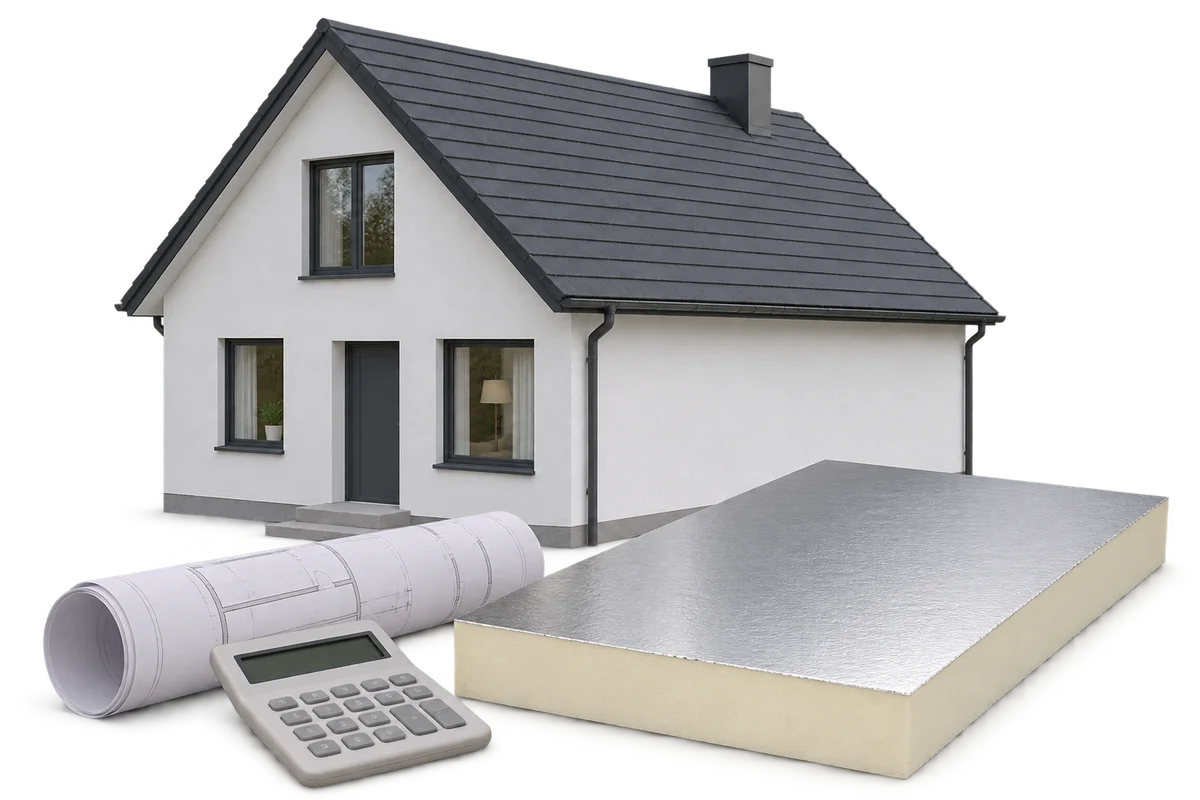
After insulating a home, check both energy consumption and the cost of purchasing it. A lower bill alone does not prove that…
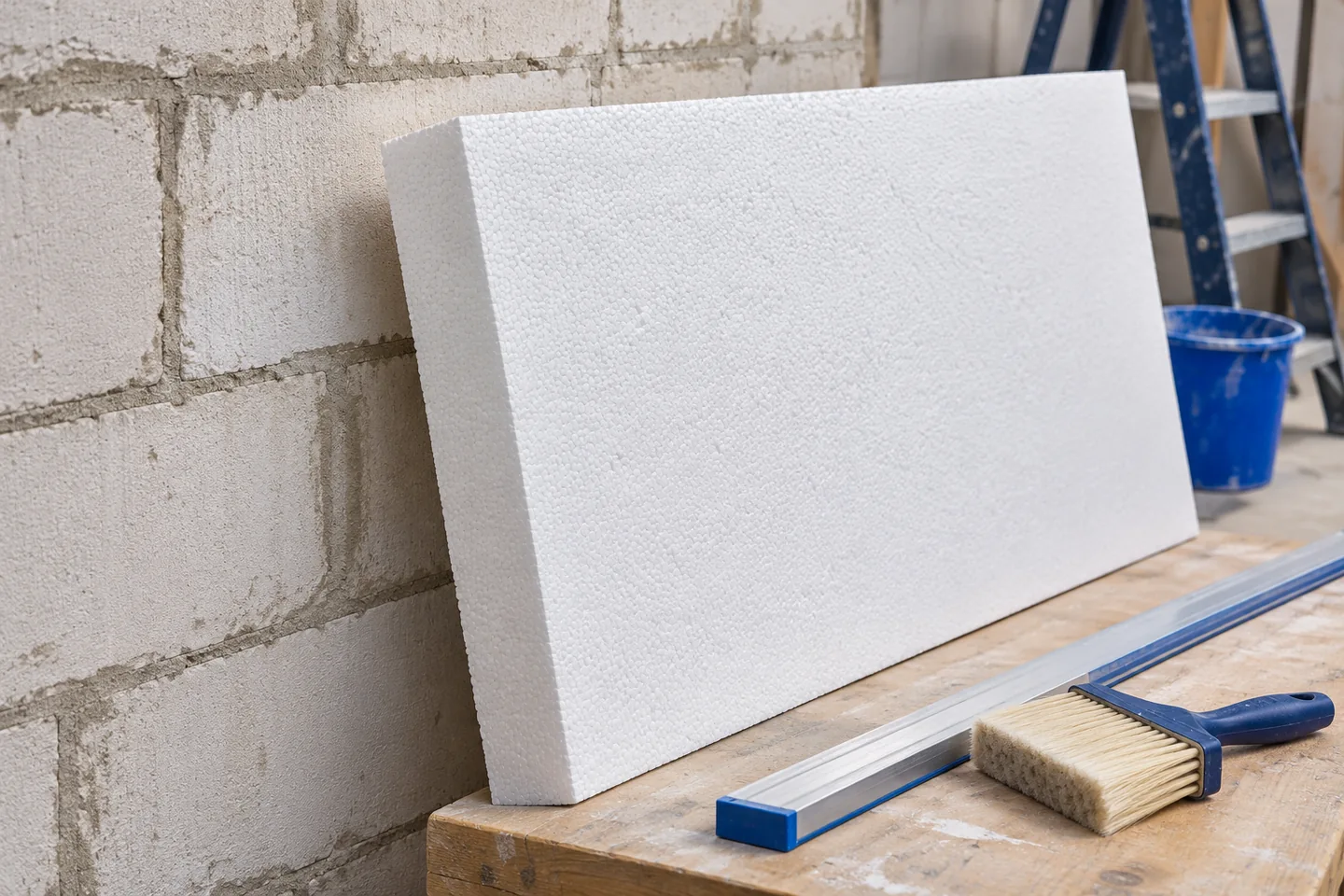
Before bonding expanded polystyrene (EPS) insulation, check that the wall is sound, dry, clean and flat enough for the specified adhesive. Inspect…
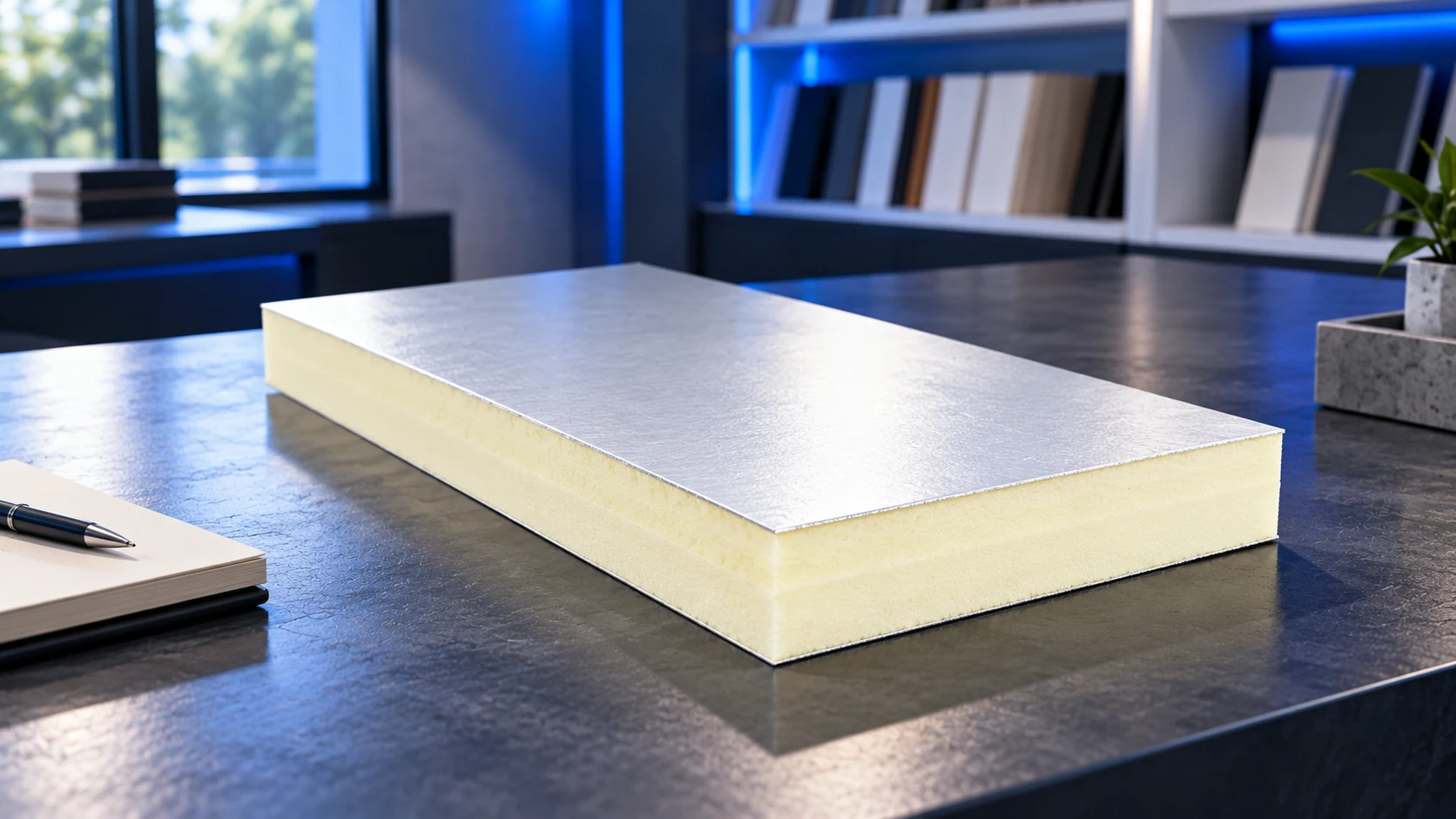
Insulation selection starts with its position in the building. A rendered wall, a roof and a continuously loaded floor impose different requirements.…
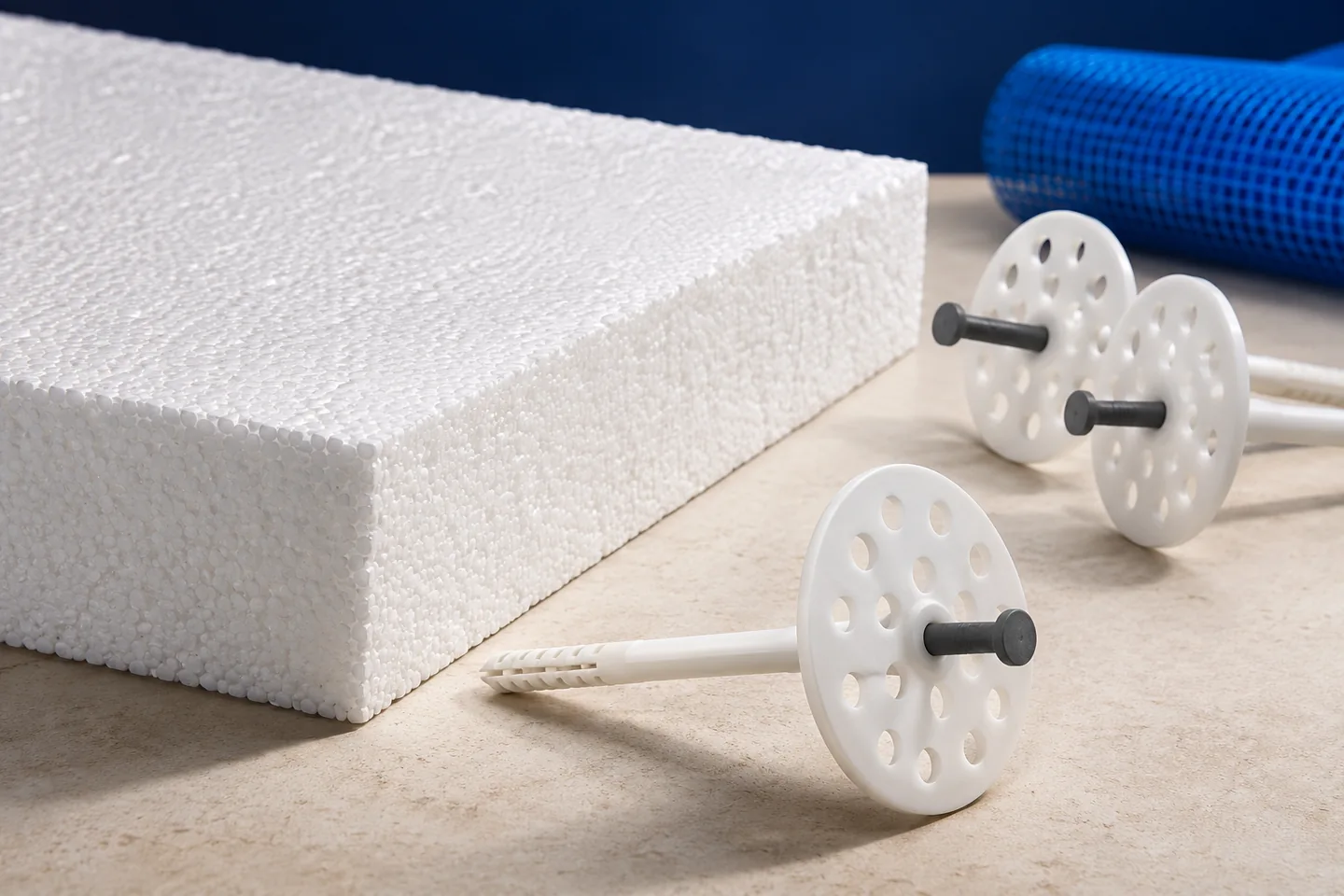
The insulation design and ETICS documentation determine whether EPS facade boards need mechanical fixings. The wall material and its condition, wind exposure,…
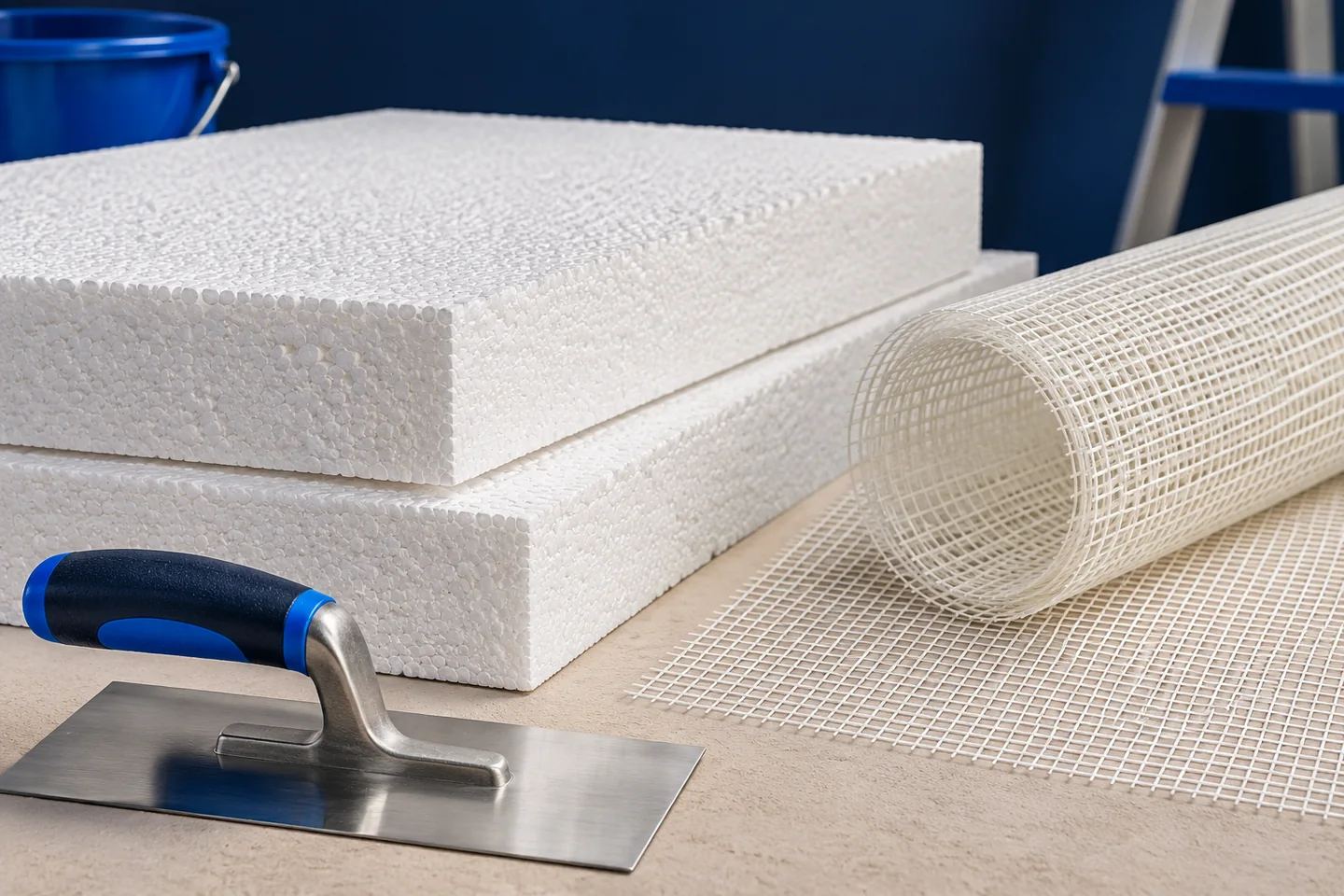
Embed the mesh in fresh base coat on stable, flat, dust-free EPS boards. Mortar must remain beneath the strands; putting mesh against…
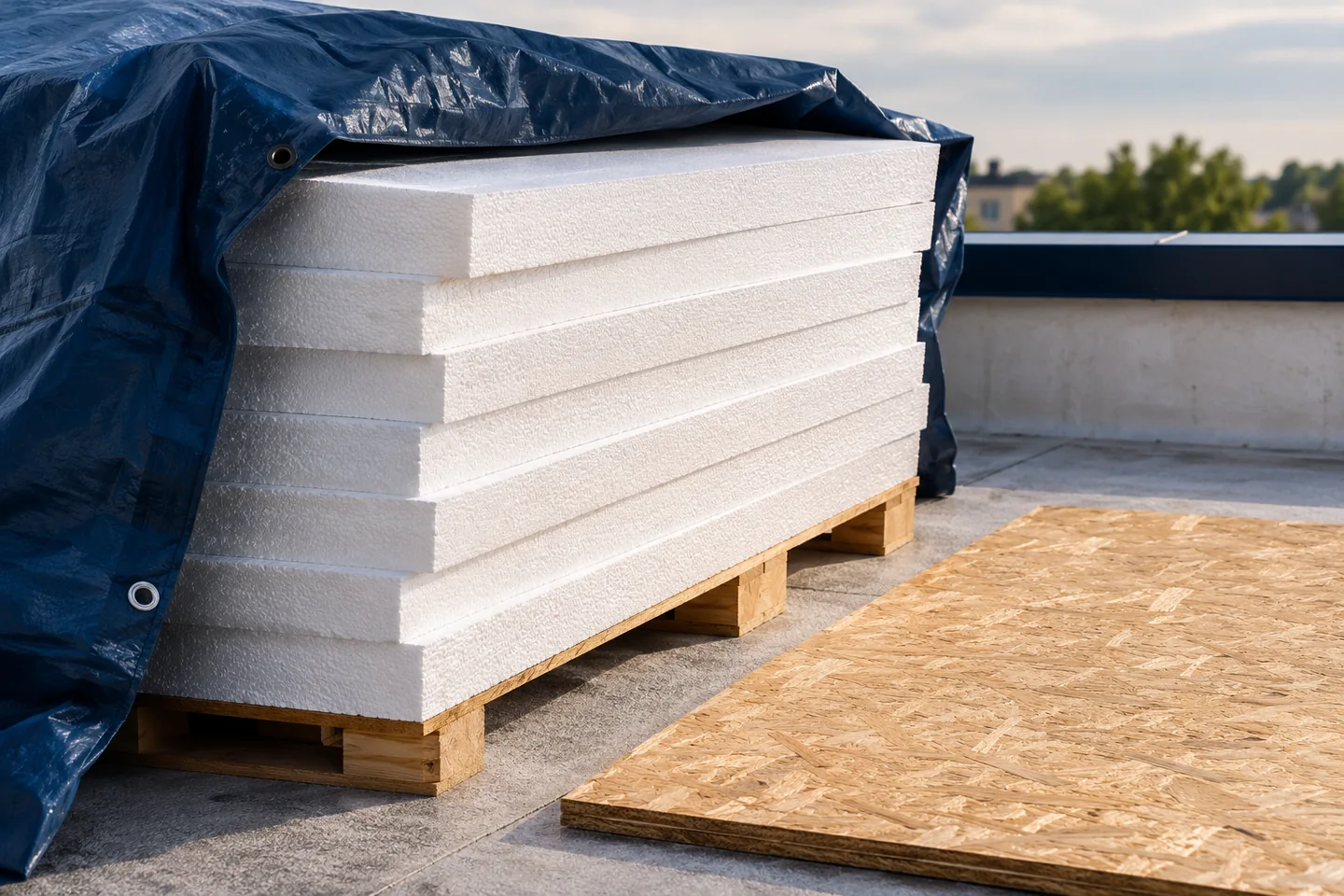
Before laying EPS on a roof, check the specified layer sequence, positions of vapour control and waterproofing, and direction of drainage. A…
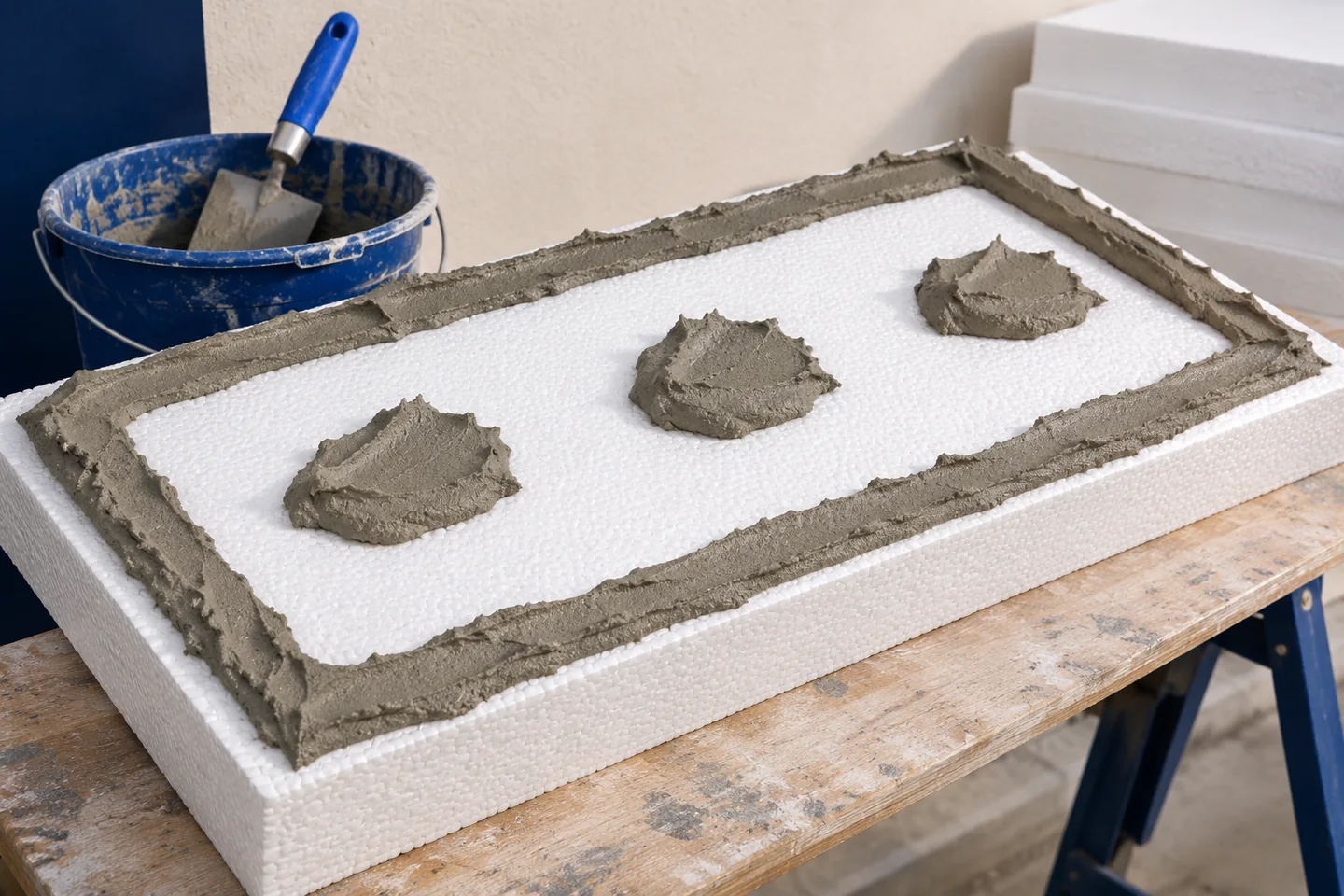
Use the bonding method specified for the substrate, EPS board and adhesive in your external thermal insulation composite system (ETICS). On a…
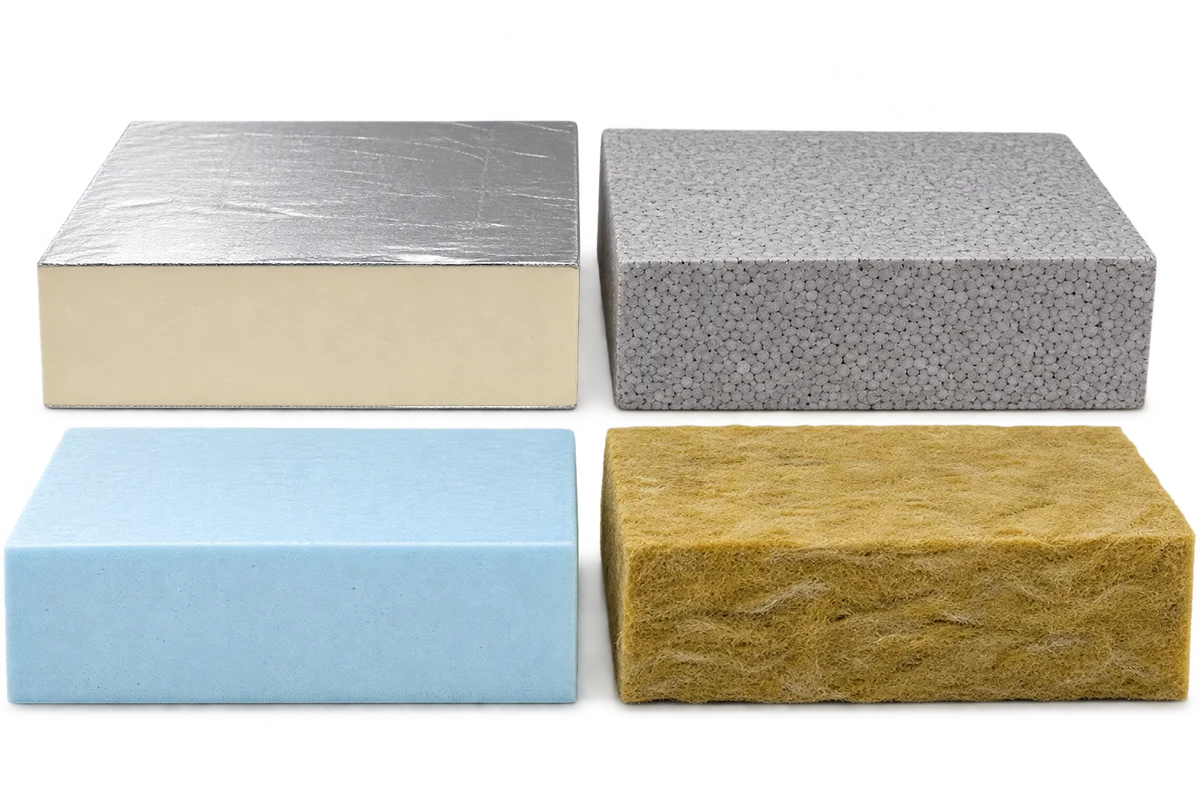
Two insulation quotations may cover the same part of a house while including different quantities and delivery arrangements. When comparing PIR, EPS,…