






Coordinating the roofer and electrician on an integrated solar roof
Roofing and energy
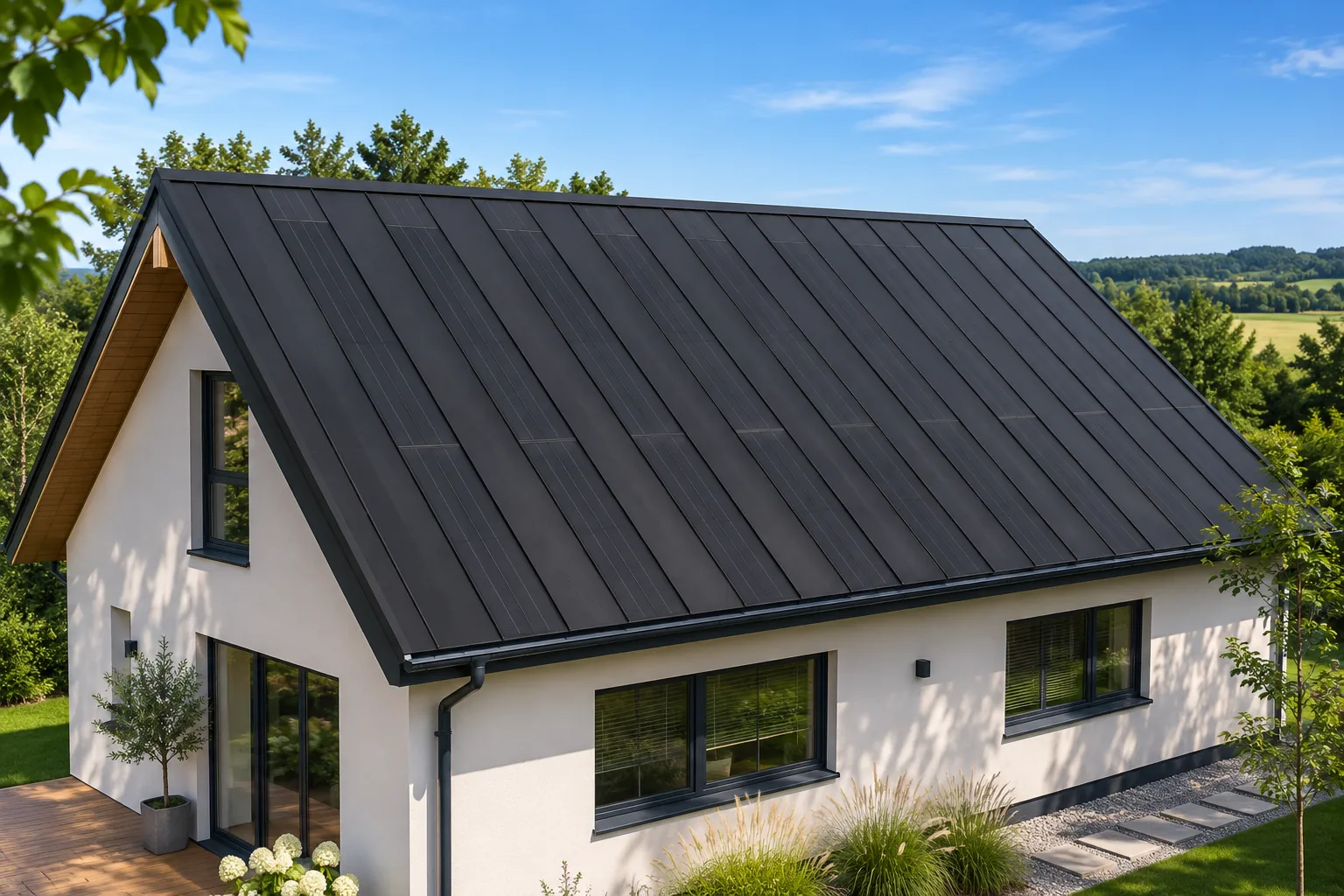
An integrated solar roof needs roofing and electrical expertise, even when one company holds the contract. Some connections are made as the panels are laid and can only be reached later by opening the roof. Agree a shared installation sequence, named responsibilities and checks before concealed work is closed. The owner should know who coordinates the drawings and approves changes. Giving each trade its own plan is not enough unless the plans agree. Active panels, passive pieces, openings and cable routes should all appear on coordinated drawings. Both crews need the same current revision on site.
Who owns the overall roof plan?
A single contract can simplify organisation, but the team still needs qualified people for each scope. Name the person who approves deviations and checks the effect on the other trade. A roof change can otherwise come as a surprise at commissioning.
Which tasks belong to the roofer?
The roofer installs the specified substrate, underlay, active and passive panels and flashings. The covering needs the intended drainage, ventilation and fixings. Handling a panel containing cells differs from handling ordinary sheet metal.
Electrical connections require appropriate competence. Agree the boundary with the electrical contractor. The roofer needs to know where cables and devices sit, while the electrician needs to understand the joints that maintain weathertightness or allow thermal movement.
What needs to be ready before active panels are laid?
Check the substrate and cable routes first. Agree the entry points into the building, equipment locations and the sequence that gives access to each required connection. Both trades should inspect the prepared roof together at this point.
Cables need designed routes and supports suitable for their operating environment. They must keep drainage and ventilation paths clear. Setting out their position early also protects them from being caught by roofing fixings.
When should intermediate checks take place?
Mark hold points before important layers or connections are covered. Inspect, photograph and correct the work while access is easy. A concise record is sufficient if it shows what was checked and who released the next stage.
Roofing checks cover the arrangement and performance of the covering. Electrical checks cover connections and system readings. Both are needed. A shared inspection list helps the crews spot conflicts that fall between their responsibilities.
Who handles a later fault?
Set one clear point of contact for fault reports. The owner should be able to report a leak or drop in generation without diagnosing its origin. A service coordinator can assign the right trade and keep the enquiry moving.
Define who protects the roof while an active element is removed and who restores the covering. Replacing a BIPV panel involves more than electrical disconnection. As-built records and a module location plan make it easier to identify and reach the right part.
What should the owner receive at handover?
Provide current drawings, the circuit diagram, inspection records and warranty terms. Include operating instructions, service contacts, photos of concealed work and the active-panel layout. A future service technician can then work from records rather than a crew member’s recollection.
Good coordination makes both construction and service predictable. Agreeing responsibilities before work starts lets the integrated covering be fitted and maintained as a single assembly, with identifiable owners for roofing quality and electrical performance.
Add a joint inspection entry for the first active bay. The roofer confirms the supports and clear drainage, while the electrician records the checks specified for that stage. Note the bay reference and which roof strip can now be closed.
Solar roofing manufacturers and brands include Megasol Energie, Electrotile, Solarstone, SolRoof, SunRoof, ML System, MDM NT (MyRoof), Dyaqua, Tesla and Wienerberger Wevolt.

Free quote
What to include in your enquiry
Tell us how you plan to use the material, the dimensions and the quantity you need. Include the thickness, grade or variant name, along with the delivery town or your preferred collection branch. For a specific product, add its name or a link to the product page. We will reply to the email address you provide to discuss availability and the terms of your order.
More from the building guide
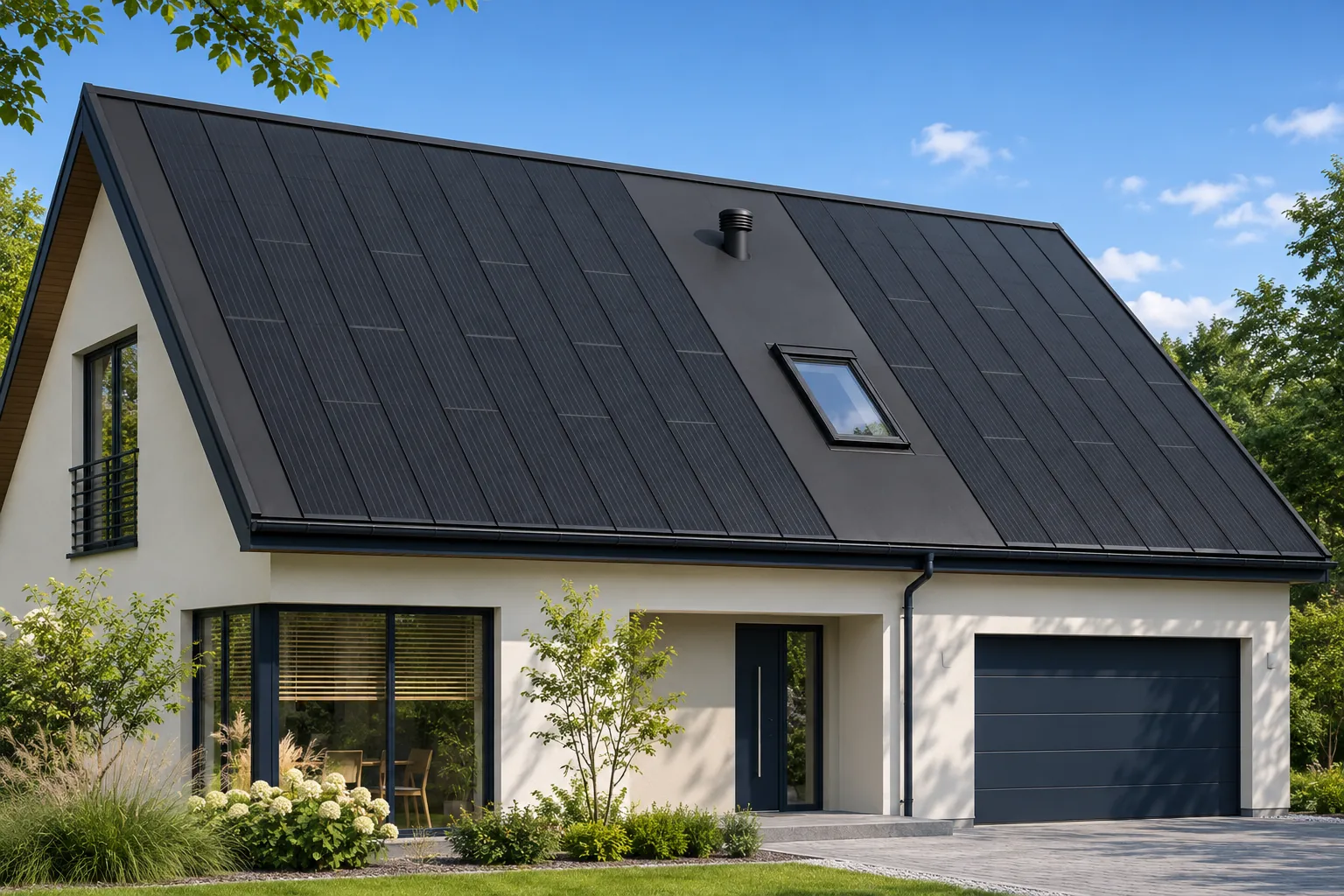
Roof windows and chimneys can share a slope with integrated photovoltaic panels. Plan the openings alongside the panel layout, allowing for shade,…
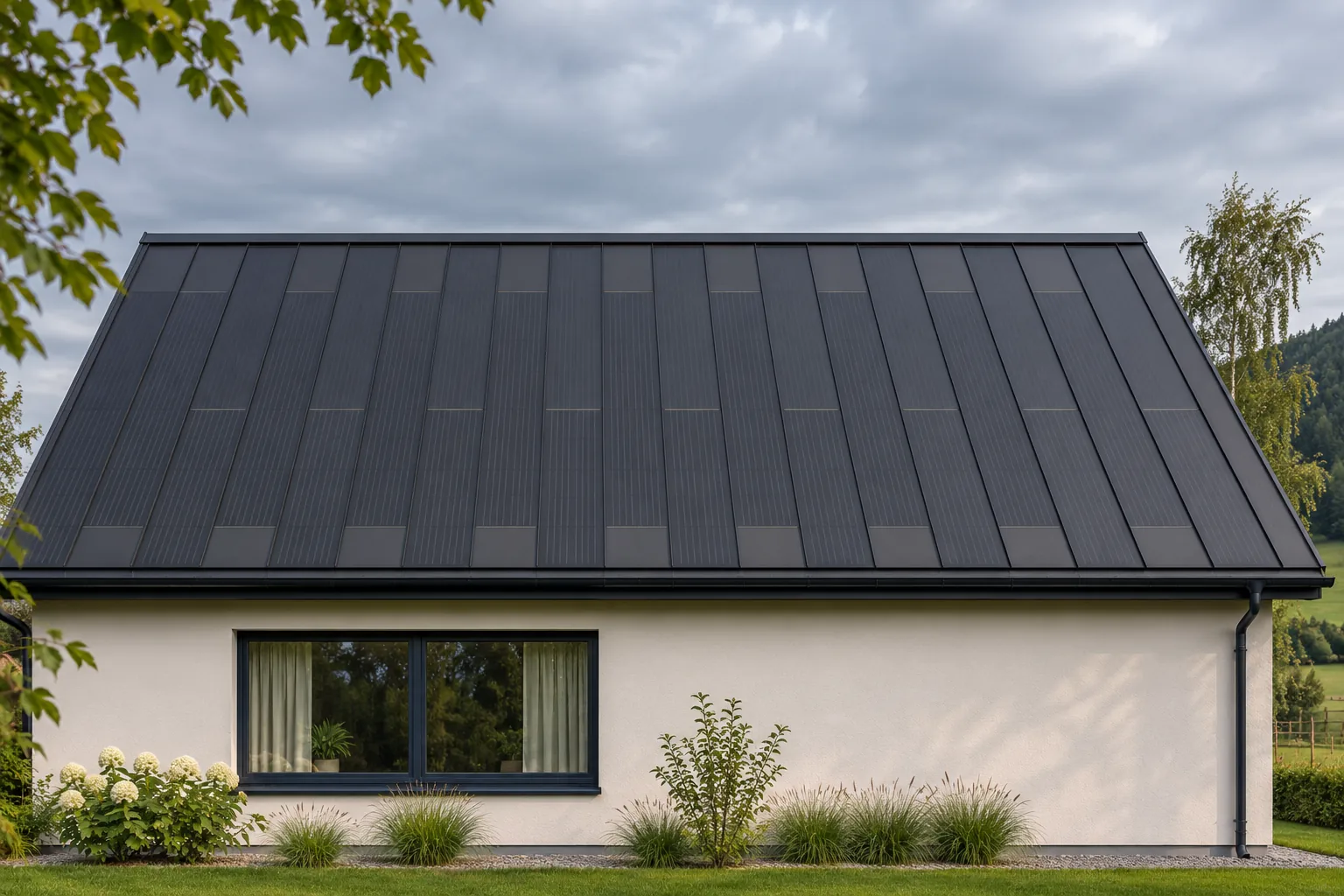
Installing an integrated solar roof brings the roofing and electrical trades together at several stages. First confirm the design and structure. Prepare…
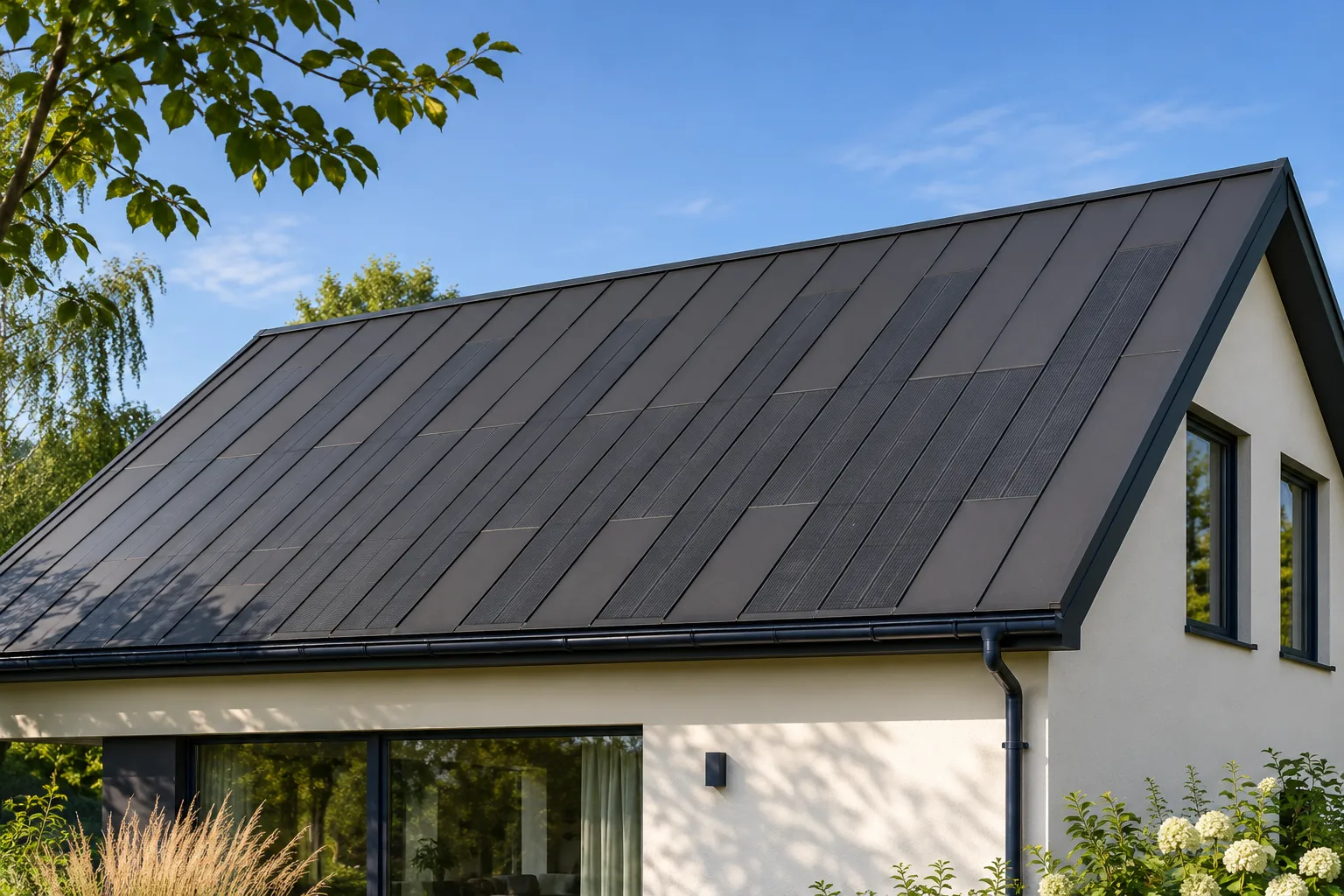
An active PV covering is one layer of the roof above a heated loft. The assembly still needs to shed water, limit…
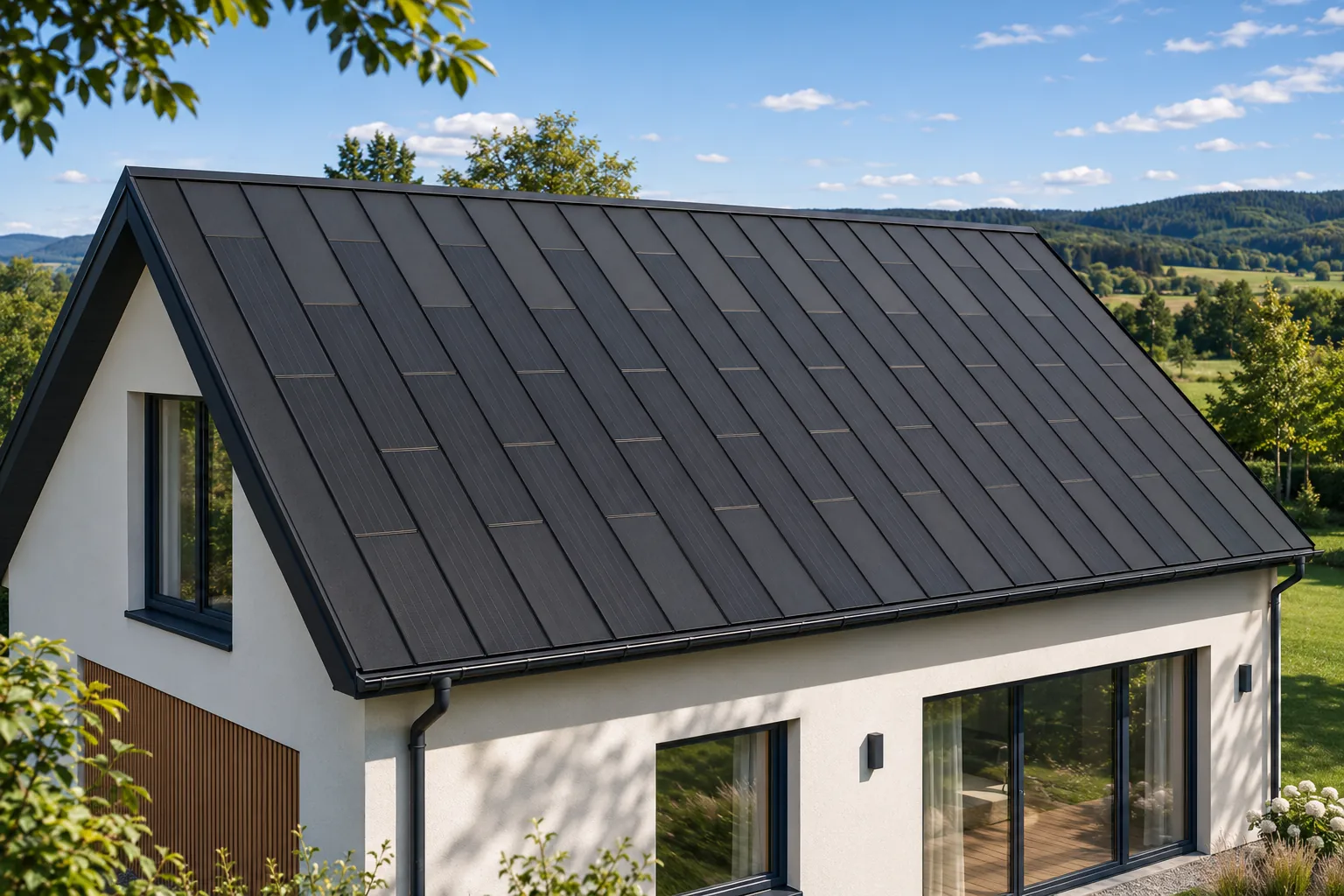
Handover of an integrated solar roof covers the roofing, electrical installation and records of how both were built. An app showing power…
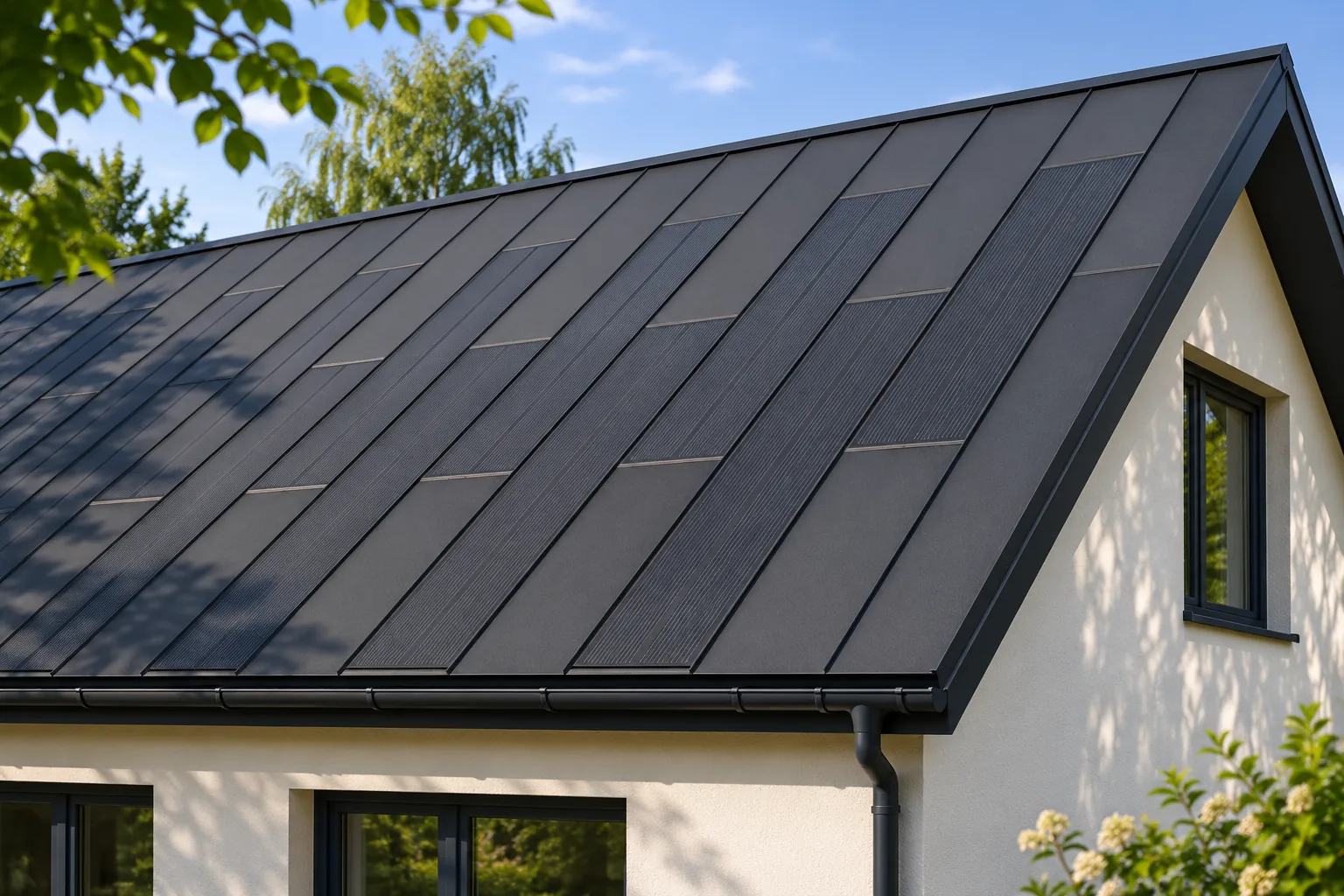
An integrated photovoltaic roof needs access for inspection and repair, both for the solar installation and for other parts of the building.…
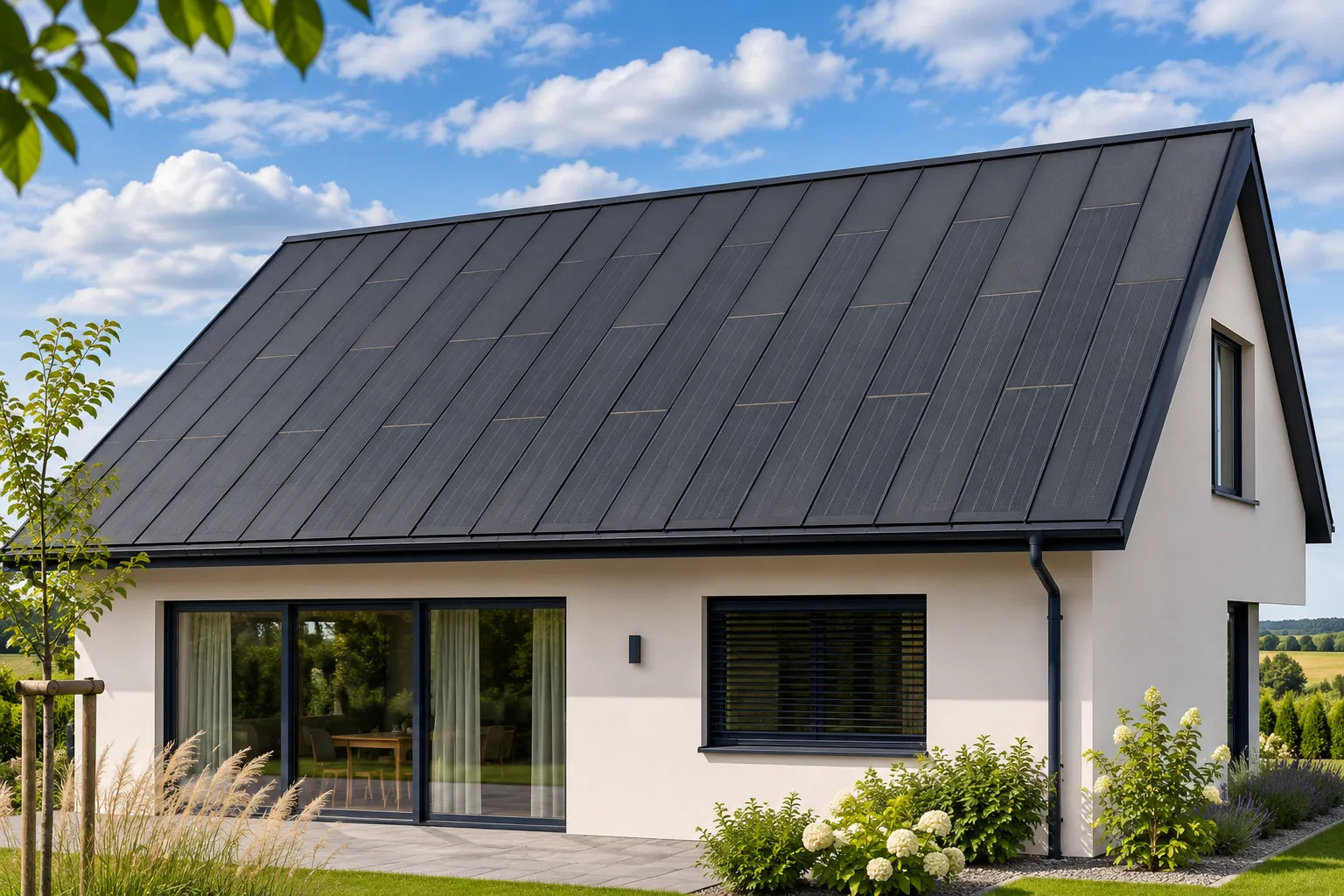
A building-integrated photovoltaic roof can sometimes be delivered in stages. Define the finished layout first and make sure the covering will protect…
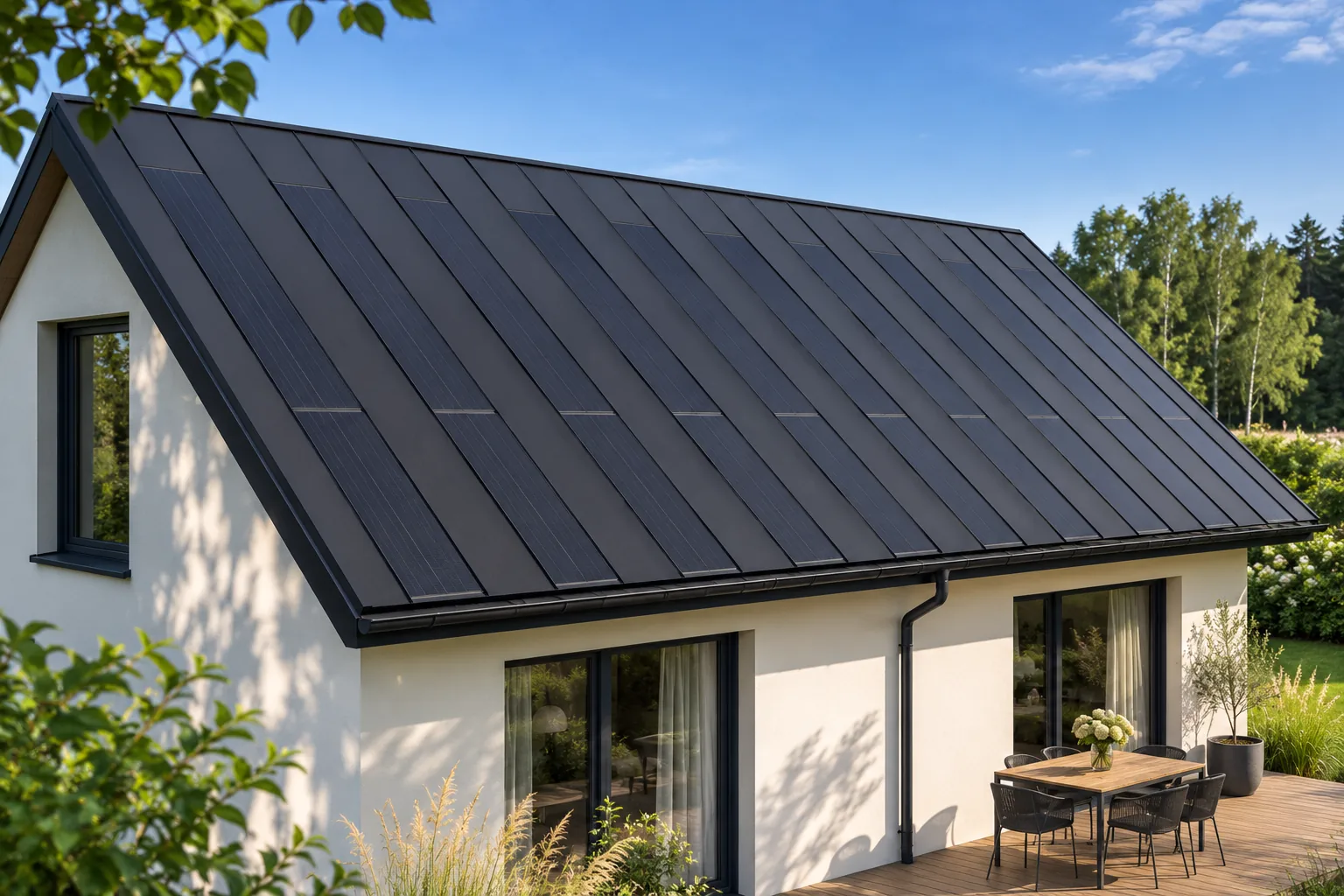
A roof described as solar does not necessarily have a photovoltaic covering. Building-integrated photovoltaics (BIPV) takes over a building function, while an…
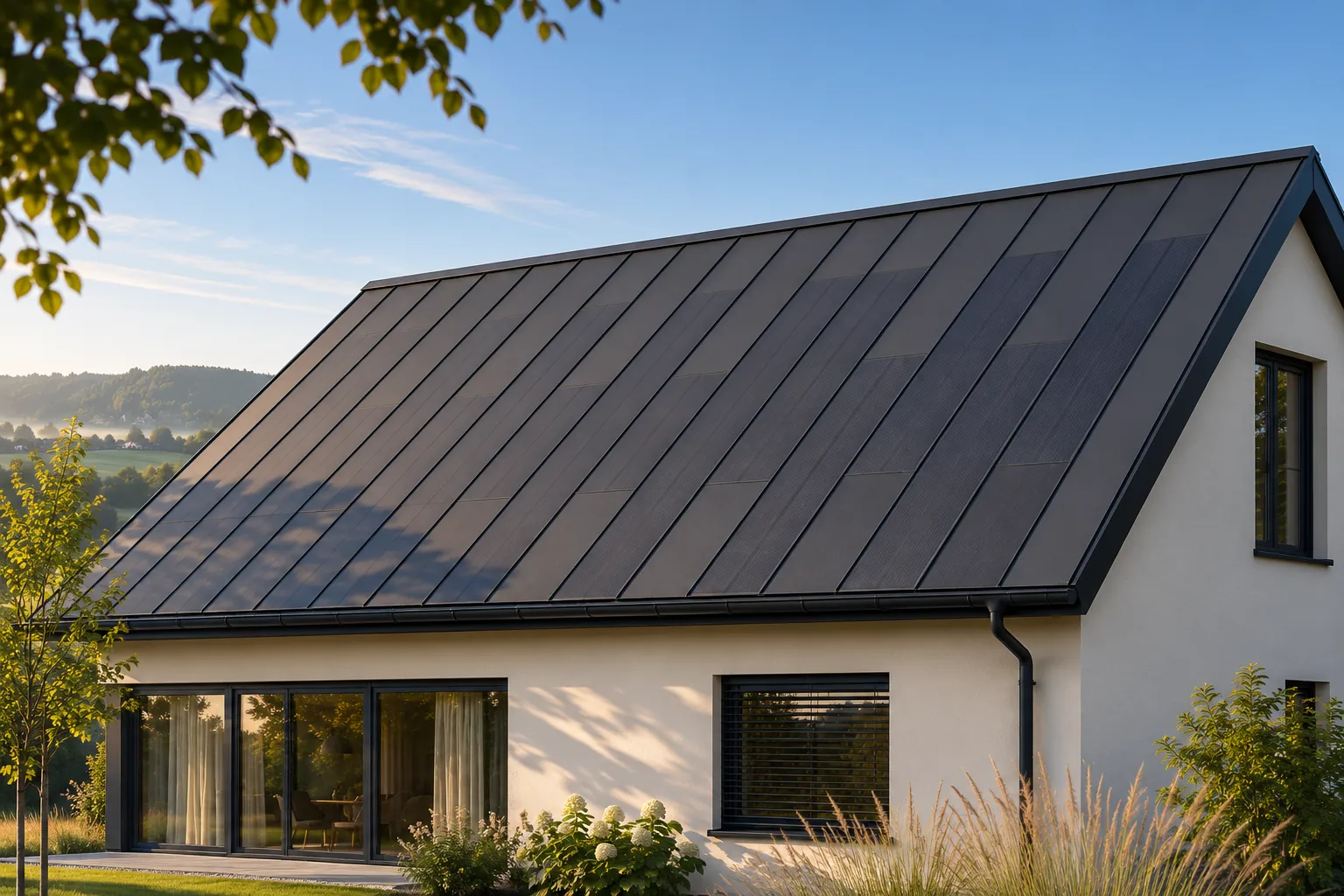
An integrated PV roof design needs the roof geometry, layers, supports, flashings and cable routes alongside the module count. Combine these with…